Tag: Ministry of Information & Broadcasting

  • “Traditional media in India is also experiencing a steady growth”: Kevin Vaz

    “Traditional media in India is also experiencing a steady growth”: Kevin Vaz

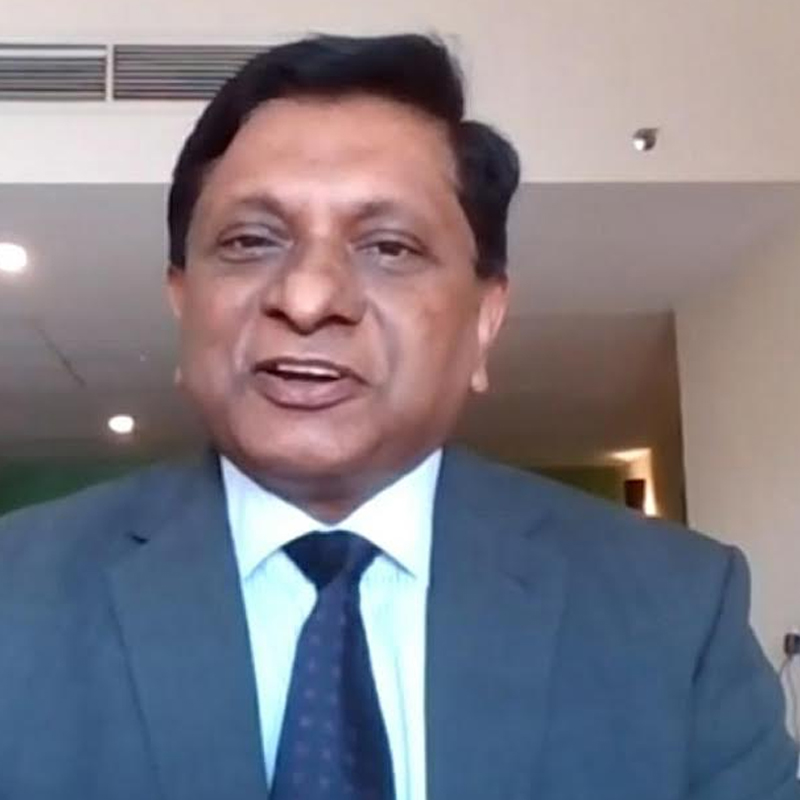
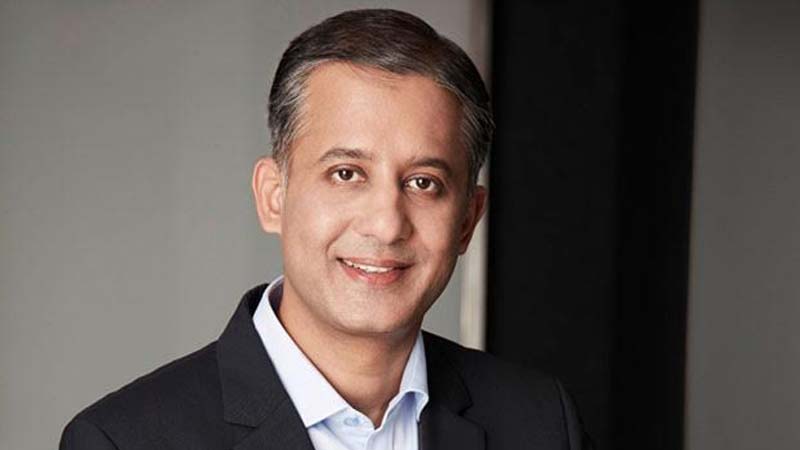
    Mumbai: Viacom18 CEO- Broadcast entertainment Kevin Vaz reflected on the Media & Entertainment sector, both on a global scale and within the Indian context at FICCI frames 2024 event. He said, “In 2023, our industry witnessed a remarkable era of content creation, with over 200,000 hours of content produced annually. Indian content has transcended international boundaries, captivating audiences in more than 160 countries and topping streaming charts on global platforms. In 2023, Indian content bagged not one but two Oscars for the best song and the best documentary respectively. Indian music talent has bagged 3 Grammys recently. 2 Indians (Vir Das And Ekta Kapoor) won the prestigious International Emmy’s awards. This shift indicates a new era where local flavors and stories are embraced by audiences worldwide, showcasing the universal appeal of Indian stories and our storytelling.

    The integration of digital technologies in the Indian M&E industry is at a scale without parallel amongst the comity of nations. Driven by accessible and affordable internet, with Commercial 5G services rollout propelling the growth of India M&E, we must recognise the virtuous cycle of investments in creativity that drive the expansion of affordable internet in India. We can be proud of the fact that Indian companies, Indian creators, Indian producers, are at the forefront of the digital content revolution, be it in films, music or gaming.

    Platforms like JioCinema have revolutionized sports viewership in India, offering accessible and affordable access to live matches like the IPL. This goes to show the importance of internet accessibility in driving the growth of the M&E industry. Unlike other industries, M&E has caught the digital transformation wave early and stand ready to reap the benefits with supportive developments in the all-critical triad of infrastructure readiness, consumer market growth, and enabling public policies.

    The surge in digital media is forecasted to propel the M&E sector’s growth to a 10% annual rate, reaching INR 3 Trillion by 2026. Technological innovations have brought with it a paradigm shift in consumer preferences. Consumers now demand more personalised, interactive, and immersive content. This creates another facet to the growth of the entire digital media segment, including online curated content, digital advertising, online gaming, to name a few. Each of us need to reflect on how these preferences will change the way we think about the future of M&E, and the business models that are most suited to respond. To navigate the future, all of us at various intersections of the industry need to adopt innovative strategies and create engaging content across multiple platforms, leverage big data analytics, collaborate with global partners, and explore new revenue streams.

    Despite this digital boom, traditional media in India is also experiencing a steady growth, showcasing India’s diverse media consumption habits. While this might appear to be a paradox when viewed through a singular global lens, this is the truth of India – a market of AND, not OR.

    As we reflect on the journey of 2023, it becomes clear that it was a year marked by both challenges and triumphs. The first half was subdued, with modest growth rates across various segments of the industry. However, as raw material prices stabilized and marquee events like the ICC Cricket World Cup and Assembly Elections unfolded, we witnessed a significant uptick in the second half. And while the M&E industry is estimated to grow at 10% CAGR through the next few years led by digital, traditional mediums such as Television and print are also poised to grow.

    This growth underscores the enduring appeal of linear TV, particularly among established advertisers who value its unmatched brand-building capabilities at scale. It’s essential to acknowledge the continued significance of traditional media, including television, print, and outdoor advertising, in reaching diverse audience segments, especially in regional markets.

    The road ahead for the industry is brimming with possibilities and challenges alike. The integration of artificial intelligence promises to reshape the landscape of content creation, distribution, and consumption. Particularly generative AI, which is now an inexorable part of M&E supply chains. Advances in generative AI, while still relatively nascent, have produced an explosion of possibilities in the creative sector. It has ushered in a new dimension to the creative process, allowing the industry to explore uncharted territories of creativity and push the boundaries of productivity.

    As AI technologies continue to evolve, they offer unprecedented opportunities for personalized experiences and targeted advertising. However, this next-gen transformation also presents challenges such as data privacy concerns, reskilling and the need for ethical considerations – concerns that the industry and government together need to explore and address.

    Amidst these dynamics, the industry must also address the pressing need for stronger intellectual property rights protection to safeguard the integrity of our creative ecosystem. The proliferation of digital platforms and content creation tools has exponentially increased the avenues for creative expression, yet it has also heightened the risk of copyright infringement. Strengthening our IPR laws is essential to foster a conducive environment for innovation and creativity while ensuring fair compensation for content creators. The National Intellectual Rights (IPR) Policy, established in 2016, is due for review. This presents an occasion for all of us to engage on how we think about monetisation, commercialisation of content as well as the protections required for it, in a fast-evolving technological environment.

    The road ahead encompasses both opportunities and challenges in equal measure. As we navigate this complex landscape, as stakeholders of this vibrant sector, we must all remember that at the heart of it, our industry is about our consumers in a very human sense – their emotions, relationships, talents – their stories. All of us here today are simply facilitators – connecting stories to audiences and audiences to stories.

    As we begin FICCI Frames 2024, I look forward to the next three days filled with enlightening discussions, insightful sessions, and meaningful collaborations. Let us seize this opportunity to chart a course towards a future that embraces innovation, leverages technology, and upholds the timeless values of creativity and expression.

    Finally, I’d like to express my gratitude and admiration for Leena Jaisani and her team for putting FICCI Frames 2024 together. This is the 24th edition of India’s biggest media and entertainment symposium and it just keeps getting bigger and better. So kudos to the team for scaling this up consistently!” he concluded. 
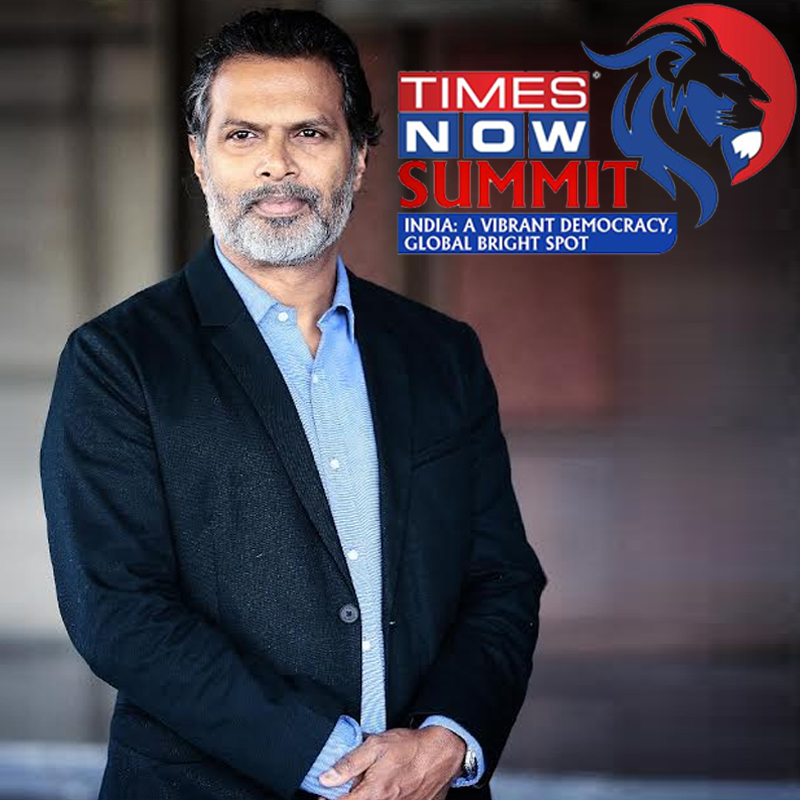
  • Times Now Summit 2022 speaker line-up is out

    Times Now Summit 2022 speaker line-up is out

    Mumbai: Times Network has announced the latest edition of the Times Now Summit 2022, which will take place on 24 and 25 November in New Delhi.

    Times Now Summit is led by the theme “India: Vibrant Democracy. Global Bright Spot’ in order to accelerate the action plan for India’s progress.

    Addressing the nation’s strategic, geopolitical, and economic potential, the two-day summit will feature union ministers, chief ministers, opposition leaders, influencers, and global leaders driving dialogue on national priorities such as India’s trade strategy, economic growth, international relations, political landscape, military strategy, healthcare, infrastructure, and decarbonizing India’s energy & power sectors.

    The power-packed line-up of speakers at the summit includes minister of home affairs Amit Shah, minister of external affairs Dr. S. Jaishankar, minister of textiles and commerce & industry Piyush Goyal, minister of information & broadcasting, youth affairs & sports minister Anurag Thakur, minister of petroleum and natural gas minister Hardeep Singh Puri, minister of education, skill development & entrepreneurship Dharmendra Pradhan, minister of railways and communications & electronics and IT Ashwini Vaishnaw, minister of women & child development Smriti Irani, minister of law & justice Kiren Rijiju, minister of environment & climate change Bhupender Yadav, Mos road transport and highways Gen V K Singh, Global Governance Forum chair & Trends World Bank former head Augusto Lopez Claros, Uttarakhand chief minister Pushkar Singh Dhami, Assam chief minister Himanta Biswa Sarma, Goa chief minister Pramod Sawant,  PMEAC member Sanjeev Sanyal and NITI Aayog  CEO  Parameswaran Iyer, amongst others.

    Times Network MD & CEO MK Anand said, “Times Now Summit is emerging as India’s most impactful platform for driving pertinent national agenda points. Amidst global headwinds, India is fast becoming an influential force in the new world order. Leading with the theme, “India: Vibrant Democracy. Global Bright Spot,” Times Now Summit 2022 will engage with eminent leaders across the globe to discuss and deliberate a definitive action plan, advancing India’s position to drive global growth.”

    Times Now Summit 2022 is presented by Herbalife Nutrition, co-powered by GE, and driven by Maruti Suzuki. State partners are the governments of Andhra Pradesh and Uttarakhand; e-mobility partner is Olectra Greentech; door-to-door express partner is Om Logistics; and associate partners are Indian Oil Corp. and Life Insurance Corp. of India.

  • Apurva Chandra talks about credibility of social media, RPD and direct-to-broadcast: CII The Big Picture Summit 2022

    Apurva Chandra talks about credibility of social media, RPD and direct-to-broadcast: CII The Big Picture Summit 2022

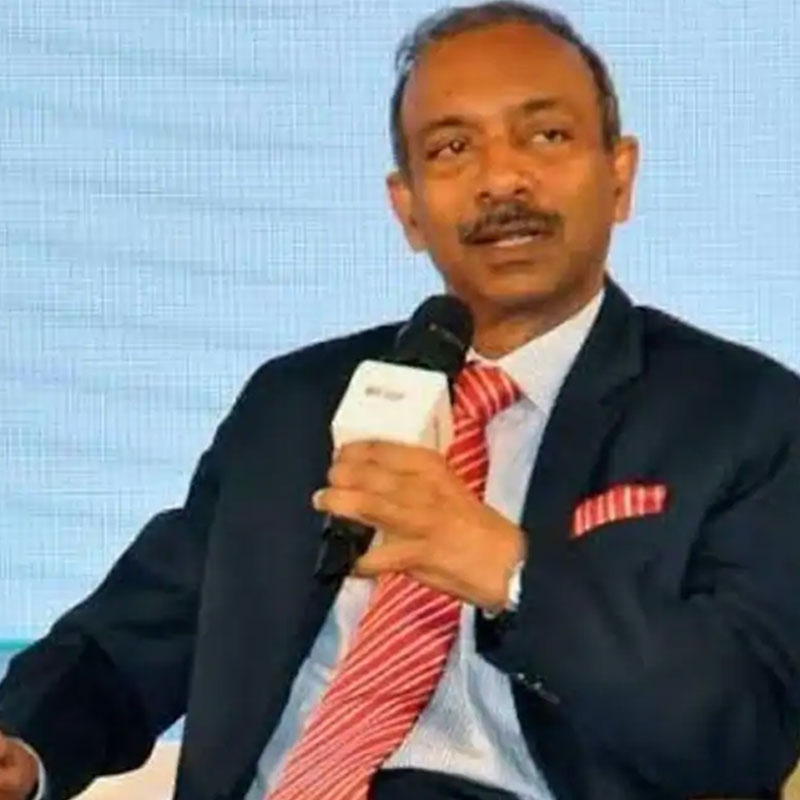
    Mumbai: At the Big Picture Summit organised by the Confederation of Indian Industry (CII) on 16 & 17 November, among the many dignitaries that were in attendance and spoke on various topics, the ministry of information & broadcasting (MIB) secretary Apurva Chandra was also present.

    On his recent visit to the Global Media Congress in Abu Dhabi, he made some observations and spoke about the same. He raised his concern (as well as the concern of many) with regard to the fact that the use of social media is on the rise and traditional media is on the decline.

    “The use of social media is increasing – that is how the consumption of media now takes place. And within that too, there is the short video format, which has become more popular. In fact, I was surprised to learn that youngsters now turn to TikTok for search and not Google anymore – TikTok has now become a more popular search engine as compared to Google because nowadays short videos are available for anything and everything,” he stated.

    Chandra elucidated that now there is an issue of credibility. “For people of our age, the credibility of the media is paramount. Achieving credibility in social media will be the challenge. The media authorities will also have to consider that viewers’ tastes are changing towards shorter and shorter versions.”

    He went on to reveal that the next big thing that MIB is working on is direct-to-mobile broadcast. A pilot study by IIT Kanpur and Sankhya Labs on direct-to-mobile broadcasting that had been undertaken in Bengaluru has been successful; a similar pilot study will be launched soon in Noida or someplace near Delhi.

    He added, “There are 20 crore households, 60 crore smartphone users, and 80 crore broadband users. Once we start direct-to-mobile broadcasting, the reach of the TV media would be much higher.”

    Additionally, Chandra mentioned that they are also working on the issue of TRP ratings.

    “The reverse path data (RPD) pilot has also been successful; the report has been submitted. We will now take it forward on integrating more and more RPD. The major concern was that the number of households involved in Barc ratings is very low and it should be increased. Once RPD is implemented, the TRP will become much larger,” he assured.

  • Zee Media’s permission to transmit channels in Ku Band, revoked

    Zee Media’s permission to transmit channels in Ku Band, revoked

    Mumbai: The disgruntled TV networks couldn’t be any happier. In what seems to be a relief for most TV networks, an order passed by the Ministry of Information & Broadcasting (MIB) on 23 September, Zee Media’s authorisation to transmit 10 television channels available in Ku band on GSAT -15 satellite has been revoked. As noticed by MIB, the media conglomerate was gaining an unfair advantage over its competitors, as these channels were also accessible on DD Free Dish, the DTH platform of Doordarshan.

    Since quite some time, a lot of the TV networks had been vocal about the fact that Zee Media was reaping in undue advantage of having its channels being accessed on DD Free Dish. Infact, Prasar Bharati (PB) had also asked Indian TV viewership measurement body Barc to take necessary action against Zee Media regarding the same. But it was all in vain.

    Ten regional news channels of Zee Media namely Zee Hindustan, Zee Rajasthan, Zee Punjab Haryana Himachal, Zee Bihar Jharkhand, Zee Madhya Pradesh Chhattisgarh, Zee Uttar Pradesh Uttarakhand, Zee Salam, Zee 24 Kalak, Zee 24 Taas, and Zee Odisha (now Zee Delhi NCR Haryana) were permitted to operate on C-Band as per MIB’s permission, stated the recent order.

    The statement further mentioned, “Zee Media applied (in 2019) for permission to uplink the 10 channels simultaneously in Ku Band on GSAT -15 satellite from the teleport of Dish TV. The justification given by the applicant seeking uplinking on Ku-band was that many operators have desired to receive channels in the Ku-Band. These operators desire to receive only one of two channels of the Zee Media in many cases, and do not own or operate a C-Band receiving dish of 4 Meters (16 feet) due to their location in crowded locales where such installations are not possible. The applicant further mentioned that Ku-band allows smaller dish antennas for its application, hence installation is cheaper and easier and it incurs lesser terrestrial interference.”

    On the request of Zee Media, MIB had granted permission to the media giant in 2019 for uplinking of the channels simultaneously in Ku Band on GSAT 15 Satellite through the teleport of Dish TV. However, subsequently, it came to the notice of the Ministry that these 10 channels of Zee Media are getting available on DD Free Dish.

    On analysis of the dispute, it was noticed that the channels were getting available on DD Free Dish because of proximity and co-location of transponders of both DD Free Dish and Dish TV on the same satellite, that is GSAT 15 Satellite and non-encryption of the signals by both of them.

    “Due to availability of the channels of Zee Media on DD Free Dish, Zee Media was having a competitive advantage vis-a-vis other private broadcasters (who are not on Ku Band) and having a leverage of the large subscriber base of DD. The Ministry also received references from Prasar Bharati and many private broadcasters regarding this unfair advantage to Zee Media due to permission of simultaneous uplinking of 10 TV Channels on Ku-Band in addition to uplinking in C-Band,” the statement pointed out.

    Understanding that uplinking simultaneously to the two bands is prohibited, Zee Media stated that the situation had arisen due to colocation of DD Free Dish and Dish TV on the same satellite i.e. GSAT 15 Satellite and non-encryption of the signals by Prasar Bharti which is a violation of the DTH guidelines.

    “As per the Policy Guidelines for downlinking, the broadcasters should provide signals to Distribution Platform Operators (that is MSO/DTH/HITS/IPTV) only and are not supposed to reach consumers directly. Due to the permission granted by MIB (in 2019), channels of Zee Media are directly available to the consumers due to co-location. In this regard, Telecom Regulatory Authority of India (TRAI) has observed that a registered channel shall give its signals only to an authorized Distribution Platform Operator (DPO) (registered cable operator or DTH operator or Internet Protocol Television (IPTV) Service Provider or a HITS operator). However, because of the fact that the channels of Zee Media are unencrypted and are on Ku Band, they are being received by the subscribers of DD Free Dish directly and not through any DPO. Hence, this arrangement is in violation of the policy guidelines for downlinking of a TV channel.  In order to provide a level playing field to all the stakeholders in the TV channel industry, the decision for grant of permission to Zee Media for simultaneous uplinking of its 10 TV channels in Ku Band on GSAT- 15 Satellite through the teleport of Dish TV has been reviewed and withdrawn with immediate effect,” the statement said.

    For the record, the statement also made clear that Prasar Bharati is an autonomous body setup under the Prasar Bharati Act. Further, DD Free Dish has been set-up by Prasar Bharati with the approval of the Union Cabinet. The DTH Guidelines and the policy guidelines for uplinking and downlinking are applicable to only those TV Channels/distribution platforms for which any permission or license is granted by the Ministry of Information and Broadcasting. Since DD Free Dish is a special dispensation, approved by the Union Cabinet, these guidelines of MIB are not applicable to it.

  • 26% FDI cap should apply to news aggregators too: I&B secy Amit Khare

    26% FDI cap should apply to news aggregators too: I&B secy Amit Khare

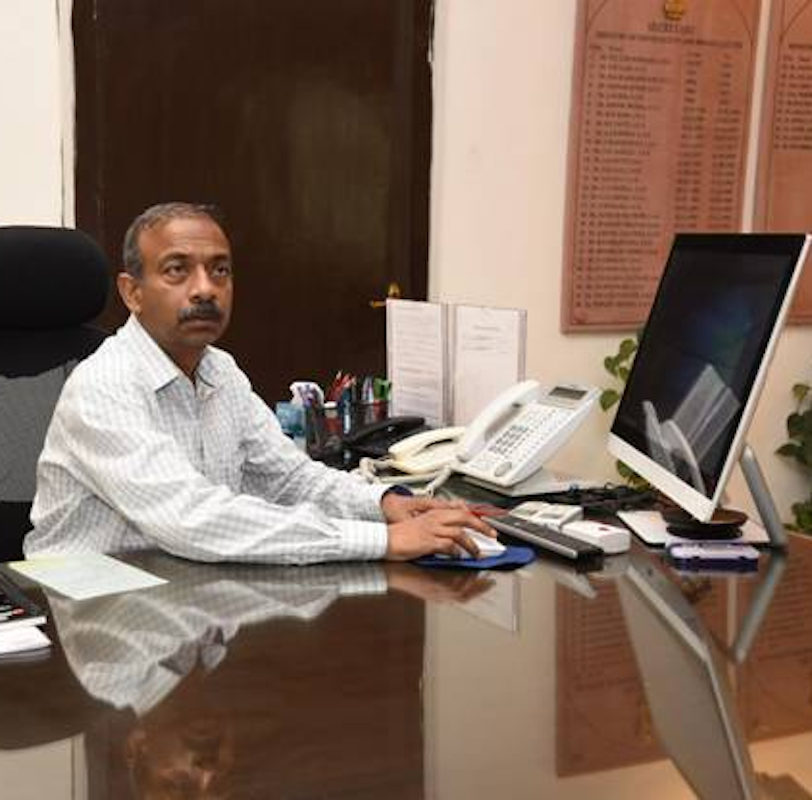
    NEW DELHI: News aggregators could be seeing some trouble in paradise. The ministry of information & broadcasting secretary Amit Khare, in a discussion at FICCI Frames 2020, said that FDI (foreign direct investment) rules should be applicable to print media as well as news aggregators.

    “I would not like to announce it here; that is not my role. But there is very serious thinking that a level playing field should be there between digital platforms and print media. But the announcement will come after the decision is finally taken by the government,” Khare shared during the discussion.

    “26 per cent FDI cap should be applicable to the aggregators as well as print media,” he stated.

    Khare was responding to a query that questioned why regulations applied to newspapers were not applicable to news aggregators who pick up their content to sell news.

    Popular apps including DailyHunt and Inshorts are among the biggest players in the Indian news aggregator space. DailyHunt has more than 100 million downloads on Google Play Store while Inshorts has over 10 million.

  • Amit Khare to start his second tenure as  I&B secretary

    Amit Khare to start his second tenure as I&B secretary

    MUMBAI: He’s back at a post he held just about two years back. Amit Khare, the higher education secretary in the HRD ministry and schools, has been hoicked into the position of secretary, ministry of information & broadcasting (I&B). He replaces Ravi Mittal who has been in the hotseat since December 2019.

    Khare had been appointed to the secretary’s post for the first time on 31 May 2018. It was in December last year, that Mittal got the top charge of MIB during a reshuffle. Now, Mittal has been transferred  as secretary, department of sports.

    Khare is a 1985 batch Indian Administrative Service officer .Considered an upright civil servant, he is credited for unearthing the multi-million dollar fodder scam two decades ago in Bihar for which some powerful politicians, including former Bihar chief minister Lalu Yadav, and senior officials have been handed jail sentences of varied time periods.

    Khare comes into the I&B ministry at a crucial time when the government is battling hard to stem the spread of the dreaded novel coronavirus SARS-COV2 which has already claimed more than 800 lives and afflicted more than 26,000 Indians. Khare will have an important role to play especially considering that the economic trials and tribulations the TV broadcasting, and advertising and media sectors are facing courtesy the government enforced lockdown nationally for the past month or so.  Khare has been relieved of his secretary schools portfolo, while continuing to hold the higher education one.

    During a career span of more than 35 years, Khare has held various field postings and has worked from grassroots to the higher levels of governance in both state and central governments.  Prior to being additional chief secretary, Jharkhand,  Khare served as principal secretary, finance & planning department, Jharkhand. He has served as member secretary in the department of pharmaceuticals, ministry of chemicals & fertilizers, and joint secretary to the in the department of higher education, ministry of human resource development.

  • Draft bill proposes to regulate digital news media

    Draft bill proposes to regulate digital news media

    MUMBAI: The Ministry of Information & Broadcasting (MIB) has proposed changes to the archaic, colonial-era Press and Registration of Books (PRB) Act, 1867, which will make it mandatory for digital news sites to register themselves with the Registrar of Newspapers of India in “such manner and giving such particulars as may be prescribed”.

    Section 18 of the provisions of the draft Registration of Press and Periodical (RPP) Bill, 2019 – released by the MIB for consultations – stipulates: “The publishers of news on Digital Media shall register themselves with the Registrar of Newspapers of India in such manner and giving such particulars as may be prescribed.”

    The draft bill, if accepted, will bring digital news under the gambit of regulation as currently no news website in India has to “register” with the government or follow any regulations other than what are normally applicable for any form of speech or expression.

    The bill defines news on digital media as "news in digitised format that can be transmitted over the internet, computer or mobile networks and includes text, audio, video and graphics".

    Notably, this is the second attempt by the Narendera Modi government to bring, hitherto, freewheeling digital news media under some sort of regulation. Earlier in August, the Union cabinet said it was introducing a 26 per cent cap on foreign direct investment for news websites subjecting to official approval on a case by case basis.

    Rules for government advertisement

    Besides, the draft bill would enable the central and the state governments to frame appropriate rules and regulations to regulate the criteria and conditions for issuing government advertisements in newspapers, accreditation of newspapers and such other facilities for newspapers.

    The process of title and registration of periodicals including newspapers is proposed to be effected centrally by the Press Registrar General as a simultaneous process, the draft bill says.

    Editors to be Indian citizens

    The bill also makes it mandatory for editors to be Indian citizens. It defines editor as “an individual, whether called editor, chief editor, group editor or editor-in-chief or by any other name called, being a citizen of India and is ordinarily resident in India responsible for the selection and finalization of the content of a periodical".

    Ban on persons who have “done anything against the security of the state”

    Another notable feature in the draft bill, that is raising some concerns, is that the bill enables the government to ban any individual who have “done anything against the security of the state” from bringing any publication. As such, the phrase “done anything against the security of the state” is ambiguous and open-ended.

    The ministry has sought comments on the draft bill, released earlier this week, from stakeholders over the next 30 days.

  • MIB hikes ad rates for print media by 25%

    MIB hikes ad rates for print media by 25%

    MUMBAI: The Ministry of Information and Broadcasting (MIB) has taken a decision to revise the advertisement rates for print media by announcing a hike of 25 per cent over and above the existing rate structure for advertisement in print media by the Bureau of Outreach and Communication (erstwhile DAVP). The decision will be valid for a period of three years, i.e. until January 2022.                                               

    The last such revision had taken place in 2013 when an increase of 19 per cent had been announced over and above the rates of 2010.

    This decision has been taken based on the recommendations of the 8th Rate Structure Committee constituted by the MIB which took into account several factors, including the increase in the price of newsprint, processing charges and other factors which go into the computation of advertisement rates.

    The ministry states that the decision will be of great benefit especially to the medium and small newspapers including a large number of such papers in regional and vernacular languages.

  • Indian govt downgrades additional secy post at MIB

    Indian govt downgrades additional secy post at MIB

    NEW DELHI: In a debatable move, the government has “downgraded” the post of additional secretary at Ministry of Information and Broadcasting and shunted out the present official to another post, while bringing in another person who would hold a junior rank.

    In an official communication issued 20 December 2018, the government has stated that Atul K Tiwari was being appointed as joint secretary at MIB and would shift from an equivalent post he held at Ministry of Textiles.

    While, the government communication also listed reshuffle of several other civil servants, including upgradation of two officials, in the case of MIB it was specifically stated that the post of additional secretary at MIB was being downgraded and the present incumbent Jayashree Mukherjee would be posted elsewhere in the government.

    In effect, this means that joint secretary Tiwari would function as an additional secretary at MIB discharging duties similar to that being done by Mukherjee. An additional secretary’s post in a ministry is the second top bureaucratic post in that organisation.

    Tiwari joins MIB at a crucial time ahead of general elections sometimes in the first quarter of 2019. The ministry oversees the work of public broadcasters Doordarshan and All India Radio and government’s PR arm Press Information Bureau, apart from a host of other entities involved in the dissemination of public service messages and information about government programmes. MIB is also responsible for permissions given to TV channels, newspapers, magazines and similar media ventures and implementing regulations meant for the media sector.

  • MIB calls for ‘fiscal prudence’ in Prasar Bharati

    MIB calls for ‘fiscal prudence’ in Prasar Bharati

    NEW DELHI: The Ministry of Information and Broadcasting (MIB) on Friday justified certain government directives to India’s publicly funded national broadcaster Prasar Bharati Corporation by saying “fiscal prudence” was the need of the hour, while reiterating its commitment to safeguard interest of the organisation’s employees.

    “Fiscal prudence and accountability is the very fulcrum of the functioning of any government organisation. Prasar Bharati is as much bound by the general financial rules (GFR) of the government of India as any ministry or any organisation receiving grants-in-aid from the government,” MIB said in a statement, which, apparently, looks like a rebuttal to a report appearing in news website The Wire that questioned certain decisions of minister Smriti Irani.

    MIB also termed the story, without directly referring to it, as a “deliberate, sinister (and) motivated campaign” to “tarnish” its image by putting out a report that was “based on ill-will and incorrect appreciation with half baked facts”.

    “As per the provision of GFR, any autonomous organisation receiving grant-in-aid must sign a Memorandum of Understanding (MoU) with the ministry, clearly bringing out the physical and financial targets with timelines for activities to be done by utilising the said grant during that financial year,” MIB clarified further, adding, “For the record, irrespective of repeated reminders from the ministry, no MoU has been signed by Prasar Bharati.”

    In a news report, headlined ‘Angered by Prasar Bharati’s Defiance, Smriti Irani Blocks Salary Funds for DD, AIR’, which went viral on social media over the last few days, The Wire quoted Prasar Bharati chairman Surya Prakash, serving his second term, as saying contingency funds were utilised to pay salaries to employees for the month of January and February 2018. It also concluded that if the standoff continued, the pubcaster will run out of money by April.

    The story’s reporter, a freelance journalist who’s also written a book on BJP’s online troll army, highlighted that the federal government earmarked around Rs 2,800 crore in 2018-19 towards Prasar Bharati where the allocation is routed through the MIB, which releases monthly installments for the salaries of its approximately 5000 employees.

    The report went on to state, quoting unnamed sources in the pubcaster, that the ministry had been “raising queries and creating problems” before releasing funds and, since December, has “not released money for salaries, forcing a drawdown of contingency funds”. The crisis, the report quoted the sources as saying, began when Prakash started questioning some of  Irani’s actions.

    It must be stated here that Indiantelevision.com is not in a position to independently verify the allegations made in The Wire report and has based its present news story on an official statement put out by MIB on the website of Press Information Bureau on a day when majority of Indians took a public holiday to celebrate the festival of colours – Holi.

    However, illustrating how fiscal accountability led to “curbing of wasteful expenditure” in the Prasar Bharati, which controls Doordarshan and All India Radio, MIB said, “By bringing in Human Resource Information System in Prasar Bharati, at repeated insistence of the ministry, exact amount of expenditure on employees has been worked out and this has resulted in savings to the tune of nearly Rs 30 crore per month for the salary head (Rs 360 crore a year). The Sam Pitroda Committee had also suggested a number of measures such as manpower audit etc. to enhance financial discipline. Hence, we are hopeful that following similar footsteps, together a lot can be done to enhance transparency and accountability.”

    At a media conference last week Irani had publicly questioned Prasar Bharati management’s ability in generating additional revenues. “The tragedy was that private broadcasters grew at the cost of [pubcaster] Prasar Bharati [riding DD’s FTA FreeDish platform],” Irani had said, adding, “How can we leverage the infrastructure that taxpayer has paid for so that good content is available [and] there is increased ad spend because of sheer power of reach of Prasar Bharati?”

    Meanwhile, according to a report in The Economic Times, the MIB is scrutinising the pay packages given to senior officers in Prasar Bharati and pointing out cases of mismatch in positions to pay. Being an administrative ministry, it claims to have more power in deciding the pay for current and retired employees, superseding the directive of Prasar Bharati.

    In one particular case, Rajeev Singh, an officer at the additional secretary position in the finance wing, is drawing the salary of a secretary. This leads to a difference in pay of Rs 20,000. Seven other employees in the rank of additional director general are being probed with regard to their appointments.

    ALSO READ:

    Smriti Irani exhorts DD to leverage reach better

    Prasar Bharati’s main role is of pubcaster, not revenue generator, says Rathore

    MIB minister Smriti Irani orders review of DD prime time auction process

    Smriti Irani tweets industry body advisory urging restraint by TV news channels