Tag: Ministry of Culture

  • Niladri Kumar wins Sangeet Natak Academi Puraskar 2023

    Niladri Kumar wins Sangeet Natak Academi Puraskar 2023

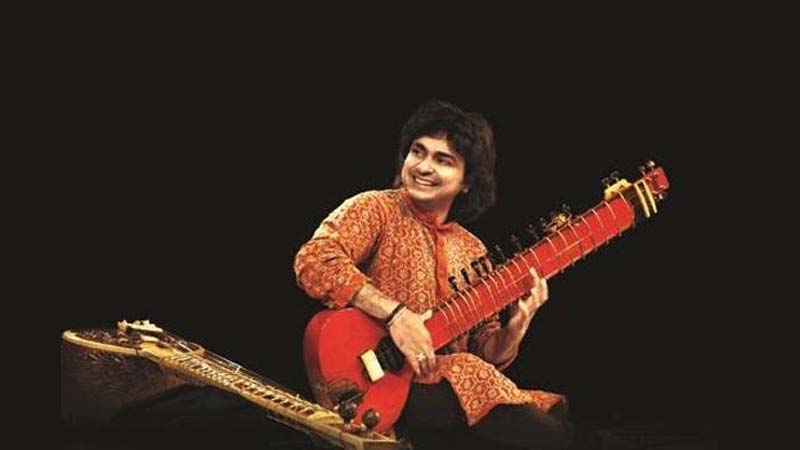
    Mumbai: Indian music icon and sitar maestro Niladri Kumar has been named among winners of Sangeet Natak Academi Puraskar for the year 2023, by the Ministry of Culture and Sangeet Natak Akademi Puraskar. This is the highest national recognition given to stalwarts in the field of performing arts. Niladri Kumar had earlier won Ustad Bismillah Khan Yuva Puraskar by the Sangeet Natak Academi in 2007.

    “I am very grateful to Ministry of Culture and Sangeet Natak Akademi for honouring my journey in music, and I sincerely seek blessings for the path I yet have to travel. My greatest reward is to witness my music touch the hearts of listeners from all over the world, across all these years,” said Niladri Kumar.

    Born to sitar maestro, Kartick Kumar, a disciple of Ravi Shankar and Sangeet Natak Akademi Puraskar winner, Niladri Kumar first performed on Doordarshan at the tender age of seven. He has since been breaking barriers and setting trends in Indian music. Taking forward his father’s legacy, the maverick musician has been well recognised at national as well as global forums.

    An artist, who believes in walking with the times alongside staying true to his Indian roots, Niladri Kumar has featured in jazz-guitar legend John McLaughlin’s album Floating Point. He has also toured and played with giants of world music, including tabla maestro Ustad Zakir Hussain and jazz-rock bass virtuoso Jonas Hellborg. He has also composed music for hit Bollywood numbers such as Chup Ke from Bunty Aur Babli, Crazy Kiya Re from Dhoom 2 and Bheeegi Bheegi from Gangster. A great aspiration, Niladri Kumar is truly India’s pride.

  • Jawhar Sircar sets 12-point action plan before early retirement

    Jawhar Sircar sets 12-point action plan before early retirement

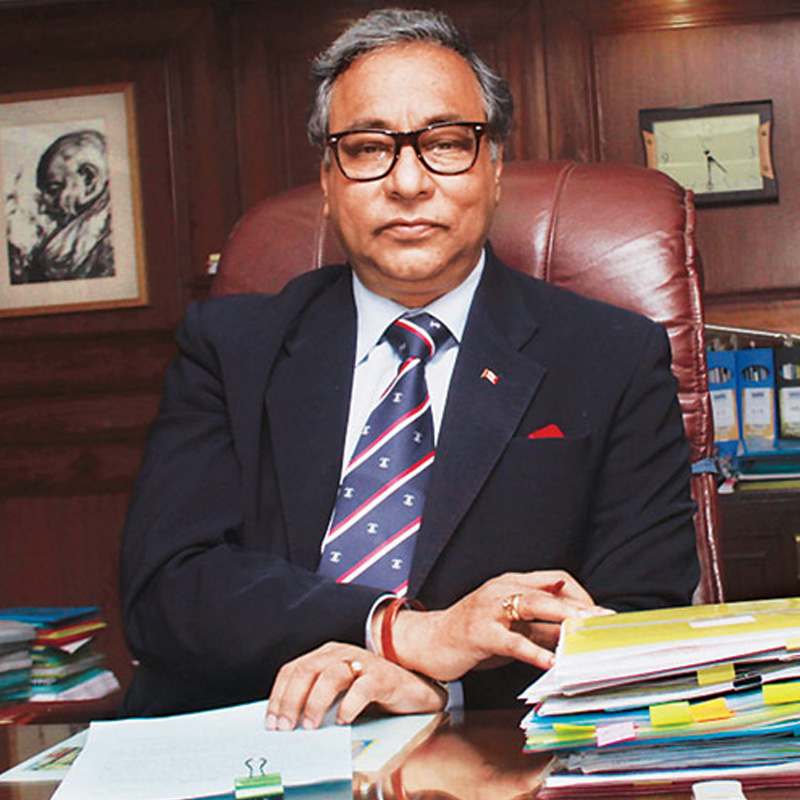
    NEW DELHI: Prasar Bharati Chief Executive Officer Jawhar Sircar wants to ride into the sunset slightly before his tenure ends officially first quarter 2017, but in his trademark  style — feisty, frank and fearless — has started a raging debate in media and political circles nevertheless.

    “No, I have not threatened to quit (but) have just expressed a desire to relinquish (duties) a few months before tenure (ends). I do not see any controversy in that,” Sircar told indiantelevision.com.

    Sources in Ministry of Information and Broadcasting (MIB) confirmed on Sunday that Sircar has not resigned yet, but has informally expressed desire to leave Prasar Bharati few months before his five-year tenure ends officially early 2017.

    A source in Prasar Bharati, while agreeing with the MIB line, informed this website that Sircar has drawn a 12-point list of things he would like to accomplish before relinquishing office. The source, however, declined to spell out the action points.

    Interestingly, in a Facebook post on his timeline Saturday, Sircar did say that he wants to go from Prasar Bharat, also alluding to the time-frame. “Since news is out today: I will clarify. I hope to be back in Kolkata by NOV. After 41+ years (of) service, I want to retire: just to read, write and relate,” he wrote. One presumes by NOV, he mean November of 2016.
    Sircar, who took office in mid-February 2012 and has been at odds at times with MIB and even the Prasar Bharati Board, told  indiantelevision.com, “The Information and Broadcasting Ministry and Prasar Bharati Board are in sync and supportive…. No issues there.”

    public://ScreenShot of Jawhar Sircar FB Post.jpg

    Pointing out that the present MIB Secretary Ajay Mittal had been “supportive” as also his immediate predecessor, Sunil Arora, who’s now an advisor to Prasar Bharati, Sircar described the speculation regarding his quitting the pubcaster as “playing in non-troubled waters”.

    According to the feisty former bureaucrat, relationship with MIB “improved dramatically” after Arora took over as Secretary in 2014.

    On being asked about the media reports and resultant debate on his quitting Prasar Bharati as he was “tired”, Sircar cryptically said he had not wanted to speak to anyone but was compelled to reply to some “charged SMS from some newspersons” when he was in Benaras or Varanasi recently. He refused to elaborate any further.

    A go-getter bureaucrat who took retirement from active government service to take up the top, but challenging, job at India’s pubcaster, managing Doordarshan and All India Radio (AIR), Sircar had told indiantelevision.com few months back in an interview that Prasar Bharti’s “monopolistic-era mind-set had to change” if it has to make itself relevant in today’s vastly changed India broadcasting scenario or come anywhere near BBC’s standards.

    Not only critical of his own Board of Directors, Sircar had, from time to time, taken on the political establishment too in India, accusing it of using Prasar Bharati as a fiefdom for government propaganda.

    In recent times, he has been criticised within Prasar Bharati for proposing to auction time-slots on DD to gain good programming and additional revenue. However, due to bureaucracy and vested interests at play, the scheme failed to get the desired results, failing to take off in the first place.

    Still, Sircar has been able to break new grounds and introduce digital technologies and cut down obsolescence at Prasar Bharat. He has also given a new push to digitization of the huge archives of AIR and DD and has received three awards for this in three years.

    He has also been elected as Vice-President of the world’s largest public broadcasting service TV and radio organization, Asia Pacific Broadcasting Union, on which 67 nations are represented.

    Sircar’s name had been cleared after a three-member selection panel in 2012, headed by Vice-President Hamid Ansari and comprising the Press Council of India Chairman and MIB Secretary, recommended his name for the CEO’s post at Prasar Bharati. The appointment of the CEO is done by the President of India on the recommendation of the selection panel, which will, probably, have to start deliberations soon.

    Born on 22 March 1952, Sircar belongs to the 1975 batch of Indian Administrative Service from West Bengal. After the retirement of MIB Secretary Raghu Menon in September 2011, Sircar had been asked to hold additional charge of the ministry as a stop-gap measure, apart from his Secretary’s responsibilities at the Culture Ministry.

    Sircar holds two post-graduate degrees in Ancient Indian History and Culture and in Sociology with Social Anthropology. He has served at various senior positions in the Central and State Governments.

    Sircar is actively associated with several cultural and academic bodies like the Asiatic Society, Victoria Memorial, Centre for Archaeological Studies, Kolkata Museum of Modern Art and the Indian Anthropological Society. He took the lead in establishing the annual Kolkata Film Festival as an international event and has published several articles and research papers on history, culture and society. In the last decade, he has focused his research on specific aspects of popular culture, folk religion and on the development of socio-religious identities.

    Sircar studied at St Xavier’s School, Presidency College and Calcutta University in Kolkata and at the Universities of Cambridge and Sussex.

    ALSO READ:

    Prasar Bharati’s monopolistic-era mind-set has to change: CEO Jawhar Sircar


  • Jawhar Sircar sets 12-point action plan before early retirement

    Jawhar Sircar sets 12-point action plan before early retirement

    NEW DELHI: Prasar Bharati Chief Executive Officer Jawhar Sircar wants to ride into the sunset slightly before his tenure ends officially first quarter 2017, but in his trademark  style — feisty, frank and fearless — has started a raging debate in media and political circles nevertheless.

    “No, I have not threatened to quit (but) have just expressed a desire to relinquish (duties) a few months before tenure (ends). I do not see any controversy in that,” Sircar told indiantelevision.com.

    Sources in Ministry of Information and Broadcasting (MIB) confirmed on Sunday that Sircar has not resigned yet, but has informally expressed desire to leave Prasar Bharati few months before his five-year tenure ends officially early 2017.

    A source in Prasar Bharati, while agreeing with the MIB line, informed this website that Sircar has drawn a 12-point list of things he would like to accomplish before relinquishing office. The source, however, declined to spell out the action points.

    Interestingly, in a Facebook post on his timeline Saturday, Sircar did say that he wants to go from Prasar Bharat, also alluding to the time-frame. “Since news is out today: I will clarify. I hope to be back in Kolkata by NOV. After 41+ years (of) service, I want to retire: just to read, write and relate,” he wrote. One presumes by NOV, he mean November of 2016.
    Sircar, who took office in mid-February 2012 and has been at odds at times with MIB and even the Prasar Bharati Board, told  indiantelevision.com, “The Information and Broadcasting Ministry and Prasar Bharati Board are in sync and supportive…. No issues there.”

    public://ScreenShot of Jawhar Sircar FB Post.jpg

    Pointing out that the present MIB Secretary Ajay Mittal had been “supportive” as also his immediate predecessor, Sunil Arora, who’s now an advisor to Prasar Bharati, Sircar described the speculation regarding his quitting the pubcaster as “playing in non-troubled waters”.

    According to the feisty former bureaucrat, relationship with MIB “improved dramatically” after Arora took over as Secretary in 2014.

    On being asked about the media reports and resultant debate on his quitting Prasar Bharati as he was “tired”, Sircar cryptically said he had not wanted to speak to anyone but was compelled to reply to some “charged SMS from some newspersons” when he was in Benaras or Varanasi recently. He refused to elaborate any further.

    A go-getter bureaucrat who took retirement from active government service to take up the top, but challenging, job at India’s pubcaster, managing Doordarshan and All India Radio (AIR), Sircar had told indiantelevision.com few months back in an interview that Prasar Bharti’s “monopolistic-era mind-set had to change” if it has to make itself relevant in today’s vastly changed India broadcasting scenario or come anywhere near BBC’s standards.

    Not only critical of his own Board of Directors, Sircar had, from time to time, taken on the political establishment too in India, accusing it of using Prasar Bharati as a fiefdom for government propaganda.

    In recent times, he has been criticised within Prasar Bharati for proposing to auction time-slots on DD to gain good programming and additional revenue. However, due to bureaucracy and vested interests at play, the scheme failed to get the desired results, failing to take off in the first place.

    Still, Sircar has been able to break new grounds and introduce digital technologies and cut down obsolescence at Prasar Bharat. He has also given a new push to digitization of the huge archives of AIR and DD and has received three awards for this in three years.

    He has also been elected as Vice-President of the world’s largest public broadcasting service TV and radio organization, Asia Pacific Broadcasting Union, on which 67 nations are represented.

    Sircar’s name had been cleared after a three-member selection panel in 2012, headed by Vice-President Hamid Ansari and comprising the Press Council of India Chairman and MIB Secretary, recommended his name for the CEO’s post at Prasar Bharati. The appointment of the CEO is done by the President of India on the recommendation of the selection panel, which will, probably, have to start deliberations soon.

    Born on 22 March 1952, Sircar belongs to the 1975 batch of Indian Administrative Service from West Bengal. After the retirement of MIB Secretary Raghu Menon in September 2011, Sircar had been asked to hold additional charge of the ministry as a stop-gap measure, apart from his Secretary’s responsibilities at the Culture Ministry.

    Sircar holds two post-graduate degrees in Ancient Indian History and Culture and in Sociology with Social Anthropology. He has served at various senior positions in the Central and State Governments.

    Sircar is actively associated with several cultural and academic bodies like the Asiatic Society, Victoria Memorial, Centre for Archaeological Studies, Kolkata Museum of Modern Art and the Indian Anthropological Society. He took the lead in establishing the annual Kolkata Film Festival as an international event and has published several articles and research papers on history, culture and society. In the last decade, he has focused his research on specific aspects of popular culture, folk religion and on the development of socio-religious identities.

    Sircar studied at St Xavier’s School, Presidency College and Calcutta University in Kolkata and at the Universities of Cambridge and Sussex.

    ALSO READ:

    Prasar Bharati’s monopolistic-era mind-set has to change: CEO Jawhar Sircar


  • Film Festivals to form part of Festival of India in South Africa

    Film Festivals to form part of Festival of India in South Africa

    NEW DELHI: A festival of films put together by the Directorate of Film Festivals of the Information and Broadcasting Ministry will form part of the Festival of India to be held in different parts of South Africa between 18 July and 31 August this year.


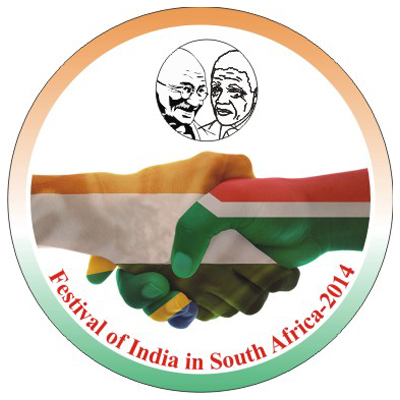
    Culture secretary Ravindra Singh launched the logo, posters and webpage for the Festival of India in South Africa. 

    To mark the occasion of 20 years of end of apartheid regime and the 20th anniversary of the establishment of diplomatic relations between India and South Africa subsequent to the formation of the democratic government in South Africa, the Culture Ministry has organised the festival in collaboration with the External Affairs Ministry and the Embassy of India in Pretoria. 

    The Festival of India is a gesture of friendship between India and South Africa, an exchange of culture and ideas; it revisits history and historical alliances between these two great countries. It is a celebration between the people of South Africa and India. An Indian delegation led by MOS(IC) for Ministry of Culture is proposed to visit South Africa for Festival of India in South Africa beginning from July 18 2014. 

    The Festival of India in South Africa covers a wide-range of events showcasing Indian performing arts, photo cricket exhibition, interactive Gandhi-Mandela exhibition, literary festival, food festival and film festival. Ministry of Culture Institutions namely Sangeet Natak Akedemi, Kathak Kendra, National Archive of India, Sahitya Akademi and National Council of Science Museums would be participating in the Festival’s events.  

    The colourful logo designed for the Festival consists of a handshake – a symbol of trust and friendship that seals a bond between two people, two communities and two nations. The hands are coated in the colours of their respective country. The logo has faces of Nelson Mandela and Mahatma Gandhi side by side in a circle. The logo is washed in the colours of India and converts it into one single integrated unit that symbolizes inclusiveness and collective force of all. 

    The Festival of India in South Africa will be celebrated in eight cities covering Johannesburg, Pretoria, Cape Town and Durban.

  • National Film Museum to finally open next week in Mumbai

    National Film Museum to finally open next week in Mumbai

    NEW DELHI: The long-in-the-making National Museum of Indian Cinema (NMIC) showcasing India’s rich film heritage over the past 100 years will finally open in Mumbai next week to coincide with the Mumbai International Film Festival for shorts, documentaries and animation films.


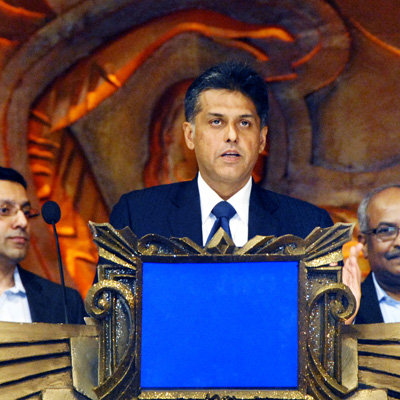
    Information and Broadcasting (I&B) Minister Manish Tewari will be the chief guest at the opening of the Festival on 3 February. 


    “As the Indian cinema enters a new century, the national museum of Indian cinema coming up in Mumbai is a small tribute of the Ministry to the great film heritage of India. We have also launched a Rs-600 crore National Film Heritage Mission to digitise best of Indian cinematic works and archive them for the benefit of future generations,” said Tewari recently while outlining various steps taken by the government to promote cinema in India.


    The Minister also reviewed the preparations for the museum’s inauguration with Films Division officials and experts. The inauguration will coincide with the Mumbai International Film Festival for short, documentary and animation films that commences on 3 February.

      
    The National Museum of Indian Cinema is situated in the 6,000 square-foot Gulshan Mahal – a heritage building on Pedder Road in South Mumbai. Gulshan Mahal’s interiors have been refurbished to house an interactive walkthrough down cinema’s memory lane. It is part of a larger complex of 50,000 sqft that will come up in phases.

     
    The museum will be a ready-reckoner of the history of Indian cinema showcasing technological aspects of production and screening of films, as well as its social aspects during the past 100 years. Through its interactive galleries, it will trace the evolution of celluloid from the Lumiere Brothers, Raja Harishchandra onwards, and showcase Indian cinema in three stages – silent era, golden era and the modern era. It will portray the footsteps taken by Indian cinema, from the period of silent films to the studio period, and then recreate the times when stars and mega stars dominated the silver screen.


    An Advisory Committee headed by renowned filmmaker Shyam Benegal has guided the Films Division in establishing the museum.


    Visitors can also watch clips of old classics on a number of monitors or listen to rare film music from the past. There is also an interesting collection of posters of landmark movies from across India. A section on regional cinema is also on display.


    Many famous studios of yesteryears like Mehboob Studios, RK Studios and Prasad Studios have donated equipment to the museum. Some private collectors too have come forward to donate items. The Films Division, which was set up in 1941, to produce short films to disseminate information during war time, has also displayed old Eymo and Mitchel cameras, recording equipment etc. Also of interest are some older instruments that created an illusion of movement, which were precursor to the movie camera. 

    NMIC has been curated by the National Council of Science Museums, Kolkata, under the Ministry of Culture, which manages 55 various kinds of museums in the country.