Tag: MIB

  • Shareholders to meet on 15 Oct for Hathway demerger approval

    Shareholders to meet on 15 Oct for Hathway demerger approval

    MUMBAI: The court has convened meeting of Hathway Cable and Datacom Ltd equity shareholders and Hathway Broadband Private Limited and their respective shareholders and creditors on 15 October, 2016, in Mumbai.

    The meeting is for the purpose of considering and, if thought fit, approving with or without modification(s), the demerger of the broadband business of Hathway Cable and its transfer to Hathway Broadband, Ajay Singh, head, legal, company secretary and chief compliance officer, at Hathway Cable, stated in a communiqué to the BSE and the NSE.

    The court appointed Jagdiskumar G. Pillai, Hathway Cable managing director and CEO, to be the chairman of the said meeting. The voting period begins on 11 0ctober, 2016 , at 10.00 am and ends on Friday, 14 0ctober, 2016, at 5.00 pm. Himanshu S. Kamdar, practicing company secretary, has been appointed as the scrutinizer. The results shall be declared on 17 0ctober, 2016.

    The proposed demerger of the ISP Business (defined below) from Hathway Cable to Hathway Broadband may happen upon payment of Rs. 98.05 crore by the latter to the former. The plan is to demerge the ISP Business from Hathway Cable and transfer it to vest in Hathway Broadband.

    Hathway Cable is a multi-system operator (MSO) engaged in the business of distribution of television channels. Hathway Broadband is a private limited company incorporated under the Companies Act, and a wholly owned subsidiary of Hathway Cable.

  • Trai proposes radio audience measurement on lines of Barc

    Trai proposes radio audience measurement on lines of Barc

    NEW DELHI: The Telecom Regulatory Authority of India (Trai) has come out with a set of recommendations on radio audience measurement (Ram) in India setting limits on ownership of stakeholders in the ratings agency, but there is no limit on the number of such agencies.

    In a preface, the regulator said there is a need to prescribe “a soft touch, conducive, forward looking, growth oriented framework” for Ram, which protects the interests of all stakeholders.

    The guidelines for rating agencies will be notified by the Ministry of Information and Broadcasting (MIB) based on the recommendations of Trai and there will be no ceiling on the number of rating agencies.

    Trai has a recommendatory role on such issues as final decisions rest with nodal ministries like MIB, Department of Telecoms (DoT) and Department of Space (DoS). In the past, many recommendations of the regulator had not been implemented at all or done so partially by the Ministry concerned.

    The Ram proposed guidelines mandatorily cover registration, eligibility norms, cross-holdings, methodology for conducting radio rating, complaint redressal, sale and use of ratings, audit, disclosure, reporting requirements and penal provisions for rating agencies.

    This will be very similar to the existing policy guidelines for television rating agencies issued by MIB under which Barc operates.

    Trai suggested the ratings agency should have adequate and equal representation from the three associations concerned — Association of Radio Operators for India (AROI), Indian Society of Advertisers (ISA) and Advertising Agencies Association of India (AAAI).

    The salient features of the TRAI recommendations are as follows:

    (i)Guidelines for rating system to be notified by MIB.

    (ii)Any agency meeting eligibility conditions can apply and get registered with MIB for doing the rating work. No cap on number of rating agencies has been prescribed.

    (iii)All rating agencies, including industry led body are required to comply with the guidelines.

    (iv)Guidelines to cover registration, eligibility norms, cross-holding, methodology for conducting rating, complaint redressal, sale and use of ratings, audit, disclosure, reporting requirements and penal provisions.

    (v)Voluntary code of conduct by the industry for maintaining secrecy and privacy of the listeners included in the rating process.

    (vi)Restrictions on ‘substantial equity holding of 10% or more’ between rating agencies and broadcasters/advertisers/advertising agencies have been prescribed.

    (vii)The rating agency to set up an effective complaint redressal system.

    (viii)Data/reports generated by the rating agency to be made available to all interested stakeholders in a transparent and equitable manner.

    (ix)The rating agency to get its entire methodology/processes audited internally on quarterly basis and through an independent auditor annually. All audit reports to be put on the website of the rating agency.

    (x)Penal provisions for non-compliance of guidelines.

    Since All India Radio (AIR) has a large geographical and population coverage and is not a member of AROI, representation of AIR should be ensured in the technical committee formed within the industry led body for guiding and supervising various radio rating processes.

    Trai said in its report that once guidelines are issued and implemented by MIB, these will be made applicable to all the rating agencies including the industry-led body.

    An independent rating agency, carrying out the rating process, can also outsource the field work, data collection and processing to third parties. The guidelines will not be applicable to the entities which have been contracted to carry out the field work, data collection and processing.

    At present, radio audience measurement in India is conducted by AIR and TAM Media Research.

    The full TRAI recommendation can be obtained at http://www.trai.gov.in/WriteReadData/WhatsNew/Documents/Recommendations_15_September_2016.pdf

  • Trai proposes radio audience measurement on lines of Barc

    Trai proposes radio audience measurement on lines of Barc

    NEW DELHI: The Telecom Regulatory Authority of India (Trai) has come out with a set of recommendations on radio audience measurement (Ram) in India setting limits on ownership of stakeholders in the ratings agency, but there is no limit on the number of such agencies.

    In a preface, the regulator said there is a need to prescribe “a soft touch, conducive, forward looking, growth oriented framework” for Ram, which protects the interests of all stakeholders.

    The guidelines for rating agencies will be notified by the Ministry of Information and Broadcasting (MIB) based on the recommendations of Trai and there will be no ceiling on the number of rating agencies.

    Trai has a recommendatory role on such issues as final decisions rest with nodal ministries like MIB, Department of Telecoms (DoT) and Department of Space (DoS). In the past, many recommendations of the regulator had not been implemented at all or done so partially by the Ministry concerned.

    The Ram proposed guidelines mandatorily cover registration, eligibility norms, cross-holdings, methodology for conducting radio rating, complaint redressal, sale and use of ratings, audit, disclosure, reporting requirements and penal provisions for rating agencies.

    This will be very similar to the existing policy guidelines for television rating agencies issued by MIB under which Barc operates.

    Trai suggested the ratings agency should have adequate and equal representation from the three associations concerned — Association of Radio Operators for India (AROI), Indian Society of Advertisers (ISA) and Advertising Agencies Association of India (AAAI).

    The salient features of the TRAI recommendations are as follows:

    (i)Guidelines for rating system to be notified by MIB.

    (ii)Any agency meeting eligibility conditions can apply and get registered with MIB for doing the rating work. No cap on number of rating agencies has been prescribed.

    (iii)All rating agencies, including industry led body are required to comply with the guidelines.

    (iv)Guidelines to cover registration, eligibility norms, cross-holding, methodology for conducting rating, complaint redressal, sale and use of ratings, audit, disclosure, reporting requirements and penal provisions.

    (v)Voluntary code of conduct by the industry for maintaining secrecy and privacy of the listeners included in the rating process.

    (vi)Restrictions on ‘substantial equity holding of 10% or more’ between rating agencies and broadcasters/advertisers/advertising agencies have been prescribed.

    (vii)The rating agency to set up an effective complaint redressal system.

    (viii)Data/reports generated by the rating agency to be made available to all interested stakeholders in a transparent and equitable manner.

    (ix)The rating agency to get its entire methodology/processes audited internally on quarterly basis and through an independent auditor annually. All audit reports to be put on the website of the rating agency.

    (x)Penal provisions for non-compliance of guidelines.

    Since All India Radio (AIR) has a large geographical and population coverage and is not a member of AROI, representation of AIR should be ensured in the technical committee formed within the industry led body for guiding and supervising various radio rating processes.

    Trai said in its report that once guidelines are issued and implemented by MIB, these will be made applicable to all the rating agencies including the industry-led body.

    An independent rating agency, carrying out the rating process, can also outsource the field work, data collection and processing to third parties. The guidelines will not be applicable to the entities which have been contracted to carry out the field work, data collection and processing.

    At present, radio audience measurement in India is conducted by AIR and TAM Media Research.

    The full TRAI recommendation can be obtained at http://www.trai.gov.in/WriteReadData/WhatsNew/Documents/Recommendations_15_September_2016.pdf

  • Two more DAS cases put off to Oct. in Delhi HC

    Two more DAS cases put off to Oct. in Delhi HC

    NEW DELHI: Two more cases related to Phase III of digital addressable systems (DAS) – filed by Om Systems of Mumbai and Digiana – have been moved to be heard on 5 October  2016 by the Delhi High Court.

    Justice Sanjeev Sanchdeva was scheduled to hear these matters on Tuesday but, as
    13 September was a holiday, the two cases were put off to next month and will be heard with other cases slated for that day next month.

    Earlier, on 7 September 2016, the first batch of a large number of cases related to DAS had been put off to 5 October 2016 as the single bench did not assemble after lunch.

    As a result, the application by the Indian Broadcasting Foundation (IBF) for being impleaded in the case also did not come up for hearing.

    The cases that were listed on 7 September included those filed by Rohtak Cable Operators’ Association, Andhra Pradesh MSOs Welfare Federation, Multi System Operators’ Welfare Association, Sai Big Star Welfare Association, Sree Devi Digital Systems, Federation of Telangana MSO, DEN Manoranjan Satellite, Victory Digital, Sri Chowdeshwary Cable Network, Shyam Baba Cable Network, Panchajanya Media, Bharat Digital Cable Network and Yogesh Cable Networks.

    On 8 September, a notice was issued to the Union of India (Ministry of
    Information) on five petitions relating to the stay orders on Phase III of DAS that came before a bench of Chief Justice G Rohini and Justice Ms Sangita Dhingra Sehgal who adjourned the matters to 26 September 2016.

    These related to Radiant Digitek Networks Pvt Ltd, Rajasthan Cable Operators Foundation, Nasik Zilla Cable Operator Association, Indusind Media and Communication Ltd, and Bhima Riddhi Digital Services. While the first two are against Union of India, the other three are against the State of Maharashtra.

    The Supreme Court had, on 1 April, 2016, accepted the plea of the Central Government that “it would be just and proper for this Court to withdraw all those cases  pending in  different High Courts and transfer the same to Delhi  High Court.”

    A total of 62 cases had been filed by multi-system operators (MSOs) in various courts in the country for extension in the deadline of Phase lll that was supposed to have ended on 31 December 2015. Out of these 62 cases, 12 cases had been disposed off by respective courts and three cases had been withdrawn by the petitioners.

    Notice issued to Union of India on five DAS Phase III petitions

    Hearing of DAS cases in Delhi HC put off to Oct


  • Two more DAS cases put off to Oct. in Delhi HC

    Two more DAS cases put off to Oct. in Delhi HC

    NEW DELHI: Two more cases related to Phase III of digital addressable systems (DAS) – filed by Om Systems of Mumbai and Digiana – have been moved to be heard on 5 October  2016 by the Delhi High Court.

    Justice Sanjeev Sanchdeva was scheduled to hear these matters on Tuesday but, as
    13 September was a holiday, the two cases were put off to next month and will be heard with other cases slated for that day next month.

    Earlier, on 7 September 2016, the first batch of a large number of cases related to DAS had been put off to 5 October 2016 as the single bench did not assemble after lunch.

    As a result, the application by the Indian Broadcasting Foundation (IBF) for being impleaded in the case also did not come up for hearing.

    The cases that were listed on 7 September included those filed by Rohtak Cable Operators’ Association, Andhra Pradesh MSOs Welfare Federation, Multi System Operators’ Welfare Association, Sai Big Star Welfare Association, Sree Devi Digital Systems, Federation of Telangana MSO, DEN Manoranjan Satellite, Victory Digital, Sri Chowdeshwary Cable Network, Shyam Baba Cable Network, Panchajanya Media, Bharat Digital Cable Network and Yogesh Cable Networks.

    On 8 September, a notice was issued to the Union of India (Ministry of
    Information) on five petitions relating to the stay orders on Phase III of DAS that came before a bench of Chief Justice G Rohini and Justice Ms Sangita Dhingra Sehgal who adjourned the matters to 26 September 2016.

    These related to Radiant Digitek Networks Pvt Ltd, Rajasthan Cable Operators Foundation, Nasik Zilla Cable Operator Association, Indusind Media and Communication Ltd, and Bhima Riddhi Digital Services. While the first two are against Union of India, the other three are against the State of Maharashtra.

    The Supreme Court had, on 1 April, 2016, accepted the plea of the Central Government that “it would be just and proper for this Court to withdraw all those cases  pending in  different High Courts and transfer the same to Delhi  High Court.”

    A total of 62 cases had been filed by multi-system operators (MSOs) in various courts in the country for extension in the deadline of Phase lll that was supposed to have ended on 31 December 2015. Out of these 62 cases, 12 cases had been disposed off by respective courts and three cases had been withdrawn by the petitioners.

    Notice issued to Union of India on five DAS Phase III petitions

    Hearing of DAS cases in Delhi HC put off to Oct


  • Giving information effectively a major challenge: Naidu

    Giving information effectively a major challenge: Naidu

    NEW DELHI: Information & Broadcasting Minister M Venkaiah Naidu has said information is “ammunition to fight social evils such as corruption, poverty, illiteracy and terrorism”.

    To ensure last mile reach and keep pace with the changing communication paradigm, the government communication needs to incorporate innovative and out of the box ideas. Innovative ideas such as Prime Minister Narendra Modi’s Mann ki Baat and the MoU signed with Amar Chitra Katha for comic books on Swachh Bharat Abhiyaan influenced the masses at large.

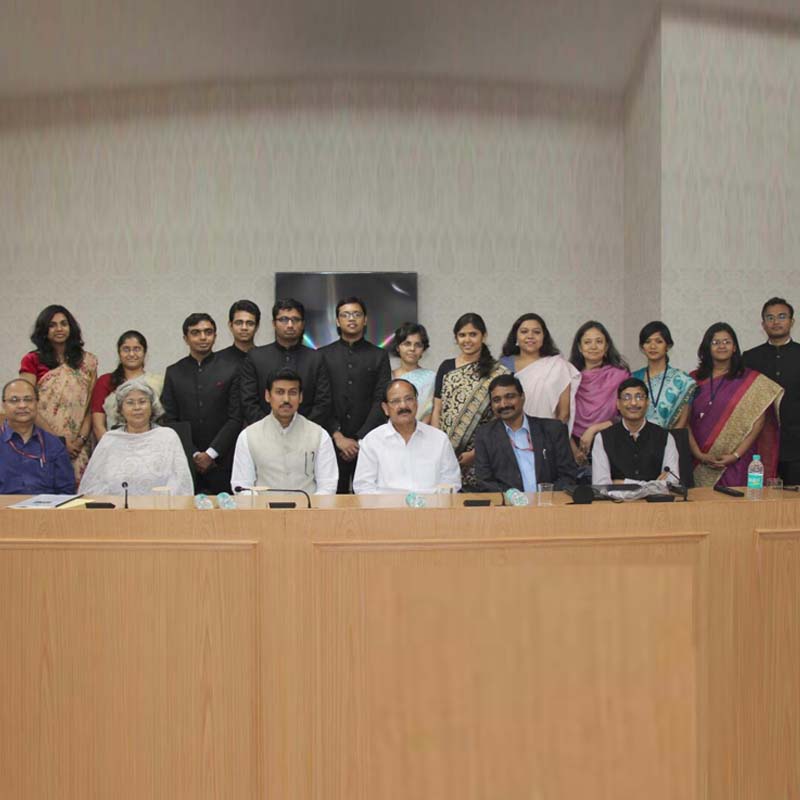
    Naidu was addressing the Indian Information Service Officer Trainees of 2015 batch currently undergoing at training at Indian Institute of Mass Communications (IIMC) here, who had called on President Pranab Mukherjee yesterday. Minister of State for I and B Rajyavardhan Rathore and senior officers of the Ministry were also present on the occasion.

    Naidu said to effectively design communication strategy for various government programmes and flagship schemes was a major challenge for government communication managers. He added that communicating success stories about developmental programs like Swachh Bharat Abhiyaan (Clean India campaign) would inspire and motivate citizens and would engage them as stakeholders in the governance process.

    The Minister emphasized on the need for India Information Service (IIS) officers to learn and adapt to the new technologies, tools and techniques to enhance reach of the government; especially in the age of social media.

    “The social media perspective has changed the way we communicate and govern today, which provided challenges and opportunities for the officers to enhance government outreach,” Naidu said.

    In his interaction, the Minister emphasized on the need to be progressive in thought and take pride in the role and responsibility assigned to each officer. He specifically mentioned the initiative taken by the Ministry to institutionalize capacity building through appropriate training programs at different career levels. Naidu also assured the officer-trainees that the quality aspect associated with capacity building issues in the training programs would be improved to meet the communication challenges.

    Rathore advised the officer trainees that there was a need to continuously learn and add value to their skills as well as the organization where they would be working.

    IIS Officer Trainees also shared their experiences of the past nine months of training with the two Ministers.

  • Giving information effectively a major challenge: Naidu

    Giving information effectively a major challenge: Naidu

    NEW DELHI: Information & Broadcasting Minister M Venkaiah Naidu has said information is “ammunition to fight social evils such as corruption, poverty, illiteracy and terrorism”.

    To ensure last mile reach and keep pace with the changing communication paradigm, the government communication needs to incorporate innovative and out of the box ideas. Innovative ideas such as Prime Minister Narendra Modi’s Mann ki Baat and the MoU signed with Amar Chitra Katha for comic books on Swachh Bharat Abhiyaan influenced the masses at large.

    Naidu was addressing the Indian Information Service Officer Trainees of 2015 batch currently undergoing at training at Indian Institute of Mass Communications (IIMC) here, who had called on President Pranab Mukherjee yesterday. Minister of State for I and B Rajyavardhan Rathore and senior officers of the Ministry were also present on the occasion.

    Naidu said to effectively design communication strategy for various government programmes and flagship schemes was a major challenge for government communication managers. He added that communicating success stories about developmental programs like Swachh Bharat Abhiyaan (Clean India campaign) would inspire and motivate citizens and would engage them as stakeholders in the governance process.

    The Minister emphasized on the need for India Information Service (IIS) officers to learn and adapt to the new technologies, tools and techniques to enhance reach of the government; especially in the age of social media.

    “The social media perspective has changed the way we communicate and govern today, which provided challenges and opportunities for the officers to enhance government outreach,” Naidu said.

    In his interaction, the Minister emphasized on the need to be progressive in thought and take pride in the role and responsibility assigned to each officer. He specifically mentioned the initiative taken by the Ministry to institutionalize capacity building through appropriate training programs at different career levels. Naidu also assured the officer-trainees that the quality aspect associated with capacity building issues in the training programs would be improved to meet the communication challenges.

    Rathore advised the officer trainees that there was a need to continuously learn and add value to their skills as well as the organization where they would be working.

    IIS Officer Trainees also shared their experiences of the past nine months of training with the two Ministers.

  • Jawhar Sircar sets 12-point action plan before early retirement

    Jawhar Sircar sets 12-point action plan before early retirement

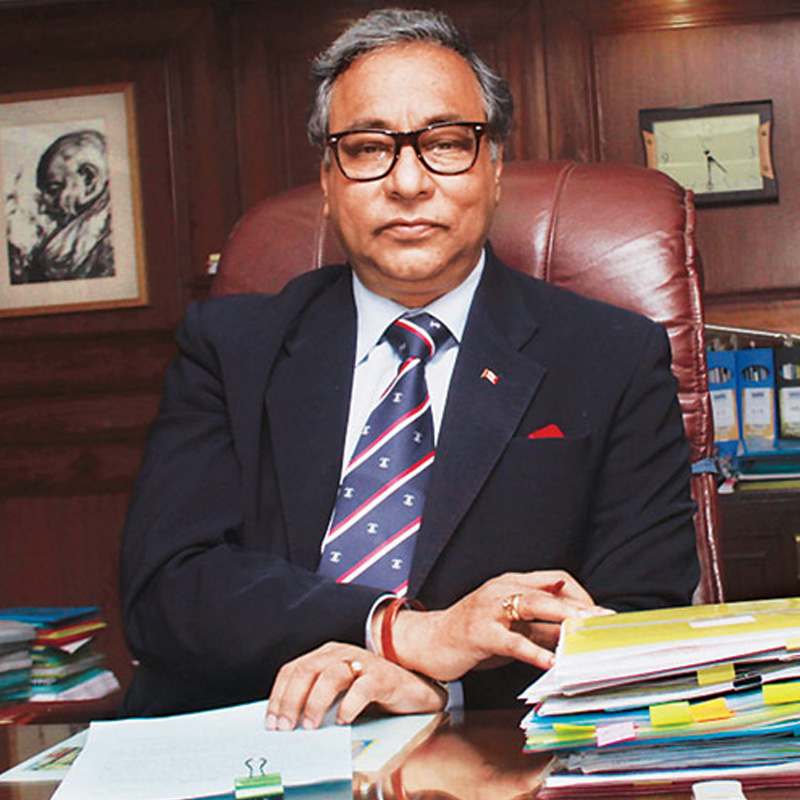
    NEW DELHI: Prasar Bharati Chief Executive Officer Jawhar Sircar wants to ride into the sunset slightly before his tenure ends officially first quarter 2017, but in his trademark  style — feisty, frank and fearless — has started a raging debate in media and political circles nevertheless.

    “No, I have not threatened to quit (but) have just expressed a desire to relinquish (duties) a few months before tenure (ends). I do not see any controversy in that,” Sircar told indiantelevision.com.

    Sources in Ministry of Information and Broadcasting (MIB) confirmed on Sunday that Sircar has not resigned yet, but has informally expressed desire to leave Prasar Bharati few months before his five-year tenure ends officially early 2017.

    A source in Prasar Bharati, while agreeing with the MIB line, informed this website that Sircar has drawn a 12-point list of things he would like to accomplish before relinquishing office. The source, however, declined to spell out the action points.

    Interestingly, in a Facebook post on his timeline Saturday, Sircar did say that he wants to go from Prasar Bharat, also alluding to the time-frame. “Since news is out today: I will clarify. I hope to be back in Kolkata by NOV. After 41+ years (of) service, I want to retire: just to read, write and relate,” he wrote. One presumes by NOV, he mean November of 2016.
    Sircar, who took office in mid-February 2012 and has been at odds at times with MIB and even the Prasar Bharati Board, told  indiantelevision.com, “The Information and Broadcasting Ministry and Prasar Bharati Board are in sync and supportive…. No issues there.”

    public://ScreenShot of Jawhar Sircar FB Post.jpg

    Pointing out that the present MIB Secretary Ajay Mittal had been “supportive” as also his immediate predecessor, Sunil Arora, who’s now an advisor to Prasar Bharati, Sircar described the speculation regarding his quitting the pubcaster as “playing in non-troubled waters”.

    According to the feisty former bureaucrat, relationship with MIB “improved dramatically” after Arora took over as Secretary in 2014.

    On being asked about the media reports and resultant debate on his quitting Prasar Bharati as he was “tired”, Sircar cryptically said he had not wanted to speak to anyone but was compelled to reply to some “charged SMS from some newspersons” when he was in Benaras or Varanasi recently. He refused to elaborate any further.

    A go-getter bureaucrat who took retirement from active government service to take up the top, but challenging, job at India’s pubcaster, managing Doordarshan and All India Radio (AIR), Sircar had told indiantelevision.com few months back in an interview that Prasar Bharti’s “monopolistic-era mind-set had to change” if it has to make itself relevant in today’s vastly changed India broadcasting scenario or come anywhere near BBC’s standards.

    Not only critical of his own Board of Directors, Sircar had, from time to time, taken on the political establishment too in India, accusing it of using Prasar Bharati as a fiefdom for government propaganda.

    In recent times, he has been criticised within Prasar Bharati for proposing to auction time-slots on DD to gain good programming and additional revenue. However, due to bureaucracy and vested interests at play, the scheme failed to get the desired results, failing to take off in the first place.

    Still, Sircar has been able to break new grounds and introduce digital technologies and cut down obsolescence at Prasar Bharat. He has also given a new push to digitization of the huge archives of AIR and DD and has received three awards for this in three years.

    He has also been elected as Vice-President of the world’s largest public broadcasting service TV and radio organization, Asia Pacific Broadcasting Union, on which 67 nations are represented.

    Sircar’s name had been cleared after a three-member selection panel in 2012, headed by Vice-President Hamid Ansari and comprising the Press Council of India Chairman and MIB Secretary, recommended his name for the CEO’s post at Prasar Bharati. The appointment of the CEO is done by the President of India on the recommendation of the selection panel, which will, probably, have to start deliberations soon.

    Born on 22 March 1952, Sircar belongs to the 1975 batch of Indian Administrative Service from West Bengal. After the retirement of MIB Secretary Raghu Menon in September 2011, Sircar had been asked to hold additional charge of the ministry as a stop-gap measure, apart from his Secretary’s responsibilities at the Culture Ministry.

    Sircar holds two post-graduate degrees in Ancient Indian History and Culture and in Sociology with Social Anthropology. He has served at various senior positions in the Central and State Governments.

    Sircar is actively associated with several cultural and academic bodies like the Asiatic Society, Victoria Memorial, Centre for Archaeological Studies, Kolkata Museum of Modern Art and the Indian Anthropological Society. He took the lead in establishing the annual Kolkata Film Festival as an international event and has published several articles and research papers on history, culture and society. In the last decade, he has focused his research on specific aspects of popular culture, folk religion and on the development of socio-religious identities.

    Sircar studied at St Xavier’s School, Presidency College and Calcutta University in Kolkata and at the Universities of Cambridge and Sussex.

    ALSO READ:

    Prasar Bharati’s monopolistic-era mind-set has to change: CEO Jawhar Sircar
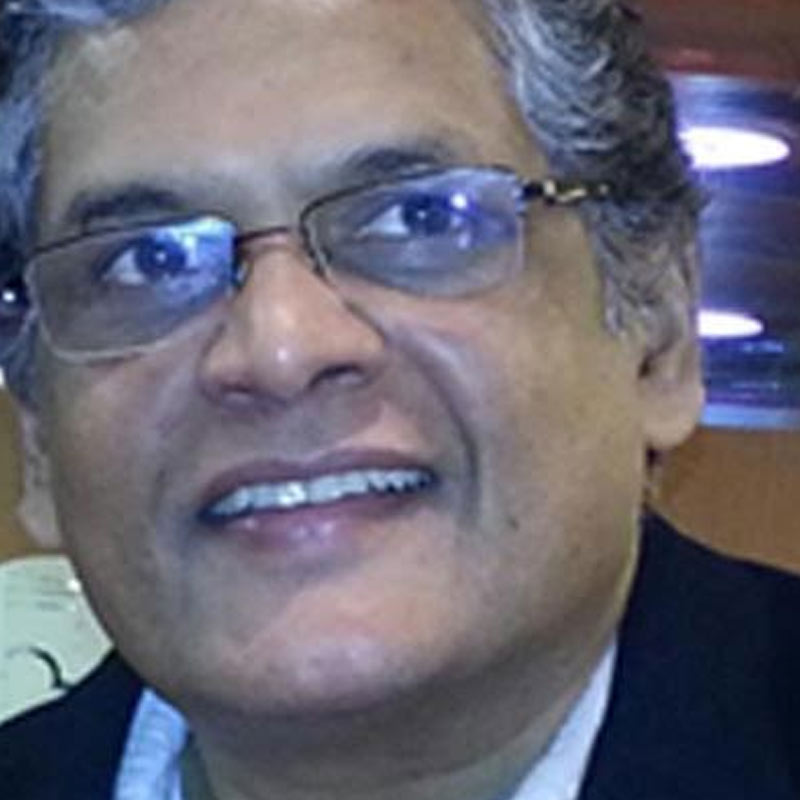


  • Jawhar Sircar sets 12-point action plan before early retirement

    Jawhar Sircar sets 12-point action plan before early retirement

    NEW DELHI: Prasar Bharati Chief Executive Officer Jawhar Sircar wants to ride into the sunset slightly before his tenure ends officially first quarter 2017, but in his trademark  style — feisty, frank and fearless — has started a raging debate in media and political circles nevertheless.

    “No, I have not threatened to quit (but) have just expressed a desire to relinquish (duties) a few months before tenure (ends). I do not see any controversy in that,” Sircar told indiantelevision.com.

    Sources in Ministry of Information and Broadcasting (MIB) confirmed on Sunday that Sircar has not resigned yet, but has informally expressed desire to leave Prasar Bharati few months before his five-year tenure ends officially early 2017.

    A source in Prasar Bharati, while agreeing with the MIB line, informed this website that Sircar has drawn a 12-point list of things he would like to accomplish before relinquishing office. The source, however, declined to spell out the action points.

    Interestingly, in a Facebook post on his timeline Saturday, Sircar did say that he wants to go from Prasar Bharat, also alluding to the time-frame. “Since news is out today: I will clarify. I hope to be back in Kolkata by NOV. After 41+ years (of) service, I want to retire: just to read, write and relate,” he wrote. One presumes by NOV, he mean November of 2016.
    Sircar, who took office in mid-February 2012 and has been at odds at times with MIB and even the Prasar Bharati Board, told  indiantelevision.com, “The Information and Broadcasting Ministry and Prasar Bharati Board are in sync and supportive…. No issues there.”

    public://ScreenShot of Jawhar Sircar FB Post.jpg

    Pointing out that the present MIB Secretary Ajay Mittal had been “supportive” as also his immediate predecessor, Sunil Arora, who’s now an advisor to Prasar Bharati, Sircar described the speculation regarding his quitting the pubcaster as “playing in non-troubled waters”.

    According to the feisty former bureaucrat, relationship with MIB “improved dramatically” after Arora took over as Secretary in 2014.

    On being asked about the media reports and resultant debate on his quitting Prasar Bharati as he was “tired”, Sircar cryptically said he had not wanted to speak to anyone but was compelled to reply to some “charged SMS from some newspersons” when he was in Benaras or Varanasi recently. He refused to elaborate any further.

    A go-getter bureaucrat who took retirement from active government service to take up the top, but challenging, job at India’s pubcaster, managing Doordarshan and All India Radio (AIR), Sircar had told indiantelevision.com few months back in an interview that Prasar Bharti’s “monopolistic-era mind-set had to change” if it has to make itself relevant in today’s vastly changed India broadcasting scenario or come anywhere near BBC’s standards.

    Not only critical of his own Board of Directors, Sircar had, from time to time, taken on the political establishment too in India, accusing it of using Prasar Bharati as a fiefdom for government propaganda.

    In recent times, he has been criticised within Prasar Bharati for proposing to auction time-slots on DD to gain good programming and additional revenue. However, due to bureaucracy and vested interests at play, the scheme failed to get the desired results, failing to take off in the first place.

    Still, Sircar has been able to break new grounds and introduce digital technologies and cut down obsolescence at Prasar Bharat. He has also given a new push to digitization of the huge archives of AIR and DD and has received three awards for this in three years.

    He has also been elected as Vice-President of the world’s largest public broadcasting service TV and radio organization, Asia Pacific Broadcasting Union, on which 67 nations are represented.

    Sircar’s name had been cleared after a three-member selection panel in 2012, headed by Vice-President Hamid Ansari and comprising the Press Council of India Chairman and MIB Secretary, recommended his name for the CEO’s post at Prasar Bharati. The appointment of the CEO is done by the President of India on the recommendation of the selection panel, which will, probably, have to start deliberations soon.

    Born on 22 March 1952, Sircar belongs to the 1975 batch of Indian Administrative Service from West Bengal. After the retirement of MIB Secretary Raghu Menon in September 2011, Sircar had been asked to hold additional charge of the ministry as a stop-gap measure, apart from his Secretary’s responsibilities at the Culture Ministry.

    Sircar holds two post-graduate degrees in Ancient Indian History and Culture and in Sociology with Social Anthropology. He has served at various senior positions in the Central and State Governments.

    Sircar is actively associated with several cultural and academic bodies like the Asiatic Society, Victoria Memorial, Centre for Archaeological Studies, Kolkata Museum of Modern Art and the Indian Anthropological Society. He took the lead in establishing the annual Kolkata Film Festival as an international event and has published several articles and research papers on history, culture and society. In the last decade, he has focused his research on specific aspects of popular culture, folk religion and on the development of socio-religious identities.

    Sircar studied at St Xavier’s School, Presidency College and Calcutta University in Kolkata and at the Universities of Cambridge and Sussex.

    ALSO READ:

    Prasar Bharati’s monopolistic-era mind-set has to change: CEO Jawhar Sircar


  • DAS Phase IV: IBF asked to up campaign in addition to MIB ads

    DAS Phase IV: IBF asked to up campaign in addition to MIB ads

    NEW DELHI: Digitisation of Indian TV homes, thought to be the panacea for many ills afflicting the broadcasting and cable eco-system, may have slowed down in recent times, but the government is earnest in adhering to deadlines and has sought active involvement of industry bodies like the IBF and other stakeholders in pushing digitisation in laggard States through aggressive consumer education.

    At a meeting of the Task Force on Digital Addressable System (DAS) here yesterday, Ministry of Information and Broadcasting (MIB) conveyed to all concerned that deadlines and goals posts would not be moved, even while it requested the Indian broadcasting Foundation (IBF) to be more pro-active in educating consumers and stakeholders about digitisation.

    Reports submitted by the various States on the progress with regard to the implementation of DAS in Phase IV showed that Rajasthan, Bihar and Jharkhand were the three most backward states as far as digitisation go.

    The DAS Task Force meeting, held under the chairmanship of new MIB Additional Secretary Jayashree Mukherjee, was told by representative from Uttar Pradesh that cable operators in some districts had complained that digital signals were not available. MIB sought details so that the issue could be examined and resolved.

    Representatives of most other States present at the meeting reported satisfactory progress and claimed they were on track.

    The meeting, which was also addressed by MIB Advisor (DAS) Yogendra Pal and Joint Secretary (Broadcasting) Sanjay Murthy, was apprised by representatives of broadcasters that they had stepped up publicity to create awareness about DAS in the Phase IV areas.

    Phase IV areas, needing approximately 75 million set-top boxes (STBs) as per industry estimates, mostly comprise rural India’s smaller hamlets and towns where selling the idea of digitisation and getting a STB at home itself is considered a challenging task by LCOs, MSOs and other stakeholders.

    Keeping this in mind, IBF was asked by the MIB to shoot off more publicity campaigns in addition to those given by the Ministry so that outreach initiatives could be stepped up further to reach the targeted segments.
    Joint-secretary Murthy apprised those present at the meeting that court cases related to DAS were coming up for hearing before the Delhi High Court early September 2016 and expressed the hope that the court would give a positive decision on the matter quickly.

    Meanwhile, advisor Pal asked MSOs to ensure that inter-connect agreements are signed with the broadcasters as MIB and the Telecom Regulatory Authority of India (TRAI) had reiterated. The Telecom Disputes Settlement and Appellate Tribunal (TDSAT) too had held that no signals could be supplied until proper inter-connect agreements were in place.

    The MSOs were asked to approach TRAI if they were facing any difficulty in arriving at agreements with broadcasters and LCOs.
    Mukherjee and Pal reiterated that there was no question of putting off the deadline of 31 December 2015 for Phase III as far as the government was concerned.

    The government reiterated that digitization of cable TV systems in the entire country would be — and should be — completed by 31 December 2016.