Tag: MIB

  • MSO’s net worth should be positive for registration: Govt.

    MSO’s net worth should be positive for registration: Govt.

    NEW DELHI: An inter-ministerial committee (IMC) of the government, grappling with the issue of differentiating between serious and non-serious players, has recommended that net worth of an MSO must be positive for grant of registration, but shied away from stipulating a minimum monetary ceiling.

    The IMC, which met earlier this month, came to the conclusion after feedback from various other ministries, including finance, information and broadcasting and commerce, that in case an existing registered MSO applied for registration for additional areas, the net worth of the company must be positive for those areas too for a green signal from the government.

    For an expenditure of about 25 lakh (Rs. 25,00,000) by a company to establish an MSO business, a loan can be availed of by a new applicant through banks, the IMC said.

    Justifying its stand on the MSO company’s net worth being positive, IMC said it should be so as the government was providing loans without collaterals to small entrepreneurs for starting a business. “Hence the net worth of the entity applying for MSO registration has to be positive,” the government panel observed.

    For the purposes of net worth evaluation, IMC reiterated that immovable/movable assets, generally included in the net worth certificates submitted by the applicants, could continue to be taken into account as per previous practice.

    The panel took into consideration, among other issues, whether for registration purpose an entry level threshold net worth be specified and whether an MSO, already registered for certain areas, may be considered as eligible for registration in extended areas if its net worth was presently negative.

  • Delhi HC removes legal hurdles to implement DAS IV by 1 Jan 2017

    Delhi HC removes legal hurdles to implement DAS IV by 1 Jan 2017

    NEW DELHI/ MUMBAI: The Delhi High Court has vacated all interim orders giving extension of deadline in Phase III of digitisation, thus clearing legal hurdles for complete digitisation by the stipulated deadline of 31 December 2016 when the last and Phase IV is supposed to get completed.

    The court, disposing of pending petitions, directed all petitioners to run a scroll on their networks about digitisation and analog switch-off in two weeks, apart from informing their subscribers in advance about the change-over to digital signals that will require a set-top-box (STB).

    Last month, the court overruled orders passed by various other courts in the country and, in eight other cases, vacated the stay where petitioners had sought an extension of deadline for implementing digital addressable system (DAS) in Phase III areas.

    While originally the date for implementation of DAS Phase III was 30 September 2014, it was extended to 31 December 2015 by a notification issued by the ministry of information and broadcasting (MIB). The country, as per the original plan, is supposed to be fully digitised with the completion of Phase IV by the last day of 2016.

    With the latest court directive, now it’s up to the various industry stakeholders, the government and the regulator to ensure that Phase IV is completed on schedule or as early as possible. Complete digitisation of TV services in the country is expected to bring about more transparency in the system that would benefit all.

    Indian Broadcasting Foundation (IBF) president and Zee MD Punit Goenka said, “We welcome all stakeholders into the dawn of a new era and hope that the digitisation bandwagon continues unabated in Phase IV as well, which is to be implemented from 1 January 2017.”

    IBF, an apex body of broadcasting companies, has been involved in the cases filed in various courts that were finally transferred to the Delhi High Court under the direction of the Supreme Court. “We were hit by a flurry of litigations, all filed within a space of 15 days beginning with 30 December 2015, in Andhra Pradesh and Telangana. Stays were obtained on implementation for periods of up to two months. Soon, the fire spread to 18 other high courts with over 50 petitions being filed,” said IBF secretary-general Girish Srivastava.

    Welcoming the judgement, Siti Networks Limited ED & CEO and president of All India Digital Cable Federation (AIDCF) VD Wadhwa said, “This is a landmark moment in the Digital India journey as it will clear the passage for timely implementation of DAS Phase IV. It is now obligatory on part of broadcasters and other players to disconnect analog signals within two weeks. This will also pave the way for digital revenues to flow in from these areas.” AIDCF is an industry body representing digital MSOs.

    According to Hinduja Group CEO-Media Tony DSilva, “It’s a positive step in the direction of digitisation. I would appreciate if MIB comes out with a clarification on final cut-off date for digitisation and be more realistic in the dates for Phase IV.”

    DEN CEO S N Sharma, terming the court direction as positive, said that the demand (for STBs) would increase as the legal question marks over DAS have been cleared.

    Background To Legal Cases Relating to Digitisation

    A total of 62 cases had been filed in different courts and 29 cases had been transferred by various courts to Delhi by July-end. Of the 62 cases, 12 had been disposed off by respective courts and three cases had been withdrawn by the petitioners.

    While the Andhra Pradesh and Telangana High Court had given orders extending the deadline of 31 December 2015 for Phase III, the Bombay High Court, while referring to a judgement, had said that if similar situation prevails in all states, then the stay can be pan-India. This was because the plea taken by petitioners in high courts was shortage of STBs.
     Ministry of Information and Broadcasting (MIB) had admitted that the Law Ministry had observed the order passed by the Andhra Pradesh High Court staying Phase III “appears to have all-lndia applicability”.

    Indiantelevision.com had reported in January this year that MIB had told the Punjab and Haryana High Court it had “decided not to press the requirement of having a STB as for now till the decision of the cases, which are pending before various other high courts”.

    Sensing the wildfire effect the DAS Phase III cases could have, MIB approached Supreme Court with a plea to transfer all similar cases to one high court and the apex court asked Delhi High Court in April 2016 to handle these cases and directed notices to be sent to all other high courts to forward relevant files to Delhi HC.

    Also Read:

    DAS cases put off to 23 Nov as legal processes incomplete

    Siti Networks CEO V.D. Wadhwa hails dismissal of DAS III cases by Delhi HC
     

  • Delhi HC removes legal hurdles to implement DAS IV by 1 Jan 2017

    Delhi HC removes legal hurdles to implement DAS IV by 1 Jan 2017

    NEW DELHI/ MUMBAI: The Delhi High Court has vacated all interim orders giving extension of deadline in Phase III of digitisation, thus clearing legal hurdles for complete digitisation by the stipulated deadline of 31 December 2016 when the last and Phase IV is supposed to get completed.

    The court, disposing of pending petitions, directed all petitioners to run a scroll on their networks about digitisation and analog switch-off in two weeks, apart from informing their subscribers in advance about the change-over to digital signals that will require a set-top-box (STB).

    Last month, the court overruled orders passed by various other courts in the country and, in eight other cases, vacated the stay where petitioners had sought an extension of deadline for implementing digital addressable system (DAS) in Phase III areas.

    While originally the date for implementation of DAS Phase III was 30 September 2014, it was extended to 31 December 2015 by a notification issued by the ministry of information and broadcasting (MIB). The country, as per the original plan, is supposed to be fully digitised with the completion of Phase IV by the last day of 2016.

    With the latest court directive, now it’s up to the various industry stakeholders, the government and the regulator to ensure that Phase IV is completed on schedule or as early as possible. Complete digitisation of TV services in the country is expected to bring about more transparency in the system that would benefit all.

    Indian Broadcasting Foundation (IBF) president and Zee MD Punit Goenka said, “We welcome all stakeholders into the dawn of a new era and hope that the digitisation bandwagon continues unabated in Phase IV as well, which is to be implemented from 1 January 2017.”

    IBF, an apex body of broadcasting companies, has been involved in the cases filed in various courts that were finally transferred to the Delhi High Court under the direction of the Supreme Court. “We were hit by a flurry of litigations, all filed within a space of 15 days beginning with 30 December 2015, in Andhra Pradesh and Telangana. Stays were obtained on implementation for periods of up to two months. Soon, the fire spread to 18 other high courts with over 50 petitions being filed,” said IBF secretary-general Girish Srivastava.

    Welcoming the judgement, Siti Networks Limited ED & CEO and president of All India Digital Cable Federation (AIDCF) VD Wadhwa said, “This is a landmark moment in the Digital India journey as it will clear the passage for timely implementation of DAS Phase IV. It is now obligatory on part of broadcasters and other players to disconnect analog signals within two weeks. This will also pave the way for digital revenues to flow in from these areas.” AIDCF is an industry body representing digital MSOs.

    According to Hinduja Group CEO-Media Tony DSilva, “It’s a positive step in the direction of digitisation. I would appreciate if MIB comes out with a clarification on final cut-off date for digitisation and be more realistic in the dates for Phase IV.”

    DEN CEO S N Sharma, terming the court direction as positive, said that the demand (for STBs) would increase as the legal question marks over DAS have been cleared.

    Background To Legal Cases Relating to Digitisation

    A total of 62 cases had been filed in different courts and 29 cases had been transferred by various courts to Delhi by July-end. Of the 62 cases, 12 had been disposed off by respective courts and three cases had been withdrawn by the petitioners.

    While the Andhra Pradesh and Telangana High Court had given orders extending the deadline of 31 December 2015 for Phase III, the Bombay High Court, while referring to a judgement, had said that if similar situation prevails in all states, then the stay can be pan-India. This was because the plea taken by petitioners in high courts was shortage of STBs.
     Ministry of Information and Broadcasting (MIB) had admitted that the Law Ministry had observed the order passed by the Andhra Pradesh High Court staying Phase III “appears to have all-lndia applicability”.

    Indiantelevision.com had reported in January this year that MIB had told the Punjab and Haryana High Court it had “decided not to press the requirement of having a STB as for now till the decision of the cases, which are pending before various other high courts”.

    Sensing the wildfire effect the DAS Phase III cases could have, MIB approached Supreme Court with a plea to transfer all similar cases to one high court and the apex court asked Delhi High Court in April 2016 to handle these cases and directed notices to be sent to all other high courts to forward relevant files to Delhi HC.

    Also Read:

    DAS cases put off to 23 Nov as legal processes incomplete

    Siti Networks CEO V.D. Wadhwa hails dismissal of DAS III cases by Delhi HC


  • Slow pace of court cases, MSO registration may delay DAS deadline

    Slow pace of court cases, MSO registration may delay DAS deadline

    NEW DELHI: Between the analog sunset and a digital morning are court cases and cumbersome and slow MSO registration processes. And, the deadline of 31 December 2016 appears to be becoming a distant possibility despite assertions to the contrary in the stakeholder-government meetings.

    A mere 26 MSOs got provisional registration in November 2016, taking the total to 1,059 and the number of permanent MSOs (with ten-year licences) remaining static at 229.

    With the Ministry of Home Affairs (MHA) directive about doing away with security clearances for MSOs not being communicated in writing to the MIB, confusion prevails slowing down the registration processes of MSOs for delivering services in DAS areas.

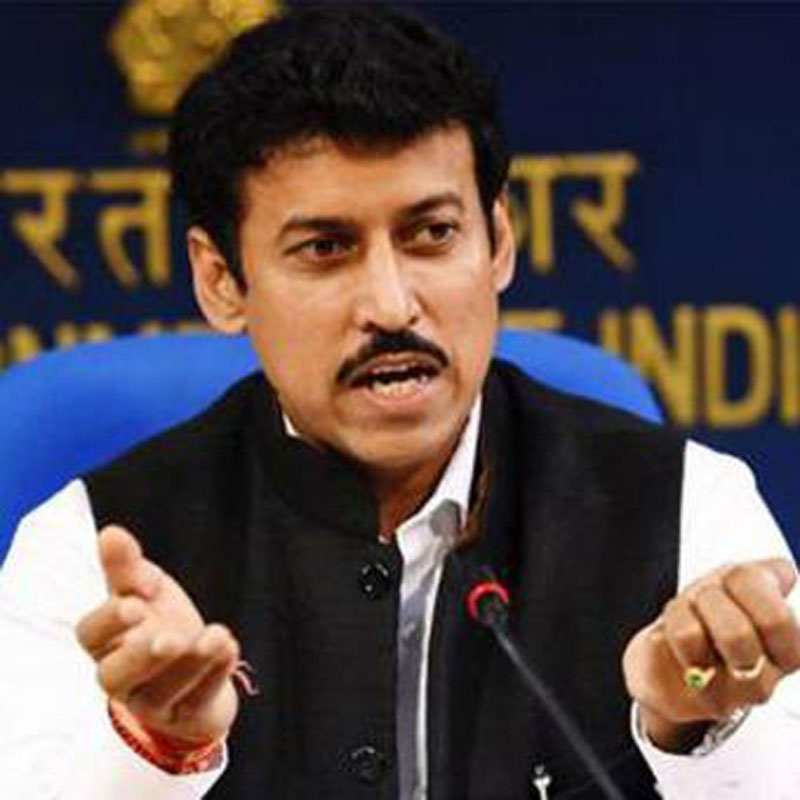
    Junior minister in the Ministry of Information and Broadcasting (MIB) Rajyavardhan Rathore had admitted in response to a question in Parliament recently that legal cases, filed mostly by cable operators relating to some phases of digital rollout, may delay the year-end sunset date for analog services in the country.

    Though MIB officials and regulator TRAI in public insist that final digitisation deadline won’t be extended, in private government officials do admit that in Phase IV areas, comprising approximately 100,000 villages, small towns and hamlets, seeding of STBs is far from the desired level. An MIB official pointed out after the last DAS Task Force Meeting late last month that cash crunch due to demonetisation of high-value currency notes has only added to the problem on the ground slowing down the entire digital rollout process.

    Further impeding STB seeding is the slowing registration of MSOs who’d actually do the work on the ground.

    MIB List of Cancelled Registrations

    Meanwhile, MIB yesterday released a list of 44 MSOs whose registrations have been cancelled or their proposal for licences closed – as against 42 in October and 29 at the end of September 2016.These cancellations exclude four cases – Kal Cables of Chennai, Godfather Communication Pvt. Ltd of Amritsar, Digi Cable Network (India) Pvt Ltd of Mumbai, and Intermedia Cable Communication Pvt. Ltd of Delhi — in which provisional or permanent registrations were issued after high courts stayed the cancellation orders in petitions filed by these MSOs.

    Most of the other cases in the list of cancelled registrations had failed to get security clearance from the MHA. However, there are cases of many MSOs holding provisional licences not completing certain formalities relating to shareholders and so on.

    According to the latest list up to 30 November 2016, the areas of operation of two MSOs (one each in the permanent and provisional lists) have been revised or corrected after 31 October 2016.Of the new licensees, three (UCS Broadband Private Limited of Lucknow, Elxire IT Services Pvt. Ltd of Haryana and Microsense Wireless Pvt. Ltd of Chennai) have got pan-India licences. Maury Diginet Pvt. Ltd of Bihar has got pan-India licence for Phase II, III and IV.

    The other new registrations after October 2016 include state-wide licences or for specific districts in Kerala, Himachal Pradesh, Uttar Pradesh, Haryana, Maharashtra, Tamil Nadu, Gujarat, Madhya Pradesh, Chattisgarh, Rajasthan, Telengana, Andhra Pradesh, Manipur, Odisha, Punjab, Delhi and Tripura.In one of the meetings of stakeholders at MIB it was revealed that though there were a reported 6,000 MSOs in the country, but only a handful of them had come forward to register.

    ALSO READ:
    MIB’s digital deadline dilemma: to relax or not

    30 MSOs got provisional licences in Oct, taking total to 1033


  • Slow pace of court cases, MSO registration may delay DAS deadline

    Slow pace of court cases, MSO registration may delay DAS deadline

    NEW DELHI: Between the analog sunset and a digital morning are court cases and cumbersome and slow MSO registration processes. And, the deadline of 31 December 2016 appears to be becoming a distant possibility despite assertions to the contrary in the stakeholder-government meetings.

    A mere 26 MSOs got provisional registration in November 2016, taking the total to 1,059 and the number of permanent MSOs (with ten-year licences) remaining static at 229.

    With the Ministry of Home Affairs (MHA) directive about doing away with security clearances for MSOs not being communicated in writing to the MIB, confusion prevails slowing down the registration processes of MSOs for delivering services in DAS areas.

    Junior minister in the Ministry of Information and Broadcasting (MIB) Rajyavardhan Rathore had admitted in response to a question in Parliament recently that legal cases, filed mostly by cable operators relating to some phases of digital rollout, may delay the year-end sunset date for analog services in the country.

    Though MIB officials and regulator TRAI in public insist that final digitisation deadline won’t be extended, in private government officials do admit that in Phase IV areas, comprising approximately 100,000 villages, small towns and hamlets, seeding of STBs is far from the desired level. An MIB official pointed out after the last DAS Task Force Meeting late last month that cash crunch due to demonetisation of high-value currency notes has only added to the problem on the ground slowing down the entire digital rollout process.

    Further impeding STB seeding is the slowing registration of MSOs who’d actually do the work on the ground.

    MIB List of Cancelled Registrations

    Meanwhile, MIB yesterday released a list of 44 MSOs whose registrations have been cancelled or their proposal for licences closed – as against 42 in October and 29 at the end of September 2016.These cancellations exclude four cases – Kal Cables of Chennai, Godfather Communication Pvt. Ltd of Amritsar, Digi Cable Network (India) Pvt Ltd of Mumbai, and Intermedia Cable Communication Pvt. Ltd of Delhi — in which provisional or permanent registrations were issued after high courts stayed the cancellation orders in petitions filed by these MSOs.

    Most of the other cases in the list of cancelled registrations had failed to get security clearance from the MHA. However, there are cases of many MSOs holding provisional licences not completing certain formalities relating to shareholders and so on.

    According to the latest list up to 30 November 2016, the areas of operation of two MSOs (one each in the permanent and provisional lists) have been revised or corrected after 31 October 2016.Of the new licensees, three (UCS Broadband Private Limited of Lucknow, Elxire IT Services Pvt. Ltd of Haryana and Microsense Wireless Pvt. Ltd of Chennai) have got pan-India licences. Maury Diginet Pvt. Ltd of Bihar has got pan-India licence for Phase II, III and IV.

    The other new registrations after October 2016 include state-wide licences or for specific districts in Kerala, Himachal Pradesh, Uttar Pradesh, Haryana, Maharashtra, Tamil Nadu, Gujarat, Madhya Pradesh, Chattisgarh, Rajasthan, Telengana, Andhra Pradesh, Manipur, Odisha, Punjab, Delhi and Tripura.In one of the meetings of stakeholders at MIB it was revealed that though there were a reported 6,000 MSOs in the country, but only a handful of them had come forward to register.

    ALSO READ:
    MIB’s digital deadline dilemma: to relax or not

    30 MSOs got provisional licences in Oct, taking total to 1033


  • MIB’s digital deadline dilemma: to relax or not

    MIB’s digital deadline dilemma: to relax or not

    NEW DELHI: India’s ongoing cable digitalisation, plagued by court cases resulting in roll-out delays, may have just got entangled with the short to medium-term inconveniences caused by demonetisation of high-value currency notes signalling likely further delays.

    The ministry of  information and broadcasting (MIB), grappling with the issue of delays, was served with another likely roadblock when the the Telangana state government requested postponement of  the digital deadline of 31 December, 2016, at a stakeholders’ meeting on 29 November 2016.

    As per the government mandate, the sunset date for all analog television services in the country is 31 December, 2016, which would have signalled completion of Phase IV of the digital addressable system (DAS) rollout.

    While grudgingly admitting that the government is seized of the inconveniences caused due to demonetisation, a government official told indiantelevision.com that in view of the prevailing situation in the country and a major portion of Phase IV areas (about 60 per cent) still to be seeded with digital STBs, the government is unable to take a decision whether to hold on to year-end deadline or relax it.

    “The court cases filed by cable operators (relating to DAS Phase III and IV) have been a cause of a major delay and the situation arising out of demonetisation has further added to government’s dilemma,” a senior government official explained.

    At the monthly DAS Task Force meeting of stakeholders at MIB, chaired by the ministry’s additional secretary, not only the representative of the state of Telangana voiced his concern on the digital deadline of 31 December, 2016 requesting postponement, but some MSOs and Indian STB manufacturers too expressed their apprehensions.

    The Telangana state government’s proposal was opposed by a majority of those present in the meeting. Their concern: any official postponement of the sunset date of 2016 would send wrong signals, and may further derail the digital rollout. MIB is understood to be studying all the feedback before announcing its official position on the deadline.   

    Though, according to MIB, officially Phase IV of DAS is progressing as per schedule, a section of the cable industry estimates that approximately 10 million homes, part of DAS Phase III, are still to be seeded with STBs.

    The court cases relating to DAS in Delhi High Court have had several adjournments on grounds of technicalities.

    Information and broadcasting minister of state Rajyavardhan Singh Rathore admitted in the Parliament that DAS may get delayed. “As per Cable TV Rule, the cut-off date for complete digitisation is 31 December 2016. As such, all cable subscribers in the country should take STBs (set-top boxes) before this date to continue avail cable TV services. However, due to court cases the implementation may get delayed,” the Minister said in Lok Sabha or Lower House of Parliament earlier this week.

    ALSO READ:

    DAS cases put off to Nov 23 as processes incomplete


  • MIB’s digital deadline dilemma: to relax or not

    MIB’s digital deadline dilemma: to relax or not

    NEW DELHI: India’s ongoing cable digitalisation, plagued by court cases resulting in roll-out delays, may have just got entangled with the short to medium-term inconveniences caused by demonetisation of high-value currency notes signalling likely further delays.

    The ministry of  information and broadcasting (MIB), grappling with the issue of delays, was served with another likely roadblock when the the Telangana state government requested postponement of  the digital deadline of 31 December, 2016, at a stakeholders’ meeting on 29 November 2016.

    As per the government mandate, the sunset date for all analog television services in the country is 31 December, 2016, which would have signalled completion of Phase IV of the digital addressable system (DAS) rollout.

    While grudgingly admitting that the government is seized of the inconveniences caused due to demonetisation, a government official told indiantelevision.com that in view of the prevailing situation in the country and a major portion of Phase IV areas (about 60 per cent) still to be seeded with digital STBs, the government is unable to take a decision whether to hold on to year-end deadline or relax it.

    “The court cases filed by cable operators (relating to DAS Phase III and IV) have been a cause of a major delay and the situation arising out of demonetisation has further added to government’s dilemma,” a senior government official explained.

    At the monthly DAS Task Force meeting of stakeholders at MIB, chaired by the ministry’s additional secretary, not only the representative of the state of Telangana voiced his concern on the digital deadline of 31 December, 2016 requesting postponement, but some MSOs and Indian STB manufacturers too expressed their apprehensions.

    The Telangana state government’s proposal was opposed by a majority of those present in the meeting. Their concern: any official postponement of the sunset date of 2016 would send wrong signals, and may further derail the digital rollout. MIB is understood to be studying all the feedback before announcing its official position on the deadline.   

    Though, according to MIB, officially Phase IV of DAS is progressing as per schedule, a section of the cable industry estimates that approximately 10 million homes, part of DAS Phase III, are still to be seeded with STBs.

    The court cases relating to DAS in Delhi High Court have had several adjournments on grounds of technicalities.

    Information and broadcasting minister of state Rajyavardhan Singh Rathore admitted in the Parliament that DAS may get delayed. “As per Cable TV Rule, the cut-off date for complete digitisation is 31 December 2016. As such, all cable subscribers in the country should take STBs (set-top boxes) before this date to continue avail cable TV services. However, due to court cases the implementation may get delayed,” the Minister said in Lok Sabha or Lower House of Parliament earlier this week.

    ALSO READ:

    DAS cases put off to Nov 23 as processes incomplete


  • BARC seeks RFPs for consultancy to subscribers

    BARC seeks RFPs for consultancy to subscribers

    MUMBAI: BARC India has called Request for Proposals (RFPs) from professional consultancy service providers who would provide strategic consultancy to BARC India subscribers.

    MIB guidelines prohibit BARC India from involving itself in any activity like consultancy or any such advisory role, which would lead to a potential conflict of interest with its main objective of TV ratings. However, many subscribers have been expressing their need for this service and hence reputed Data Insight consultants may provide this. This is also in line with global best practices where the ratings are being done by joint industry companies.

    With this, BARC India is seeking to build a small pool of approved consultancy companies, which will allow subscribers to choose their supplier and also help mitigate against potential conflicts of interest when dealing with potentially competing clients. Interested parties can mail BARC, and finally submit proposals for providing TV Viewership related consultancy services to BARC India subscribers.

    While BARC India data will continue to be delivered directly to subscribers via the BARC India Media Workstation (BMW) analysis system, consultancy companies will be able to analyze this data using their own systems to generate consultancy outputs. However, these systems cannot be made available to subscribers as an alternative to BMW system.

    “BARC India being a joint industry company of broadcasters, media agencies and advertisers needs to remain independent and objective and hence cannot provide consultancy service to subscribers. However, after building a strong television audience measurement system in the country, we have now decided to grant licenses to select consultancy companies to provide analysis to our subscribers who are in need of professional consultancy service to effectively utilize and strategise with BARC India data,” said BARC India CEO Partho Dasgupta.

  • BARC seeks RFPs for consultancy to subscribers

    BARC seeks RFPs for consultancy to subscribers

    MUMBAI: BARC India has called Request for Proposals (RFPs) from professional consultancy service providers who would provide strategic consultancy to BARC India subscribers.

    MIB guidelines prohibit BARC India from involving itself in any activity like consultancy or any such advisory role, which would lead to a potential conflict of interest with its main objective of TV ratings. However, many subscribers have been expressing their need for this service and hence reputed Data Insight consultants may provide this. This is also in line with global best practices where the ratings are being done by joint industry companies.

    With this, BARC India is seeking to build a small pool of approved consultancy companies, which will allow subscribers to choose their supplier and also help mitigate against potential conflicts of interest when dealing with potentially competing clients. Interested parties can mail BARC, and finally submit proposals for providing TV Viewership related consultancy services to BARC India subscribers.

    While BARC India data will continue to be delivered directly to subscribers via the BARC India Media Workstation (BMW) analysis system, consultancy companies will be able to analyze this data using their own systems to generate consultancy outputs. However, these systems cannot be made available to subscribers as an alternative to BMW system.

    “BARC India being a joint industry company of broadcasters, media agencies and advertisers needs to remain independent and objective and hence cannot provide consultancy service to subscribers. However, after building a strong television audience measurement system in the country, we have now decided to grant licenses to select consultancy companies to provide analysis to our subscribers who are in need of professional consultancy service to effectively utilize and strategise with BARC India data,” said BARC India CEO Partho Dasgupta.

  • FM P-III: A disappointing fortnight of slow & low bids

    FM P-III: A disappointing fortnight of slow & low bids

    NEW DELHI: Although Hyderabad and Dehradun continued to lead with bids of Rs 23,43,48,266 and Rs 15,61,00,590, respectively in the FM radio’s Phase III auctions for frequencies, the first fortnight remained disappointing with little movement in the bids or the price percentage increase on completion of 55 rounds.

    In fact, the number of rounds fell from four to three for the first time on the 14th day of auction on 21 November 2016. While Muzaffarpur showed a price percentage increase of one, 44 cities have still failed to attract any bids.

    Agartala has joined the band of Alappuzha (Alleppey), Erode, Hubli-Dharwad, Nellore, Salem, Vellore and Vijaywada where bids remained at just over Rs 70 million. Bids for Tiruchy increased to just above Rs 50 million and Tirupathi and Puducherry to a little over Rs 40 million. Amravati, Bhavnagar, Jamnagar and Ujjain bid a little over Rs 35 million and Mysuru a little over Rs 32 million.

    Thus, apart from minor rise in Agartala and Ujjain, there has been little movement in other cities over the past week. The first day of auction on 26 October 2016 saw a winning price of Rs 1,820 million against the aggregate price of Rs 1,792 million, while the second day saw low bids and no bids from three cities.

    Meanwhile, South Asia FM Ltd has been declared as the winning bidder for five radio FM channels, just a day after the commencement of the auction for the second batch of Phase III. The company will be allotted frequencies in Surat, Amritsar, Patna, Chandigarh and Jammu.

    South Asia FM Limited, one of the 14 shortlisted bidders, is a public incorporated entity. It is classified as a non-government company and is registered at Chennai. Its authorized share capital is Rs. 6,550,000,100 and its paid up capital is Rs. 6,153,605,100.It is involved in motion picture, radio, television and other entertainment activities.

    Ministry of Information and Broadcasting (MIB) sources told indiantelevision.com that the aim was to continue till all the channels slated in the second batch were auctioned.

    This data has been compiled on the basis of system-generated “Final Round Result Report” and “Frequency Identification Report” accessible through auction administrator role.

    Also Read

    FM radio Phase III frequency allocation to bidders completed in three rounds