Tag: MIB

  • MIB extends feedback deadline date on mandatory sports feed sharing norms till 15 Jan

    MIB extends feedback deadline date on mandatory sports feed sharing norms till 15 Jan

    MUMBAI: Ministry of Information and Broadcasting (MIB) has extended the deadline to give feedback on the draft sports broadcasting signals (Mandatory Sharing with Prasar Bharti) (Amendment) Bill, 2018 till 15 January 2019. The earlier deadline was 31 December 2018.

    In an earlier notification dated 17 October, it said that feedback must be given within a month to enable telecast of “Sporting events of national importance’ on mandatory channels of Doordarshan via cable/DTH/ IPTV operators.

    As per provisions of the Sports Act, the live feed received by Prasar Bharati from the content rights owners or holders is only for the purpose of re-transmission of the said signals on Doordarshan’s own terrestrial and DTH network (DD FreeDish) and not for cable operators or other distribution networks. The ad sales is also done by private companies after taking the pubcaster into confidence with the additional ad revenue shared between the rights holding TV channel and DD.

    Viewers, who do not have DD FreeDish [pubcaster Doordarshan’s FTA DTH platform] or Doordarshan’s terrestrial network, are either unable to watch these sporting events of national importance or are compelled to watch these sporting events on highly priced sports channels.

    Additonally, private DTH platforms and MSOs/LCOs were barred from showing DD's non-terrestrial channels that re-transmitted the shared feeds, after the August 2017 Supreme Court ruling, for the duration of that particular event and it was stressed upon also by Prasar Bharati fearing adverse reaction from the apex court.

    The extension notice reads: “Reference this Ministry’s earlier notice dated 17.10.2018 seeking feedback / comments on Draft Sports Broadcasting Signals (Mandatory Sharing with Prasar Bharti) (Amendment) Bill, 2018 and the notice dated 09.11.2018 to extend the deadline upto 31.12.2018 for receiving feedback/comments from General Public/Stakeholders on the said draft Bill, 2018. It is informed that the deadline for receiving feedback/comments from General Public/Stakeholders on the said draft Bill, 2018 to enable telecast of ‘Sporting events of National importance’ on mandatory channels of Doordashan via Cable / DTH / IPTV Operators has been further extended by this Ministry till 15.01.2019.”

  • Maharashtra stares at possible 3-hour cable TV blackout today as LCOs flex muscle

    Maharashtra stares at possible 3-hour cable TV blackout today as LCOs flex muscle

    MUMBAI: Cable operators across the country, and particularly in Maharashtra, seem to have upped the ante in their confrontation with the Telecom Regulatory Authority of India (TRAI) over the new tariff order that will be applicable to the broadcast sector from 29 December 2018. At a protest gathering in the city on Wednesday, the Cable Operator and Distributors’ Association (CODA) called for a cable TV blackout from 7 to 10 pm today.

    The cable operator fraternity has taken affront to the TRAI formula that dictates the revenue sharing model. As per the regulator’s math, MSOs and LCOs will split the network capacity fee (NCF) of Rs 130 in a minimum 55:45 ratio, with no share for the broadcasters. Consumers will have access to 100 FTA channels, including 26 mandatory Doordarshan channels, by paying the NCF. For pay channels, broadcasters will pocket 65 to 80 per cent of the MRP with the MSO and LCOs sharing the rest in a 55:45 ratio.

    “The protest is about two things, one is the price hike which is going to affect the customer and second the revenue share. The cable operators must get 40 per cent and the remaining 60 per cent should be divided between the broadcaster and the MSO,” said CODA’s Anil Parab.

    Apart from the sector regulator, the Maharashtra cable operators seem to have trained their guns at the Star India Network too. There’s a protest planned at Lower Parel’s Urmi Estate, which houses the Star India office, at 2 pm on 28 December. Not just that, LCOs say they will also refrain from pushing Star’s channel pack to consumers.

    “We are boycotting Star India channels. We are going to sit outside Star office in Lower Parel on 28 December at 2 pm. We will not book Star India channels initially,” added Parab.

    The reason for their ire at Star is the broadcaster’s alleged refusal to meet and negotiate with cable operators.

    “All the broadcasters except Star are in communication with us and are willing to sit across the table to iron out differences,” Maharashtra Cable Operators’ Federation committee member Asif Syed told Indiantelevision.com.

    He also said that dissuading consumers from opting for the Star pack won’t be all that difficult given the personal equations LCOs share with most of them.

    “It takes about a week to change the viewing preference of consumers. We have first-hand experience of this,” he added.

    While the distribution ecosystem is now up in arms, it was Star India that fought the TRAI tooth and nail in the Madras High Court and then the Supreme Court over the tariff order.

    In private conversation, however, some operators agree that they should have voiced their concerns on the matter ahead of time. The last-minute agitations may not yield the desired results, but the faction-riddled cable fraternity is determined to put up a united front.

    “We demand that the revenue sharing should be around 60 and 40 per cent. 60 per cent of the pay channel revenue should be shared between the MSOs and the broadcasters, and the remaining 40 should purely go to the LCOs. On the FTA channels, minimum fee of Rs 20 should be taken by the MSO for carrying channels up to the LMOs headend, as after that he distributes on his own network. 80 per cent of the networks where FTA channels are carried are in the hands of the LCOs. 20 per cent of the FTA channels revenue should be given to the MSOs,” argues MNS Cable Sena VP Jagdish Joshi.

    While the LCOs are spoiling for a fight, MSOs don’t seem to be wanting a piece of the action.

    “The protest is about the amendments in the sharing revenue model on pay channels and want it to be changed to 60:40 from 80:20 currently. There is no support from us,” a member of the senior management of a national MSO told Indiantelevision.com on the condition of anonymity.

    This protest isn’t just a Mumbai phenomenon. LCOs from over 30 associations across the country descended on New Delhi’s Jantar Mantar on Wednesday asking TRAI to amend the tariff order.

    The Vadodara Cable Operator Association, joined by their counterparts from Ahmedabad, called for a complete blackout on 28 December night to let their displeasure known to the regulator during a gathering at the Gandhinagar Gruh.

    In Hyderabad on Tuesday, the Old City Cable TV Operators Welfare Association threatened to blackout paid channels and stop payments to MSOs if they were compelled to pay based on the new tariff regime.

    “We are not against the tariff order; we just want some amendments to be done before the implementation. As per the trends going in the country, if the revenue share is very unfair, nobody is ready to do business in the country,” Joshi concluded.

    Stepping up its efforts to enable a smooth transition, TRAI said it is preparing a detailed Migration Plan for all the existing subscribers. On Wednesday, the regulator issued a circular allaying fears of a potential blackout.

    “The authority has noticed that there are messages circulating in the media that there may be a black-out of existing subscribed channels on TV screens after December 29, 2018. The authority is seized of the matter and hereby advises that all broadcasters/DPOs/LCOs will ensure that any channel that a consumer is watching today is not discontinued on 29.12.2018. Hence, there will be no disruption of TV services due to implementation of the new regulatory framework,” the circular said.

    Earlier this month, filed a petition seeking clarification on the issue of 15 per cent cap on discount on a bouquet price of TV channels to consumers that had been set aside by Madras High Court while upholding TRAI’s right to regulate the broadcast sector. The matter will be listed when the top court resumes post the winter break in January 2019. There’s another case being heard in the Delhi High Court involving Tata Sky, Airtel Digital TV and Discovery India that will be heard on 10 January.

    The LCOs are closely monitoring these matters. They also don’t rule out raking up the ongoing issue with the TDSAT. For now, however, they intend to show their might to TRAI and the broadcasters as the country prepares to adopt a new tariff regime. It remains to be seen what impact they can conjure up.

  • A year when OTT onward march & TRAI tariff issue hogged limelight

    A year when OTT onward march & TRAI tariff issue hogged limelight

    MUMBAI: 2018 could have been easily dubbed as the Indian year digital or OTT, with its chaotic growth continuing and multi-million dollars being poured into programming by global and local players, however, the new tariff and regulatory regime for the broadcast and cable sector occupied as much mind space.

    Though these are early days for a sure shot business model for digital space emerging as players continue to experiment with AVOD, SVOD and combination of several other models, there’s no denying OTT has more than a foot inside the door in India.  

    According to a report by market research firm Media Partners Asia, online video revenue, comprising net ad spend and subscription fees, will grow at an 18 per cent CAGR across Asia Pacific between 2018 and 2023, climbing from $21 billion 2018 to $48 billion by 2023. While China will account for the lion’s share of industry value, with more than 60 per cent of Asia Pacific online video revenue and more than 75 per cent of direct-to-consumer SVOD subs by 2023, other big markets by revenue would include India, Japan, Australia, Korea and Taiwan.

    So, though traditional pay TV is not dead yet and will continue to grow in India as the saturation point is still far from over (BARC India estimates there are about 197 million TV homes in India over 100 million still to be covered), traditional media players have realised OTT and other forms of digital delivery of video — professional or user generated — will continue to grow and put pressures on ARPUs and other numbers as more Indians take to smartphones and devises with broadband infrastructure slowly improving and cost of data plummeting in the short term.

    The inroads into India in 2018 made by Chinese mobile companies have been impressive while raising fears of tracking and data misuse too.

    “With 160 million shipments of smartphones in 2019, apart from being the only market to grow in this sector, India will also be the most potential market for global content creators,” Zeel MD Punit Goenka tweeted last week. This observation is testimony to traditional media players waking up to the competition from OTT platforms for eyeballs.

    The growth of online platforms also means the continued search for both original and library content too will grow as it did in 2018. Not only global players like Netflix and Amazon announced big-budget investment in original content starring leading Hindi film stars like Shah Rukh Khan and Saif Ali Khan, local companies too have upped the ante realising the potential of the digital space. Star India’s digital arm Hotstar claimed 100 million viewers for the IPL cricket and ZEE5 has come out with some refreshing non-fictional programming.

    If online video distribution is growing in India, so has the demand for content regulation. Even as Indian policy-makers struggle to understand the business model(s) for digital players, the cry for regulation to suit Indian sensibilities (or lack of it) too has increased. Netflix Indian original Sacred Games is still fighting out a legal case, while informal warnings have gone to other Indian OTT platform too to tone down edgy programming being streamed.

    Bouncing amongst several government organisations (MIB, TRAI and Meity), the issue of online content regulation was a hotly debated topic in India with a large section of the industry pushing for self-regulation like those prevailing for TV content.

    If not in 2018, some sort of content regulation for online video will definitely come. The only thing that matters is whether in 2018 or it will be post general election in 2019.

    The action in the online video segment and its delivery mode was catalysed by the arrival of Reliance Jio that has expanded from just being a player to becoming a behemoth in a short period of time, handing out services at comparatively low prices. The rollout of Jio Giga fibre network in 2018 has sharply woken up legacy distribution players, including telcos who went on a partnership spree to source content.   

    And, if the regulators in India struggled with the issue of online  content, TRAI’s new tariff regime, proposed first quarter 2017, continued to cast a shadow in 2018 with confusion relating to some aspects (like a 15 per cent cap on discounts to consumers for TV channels) lingering on like a unfinished record playing out discordant notes. While TRAI has sought clarification from the Supreme Court on the discount issue (the next hearing is sometimes in January 2019), it has simultaneously cracked the whip on broadcasters and distribution platforms to fall in line with its new tariff regime by end of the present year.

    The formulation of a new telecom policy or the National Digital Communication Policy 2018 could also be said to be a milestone as India stopped just short of creating a mega communications regulator overseeing the realms of TV broadcast, online and telecoms, depending on having increased synergies amongst these segments and their regulatory regimes.

    Increased mergers & acquisitions seen in 2018 would continue consolidating the market and players. But such activities also raised doubts on possible creation of monopolies. Disney takeover of most of the media businesses of Rupert Murdoch’s 21st Century Fox, including Asia biggie Star, played out in India too even as Mukesh Ambani’s Reliance Industries and its various arms went on a shopping spree buying sizable stakes in content makers (Balaji Telefilms, Eros, for example), distribution platforms (Hathway, DEN Networks) and other media assets. That Subhash Chandra-founded Zee too is looking for an investor spiced up the mergers and acquisitions space.

    Channels continued to be launched in 2018 with almost all networks rolling out new offerings in regional languages – a trend which began over 2016 and 2017. Colors Tamil, Sony Marathi, Star Sports 3, Zee Keralam were unfurled for viewers by the major players. What's keeping broadcasters buoyant is the annual expansion in advertising continues unabated at about nine to 10 per cent annually. 

    While legacy media players (like cable TV, MSOs/LCOs, DTH) in India have started a fight for survival and improved bottomlines in the aftermath of online’s growth, the #MeToo effect in 2018 did not leave the media and entertainment untouched.

    Though #MeToo in 2018 more impacted the advertising and film segments with some big names becoming casualties, the ripple effect in the broadcast sector was low. But the movement has opened up a can of worms in the Indian media, entertainment and advertising segments.

    The industry is on tenterhooks in an election year, wondering whether the BJP or NDA will make a comeback in April-May 2019 or yield to the Congress. Will the policy regime continue or will there be changes? These are questions that seem to be creasing many a brow. 

    But on the whole, will the trends continue in 2019? Of course, yes as it too promises to be quite a roller-coaster.
  • Rajinikanth forum files for TV channel trademark

    Rajinikanth forum files for TV channel trademark

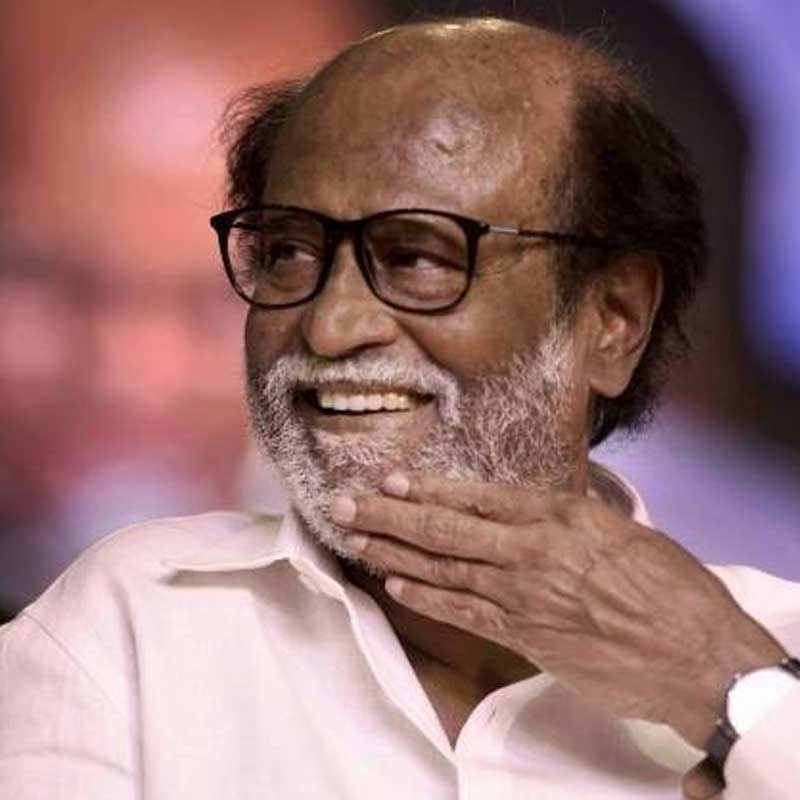
    MUMBAI: Things are getting interesting as India’s general elections loom ahead next year and as film stars poise to join the political bandwagon. Ahead of the launch of superstar Rajinikanth's political party, efforts are underway for starting a television channel by a forum floated by him.

    The actor has authorised the use of his name and photograph in the proposed TV channel’s logo. 

    In a letter to the Registrar of Trademarks, Rajinikanth has stated that an application made by the forum chief for trademarks be processed and he had no objection to the use of his name and photo in the logo of the proposed channel.

    The matter came to light after the letter went viral on social media and sources close to the Tamil actor Friday confirmed its veracity, a PTI report from Chennai said.

    Administrator of the Rajini Makkal Mandram, seen as a precursor to his party, V M Sudhakar applied for the trademarks  SUPERSTAR TV, RAJINI TV, THALAIVAR TV, which all have references to the actor.

    The move is seen as keeping in line with the tradition of political parties in Tamil Nadu having their own TV channels to effectively propagate their policies and programmes.

    Indiantelevision.com could not independently confirm whether the superstar’s colleagues, managing the forum backed by him, have also applied for necessary permissions to the government. Ministry of Information and Broadcasting sources refused to comment on the issue.

    Meanwhile, the PTI report stated while the ruling AIADMK had recently launched 'News J' to propagate its views, a bouquet of channels under the Kalaignar TV and the Maran family-owned Sun TV are said to be backing the opposition DMK.

    Jaya TV, managed by the relatives of jailed aide of former chief minister J Jayalalithaa, V K Sasikala, was originally a mouthpiece of the AIADMK. But now the channel backs sidelined party leader T T V Dhinakaran since his fallout with current Chief Minister K Palaniswami last year.

    In his letter to the Trademarks Registrar, Rajinikanth said he had "no objection to use my name, photo on the logo and label", adding the applications may be processed to the "next level". 

    The 68-year old actor had announced taking the political plunge in December 2017 while interacting with his fans here.

    Broadcast carriage regulator TRAI in an earlier recommendation made several years ago, gathering dust at MIB, had stated that government entities, political parties and/or active politicians should not be allowed direct entry into broadcasting space.

  • MIB to hold MSO conference on 18 December

    MIB to hold MSO conference on 18 December

    MUMBAI: Ministry of Information and Broadcasting (MIB), through Broadcast Engineering Consultants India Ltd (BECIL), is organising a conference of MSOs, the cable TV industry representatives, that will be held on 18 December in New Delhi. The discussions will pertain to several issues related to broadband services through cable TV networks.

    The aim is to discuss various issues as well as seek views of MSOs about feasibility, affordability, and ubiquity on the issue of broadband services through cable TV networks, infrastructure required for the same and modalities of payment and segregation of revenue earned for broadband activities.

    One of the major topics which will be in focus is the willingness of the operators to invest in the infrastructure required. The payment of 8 per cent adjusted gross revenue (AGR) as a fee to DoT, whether to be paid only on the broadband services or on overall revenue earned in respect of both the businesses will be also discussed. The need of creating a separate entity for broadband activities for segregation of the revenue earned on it will be also examined.

    As per the MIB release, the conference will see participation from major MSOs, MIB, DOT, TRAI and BECIL officials.

  • MIB proposes to strengthen govt-citizen interface

    MIB proposes to strengthen govt-citizen interface

    MUMBAI: Months after a country-wide uproar and nudges from the judiciary forced the Indian government to shutter a Big Brother-type initiative involving tracking of Indians’ digital footprints, Ministry of Information and Broadcasting is taking another shot to “understand citizen views expressed publicly in print, television, online and social media platforms”.

    The primary stated aim of this new proposal is to help India’s federal government identify areas and issues that concern citizens and also help it in improving the communication system with regard to addressing citizens’ concerns, while creating awareness about various government initiatives, schemes and other important campaigns.

    “Understanding of trends, topics, hashtags relevant to the government related activities; analysis of social media campaigns run by the government; understanding of social media sentiments, with indicators (topic) wise conversations and other references on the worldwide web” were some of the listed deliverables of the project.

    At this juncture it’s not clear whether the new proposal is a watered-down version of the aborted social media hub of the MIB or purely a government-citizen interface to propagate government schemes.

    According to a tender floated on 7 December 2018 by Broadcast Engineering Consultants India Ltd (BECIL), proposals were invited for strengthening of the New Media Wing (NMW) of the MIB by providing solutions, software and services for an “integrated communication solution to include all digital public platforms (social media and online media) making use of existing infrastructure and resources” of the ministry wherever possible.

    BECIL is an organisation under MIB that was set up in the 1990s and provides project consultancy services and turnkey solutions encompassing the entire gamut of radio and television broadcast engineering like content production facilities, terrestrial transmission facilities, satellite and cable broadcasting facilities in India and abroad. It also provides other allied services.

    The tender document, available on BECIL’s website, further states that the successful bidder would be required to “possess capabilities to study multiple public platforms in order to facilitate creating a comprehensive view of various focus areas of the government”.

    Apart from this, the vendor should have relevant expertise and capability to provide communication insights to the MIB on how to improve the government’s communication and to create citizen-engaging content for various media and social media campaigns.

    “Also, it should provide feedback on various government schemes and suggest steps for its improvement…[and] such a system should provide for a comprehensive feedback reporting system to understand various aspects of traditional and social media communication and help formulate strategies for betterment of the integrated communication of the NMW.

    “The setup should be real time and have multi language capabilities,” the tender document states.

    The deadline for finding a vendor is listed as year-end with other pre-bid meetings to be held before that.

    On the issue of the hyped up Social Media Hub, MIB Minister Rajyavardhan Rathore earlier in the year had tried to allay fears on surveillance and privacy violations by the government. Subsequently, a case was filed in the Supreme Court by a politician from West Bengal alleging that the government was set to unleash an intrusive surveillance era. With the apex court questioning the motives, MIB had announced in August it was closing down the proposal.

  • MIB mulls national b’cast policy to ease stakeholders’ woes

    MIB mulls national b’cast policy to ease stakeholders’ woes

    NEW DELHI: India’s Ministry of Information and Broadcasting is exploring formulating a national broadcast policy or NBP with an aim to ease lengthy and time consuming government processes that media and entertainment industry players have to go through while conducting their businesses.

    According to MIB secretary Amit Khare, his ministry is also formulating the internal FDI policy to align the overall framework with that of the Commerce Ministry. The government had liberalised investment norms for many sectors, including media and entertainment, in 2016, and later dismantled Foreign Investment Promotion Board too making sectoral nodal ministries responsible for greenlighting FDI proposals.   

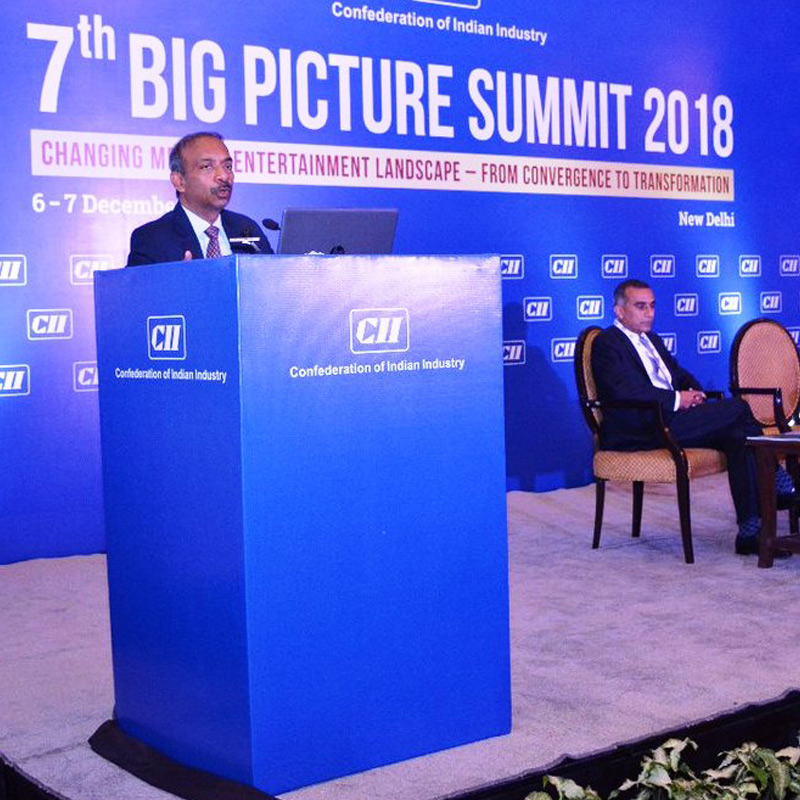
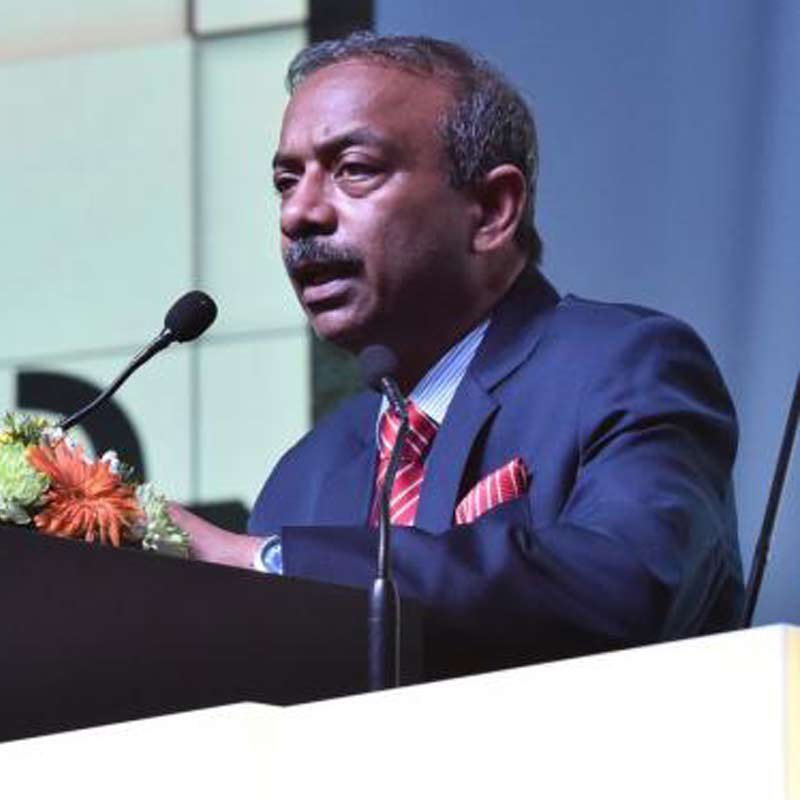
    “The media and entertainment sector should grow in a way that has less hurdle and more motivation,” Khare said here yesterday while addressing the concluding day audience at the CII Big Picture Summit 2018.

    Expanding on the NBP, Khare said government was exploring ways to ease processes, including a rethink on existing regulations for India’s M&E sector, which, not only has clocked impressive growth, but is also a big generator of employment for people. A new DTH policy, which is in the offing, is an indicator of the government's thought process.

    Admitting that regulation has failed to keep pace with changing technologies, the senior government official said, “Regulating everything is not desirable and even if desirable, it may not always be feasible.”

    However, he did not elaborate on the government’s thought process on content regulation for the digital space that’s fast becoming home to bold themes and bolder content if compared to traditional media of print and television.

    Pointing out that the government faced challenges while formulating policies or reviewing existing ones, Khare gave the example of expanding outlets for distribution of content that now, according to him, can be created practically by anyone with newer digital platforms offering creators enough number of outlets to showcase such creations.

    “In such a scenario, policy reforms [become] a little difficult,” Khare said, adding that the present government, however, was keen to review irksome government processes and clearances without being the “monitor” to mind a “grown-up” industry like media.

    Dwelling further on technology and the transformation it was bringing about in society, in general, Khare said MIB was in talks with regulator TRAI and BECIL to hold workshops to explore actively how broadband services could be delivered via existing cable TV networks to approximately 40 million households that presently don’t have internet facilities.

    Broadcast Engineering Consultants India Limited or BECIL, a government organisation under the ambit of MIB, provides project consultancy services and turnkey solutions encompassing the entire gamut of radio and television broadcast engineering.

    Later speaking to the media on the sidelines of the event, Khare said consultations will start with industry stakeholders on the formulation of NBP, but refused to give a time frame of it being legislated into some form of a policy document or guidelines.

    Info Tech Minister advocates robust digital measurement norms

    Facebook, Twitter, YouTube and WhatsApp have changed the manner in which users consume content and communicate with each other, but the social media platforms need to be mindful of "certain dos and don'ts" and guard against any misuse of their platforms, Information and Technology Minister Ravi Shankar Prasad said on Friday.

    Speaking at the CII Big Picture Summit, Prasad said that social media platforms' large focus on India underscored the sheer size and opportunities presented by the market here.

    "Facebook, Twitter, LinkedIn and WhatsApp are coming to India not only because they are giving some service. India offers a robust market, by its sheer size. I always say, come do business, but remember certain dos and don'ts…you must follow," Prasad said.

    The minister said that social media firms should also guard against any potential misuse of their platforms. In particular, these "public platforms" must not be misused by those with wrong intentions for the purpose of exploitation and denigration of others, he said.

    Outlining India's rising digital clout on the back of its large smartphone user base, strong IT outsourcing industry, electronic manufacturing capabilities and biometric programme Aadhaar, the minister asserted that the country will never barter its digital sovereignty and is, in fact, bringing a strong data protection law to safeguard its digital information.

    The right of accessing the internet is "not negotiable" and if the internet is designed for common good, it should be safe and secure, he added.

    He also called for a robust mechanism for measuring the ratings of digital platforms.

  • New DTH policy bonanza for operators likely by year-end

    New DTH policy bonanza for operators likely by year-end

    NEW DELHI: If all goes well, India’s DTH operators may have something to cheer about in the new year. The Ministry of Information and Broadcasting (MIB) wants an updated and tweaked policy to go for cabinet approval by the year end.

    Speaking to the media on the sidelines of CII Big Picture Summit 2018 here today, MIB Secretary Amit Khare said the new DTH policy is almost ready and the goal is to “send it for Cabinet approval” by December-end.

    Explaining the rationale behind the timing, the senior government official said the interim or temporary licenses, being presently handed to some of the biggest DTH operators, will expire this year-end and that makes it necessary to close the issue as soon as possible.

    Though he refused to divulge details of the decades old DTH policy that’s being updated keeping the present scenario in mind, including fast changing technology and a slowing economy, Khare did admit that some sops would be handed to the DTH operators.

    However, he refused to commit on the fact whether those sops would include financial rationalization too like slashing of the annual revenue sharing with the government that is calculated at the rate of 10 per cent.

    In the past, the DTH industry has demanded, among other things, cut in annual revenue share percentage to 6-8 per cent and other financial adjustments (like removal of content acquisition cost and an adjusted gross revenue) while calculating gross revenues.

    For example, Jawahar Goel, managing director of India’s biggest DTH operator (in terms of subscribers) Dish TV had written to policy-makers in October highlighting once again the industry’s woes and pleading for rationalization of costs and taxes.

    Even as India’s DTH industry has witnessed some consolidation, growth has been sluggish and ARPUs continue to be low with newer technologies throwing up additional avenues for content distribution forcing most legacy distributors to change tactics and business plans.

    Meanwhile, Khare did hint that the licensing period of DTH operators could be increased from the present 10 years. Operators like Dish TV, Tata Sky and Sun Digital, for example, are being handed by MIB interim licenses for a short period of time.

    Incidentally, telecoms and broadcast regulator TRAI in one of its recommendations had suggested increasing the DTH license period to 20 years from the present 10 years, apart from other sops like lower revenue sharing percentage and a one-time entry fee of Rs 100 million.

  • MIB secy Amit Khare advocates self-regulation in media

    MIB secy Amit Khare advocates self-regulation in media

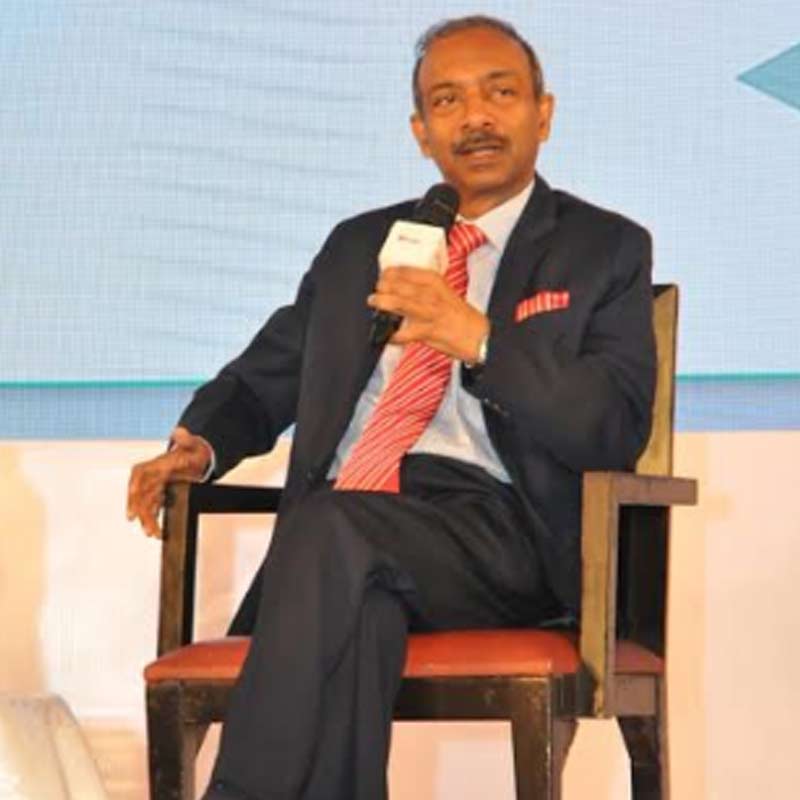
    MUMBAI: Making a strong case for self-regulation, Ministry of Information & Broadcasting Secretary Amit Khare today said it was a better regulatory approach for India’s media and entertainment sector.

    With the advancement as well as convergence of technologies, the government would like to have more of content self-regulation by the sector, rather than the state acting as a monitor, Khare said allaying fears that the present government would strongly push for mandated rules and regulations related to content.

    Peer pressure will serve to make self-regulation effective and ethically driven, the senior government official said while taking part in a panel discussion here on co-creation of a favourable regulatory framework for new and emerging media that had been organised by a media house. 

    Khare observed that the media and entertainment industry in India is one of the fastest growing industries and the sector sector plays an important role in job creation and providing employment to more than 1 million people. Further, for every rupee spent in the sector, there is a multiplier effect of around 2.9, he added highlighting the importance of the sector.

    Pointing out that media regulations historically have been developed more from the point of view of the medium or platform of distribution and not from the point of view of content itself, Khare said the situation has led to legacy players in print and electronic media coming under the ambit of ambit of regulation, leaving unregulated some newer media forms such as OTT services.

    Stating that the government has an open mind on regulation, the MIB official divulged that debates are on within the government whether there is a need to regulate unregulated platforms (like OTT) or whether to reduce overall regulations in the traditional sectors too. “How much regulation is required and how is it to be done, is another matter that needs to be addressed,” he added.

    According to him, FDI policies are being liberalised to make India a more investor-friendly market, but monopolies should be avoided. 

    Khare’s fellow panelists included Alok Srivastava, MD – IoT, Southeast Asia & India, CISCO, Gowree Gokhale, Senior Partner, Nishith Desai Associates law firm and Vivek Krishnani, MD, Sony Pictures Entertainment India.

  • Star Sports 1 Kannada to launch on 30 December

    Star Sports 1 Kannada to launch on 30 December

    MUMBAI: After announcing the launch of Star Sports 1 Telugu, Star India is all set to unveil its fourth regional channel after Star Sports 1 Hindi, Star Sports 1 Tamil and Star Sports 1 Telugu (launching on 7 December). The next language market of focus for the company is Kannada and the channel is likely to go on air on 30 December 2018, a source close to the development informed Indiantelevision.com.

    Star Sports 1 Kannada testing is in process on AsiaSat 7 at 105 degree east. Star Sports 1 Telugu is also being tested on the same satellite.

    Star India's attempt at securing an exclusive sports channel for its Kannada viewers didn’t see the light of day for the 11th season of IPL. Regulatory hurdles made the broadcaster switch the Kannada feed to Star Suvarna Plus.

    In an interview with Indiantelevision.com, Star Sports CEO Gautam Thakar had said that Kannada and Telugu were going to be priority language markets.

    Under the new tariff order, Star Sports 1 Kannada (30 December) and Star Sports 1 Telugu (7 December) have been priced at Rs 19 for TV consumers.

    In September this year, Star Sports also launched Star Sports 3, a multi-lingual channel in place of Channel V.

    Towards the end of last year Star India contemplated taking Channel V off air, with Star Sports 1 Kannada as its substitute, with 16 November 2017 having been fixed as the launch date.

    However, the broadcaster was unable to get the necessary approval from Ministry of Information and Broadcasting (MIB).

    Star Sports currently boasts of 14 channels, including Star Sports 1 Telugu, in its bouquet, with nine Standard Definition (SD) and five High Definition (HD) channels. Star Sports 1 Kannada will increase the count to 15.