Tag: Merchandising

  • Original Indian kids’ animation content is the need of the hour

    Original Indian kids’ animation content is the need of the hour

    MUMBAI: There is a dire need for creating home-grown content when it comes to kids’ entertainment. The scope for reducing the dependence on acquired content is immense especially since India has loads of unexplored talent.

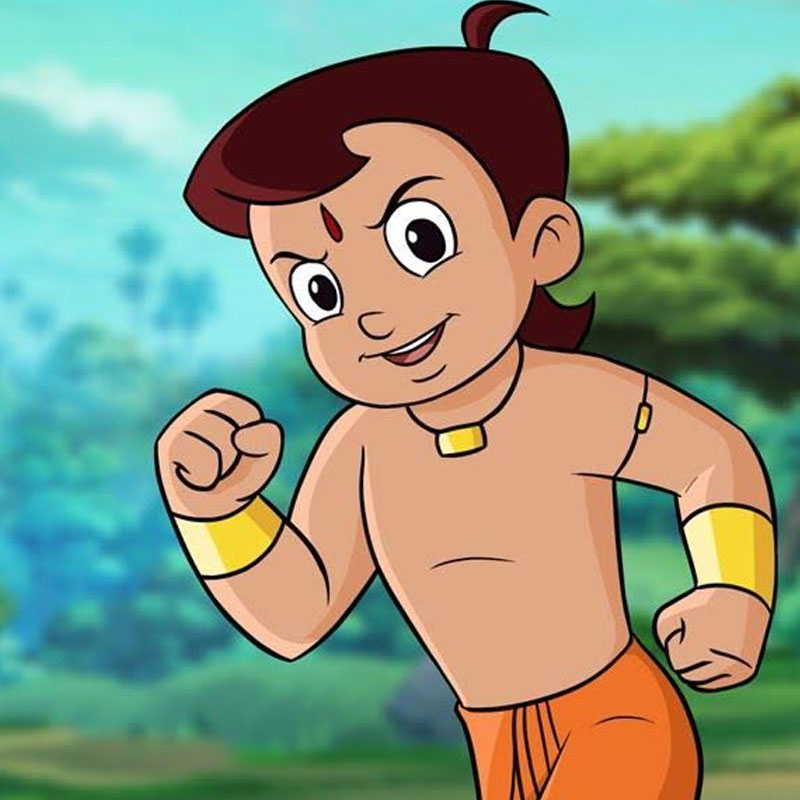
    Brand extension, merchandising and marketing sponsors’ products are compelling reasons to produce original Indian shows and for this intellectual property (IP) rights are crucial. Shaktimaan was probably the first Indian superhero on TV but today’s popular figures are Chhota Bheem and Motu Patlu.

    “The amount required for one single episode of animation content production abroad will suffice for making the entire series in India,” says Toonz Media country business head development Kishor Chandra Shrivastav, who was speaking on a panel recently.

    A big boost to India’s animation industry came when recently Netflix announced it will be creating a spinoff of Green Gold Animation’s popular show Chhota Bheem as Mighty Bheem.

    Animation production is expensive in comparison to a general entertainment channel (GEC) shows with the former requiring Rs 25-28 lakh an episode as against Rs 5-6 lakh for the latter. The advertising rates, however, commanded by the two are inversely proportional according to estimates.

    The type of content and the investment in it also attracts the right kind of sponsors. ICOM Global vice chairman and South Asia Kushal Sanghvi says that low budget content will only get a handful of sponsors while big budget and sponsors will require the storyline to be universal. He gives the example of Disney’s Jungle Book that was a hit in India.

    Sanghvi also highlighted that Indian shows lack merchandising power with the notable exception of Chhota Bheem. For great quality content and merchandising, investment needs to touch Rs 40-50 lakh an episode.

    Punnaryug Artvision founder Ashish Kulkarni differed in his opinion. He said, “I don’t agree completely. In India, there are characters which get licensed. Sometimes, just the character is licenced and not the content. We do not have interesting brands for Indian cinema.”

    The supply of India-produced shows is very limited compared to the unlimited growth of Japanese and other foreign language cartoons such as Doraemon and Shinchan. Since Japan has 15-20 years of headstart over India, their library is massive. In 2016, Cartoon Network had 91.61 per cent foreign shows, Pogo had 82.67 per cent while Disney had 60.61 per cent shows from abroad.

    Licensing can happen only if the character is extremely popular for which it needs to be present on both TV and OTT.

  • ‘Baahubali’ forays into licensing with ‘Black White Orange’; targets Rs 25 cr in retail sales

    ‘Baahubali’ forays into licensing with ‘Black White Orange’; targets Rs 25 cr in retail sales

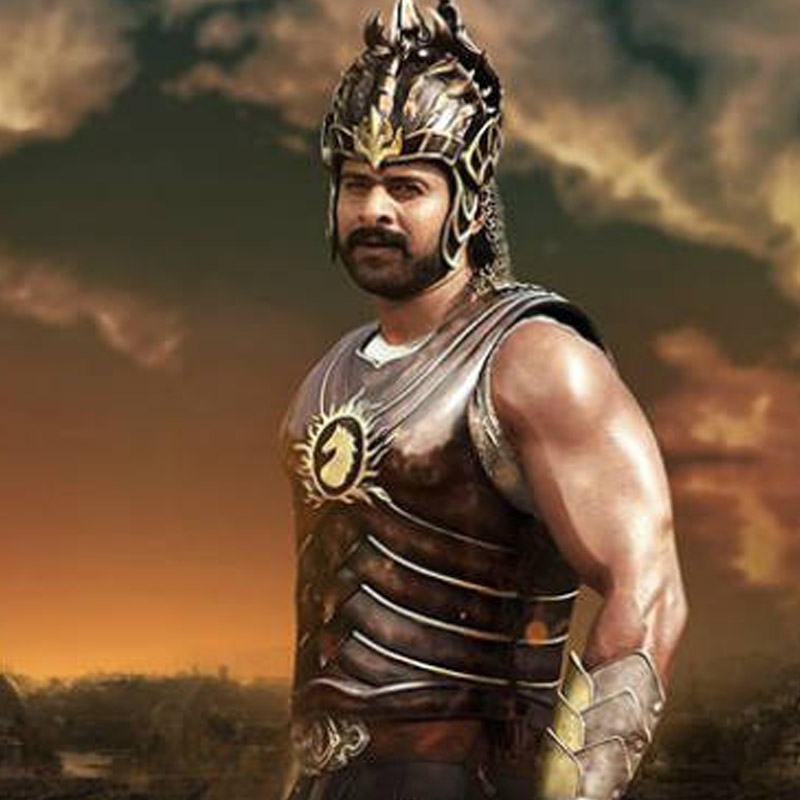
    MUMBAI: Licensing and merchandising solutions agency Black White Orange has been appointed as the global licensing agent by Arka Mediaworks Entertainment LLP for their national award-winning movie Baahubali. The much awaited part 2, Baahubali – The Conclusion hits screens worldwide in April 2017.

    With the aim to create a ‘Baahubali brand experience’, Black White Orange will work closely with Arka Mediaworks to conceptualize designs, represent the Baahubali franchise across a wide range of categories and also look at several licensing and retail partnerships, globally. Having already signed on a spate of leading international names like Paramount Pictures, Game of Thrones, Universal Pictures etc. till date, Black White Orange make their first Bollywood brand foray with Arka Mediaworks and their popular franchise – Baahubali .

    “The most challenging part is building the brand and in case of the Baahubali franchise, this job is already done with the global success of the first part of the movie. I know people will be expecting more from the second part. They will not be dissatisfied! We’re confident that Black White Orange’s expertise combined with the Baahubali franchise will translate into an exciting offering of consumer products.” said the film’s director SS Rajamouli.

    Arka Mediaworks CEO Shobu Yarlagadda said, “We are confident that Black White Orange’s unique and promising strategic approach will build the Baahubali brand in India and help us reach our fans.”

    Black White Orange founder and CEO Bhavik Vora added, “Indian cinema has the biggest fan following in the country and probably the most untapped potential on the consumer product platform that takes fans beyond the realm of the big screen. Arka Mediaworks’ Baahubali has raised the bar and created benchmarks in every aspect of movie making.”

    Fans across the globe will soon be able to buy authentic licensed merchandise which will be available at retail and online portals, making it possible for every fan to own their favorite Baahubali merchandise. India is a private consumption led economy with retail merchandising forming 45% of private consumption and the current licensing market is 185 million driven by kids and men.

  • ‘Baahubali’ forays into licensing with ‘Black White Orange’; targets Rs 25 cr in retail sales

    ‘Baahubali’ forays into licensing with ‘Black White Orange’; targets Rs 25 cr in retail sales

    MUMBAI: Licensing and merchandising solutions agency Black White Orange has been appointed as the global licensing agent by Arka Mediaworks Entertainment LLP for their national award-winning movie Baahubali. The much awaited part 2, Baahubali – The Conclusion hits screens worldwide in April 2017.

    With the aim to create a ‘Baahubali brand experience’, Black White Orange will work closely with Arka Mediaworks to conceptualize designs, represent the Baahubali franchise across a wide range of categories and also look at several licensing and retail partnerships, globally. Having already signed on a spate of leading international names like Paramount Pictures, Game of Thrones, Universal Pictures etc. till date, Black White Orange make their first Bollywood brand foray with Arka Mediaworks and their popular franchise – Baahubali .

    “The most challenging part is building the brand and in case of the Baahubali franchise, this job is already done with the global success of the first part of the movie. I know people will be expecting more from the second part. They will not be dissatisfied! We’re confident that Black White Orange’s expertise combined with the Baahubali franchise will translate into an exciting offering of consumer products.” said the film’s director SS Rajamouli.

    Arka Mediaworks CEO Shobu Yarlagadda said, “We are confident that Black White Orange’s unique and promising strategic approach will build the Baahubali brand in India and help us reach our fans.”

    Black White Orange founder and CEO Bhavik Vora added, “Indian cinema has the biggest fan following in the country and probably the most untapped potential on the consumer product platform that takes fans beyond the realm of the big screen. Arka Mediaworks’ Baahubali has raised the bar and created benchmarks in every aspect of movie making.”

    Fans across the globe will soon be able to buy authentic licensed merchandise which will be available at retail and online portals, making it possible for every fan to own their favorite Baahubali merchandise. India is a private consumption led economy with retail merchandising forming 45% of private consumption and the current licensing market is 185 million driven by kids and men.

  • ChuChu TV’s new consumer products biz expects 8 to 10 per cent as royalty

    ChuChu TV’s new consumer products biz expects 8 to 10 per cent as royalty

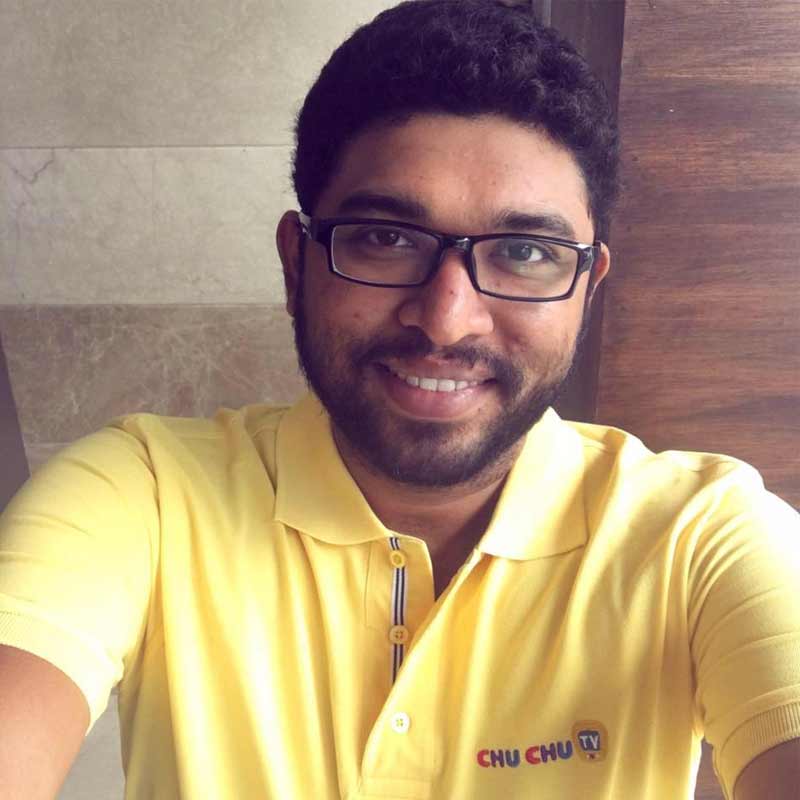
    MUMBAI: ChuChu TV, Asia-Pacific’s most watched YouTube channel for toddlers from India, with over six billion views and six million subscribers, has partnered with Dream Theatre to launch the global consumer products business for the brand. Given its global appeal and audience, ChuChu TV has now partnered with Dream Theatre to launch the ChuChu TV Consumer Products business globally. Toys, gaming, publishing, apparel will form the core categories, which will hit the market by April 2017.

    “Currently we are in the process of upgrading our existing characters to 3D so that they are more appealing as toys. We are also adding new IPs to our characters profile. Something aimed at young adults as well. On the other end, with these new updated characters we are creating a 13 episode series. It will take another six months for us to be ready so the products can hit the market by April 2017,” shared ChuChu TV CEO and creative director Vinoth Chandar.

    “It is a long term process. Once the characters are in place, getting deals ready takes some time. Fortunately for us. Dream Theatre is our licensing agent and we are positive that once our products hit the market, more deals will line up easily,” he added.

    Although Chu Chu TV’s US partners will be involved in product creative given its global branding, the first launch will be in India, which will be replicated in the US and other markets.

    Entertainment and licensing firm Dream Theatre is creating the brand architecture and making ChuChu TV “license ready.”

    Having worked with iconic international brands like Angry Birds, DreamWorks Animation, Pokemon, Femina and numerous others on the licensing front, Dream Theatre is creating the brand architecture and Go-To-Market plan for ChuChu TV by upgrading the creative assets, creating style guides, business templates and also charting the launch strategy and rollout plan across territories for ChuChu TV.

    “Chu Chu TVs phenomenal success is a testimony to its popularity and it is very exciting for us to work with a brand originated in India and adored across the world by the young and old alike. We are thrilled to create a world class licensing program that enables fans to engage with the brand in a products and services form and will be engaging with top international licensing agents, toy companies and retailers to launch and grow the business across the globe,” said Dream Theatre CEO Jiggy George.

    Chander further explained that Consumer Products Business to ChuChu Tv is an alternative but lucrative source of revenue for the company. “The going rate in the market is 5 to 15 per cent when it comes to royalty payments, but mostly depends on the products that is sold. We are expecting to draw 8 to 10 per cent of royalty on the sale of our products in the kids category,” Chander added in parting.

    According to industry guesstimates, currently the licensed merchandised market for character IPs or franchises for kids stands at around Rs 5000 crore, growing from Rs 3500 crore last year.

  • ChuChu TV’s new consumer products biz expects 8 to 10 per cent as royalty

    ChuChu TV’s new consumer products biz expects 8 to 10 per cent as royalty

    MUMBAI: ChuChu TV, Asia-Pacific’s most watched YouTube channel for toddlers from India, with over six billion views and six million subscribers, has partnered with Dream Theatre to launch the global consumer products business for the brand. Given its global appeal and audience, ChuChu TV has now partnered with Dream Theatre to launch the ChuChu TV Consumer Products business globally. Toys, gaming, publishing, apparel will form the core categories, which will hit the market by April 2017.

    “Currently we are in the process of upgrading our existing characters to 3D so that they are more appealing as toys. We are also adding new IPs to our characters profile. Something aimed at young adults as well. On the other end, with these new updated characters we are creating a 13 episode series. It will take another six months for us to be ready so the products can hit the market by April 2017,” shared ChuChu TV CEO and creative director Vinoth Chandar.

    “It is a long term process. Once the characters are in place, getting deals ready takes some time. Fortunately for us. Dream Theatre is our licensing agent and we are positive that once our products hit the market, more deals will line up easily,” he added.

    Although Chu Chu TV’s US partners will be involved in product creative given its global branding, the first launch will be in India, which will be replicated in the US and other markets.

    Entertainment and licensing firm Dream Theatre is creating the brand architecture and making ChuChu TV “license ready.”

    Having worked with iconic international brands like Angry Birds, DreamWorks Animation, Pokemon, Femina and numerous others on the licensing front, Dream Theatre is creating the brand architecture and Go-To-Market plan for ChuChu TV by upgrading the creative assets, creating style guides, business templates and also charting the launch strategy and rollout plan across territories for ChuChu TV.

    “Chu Chu TVs phenomenal success is a testimony to its popularity and it is very exciting for us to work with a brand originated in India and adored across the world by the young and old alike. We are thrilled to create a world class licensing program that enables fans to engage with the brand in a products and services form and will be engaging with top international licensing agents, toy companies and retailers to launch and grow the business across the globe,” said Dream Theatre CEO Jiggy George.

    Chander further explained that Consumer Products Business to ChuChu Tv is an alternative but lucrative source of revenue for the company. “The going rate in the market is 5 to 15 per cent when it comes to royalty payments, but mostly depends on the products that is sold. We are expecting to draw 8 to 10 per cent of royalty on the sale of our products in the kids category,” Chander added in parting.

    According to industry guesstimates, currently the licensed merchandised market for character IPs or franchises for kids stands at around Rs 5000 crore, growing from Rs 3500 crore last year.

  • US sports market to grow at 4% to touch $73.5 billion in 2019: PwC

    US sports market to grow at 4% to touch $73.5 billion in 2019: PwC

    MUMBAI: Even as India’s sports industry is on a growth path with broadcasters like Star India, Multi Screen Media and others promoting games like kabbadi, football, wrestling et al, the sports industry in North America has been one of the biggest revenue generators as a business. With North America’s sports market revenue crossing $60 billion in 2015, everyone from broadcasters, sports agencies and sponsors want a slice of the pie.

    So, what does the future hold for the sports industry in North America? How much more value will sports create? And will demand meet a sufficient supply? Let’s have a look. 

    According to a PricewaterhouseCooper (PwC) report titled ‘At the Gate and Beyond: An Outlook for sports Market in North America through 2019,’ the sports market in North America will grow at a compound annual rate of four per cent across four segments analysed, from $60.5 billion in 2014 to touch $73.5 billion in 2019. 

    This year’s edition of report revitalises five-year revenue forecasts through 2019 with four key segment of the North American sports market namely gate revenues, media rights, sponsorship, and merchandising.   

    Gate revenues are primary market ticket sales for live sports events. The adoption of dynamic pricing for single game tickets has changed. With an increase on media rights revenue over gate revenue, it will make selling broadcast rights more important than selling tickets for the live events and making media rights the biggest contributor to gross sports revenue. 

    Local TV rights in Major League Baseball (MLB), National Basketball Federation (NBA) and National Hockey League (NHL) will likely contribute to the overall sector growth with more than 35 per cent of current deals set to expire over the next five years, albeit on a smaller scale than the national rights deals entered by the major pro leagues, athletic conferences and other sanctioning bodies that are predominately driving industry-wide growth. 

    As far as gate revenues are concerned, leagues will have to find ways to bring in the crowds to stadiums. To maintain gate revenues, leagues are coming up with different innovations like rewards, fan (loyalty) rewards program and point systems. And in areas where past generations of rewards programs failed, new innovations will allow clubs to more efficiently track fan activities, understand fan preferences, and disseminate benefits to fans. 

    There will be many hurdles for sports leagues in terms of media ratings, as the popularity of live sports is in demand. There would be an increase in budgets of various sports cable networks for live programming for the viewers, battle over subscriber fees and bidding wars over desirable content. The rise in the compound rate is derived from subscriber base and as long as it stays strong, there might be an increase in the compound annual rate and vice versa. While media rights are projected to become the industry’s largest segment by 2018, its pace of growth is expected to slow towards the end of the five-year period. 

    As per the report, even with strong segment fundamentals, such as long term deals, higher renewal rates, and enhanced inventory yields, sponsorship is expected to be surpassed in size by media rights in 2015. The net effect of new inventory will depend on future economic conditions and the industry’s ability to expand sponsor rosters, while maintaining value proposition to existing partners. Approximately 40 per cent of major pro league teams are currently either without a deal or with existing deals set to expire in the next five years. 

    The report also suggests notable measures, which pro leagues should consider such as to expand retail shops and improve sale results of their representative merchandise, which are in-house operations of the retail business. Another measure would include positioning of official team store locations outside the stadium, arena or ballpark. 

    PwC also advised, “As consumer and advertisers continue to migrate toward internet-connected devices and second-screen activity, it is more likely the traditional pay-TV model will have transformed (e.g. smaller channel packages, reduced rates) by the next deal cycle of major sports property rights. As a result, the next deal cycle, currently outside the outlook period, is unlikely to realize the same rights-fee premiums as were applied during the current cycle as cable providers sought to secure ports content in support of the overall pay-TV package model.” 

    The cyclic nature of sports is a reflection of more stadiums being built, more television contracts being signed and advertising taking a major role in globalization of sports. It shows significance growth prospects for the future.

    With Indian broadcasters, sports enthusiasts and aspiring entrepreneurs now waking up to the potential of the sports telecast and marketing business, a few lessons could be learnt from the west in order to extract the maximum from the various sports that are played in India.

  • Toonz ropes in Baseline as exclusive licensing & merchandising partner

    Toonz ropes in Baseline as exclusive licensing & merchandising partner

    MUMBAI: Toonz Media Group has signed a multi-year global deal with sports marketing and licensing company Baseline, as its exclusive licensing and merchandising partner.


    Baseline with its expertise in marketing and licensing will offer sales and marketing support to the company.


    Toonz has several cartoon characters of which some are self created and some are acquired from the likes of Walt Disney, Turner, Nickelodeon, Sony, Universal, BBC, Paramount, Marvel and Hallmark. Baseline’s prime objective is to promote Toonz Media Group’s character in the South Asia region.


    Baseline managing director Tuhin Mishra said, “Licensing is a very important vertical of our overall company business. When an opportunity came to join hands with the premier licensing company like Toonz Media Group, we jumped at it as Toonz Media comes with a huge repository of brands that it owns or has acquired over a period of time.We are sure it will be a mutually beneficial partnership in the times to come.”


    Toonz Media Group CEO P Jayakumar added, “L&M forms an integral part of Toonz Media Group’s business strategy. It was indeed a delight to know that Baseline Ventures’ vision and ideology were in perfect synchrony with ours. We plan to collaborate with them on all our existing brands and also our new brands in the future. We look forward to a robust and fruitful partnership.”

  • Disney looks to exploit ‘Arjun’ across platforms; launches merchandise, mobile game

    Disney looks to exploit ‘Arjun’ across platforms; launches merchandise, mobile game

    MUMBAI: Eyeing a bigger share of the merchandising and gaming pie, Disney India has now expanded its product offering by launching a mobile game and merchandise for its television series Arjun: Prince of Bali.

    Launched about three weeks back, Disney’s first local animation property Arjun: The Prince of Bali, developed in association with Green Gold Animation has tasted success in its first series and is back again to engage kids through a new range of merchandise and a game inspired by the show.

    While in the first season of the show, one episode a week was aired, the second season will have two new episodes, which will air every Thursday and Friday at 3 pm.

    Speaking about the same, Disney India VP and head content and communication media networks Vijay Subramaniam said, “Disney Channel in India tells uniquely tailored stories through great characters. The first season of Arjun gained immense popularity amongst our young viewers and we saw the potential to give them more opportunities to enjoy the story while continuing to entertain with the second season on the channel. Arjun inspired merchandise and a game will provide kids with a stronger and deeper engagement with their favourite local stories.”

    Green Gold Animation founder and managing director Rajiv Chilaka added, “The audience has always got to see the princess in all Disney movies and series and probably for the first time the Indian audience will witness the Prince of Disney. It is a flamboyant character and we intend to showcase a lot of comedy, action and adventure with this show.”

    The show’s second series continues to narrate the story of Prince Arjun of Bali and will focus on his coming of age journey as he now matures into a valiant prince while continuing to master newer techniques and strategies of warfare. The new series also explores the relationships with his friends and family and brings to light the jovial and lively side to the warrior prince.

    The runner game around the show is set in the kingdom of Bali and is developed by Disney India’s Interactive division, Indiagames. The mobile game has features like weapon upgrades to make characters stronger as the levels progress.

    “With an interesting storyline, beautiful landscapes and popular local characters, the Arjun series makes for an interesting game play. By integrating elements from the show and building on the character traits in the game, we were looking at giving fans an opportunity to interact with Arjun and his friends beyond the show and create an all immersive gaming experience for them,” said Disney India VP and head interactive Sameer Ganapathy.

    The consumer products around the show will be extended across a range of products from toys, back to school merchandise, apparel to stationery. Toys also include figurines, bow and arrow set and more. In addition to this, plans are also afoot to develop school supplies such as school bags, lunch boxes, water bottles, note-books and home decor with bed sheet sets, cushions and mugs.

    With 26 episodes of 22 minutes each, the series will go on for 13 weeks. Post that, Disney Channel will either add more episodes or bring in the show’s next season.

    Speaking about the launch of merchandise, Disney India VP and head consumer products Abhishek Maheshwari said, “Kids today adore local animation and want to own a piece of their favourite character on their everyday products. The popularity of the Arjun series and the appeal of its characters amongst kids have inspired an entire range of interesting consumer products. Each character possesses a unique characteristic which can be leveraged very well across categories.”

    When queried about launching the merchandising at this stage of the local animation series, Ganapathy said, “The success of the first series made us come up with merchandising and a mobile app. Another reason is that we wanted to engage kids in as many ways as possible, so after the show they can get along with the game and engage with us.”

    “The IP holds a lot of potential and that is the reason why we got into merchandising and a mobile game at this stage of our local animation. Disney’s strategy has always been to cater to multiple platforms and that’s what we want to do with Arjun as well,” Maheshwari added.

    Currently, the app has a sizable number of downloads on the Google Play Store. The app will also be made available on the Windows and iOS platform soon.

  • Adidas the ‘sole’ winner of 2014 FIFA World Cup?

    Adidas the ‘sole’ winner of 2014 FIFA World Cup?

    If you thought FIFA was all about the game then you are highly mistaken. While Brazil was spending millions to prepare for the world’s biggest extravaganza, the two brands which rule the football merchandise market, had been busy playing their own matches.

    Even before the tournament began, the two giants with their marketing strategies were all set for FIFA 2014.

    It was in the month of May that Adidas, which has sponsored FIFA, the world football’s governing body, since 1970, launched its ?50million plus global World Cup campaign featuring Lionel Messi. Titled ‘Leo Messi’s World Cup Dream,’ the campaign also included Luis Suarez and Dani Alves and associated with Kanye West.

    The $1.9 billion Nike’s ‘The Last Game’ animated short film was launched a month later. To keep the buzz alive, the brand also opened its first pop-up store in Brazil. The five-minute World Cup film featured animated versions of the sport’s best players, from Portugal’s Cristiano Ronaldo to Brazil’s Neymar Jr., under the Nike Football campaign tagline, ‘Risk Everything’.

    Overall, Nike with $25 billion revenue has 17 per cent market share worldwide while Adidas with $20 billion revenue owns 12 per cent of the market share.

    Nonetheless, Adidas which has signed an agreement with FIFA until 2030 for $70 million for every four-year cycle, created the colourful WC ball – known as the Brazuca – which surpassed sales of the 2010 World Cup ball.

    Although eight different companies provide jerseys to the 32 participating teams, as the tournament entered the nail-biting semi-finals, the fight was no longer between Argentina, Brazil, Germany and Netherlands, but was all about Nike versus Adidas.

    The two companies with a combined market share of 70 per cent of the world football merchandise market sponsored two teams each: Argentina and Germany wore Adidas while Brazil and Netherlands wore Nike.

    But one can note that though Adidas provided the German kit, about nine of the country’s top players wore Nike boots. This WC Nike made a shoe statement with its new Magista and Mercurial boots.

    The marketing war at its highest saw the two in a tightly-cornered match. Social and digital media was conquered by both as fan base increased manifold. So much so that in the last five months or so Nike grew its Facebook fan base by approximately 14 million users, largely due to growth in markets like Indonesia, Turkey and India and thanks to ‘Risk Everything.’

    The last year has been volatile for the companies on the Wall Street index as well. Over the past year, Nike shares have trounced those of Adidas.


    If one goes by the numbers and strategic marketing, the competition between Nike’s and Adidas’ battle for the hearts and minds of soccer fanatics would have made the Goddess of Victory (Nike) take the trophy home.

    However, as Brazil and Netherland crashed out of the tournament, it was Adidas vs Adidas at the finals.

    Even though Adidas and Germans took the Golden trophy home, Nike the unofficial partner created enough buzz and revenue throughout the tournament.

    The companies are sure that even though the tournament is over, the momentum will remain the entire year. And keeping in mind that today the competition has moved beyond the pitch; with brand ambassadors and innovative marketing strategies, there is no longer but one winner.

    It was a win-win situation for both sport giants.