Tag: Mediatek

  • Infinix Presses Play on India’s Esports Scene

    Infinix Presses Play on India’s Esports Scene

    MUMBAI: In what appears to be a strategic masterstroke in the Indian esports game, Infinix has pressed play on its latest endeavour, aiming to capture the hearts and thumbs of competitive players. The new-age smartphone brand isn’t just launching a new device; it’s making a bold statement, seeking to redefine its presence within India’s burgeoning gaming ecosystem.

    To truly resonate with the gaming demographic, Infinix has forged alliances with some heavyweight figures. Comedian and digital creator Tanmay Bhat, alongside top-tier gaming influencers Total Gaming, Mizo, and Shreeman Legend, are now part of the Infinix team. This collaborative move highlights a significant cultural shift: gaming is no longer just a pastime, but a passion-driven space where skill, community, and competitive spirit converge for today’s youth. Modern gamers aren’t merely in the market for a phone; they demand performance that keeps pace with their rigorous “grind,” bold designs that unmistakably scream “gaming,” and cutting-edge technology that facilitates their seamless entry into the thrilling world of Esports.

    Enter the Infinix GT 30 Pro, a device meticulously crafted with “gaming-first” features to address the escalating demand for high-octane mobile competition. Designed with flagship-grade precision, this smartphone boasts the world’s first Mediatek Dimensity 8350 Ultimate processor, ensuring unparalleled processing power. For battle royale enthusiasts, it offers Krafton-certified 120FPS BGMI support, promising buttery-smooth gameplay. Further enhancing the tactile experience are the integrated GT Shoulder Triggers, while its bold Cyber Mecha Design, complete with customizable RGB lighting, ensures it looks every bit the part. To elevate the overall gaming experience, a suite of AI-powered features has been integrated, including Esports Mode, Xboost, AI audio enhancement, and haptics, all painstakingly optimised to deliver more immersive and responsive gameplay.

    Ultimately, through these calculated collaborations, Infinix is not simply unveiling a product. It’s actively championing a mindset shift within India’s dynamic gaming culture, reinforcing its long-term commitment to cultivating talent by empowering grassroots Esports athletes, a dedication exemplified by its existing partnership with the professional team True Rippers.
     

  • Cloudtv and Mediatek join forces to transform India’s smart TV OS market

    Cloudtv and Mediatek join forces to transform India’s smart TV OS market

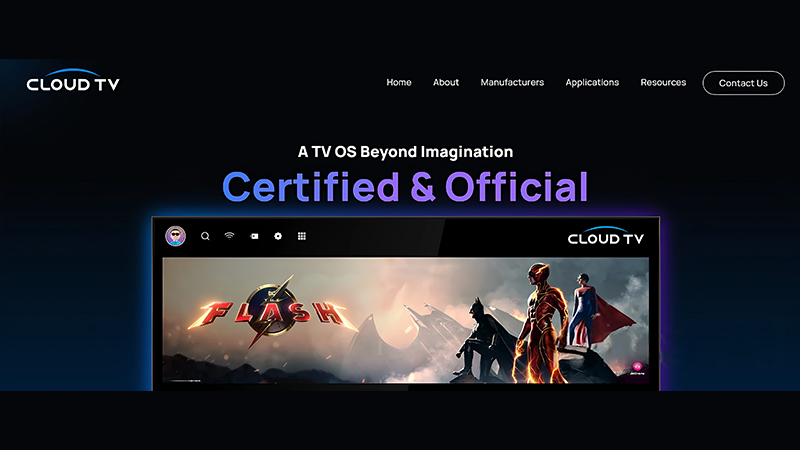
    MUMBAI: Cloudtv, has announced a strategic partnership with global chipset solutions provider Mediatek. This collaboration aims to revolutionise the connected TV operating system market in India by offering fully compliant Android-based TV OS solutions.

    By integrating Cloudtv OS with Mediatek’s advanced System-on-a-Chip (SoC) technology, Indian TV brands and OEMs will benefit from a streamlined integration process, significantly reducing both costs and time to market. The partnership is expected to accelerate Cloudtv’s growth, potentially doubling its market share in the country’s expanding smart TV sector.

    Cloudtv has also confirmed that its OS is now fully compliant with Android Compatibility Test Suite (CTS) standards, ensuring a seamless and consistent user experience. Additionally, it enables access to a wide range of free-to-air channels, offering high-quality digital content including news, sports, and entertainment, without the need for subscriptions or contracts.

    Key benefits of this partnership include,

    – Android CTS compliance guaranteed compatibility with Google’s standards for a seamless viewing experience.

    – Android 14 support enhanced security, improved performance, and access to the latest features.

    – Free-to-air channels DVBS-2 compliant technology providing cost-free access to diverse content.

    – Pre-certified applications instant access to platforms like YouTube, Prime Video, and JioHotstar, along with 200+ content partners.

    “By integrating Mediatek’s cutting-edge chipsets with Cloudtv’s localized OS expertise, we are revolutionizing the Indian connected TV industry. This partnership will forge the way for an end-to-end solution that makes premium television experiences more affordable and accessible than ever before. For TV brands, this marks a game-changing opportunity, enabling them to offer competitively priced smart TVs with certified OS and apps, breaking past the limitations of high-cost models. Through this partnership, we hope to drive greater innovation and accessibility that helps shape the future of smart TV adoption in India.” Cloudtv COO & co-founder Abhijeet Rajpurohit.

  • Rahul Sandil appointed vice president & general manager of global marketing & communications at MediaTek

    Rahul Sandil appointed vice president & general manager of global marketing & communications at MediaTek

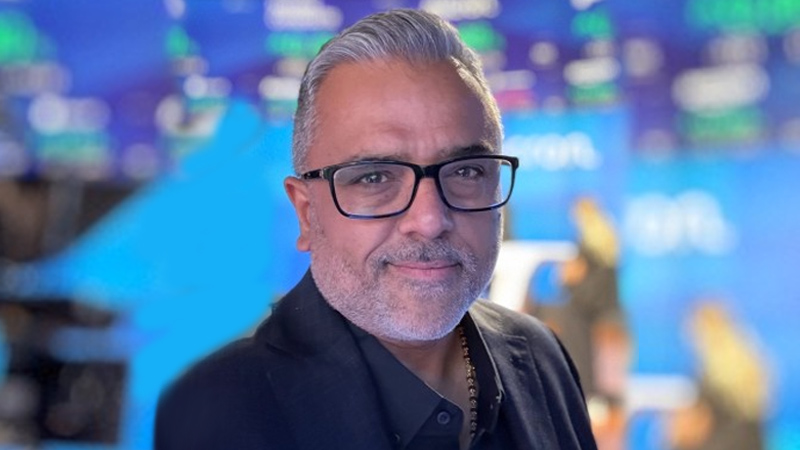
    MUMBAI: MediaTek has  announced the appointment of Rahul Sandil as vice president and general manager of global marketing and communications. With over 30 years of extensive experience in marketing, communications, and business development, Rahul brings a wealth of knowledge and leadership to the role. He is based in the US.

    In his capacity as MediaTek’s chief  Marcom  executive, Rahul is responsible for overseeing the company’s global brand strategy, marketing innovation, strategic partnerships, and corporate communications, connecting cutting-edge technology with audiences around the world. His career is marked by a commitment to accelerating growth, launching industry-leading product lines, and executing impactful marketing campaigns.

    Before joining MediaTek, Rahul held senior leadership roles at Micron Technology, Microsoft, Amazon, HTC, and other global organizations in the technology sector. As vice president of corporate Marketing at Micron, he was integral in shaping the company’s marketing strategy and brand development. Additionally, he has served as an advisor and mentor to various companies, leveraging his expertise in AI, emerging technologies, and advanced digital marketing to drive sustainable growth.

    Rahul holds an MBA in marketing and  international business from the Management Development Institute, Gurgaon, and a BA (Honors) in  economics from St. Xavier’s College. He has also been actively involved in Aiesec, leading global initiatives to foster youth leadership and development.

    As a passionate advocate for innovation and meaningful connections, Rahul is poised to propel MediaTek’s marketing and communications strategies to new heights, driving brand growth and transformative initiatives that resonate across industries.

  • How Semiconductor Stocks Are Driving India’s Digital Future

    How Semiconductor Stocks Are Driving India’s Digital Future

    India’s digital future is being shaped by a range of industries, with the semiconductor sector playing a crucial role in driving technological advancements. As the backbone of the digital economy, semiconductor chips are at the heart of all modern electronic devices, from smartphones to computers, IoT devices, and automobiles. Semiconductor stocks have become a major focus for investors, offering both growth opportunities and stability, particularly in the context of India’s rapidly expanding tech landscape.

    The Growing Role of Semiconductor Stocks

    Semiconductors are integral to the digital infrastructure of any nation. In India, semiconductor stocks are poised to benefit from the accelerating demand for technology in both the public and private sectors. From 5G networks to AI, data centres, and smart manufacturing, the reliance on semiconductors is expected to soar in the coming years. As India becomes a global technology hub, the demand for semiconductor chips is expected to grow exponentially, driving growth in semiconductor stocks.

    The Indian government’s push towards becoming a global manufacturing leader has made semiconductor manufacturing and development a priority. In December 2021, the Indian government approved a ₹76,000 crore ($10 billion) incentive package to boost domestic semiconductor production. This package aims to establish semiconductor fabs (fabrication plants) and display manufacturing units in the country, ensuring that India can meet its own demand for chips and reduce reliance on imports.

    The semiconductor market in India is expected to be worth $100 billion by 2025, up from $27 billion in 2022. With such rapid growth projected, semiconductor stocks are attracting attention from investors looking to capitalise on the sector’s potential. Several companies in the semiconductor space, such as India’s own Sutlej Textiles & Industries and Bharat Electronics, as well as multinational players with operations in India, stand to benefit from the demand surge.

    How Semiconductor Stocks Are Driving India’s Digital Future

    1.  5G Network Expansion India’s 5G rollout is a game changer in terms of digital transformation. The technology promises to revolutionise industries, including healthcare, education, and entertainment, by enabling faster internet speeds and more efficient data transmission. Semiconductor chips are critical to powering 5G infrastructure, from base stations to consumer devices. Companies like Qualcomm and MediaTek have established a significant presence in India, supplying chips crucial for 5G devices and infrastructure.  
    As 5G adoption accelerates, the demand for semiconductors in both telecom and consumer devices is expected to skyrocket. This boost in demand provides semiconductor stocks with a significant growth opportunity, which will contribute to India’s digital future. For investors, this means increased interest in semiconductor companies that supply the necessary technology to build and support 5G networks.

    2.  Smart Manufacturing and Industry 4.0 The Indian manufacturing sector is also undergoing a digital transformation. With the advent of Industry 4.0, India is embracing smart factories, automation, robotics, and AI-driven production systems. Semiconductor chips are the lifeblood of this transformation. Whether it’s the sensors used in automation or the processors that power robotics and AI systems, semiconductor stocks are seeing a surge in demand.  
    India’s push towards making the country a manufacturing powerhouse means that the role of semiconductors in driving productivity improvements is becoming more important. Companies in India involved in the semiconductor ecosystem are now integral to the future of smart manufacturing, giving semiconductor stocks a significant role in shaping the future of the Indian economy.

    3.  The Rise of Electric Vehicles (EVs) Another area where semiconductor stocks are expected to play a pivotal role is in the rapidly growing electric vehicle (EV) sector. India is aiming to become a major player in the EV market, with companies like Tata Motors and Mahindra Electric leading the way. EVs rely on a wide range of semiconductor components for power management, battery systems, and motor control.  
    As the Indian government continues to push for greener transportation and stricter emission norms, the demand for electric vehicles will continue to grow. This, in turn, will drive demand for the semiconductors that power these vehicles. Semiconductor stocks tied to the EV supply chain are poised to benefit from this transition.

    4.  Internet of Things (IoT) and Smart Devices India’s growing middle class and increasing internet penetration have fueled the adoption of IoT devices and smart home technologies. From wearable health devices to smart refrigerators, thermostats, and security systems, semiconductors are at the heart of these innovations. Semiconductor stocks of companies that manufacture chips for IoT devices are thus well-positioned for growth in India’s expanding digital landscape.

    As more industries, from agriculture to healthcare, begin to integrate IoT solutions, semiconductor companies will continue to see rising demand. This trend further cements the role of semiconductor stocks in driving India’s digital future.

    Defensive Stocks: A Key Component of Investment Strategy

    While semiconductor stocks are viewed as high-growth investments due to their association with cutting-edge technology, they also come with a level of risk. However, some investors view semiconductor stocks as defensive stocks due to the essential nature of semiconductors in various industries. A defensive stock is typically one that is expected to perform well even during economic downturns, as the products or services it provides are always in demand.

    Semiconductors, as a critical component of modern technology, fall into this category. Regardless of economic cycles, the need for semiconductors in everything from smartphones to healthcare devices and electric vehicles remains high. For this reason, semiconductor stocks can act as a stabiliser in an investment portfolio, offering steady returns even in times of uncertainty. With India’s increasing focus on technology, the semiconductor industry has been recognised as a strategic sector, making semiconductor stocks a long-term investment opportunity.

    Conclusion

    Semiconductor stocks are undeniably one of the driving forces behind India’s digital future. From powering 5G networks and smart manufacturing to fuelling the growth of electric vehicles and IoT devices, semiconductors are the foundation of modern technological progress. As India continues to embrace the digital revolution, semiconductor stocks will remain central to the nation’s economic growth and digital ambitions. Investors who align their portfolios with this growing sector stand to benefit from both the current and future potential of semiconductor stocks, making them a wise choice for those looking to tap into the digital future of India.

    In conclusion, semiconductor stocks are not just a key component of India’s digital transformation but also a stable and essential part of the global technology ecosystem. With continued investment and technological advancements, these stocks will help propel India into the future, offering growth and security for both the economy and investors.

    Disclaimer: This article does not have journalistic/ editorial involvement of indiantelevision.com. indiantelevision.com group or its websites does not endorse/ subscribe to the contents of the article/advertisement and/or views expressed herein.

    The reader is further advised that Online Casino, Betting, Online Gaming , Crypto products, Financial Investments/Engagement , NFTs, Products associated with health, wellness, and food are unregulated and can be highly risky. There may be no regulatory recourse for any loss from such transactions or risk associated with health conditions.

    Indiantelevision.com group shall not in any manner, be responsible and/or liable in any manner whatsoever for all that is stated in the article and/or also with regard to the views, opinions, announcements, declarations, affirmations etc., stated/featured in the same. The decision to read hereinafter is purely a matter of choice and shall be construed as an express undertaking/guarantee in favour of indiantelevision.com (indiantelevision.com group) of being absolved from any/ all potential legal action, or enforceable claims. The content may be for information and awareness purposes and does not constitute financial advice.  
     

  • Lockdown blues prompt brands, agencies to rethink strategies

    Lockdown blues prompt brands, agencies to rethink strategies

    MUMBAI: Even in a lockdown, the show must go on, even if it means cutting down your exenses. With cash crunch being a problem across the world, brands and agencies are figuring out how to optimise communication at the lowest cost.

    Indiantelevision.com reached out to a cross section of brands and agencies to get their perspectives on this.

    According to FCB Ulka ECD Anindya Banerjee, this is the period of hand-holding both the client and the consumer. “While the sentiments and the bottom-line have taken a hit, we can’t disappear from the lives of our consumers. Also, some businesses like financial services and banks haven’t stopped. The idea is to tailor-make messages for the consumer.”

    Giving a helping hand to clients, Marcom Avenue director Divanshi Gupta says that it is curating more personal content and strategies such as industry opinions, post-pandemic come-back strategy presentations, blogs, articles, that can help its clientele to establish themselves once Covid2019 is under control.

    Brands have been figuring out how to get through this difficult phase as well. For Liberty Shoes, the months from March to June are key for business. Says its retail executive director Anupam Bansal: “New season’s merchandise was placed in the shops, sales teams were geared up, marketing campaigns for ‘back to school’ or ‘marriage season’ was all set, but unfortunately the pandemic hit at the same time. It was difficult to quickly act on the situation and with social distancing and lockdown, mindsets are cash-conservative.”

    Without demand and revenue, Liberty’s marketing expenses also took a hit. It had to safeguard finances for rainy days, deducting the ad expenses, which, according to Bansal, was an articulated decision. The company is looking at consumer behaviour staying constant for another two quarters.

    The challenge before brands and agencies is to balance their economic losses while staying present among consumers. DigitalKites senior VP Amit Lall says that brands are reluctant to allow their focus to dilute and wish to stay relevant to the consumers. This is where digital comes into the picture with its ability to provide faster reports on investment.

    Barco India head of marketing Vijayant Khattry feels that it is only natural that most of its current campaigns revolve around remote meeting as well as virtual learning products like ClickShare Conference and weConnect as it expects their demand to increase substantially even after people go back to the office post-pandemic.

    The lockdown has seen digital spends shoot up. Banerjee says: “The pandemic has forced all companies to go digital. Fortunately, at FCB, we’ve been aligning ourselves to not work as a traditional agency for quite some time and that has helped us during these times.”

    In order to maintain the balance, Marcom Avenue has shifted its focus to branding and community building rather than sales/lead generation activities. Gupta adds, “Some of our clients have introduced new product lines during the pandemic like masks/hazmat suits/infra-thermometer, etc., looking to make available medical products to the health industry and further requiring us to create end-to-end marketing for these essential products in demand. Further, we took an initiative to analyse and tap into different industries that are booming like e-learning and pharma, so that we can help them increase their revenue and RoI.” 

    Apart from shifting focus from OOH and print to TV and digital, brands are looking at other options as well. Liberty Shoes is improving the UI/UX of its website to give a better customer experience. The company is also improving the website SEO to future-proof itself. It is also looking at strengthening its social media/influencer marketing tools to stay relevant. “Personalised communication with consumers is also taking place using the CRM database,” says Bansal.

    MediaTek marketing and communication deputy director Anuj Sidharth says, “We are also trying to increase our focus on offline public relations activities such as virtual roundtable conferences, webinar sessions, etc. MediaTek is maintaining consumers’ focus on the interesting mix of technologies that we power, especially products like mobile phones, tablets, smart TVs, wi-fi routers and voice assistant devices, which have become even more vital. We are also devising marketing mix strategies for mobile and non-mobile segments.”

    While brand building and marketing is a difficult thing for most brands to undertake simultaneously right now, communication is still essential in some way or the other.

  • Facebook is working extensively in rural India to enhance connectivity, says Mark Zuckerberg

    Facebook is working extensively in rural India to enhance connectivity, says Mark Zuckerberg

    MUMBAI: Stressing on the importance of enhancing internet connectivity in India, Facebook  founder and CEO Mark Zuckerberg today said, “Connectivity can’t be restricted to just the rich and powerful. Cost of internet access has to be made affordable.”


    The Facebook CEO is in India on a two-day visit and was speaking at the first summit for Internet.org, an organisation led by Facebook.


    Mark Zuckerberg has said that he would meet PM Narendra Modi on 10 October to discuss connecting Indian villages to the internet, and Facebook’s role in doing so.


    Pitching for free ‘basic net access’, Zuckerberg reckoned that it should be like dialing 911 in the US or 100 here in India. “There needs to be a 911 for the internet. We’ve been working with operators to offer free basic Internet for everyone, to break down the social barriers. With this model, we’ve already helped people connect 3 million people.”


    “Connectivity is a human right. We want to build an internet that works for all,” he added.


    The 30-year old also announced that Facebook will fund apps and services in local Indian languages for women, students and farmers.


    He pointed out that only about a third of people in the world had access to the Internet – 243 million in India and a recent survey showed that 69 percent of people in India said they didn’t know why it would be useful for them.


    The biggest barrier, he said, was that “lots of people who have never experienced the internet don’t know why they need it.”


    He also added that lack of relevant local language content is why most Indians don’t use internet and Facebook is working extensively in rural India to enhance connectivity.


    “Facebook is focusing on content in local languages. It is crucial to internet penetration in Asia, especially India,” said the 30-year-old billionaire. “80 per cent of content on the internet is just in 10 languages, while there are 22 official languages in India; 65 per cent of people use Facebook in a language other than English, including 10 Indian languages.”


    Zuckerberg stated that the next generation has the opportunity to bring the world to India and India to the world. The whole world being robbed of creativity and ideas because so many people in India are not online yet, he further said.


    He further revealed that Facebook has launched a new contest to develop local apps for farmers and social services in local languages with a $1 million fund dedicated for it.


    “We’re also going to extend a program called FB Start,” he added, “which provides $40,000 (Rs 25 lakh approximately) to developers who build and develop apps in these categories,” he added.


    Praising India, Zuckerberg credited it for ‘making leaps in revolutions that changed the world’. “Inventions have changed the world throughout history. ’Mangalyaan’ is a huge achievement for India,” he said.


    The CEO is of the opinion that lowering data costs by operators is not a sustainable solution. “Mobile operators invest a lot of money, lowering costs is not easy,” he said. “Infrastructure is the biggest barrier to internet, then technical issues. Language barriers are huge impediments to the internet,” he added.


    “Connected people have better access to technology, education and jobs. When people are connected, accomplishments are easy,” Zuckerberg said.


    Internet.org aims to make internet access affordable for people acrossthe globe. Focused on enabling the next five billion people without internet access to come online, the founding members of the project include Facebook, Ericsson, MediaTek, Nokia, Opera, Qualcomm and Samsung.


    The partners are collaborating on developing lower-cost, higher-quality smartphones and deploying internet access in under-served communities.


    Zuckerberg’s visit comes three months after Sheryl Sandberg, COO of the social networking giant, visited India which is Facebook’s second biggest market. She also met Modi, who has effectively used social networking during his election campaign and later even in governance.


    Zuckerberg is the third high profile CEO of a US-based corporation, after Amazon’s Jeff Bezos and Microsoft’s Satya Nadella, to visit India in last few days.