Tag: Mediasmart

  • CTV clicks with consumers as screen time turns into shopping time

    CTV clicks with consumers as screen time turns into shopping time

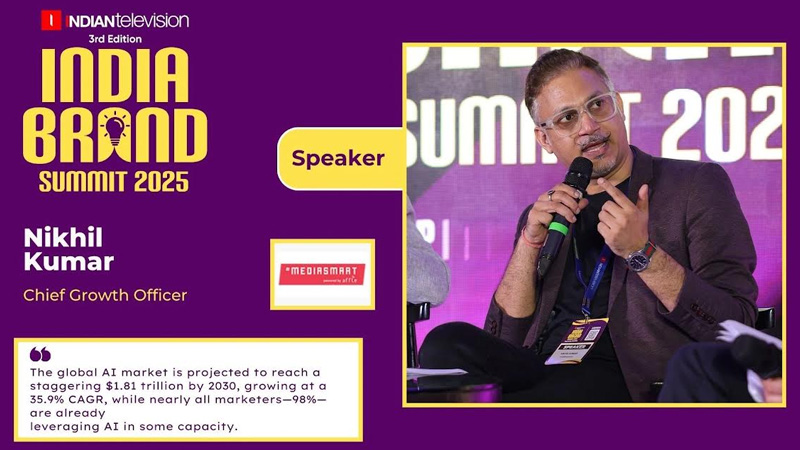
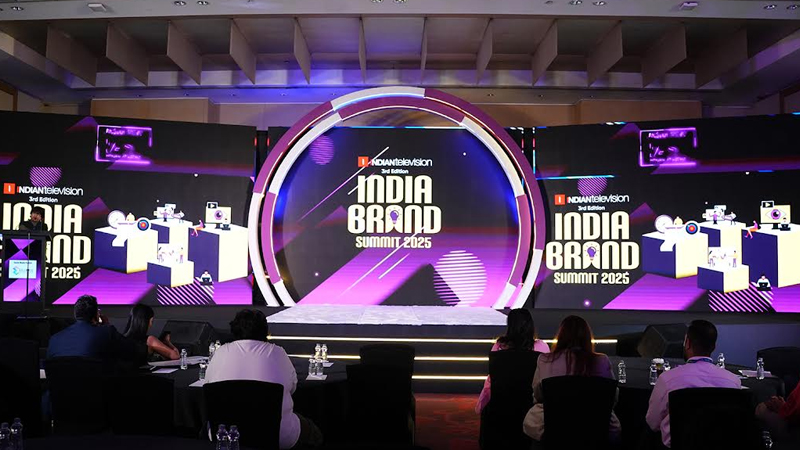
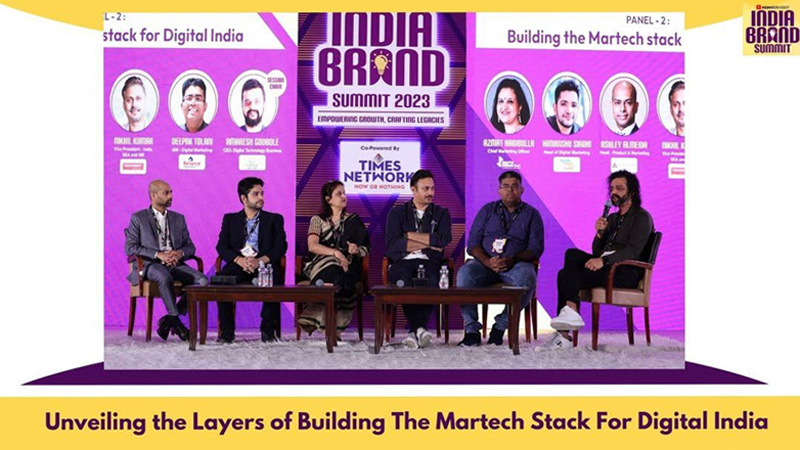
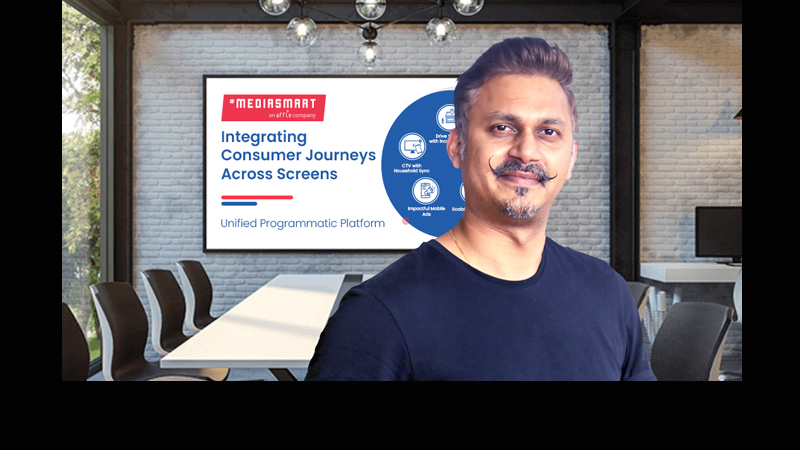
    MUMBAI – From binge-watching to binge-buying, connected TV is rewriting India’s festive shopping playbook. At the 3rd India Brand Summit 2025, Nikhil Kumar, chief growth officer at mediasmart, joined Indiantelevision.com group founder, chairman & editor in chief Anil NM Wanvari to chart how connected TV (CTV) has evolved from a niche experiment during COVID to a Rs 2,500 crore ad magnet today.

    “When we first spoke about it five years ago, we said CTV would change the way the world perceives television,” Kumar recalled. “Back then it was new, almost niche. Today there are dedicated CTV conferences, panels, and players from OEMs and ad tech firms to SSPs and publishers. Everyone knows the power of CTV.”

    The growth numbers back him up. India’s CTV ad spends are projected to touch Rs 2,500 crore in 2025, reflecting 40 per cent growth, as per industry reports. “That’s one of the fastest-growing slices of media we’ve ever seen,” Kumar noted.

    What’s driving this growth? For Kumar, the answer lies in how festive season advertising has shifted. Consumers now hop seamlessly across screens mobiles in the morning, laptops at work, and smart TVs in the evening. “We’ve moved from asking where the ad is shown to who the ad is shown to,” he said.

    Acquired by Affle group, mediasmart has positioned itself not just as a CTV player but as an omnichannel partner. “No consumer lives on a single screen. People are constantly engaging with multiple touchpoints mobile, CTV, even OOH. Our job is to help advertisers minimise frequency fatigue and maximise relevance across devices,” he explained.

    Kumar stressed that AI is now the backbone of ad delivery tracking attention, optimising frequency, and ensuring seamless user journeys from TV to mobile to purchase. From QR codes on screen to shoppable ads and interactive formats, engagement has become more dynamic and measurable.

    “Ads are evolving. A campaign today might prompt a viewer to scan a code, explore an offer on mobile, or engage with gamified elements on their TV. This interactivity is making advertising far more actionable,” Kumar said, pointing to case studies where TV-to-mobile commerce spiked festive sales.

    Brands too have gotten sharper. From weather-optimised ads in Mumbai’s monsoons to contextual integrations in daily soaps, marketers are weaving themselves seamlessly into storytelling. “Consumers don’t want repetition. They want relevance,” he quipped.

    Looking ahead, Kumar sees three big shifts:

    ●    AI-powered personalisation that adapts by region, language, and timing.

    ●    Shoppable and interactive ads that nudge viewers from watching to buying.

    ●    Better measurement, as agencies and OEMs collaborate to unify fragmented ecosystems.

    Kumar signed off with a reminder: “Brands should think beyond ads and impressions. Integrated journeys connecting CTV with offline sync, store visits, and mobile engagement will deliver real festive impact.”

    As the festive season nears, one thing is clear, CTV is no longer just screen time, it’s shopping time.

  • AI gets a brand new story as marketers debate data, trust and creativity

    AI gets a brand new story as marketers debate data, trust and creativity

    MUMBAI: When machines meet marketing, sparks and questions fly. That was the mood at the 3rd India Brand Summit 2025 during a lively session titled AI Powered Branding: Reimagining Storytelling and Personalisation.

    Moderated by Publicis Groupe India CEO for digital technology business Amaresh Godbole the panel brought together industry voices grappling with the fine line between automation, personalisation, and authenticity.

    Tata Cliq CTO and Tata digital,VP for synergy tech Suman Guha opened with a reality check: while AI unlocks precision, data overload is a growing challenge. “Brands need to strike the right balance, AI can suggest, but it cannot substitute judgement. The winning formula lies in combining AI-driven insights with human empathy,” he said.

    Adding a regulatory lens ASCI CEO & secretary general Manisha Kapoor stressed the urgency of maintaining consumer trust. “When personalisation borders on intrusion, the line between relevance and manipulation blurs. Ethical guardrails are essential if AI-led branding is to build, not break, relationships,” she warned.

    Crompton Greaves Consumer Electricals head of digital transformation Akhil Duggal noted that AI is most effective when it complements not dictates brand building. “We’re using AI to decode consumer intent, but the human narrative must lead. Consumers don’t remember algorithms; they remember stories.”

    From the BFSI perspective Fino Payments Bank head of marketing Prashant Choudhari pointed out the stakes are higher in financial services. “Trust is currency. AI can personalise offers, but one misstep erodes credibility. The challenge is scaling innovation while keeping the customer relationship sacred.”

    Mediasmart chief growth officer Nikhil Kumar highlighted how AI is revolutionising programmatic advertising. “Real-time personalisation is not the future, it’s already here. But effectiveness depends on transparency. If users feel misled, personalisation backfires into alienation.”

    Bringing in the social tech angle Explurger vice president Jwala Kumar underlined AI’s role in experiential storytelling. “Travel and lifestyle brands are leveraging AI to make every interaction feel personal. But authenticity is non-negotiable, people will spot the difference between engineered intimacy and genuine connection.”

    As the discussion unfolded, a common thread emerged: AI can supercharge scale, speed, and segmentation, but the secret sauce remains human creativity. Technology may tailor the message, but culture, trust, and empathy define whether it lands.

    By the end, Godbole summed it up neatly: “AI isn’t replacing storytellers, it’s arming them with sharper tools. The brands that thrive will be those that wield AI with responsibility, respect, and imagination.”

    The session closed with consensus that 2025 is not about AI versus humans, but AI with humans, a collaboration where algorithms analyse and humans empathise, together shaping the next chapter of branding.

  • Connected TV sparks advertising revolution, Nikhil Kumar on the rise of connected TVs in India

    Connected TV sparks advertising revolution, Nikhil Kumar on the rise of connected TVs in India

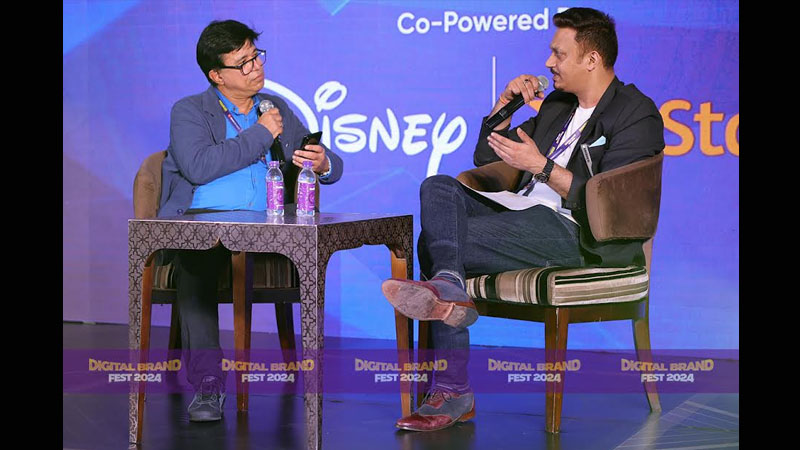
    Mumbai: The India Digital Brand Fest 2024, held on 30 August at Hotel Pride Plaza in Aerocity, New Delhi, was a pivotal event bringing together brand marketers, advertising and digital professionals, and CMOs under one roof. The festival illuminated critical trends in digital marketing, mobile strategies, and programmatic advertising, reflecting the rapid evolution of the industry.

    Amidst a landscape that is increasingly shaped by technological advancements, Connected TV (CTV) emerged as a central theme of the event.

    Diving into this, Indian Television dot com’s founder, chairman, and editor-in-chief Anil NM Wanwari, joined mediasmart’s chief growth officer, Nikhil Kumar, for a discussion centering around the transformational impact of CTV on the advertising ecosystem in India.

    Hard sell to the essential tool:

    Kumar shared his journey of championing CTV, a concept that was initially met with skepticism. “When we introduced CTV to the Indian advertisers during the COVID-19 pandemic, it was a tough sell. Few brands saw the potential,” Kumar recalled. However, as he passionately explained, the landscape has drastically changed. Today, CTV is not just relevant—it’s crucial for any brand in today’s modern advertising. He emphasised that CTV’s power lies in its ability to democratise advertising, allowing even small-town brands to share the spotlight with major players.

    Empowering the underdogs:

    One of Kumar’s most compelling anecdotes highlighted how CTV is levelling the playing field for advertisers from towns beyond metro cities. He recounted a moment when a small-scale pesticide company’s founder, located in tier two or tier three town, was overjoyed to see his ad appear on television via an OTT platform. This, Kumar explained, is the magic of CTV—it allows brands that never imagined themselves on the big screen to reach audiences they couldn’t have before.

    Need for creative evolution:

    Wanwari pointed out a key challenge: many advertisers are not fully leveraging the potential of CTV. He noted that viewers often see the same ad repeatedly, leading to viewer fatigue. Kumar agreed, stressing the importance of dynamic creative optimisation (DCO) in addressing this issue. By tailoring ads based on user behaviour and exposure, brands can avoid bombarding viewers with the same content, instead offering a more engaging and personalised experience.

    Innovations driving CTV:

    Kumar highlighted several innovations that are pushing the CTV space forward. He spoke about mediasmart’s introduction of Creative Sync, a tool that enhances traditional ads by making them more interactive and engaging. For instance, a Coca-Cola ad could feature a bottle filling up on-screen, creating a thirst-quenching effect that’s impossible to ignore. This level of creativity, combined with the strategic use of QR codes and other interactive elements, is transforming how advertisers connect with their audiences.

    Unified advertising experience:

    As the conversation drew to a close, Kumar discussed the importance of a unified advertising approach. He pointed out that today’s consumers interact with multiple screens throughout their day—from their mobile phones to CTVs to digital out-of-home screens in places like elevators. The key is not to bombard the user with the same ad on every screen but to create a seamless, multi-screen experience that builds brand recall without overwhelming the viewer.

    Future of CTV:

    Kumar is optimistic about the future of CTV in India, especially with major players like Jio entering the space. He sees CTV not just as an alternative to traditional TV but as a powerful tool that can complement and enhance other forms of digital advertising. With the right strategies, he believes CTV will continue to grow and evolve, offering brands new and exciting ways to engage with their audiences.

    In conclusion, Nikhil Kumar’s insights paint a vivid picture of a rapidly evolving advertising landscape, where connected TV is no longer just a concept but a vital component of any forward-thinking brand’s strategy. As Kumar succinctly put it, “The future of advertising is not about where your ad is shown; it’s about who sees it and how they engage with it.”

  • The future of Olympic advertising: Leveraging GenAI for personalised fan experiences

    The future of Olympic advertising: Leveraging GenAI for personalised fan experiences

    The Olympic Games are more than just sporting events – it’s a global phenomenon that attracts the attention of billions of people worldwide, giving companies the unique opportunity to engage with an avid and diverse audience. The unique blend of global viewership, emotional resonance, and the prestige associated with the Olympics makes it a highly attractive event for marketers to advertise. Audiences today require more personalized content that caters to specific consumer segments of today’s world. Given that people of various cultures, languages, and age differences tune into the Olympics there is a need to engage all groups to grand attention.

    This is where Generative AI (GenAI) comes into play by offering brands a way to communicate with their viewers in a new and exciting way. Leveraging this sophisticated technology, advertisers can craft exceptional, seamless campaigns that resonate deeply with viewers, ensuring a more personalized and impactful connection.

    The Olympic viewer & multi-screens presence

    The traditional way of watching the Olympics on linear TV has significantly shifted towards connected TV (CTV) platforms. Viewers now prefer the flexibility and convenience of watching events live/highlights or on-demand across various devices, from smart TVs to smartphones. This shift has opened new avenues for advertisers to reach highly engaged audiences looking for immersive and personalized experiences.

    CTV provides a rich, interactive environment where brands can deliver targeted ads and content. The ability to gather and analyse data on viewer preferences and behaviors in real-time allows for a level of personalisation that was previously unattainable. This makes CTV an ideal platform for Olympic advertising, where the goal is to create memorable experiences that resonate with a diverse global audience.

    But that’s not all – the modern Olympic viewers are no longer tethered to a single screen. The same user is found across screens at varied times of the day, depending on their interest and needs. For instance, they may tune in to the live events on their OTTs on CTV for an engaging larger-than-life experience of the sporting events, then they may consume Olympics-related content on social media on their mobiles, browse through news and lifestyle programming on FAST channels, and even consume Olympics-related content outside of their homes on the digital-out-of-home (DOOH) screens as they visit malls. This multi-screen behavior presents a range of possibilities for brands to provide an integrated advertising experience to offer enhanced brand recall throughout the user’s journey while still being consistent and overcoming ad fatigue.

    AI-driven programmatic technology on CTV, mobile, and DOOH screens deliver targeting accuracy, which means that brands could potentially categorize audiences according to their demographic, geo-location, time of the day, and in the case of CTV even the screen size. Exploring a multi-pronged strategy enables advertisers to capture the interest of the most engaged audiences, and drive attention, and conversion. The combination of customized and engaging ad formats like the Smart QR codes and advanced technologies like Household Sync on CTV also makes it possible for advertisers to get more measurable and outcome-driven actions from their CTV users. This means an advertiser can target a viewer on their CTV screens, drive action on mobile, and even prompt them to make a purchase either on their mobiles or through drive-to-store and footfall tracking.

    GenAI powering personalised experiences & engagement

    GenAI is revolutionising the way brands create and deliver advertising content. By utilizing advanced algorithms and machine learning techniques, GenAI can generate highly personalised content that aligns with individual viewer preferences. In the context of the Olympics, this means that advertisers can tailor their messages to different segments of the audience, ensuring that each viewer receives content that is relevant and engaging. This can significantly boost viewer engagement, optimise ad spending, and positively impact a brand’s return on investment (ROI).

    One of the most significant advantages of GenAI is its ability to create personalised content at scale. For example, during the Olympics, a sportswear brand can use GenAI to generate ads that feature different athletes, sports, or even languages based on the viewer’s location, interests, and viewing history. This level of personalisation not only enhances the viewer’s experience but also increases the likelihood of the ad resonating with the audience and driving engagement. Imagine being a global brand and being able to reach every kind of audience in their preferred language and location – and deliver content that will resonate with their specific needs!

    GenAI also enables real-time adaptation of content, allowing advertisers to respond to changing viewer behaviors and preferences instantly. Dynamic Ad Insertion (DAI) has already made a significant impact in this space, but with GenAI it can be taken to a more scalable size. For instance, if a particular event or athlete garners significant attention, GenAI can quickly generate and deploy ads that capitalise on this trend. This agility ensures that brands can stay relevant and top-of-mind throughout the Olympic Games.

    Looking to the future of transforming advertising

    The Olympics are a marquee event and unique in their frequency of being a limited-time sporting event that returns every four years. This year, as the first year when GenAI ushers in digital advertising for the Olympics, its impact is most likely to be felt in the way advertising is served on digital mediums. While GenAI is still in its early stages, the potential for growth and innovation is immense. As technology continues to advance, we can expect to see even more sophisticated applications of GenAI that enhance viewer experiences and drive deeper engagement.

    The dynamic nature of the Olympics, with its constantly evolving narratives and highlights, requires advertising that can adapt in real-time. GenAI excels in this area, offering the capability to quickly generate and modify content in response to live events. One of the future trends in Olympic advertising with GenAI will be the use of predictive analytics for Olympic advertising. By analysing historical data and current trends, GenAI can predict which events, athletes, and content are likely to generate the most interest among different audience segments.

    This predictive capability allows advertisers to proactively create and deliver content that aligns with viewer interests, maximising engagement and impact. Another exciting development that will be keen to watch out for in the coming years is the integration of GenAI with augmented reality (AR) and virtual reality (VR) technologies.

    As technology continues to advance, the potential for GenAI will only grow, opening new possibilities for creating immersive and personalized experiences. Harnessing the power of GenAI not only transforms how brands connect with audiences but also sets the stage for a future where every viewer feels uniquely seen and engaged, making each Olympic moment truly unforgettable.

    The article has been authored by mediasmart chief growth officer Nikhil Kumar.

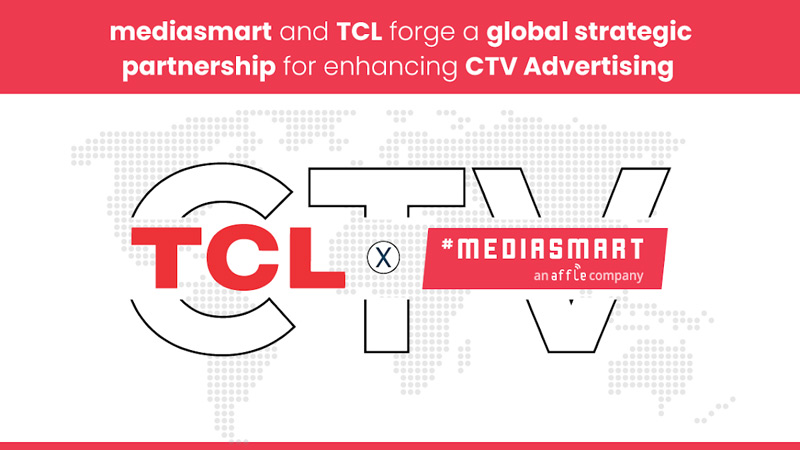
  • mediasmart and TCL forge a global strategic partnership for enhancing CTV advertising

    mediasmart and TCL forge a global strategic partnership for enhancing CTV advertising

    Mumbai – mediasmart, an Affle company, today announced a strategic partnership with TCL, the world’s largest Android TV manufacturer, to integrate their inventory with advertisers on Connected TV (CTV). By seamlessly integrating TCL’s expansive inventory with mediasmart’s cutting-edge programmatic advertising solutions, the partnership aims to unlock a multitude of advertising opportunities for brands, while democratizing the rapidly growing CTV space beyond the Walled Gardens.

    The global partnership marks significant progress for CTV advertising, providing brands worldwide with extensive access to valuable advertising opportunities, including the coveted Home Screen placements and the vast array of Free Ad-supported Streaming TV (FAST) channels. This includes high visibility solutions for product launch, drive views for specific content on any video and OTT platform, drive traffic for CTV app installs, and live event promotions. By offering solutions on TCL’s Home Screen, advertisers will benefit from leveraging premium placements to reach specific audiences. mediasmart and TCL will also co-create solutions on Home Screen allowing brands to advertise based on their brand objectives. One of the key product offerings as part of this would be their “TV+ offering” that specifically helps advertisers to target consumers moving from Linear television.

    Commenting on this partnership, TCL’s Global business development manager, Matt Ding, said, “The way audiences experience television content has drastically changed. And it has been our aim to offer more to the viewers. Together with mediasmart, we aim to drive synergies that go beyond the conventional, exploring new avenues and possibilities in the CTV space. mediasmart has made CTV advertising more measurable and impact-driven through their technological prowess. Combining our strategic and technological forces, we hope to bring  unparalleled opportunities for more brands to connect with their audiences in meaningful ways.”

    Advertisers on TCL and mediasmart would be able to enhance the effectiveness of advertising campaigns and drive better engagement. They will also be empowered to expand their targeting by choosing specific audiences on TCL’s 135+ FAST channels across 14 key genres like News, Lifestyle, Food, and Entertainment, to enable greater affinity-based targeting and improve advertising experience. Additionally, they can also integrate with mediasmart’s proprietary CTV Household Sync technology that helps maximize engagement and interactivity of CTV with synced re-engagement ads on mobile devices in the same household.

    mediasmart chief growth officer Nikhil Kumar said, “As the world increasingly turns to CTV for entertainment, information, and connectivity, the potential for businesses to engage with their audiences in meaningful ways has never been greater. mediasmart is a leading omnichannel programmatic platform, with measurable CTV advertising being a core focus for us. With our partnership with a leading manufacturer like TCL, we want to leverage our expertise to co-create innovative and large-impact solutions to elevate the CTV advertising landscape. We’re committed to expanding the horizons of what advertisers can do on CTV, and this partnership is a step in the direction to bring more advertisers to experience CTV’s potential.”

  • IPL 2024 draws advertisers as CTV viewing trends soar

    IPL 2024 draws advertisers as CTV viewing trends soar

    Mumbai: Indian Premier League continues to assert its dominance not only on the field but also in the realm of advertising. As the 2024 season kicks off, IPL is once again proving to be a magnet for advertisers, especially as Connected TV (CTV) viewing trends soar to new heights.

    The tournament has consistently been a hotspot for advertisers looking to reach millions of passionate fans across the globe. However, the 2024 season brings a new dimension to advertising strategies with the surge in CTV viewership.

    Connected TV, which refers to the streaming of television content over the internet via smart TVs, streaming devices, or gaming consoles, has witnessed a remarkable uptick in recent years. This rise can be attributed to various factors, including the proliferation of high-speed internet, the emergence of streaming platforms, and the growing preference for on-demand and personalised content consumption.

    With more viewers opting for CTV platforms to watch their favorite sports events, advertisers are seizing the opportunity to connect with audiences in a more targeted and engaging manner. Unlike traditional television advertising, CTV allows for precise audience targeting based on demographics, interests, and viewing behavior, thereby maximizing the impact of ad campaigns.

    The shift towards CTV advertising is also reshaping the dynamics of ad spending in the sports industry. As advertisers allocate a larger portion of their budgets to digital channels, traditional media platforms are facing increased competition for ad dollars. This trend underscores the importance for sports leagues like the IPL to embrace digital innovation and adapt to changing consumer preferences to remain competitive in the advertising landscape.

    In response to the growing demand for CTV advertising opportunities, Indiantelevision reached out to industry experts where they explained how advertisers are adapting their strategies to target viewers on connected TV platforms during IPL 2024 and the factors that are driving the surge in connected TV viewership for IPL and capitalising on this trend.

    Edited excerpts

    mediasmart chief growth officer Nikhil Kumar

    Cricket enjoys a reverential status in India and advertising dollars are where users are. The surge in CTV viewership for IPL in both metros and satellite towns has been driven by factors like increasing internet penetration along with high speed data, availability of Smart TVs at a competitive price point, and the availability of streaming platforms. Additionally, with the broadcasting rights split between two epicenters – JioCinema on digital and Star Sports on offline mediums, there’s a wider audience available for advertisers. Advertisers are capitalizing on this trend by targeting ads specifically for the CTV audience, leveraging advanced targeting capabilities, and creating interactive and engaging ad formats to capture viewers’ attention effectively. Additionally, advertisers also can prioritize time-based and location-based user segmentation to target audiences beyond CTV. As organic searches for cricket matches go up, fans celebrate live viewing together in restaurants, or app-based activity for fantasy apps also increase, it’s a great opportunity to connect these users across screens to have a lasting brand impact in the high-adrenaline cricketing season!

    In addition to this, it’s important to shift the focus from where the ad is being shown to who the ad is being shown to. That means finding the right audience and right channels of measurement, combined with the power of compelling creatives. For IPL, advertisers have the opportunity to leverage several attractive formats on CTV to achieve higher levels of brand engagement and recognition. Interactive ads, for example, are highly attractive and can be either through creating an animated background where products and the main messages of the ad gain a dedicated spot, or through the progress bar sync format, where the product or service becomes a part of the video. Brands can also leverage Smart QR codes to create powerful redirections and boost action. By programmatically catering to viewers on CTV, advertisers can also prioritize unifying reach through technologies like Household Sync and drive action on app, DOOH, or in-stores. This can help to break from the clutter and target viewers to see incremental lift across various metrics such as message association, brand awareness, purchase intent, and sales.

    MiQ global commercial board member & managing director Siddharth Dabhade

    In the IPL season, advertisers must look beyond just one streaming platform to find their most relevant audiences and effectively engage with them. Advertising during IPL matches will get you a wide reach with a diverse range of engaged users that may or may not be your brand’s relevant audience.

    Some strategies we’ve seen brands deploy this IPL season are:

    Match moments-synced ads: the ads are activated in-sync with match moments or milestones, for example: after an bowler takes two wickets in an over or a batsman hits a half-century. These ads are served programmatically to create maximum impact & engagement.

    Retargeting viewers across devices: As the same Ads run in every inning during IPL matches, viewer attention shifts to other devices or platforms. In fact, MiQ’s Advanced TV research report from India found that 56% viewers often or almost always use a second screen while streaming or watching content on TV. By retargeting consumers who have already shown interest in your brand across any device and delivering tailored ads on CTV, you have the chance to make a lasting impression

    The biggest factor is the cost, as IPL is free to watch on TVs and mobile on the JioCinema app, which is driving up viewership numbers on Connected TVs and mobile devices.

    CTV advertising offers access to affluent audiences that are hard to reach on linear TV. During big-ticket events like IPL, advertisers want to boost brand awareness, reach, and recall among cricket fans and their target group of customers. CTV ads provide better media planning, targeting, activation, and measurability than linear TV ads.

    It’s no surprise that TV viewership is at its peak during tentpole sports events, and it’s attracting more and more advertisers. Programmatic CTV ad inventory for IPL is more cost efficient for advertisers.

  • “GenAI is going to play a key role in programmatic advertising”: mediasmart’s Noelia & Nikhil

    “GenAI is going to play a key role in programmatic advertising”: mediasmart’s Noelia & Nikhil

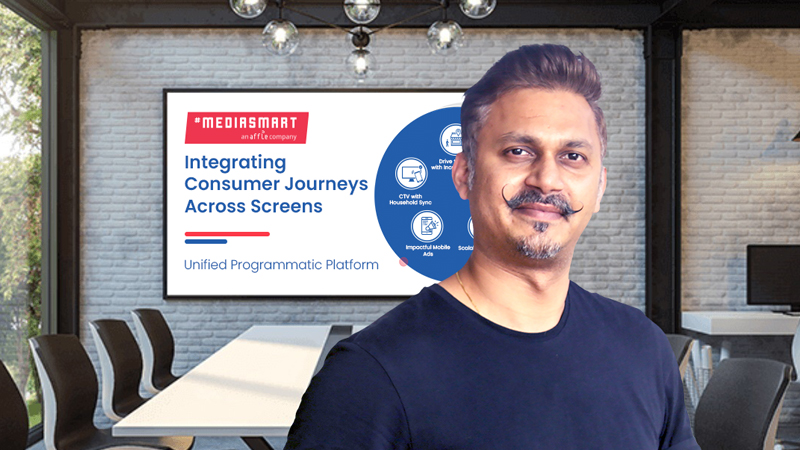
    Mumbai: mediasmart, an Affle Company, is a unified programmatic platform that provides advertisers, trading desks, and agencies ways to integrate consumer journeys across screens.

    Recently, Affle has made significant advancements in programmatic advertising by leveraging Gen AI. Through mediasmart, this technology has been implemented in CTV advertising, enhancing the user journey and creating a seamless experience.

    Noelia Amoedo has extensive experience in the mobile, internet and social  media, with a proven track record of success in developing profitable  business from scratch in international markets. Before becoming CEO at mediasmart, she held multiple  executive positions such as VP of Marketing and Business Development  for EMEA at Palm (acquired by HP), VP of Mobile for the social  network Hi5 and managing director for Buongiorno USA (acquired by  NTT DOCOMO).

     Similarly, Nikhil Kumar currently is the chief growth officer for mediasmart, an Affle company. He is a Consumer Marketing professional with over a decade of experience working in FMCG, Retail, F&B  & Ad-Tech set-ups with global brands like Puma, L’Oreal, Cafe Coffee Day and recently Bytedance  & InMobi. He was voted & awarded as one of India’s Most innovative Mar-Tech leaders in 2019  by World Marketing Congress. With a career spanning over 14+ years – Nikhil has worked across  multiple functions with his domain expertise primarily being Brand Marketing (digital & offline),  Business strategy/ Sales & Go-To Market plan/ execution across consumer goods, retail & startup ecosystem.

    Indiantelevision.com had the opportunity to connect with both Amoedo and Kumar, where they discussed the latest trends in CTV advertising, the innovative strides made in programmatic advertising through the utilisation of Gen AI, and a plethora of other insightful topics…

    Edited excerpts

    On specific advancements has Affle made in programmatic advertising through the integration of Gen AI technology within mediasmart’s platform

    [Noelia] – At Affle and mediasmart, we have a strong focus on R&D to drive innovation for the future of advertising. To strengthen these efforts and vision, we recently filed 15 new patents in India that cover futuristic applications in interaction, training, and integration of GenAI agents. The patents span advanced AI areas such as personalization, recommendation systems, predictive analysis, privacy, and enhanced fraud detection. Our GenAI-powered innovations differentiate us from the rest of the industry, to go beyond cost efficiencies to enable long-term revenue growth and competitive advantages.

    We are also working to enhance the learning and application of GenAI across connected devices. One of the steps in this direction is on our AI CTV Safe feature that assesses ad suitability of CTV traffic to automatically filter out risk categories. This ensures that advertisers benefit from a secure and brand-appropriate environment. Imagine tools based on Gen AI that automatically discard showing ads on entertainment content intended for kids or shows that a brand considers too violent. With GenAI being a fairly new technology, we’re continuing to innovate more use cases around vernacular creatives, interpretation of campaign data, and how to improve the context and relevance of ads

    On elaborating Gen AI technology enhancing the user journey and creating a seamless experience in Connected TV (CTV) advertising, particularly through the mediasmart platform

    [Noelia] – Programmatic technology on CTV, utilizing AI, has powered measurement, targeting, and optimization on a format like television advertising for years. While AI-driven programmatic advertising has made the medium efficient by using sophisticated algorithms that can predict and make their own decisions using a set of rules/predefined goals, GenAI is based on LLMs and,  in addition to the capabilities of AI, it can also create new content. This makes it more trans-formative to allow advertisers to create contextual ads depending on the audiences. For instance, a sports apparel brand can easily create multiple ads featuring visually captivating video of runners in different settings: rural, urban, with friends, in different seasons, etc, depending on where the ad is shown and what kind of household it is targeting. Making sense of unstructured language based information is another area where GenAI can make an impact to offer a seamless experience. For instance, GenAI can identify contexts and create new ones by analyzing the transcript of any given show, which in turn can reduce the dependency on pre-defined content categorization for campaign targeting. While some of this will take time, the personalization possibilities represent a leap in CTV advertising experience.

    On GenAI contributing to optimising ad campaigns

    [ Noelia ] – I think Gen AI could be quite disruptive in the area of campaign optimization mainly in two ways. On one hand, by becoming a tool that can empower media traders to set up their campaigns for optimum performance: imagine an assistant that is guiding you along the way while you configure your advertising campaign based on how other similar campaigns with good results have been set up. On the other hand, Gen AI could dramatically change how campaign intelligence is presented and analyzed: imagine being able to ask questions like “how is my campaign performing across cities?” “or “which is the audience that most engages with my video ads during weekends?”. The more time you invest analyzing versus configuring or manipulating data, the more you will learn and the more you can do for the success of your campaign. All this, combined with content generated by AI to make your ads most relevant to the audience, can have a dramatic impact on campaign performance.

    On the recent GroupM’s TYNY 2024 report on CTV’s growth to reach 45 million homes with a YoY growth of 21 per cent in India

    [Nikhil] – It’s undeniable that CTV has cemented its status as a primary source for content consumption for the Indian television viewers across cities and towns. We’re already looking at an accelerated growth rate of CTV’s adoption among Indian households having surpassed previous indications. Interestingly, while CTV viewing is a cord-cutting phenomenon among the millennial’s, for many younger audiences who were cord-nevers, CTV is their primary preferred screen for content consumption. The explosive growth of OTT platforms – 46 and growing – and the appeal of a wide variety of content have also contributed to CTV’s wider adoption. So, CTV is not the future, it is the present!

    This has also reflected in the speed at which advertisers have adopted CTV advertising. With its broad reach, diverse user base, and dynamic content consumption patterns, CTV is an essential component for any planning exercise for an advertiser. Advertisers across industry verticals like FMCG, retail, automotive, electronics, as well as high-end luxury brands are using CTV advertising to deliver targeted, contextual messages. More brand verticals are likely to confidently invest in CTV as ROAS-driven advertising becomes a key focus area and draw efficiency from CTV advertising’s innovative features like Household Sync that offer more synchronized and immersive experiences to integrate consumer journeys.

    On the current global and local implementations of Gen AI in Connected TV and shaping the future outlook for CTV and multi-screen journeys

    [Nikhil] – Globally, major streaming platforms and advertisers are likely to harness the power of GenAI to deliver personalized content recommendations and dynamically insert ads based on user preferences. This not only enhances the user experience but also allows for real-time optimization of ad campaigns, improving efficiency and engagement. On a local level, broadcasters and advertisers are customizing their approaches, leveraging GenAI to adapt to regional preferences and cultural nuances. This localization ensures that campaigns resonate with diverse audiences, establishing a deeper connection between brands and viewers. Looking forward, the future outlook for CTV and multi-screen journeys appears to be shaped by the continued advancement of Gen AI. This includes the promise of even more personalized and targeted experiences, seamless multi-screen interactions, and the integration of interactive elements that make ads not just viewable, but truly engaging and memorable. As Gen AI continues to evolve, it is poised to play a pivotal role in creating a dynamic and data-driven advertising landscape that responds to the ever-changing expectations of viewers.

    On envisioning the role of Gen AI evolving in the future of programmatic advertising, and further opportunities you foresee for further innovation and growth in this space

    Noelia: GenAI is going to play a key role in programmatic advertising. GenAI can be expected to have a significant impact around increasing productivity across many functions, including creatives, media buying, and extracting campaign insights. It can also reduce production costs for creatives and maximize ad relevance, not only through custom creatives but also by segmenting contexts in a much more granular way. I expect a lot of innovation around these areas in the future.

    Nikhil: The possibilities of GenAI’s impact in programmatic advertising is of course exciting and the industry is looking forward to the innovations in this space. We’ve come a long way from the manual RFPs for placing ads on specific publishers. Programmatic has made the media buying process automated, real-time and measurable. With GenAI, we are looking at further efficiency and impact on media buying through dynamic bidding and AI agents will be trained to interact and integrate to improve how media is bought, ads are placed, and data is stored. Specifically within the CTV ecosystem, GenAI has the potential to not only transform the advertising experience, but also elevate the way viewers experience CTV. With the intersection of technology, creativity, and innovation, we are looking at a brighter future for digital advertising.

  • Will GenAI be a revolutionary force of change in the CTV space

    Will GenAI be a revolutionary force of change in the CTV space

    Mumbai: The world of television viewing has undergone a significant transformation. From the era of linear television, today we’re undoubtedly on connected screens, where most of our content consumption is online. CTV has emerged as a force to reckon with for both consumers and advertisers. For brands, CTV offers a great opportunity to blend the world of engaging storytelling associated with television advertising with the benefits of programmatic technology that offers advanced targeting, optimization, and measurement.

    AI has always been at the core of programmatic advertising and CTV, enabling anything from predictive targeting to anti-fraud protection.  Now, thanks to the emergence of Generative AI and the availability of the models behind it, we’re looking at another transformative era unlocking even more value for brands and advertisers.

    The Current State of CTV & Rise of OTT

    There’s been a surge in OTT adoption globally, which has significantly contributed to the rise of CTV as viewers opt for better streaming quality and bigger screens, while opting out of expensive cable subscriptions. Although this trend started in the United States, it is estimated that 40% of households in Europe’s biggest markets – UK, Germany, France, Italy and Spain – use CTVs. On an eastward journey, CTV has also become a 4-hour daily ritual in India where on-demand content reigns supreme.

    Globally, the OTT market is burgeoning due to the diverse variety of local and international content these platforms offer. Industry research forecasts the global OTT video market’s revenue is expected to hit US$295Bn, with an expected annual growth rate (CAGR) of 7.29% from 2023 to 2028. Emerging economies like India have also seen a phenomenal growth in OTT video content, both on the back of global OTT players entering the market as well as increased competition among local players offering niche content.

    This shift towards OTT viewing, particularly among younger audiences, has presented a unique opportunity for advertisers to utilize CTV – where OTT content is mostly consumed – for creating highly targeted and engaging ad campaigns. With the viewing audiences spread across OTT apps and through various times of the day, advertisers can craft messages that resonate more effectively with specific demographics. Advertisers on CTV benefit from the enhanced user engagement and attention on OTT content. With many platforms moving to an AVOD model, the CTV advertising market is further expected to grow in the years to come.

    Emergence of GenAI and its Impact on CTV

    Programmatic technology on CTV has leveraged AI technology in many ways since its inception, whether it is to segment and target audiences to maximize engagement, to optimize bid pricing in real time or to identify patterns that are indicative of potential fraud. This “traditional AI” allows programmatic advertising to be super efficient by using sophisticated algorithms that can predict and make their own decisions following a set of rules or predefined goals. Generative AI, however, is different in that it does not need to follow predefined rules and it can instead come up with its own. This is a key difference. Generative AI is based on Large Language Models (LLMs in short) and, unlike “traditional AI”, it can also create new content – text, images and video – based on patterns it learns from the underlying training data. This is what makes it transformative and opens a whole new set of opportunities for increased efficiency and value creation for brands on CTV.

    As with any new transformative technology, there will certainly be an evolution until the full value can be realized, but with so many models becoming readily available and affordable, the industry (and the whole world) is moving very fast. Notably, there are three specific areas where Generative AI can make a material difference on CTV advertising:

    a.    Making sense of unstructured language based information – imagine the transcript of any given TV show, for example – to identify contexts and create new ones just became easier. Thanks to this, the dependency on pre-defined content categorization for campaign targeting or optimization is greatly reduced.

    b.    More engaging and cost effective creatives can be easily unlocked thanks to GenAI. I’d argue that humans will still be needed in the creative process for a long time, but there is no question that the ideation part of the creative process can be enriched by the use of Gen AI tools, and executing new video creatives and variations is today possible at much lower production costs, which also enables much more efficient AB testing to maximize engagement.

    c.    Interpretation of campaign data and communication of value for the brand is another area where I’d expect Gen AI to have a huge impact, sooner rather than later, allowing campaign managers to focus on improvement rather than reporting.

    Even if full automation is still not possible and much human interaction is absolutely necessary, what we can do with AI tools today to personalize creatives, making them more dynamic and engaging, already represents a material leap. Some of this will take time, but imagine how a sports apparel brand can easily create multiple ads featuring a visually captivating video of runners: in a rural or urban setting, featuring a family or a group of friends, in winter or summer with the ads being shown depending on the households targeted, and strategically placed during content most relevant for the target demographic. Or imagine how a food brand in a multi-linguistic country like India can leverage GenAI tools to make vernacular advertising easier and automatically target different regional consumer groups. This not only improves the relevance of ads but also maximizes the effectiveness of ad campaigns, ultimately boosting value for advertisers and revenue for content providers.

    By the same token, GenAI can also be used to identify and preempt contexts to ensure ads are being placed in a brand-safe environment for a particular audience. Imagine tools based on Gen AI that automatically discard showing ads on entertainment content intended for kids or shows that a brand considers too violent.

    Looking to the Future

    GenAI is not just an incremental step forward; it represents a paradigm shift, potentially redefining the CTV landscape and its strong players. Brands leveraging it are already one step ahead of the game. GenAI promises to elevate the CTV experience for viewers and advertisers alike. A promising future, with the intersection of technology and creativity in advertising helping reach new heights.

    The author of the article is mediasmart CEO Noelia Amoedo.

  • CTV revolution: India’s dynamic landscape and thriving opportunities in 2024

    CTV revolution: India’s dynamic landscape and thriving opportunities in 2024

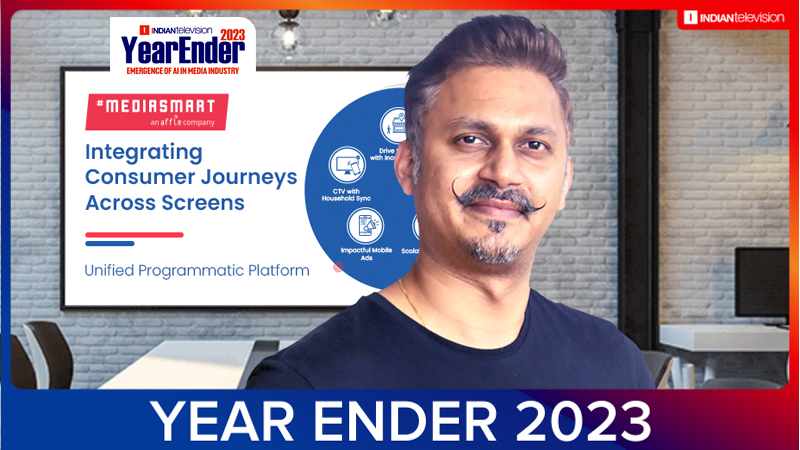
    Mumbai: In 2023, the CTV industry has undergone significant evolution, driven by factors such as increased internet connectivity and the rise of Smart TVs, with key trends like programmatic advertising and viewer engagement shaping its trajectory. Looking ahead to 2024, the industry is poised for continued growth, presenting both challenges and opportunities for advertisers and brands navigating this dynamic landscape.

    Here is the year-end quote below on behalf of mediasmart VP India & SEA Nikhil Kumar

    The evolution of the CTV industry in India has been nothing short of remarkable, marked by transformative developments and trends that are shaping its trajectory. CTV has well-established itself as a family-viewing phenomenon in India and the market continues to grow at an impressive speed on the back of three key pillars – evolved and highly engaged audiences; household co-viewing across demographics; and discovery to purchase and beyond.

    With the proliferation of high-speed internet connectivity and affordable Smart TVs, more Indian households have embraced CTV as their primary source of internet-based content consumption. This shift has created a massive audience base for CTV platforms, making them an attractive proposition for advertisers looking to reach a highly engaged audience. There’s also an increasing demographic of cord-nevers for whom CTV is the first touchpoint for content consumption.

    Key trends & opportunities:

    1.    Programmatic advertising on CTV has emerged as a game-changer in the digital advertising landscape, revolutionising how advertisers buy and deliver ads on the big screen. As customers seek more personalized ad experiences, programmatic-led advertising on CTV promises to offer precision targeting with advanced data-driven insights to offer meaningful ads to the viewers. The promise of enhanced segmentation, personalization and measurability on programmatic CTV will drive both advertisers and the supply side to embrace CTV advertising. Further, as brands look to integrate consumer journeys across devices and media platforms, programmatic-based CTV will offer the automation and scale needed to unify the advertising impact.

    2.    Viewer engagement on CTV has substantially transformed how numerous Indian households access and enjoy content. Content has remained king in the CTV space, and Indian viewers have shown a growing appetite for original series, movies, and live sports on CTV platforms. Streaming services have responded by investing heavily in producing content that resonates with the diverse tastes and preferences of Indian audiences. This trend is expected to continue in 2024, with CTV platforms vying to capture a larger share of the Indian content market. OTTs are one of the most consumed categories on CTV, which continue to bring in more eyeballs than before. Whether it was the free streaming of the Football World Cup and IPL on Jio Cinema, or the ICC Cricket World Cup on Hotstar, today some of the most exciting tournaments reach the viewers via digital medium of CTV streaming. With more than 46 OTT apps, we anticipate more advertising opportunities for brands to reach and connect with their potential customers. We also anticipate an increase in the adoption of CTV advertising among advertisers with the further growth of AVOD services that will open up new revenue streams.

    3.    Personalization and data-driven advertising have played a pivotal role in the evolution of the CTV industry and will continue to guide advertising in 2024 as well. On mediasmart, we’re already seeing the success of how technology like Household Sync can equip advertisers with the right tools to target different people in the same household to improve ad efficiency. Going into 2024, personalization of ad experiences to target cross-screen audiences without overwhelming the user will require the use of advanced analytics and machine learning algorithms to understand viewer behaviour and preferences better.

    4.    We anticipate even more sophisticated data-driven strategies, with CTV platforms focusing on delivering highly personalized content and advertising to viewers. As we look to 2024, personalised ad experiences on CTV via QR code feature and interactive ads will further build user engagement with advertising messages. Both engagement-led content (interactive shows such as Netflix and Man vs Wild’s Ranveer Singh special interactive episode), as well as engagement-led advertising, will continue to grow as brands seek to establish meaningful connections with their potential customers.

    5.    Lastly, one of the most pivotal opportunities for advertisers on CTV is expected to be around integrating consumer journeys in the realm of omnichannel advertising. As CTV becomes an integral part of consumer’s media consumption habits, it offers advertisers a unique opportunity to bridge the gap between their digital and traditional advertising efforts across mediums. With CTV, advertisers can engage users on the big screen and prompt action on mobile devices. The integration of CTV with mediums like Digital Out of Home (DOOH) will also help advertisers to create a consistent brand experience and drive users to the nearest store, thereby converging the online experience with offline sales. This seamless integration allows for a holistic advertising strategy that ensures a unified brand message and maximizes the impact of each touchpoint, ultimately driving better engagement and ROI for advertisers in 2024 and beyond.

    In conclusion, the CTV industry in India has evolved significantly in 2023, driven by increasing adoption, content innovation, personalization, and data-driven advertising. As we look ahead to 2024, the industry is poised for continued growth and transformation, but limitations around competition and infrastructure need marketers in the CTV space to remain agile, adaptive, and forward-thinking to capitalize on the opportunities. The Indian CTV industry is on an exciting trajectory, and those who can innovate and meet the evolving needs of both viewers and advertisers will undoubtedly thrive in the years to come.

  • Disney+ Hotstar launches OTT advertising handbook

    Disney+ Hotstar launches OTT advertising handbook

    Mumbai: Disney+ Hotstar, India’s leading streaming platform, has launched a handbook for effective brand building on the platform. Titled Winning in the OTT era with Disney+ Hotstar, the handbook shares learnings based on the analysis of over 200 plus campaigns and offers a 360° view of why marketers must include OTT in their marketing strategy. The playbook has been developed in collaboration with industry experts Kantar, Neurons, Integral Ad Science, Mediasmart and Metrix Lab.  The playbook shares key media planning principles along with creative best practices for video ads to enable advertisers to make the most of their campaigns on OTT platforms, it also inspires advertisers to go beyond vanilla advertising by collaborating with the Disney+ Hotstar’s CreativeWorks team to create bespoke, contextual, impactful campaigns. It also shares insights to make the most of the connected TVs (CTV) feed as a medium to connect with their desired audiences.

    “The changing media-scape of advertising has made it imperative for brands to embrace OTT platforms. Disney+ Hotstar has continuously led the way in the ever-evolving OTT industry, constantly innovating to provide exceptional experiences for both consumers and advertisers. We are delighted to present the Winning in The OTT Era with Disney+ Hotstar playbook, that shares the recipe for success to enable advertisers harness the full potential of our platform thus maximizing impact for their campaigns. Created in collaboration with leading industry experts, the handbook offers invaluable guidance for effective media planning and brand building, enabling our advertisers to make data-driven decisions and significantly enhance advertising ROI,” said Disney Star head of network – ad sales Ajit Varghese.

    Additionally, the handbook lays down the best practices that can be deployed by brands to maximize their ROIs when advertising on Disney+ Hotstar:

    ●   Campaigns with three plus video ads were most successful in driving brand awareness, favorability, and purchase intent.

    ●   Campaigns with 20 plus second video ads delivered the highest success

    ●   Midroll campaigns supplemented with other creative formats delivered 30 per cent more success in driving brand message and purchase

    ●   Operating at a frequency of six plus increases purchase intent by 70 per cent and brand awareness by 50 per cent

    ●   Longer campaigns (>six weeks) yield higher success on upper and lower funnel metrics.

    Campaigns following these practices on Disney+ Hotstar recorded a 10 per cent higher success rate vs. industry benchmarks defined by Kantar across digital campaigns. The study also highlights how Impact advertising on the platform has delivered 100 per cent success across the funnel for sponsors and inventory buyers and outperformed industry benchmarks. The case studies recorded reveal the following:

    ●   Sponsors of Koffee With Karan Season 7 achieved 3X Uplift through in-show integration and branded vignettes, 4X brand awareness, 2.8X Online ad awareness, 3.3X message association, 2.8X brand favorability and 2.6X purchase intent.

    ●   Sponsors of Dance+ Season 6 achieved two times organic value through impact advertising on the show making it one of the most successful campaigns across the industry.

    ●   Tanishq co-creating and hosting reality series with Disney+ Hotstar CreativeWorks, The Great Indian Bride, saw the brand creatively reach out to modern brides of India and, in the process, achieve five times purchase intent and 2.3x brand awareness uplift.