Tag: media

  • Adani Group names Sanjay Pugali as CEO and editor-in-chief

    Adani Group names Sanjay Pugali as CEO and editor-in-chief

    New Delhi : Adani Enterprises has named senior journalist Sanjay Pugalia as the CEO and editor-in-chief of the Group’s media entity. In his new role, he will report to Pranav Adani and work closely with Sudipta Bhattacharya.

    Pugalia carries vast experience in digital, television and the print media. He was previously the president and editorial director at Quint Digital Media. The company had informed BSE that Pugalia has moved on from the organisation on 16 September, and that he “wishes his very best to the team at the Quint and will continue as friend, guide and mentor to the team.”

    Pugalia has earlier worked with CNBC-Awaaz, Star News, Zee News and was one of the founding members of AajTak. As a print journalist, he has also worked with Business Standard and Navbharat Times.

    Also read :https://www.indiantelevision.com/exec_life/y2k5/dec/30dec/mylife.htm

  • Ram Jethmalani memorial lecture series returns with second edition

    Ram Jethmalani memorial lecture series returns with second edition

    Mumbai: In a tribute to a legendary jurist and MP, Ram Jethmalani lecture series is back with its second edition and will be streamed LIVE on NewsX this Saturday from 5 p.m.

    The lecture series will address a pertinent issue this year which has recently found itself at the hotbed of Indian politics in 21st century. India’s Who’s and Who will share their take on whether ‘Disruption to parliamentary proceedings is an MP’s privilege and/or a facet of parliamentary democracy?’

    Vice president and Rajya Sabha chairman M. Venkaiah Naidu will be the guest of honour at the lecture series and will be joined by other esteemed panelists including union cabinet minister of law Kiren Rijiju, the attorney general for India KK Venugopal and solicitor general of India Tushar Mehta. Union cabinet minister for women & child welfare Smriti Irani, Lok Sabha MP Mahua Moitra, former solicitor general of India Gopal  Subramaniam, former solicitor general of India Ranjit Kumar, Tughlak editor S Gurumurthy and former Rajya Sabha MP Pavan Varma will also mark their presence at the memorial series and share their views on the topic.

    iTV Network founder Kartikeya Sharma said, “In tribute to one of India’s greatest jurists and MPs I can’t think of a more fitting subject that merits the focus of stakeholders in this panel of speakers. Democratic systems often lead to deadlock, but surely there is a way to bring back the poignancy of debate that Ram Jethmalani embodied at the bench, both in court and parliament. The object is to keep India forging ahead. I’m hoping that such efforts to recall whence we came will help us chart whither we go.”

    NewsX managing editor Rishabh Gulati said, “The people of India now have great expectations from those who are elected to serve. Parliament has become raucous often times as has the Indian media. We had the opportunity to get some of India’s most committed minds discuss the Indian media in the first edition of this memorial lecture series,  it’s a merit that so many stakeholders are willing to take on a vexatious topic like this.”

    Apart from the NewsX channel, the series will be aired on all our social media channels and major OTT platforms – Zee5, Dailyhunt, JioTV, Shemaroo, Mzaalo, Watcho, Flipkart, Paytm, Tatasky and MX Player.

  • Sansad TV launched, PM Modi calls it a new chapter in India’s democratic system

    Sansad TV launched, PM Modi calls it a new chapter in India’s democratic system

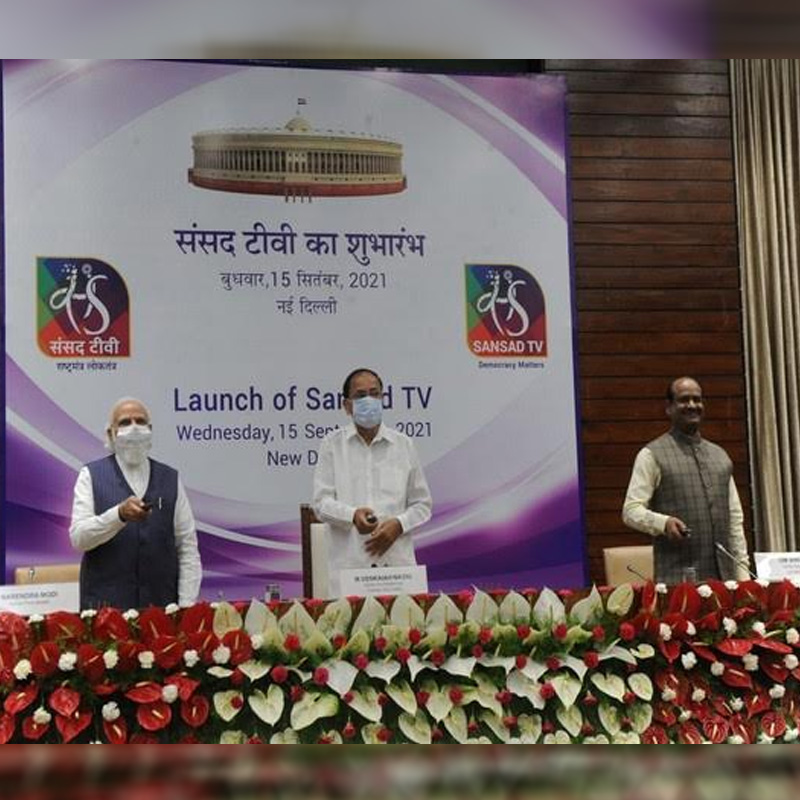
    New Delhi: Prime minister Narendra Modi on Wednesday launched Sansad TV, highlighting it as another important chapter in India’s parliamentary system.

    The channel has been created by merging Lok Sabha TV and Rajya Sabha TV and will be led by retired IAS officer Ravi Capoor who was appointed as the chief executive officer of the channel early this year.

    Launching it jointly with vice president M Venkaiah Naidu and Lok Sabha Speaker Om Birla, Modi said it is very important that the common man connects with Parliament and feels he is part of it. 

    Addressing the event, the PM lauded the transformation of the channel associated with the Parliament in accordance with rapidly changing times, especially when the 21st century is bringing revolution through dialogue and communication.  

    “While it is said that ‘content is king, but in my experience ‘Content is Connect’ said PM Modi, adding that, when one has better content, people automatically engage with it. As much as this applies to the media, it is equally applicable to our parliamentary system as there is not only politics in Parliament, there is also policy. He emphasised that common people should feel the connect with the proceedings of the Parliament. He asked the new channel to work in that direction.

    Terming the launch of Sansad TV as a “new chapter in the story of Indian democracy”, Modi said, the country is getting a medium of communication and dialogue in the form of Sansad TV which will become a new voice of the nation’s democracy and people’s representative.

    Sansad TV is likely to have two channels, with Lok Sabha and Rajya Sabha sessions telecast live on each. It will be available in Hindi and English.

    The two former entities, LS TV and RSTV were launched in 2006, and 2011 respectively. 

  • RPG group chairman Harsh Goenka supports Zee TV’s Punit Goenka

    RPG group chairman Harsh Goenka supports Zee TV’s Punit Goenka

    MUMBAI: The media has been full of cacophonic noise about the boardroom battle that is going on at Zee Entertainment Enterprises. Some investor groups have lauded the initiative by two of the company’s two main investors to reconstitute the board and oust CEO & managing director Punit Goenka (who represents the promoter family being Subhash Chandra’s son) for failing to professionalise the management and enhancing the shareholder value.

    Institutional Investor Advisory Services founder Anil Singhvi is quite vociferous that Zee is one of the best Indian media companies but needs to be in the hands of a good professional CEO. Speaking to moneycontrol.com he said that the promoter family should also be happy about this. “They have a four per cent stake and already their value has gone up with the share price rising 25-30 per cent on the announcement by the two institutional investors to hold an EGM to move out Goenka and the resignation of the two directors,” he pointed out.

    However, smaller shareholders voiced their confidence in Punit’s ability to get Zee back as a stellar performer during the company’s AGM on 14 September where he explained the initiatives that were underway under his leadership. Punit also reiterated that there were no hidden or shady related third party transactions under his charge as is being alleged.

    There are many in the industry who point out that Punit has definitely brought In professionalism into the company by bringing in executives at the leadership level from companies such as Hindustan Lever, Future, BCCI, and Aditya Birla group and built a good management team.

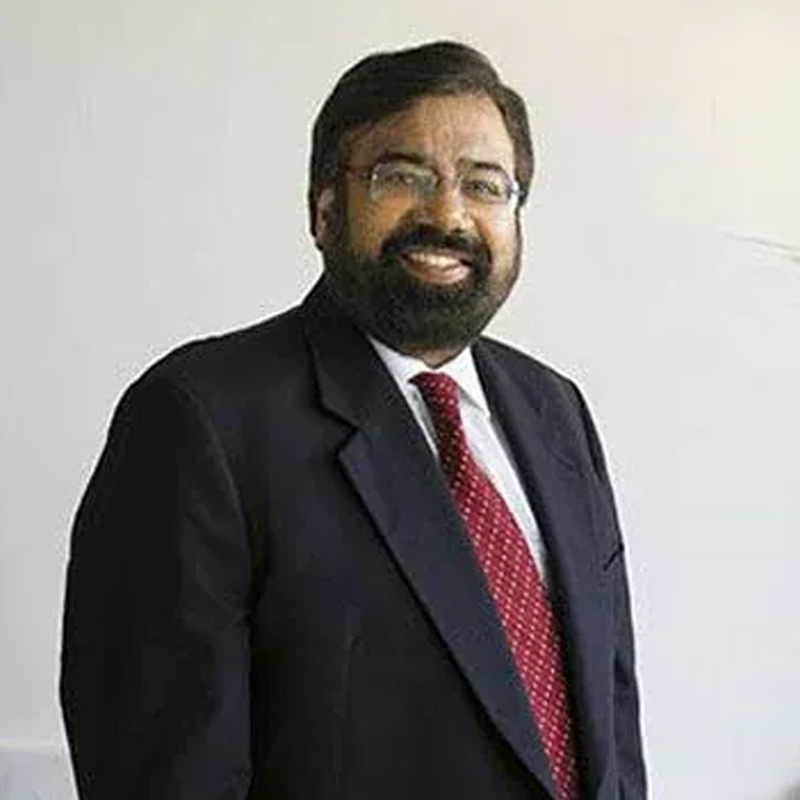
    Among them is corporate leader Harsh Goenka (chairman of the $3.80 billion RPG group and no relation to Punit). Harsh has come out in support of Punit.

    Late in the evening of 15 September Harsh tweeted: “I just can’t understand why would a large investor try to destabilise a good leader, a good management team, which has a track record to show. If valid reasons were given, it’s different. A dangerous trend! #Zee.”


    Most of his followers on Twitter seconded his view, while the naysayers said the promoter family had it coming.

    The coming days will decide whether the street and Zee’s investors will have the last word. Or the promoter family.

  • Dentsu India 2.0 bolsters its Digital, Experiential & PR offerings with Isobar India Group

    Dentsu India 2.0 bolsters its Digital, Experiential & PR offerings with Isobar India Group

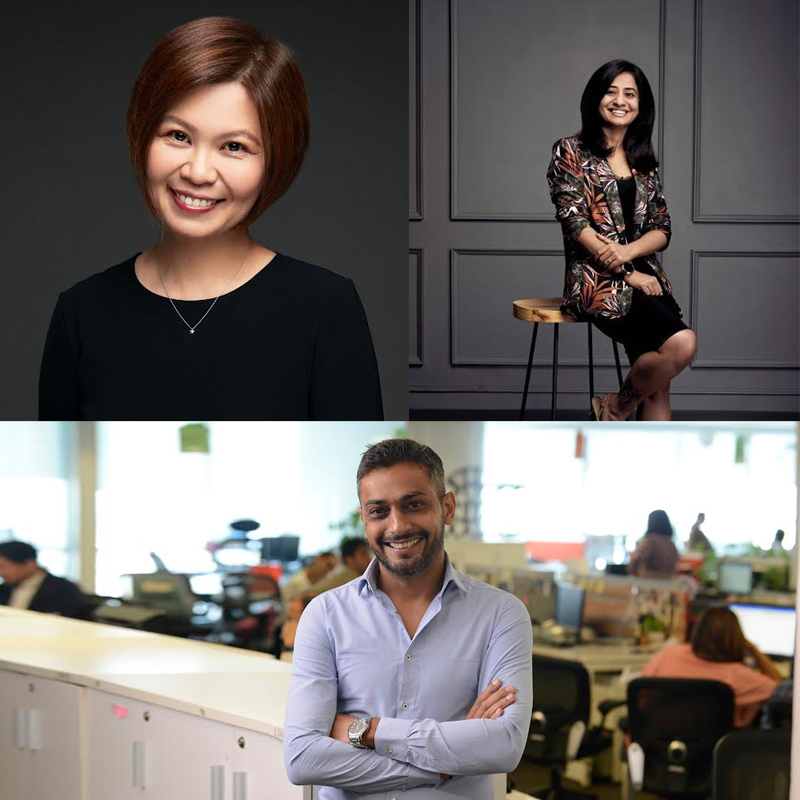
    Mumbai: Dentsu India has bolstered its Digital, Experiential and PR capabilities under the Isobar India group, comprising the creative agencies Isobar India and WATConsult, and the PR agency, Perfect Relations. Heeru Dingra, previously chief executive officer (CEO), WATConsult, will lead the group as its CEO, reporting into dentsu Creative India CEO Amit Wadhwa.

    “The group structure will see the three agencies align with Isobar’s global proposition: crafting distinctive brands and innovative experiences for a connected future,” it announced on Tuesday.

    According to the agency, the decision is part of the network’s global plan to transform into the “world’s most integrated group by 2024”. it also accelerates the market’s growth journey into dentsu India 2.0. The group will further support the delivery of Isobar’s capabilities and services from India, and the structure will promote collaboration and knowledge-sharing across the India team, embodying the Isobar spirit of “Invent, Make, Change”, it added.

    dentsu Group Inc, global CEO, creative and executive officer, Jean Lin said, “Strategically, India is one of our largest and most important markets for Isobar. Heeru joined us through the acquisition of WATConsult and has gone from strength to strength, cultivating a culture of creativity and innovation. Heeru will strengthen Isobar’s growth story, bringing together the best specialists from different creative disciplines to create the next wave of transformative experiences for our clients and in turn, accelerate our brands into the dentsu India 2.0 vision. I am certain that with Heeru at its helm, the Isobar India group will continue to grow and deliver excellence for our clients.”

    Wadhwa said, the decision is also in alignment with our global ambition of transforming into the most integrated network by 2024. “We aim to deliver the best of our offerings to clients with pathbreaking ideas and solution-led strategies, making our headway into excellence,” he added.

    On her new role, Dingra said “The Isobar India group houses some of the best agency teams in the country and I feel humbled to lead this brilliant bunch. As I take this new leap, my aim is to offer world-class integrated services and top-notch expertise that bring value to our current and future clients. People and creativity are at the core of our business, and I assure our clients will only be served with the industry’s best.” 

  • Local language content drives higher audience engagement: Netflix’ Patrick Fleming

    Local language content drives higher audience engagement: Netflix’ Patrick Fleming

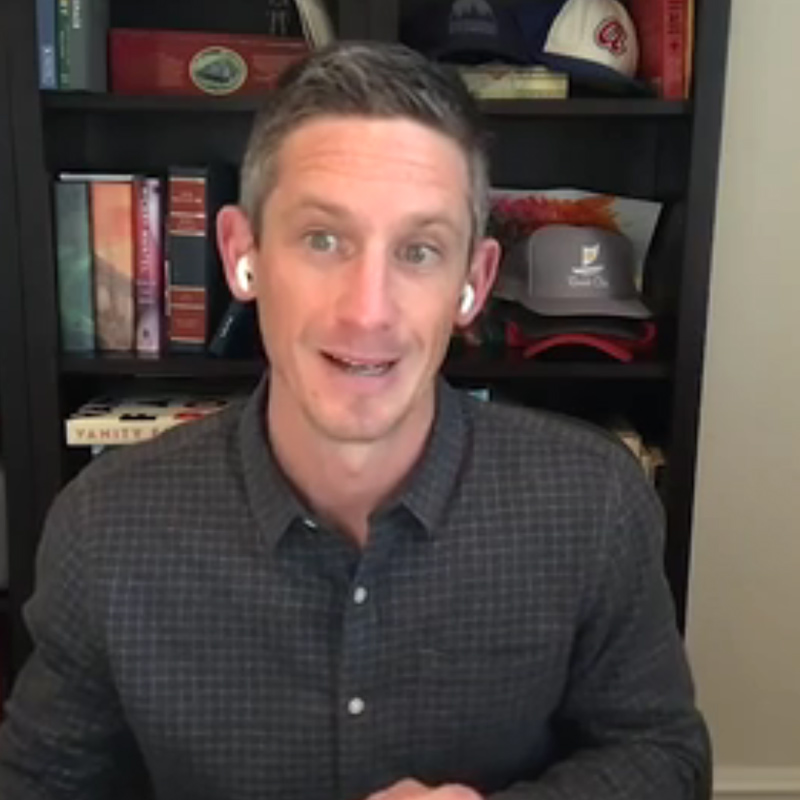
    Mumbai: Southeast Asia users consume two times more Netflix content than the global average, and India leads the charts, said Netflix, director of product innovation, Patrick Fleming at the ongoing virtual APOS summit on media, telecoms, and entertainment.

    The streaming giant currently has over 209 million paid subscribers globally out of which 27 million subscribers are from APAC markets. While that is a fraction of the total user base, it should be noted that two-third of its paid subscriber growth was driven by the APAC market in 2020. “We know that a substantial part of future subscriber growth is going to come from outside of the US,” said Fleming.

    Talking about the mobile-only plan, Fleming said, it has not been a success in all markets. The plan was first launched in India followed by Malaysia, Indonesia, Philippines, and Thailand, followed by markets across Asia and Africa. “We introduced the mobile plan in markets only after experimenting with the right entry price and discerning the demand for video content on mobile,” he added.

    Fleming said, “It is important for Netflix to speak more languages to cater to the APAC market. We now offer our content along with subs and dubs across 30 languages, so that a great show may travel anywhere in the world. For example, Thailand prefers dubbed content while South Korea prefers subs.”

    While a show like “Money Heist”, “Bridgerton” and “Emily in Paris” has done well in markets like India and Southeast Asia, local language content consistently outperforms in terms of audience engagement, he observed. In India, that means local language films and, in South Korea and Japan that means K-dramas and anime. Launching more payment modes has also increased adoption. Netflix recently enabled autopay via unified payments interface (UPI) in India and GoPay in Indonesia.

    The streaming giant has introduced a slew of nifty features that individually may seem like marginal improvements but are incredibly important to a mobile customer. The ideas first came in India and were then tested globally, noted Fleming.

    These features include a native brightness, playback speed and lock screen functionality. Currently, the OTT giant is experimenting with a function that plays a short vertical video clip when the user hovers above a title. “The idea is to capture the shorter moments of consumption on mobile devices. The user may not sample the content immediately but may put it in his watch list for later consumption,” said Fleming.

    Not just mobile, Netflix can be streamed across 1700 devices and Android and iOS operating systems (OS). Coding efficiency is vital when it comes to mobile customer experience. It was important that the Netflix mobile app was always in a ‘ready to watch’ mode, emphasised Fleming. Features like ‘smart downloads’ and ‘downloads for you’ were introduced to minimize memory usage and ensure that customers transitioned to the next piece of content seamlessly.

    Netflix has also partnered with over thousand local internet service providers (ISPs) to join their open connect network so that it may deliver a high-quality video viewing experience. It has purpose-built boxes called open connect appliances that have been deployed at interconnection locations to localise substantial amounts of traffic by ISPs.

    “Technology has come a long way in ten years,” said Fleming. “A decade ago you could transmit 1.5 hours of content with 1 Gb of data, in 2015 you could transmit 2.5 hours of content or an entire movie in 1 Gb, today you can transmit 6.5 hours of content or the entire first season of “Stranger Things” in the same amount. The same quality, fewer bits.”

    In terms of product innovation, Fleming is bullish about interactivity and branching narratives. “Audiences have loved our interactive content like “Puss in Book” and “Black Mirror: Bandersnatch”. We’re working on an interactive mindfulness series with Headspace and there is the expansion into gaming” noted Fleming.

    Netflix has launched two mobile games based on the “Stranger Things” franchise in Poland.

    “Mobile audiences are wonderfully impatient,” remarked Fleming when speaking about the need to deliver top notch customer experience on mobile. “We’re not just competing with other long form content platforms but any platform that offers a unique mobile experience.”

  • Nearly 40 % readers discontinued newspapers during pandemic, shows Havas Media report

    Nearly 40 % readers discontinued newspapers during pandemic, shows Havas Media report

    Mumbai: Covid-19 proved to be a game-changer for Print as a medium in India. The multiple waves of the pandemic and the subsequent lockdowns disrupted the production and distribution of newspapers and magazines across the country. Yet, despite the lack of readership data and interrupted circulations, Print emerged as one of the most credible sources of information for most consumers, brands, and marketers, during these volatile times, found Havas Media Group in its latest research.

    The Group released its latest whitepaper bolstering its focus on investing in – Meaningful Media – “Media That Matters”. The report attempts to decode the effectiveness of print as a medium and the shifts in readership behaviour during the pandemic.

    According to the report, close to 40 per cent of the readers discontinued newspaper subscriptions during the pandemic, mainly due to factors such as the risk of infection and change in media consumption patterns. However, the time spent reading newspapers increased significantly, especially in the age group of 41-50 years.

    Approximately, 15 per cent of the readers shifted to regional or vernacular publications, on the heels of trust and tenability, giving way to some interesting trends. For instance, in the South, nearly 60 per cent of readers sought Print as a medium to gain more knowledge, while in the West, around 33 per cent of consumers read newspapers to find local news, according to the report.  

    The report also reveals that there was a huge uptake of news apps. Around 57 per cent of the respondents of this study use news apps. Apart from being a daily habit, some of the top reasons for reading newspapers continues to be gaining more knowledge, staying updated about current affairs and improving language skills. Content related to science & technology, global affairs, and health remained some of the preferred and most-read sections following general news.

    While Television and Social Media were found to be the most credible source of news, print followed closely at the third position.

    The research involved Stratified Random Sampling from YouGov’s proprietary panel which consists of over 2,00,000 active panelists in India, aged between 21-50 years, male and female with a current subscription to at least one daily newspaper spread across 14 key cities in India.

    Print drives highest efficacy for automobile industry

    “A category-wise deep dive on the effectiveness of the medium for advertisers and marketers revealed that Print plays a key role in influencing brand perception, from Quality to Price to Trust, especially within the Automobile category,” says the report.

    Some of the findings specific to the auto category revealed that Print has the highest effectiveness in driving brand awareness, of nearly 55 per cent for first car intenders. For repeat intenders, Print helps drive brand preference across the funnel. Car advertisements were the second most recalled after mobile phones (higher amongst repeat intenders).

    Maruti, Hyundai and Tata Motors ranked highest among the most recalled auto brands. Consumers paid higher attention to advertisements in newspapers, and only 10 per cent skipped them.

    Apart from the auto industry, Print continues to be the preferred source of medium to drive efficacy for other categories like smartphones, finance, and education as well. And even though the print medium saw a dip in readership, owing to the pandemic, the consumer expectation continues to grow stronger in newspapers in terms of content and not just news.

    “This is the resurgence story of Print in India,” said Havas Media Group, head of strategy, Sanchita Roy said, “With the onset of the pandemic in 2020, the Print sector suffered a huge loss especially on the back of the cancellation of subscriptions and other reasons. Hence, it became pertinent to understand not only the consumer shifts that was happening in the media ecosystem but also understand if Print continued to be as effective as before in impacting business outcomes. Despite the short-term de-growth, Print is back with a bang. It continues to be one of the most trusted and credible mediums that helps influence brand perception.”
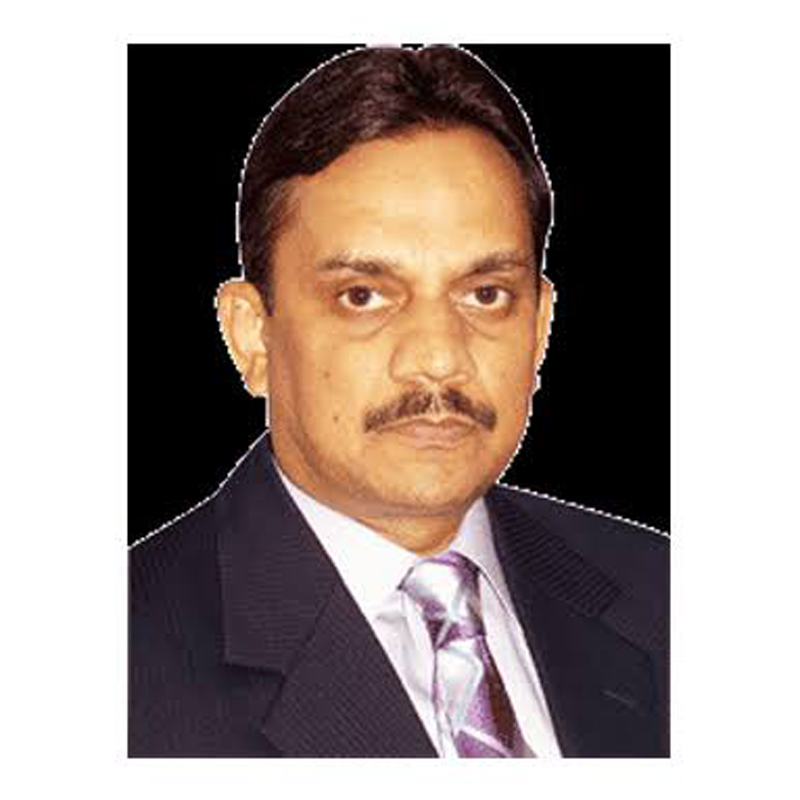

  • FCB Cogito elevates Vidyadhar Wabgaonkar as CEO

    FCB Cogito elevates Vidyadhar Wabgaonkar as CEO

    Mumbai: FCB Group India has announced the elevation of Vidyadhar Wabgaonkar as the CEO of FCB Cogito, the independent consulting arm of the Group in India. The announcement comes as part of the Group’s recent restructuring of operations in a three-agency structure of FCB Ulka, FCB Interface, and FCB India.

    Vidyadhar Wabgaonkar, popularly known as Wabs, has been leading FCB Cogito for over four years now. An engineering gold medalist and a rank holding MBA from IIM Kolkata, Wabgaonkar comes with a rich marketing background that includes stints in P&G India and MARICO Industries. According to the Group, his expertise lies in the seamless combination of qualitative and quantitative aspects and the application of tenets of Neuro-Linguistic Programming (NLP) to marketing and business management. He is also a certified life coach and a Master Practitioner of NLP.

    Under Wabs’s aegis, FCB Cogito Consulting has come to be known for its strong proprietary products like ‘Chess’ for getting clients ready for competition and future and ‘Brand Hormone’ for rejuvenating brands, it said in a statement.

    The Group is celebrating its 60th anniversary this year, and this elevation comes in at a very crucial time when the agency is looking forward to the next 60 years in India, it added.

    Speaking on Wabgaonkar’s elevation, FCB Ulka vice-chairman Karkare, said, “FCB Cogito has been the secret weapon in our armory. It represents our capability to solve higher-order problems for our clients with data and insight-driven solutions. It is our intellectual capital, and a means to provide strategic partnership to our clients.  Wabs always brings a fresh perspective, and in today’s times, his unique skills are going to be invaluable to brands as they navigate uncharted terrains.”

    Speaking on his new role, Wabgaonkar said, “ FCB Cogito believes that most clients have the resources required to be successful. It is the paradigm that connects the resources that often need evolution. ‘Why buy me’ is the most important question that each brand needs to answer, and the answer frequently lies well beyond the tangible aspects of the brand. A good answer and a consensus around it, together multiply the force of selling and marketing manifold.”

  • Siddhesh Maldikar joins Zee TV as director of marketing

    Siddhesh Maldikar joins Zee TV as director of marketing

    Mumbai: Siddhesh Maldikar has joined Zee Entertainment Enterprises Ltd-owned Hindi GEC Zee TV as director of marketing.

    In his most recent role, Maldikar was associated with Sony Pictures Networks India, where he worked as senior manager of marketing.

    “New Beginnings as I start my journey with Zee TV as Director – Marketing,” Maldikar wrote in a LinkedIn post, announcing his move.

    An alumnus of N L Dalmia Institute of Management, Maldikar is a marketing professional with experience in FMCG and media & broadcasting.

    Prior to Sony, he worked with Hindustan Unilever Ltd as a senior brand executive, Magnum Ice Creams. While at HUL, Maldikar helmed the launch of Magnum in India in five cities which includes a test launch in Chennai in 2013. He also had a stint at Temptation Foods Ltd.

  • TikTok tops ad equity charts for second year: Kantar

    TikTok tops ad equity charts for second year: Kantar

    Mumbai: Data, insights and consulting company Kantar on Thursday released its report titled Media Reactions 2021, the second edition of Kantar’s global ad equity ranking of media channels and media brands. Ad equity refers to the attitudes consumers have towards the advertising experience within specific platforms and ad formats.

    Across branded digital platforms, TikTok remains top of the global ad equity rankings. Although leading the highest spot as overall platform in only one market – Taiwan, TikTok is the leading global digital platform in the important US market and is first or second-ranked of the global digital platforms in 9 of the 22 markets where it was measured.

    The inclusion of commerce platforms in this year’s ranking illustrates their increasing importance across the digital advertising landscape. Amazon ranks second globally among consumers, topping the list in 4 markets. Together with regional e-commerce giant Mercado Libre, which leads in Argentina, Amazon’s success showcases why e-commerce has entered the online media channel ad equity rankings in third place.

    Despite the prominence of digital platforms in daily life, consumers continue to be more positive about offline ad platforms such as cinema, sponsored events, magazine ads, and point of sale (POS). The popularity of podcast adverts has risen. Positioned at #11 in the overall ad equity ranking, they have overtaken influencer content as the preferred digital ad medium. Podcast ads are perceived as both better quality and more relevant compared to 2020, but also more repetitive, unsurprising given the increase in ad spend on the platform.

    Global vs Local: The report highlights the importance and challenge of market-specific media strategies. In 16 of the 23 markets surveyed the top-ranked media brand was a local media brand or a localised version of global media brands. The 10 of these 16 are news and magazine brands. This local success, together with differing attitudes to the ads on global digital media brands, makes balancing the benefits of scale of global media platforms with the promise of greater relevance from local media gems ever more important.

    The Innovator’s Dilemma: The report also underlines the challenge for brands in keeping their media mix reflective of the latest consumer media preferences as well as reflective of their own values and brand positioning. Marketers favour channels and platforms they believe provide both trustworthy and innovative advertising environments. Among the global brands, Instagram best manages this balancing act. YouTube, Google and Facebook are trusted platforms but are considered slightly less innovative.

    TikTok is not yet trusted by marketers as much as the more established platforms, but it has made enormous improvements in the past year. It remains comfortably the most innovative place for ads, and trust has doubled, so many more marketers are now positive about placing ads on the platform.

    Ad Spend Outlook: The report marketers’ survey provides insights into probable media growth areas for 2022. The vast majority of global marketers plan to increase spend on their favoured ad formats: online video, influencer content and social media ads. Many will reduce spend on print ads.  YouTube, Instagram, and TikTok are the platforms set to benefit most.

    Discussing the findings, Duncan Southgate commented: “The ad industry has been encouraged by the rapid recovery in 2021, as advertising has been used as one of the levers to fuel recovery in the wider economy. As we emerge into a new media landscape, brands need to understand which consumer and marketer attitudes have changed, and which have stayed the same. Which media brands have retained their appeal, and which have grown stronger? While the pandemic accelerated the growth of digital in every aspect of life, we have seen robustness in consumers’ preference for offline advertising, and some strong local news brands in particular.”

    “Marketers need to ensure their strategies respect those preferences alongside the benefits of scale delivered by global digital platforms. TikTok has done an impressive job retaining its differentiated advertising proposition with consumers – even as its user base has almost doubled over the past year. We have also seen the re-emergence of retail as a critical ad platform, both online and physically. Advertising strategies that seamlessly align with omnichannel retail strategies provide a great opportunity for marketers to deliver more popular campaigns.”

    Kantar, head of media- South Asia, insights division, Sandeep Ranade added, “Moving into 2022, we will see consumers adopting more and more digital channels and it will impact advertiser’s appetite for digital connection opportunities. Consumers do not differentiate between the way media is bought and hence it will no longer be offline vs online but a balance of reach vs receptivity and global vs local media partners to bridge the gap between what consumers prefer vs what advertisers perceive consumers prefer. We have also seen that Indian consumers generally have more pronounced views on advertising compared to the global audience”