MUMBAI: Imagine this: you’re unwinding with your favorite show, only to frantically fumble for the remote as a scene unfolds that you’d rather your child never see—graphic violence, explicit language, or worse, nudity. Frustrated by the glamorisation of crime and violence in thrillers that could inspire the impressionable? It’s a moment every parent dreads, and a dilemma households across the country face in today’s era of on-demand entertainment.
But here’s the big news: relief might finally be on the way.
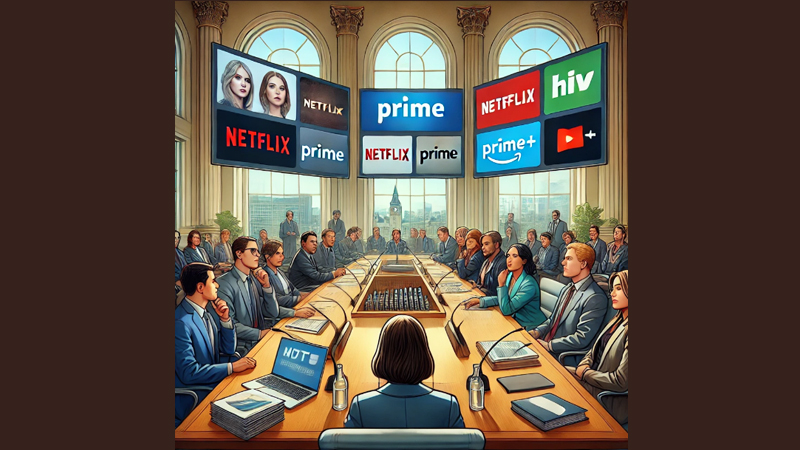
In a move poised to reshape how we consume digital content, the Parliamentary Standing Committee on Communications and Information Technology is stepping in. Mark your calendars for 20 December, when the committee will meet with leading industry bodies to tackle the hot-button issue of content regulation on OTT platforms. As debates intensify between calls for stricter government oversight and advocates of self-regulation under the IT Rules, 2021, the stage is set for what could be a landmark decision in the OTT landscape.
This is a moment of mixed emotions—hope for a more family-friendly streaming experience, but also trepidation over potential restrictions that might stifle creativity. One thing is certain: change is brewing, and all eyes are now on the committee’s crucial meeting.
The committee, chaired by Lok Sabha member Nishikant Dubey, has invited organisations such as the Indian Motion Picture Producers’ Association and the Motion Picture Association of America (India office) to present their views. This dialogue follows Information and Broadcasting minister Ashwini Vaishnaw’s request to prioritise strengthening laws governing social media and OTT platforms.
Dubey emphasised the urgency of addressing content concerns, particularly regarding portrayals of women, obscenity, and vulgarity. “OTT platforms often feature content unsuitable for family viewing. Our meeting with industry stakeholders will address these pressing issues,” he said.
Last month, Vaishnaw highlighted cultural disparities between India and foreign regions housing platforms like Netflix and Prime Video. He stressed the need for stricter regulations, citing examples such as Netflix’s portrayal of the 1999 Indian Airlines hijacking in IC-814: The Kandahar Hijack. The series faced criticism for inaccuracies, prompting Netflix to update its disclaimers.
Industry bodies such as the Indian Digital Media Industry Foundation (IDMIF) and the Internet and Mobile Association of India (IAMAI) have pushed for retaining the current self-regulatory framework. Both organisations argue that platform-level self-regulation under IT Rules ensures creative freedom while adhering to constitutional boundaries.
In August, IDMIF and IAMAI assured MIB that their members comply with the code of ethics, avoiding content harmful to India’s sovereignty, security, and public order. They also highlighted caution in portraying racial or religious groups.
As the government explores options like pre-certification for OTT content, industry bodies have urged against additional oversight. They advocate for maintaining the balance between creative expression and compliance.
The 20 December meeting is poised to shape the future regulatory framework for OTT platforms in India, balancing creative freedom, cultural sensitivities, and legal accountability.