Tag: marketing

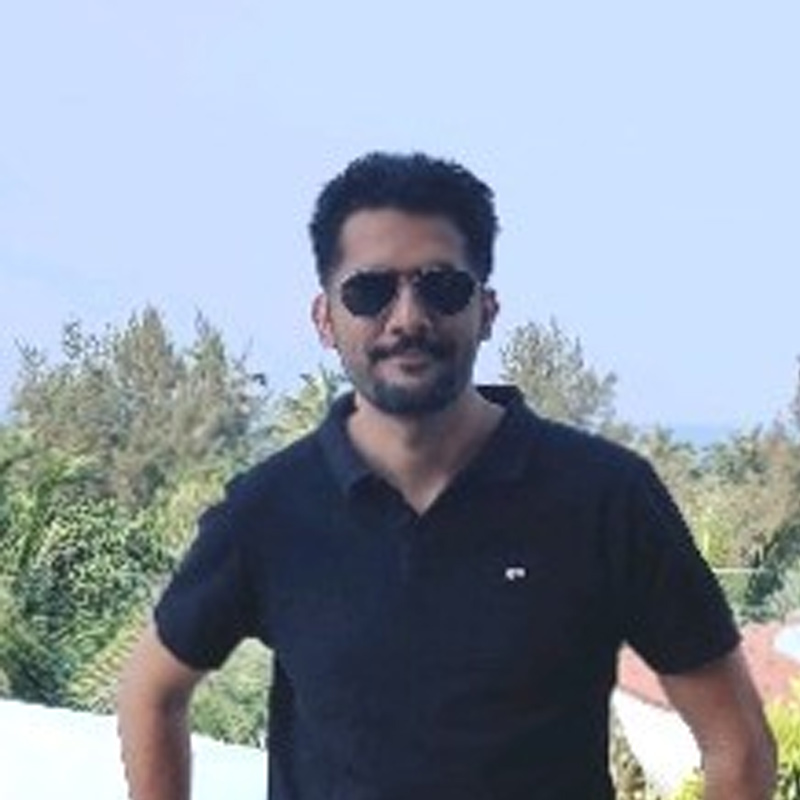
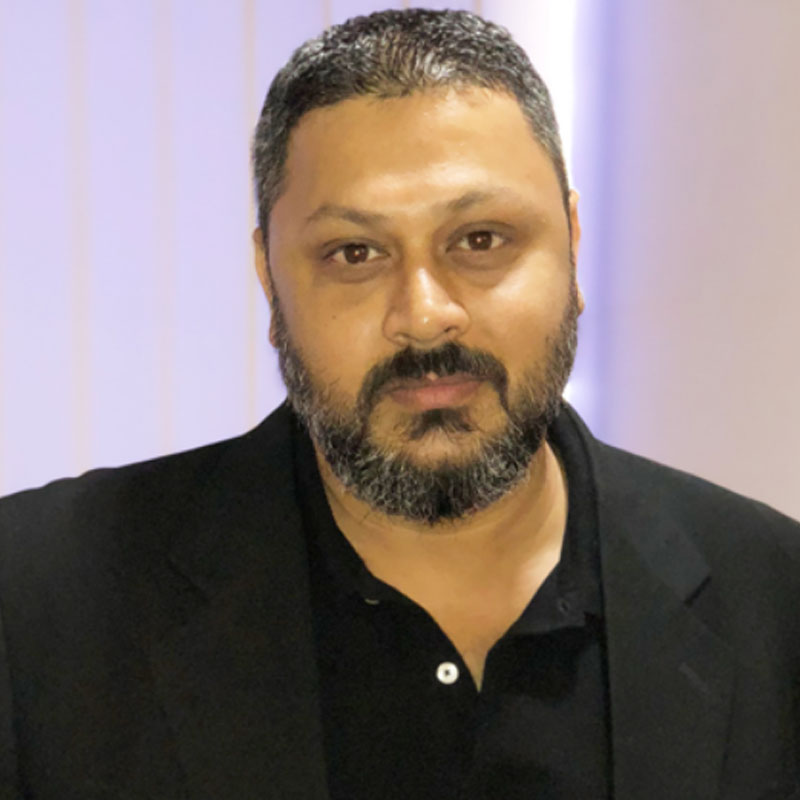
  • ‘Weekend Unwind’ with: Vajra Global Consulting Services CEO Ganapathy Sankarabaaham

    ‘Weekend Unwind’ with: Vajra Global Consulting Services CEO Ganapathy Sankarabaaham

    Mumbai: With another weekend upon us, it is time to unwind with the latest Q&A edition of Indiantelevision.com’s Weekend Unwind — a series of informal chats that peek into the minds of corporate executives through a fun lens in an attempt to get to know the person behind the title a little better.

    In this week’s session we have digital marketing company Vajra Global Consulting Services CEO Ganapathy Sankarabaaham opening up the windows to his thoughts.

    As CEO of an award-winning digital marketing agency, his vision is simple: to create a unique digital-led marketing strategy to help clients’ businesses grow profitably, meet their goals, and win in the market.

    Ganapathy’s strengths include the ability to quickly understand a business and its goals, to draw up a big-picture growth strategy, and a digital-led execution approach.

    At his firm, he has a robust programme management framework that easily captures business objectives and maps them to measurable outcomes.

    He takes pride in visualising, creating and delivering digital transformation and marketing programmes successfully for both B2B and B2C clients.

    Vajra Global, we specialise in working with technology, e-commerce, healthcare, and event companies. A collaborative, customer-first principle guided by ethics, transparency, and respect for every human being sums up Vajra’s motto.

    So without further ado, here it goes…

         Your mantra for life

     Dream big. Never give up!

        A book you are currently reading/plan to read

    “Visionary thinking” by Ashish Jaiswal.

        Your fitness mantra, especially during the pandemic

     Stay strong, stay positive. This too shall pass.

        Your comfort food

     Rasam rice.

        When the chips are down a quote/ philosophy that keeps you going

    When the going gets tough, the tough gets going! (or) when life gives you lemons, make lemonade.

        Your guilty pleasure

     Ice cream.

        When was the last time you tried something new?

    Today.

        A life lesson you learnt the hard way

    It’s in the details.

         What gets you excited about life?

     Challenges, ideas, discovery, people, and growth.

        What’s on top of your bucket list?

     A trip to Norway.

         If you could give one piece of advice to your younger self, what would it be?

    Enjoy the journey!

         One thing you would most like to change about the world

    Supercharge positivity, self-belief and compassion.

        An activity that keeps you motivated/charged during tough times

    Running.

        What lifts your spirits when life gets you down?

    Right intentions and efforts always deliver the right results in time.

        Your go-to stress buster

    Sleep.

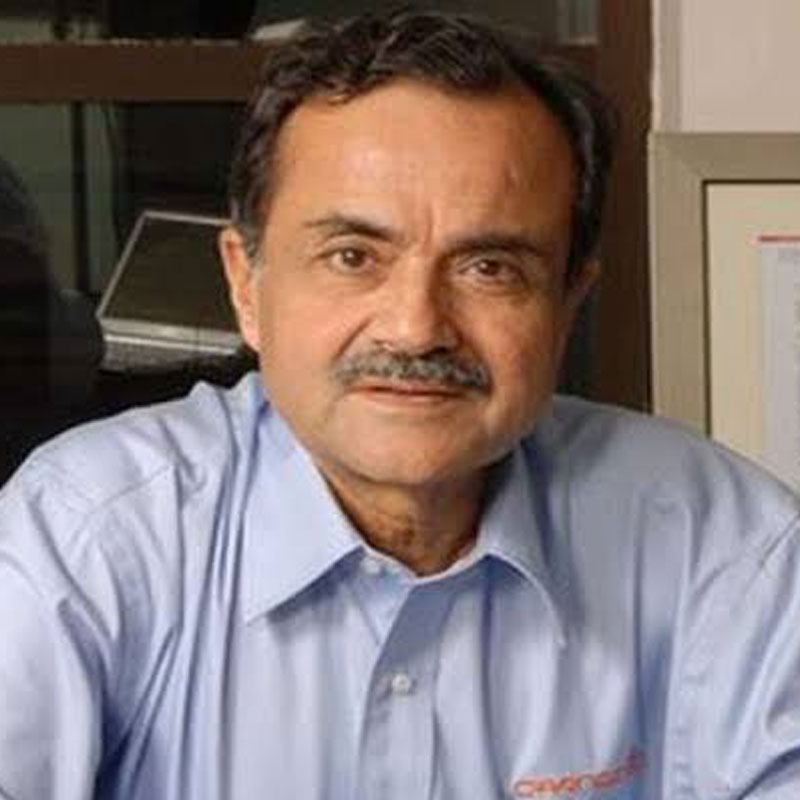
  • ACKO appoints Saurabh Jha as senior VP of digital marketing

    ACKO appoints Saurabh Jha as senior VP of digital marketing

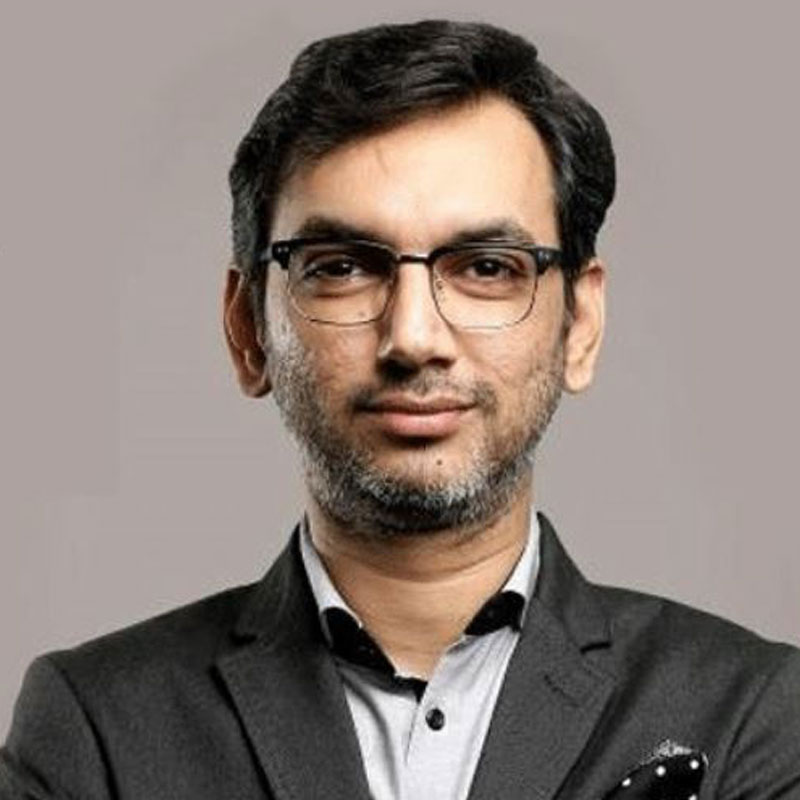
    Mumbai: Digital-native insurer Acko has announced the appointment of Saurabh Jha as the senior vice president of digital marketing.

    Saurabh is a seasoned leader with strong management experience across the consumer internet and start-up space. He has worked in various verticals such as travel, ecommerce, and real estate for both digital and traditional marketing functions. Saurabh’s prime focus has been to lead businesses towards excellence.

    At Acko, he will be responsible for scaling and driving growth across all business units, and his mandate will include digital marketing, content, and strategic partnerships.

    Before joining Acko, Saurabh was associated with Housing.com as the senior director of growth, marketing & analytics, where he spearheaded the team. During his professional journey, he has also contributed significantly to the growth of HolidayIQ and Jungle Lodges & Resorts.

    Saurabh holds a Master of Business Administration (MBA) degree from IIFM and a bachelor’s degree in computer science.

    Speaking at Saurabh’s appointment, ACKO founder & CEO Varun Dua said, “I am delighted to welcome Saurabh to the team. Saurabh brings with him years of knowledge in the performance marketing domain. He has been a part of the growth journey of some well-known digital brands and clearly understands what it takes to fuel growth for brands.”

  • GUEST ARTICLE: Performance based tracking platforms are ensuring customer centricity and empowering them to grow their business at scale

    GUEST ARTICLE: Performance based tracking platforms are ensuring customer centricity and empowering them to grow their business at scale

    Mumbai: Across geographies, the performance marketing ecosystem is constantly growing and has become more complex over time. It has witnessed fast-tracked growth on the sidelines of both the rise of SaaS platforms and the popularity of affiliate networks. According to Emarketer, total digital ad spending is projected to reach $526.17 billion by 2024, up from $332.84 billion in 2020. The onset of the pandemic made businesses take notice of monetary resource allocation like never before. As a result, in the post-pandemic era, new age tracking platforms enable businesses to make data-driven decisions and scale their operations at the most competitive price points. All this has been made possible by offering the highest level of automation, which continues to empower companies and ventures of all sizes with the tools they need to stay competitive and scale their business.

    Need for tracking platforms to put customers at the centre of all of their actions

    The current market offerings provide limited data insights and require substantial manual work. There are still ample numbers of cases where account managers spend a large extent of their working time conducting repetitive tasks such as approving offers, notifying clients, or creating Excel tables to derive insights. Performance tracking platforms need to listen to customer feedback and, based on that, build their technology stack. Equally important is to remember that every client has different needs and requirements, and they need to be provided with tools so that marketers can successfully measure and optimise campaigns at an affordable price.

    Understanding the four key ways of demonstrating customer centricity and its impact on business growth.

    Never before has it been more important for performance tracking platforms to give customers the freedom to adapt technology to their needs while also reacting to post-pandemic changing environments. This includes modifying, filtering, and enhancing events in real-time.

    Businesses should be given a broad range of tools instead of a one-size-fits-all solution. At the same time, providing clients with full control over their traffic to prevent fraud is indeed the need of the hour.

    Clients should have all their marketing needs in one platform. Automation is key to streamlining processes and giving clients more time to focus on high-value tasks that will grow their business.

    In this regard, performance tracking networks should make critical analytics consistently available on a marketer’s dashboard, making it easier and faster to view performance and take action when necessary. By ensuring customer data reliability through the platform’s comprehensive data display, tracking networks can enable agency partners to have all their data accessible from a single dashboard. They should provide customers with real-time information and innovative automation to give customers time to focus on analytics, strategy, and scaling their business.

    Tracking platforms should strive towards putting customer value at the centre of all of their actions. It is imperative to understand the needs of every customer in order to derive the potential value that they can expect from using the tracking platform.

    Last but not the least, right from onboarding to daily operations, offering customer support services at the highest standard is just as important as the innovative tools and technology that help businesses to scale. These are two sides of the same coin: the innovative technology needed to help businesses scale, and a support service that helps them get the most out of a tracking platform. The onboarding process should be personalised for each client, ensuring that they get the most out of the platform’s innovative tools. Separate dedicated onboarding sessions play a crucial role in helping customers get familiar with their way around the tool from the very beginning. Once clients get familiar with the tool, focus should be put on understanding their use cases to help reiterate key features (such as the automation engine and optimization features) that set the chosen platform apart from other market players. Providing short explainer videos that directly showcase certain features—from how to set them up to refining them for a client’s specific purposes and more – is yet another useful route.

    Time and again, it has been proven that a customer-centric approach empowers marketers to scale their companies, resulting in satisfied customers. If tracking platforms can continue to focus on innovating reliable technology while also putting in place excellent customer service, they can certainly help in accelerating their clients’ business growth.

    The author of this article is Yogeeta Chainani, co-founder & chief executive officer (CEO), Swaarm.

  • Abhirath Anuwal joins BlissClub as the head of commerce

    Abhirath Anuwal joins BlissClub as the head of commerce

    Mumbai: The women’s activewear brand BlissClub announced the appointment of Abhirath Anuwal as their head of commerce. In this role, he is responsible for all marketing and revenue-generating activities across online and offline channels.

    Abhirath joins BlissClub after his stint with Intuit, a consumer and business financial platform in the US, where he was in the corporate strategy and development team responsible for identifying and helping execute organic and inorganic growth levers for the company. He previously worked in management consulting at Bain and completed his graduation from Yale.

    On his new role, Abhirath said, “BlissClub is one of those rare companies with strong growth prospects and innovation in its DNA. I feel lucky to be able to play my part in this journey and I’m energised by the talented team around me every day.”

    BlissClub is a homegrown consumer brand that crafts functional and incredibly comfortable activewear with a focus on Indian women, and now a LinkedIn Top Startup for 2022, has made a number of key hires recently.

  • LEAD announces Anupam Gurani & Manoj Naik elevation at a leadership role

    LEAD announces Anupam Gurani & Manoj Naik elevation at a leadership role

    Mumbai: Homegrown school edtech unicorn, LEAD, has elevated Anupam Gurani to chief business & marketing officer and Manoj Naik to chief finance & operations officer.  In their new positions, Gurani and Naik will further strengthen LEAD’s proposition as an integrated school edtech solutions provider with expertise in operations, classroom management, curriculum, and pedagogy.

    In addition to his marketing responsibilities, Gurani will now also drive customer success and revenue generation at LEAD, with a focus on continually delivering great results for all school stakeholders, and Naik will also lead supply chain and procurement excellence, in addition to leading financial operations at edtech.

    LEAD co-founder and CEO Sumeet Mehta said, “Gurani and Naik are leading our mission of bringing excellent education to every child. With their deep expertise and experience, I am sure they’ll continue to contribute to the lead in their elevated roles.” 

    “The opportunity to build on our current momentum for growth and student confidence-building through school edtech is tremendous, and I am excited to take on this new role. I look forward to working with our teams to drive further success for LEAD as we continue to make excellent learning accessible and affordable for students across India,” said Anupam Gurani. An accomplished sales, marketing, and strategy professional with over 18 years of experience, Gurani has previously led teams in leading multinational organisations across India and Southeast Asia, including Disney+, Hotstar, Vodafone, Google, and Reckitt.

    “I am thrilled to be a part of LEAD at this important juncture in its journey of impact and growth. As we continue to shape the future of learning outcomes in India’s schools, I am excited about the opportunity to strengthen operational excellence with an incredible, values-driven team,” added Manoj Naik. With over 30 years of experience, Naik has led finance, commercial and technology operations in leading companies such as GE Capital, ManipalCigna Health Insurance and Fullerton Securities, among others across India and the UAE.

  • Stage set for the second edition of Indian Digital Brand Fest 2022

    Stage set for the second edition of Indian Digital Brand Fest 2022

    Mumbai: In today’s digital world, the way that companies connect with their customers and cater to their preferences is key. The digitally empowered consumers of today have more choices than ever before, as the online medium becomes the new battleground for brands to up their marketing game and retain their connection with consumers. At the Indian Digital Brand Fest 2022, organised by Indiantelevision.com to be held on 12 October at Mumbai’s ITC Maratha Hotel, we take a deep dive into how businesses can leverage evolving technology to be their allies. The second edition of the Digital Brandfest brings together a host of industry experts, brands, advertisers, tech-platforms, top marketing professionals from across the spectrum and solution providers accelerating digital growth in India under one roof to analyse the digital transformation happening in the industry, propelled by new-age tech. The Digital Brand Fest 2022 will host 40 plus speakers and over 200 delegates from new-age D2C brands as well as the legacy consumer companies of India, in the largest gathering of digital brands. The one-day physical event boasts over ten sessions of panel discussions, fireside chats, and keynote knowledge sessions by the digital doyens on a host of industry relevant issues that discuss the trends shaping the future of marketing and advertising for brands. The summit is carefully curated around sessions to guide the market players with the right insights, strategies, and tech solutions and partners to build future-proof brands. The summit will also look at the latest trends driving the change in consumer behaviour and how it has impacted the industry’s growth. Google India’s director of business solutions & insights Priya Choudhary will address the keynote session at the summit, which will see participation from top industry speakers such as Warner Bros. Discovery director of marketing, South Asia Azmat Jagmag, dentsu India Media COO Bhaskar Jaiswal, Lokmat Media sr. EVP & head of digital business Hemant Jain, HDFC Bank VP & head of digital acquisition, content, & social media marketing Jahid Ahmed, Godrej Consumer Products vice-president & head of media services Subha Sreenivasan Iyer, Essence India VP of media activation Rahul Marwaha, GroupM India’s Niraj Ruparel, and many more. In a special address, Divya Karani, CEO, Media South Asia, dentsu will weigh in on “navigating advertising in a madtech world” in a special address. Indiantelevision.com group founder, CEO & editor-in-chief Anil NM Wanvari will engage mediasmart vice president, India and SEA Nikhil Kumar in a candid fireside conversation. Another special session will see JioAds CEO Gulshan Verma address the elite gathering on the topic ‘Unlocking opportunities-India beyond metros.’ The subjects and themes of discussion at the second edition of the IDBF summit will include content marketing for web 3.0, the metaverse marketing playbook, the martech stack roadmap for D2C brands, Among the topics covered are crossing the chasm: direct to programmatic, identity in a cookie-less world, and new-age internet users—challenges and opportunities. TV9 Network is the presenting partner for the event, which is co-powered by mediasmart. Adgebra and TellyChakkar are the associate partners, and Playflix & One Take Media Co. are the industry support partners. The event is executed by ITV 2.0 Productions.

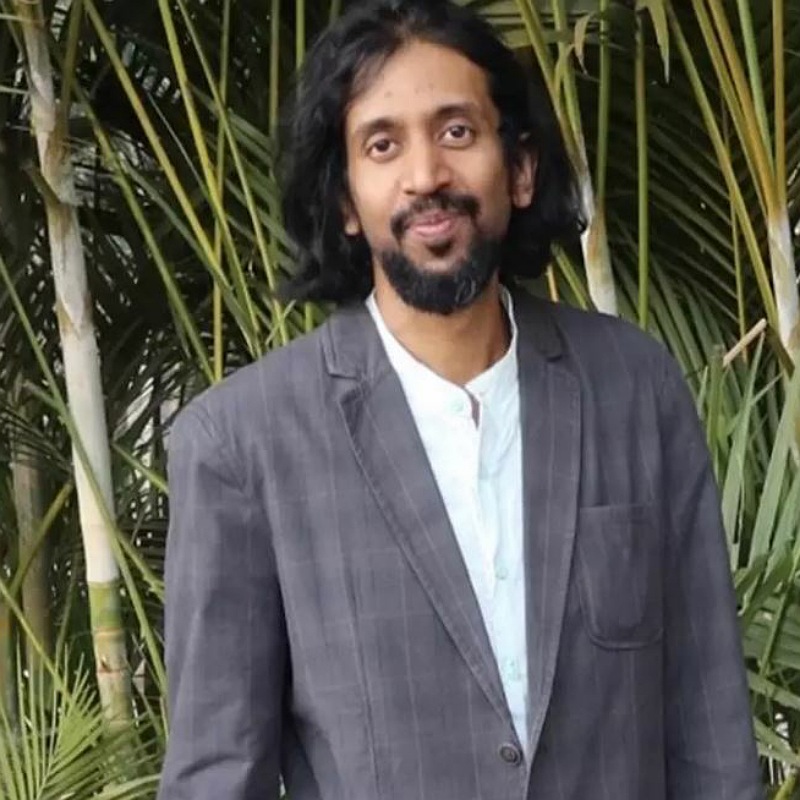
  • ‘Weekend Unwind’ with: Krazyfox co-founder Vishal Srivastava

    ‘Weekend Unwind’ with: Krazyfox co-founder Vishal Srivastava

    Mumbai: With another weekend upon us, it is the time to unwind with the latest Q&A edition of Indiantelevision.com’s Weekend Unwind — a series of informal chats that peek into the minds of corporate executives through a fun lens in an attempt to get to know the person behind the title a little better. 

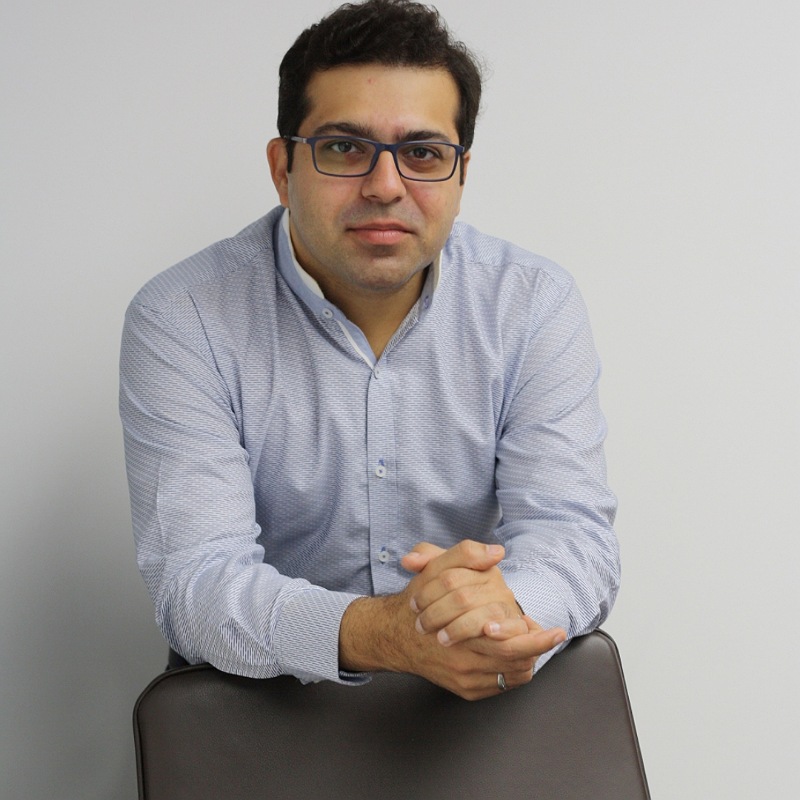
    In this week’s session we have Krazyfox co-founder Vishal Srivastava opening up the windows to his thoughts.

    KrazyFox is one of the fastest-growing multi-channel networks, offering a smooth collaboration between brands and creators with a network of over 80,000 influencers in India, the Middle East, and Singapore.

    Srivastava is an enthusiastic 24-year-old entrepreneur driving the success of the influencer marketing industry in India. In just two years since the inception of his venture into Krazyfox, the revenue has doubled from the first year.

    In his previous role, Srivastava worked as a business unit head at Talenzo Media. People recognise him as a thought leader in the influencer marketing industry for his startup and investment-related expertise. He studied engineering at Sinhgad College of Engineering, Pune.

    So without further ado, here it goes…

    Your mantra for life:
    I live by only one mantra: “Be patient in learning; results will come automatically.”

    A book you are currently reading/plan to read
    I am currently reading “The Coaching Habit: Say Less, Ask More, and Change the Way You Lead Forever” by Michael Bungay Stanier. I am reading this in an attempt not to be an advice monster.

    Your fitness mantra, especially during the pandemic
    I have taken fitness more seriously post-pandemic. But I feel my body will take a lot more time to recover from all the stress-eating and bad food choices I made during the pandemic. However, I am doing yoga for 40 minutes daily, which helps me stay active and focused throughout the day.

    Your comfort food
    Like every Indian guy, I love ‘Maa Ke Hath Ka Khana.’ So no cuisine can beat that taste for me. Apart from that, I enjoy eating chicken biryani.

    When the chips are down, a quote/ philosophy that keeps you going?
    “It’s not about money or connections — it’s the willingness to outwork and outlearn everyone when it comes to your business. And if it fails, you learn from what happened and do a better job next time,” says Mark Cuban.

    Your guilty pleasure 
    I think I have a lot of guilty pleasures. The ones I am comfortable disclosing are having too much ice cream and stress-eating. So, whenever I feel the situation is not going my way, I have ice cream to chill me out, and genuinely, it works like magic.

    When was the last time you tried something new?
    Since the inception of Krazyfox, every new task, every recent meeting, and every client is something new I am doing. So, I can say I am trying something new every hour. Every time I meet new people, I learn new lessons and have new takeaways.

    I am also thrilled to explore new business ideas and help them with investment and funding.

    A Life lesson you learnt the hard way
    In the initial years of your business, you meet different people; some want you to see them grow, and some take advantage of you as a tool to further their success. But it would be best if you weren’t disappointed or afraid of them because these people will teach you who to trust and who not. So, if you are ambitious and desire to make it big, be your pillar and be ready to embrace anything life throws at you.

    What gets you excited about life?
    Hustle! I approach life with curiosity. Life has a lot of happiness and lessons in store for us all. I am too excited to wake up every day to find out what’s in store for me.

    What’s on top of your bucket list?
    Climb Kilimanjaro, the tallest free-standing mountain, and get eight hours of sleep every night.

    If you could give one piece of advice to your younger self, what would it be?
    Someone’s opinion of you doesn’t have to become your reality. Never lose faith in yourself; others are not aware of your capabilities.

    One thing you would most like to change about the world
    Let life and relationships be the foremost priority. Every relationship you create, personally or professionally, is essential because it defines your character and personality. You will receive the same if you have ethics and respect for others.

    An activity that keeps you motivated / charged during tough times
    I am trying my best to be disciplined in life because I have witnessed that disciplined people are always energetic and motivated. Whenever I feel low, I try to share that feeling with family and friends who care.

    What lifts your spirits when life gets you down?
    It is often said that tomorrow is not promised. So the possibility of a new tomorrow helps me channel and navigate my mindset to get the desired outcome.

    Your go-to stress buster
    Stress is a constant; talking to my confidante helps me relax and motivate again, whether it is work-related or personal. Also, I never mind reading something that interests me.

  • We have always aimed to not only grow the brand but also the e-cycle segment: Hero Cycles CMO Rachit Gupta

    We have always aimed to not only grow the brand but also the e-cycle segment: Hero Cycles CMO Rachit Gupta

    Mumbai: The unassuming bicycle has come a long way today from its humble antecedents in India. From being the go-to means of transport for the common man for decades, especially amongst the lower-income strata of society, it has seen a resurgence of sorts in recent years. The modest two-wheeler is slowly gaining popularity in its modern and technologically advanced avatars among the younger and affluent populace, not in the least due to the fitness and adventure biking priorities fuelled by the pandemic. Growing congestion, industrialisation, and an increasing focus on sustainability are also pushing a rising demand for cycles in India.

    Today, the Indian bicycle industry is dominated by roadsters, premium mountain bikes, sports bikes, hybrid bikes, touring bikes, and other categories. The e-bike movement has also been gearing up in the last few years. By 2022, e-bikes are expected to hold a 50 per cent stake in the overall bicycle market on a global basis as an increasing number of people are opting for e-cycles for their everyday short-distance commutes. The Indian e-cycle market is growing at a CAGR of 55 per cent as per data for the forecast period of 2021–2026. Increasing fuel prices coupled with the expensive and time-consuming maintenance of regular alternate or traditional choices have paved the way for the growth of e-cycles in India.

    Hero Cycles, the flagship company of Hero Motors Company, was established in 1956. Today, the brand is considered the single largest producer of bicycles in the world, claiming to produce up to 19,000 cycles per day.

    Rachit Gupta took over the marketing reins of Hero Lectro—the e-cycles division of Hero Cycles—in August 2020, when India and the world were in the throes of the Covid-19 pandemic. Today, the company is leading the electric revolution in India and holds a dominant position in this fledgling business, as it grows 100 per cent Y-o-Y, adding lakhs of new e-cycle users every year. In April this year, Gupta’s role was expanded to include chief marketing officer of Hero Cycles.

    Indiantelevision.com caught up with Gupta for an interaction on the Indian cycle market, the impact the pandemic has had on it, and the emerging e-cycle space. Gupta also shares his views on the evolving trends, opportunities, and challenges in the industry and on the road ahead for the world’s largest cycle manufacturer, while keeping a firm eye on the global bicycle market.

    Edited excerpts:

    On whether the Indian market is ready for e-cycles, with regards to infrastructure, charging and servicing facilities

    Rachit: The Indian market is absolutely ready for e-cycles. The best part about e-cycles, unlike other electric vehicles, is the fact that you just need a regular plug point to charge them. There are no special charging ports. Additionally, more and more states across the country are investing in cycling infrastructure, which is definitely boosting the adoption of e-cycles and cycles as a whole.

    On the key drivers for the growth of electric cycles in India

    Rachit: E-cycles are still an expensive purchase for most commuters given the increasing cost of their electronic components and batteries. Just as the EV sector has seen, e-cycles also need support from the government to boost the overall growth numbers of the category. Delhi was the first state to include e-cycles in their EV policy, providing direct subsidies to riders, and we have already seen a 2X increase in quarterly e-cycle sales. We are in touch with several other states and the central government and hope to see more good news for the category soon.

    On the emergence of the e-cycle segment in the domestic cycle market, especially in the last couple of years

    Rachit: The pandemic has definitely changed the behaviour of consumers. We have seen the e-cycle market get a much-needed push with a lot of people making sustainable and conscious lifestyle changes. In the first year of the pandemic, we saw a huge surge in demand, which has continued till date. We have been leading the e-cycle race in India with an overall of 1,00,000 e-cycles sold across the country.

    Our key focus lies in both the urban and semi-urban markets as there is a strong demand for short-distance commutes (70 per cent of Indians who commute within a range of 20 km daily). We also believe that young people and first-jobbers aged between 18 and 25 are an important target audience for us as they love to seek new and more connected experiences. At present, about six out of ten bikes that we sell are accounted for in non-metro tier II and tier III cities. While in the metro cities, there has been a significant rise in female riders and we have seen that people staying within a proximity of 15 km of their workspace have started to use e-cycles.

    On the brand’s marketing strategy to reach out to their core TG for e-cycles

    Rachit: There are two primary target markets for e-bikes: commuters who benefit from the per-kilometre cost of only seven paise/km of an e-cycle and commuters who find transportation cheaper than any other mode of transportation for short-distance commutes. The other is an urban rider, who is conscious of the environment, their carbon footprint and their own health while going out on leisure or fitness rides. Our primary focus for both of these audiences is through digital media.

    Our e-commerce-enabled website for Hero Lectro was launched only a few months back and is getting great traction due to its simple UI/UX and interactive features such as AR. It has helped promote D2C sales and strengthen our overall omni-channel presence. It provides a virtually interactive and immersive experience into the world of Hero Lectro and soon to be launched Hero Cycles, giving customers the ease and convenience of buying from an online platform, and offers a host of other services to customers along with doorstep delivery without having to visit a physical store.

    In addition to this, we have a robust omnichannel sales and distribution network with 600 outlets plus e-commerce channels, across 150 cities in India.

    All of this aligns with our vision of transforming the way Indians commute and making cycles and e-cycles a preferred mode of personal mobility for them, helping us maintain a positive outlook.

    On the brand’s USP in the domestic electric cycles space that has seen a number of entrants in the past few years

    Rachit: Hero Lectro has been a leader in this category since the launch of our very first e-cycles almost four years ago. We welcome the entrance of competition as it is an indicator of the increasing consumer demand for e-cycles. Having the advantage of the ‘trust’ that consumers have in brand Hero, along with the technological and design innovations that we have brought forth, helps us build a deep connection with our Lectrons (customers).

    We are an evolving brand and are constantly launching new models based on various customer insights. These insights are gathered to develop new technologies to enhance the overall rider experience. A prime example of this is our technology, which represents New Ride Geometry, Smart Fit Ergonomics, along with Strong and Light Materials (GEMTECTM), and aims to redefine urban commutes and adventure trails while inspiring users to seek out new experiences.

    On the Group’s roadmap for export and global expansion.

    Rachit: At Hero, we have recently invested Rs 400 crore in developing a new facility at Hi-Tech Cycle Valley, Ludhiana, Punjab. Our aim is to manufacture five lakh cycles this year, followed by another ten lakh units and 40 lakh units in the years 2023 and 2024 respectively.

    The major export markets that we see for e-cycles are Europe and America, with the quality of e-cycles that we make in India being appreciated by them. To capitalise on the growing demand for the same, Hero e-cycles is in talks with several international brands for manufacturing cycles under the white-labelling concept, which will also drive our next phases of growth. Our aim is to become one of the top five e-cycle OEMs (original equipment manufacturers) in the world, and this has been possible with our legacy and prowess that we have been able to create for ourselves in the space of cycle manufacturing.

    We, at Hero Lectro, have always aimed to not only grow the brand but also the e-cycle segment. The 100-acre Hero E-Cycle Valley in Punjab is a critical element in consolidating our ambition to make India a global manufacturing hub of premium bicycles and e-cycles.

  • Guest article: What to know about the modern marketing playbook in the era of web 3.0 and AI

    Guest article: What to know about the modern marketing playbook in the era of web 3.0 and AI

    Mumbai: For quite a while now, two terms have been making very speedy rounds in marketing circles-web3.0 and artificial intelligence. This new wave of the internet is set to disrupt the way marketing is done globally, commanding quick and agile systems. The reason: this is where the consumers of the future are. As marketing tactics change along with the advent of the digital revolution, new standards will be established at the same time, drastically altering modern marketing.

    What is web 3.0, and what are the new trends it brings to the table

    The third generation of the internet, or web 3.0, integrates data in a decentralised manner to provide a quicker and more individualised user experience. Constructed with the help of artificial intelligence, machine learning, and the semantic web, it uses the blockchain security system to improve privacy and provide an immersive experience with a marketing opportunity. So, businesses stand to benefit from an online presence here, and marketers will get a stronger opportunity to connect with their target customers.

    Web 3.0’s degree of functionality has been attained in the previous two web generations. Its technical ancestor, known as web 1.0, was born in 1989 and reached its prime in the 1990s and early 2000s. Then came web 2.0, which reached its maturity in the middle of the 2000s and introduced the novelty of collaborating and communicating online.

    A rich and interactive marketing experience

    A marketing challenge today is delivering a hyper-personalised experience at a time when users are expected to have more control over their data. And it indicates that reaching out to both present and future consumers will soon become more difficult. Users now create information on the internet as well as consume it, which is helpful for marketing. Here is where web 3.0 components such as AI help make sense of the massive creator data.

    Web 3.0 marketing uses the rapidly changing internet to improve results. For instance, marketers can examine customer chats using natural language processing technologies. AI has also been utilised to further personalisation, particularly in the areas of online content rendering and presentation, the delivery of e-commerce goods, and automated customer assistance. A greater symbiotic link between humans and machines will lead to more web 3.0 features having a significant impact on marketing. Besides this, the other brilliant arms of web 3.0 are NFTs and the metaverse, which is an all-consuming version of the internet that uses tools like virtual reality (VR) and augmented reality (AR) to work, play, and amuse others in a 3D environment.

    How to market effectively on Web 3.0

    Any kind of creative work can be represented by NFTs, giving advertisers the opportunity to reach consumers with a range of interests. They can be implemented into customer loyalty programmes where participants are given the chance to acquire exclusive products. This is being done to perfection by brands like Taco Bell, Macy’s, and Budweiser.

    Immersive surroundings, virtual user identities, and a working virtual economy are all distinctive aspects of the Metaverse. Its objective is to mirror physical environments and lives in digital form, thus enhancing human potential. The metaverse offers marketers the chance to connect with consumers in a brand-new setting where they are fully engaged. Businesses will have the ability to increase their reputation by highlighting the assured security of blockchain transactions.

    Web 3.0/AR & VR are being touted as game-changers in modern marketing. Given its immersive and ‘phygital’ nature, interoperability, and collaboration capabilities, however, an ongoing commitment to the platform is key. Many web 3.0 principles are still up for dispute.

    Web 3.0 is still being defined as a whole since there isn’t a single, agreed definition of what it exactly is. In other words, we are creating the aircraft while we fly. Despite this, there is no denying that web 3.0 is changing the way that the modern corporation interacts with its clients. In addition to the numerous potential advantages for early adopters, marketers should be actively involved in the process of establishing this next phase of the internet because they have a duty to future generations. Numerous companies have begun experimenting in this realm, including brands like Airtel, MakeMyTrip, Amazon and Swiggy.

    In one classic example Alpenliebe brand house which comprises candies, pop & Eclair collaborated with Nickelodeon’s annual awards property – Kid’s Choice Awards which screened in the metaverse. Hosted at Decentraland which is one of the biggest metaverse platforms globally, the brand organized a quirky entry for its participants where they were asked to form their own ‘’Avatars’’ upon registrations. A slime pool, a blimp pool, slime fountains & fun slides also appealed to the kids. The metaverse event was mobile friendly which delivered an immersive user experience and created good brand value.

    Again, for companies like Starbucks, technology need not alienate us. To quote Tata Starbucks director of marketing, category, loyalty and digital Deepa Krishnan, who is also a jury member at MMA India Smarties 2022, the future will be all about marrying technology with purpose, experiences, and value by getting to know consumers, their interests, and preferences and making their lives simpler through deep analytics, harnessing multi-point data and insights.

    Five years ago, marketers were beginning to shift more spends online through advertising and digitisation, notes Krishnan, adding that the pandemic hastened that significantly. “The future will be about bringing the offline experience online. It is going to be about humanising the digital. People realise and appreciate the power of human connections and are increasingly craving community-driven engagements. How a brand connects with its consumers is still very much significant and will always remain paramount,” she adds.

    Revolutionising the marketing and advertising industry

    The future customer won’t be susceptible to today’s issues, such as obtrusive marketing and inadequate data protection, thanks to a solid foundation. But for businesses looking for success in the new era of the internet, AI and the metaverse-based research technology will not only introduce them to the developing web 3.0 marketing but will also give them access to the consumer and market intelligence necessary to grow a company.

    The author of this article is MMA India country head Moneka Khurana.

  • Guest Article: Is Fem-vertising really working to sell products

    Guest Article: Is Fem-vertising really working to sell products

    Mumbai: It’s an established fact that advertising has a larger role than simply selling products. Advertising mirrors society and also encourages people to embrace change. But this change is only visible in recent times. Observe how women were portrayed in advertising a few years ago. Mostly as housewives, doing chores at home, cooking for their families and finding happiness in being appreciated for the same. Or objectified as sex symbols to gain instant attention. It’s only in recent times that advertising has taken it upon itself to change the narrative and show women in a different light. Building an inclusive world is the responsibility of everyone, and advertising plays a clear role in encouraging society to look at the world through a better set of eyes.

    Femvertising is the kind of advertising strategy that employs women in a different light. Using an empowering tone of voice, these ads are breaking the norm and displaying a more progressive and gender-free world. In India specifically, these campaigns are breaking conventional ideas around gender equality, patriarchal mindsets, and other commonly held notions. A lot of these campaigns have won awards and been applauded on social media. “BreaktheBias” by Titan, “#ShareTheLoad” by Ariel, and “#MyChoice” by Vogue are just a few of the notable efforts made by advertisers. These advertisements are pitched like beacons. They fuel the conversation about how women should really be portrayed. The current wave of femvertising is riding on a woke generation’s mindset to call out societal fallacies. It is also built on the premise of wanting to promote a more authentic and real image of women and their lives.

    And while these campaigns definitely get their fair share of attention, I wonder if they have a larger impact than the buzz that they create. Is this simply a brand-building tactic that creates a positive aura around the brand, or is there a real intent to change society? How do these campaigns impact the primary objective of advertising? Do they really lead to short-term and long-term sales? Or is the message too far removed from the product?

    Research has shown that a lot of people who see these advertisements find them engaging and interesting. They appreciate the message being conveyed but do not necessarily support or purchase the product being advertised. Which takes one back to the basic theory of advertising. Advertising is meant to inspire and cultivate a certain kind of lifestyle. It is meant to reflect an ideal. One that everyone secretly wants. At a subconscious level, advertising generates desire. It fulfils a need or a pain that people have. In its bid to be hyper realistic, does femvertising lose out on the appeal and aspiration that advertising has traditionally been hinged on? Watching a curvaceous real body instead of an airbrushed and photoshopped one is surely endearing, but is it aspirational? Does it make me want to buy the brand to fulfil a deeper desire to become something other than myself?

    Also, what about sales? I was recently caught by surprise when I saw a steel brand advertising the concept of “Nari Shakti.” While the ad was interesting and engaging, I wonder if it had any relevance to the target audience of the category? The ad was successful in building credibility for the brand, but I doubt it led to any jump in sales at all.

    A lot of brands have jumped onto the bandwagon of femvertising without understanding the basics. It has become a fad that wins awards and gets viral on social media. Today it is femvertising, and tomorrow it may be another trend that advertisers will pick up on to create a buzz. However, this cannot be said for all brands. There are some noteworthy campaigns that have cleverly woven together the product and brand characteristics with the narrative of the ad. Vim’s “Nazariya Badlo, Dekho Bartano se Aage” has cleverly used the product in its storyline when a man tries to ‘help’ his prospective bride in the kitchen, while she offers to ‘help’ him back with cleaning the dishes. It’s a clear message of a balance of roles and responsibilities while also incorporating the product into the story.

    Views on femvertising are mixed. A lot of critics reprimand advertising agencies for promoting this kind of advertising to win awards and to increase visibility on special days like Women’s Day or Mother’s Day. While there are several brands that use femvertising in interesting ways. I wonder if femvertising is here to stay, or is it a passing wave? Is it truly having an impact on society and changing how women are perceived, or is it simply a shallow tactic to generate more likes, shares, and buzz in the media? I’m hoping that there are more brands that create relatable and inspiring content that reflects society and also encourages change in more authentic ways.

    The author of this article is Jigsaw Brand Consultants founder Rutu Mody Kamdar.