Tag: marketing

  • GroupM, Mindhsare and Gramener build data-driven visual solution for Times Now

    GroupM, Mindhsare and Gramener build data-driven visual solution for Times Now

    MUMBAI: Mindshare and GroupM have partnered with Gramener, a leading data visualization company to create data-driven visual solutions for actionable insights across the marketing & communications ecosystem.

    Data increasingly powers every element of the marketing mix –source of growth, consumer behavior, content creation, mix optimization and measurement. This partnership leverages GroupM & Mindshare’s strong customer reach and Gramener’s compelling visual analytics platform to create solutions that leverage dormant data assets and bring them alive through cutting edge visualization.

    The first project undertaken after the partnership was for the leading English news channel Times Now on May 19 2016, when the State election results were announced. The team put together a unique, real time visualization of historic and current data that helped Times Now stand out strongly in the news clutter and gave viewers a compelling Visual Data Journalism experience.

    Speaking about the data visualization products created especially for Times Now, the channel’s editor in chief Arnab Goswami said, “We were able to collate historic data dating back to the year of independence, and with the help of the Mindshare and Gramener team, we showed our viewers the latest trends and changing political scenario of the country, as the results of the latest State Elections were announced on May 19th 2016. Our reportage on the elections was holistic, and the data presentation helps the viewer understand our political environment better with the in depth analysis of our editorial team.The seamless workflow integration between the production teams of our news network and Gramener on a real time extremely fast paced election result day was a path breaker. I am absolutely delighted with this association.”

    Mindshare South Asia CEO Prshanth Kumar said, “To truly deliver on our philosophy of Adaptive Marketing, it is critical that Data is brought alive and put to best effect. Our partnership with Gramener will help us deliver this consistently and in a compelling fashion. We will announce our first joint product very soon”

    Gramener cofounder Naveen Gattu added,”We are excited by this partnership. It will help us untangle the data footprint and create powerful decision making tools for every marketing manager and executive.”

  • GroupM, Mindhsare and Gramener build data-driven visual solution for Times Now

    GroupM, Mindhsare and Gramener build data-driven visual solution for Times Now

    MUMBAI: Mindshare and GroupM have partnered with Gramener, a leading data visualization company to create data-driven visual solutions for actionable insights across the marketing & communications ecosystem.

    Data increasingly powers every element of the marketing mix –source of growth, consumer behavior, content creation, mix optimization and measurement. This partnership leverages GroupM & Mindshare’s strong customer reach and Gramener’s compelling visual analytics platform to create solutions that leverage dormant data assets and bring them alive through cutting edge visualization.

    The first project undertaken after the partnership was for the leading English news channel Times Now on May 19 2016, when the State election results were announced. The team put together a unique, real time visualization of historic and current data that helped Times Now stand out strongly in the news clutter and gave viewers a compelling Visual Data Journalism experience.

    Speaking about the data visualization products created especially for Times Now, the channel’s editor in chief Arnab Goswami said, “We were able to collate historic data dating back to the year of independence, and with the help of the Mindshare and Gramener team, we showed our viewers the latest trends and changing political scenario of the country, as the results of the latest State Elections were announced on May 19th 2016. Our reportage on the elections was holistic, and the data presentation helps the viewer understand our political environment better with the in depth analysis of our editorial team.The seamless workflow integration between the production teams of our news network and Gramener on a real time extremely fast paced election result day was a path breaker. I am absolutely delighted with this association.”

    Mindshare South Asia CEO Prshanth Kumar said, “To truly deliver on our philosophy of Adaptive Marketing, it is critical that Data is brought alive and put to best effect. Our partnership with Gramener will help us deliver this consistently and in a compelling fashion. We will announce our first joint product very soon”

    Gramener cofounder Naveen Gattu added,”We are excited by this partnership. It will help us untangle the data footprint and create powerful decision making tools for every marketing manager and executive.”

  • Luxury brands make the most of digital ad spends

    Luxury brands make the most of digital ad spends

    MUMBAI: Since digital advertising became mainstream, if there is one sector that saw  a sea change in its media planning, it’s the luxury brands. With social media influencers, independent makeup artists, Instagramers, Youtubers and what not becoming the the new age style icons, it is not unnatural for them to call dibs in the precious ad spends.

    Now that there are so many channels of communication at the brands’ disposal, the bifurcation of annual marketing is far beyond the straightforward split in print, OOH and television. Brands are exploring content branding and native advertising with partnerships with well known publishers, putting up content in brand owned platforms and of course, the social media. This shift from traditional to unconventional was drastic and needless to say, so was the change in planning for the brands.

    Looking at the broader picture in the market, between 2014 and 2015 the expenditure on luxury goods advertising — such as luxury automotive, fragrances & beauty, fashion & accessories, and watches & jewellery — saw a major setback dipping down to 1.9 per cent growth rate in 2015, partially due to advertisers reaction to the unrest in BRICS nations, as per ZenithOptimedia’s Luxury Adspend Forecast, which is a collaboration  Zenith’s Worldwide Publications Team and Zenith France

    “Adspend shrank by 1.4 percent in Asia and by a massive 20.3 percent in Eastern Europe, mainly as the result of the oil crisis and rouble devaluation in Russia, but the global total was buoyed by strong growth in North America (3.6 percent) and Western Europe (4.7 percent),” read the report.

    The latest 2016 report however shows a slow but positive recovery of the luxury ad spends in Asia to 2.9 percent, pulling the overall global growth in ad spends to 3 per cent.  “The decline in Eastern Europe slows to 2.8 percent. North America will stay strong, with 3.9 percent growth, but Western Europe will slip back to 1.7 percent. Overall we forecast 3.0 percent growth in luxury ad spend across our top 18 markets in 2016,” the report adds.

    The 18 markets are China, Colombia, France, Germany, Hong Kong, Italy, Malaysia, Mexico, the Netherlands, Peru, Russia, Singapore, South Africa, South Korea, Spain, Taiwan, the United Kingdom and the United States of America.
     
    The figures in the report however clearly point at the slow rate at which  luxury advertising is growing as opposed to all other categories.

    “Across our top 18 markets, luxury advertising grew by 2.9 percent in 2014, compared to 5.6 percent for advertising as a whole, and 1.9 percent in 2015 (compared to 4.1 percent). We forecast this underperformance to continue, with luxury advertising growing 3.0 percent in 2016 compared to 4.5 percent growth across all categories,” the report further pointed out.

    While many factors can be listed for the underperformance of the category, several industry experts find it unfair that luxury advertising be compared to other categories as it works on a completely different set of marketing rules.  As senior brand consultant and business strategist Harish Bijoor puts it, “True luxury is never advertised as luxury is meant to be exclusive. Therefore expect the luxury ad spends in traditional marketing mediums to grow won’t be correct. Luxury advertising is always meant to be a nano-niche of mass advertising. “

    “Most luxury brands’ marketing budget should not go in their top line advertising but in below the line work. Some brands also spend a lot on direct marketing or one is to one communication with specific clients. A fair bit of money goes into all that,” Bijoor added.

    Dentsu Aegis Network South Asia CEO and chairman Ashish Bhasin on the other hand sounds comparatively more optimistic of the category’s performance, especially in India. Quoting a study done by Carat, Bhasin shares, “Don’t know about Asia, but the growth of luxury brands’ ad spends in India was more than 15 per cent in the last one year as per Carat’s estimates. Moreover, retail is a very important aspect of luxury goods marketing, and as the retail situation in India improves and as the FDI mandate loosens up allowing international brands to open single owner stores in cities, the industry will see a boom.”

    Regardless of the difference in perspective on the performance of the category and its contribution to the overall advertising spends, all media stakeholders unanimously agree that the category has more scope to grow with digital media, albeit in different forms.

    “Digital is definitely a great medium because every consumer of luxury brand is mostly fully and completely digital; owns a smartphone, is on more than one digital device and screen, etc. Therefore targeting consumers who can afford to pay premium using digital is definitely a smart play,” shared Bhasin.

    In fact, as per the current Luxury Advertising Expenditure Forecasts by ZenithOptimedia, “Digital advertising is by far the biggest contributor to the growth in luxury advertising, growing consistently at double-digit rates. We expect digital media ad spend by luxury advertisers to increase by USD 837 millon between 2015 and 2017. Over this period, television, radio and cinema will increase by a total of USD 26m between them; outdoor will shrink by USD 10million; and print will shrink by U$150 million”

    Elaborating his point on below the line advertising, Bijoor too emphasised on the growing importance of digital for the sector. “Apart from digital advertising, below the line advertising on digital has proven helpful for luxury brands to grow their market, where bloggers and social influencers are handpicked to make oblique reference of the brand, or wear it themselves which leads to social media conversations and buzz around the internet.”

    While mix media campaigns, promotions leveraged by social media influencers are popular amongst the Christian Diors, Guccis, Tiffanys and the Pradas of the world, not all of them are commercial deals. Meaning not all promotions are paid for by the brands  and thus doesn’t require any marketing budget allotment.

    Popular online style icon Hanadi Merchant who runs the fashion blog style DesiHighstyle.com frequently gets requests from brands like Gucci, Dolce and Gabbana and more, but without any commercial deal in place. “I regularly work with Dior and Gucci, but it is not a paid thing. I do shoots for their product and talk about it in my blog and wear their accessories as well, but there is no commercial deal in place. International luxury brands don’t do such deals in India I think,” Merchant shared.

    When pointed out the fact that these brands spends millions of dollars into advertising their product for the right promotion and visibility, Merchant asserted that her international counterparts do make hefty sums of money through these native advertising efforts, although ‘those bloggers are in a different league altogether.”

    Merchant is also trying out a few Indian high end brands and if things work out well, she would consider a paid deal with the brands. While paid blog articles and social media influence is an ongoing concept in India, due to lack of regulation and monitoring it is hard to estimate how much money is going into these BTL advertisements. As the lines of advertising continue to blur in this market, digital would continue to grow as a preferred medium for communication for luxury brands.

     

  • Luxury brands make the most of digital ad spends

    Luxury brands make the most of digital ad spends

    MUMBAI: Since digital advertising became mainstream, if there is one sector that saw  a sea change in its media planning, it’s the luxury brands. With social media influencers, independent makeup artists, Instagramers, Youtubers and what not becoming the the new age style icons, it is not unnatural for them to call dibs in the precious ad spends.

    Now that there are so many channels of communication at the brands’ disposal, the bifurcation of annual marketing is far beyond the straightforward split in print, OOH and television. Brands are exploring content branding and native advertising with partnerships with well known publishers, putting up content in brand owned platforms and of course, the social media. This shift from traditional to unconventional was drastic and needless to say, so was the change in planning for the brands.

    Looking at the broader picture in the market, between 2014 and 2015 the expenditure on luxury goods advertising — such as luxury automotive, fragrances & beauty, fashion & accessories, and watches & jewellery — saw a major setback dipping down to 1.9 per cent growth rate in 2015, partially due to advertisers reaction to the unrest in BRICS nations, as per ZenithOptimedia’s Luxury Adspend Forecast, which is a collaboration  Zenith’s Worldwide Publications Team and Zenith France

    “Adspend shrank by 1.4 percent in Asia and by a massive 20.3 percent in Eastern Europe, mainly as the result of the oil crisis and rouble devaluation in Russia, but the global total was buoyed by strong growth in North America (3.6 percent) and Western Europe (4.7 percent),” read the report.

    The latest 2016 report however shows a slow but positive recovery of the luxury ad spends in Asia to 2.9 percent, pulling the overall global growth in ad spends to 3 per cent.  “The decline in Eastern Europe slows to 2.8 percent. North America will stay strong, with 3.9 percent growth, but Western Europe will slip back to 1.7 percent. Overall we forecast 3.0 percent growth in luxury ad spend across our top 18 markets in 2016,” the report adds.

    The 18 markets are China, Colombia, France, Germany, Hong Kong, Italy, Malaysia, Mexico, the Netherlands, Peru, Russia, Singapore, South Africa, South Korea, Spain, Taiwan, the United Kingdom and the United States of America.
     
    The figures in the report however clearly point at the slow rate at which  luxury advertising is growing as opposed to all other categories.

    “Across our top 18 markets, luxury advertising grew by 2.9 percent in 2014, compared to 5.6 percent for advertising as a whole, and 1.9 percent in 2015 (compared to 4.1 percent). We forecast this underperformance to continue, with luxury advertising growing 3.0 percent in 2016 compared to 4.5 percent growth across all categories,” the report further pointed out.

    While many factors can be listed for the underperformance of the category, several industry experts find it unfair that luxury advertising be compared to other categories as it works on a completely different set of marketing rules.  As senior brand consultant and business strategist Harish Bijoor puts it, “True luxury is never advertised as luxury is meant to be exclusive. Therefore expect the luxury ad spends in traditional marketing mediums to grow won’t be correct. Luxury advertising is always meant to be a nano-niche of mass advertising. “

    “Most luxury brands’ marketing budget should not go in their top line advertising but in below the line work. Some brands also spend a lot on direct marketing or one is to one communication with specific clients. A fair bit of money goes into all that,” Bijoor added.

    Dentsu Aegis Network South Asia CEO and chairman Ashish Bhasin on the other hand sounds comparatively more optimistic of the category’s performance, especially in India. Quoting a study done by Carat, Bhasin shares, “Don’t know about Asia, but the growth of luxury brands’ ad spends in India was more than 15 per cent in the last one year as per Carat’s estimates. Moreover, retail is a very important aspect of luxury goods marketing, and as the retail situation in India improves and as the FDI mandate loosens up allowing international brands to open single owner stores in cities, the industry will see a boom.”

    Regardless of the difference in perspective on the performance of the category and its contribution to the overall advertising spends, all media stakeholders unanimously agree that the category has more scope to grow with digital media, albeit in different forms.

    “Digital is definitely a great medium because every consumer of luxury brand is mostly fully and completely digital; owns a smartphone, is on more than one digital device and screen, etc. Therefore targeting consumers who can afford to pay premium using digital is definitely a smart play,” shared Bhasin.

    In fact, as per the current Luxury Advertising Expenditure Forecasts by ZenithOptimedia, “Digital advertising is by far the biggest contributor to the growth in luxury advertising, growing consistently at double-digit rates. We expect digital media ad spend by luxury advertisers to increase by USD 837 millon between 2015 and 2017. Over this period, television, radio and cinema will increase by a total of USD 26m between them; outdoor will shrink by USD 10million; and print will shrink by U$150 million”

    Elaborating his point on below the line advertising, Bijoor too emphasised on the growing importance of digital for the sector. “Apart from digital advertising, below the line advertising on digital has proven helpful for luxury brands to grow their market, where bloggers and social influencers are handpicked to make oblique reference of the brand, or wear it themselves which leads to social media conversations and buzz around the internet.”

    While mix media campaigns, promotions leveraged by social media influencers are popular amongst the Christian Diors, Guccis, Tiffanys and the Pradas of the world, not all of them are commercial deals. Meaning not all promotions are paid for by the brands  and thus doesn’t require any marketing budget allotment.

    Popular online style icon Hanadi Merchant who runs the fashion blog style DesiHighstyle.com frequently gets requests from brands like Gucci, Dolce and Gabbana and more, but without any commercial deal in place. “I regularly work with Dior and Gucci, but it is not a paid thing. I do shoots for their product and talk about it in my blog and wear their accessories as well, but there is no commercial deal in place. International luxury brands don’t do such deals in India I think,” Merchant shared.

    When pointed out the fact that these brands spends millions of dollars into advertising their product for the right promotion and visibility, Merchant asserted that her international counterparts do make hefty sums of money through these native advertising efforts, although ‘those bloggers are in a different league altogether.”

    Merchant is also trying out a few Indian high end brands and if things work out well, she would consider a paid deal with the brands. While paid blog articles and social media influence is an ongoing concept in India, due to lack of regulation and monitoring it is hard to estimate how much money is going into these BTL advertisements. As the lines of advertising continue to blur in this market, digital would continue to grow as a preferred medium for communication for luxury brands.
     

  • ZEEL’s Akash Chawla replaces Pradeep Hejmadi as Business Head of Zee TV

    ZEEL’s Akash Chawla replaces Pradeep Hejmadi as Business Head of Zee TV

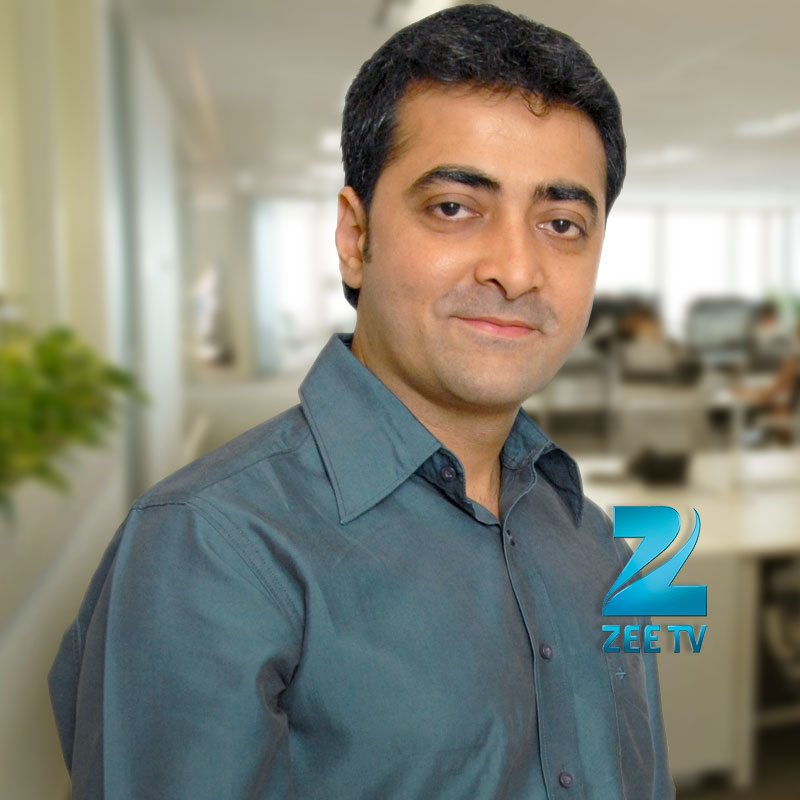
    MUMBAI: ZEEL has elevated Akash Chawla and Deepak Rajadhyaksha for key roles in Zee TV to drive the organizations goals.

    In addition to his current portfolio as Business Head- Essel Vision Productions Limited/Zee Studios, Chawla will now also take charge as the Business Head of Zee TV. In his earlier broadcasting stint, Chawla has successfully spearheaded the marketing function for the flagship and national channels like ZeeTV, Zee Cinema and Zee Classic.

    He has also played a pivotal role in the launch of channels like &pictures, Zee Anmol and Zindagi. All the functions of Zee TV like marketing, research and PR will align with Chawla.

    Meanwhile, Deepak Rajadhyaksha, who has been successfully leading the role as the Business Head of Zee Marathi, will now take charge as the Deputy Business Head, Zee TV. He will report to Akash Chawla. The entire programming, OAP and Operations team would align and report to Rajadhyaksha.The duo will work closely with ZEEL – MD & CEO, Punit Goenka to bring Zee TV towards its leadership journey.

  • ZEEL’s Akash Chawla replaces Pradeep Hejmadi as Business Head of Zee TV

    ZEEL’s Akash Chawla replaces Pradeep Hejmadi as Business Head of Zee TV

    MUMBAI: ZEEL has elevated Akash Chawla and Deepak Rajadhyaksha for key roles in Zee TV to drive the organizations goals.

    In addition to his current portfolio as Business Head- Essel Vision Productions Limited/Zee Studios, Chawla will now also take charge as the Business Head of Zee TV. In his earlier broadcasting stint, Chawla has successfully spearheaded the marketing function for the flagship and national channels like ZeeTV, Zee Cinema and Zee Classic.

    He has also played a pivotal role in the launch of channels like &pictures, Zee Anmol and Zindagi. All the functions of Zee TV like marketing, research and PR will align with Chawla.

    Meanwhile, Deepak Rajadhyaksha, who has been successfully leading the role as the Business Head of Zee Marathi, will now take charge as the Deputy Business Head, Zee TV. He will report to Akash Chawla. The entire programming, OAP and Operations team would align and report to Rajadhyaksha.The duo will work closely with ZEEL – MD & CEO, Punit Goenka to bring Zee TV towards its leadership journey.

  • Kids channels bring alive superheroes with experiential marketing

    Kids channels bring alive superheroes with experiential marketing

    MUMBAI: Kids have a special bond with their fictional superheroes that often calls for a reel to real life interaction. There is a certain charm about a Motu and Patlu surprising kids in a mall or a Chhota Bheem paying a special visit at a child’s home to celebrate its birthday. This is a bond, a charm that on-air promotions can seldom create.

    Channels understand this well, and over the last few years have been very proactive in making their flagship characters larger than life and iconic for their fans. Activities can range from a simple meet and greet, retail activities, costume parades, to creation of entire fantasy lands to be enjoyed by the tiny tots at the channel’s expense.

    “With our constant experiential marketing initiatives we have taken our characters out of television screens, thus making them a part of every child’s daily life.  A significant part of our marketing initiatives through school contact programmes, meet and greets, retail activities etc., are focused  at creating  memorable experience on ground for children with our toons,” shared Viacom18’s kids cluster EVP & and business head Nina Elavia Jaipuria.

    Not too long ago, Nickelodeon and ABP came together with plans to give kids in Kolkata a chance to not only meet Motu Patlu but also engage at the carnival with loads of games. The entire City Centre mall was converted to get the look of Furfuri Nagar and kids got a chance to win super cool Motu Patlu merchandise as well.

    Turner International, that owns popular children’s channels Cartoon Network and Pogo, has been known to reinvent the wheel for connecting with their audience through innovative on ground activations. In 2014, Cartoon Network organized the first ever CN Super Toons award in Mumbai, it was a spectacle to witness performances, cartoon characters and an audience of over 9,000 kids and parents.

    For Pogo, last year the network had engaged the consumers through Bheem ka Fitness Formula and Mighty Raju Ka Space Station. Both the activities were based on highly relevant themes and proved to be very engaging.

    The network also makes it a point to have regular touch points at schools and education centres or School Contact Programs (SCPs).  “Over the past decade, Cartoon Network and Pogo have been conducting annual SCPs that target students across the country with innovative and socially relevant concepts packaged around the brands. SCPs by both these channels reach out to over 1 million students across 11 cities — Mumbai, Delhi, Bangalore, Hyderabad, Ahmedabad, Lucknow, Kanpur, Ludhiana; (CN only): Coimbatore, Amritsar; (Pogo only): Chennai,” revealed Turner International, executive director and kids network head, Krishna Desai.

    For a very long time kids have grown up watching reading and playing with international super stars. Therefore it was a challenge for kids channels to have their home grown characters inspire the same awe that their international characters did. Solidifying the connect that kids shared with these onscreen characters and making them aware of the ease to relate with them was a fine way to do it.

    In fact Discovery Kids revved up its experiential marketing in 2015 and heavily promoted its home grown character Kisna through it. In December 2015, the network launched the Discovery Kids Joy Express in partnership with Rapid Metro Gurgaon and so far over 3000 kids and their parents have so far come on board and enjoyed the DiscoveryKids Joy Express.

    “The initiative includes many activities such as exciting games, art and craft, puppet shows, magic shows and a chance for kids to meet their favourite character Kisna. The Discovery Kids Joy Express is operational every weekend from 12noon to 4pm from the Sikanderpur Rapid Metro Station. In addition to this, Kisna has visited several cities across the country to celebrate festivals and other occasions with kids in that city. Kisna visited Jaipur in January to celebrate Makar Sankranti and joined kids in kite-flying,” shared a Discovery Kids spokesperson.  Kisna also regularly visits malls, amusement parks in various cities to connect with young audiences. The aim of these activities is to bring alive the on-screen experience and get children to meet their favourite character Kisna, face-to-face.

    As per Disney India Content and Communications, Media Networks – head and VP Vijay Subramaniam, it is not enough to engage with the character but it should be within the world that the story is set in. “The affinity loop is very straight forward for us at Disney India. We are constantly researching awareness, likeability and favourites. Experiential is critical when it comes to driving likeability of characters as well as shows. We have proprietary research that we constantly carry out to measure these three attributes, which have shown that it is important to give an opportunity to engage with their favourite characters once that is established,” Subramaniam explained.

    Disney took the third season of Arjun, its first home grown show, to the kids by having engaging mall greets that also included performance and kids were allowed to interact with their superhero Arjun in an immersive and fictional environment.

    While no amount of marketing spends can earn an eight-year-old’s loyalty towards a favourite star, channels are increasingly considering setting aside a part of their marketing budget annually for outdoor activities. “Though the plans are pretty dynamic depending on the need of the hour or our focus point, approximately 40 to 50 per cent of our marketing budget goes into creating experiential engagements for our target audience for both Disney Kids and Hungama,” Subramaniam shared.

    On the other hand Nick usually sets aside 20 to 25 per cent of its marketing budget for on ground and experiential marketing efforts as per Jaipuria.

    However creating an amazing on ground experience alone isn’t enough for the kids’ channels.  Without backing it up with a well strategized social media and digital follow up, some of these events could turn into missed opportunities. Therefore each one the players keeps a ready social feed to take its experiential interaction online and create more impressions on its characters and shows.


  • Kids channels bring alive superheroes with experiential marketing

    Kids channels bring alive superheroes with experiential marketing

    MUMBAI: Kids have a special bond with their fictional superheroes that often calls for a reel to real life interaction. There is a certain charm about a Motu and Patlu surprising kids in a mall or a Chhota Bheem paying a special visit at a child’s home to celebrate its birthday. This is a bond, a charm that on-air promotions can seldom create.

    Channels understand this well, and over the last few years have been very proactive in making their flagship characters larger than life and iconic for their fans. Activities can range from a simple meet and greet, retail activities, costume parades, to creation of entire fantasy lands to be enjoyed by the tiny tots at the channel’s expense.

    “With our constant experiential marketing initiatives we have taken our characters out of television screens, thus making them a part of every child’s daily life.  A significant part of our marketing initiatives through school contact programmes, meet and greets, retail activities etc., are focused  at creating  memorable experience on ground for children with our toons,” shared Viacom18’s kids cluster EVP & and business head Nina Elavia Jaipuria.

    Not too long ago, Nickelodeon and ABP came together with plans to give kids in Kolkata a chance to not only meet Motu Patlu but also engage at the carnival with loads of games. The entire City Centre mall was converted to get the look of Furfuri Nagar and kids got a chance to win super cool Motu Patlu merchandise as well.

    Turner International, that owns popular children’s channels Cartoon Network and Pogo, has been known to reinvent the wheel for connecting with their audience through innovative on ground activations. In 2014, Cartoon Network organized the first ever CN Super Toons award in Mumbai, it was a spectacle to witness performances, cartoon characters and an audience of over 9,000 kids and parents.

    For Pogo, last year the network had engaged the consumers through Bheem ka Fitness Formula and Mighty Raju Ka Space Station. Both the activities were based on highly relevant themes and proved to be very engaging.

    The network also makes it a point to have regular touch points at schools and education centres or School Contact Programs (SCPs).  “Over the past decade, Cartoon Network and Pogo have been conducting annual SCPs that target students across the country with innovative and socially relevant concepts packaged around the brands. SCPs by both these channels reach out to over 1 million students across 11 cities — Mumbai, Delhi, Bangalore, Hyderabad, Ahmedabad, Lucknow, Kanpur, Ludhiana; (CN only): Coimbatore, Amritsar; (Pogo only): Chennai,” revealed Turner International, executive director and kids network head, Krishna Desai.

    For a very long time kids have grown up watching reading and playing with international super stars. Therefore it was a challenge for kids channels to have their home grown characters inspire the same awe that their international characters did. Solidifying the connect that kids shared with these onscreen characters and making them aware of the ease to relate with them was a fine way to do it.

    In fact Discovery Kids revved up its experiential marketing in 2015 and heavily promoted its home grown character Kisna through it. In December 2015, the network launched the Discovery Kids Joy Express in partnership with Rapid Metro Gurgaon and so far over 3000 kids and their parents have so far come on board and enjoyed the DiscoveryKids Joy Express.

    “The initiative includes many activities such as exciting games, art and craft, puppet shows, magic shows and a chance for kids to meet their favourite character Kisna. The Discovery Kids Joy Express is operational every weekend from 12noon to 4pm from the Sikanderpur Rapid Metro Station. In addition to this, Kisna has visited several cities across the country to celebrate festivals and other occasions with kids in that city. Kisna visited Jaipur in January to celebrate Makar Sankranti and joined kids in kite-flying,” shared a Discovery Kids spokesperson.  Kisna also regularly visits malls, amusement parks in various cities to connect with young audiences. The aim of these activities is to bring alive the on-screen experience and get children to meet their favourite character Kisna, face-to-face.

    As per Disney India Content and Communications, Media Networks – head and VP Vijay Subramaniam, it is not enough to engage with the character but it should be within the world that the story is set in. “The affinity loop is very straight forward for us at Disney India. We are constantly researching awareness, likeability and favourites. Experiential is critical when it comes to driving likeability of characters as well as shows. We have proprietary research that we constantly carry out to measure these three attributes, which have shown that it is important to give an opportunity to engage with their favourite characters once that is established,” Subramaniam explained.

    Disney took the third season of Arjun, its first home grown show, to the kids by having engaging mall greets that also included performance and kids were allowed to interact with their superhero Arjun in an immersive and fictional environment.

    While no amount of marketing spends can earn an eight-year-old’s loyalty towards a favourite star, channels are increasingly considering setting aside a part of their marketing budget annually for outdoor activities. “Though the plans are pretty dynamic depending on the need of the hour or our focus point, approximately 40 to 50 per cent of our marketing budget goes into creating experiential engagements for our target audience for both Disney Kids and Hungama,” Subramaniam shared.

    On the other hand Nick usually sets aside 20 to 25 per cent of its marketing budget for on ground and experiential marketing efforts as per Jaipuria.

    However creating an amazing on ground experience alone isn’t enough for the kids’ channels.  Without backing it up with a well strategized social media and digital follow up, some of these events could turn into missed opportunities. Therefore each one the players keeps a ready social feed to take its experiential interaction online and create more impressions on its characters and shows.


  • “Facebook Live will be the future of advertising”: Fergus O’ Hare

    “Facebook Live will be the future of advertising”: Fergus O’ Hare

    MUMBAI: Facebook’s recently launched live streaming service ‘Facebook Live’ is yet another tool that digital marketers can add to their kitty. There is no denying the fact that 2016 will be the year of video streaming in India, with bandwidth easing out thanks to Reliance Jio and other 4G players, as well as broadband expanding and strengthening to tier II and tier III cities.

    For India that means more disruption in the video space, especially for those dealing with the news media and live events space. Because Facebook Live allows live video streaming on not just from smartphones but other devices like drones as well!

    Citing the multiple uses the new service will have for brands, Facebook Creative Shop APAC Fergus O’ Hare revealed, “We just launched it a couple of weeks ago. It’s still at an infant stage now. It’s a great way to tell people what is happening at the moment, share real-time updates and emotions. From an advertiser’s standpoint, there is so much one can do. Currently we are making certain tweaks to make it easier and more convenient for the advertisers to reach consumers. This could be the future of advertising on Facebook.”

    Explaining why he added, “The dying breed of salesmen will find a renewed motivation with Facebook Live as they can make calls to consumers at specific relevant times of the day when they are most likely to buy the product. Brands can call you any time of the day when it matters the most.”

    When asked if that would make the service ad intrusive, O’Hare argued, “In Facebook we have to always make sure that things are not intrusive. If people ‘X’ the ads, then advertisers will have to spend more money to put up their ads again. If we become intrusive with our ads, people will stop using Facebook. So we do anything and everything to make sure we are not intrusive. Interest and relevance plays a huge role in curating ads for each person so that users don’t see the ads they don’t want to.”

    Brands can also build their credibility by taking consumers to their factories and beaming the production live from there, O’ Hare shared. As per the ESP Sportzpower report 2016, most of the internet users in a stadium or at a sporting event use their devices to share content rather than getting news. This would mean a ready demand for Facebook Live among sports fanatics. For publishers, digital media and digital creators like YouTube stars, this could mean live beaming of their content from anywhere they want. The service allows one to go on short commercial breaks and put the advertisements they want to and make revenue from there.

    On the revenue model of Facebook Live, O’ Hare commented, “We haven’t figured it out for sure yet, as we have just launched. We want to play it out and see how users interact with it before setting specifications. First people need to live and put content for us to monetize it. For now we know that it will be a sort of commercial break that you get on television, only it will be on demand and completely as per the choice of the user, and viewers can also filter the type of ads they want to see in their live feed.”

    O’Hare concludes by asking not to confuse the Live feed and commercial breaks with TV ads, as the advertisements on Facebook Live will still be targeted and personalised. “TV follows the prime time formula where 9 ads are force fed to viewers even if they are not interested in them. On Facebook we go by relevance and then the right time,” O’ Hare added in parting.

  • “Facebook Live will be the future of advertising”: Fergus O’ Hare

    “Facebook Live will be the future of advertising”: Fergus O’ Hare

    MUMBAI: Facebook’s recently launched live streaming service ‘Facebook Live’ is yet another tool that digital marketers can add to their kitty. There is no denying the fact that 2016 will be the year of video streaming in India, with bandwidth easing out thanks to Reliance Jio and other 4G players, as well as broadband expanding and strengthening to tier II and tier III cities.

    For India that means more disruption in the video space, especially for those dealing with the news media and live events space. Because Facebook Live allows live video streaming on not just from smartphones but other devices like drones as well!

    Citing the multiple uses the new service will have for brands, Facebook Creative Shop APAC Fergus O’ Hare revealed, “We just launched it a couple of weeks ago. It’s still at an infant stage now. It’s a great way to tell people what is happening at the moment, share real-time updates and emotions. From an advertiser’s standpoint, there is so much one can do. Currently we are making certain tweaks to make it easier and more convenient for the advertisers to reach consumers. This could be the future of advertising on Facebook.”

    Explaining why he added, “The dying breed of salesmen will find a renewed motivation with Facebook Live as they can make calls to consumers at specific relevant times of the day when they are most likely to buy the product. Brands can call you any time of the day when it matters the most.”

    When asked if that would make the service ad intrusive, O’Hare argued, “In Facebook we have to always make sure that things are not intrusive. If people ‘X’ the ads, then advertisers will have to spend more money to put up their ads again. If we become intrusive with our ads, people will stop using Facebook. So we do anything and everything to make sure we are not intrusive. Interest and relevance plays a huge role in curating ads for each person so that users don’t see the ads they don’t want to.”

    Brands can also build their credibility by taking consumers to their factories and beaming the production live from there, O’ Hare shared. As per the ESP Sportzpower report 2016, most of the internet users in a stadium or at a sporting event use their devices to share content rather than getting news. This would mean a ready demand for Facebook Live among sports fanatics. For publishers, digital media and digital creators like YouTube stars, this could mean live beaming of their content from anywhere they want. The service allows one to go on short commercial breaks and put the advertisements they want to and make revenue from there.

    On the revenue model of Facebook Live, O’ Hare commented, “We haven’t figured it out for sure yet, as we have just launched. We want to play it out and see how users interact with it before setting specifications. First people need to live and put content for us to monetize it. For now we know that it will be a sort of commercial break that you get on television, only it will be on demand and completely as per the choice of the user, and viewers can also filter the type of ads they want to see in their live feed.”

    O’Hare concludes by asking not to confuse the Live feed and commercial breaks with TV ads, as the advertisements on Facebook Live will still be targeted and personalised. “TV follows the prime time formula where 9 ads are force fed to viewers even if they are not interested in them. On Facebook we go by relevance and then the right time,” O’ Hare added in parting.