Tag: marketing

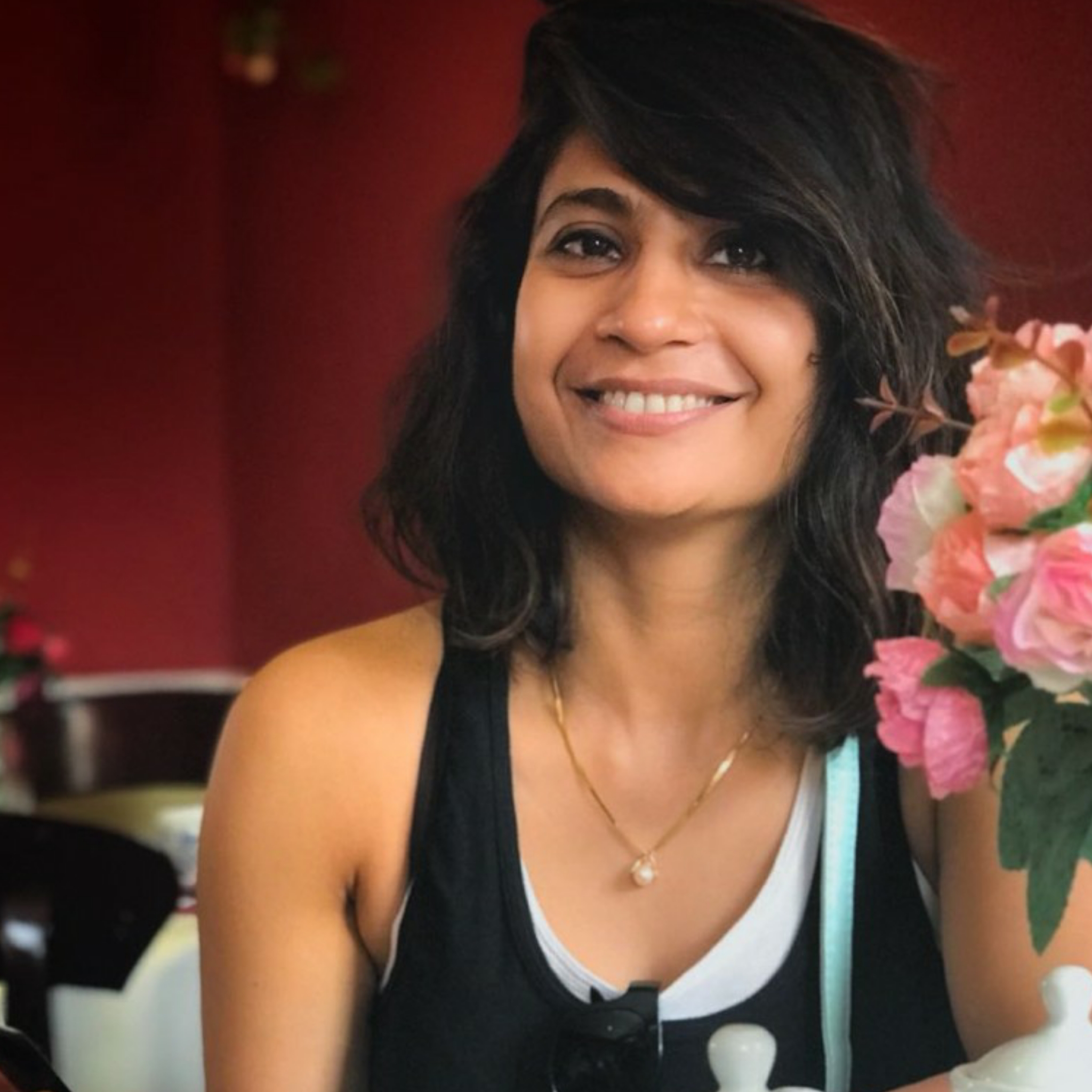
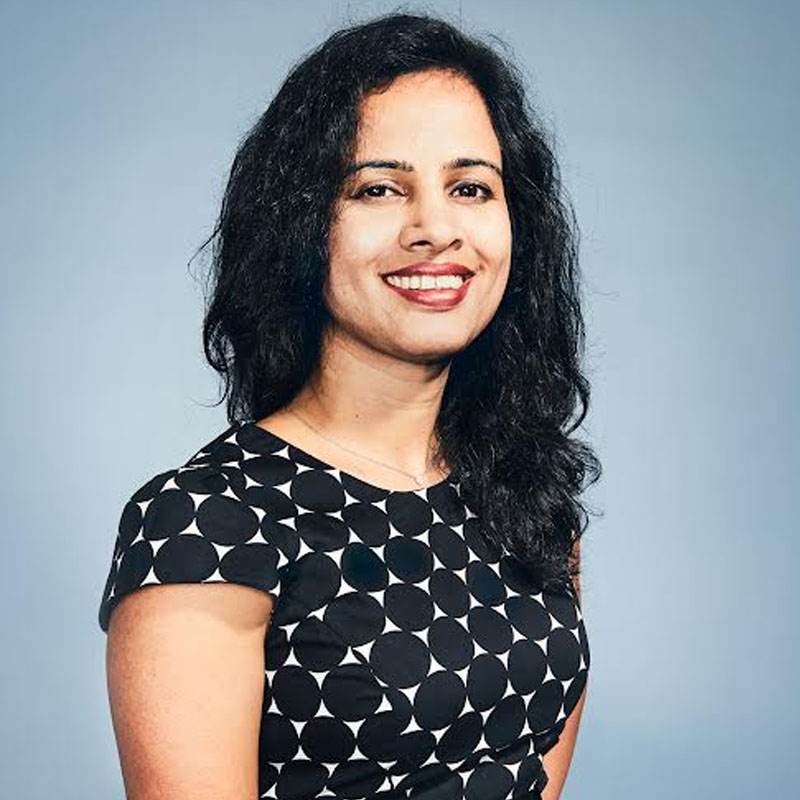
  • Saakshi Verma Menon is the new Sr marketing director, Africa Middle East & SA in PepsiCo

    Saakshi Verma Menon is the new Sr marketing director, Africa Middle East & SA in PepsiCo

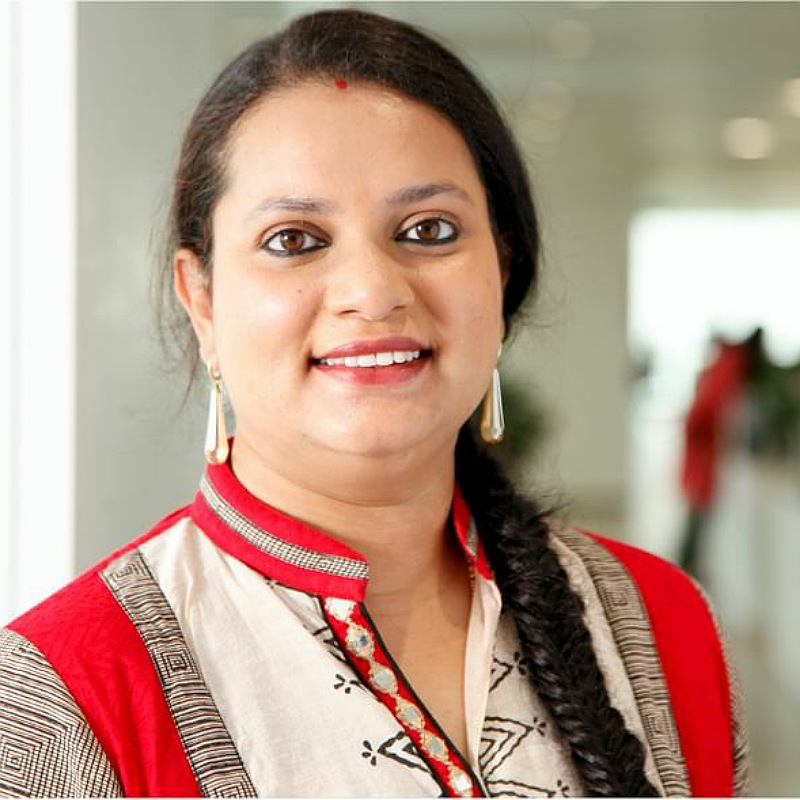
    Mumbai: Saakshi Verma Menon has been joined as  Senior Marketing Director for Africa Middle East & South Asia by PepsiCo according to her LinkedIn post.

    She was previously with Kimberly-Clark to lead marketing for their brands in India. She was a part of the company’s senior leadership. she was also assigned responsible for shaping brand-building and transformation in the organisation landscape.

    Before that, Saakshi Verma Menon worked for Nicobar Design, Colgate Palmolive, Uber, and The Coca-Cola Company. 

  • Poornima Sharma is the new head of marketing partnerships at Netflix India

    Poornima Sharma is the new head of marketing partnerships at Netflix India

    Mumbai: Netflix India has recently promoted Poornima Sharma as head of marketing partnerships. She became a part of Netflix in 2020 and previously held the role of partner marketing lead. Sharma shared this news on her LinkedIn profile.

    In her prior roles, Sharma worked with Paytm Insider, the ticketing platform for festivals and events as head of brand partnerships and alliances. She also spent a year in OML Entertainment (before moving to Insider, which was a part of OML before it became a Paytm company), in the festival marketing team, where she worked on marketing for various properties including Bacardi NH7 Weekender, EDC India, and more.

  • Research and development is crucial in any business setting – Srikant Rajasekharuni

    Research and development is crucial in any business setting – Srikant Rajasekharuni

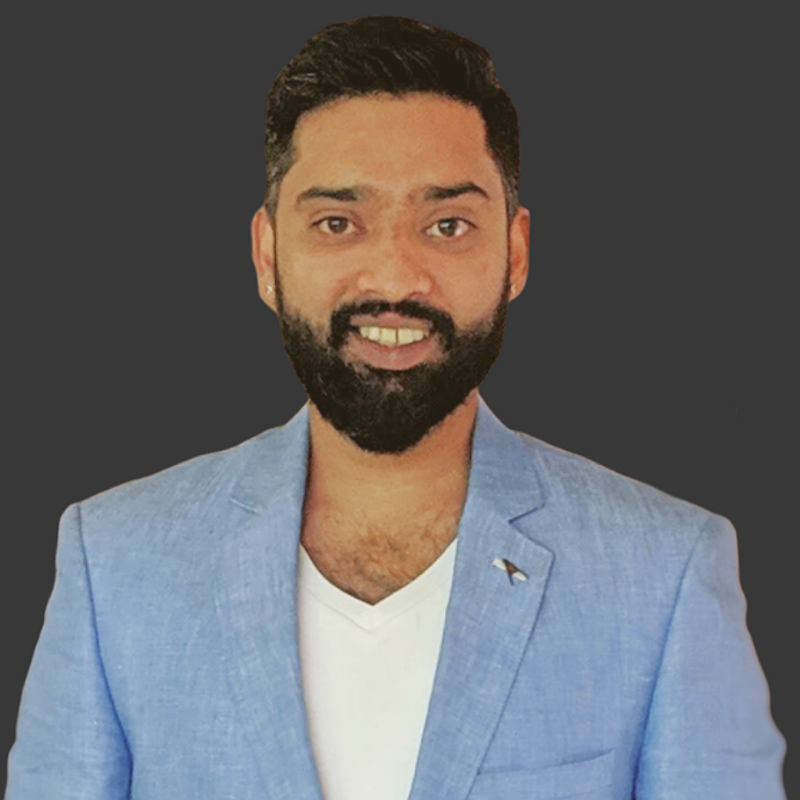
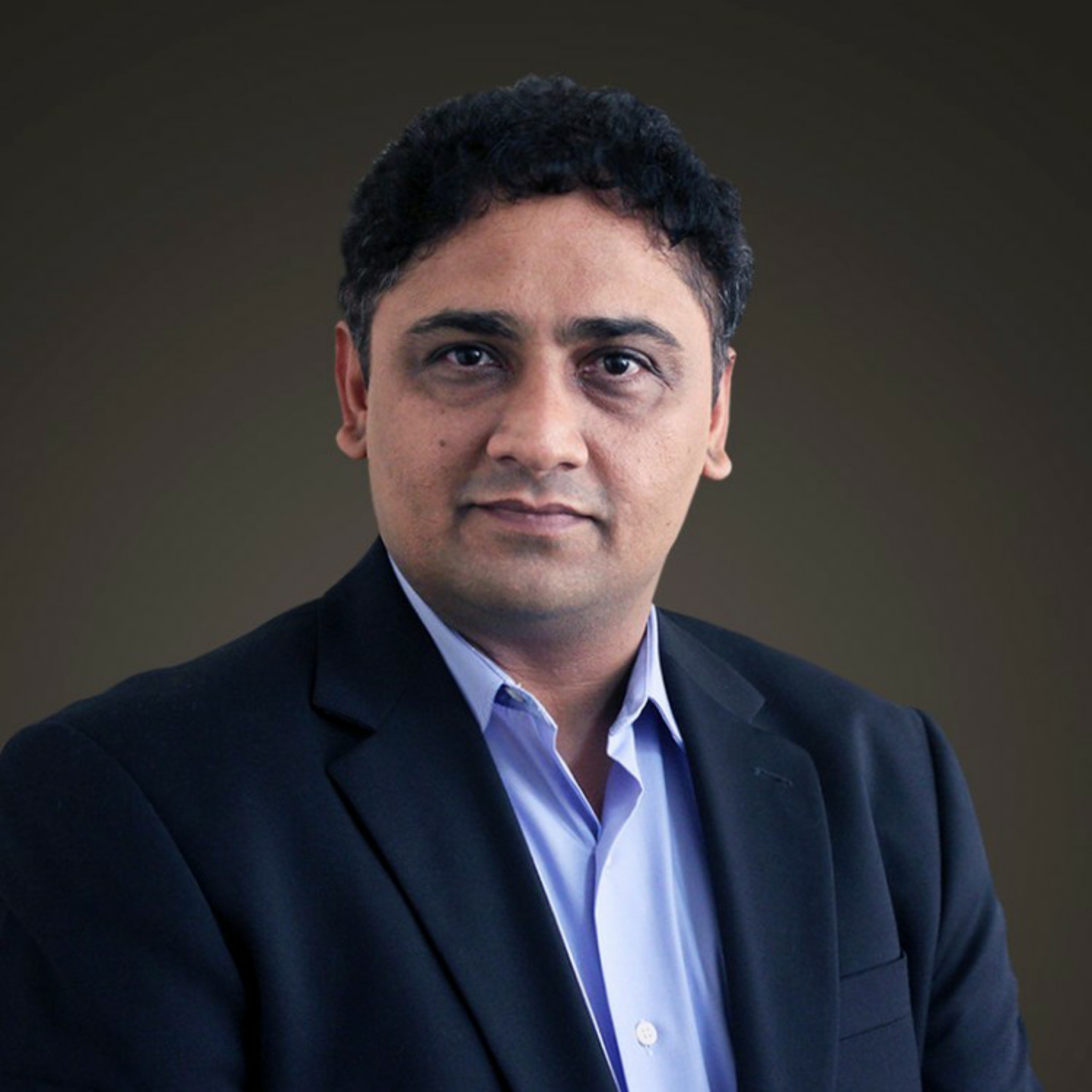
    Mumbai: Marketing is not as easy as people anticipate. It is a combination of many factors including projection, anticipation, good campaigning, research and development, analytics, and understanding the target audience. With new trends, Indiantelevision.com exclusively interacted with Srikant Rajesekharuni CEO and co-founder of RMT (Red Matter Technologies) integrated marketing agency. Here are excerpts -Interview of Srikant Rajasekharuni – CEO and Co-founder, RMT

    Broader perspective on phenomenal growth –

    In the past 8 years, our experience of working with over 300 brands reflects remarkable growth.Collaboratively adapting and learning from diverse sectors such as entertainment, FMCG, real estate, education, and healthcare, we have effectively tailored marketing strategies to align with new trends. This approach has allowed RMT to evolve in response to client needs and market dynamics. Our team’s ability to adapt, learn, and strategize has led to the successful implementation of tailor-made marketing strategies. This collaborative effort has established long-term relationships with clients, including national-level brands like ZEE5, The Economic Times, Monin Syrups, My Home Constructions, and Manipal Global Education.

    Our strategic, innovative, and adaptive approach has contributed to our company’s growth. Moving forward, we aim to empower more brands and business owners by facilitating lasting and meaningful connections with their consumers.

    On Pros and Cons of the 360-degree digital industry at large?

    In the current market, the digital industry offers extensive opportunities and challenges. Pros include the vast reach and accessibility to a global audience, enabling precise targeting and personalised engagement. Digital platforms allow real-time analytics, facilitating data-driven decision-making and ROI assessment. However, saturation and competition pose challenges, requiring constant innovation to stand out. Rapid technological advancements demand adaptability and investment in emerging trends, which can be both a pro and a con. While it opens doors to novel approaches, it also necessitates ongoing learning and resource allocation. Overall, the digital industry offers immense growth potential but demands continual evolution to remain competitive and effective.

    On working with B2C, B2B, and D2C brands –

    In our experience with B2C, B2B, and D2C brands at RMT, we have grasped the need for distinct approaches tailored to each sector. Recognizing the diverse target audiences, we customize marketing plans to align with our client’s specific business requirements. Adapting existing trends and strategies across sectors requires creativity, and our collaborative RMT team excels at learning, adapting, and implementing successful marketing campaigns. Beyond delivering results, it’s been fulfilling to contribute to building customer relationships and enhancing brand reputation. We look forward to expanding our collaborative approach across more sectors and further refining our industry strategies.

    On ROI in current volatile market condition –

    Given the current volatility in the market, assessing the overall profitability of the industry in terms of ROI is crucial. In response to market dynamics, the marketing industry must adapt to new business requirements and trends to distinguish itself. Companies in this sector can capitalize on the potential of digital marketing by remaining flexible, embracing change, and fostering innovation. Our RMT team prioritises the professional growth of its members through training, mentorship, and skill-building, ensuring that we stay ahead in industry knowledge and trends. This strategic and result-driven approach not only strengthens client relationships but also contributes to a high ROI.

    On cost-cutting measures while considering ROI –

    The focus on ROI is paramount in our approach. It ensures accountability and tangible value for our clients. While emphasizing ROI, we prioritize delivering impactful results without compromising on service quality. Cost-cutting measures should not compromise the efficacy or integrity of our services. Instead, we aim for efficiency gains through smart strategies and resource optimization. Our goal is to provide substantial value while ensuring that our clients receive a significant return on their investment in our services.

    On digital campaign using AI invention –

    Scaling AI in digital brand campaigns involves a client-centric strategy, assessing AI’s value in campaigns, and gradually adopting it in phases. Starting with smaller projects helps gauge effectiveness before expanding. Team training and staying updated on AI trends are crucial for optimal usage. Fostering a culture of collaboration and experimentation aids iterative improvements. Ultimately, it’s about aligning AI with business goals and evolving alongside market needs.

    On spending on R & D –

    Research and development is crucial in any business setting. I firmly advocate substantial investment in research and development (R&D). At RMT, we adopt a comprehensive approach, providing clients with insightful strategies, optimizing marketing campaigns and effectively reaching their target audience. I believe that research and insights extend beyond marketing, playing a crucial role in shaping overall business strategy. R&D is not only vital for marketing success but also instrumental in fostering competitiveness, addressing areas for improvement, and ensuring long-term growth and sustainability.

    On new-age marketers addressing challenge –

    In my opinion, new-age marketers are addressing the challenge of mixed reactions to marketing campaigns by emphasizing personalised and interactive engagement with their target audience. They prioritize researching and identifying their specific target demographic and leverage innovative technologies like AI to enhance customer interaction. Through personalized content on social media and customized messaging, they aim to capture the audience’s attention and foster a stronger connection with the brand or business. This approach not only attracts customers but also contributes to the success of digital marketing campaigns.

    On idea and challenges behind starting consultancy –

    In 2015, my friends and I started RMT in Hyderabad with the purpose of assisting small and medium businesses in their growth journey through effective digital transformation. Recognising the widespread desire among businesses to leverage social media and digital platforms for customer outreach, we established RMT to provide creative and innovative solutions to those lacking the expertise or resources to navigate these channels.

    RMT was founded in response to a prevalent issue in the digital marketing industry: client’s dissatisfaction with inexperienced agencies and freelancers. These smaller outfits often lack depth in digital marketing, leading to subpar results and a misconception among clients that digital marketing isn’t effective for their business. This presents a challenge for RMT, as we invest heavily in quality talent and infrastructure and often need to re-educate clients about the true potential of digital marketing.

    Another challenge arises from clients and employees who overestimate their understanding of digital marketing. Clients often believe they understand the field because they use social media, influencing their expectations and opinions on strategies that may not align with their target audience. Similarly, many individuals claim expertise after completing short-term courses, lacking the depth gained from practical experience. At RMT, we prioritise practical skills and experience over theoretical knowledge, ensuring a team capable of delivering high-quality, effective digital marketing solutions.

    On using analytics for target audiences –

    Analytics plays a crucial role in understanding market segments and effectively reaching the target audience. At RMT, we focus on key parameters such as demographics, age, and gender to identify the specific target audience for a business. This information is essential for devising a tailored marketing campaign that aligns with the business needs, ensuring a consistent and successful strategy.

    To achieve this, we utilize various analytical tools. Website and app analytics provide insights into user demographics, interests, devices used, navigation patterns, and content engagement. This data optimization helps in creating a user-centric online presence.

    Additionally, social media analytics reveal audience demographics, interests, conversations, and brand sentiment. This information guides the customization of social media strategies and content to resonate effectively with the target audience. Furthermore, the Customer Relationship Management (CRM) system holds valuable customer data, including purchase history and communication records.

    Analysing such parameters and data aids in identifying loyal customers, predicting future purchases, and personalizing marketing efforts. The result is an optimised and well-planned advertising campaign that benefits both the business and customer relationships.

    On balancing advertising campaign with quality –

    Absolutely, effective brand promotion of quality products plays a pivotal role in boosting sales. While having a quality product is essential, effectively showcasing its features, benefits, and unique value proposition through strategic brand promotion can significantly impact sales and customer engagement. Advertising helps in creating awareness and visibility for quality products. It allows brands to communicate their story, build credibility, and differentiate themselves from competitors. Through social media or other marketing channels, businesses can highlight the attributes that make their products stand out, thereby attracting potential customers and driving sales.

    RMT goal anticipation for the next 5 years –

    RMT navigated a landscape marked by economic uncertainties and a focus on profitability, leading to reduced media spending and a shift from traditional to digital marketing. This trend, driven by digital marketing’s targeted efficiency, provided RMT with the opportunity to on board new clients transitioning to digital channels. Embracing this shift, we effectively guided these clients through their digital transformation, showcasing our adaptability and expertise in the evolving market.

    Simultaneously, the integration of AI into marketing has revolutionized our industry, particularly in content generation, strategy, and research. This technological leap has accelerated processes, allowing a greater focus on creative aspects. RMT has been at the forefront of utilizing AI to enhance our services and deliver superior results.

    Looking ahead, we plan to continue this momentum by forming strategic partnerships with specialized agencies in creative design, performance marketing, and video production. This collaborative approach aims to offer more integrated solutions, ensuring mutual growth and success while staying true to our values of integrity, creativity, and client-centric service.

  • Virginia Sharma appointed as Head of Marketing at Google Cloud Public Sector

    Virginia Sharma appointed as Head of Marketing at Google Cloud Public Sector

    Mumbai: In a recent development, Virginia Sharma has been appointed as head of marketing at Google Cloud Services. Google Cloud is a data intelligence platform for building effective data infrastructure. Virginia Sharma now takes charge as head of the marketing public sector to build a brand more sustainable.

    Earlier she worked in companies like LinkedIn, and Jio Saavn. She is also a LinkedIn influencer with over 52000 followers. Earlier she was also Chairperson for Marketing Society India Chapter and IAMAI Digital Transformation Council.

    https://www.linkedin.com/feed/update/urn:li:activity:7147819880140947456/

  • The year of AI in A&M: 2023’s milestones and anticipating 2024’s trends: Tanvi Bosmia

    The year of AI in A&M: 2023’s milestones and anticipating 2024’s trends: Tanvi Bosmia

    Mumbai: 2023 has been a rather exceptional year on the advertising front, it’s been a year of personalization and redefining content generation with AI taking over the marketing sphere.

    Some key trends that we witnessed:

    AI took centre stage – AI was seen powering all marketing tactics in 2023 and integrated itself into the advertising & marketing industry whether it was for content creation or to create more personalized & custom campaigns. From writing & generating copies to helping us create brand creatives to showcase visual & innovative storytelling, AI helped us do it all. We managed to use it effectively to our brand’s advantage whether it was to tap into trending moments like reimagining key actors from the Amazon miniTV universe as Ken or Barbie or to reimagine a world of our own for Havmor ice creams. The current use of AI will only evolve further & it’ll be interesting to see the innovation it will bring along.

    Rise in innovation of traditional media – Post-pandemic, with 2023 fully opening up, we saw a rise in innovation in Phygital Ads and we saw brands leveraging offline traditional mediums from OOH to print or on-ground activations with an integration of digital. We were quick to adapt in order to reach a wider audience and carried out multiple campaigns. For example, for Spider-Man Across The Spider-Verse we used VR in a marketing gimmick to open up a portal in Mumbai and amplified that on social. Similarly, for Croma, for their Festival of Dreams Campaign, we leveraged Flipkart’s BBD Ads with giveaway of the iPhone 14 Pro Max in a contest that was initiated via OOH and then amplified on social.

    Onboarding newer platforms & features:

    • WhatsApp channels – Being one of the most installed & commonly used apps by the Indian audience, when WhatsApp released channels, we were quick to adopt and got quite a few of our brands to create one. One of the brands was Amazon miniTV where we conversed with the audience from an admin’s POV with a first-person approach and we saw a spike in engagement rate with the brand hitting the 1M+ followers mark in the first 2 weeks itself.
    • Instagram broadcast channels – IG broadcast channels were initially launched in Feb 2023 as a test roll out and was eventually rolled out to all creators and brands followed suit soon after. We used this as an opportunity for a lot of our brands to create an exclusive experience for the followers and gave them exclusive content on the channel to make them come back for more.

    Overall, these new additions to the existing platform helped take personalized customer experience a notch higher and became the medium to carry out customer delight activities for loyal fans/customers.

    A year full of trending moments: Trending moments also took precedence over BAU content with big moments like the ICC World Cup followed by the festive season and also smaller pop culture moments like Moye Moye, Arranged Marriage is Scary because… all serving as opportunities for us to put our brands on the forefront from a marketing perspective.

    Crystal Gazing into 2024:

    The expansion of AI: The advertising industry evolves quite a lot year on year and you never know what might become the next big thing. I’m really excited to see how AI will transform the marketing landscape in the coming year and it’ll be really interesting to see how it aids storytelling in the process for brands. The role of AI in personalized advertising is likely to expand further, enabling marketers to tailor their messages more precisely to individual preferences and behaviours.

    The need for personalisation: With newer platforms, tools & mediums emerging every now & then, it will become imperative for brands to be present on these platforms & become early adopters to create & curate personalized content & campaigns to enhance customer experiences to stay relevant.

    The collision of online & offline: As a consumer myself, I have always resonated with brand campaigns that I see everywhere, whether it’s online or offline. I would love for integrated campaigns to take the spotlight and see how brand narratives pan out across all mediums – social, digital, print & mainline which will also help reach a wider audience with better brand visibility and a higher ROI.

    When brands have a 360 narrative, it paves the way for a better brand recall and experience overall.

  • “We always keep bouncing off ideas and exploring possibilities of innovation and creativity”: Social Panga’s Himanshu Arora

    “We always keep bouncing off ideas and exploring possibilities of innovation and creativity”: Social Panga’s Himanshu Arora

    Mumbai: Recently, Social Panga joined LS Digital (erstwhile Logicserve Digital) to form India’s biggest independent group for the global market. This move enables the group to further strengthen its solution-driven digital marketing transformation offerings, unlocking value for marketers looking for creativity and operational efficiencies in their growth path.

    The integrated creative agency became part of LS Digital’s six-pillar framework, which comprises media, UI/UX, creative & communication, CX (MarTech), data & insights, and tech innovations. It marks a significant step towards realising the goal of creating an end-to-end suite of services in India for the world.

    Social Panga has a presence in Bengaluru, Mumbai, and Delhi, with over 150 clientele and a team of over 350 ‘marketing mafias’ providing a solution-driven approach. It also has an in-house video production wing ‘The Yellow Shutter’ that has shot over 100 advertising films and onboarded over 65 brands in the last 12 months.

    Indiantelevision.com in an email chat with Social Panga co-founder Himanshu Arora conversed on the decision behind the merger, Social Panga’s long-term vision, and more…

    Edited Excerpts:

    On the driving force behind the decision to merge Social Panga with LS Digital and this merger benefiting both entities

    This independent group empowers us to be more than just a marketing agency; we are now a holistic solution provider in the dynamic landscape of marketing transformations. Our expertise now extends across diverse domains such as media, UI/UX, creative, data and insights, CX, Tech and Innovations.

    What makes this even more special is its global perspective. While our roots are firmly grounded in India, this marks the beginning of our journey from India to the world. We extend our heartfelt gratitude to each of our partners for their trust and support. Together, we are embarking on a ‘Made in India for the World’ revolution, and it’s all happening in the realm of digital and advertising.

    On collaborative projects or initiatives that can be expected to emerge as a result of this merger

    We firmly believe that specialisation is the key to providing you with unmatched services. With this partnership, we can now venture into more specialised areas such as AI, CX, UI/UX, and Media planning. These are the very elements that are shaping the future of marketing, and we are excited to bring them to a large pool of customers.

    You can expect to see a range of collaborative projects, innovations in new-age technology and initiatives that leverage the strengths of all entities in the near future.

    On the consistency of Social Panga’s long-term vision, and its evolution to align with LS Digital’s overarching goals following the merger

    The long-term aim and vision of Social Panga remain consistent. We continue to be a culture-driven, people-focused agency, the way we have been in the last nine years. Our thought process continues to remain the same – to work towards something which is big enough and has not been done by anyone in the industry yet.

    We will adapt focusing on scalability, efficiency, and integration into a larger global network. We will be prioritising strategies that leverage LS Digital’s resources and expertise to provide clients with more comprehensive and competitive digital marketing services.

    On maintaining and integrating Social Panga’s core values and culture within LS Digital and harnessing the specialised ‘marketing mafias’ team for driving innovation and excellence across the newly formed group

    We are all a part of a group. Along with Social Panga, there is Langoor Digital and F1 Studioz which have been present for some time. With this now there are four agencies bringing in different expertise aimed at global growth.

    Our “mafia’s” will continue to work in the same manner with a single goal & objective.

    It’s important to note that while this partnership opens new doors, our core values and working style remain unwavering & nothing changes, other than it opens up more opportunities. What changes is our ability to serve clients with even greater expertise, an expanded skill set, and a more empowered team.

    On maximising knowledge sharing and cross-pollination of ideas to drive continuous improvement with both companies joining forces

    We are all a passionate bunch of entrepreneurs who are coming together. So invariably, knowledge sharing is going to be the way of working for us. We always keep bouncing off ideas and exploring possibilities of innovation and creativity. In fact, we already initiated cross-competency training across organisations.

    We will now involve the team in this too and build structures or models which involve them. The team will get access to more information and knowledge across UI, UX tech, digital, global exposure etc. This will be a catalyst for an overall creative thinking rather than restricting to one single area.

    On maintaining a balance between serving the local market’s needs and catering to international clients as LS Digital expands its global reach through this merger

    Local markets are our cake right now and global clients are cherry. You may want to have cherry but the cake is the base for any birthday party. Similarly, we have got our cake covered anything from the global market is just a cherry on the top.

    As pioneers in what may be a groundbreaking collaboration within the Indian advertising industry, we acknowledge that there may not be a well-defined roadmap. We anticipate encountering fresh challenges and obstacles, which will necessitate the creation of novel solutions and approaches.

  • Chris Riedy is now head of advertising sales at Twitter

    Chris Riedy is now head of advertising sales at Twitter

    Mumbai: Chris Riedy, who previously held the designation of vice president – EMEA at Twitter, has now been made incharge as head of advertising sales at the company. He takes on the reins from Robin Wheeler who was sacked by Elon Musk for declining to lay off more members of his team.

    As per his LinkedIn profile, Reidy has been with the social media giant for about a decade, and has about 25 years of experience across sales, marketing and business development. He has a Bachelor’s degree in Arts (History) from Denison University in Granville, Ohio and is an MBA from Santa Clara University, California.

    Riedy is currently based in Dublin.

  • Earlier, there was a creative courage to be roughly right, rather than precisely wrong: CII The Big Picture Summit 2022

    Earlier, there was a creative courage to be roughly right, rather than precisely wrong: CII The Big Picture Summit 2022

    Mumbai: The Big Picture Summit 2022, organised by the Confederation of Indian Industry (CII) on 16 & 17 November saw the presence of various senior executives and officials from the advertising, film, TV, marketing, and OTT fraternities.

    On a panel discussion on 17 November, Madison World chairman and managing director Sam Balsara brought to the fore that advertising has been through a lot of changes. Opening the conversation, he said, “I started work in 1972, and advertising was a few thousand crores, and there was a time advertising was merely about announcing product availability and making a manufacturer’s statement – that I am the best – this was considered a good advertising approach probably for decades.”

    He added that everything has changed, but on another level, you can argue that not much has changed. He looks back at his favourite definition of advertising, which was given by a humorist – called Stephen Leacock – “Advertising is the science of arresting human intelligence long enough to get money from it.”

    Balsara goes on, “I haven’t come across any definition that, ideally, more accurately describes advertising. The fundamentals of what we try to achieve in advertising haven’t changed all that much. Sure, volumes have changed. Advertising cost a few hundred crores, which was the total outlay of AdEx. It is currently worth around Rs 90,000 crore. Global AdEx, just for perspective, is now $880 billion. So surely advertising works for marketers, and I think there is widespread acceptance that advertising is indeed the gas that fuels the entire economy or the machinery that keeps the wheels of the economy moving.”

    Taking the discussion further about how advertising has changed, columnist and Counselage India founder and managing partner Suhel Seth expressed, “I think advertising has changed for the worse. Earlier advertising was about civility and about creating things in partnership with clients, and the relationship was both mutually beneficial and one of respect. Sadly, nowadays, agencies are treated by clients like vendors, and the relationship by and large has become unequal.”

    He understands that previously, there were times in advertising when they sat and co-created campaigns, but those were created on the basis of deep consumer insight and a rigorous approach to consumer behaviour learnings and insights that one could then weave and work into the narrative of the creativity that was produced.

    He discussed, “We don’t get the kind of people we used to get in advertising in the good old days, and the reason is we don’t pay enough. When you pay peanuts, you get monkeys – and the tragedy is that advertising agencies are paying peanuts because clients are monkeying around with advertising agencies who don’t have the courage to tell the clients that they don’t know what they’re talking about.”

    “In the good old days, when the client asked us to jump, you would say ‘why’- today you ask ‘how high’. When the relationship dramatically alters and changes and becomes a master-servant or a master-slave relationship, advertising and creativity suffer,” pointed out Seth.

    He also reminisced about how earlier liberal arts people also staffed client offices. “I have no grouse against MBAs, but MBA has been the worst disaster for advertising agencies because people who have done management by rote, who have no idea of Shakespeare or Tagore, who have no idea about the sensitivities of music, are asked to produce advertising that is bereft of sensitivity,” he states.

    Seth went on to say that he has a different definition of advertising. For him, the purpose of advertising is to invent desire. “It is not to inform – for that you got to go to Google, Yellow Pages or Wikipedia. What I think advertising was all about – is that it was all about creating magic. It was about engaging the consumer with the brand through the medium of creativity.”

    He also shed light on the proliferation of media. In the previous days, the clients would ask about hoardings, TV, and cinema – that’s about it. Today’s spread is massive—it’s digital. India has changed dramatically. It is no longer consuming advertising that is English-speaking; it is consuming advertising that is vernacular. It is regional to the point where the regional influxes are actually carried forward pan India.

    Expressing his views, Seth said, one of the dramatic changes is that, due to the rush that everybody seems to be in, less time is spent on strategy and agencies are becoming more tactical. That’s not advertising; that’s salesmanship.

    “They also don’t prepare for brands with the rigour that we used to. For example, there were partnerships between Madison’s creative and media agencies. “Now, rather than partnering communication, I see media agencies as a post box or an amplifier for disseminating communication,” he said.

    Seth also put forth his concern, saying that the advertising industry has stopped being inventive and innovative. “We have become more and more risk averse. Because you are talking about billions of dollars being spent, and no one wants to take the risk,” he said.

    “Another thing is that people are wanting to manage not the consumer, but the client. When you start managing the client, you immediately forget the consumer. Nowadays, it’s very important for the CEO and his wife to be happy, rather than the other way round,” he said.

    “Today, we are also fraught with a lot of social tensions in our society. Religion, which was in the background, is now in the foreground. You have discrimination; you have political grandstanding. People using social media are bullying and trolling clients and companies to withdraw advertising, which is actually an attempt at conveying something creatively,” Seth went on to say.

    Ogilvy India head of strategic planning Rohitash Srivastava feels that in an ideal scenario, advertising has become complete. “Earlier we were worried about changing people’s thoughts and beliefs. And the behaviour part was kind of missing, you change a person’s mindset and then you leave him to behave the way he wants to. Now with digital and technology coming in, the promise of technology was that we are going to change behaviour, we are going to drive behaviour change. So that was the ideal scenario. And that’s why I’m saying that now advertising in an ideal world is not just about thinking and feeling; it’s also about thinking, feeling, and doing,” he pointed out.

    He goes on to explain that, in reality, the advertising industry has become more schizophrenic than ever. And there is a lot of speed, but there is no velocity.

    Srivastava adds, “There’s no sense of direction; you’re trying to do a lot, but there is no bigger plan. And this whole short-termism thing is really killing the industry. And I’ve seen so many marketers behave like salespeople. Now, marketing’s role is to create a facilitated environment, so that the scalability of the product goes up, not the sales themselves. But today’s marketers are so worried about that very moment. And when sales happen, they forget the larger tasks of marketing and advertising to create conditions for scalability over weeks of marketing. That is exactly what I mean by ‘short-termism.’”

    Also, information is being confused with knowledge, he said. “There’s a lot of data out there, and it’s called dumb data because you have to look for the right meaning to make sense of it. And then within that, there is data that is readily available, and then there is long-term data, equity studies, and all of that amounts to a lot of hard work. This whole desire to go through spreadsheets and excel sheets is blinding us to the human stories that are happening and what people are really thinking. So whatever data comes in, you want to react to it,” he said.

    Srivastava revealed, “The discernment is going away. And this whole thing about people being more precisely wrong than roughly right—before, being roughly right was such a big gift—In fact, we were paid so much because we could make decisions in grey areas, and there was a creative courage to be roughly right. But this whole obsession, to be precise, is making us precisely wrong.”

    TAM Media Research CEO LV Krishnan commented on the creative aspect of advertising, “The things have changed so much in the last 50 years that we’ve seen advertising kick start in India. And the interesting thing is the fact that the one thing that hasn’t changed between the first year of advertising and today is that nobody knows that the 50 per cent that I spend on advertising is a complete waste.”

    He explained further that until and unless the whole industry puts a finger on it, testing in terms of advertising will continue.

    Krishnan added, “Earlier, for every piece of communication, there was a brand and an advertising positioning strategy, and once they were done, one would know exactly what kind of execution needed to be done. But today, even if those two definitions are not thought through, execution is already happening on the ground to create communication effectively.”

    He is of the opinion that, now that everything is digital, it’s no longer a strategy. There is simply a local influencer using a brand and attempting to showcase it to his or her followers in order to demonstrate that this is the brand that they use. These influencer and social media marketing campaigns are not aligned with the national campaign that is run on television or in national print. So it’s becoming more tactical. Most of the campaigns we’re seeing now are more tactical sweatshop in nature.

    Balsara went on to reveal that out of the $880 billion, 60 percent of all advertising money today is spent on digital, and not on print, television, or any other medium. He believes that the arrival of digital has actually killed the big idea, which we all used to crave, and big production budgets are now a thing of the past.

    Srivastava agreed that digital is a big part of the clients’ spends, and even within digital, the performance part, which is called performance marketing, is really becoming significant. And to that extent, the role of the big idea sometimes gets compromised.

    Seth said, “Clients and agencies want one particular campaign idea and then try to force potential into several other media options, whether it is YouTube or Twitter.”

    “It is tactical; advertising is no longer about the consumer. It’s about the client. And when advertising becomes about the client, advertising suffers because the consumer is sidestepped and disregarded,” he wraps up.

  • Panasonic unveils a new brand action slogan ‘Create Today. Enrich Tomorrow’

    Panasonic unveils a new brand action slogan ‘Create Today. Enrich Tomorrow’

    Mumbai: Panasonic has unveiled its new brand action slogan, “Create Today. Enrich Tomorrow.” Through this slogan, Panasonic reiterates its commitment to providing solutions to enrich people’s lives at home and at work, enabling society to move forward and make progress towards a greener planet for tomorrow. As part of this branding initiative, Panasonic also launched a new video campaign focusing on delivering holistic well-being for people, society, and the planet.

    The new brand action slogan is symbolic of Panasonic’s mission of contributing to the well-being of people, society, and the planet. To fulfil this business mission, Panasonic aims to enhance the quality of life for people with its high-end appliances; for society, it will provide safe and secure living infrastructure; and for the planet, it will contribute to decarbonization and the creation of a circular economy through its environmentally friendly products and use of clean energy.

    Each word of the new slogan stands for something thoughtful:

    Create useful, high-quality products that improve people’s lives and make the world a better place. This is the essence of who Panasonic is.

    Today, our customers need us to develop technologies and engineer solutions to improve their daily lives and personal well-being. We deliver with relentless innovation and our commitment to sustainability.

    Enrich the world together. At the heart of everything we do is the well-being of our customers and our planet. Panasonic’s goal is to enrich the lives of those around us every day.

    Tomorrow, we will continue to enhance our products, services, and solutions to help our customers lead their best lives and to help our future environment.

    Commenting on the launch, Panasonic Life Solutions India & South Asia chairman Manish Sharma said, “”Create Today. Enrich Tomorrow”—the new brand action slogan is an extension of our purpose, representing our journey towards innovation and the development of sustainable technologies for a healthier planet. As a manufacturer, we are creating useful products that support our lives and well-being. At the same time, we are also working to enrich all our lives tomorrow by taking care of the environment and developing innovative technologies. Our in-house innovations, such as Miraie, nanoeTM, and ECONAVI, to name a few, are delivering a positive impact on our consumers’ day-to-day lives and on the world at large. Further, under our Green Impact Initiative, we are committed to achieving net-zero CO2 emissions from the business activities of all Group operating companies by 2030 and contributing a total of more than 300 million tonnes in CO2 emissions reductions by 2050.”

    According to recent Panasonic syndicated research, young adults in India are more environmentally conscious and likely to buy sustainable products, and almost 90 per cent of young Indian adults think sustainability is a key concern and should be addressed immediately. Taking cognizance of these consumer insights, the “Create Today. Enrich Tomorrow” slogan empowers Panasonic to create useful, high-quality products that improve people’s lives and make the world a better place. Today, consumers are also looking for products and solutions that offer them convenience through a connected ecosystem. Panasonic is developing technologies that improve people’s daily lives and personal well-being. With Panasonic’s continuous offering of innovative and sustainable products, solutions, and services, the brand’s goal is to enrich the world for a better tomorrow.

    Speaking from the marketing side, Panasonic Life Solutions India head-marketing communications Shirish Agarwal said, “Panasonic has been working towards the well-being of people and society since 1918. At Panasonic, well-being is divided into three categories: inner well-being, outer well-being, and spatial well-being. The company offers products and services to support all three areas of well-being. “Create Today. Enrich Tomorrow”—the new brand action slogan reinforces Panasonic’s values and commitment towards providing innovative and sustainable solutions for the future that will help our consumers, the overall community, and our planet—resonating with our target group of gen-z and millennials. Our marketing efforts will be focused around electronic and digital mediums to begin with, followed by a multi-media campaign in 2023.”

  • GUEST ARTICLE: Why do brands need to be more vigilant about brand infringement attacks?

    GUEST ARTICLE: Why do brands need to be more vigilant about brand infringement attacks?

    Mumbai: The meaning of brand safety has evolved over time for marketers. In traditional marketing, a marketer’s focus was to ensure their trademarks and copyrights were protected.

    When it came to brand safety, brands primarily focused on making sure their advertisements appeared in a safe environment.

    With the evolution of the digital era, things became complicated for brands. Today, brand safety is more than just safe ad placement. It has grown to the point where it is necessary to take the right measures to combat infringement attackers who target unsuspecting and trusting customers of the brand.

    The evolution of threats in the digital era

    As digital technology took a revolutionary leap, fraudsters also took bigger and smarter steps to con marketers. They have used the digital realm as a medium to steal the trademarks and intellectual property of brands and use them against them.

    In most cases, this digital theft leads to the theft of money or information from people who are loyal to the brand.

    The fraudsters look for one loophole to seep through the brand’s protected assets and use them for their own benefit. And with the evolution of the digital arena, fraudsters are becoming smarter. With time, infringement attacks have gone beyond just tampering with the intellectual property of a brand.

    Some of the evolving infringement threats looming on the brands are:

    ATO attacks: The fraudsters have mastered the skill to replicate and misuse the brand’s domain, website, and logo. They have broadened their level of attacks from just intellectual properties to stealing the brand’s consumer data.

    One of the highest-growing infringement threats to brands is account takeover attacks, where a fraudster gets access to a person’s online account. Generally, the fraudster takes over the account of the user and locks them out of their own account. According to a recent report, ATO attacks have increased by up to 90 per cent in the past two years.

    The consequences of the ATO attacks are not limited to consumer data leaks. It leads to the brand losing the trust of a loyal customer. When a user’s account is compromised, they are unable to access the brand’s website or services.

    The user’s data is a gold mine for fraudsters, as they use it to steal payment details and make purchases. Either the money is directly taken from the accounts or the points on shopping sites and apps are used to buy goods and services.

    While the pandemic has caused a surge in ATO attacks, it has also made it necessary for brands to be more vigilant to protect their consumers’ data. To bring trust and safety to the entire customer experience journey, brands must take charge and ensure consumer data protection.

    Fake customer care numbers: Fraudsters have hacked not only consumer data but also brand customer service numbers. With the growing demand for being online, brands have started putting their customer care numbers online. And the con artists have discovered yet another winning pot from which to profit.

    The number of cases where people have been duped by a fake customer care executive has increased. When a consumer searches for the number online, they find the customer care number available. But here is the catch.

    The fraudsters put fake customer care numbers under the name of a legitimate brand. And when consumers call on these numbers, they are often fooled into transferring money.

    Eventually, the fraudster gets the money, the consumer loses the money, and the brand name used to dupe them loses its reputation without their knowledge.

    Spam emails: The search engine is no longer necessary because fraudsters can now enter the inbox without raising suspicion. The fraudsters can use a brand’s email template, and logo to reach out to their consumers, just like a legitimate brand. In most cases, they lure users with things like an “extravagant offer” or an “urgent message” to take quick action.

    Usually, the user is either asked to share their personal information in exchange for the offer or asked to download an app or visit a website. When the user takes the action, the fraudsters get access to their information and can misuse it for their own gain.

    This is a wake up call

    As digital marketing is set to take new leaps, cyber risks are also looming in the digital era, which is going to impact both brands and their loyal consumers. And with the growing threats, the need for brands to incorporate a shield for their new digital world has become a necessity. Thus, the brands have to go beyond the traditional definition of brand safety. To uphold the brand’s reputation, the brands have to focus on a solution to protect not just their brand but also their consumers and stakeholders.

    The author of this article is mFilterIt director and co-founder Amit Relan.