
Connect with us
Mumbai: After a 16-year long stint with the bottled water brand Bisleri International as director – marketing & business development, Anjana Ghosh has decided to move...

Mumbai: Facebook, Instagram, and WhatsApp parent-company Meta has appointed Dilpreeta Vasudeva as the marketing lead for business messaging (WhatsApp, Instagram & Messenger). Prior to joining Meta,...
Mumbai: The leading omni-channel jewellery brand, CaratLane, has launched its very own rap anthem on YouTube, starring the employees in their natural element. The rap antthem...

Mumbai: Local brands have evolved rapidly in the recent decades because of technological advancements and changes in business practices. The emergence of numerous technologies, most notably...

Mumbai: Netflix brand and content marketing lead Dipashree Das has moved on after a six-year association. Based out of Mumbai, she was a manager in Netflix’s...

Mumbai: Airtel Payments Bank roped in Shilpi Kapoor as its new chief marketing officer. She will oversee the marketing and corporate communication function for the bank....
Mumbai: Nissan India has appointed Mohan Wilson as director marketing, product & customer experience, for business transformation for the India market. Mohan Wilson replaces Sriram Padmanabhan...

Mumbai: The Indian audio and music landscape has undergone a paradigm shift in the past few years. On-demand audio content and podcasts are transforming people’s listening...
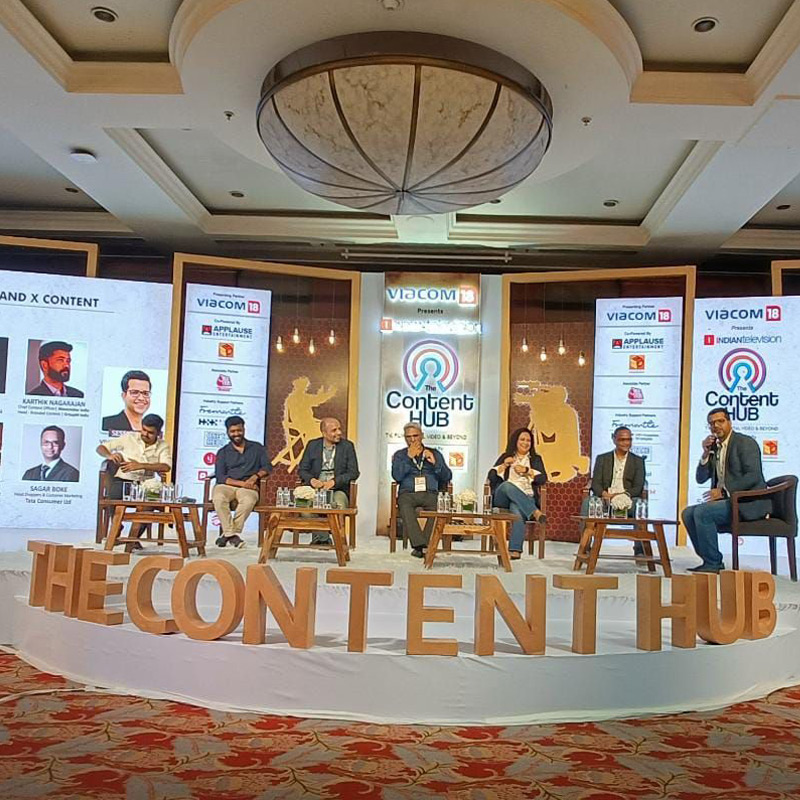
Mumbai: There’s a lot of content available to consumers that is vying for their attention. Brands are finding it difficult to leave a deeper mark on...
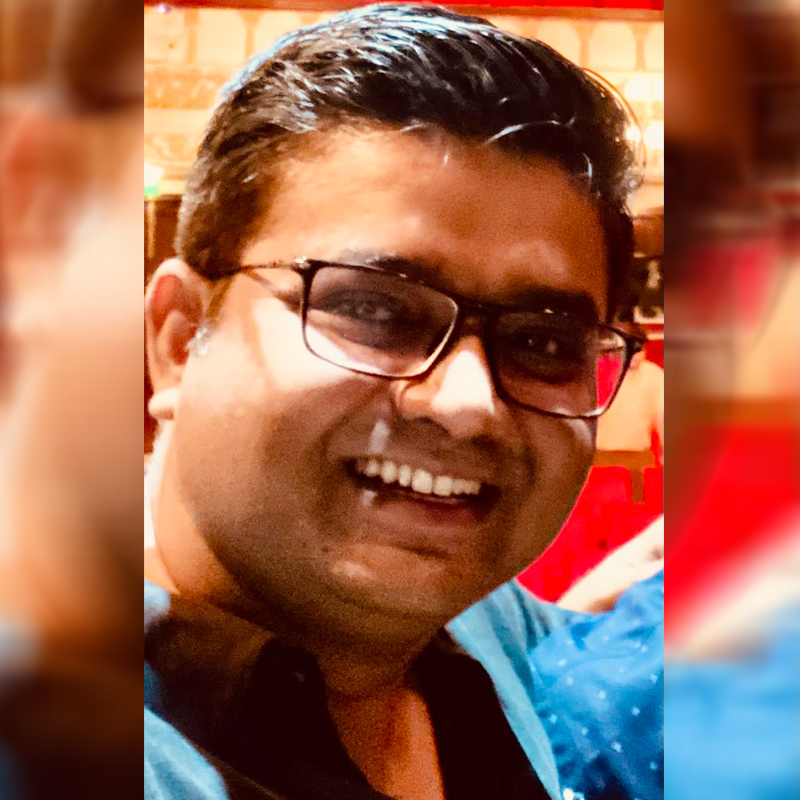
Its that time of the week again, when we take a peek into the mind of a corporate head through a fun lens with IndianTelevision.com’s ‘Weekend...

Mumbai : Upstox extends its partnership with Tamil Nadu Premier League 2022 as associate partner Sub: The aim of this year’s partnership is to further strengthen...
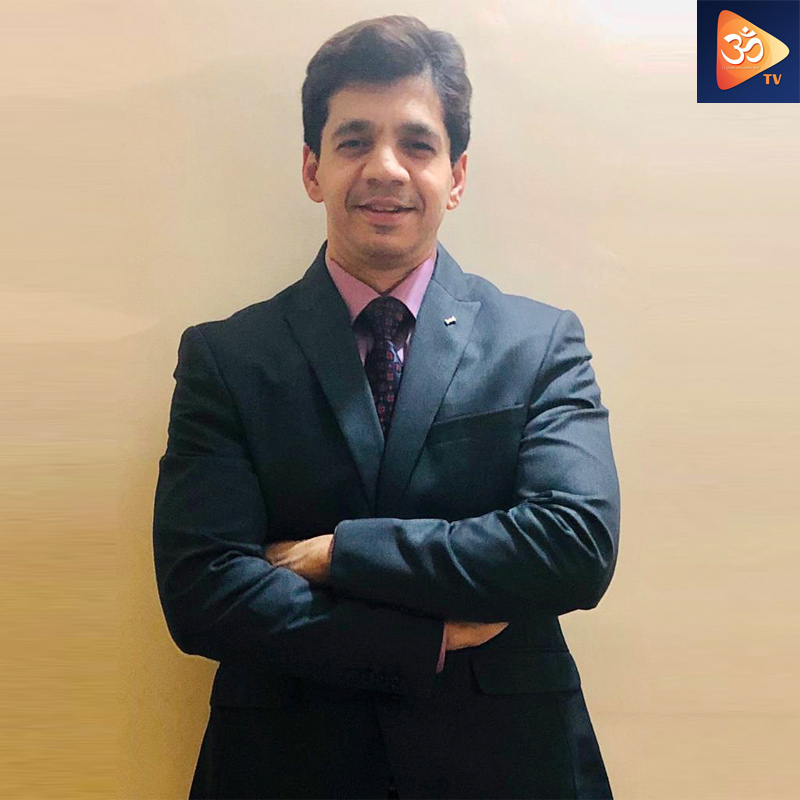
Mumbai: OMTV, which claims to be India’s first sanatan storytelling platform, has announced the appointment of Sahil Kiran Vaidya as head business & strategy. In this...
Mumbai: GOZOOP Group has bagged the social media and online reputation management mandate for the premium men’s comfort wear and innerwear, XYXX. With this association, XYXX...
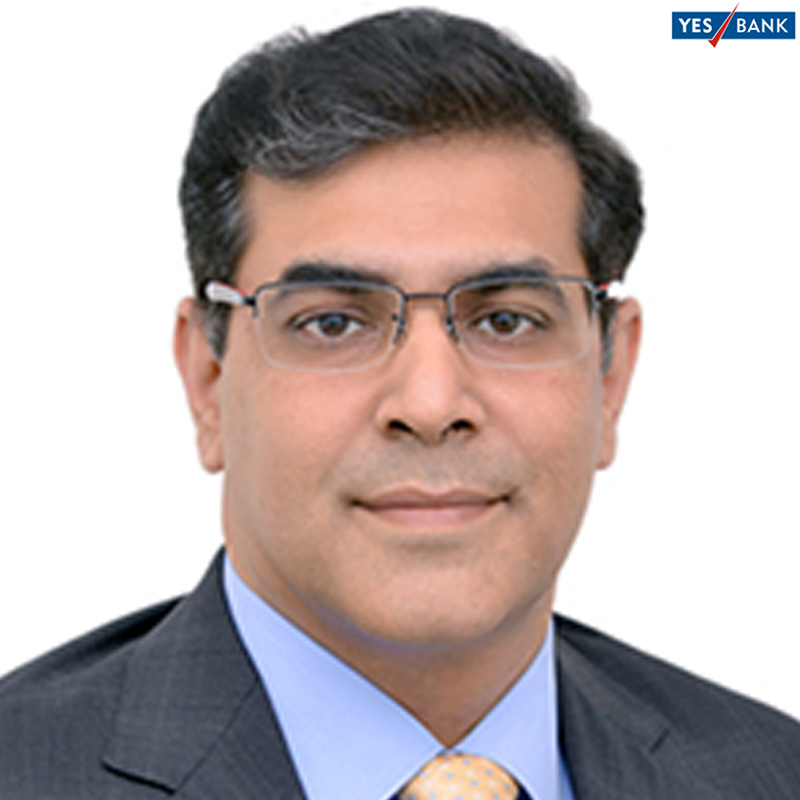
MUMBAI: Yes Bank announced the appointment of Nipun Kaushal as the chief marketing officer (CMO) for the bank. In this role, he will be responsible for...

Mumbai: The global digital skill provider, Simplilearn, has appointed Will Lin as the new chief marketing officer. He brings to the company more than 20 years...

Mumbai: As technology advances and consumer habits change due to the pandemic, television newsrooms navigate a new world. The pattern of consuming news content is also...
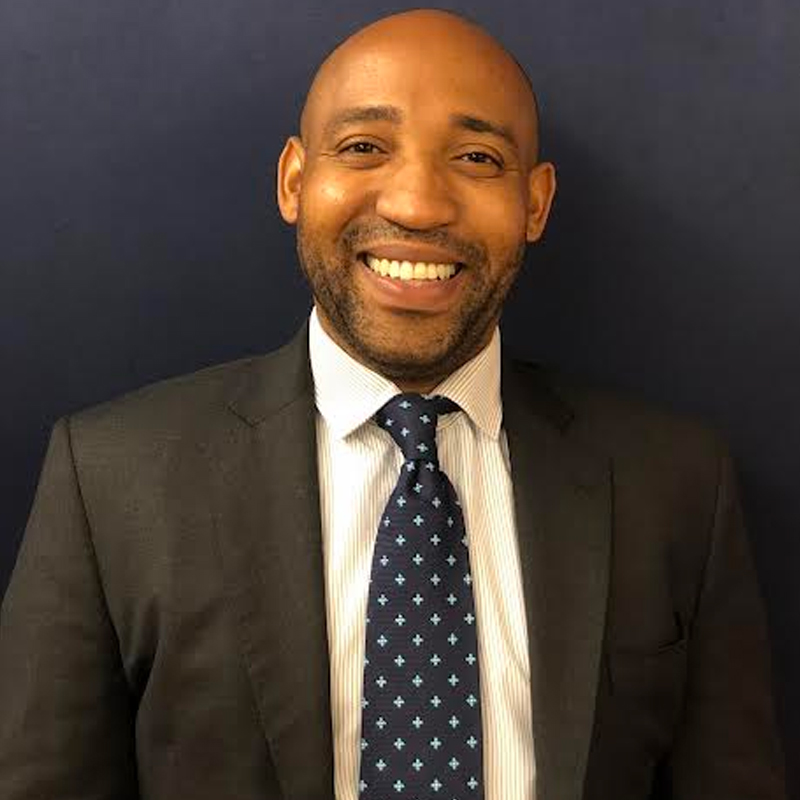
MUMBAI : Through the years, what has been constant is how brands evolve with new tools and modes of communication to best connect with their customers...

MUMBAI: Programmatic adtech platform Xapads Media has announced the appointment of Gagan Uppal as the country head for the Mena (Middle East and North Africa) region...
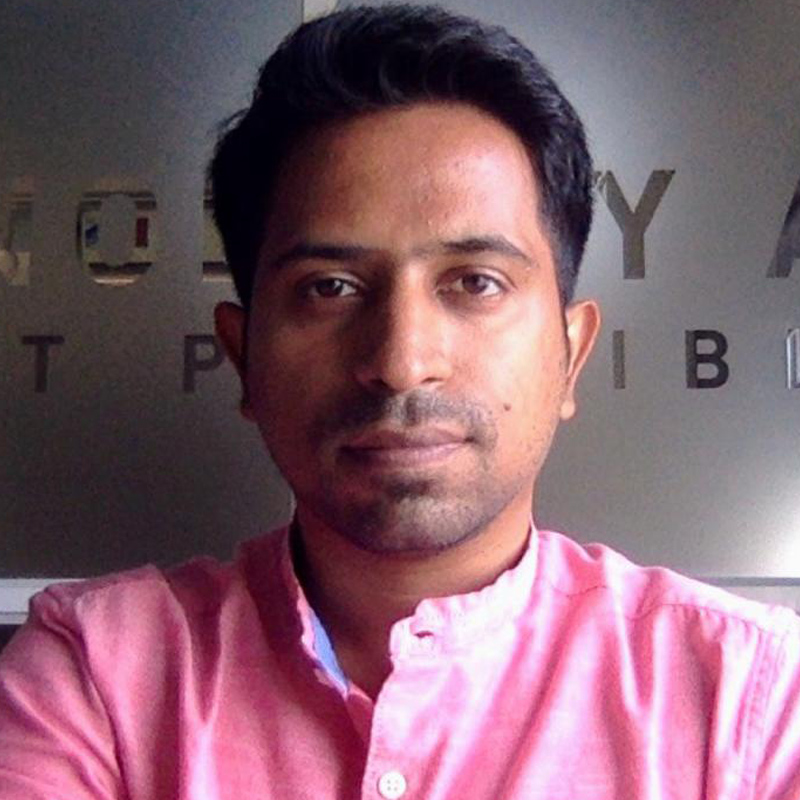
Mumbai: The digital marketing agency Langoor has appointed Vinay Rao as its head of client success. He will lead strategizing and digital transformation on key accounts....
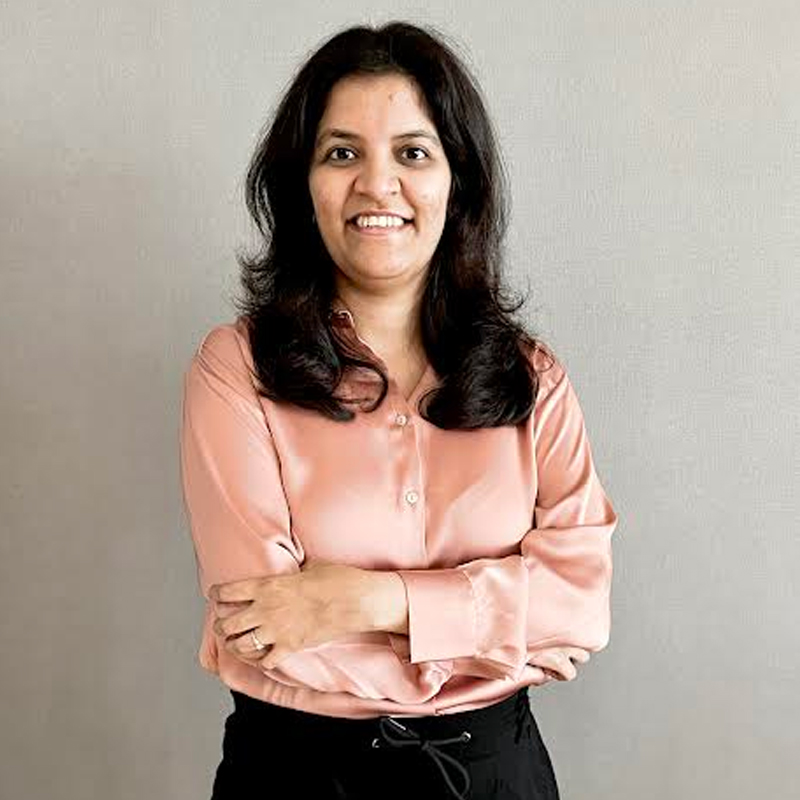
MUMBAI: Global wellness brand, Vahdam India has appointed Sneha Beriwal as its chief marketing officer to shape, drive, and execute its marketing strategy, the company announced...

MUMBAI: The leading provider of content, marketing, and monetization technologies InMobi on Tuesday announced an expansion of its partnership with Microsoft Advertising to support enterprise and...

MUMBAI: Zoom Video Communications has announced that Greg Tomb will join the company as president effective from 7 June 2022. Tomb brings more than 20 years...
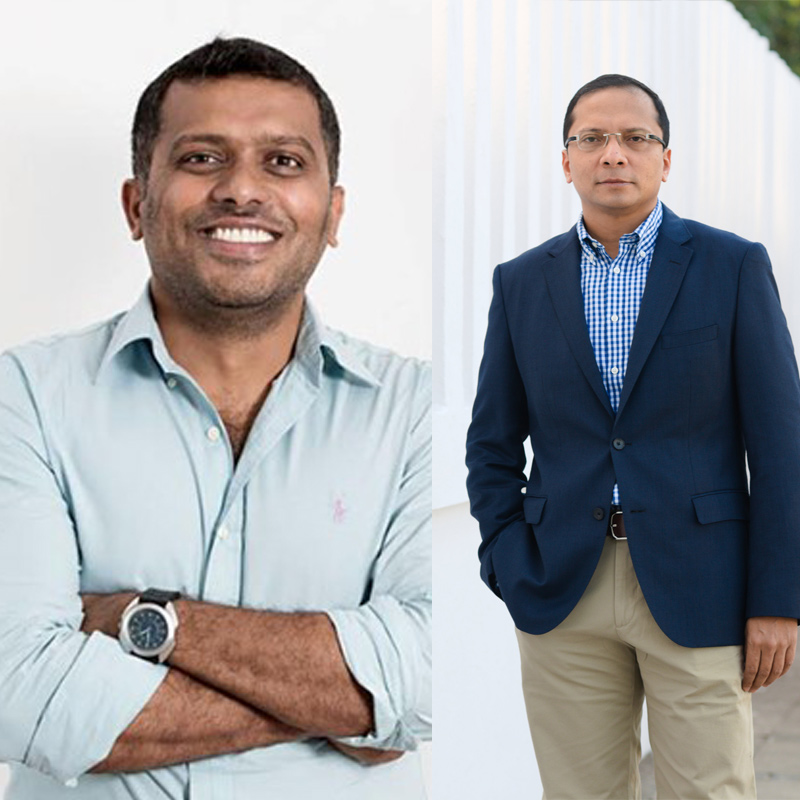
Mumbai: Havas Group India has decided to part its ways from Langoor, the full-service independent digital agency, according to a company statement. The digital marketing agency...

MUMBAI: After an eleven-year-long stint at the network, dentsu India chief client officer (CCO) Narayan Devanathan has resigned. Devanathan moves on from the agency to pursue...

Mumbai: Bombay Shaving Company Women (BSC Women) has launched a bold & riveting digital campaign #SayYesToTheCup to drive awareness for menstrual cups and bring attention to...

Mumbai: HiveMinds Innovative Market Solutions, a unit of Madison World has won the digital marketing mandate for the investment platform Kuvera. HiveMinds also manages digital marketing...
Mumbai: Publicis Groupe-owned media agency Zenith India has retained the media business of Nestlé India, according to the company’s statement. The business was won in a...

Mumbai: Lakmé Academy powered by Aptech has signed Bollywood actress Ananya Panday as the brand ambassador. The association comes after a long-standing relationship of the actress...

MUMBAI : With Covid-19 behind us and all restrictions easing up, it is hardly surprising that things are returning to pre-pandemic levels. It is critical to...

Less than a year since its launch in July 2021, Zepto – the newest kid on the quick commerce block, has been giving other established players...
Mumbai: The pandemic has affected a substantial amount of businesses globally and has severely impacted the travel and the hospitality sector. The Indian hotel industry has...
MUMBAI: After a career spanning over 22 years, dentsuMB Group CEO Sidharth Rao has moved on from the agency. Rao will be leaving the business in...
Mumbai: AI solutions company, Yellow.ai announced on Tuesday the appointment of Surbhi Agarwal, as its senior vice president (SVP) of global marketing. Agarwal joins Yellow.ai from...

Mumbai: The digital specialist of Madison World, HiveMinds won the digital marketing mandate for the leading gold tech platform Rupeek. The agency won this mandate following...

Mumbai: The fashion clothing brand MADAME has launched a video campaign featuring actress Tara Sutaria to promote the brand’s summer collection. The campaign is based on...

MUMBAI: Edtech major Byju’s has onboarded Jiten Mahendra as the new vice president & head marketing. Before joining the edtech company, Mahendra was with retail and...

MUMBAI: Ten-minute grocery delivery app and the youngest entrant on the quick commerce scene, Zepto launched its latest IPL campaign last week. Crafted by L&K Saatchi...
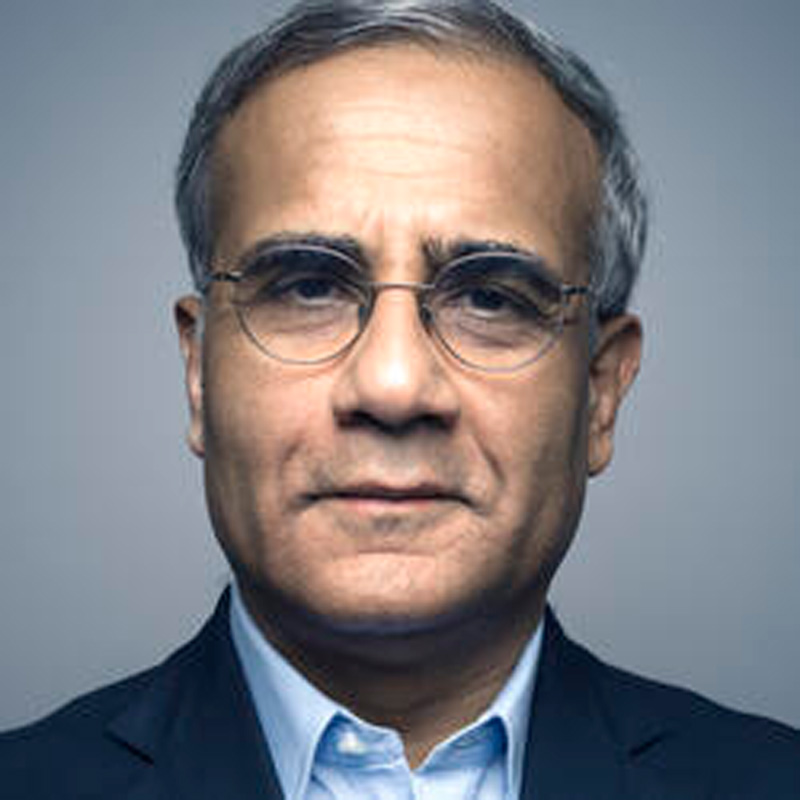
MUMBAI: The world is now entering the third connected age and it is going to have a huge impact on various areas of advertising and marketing....
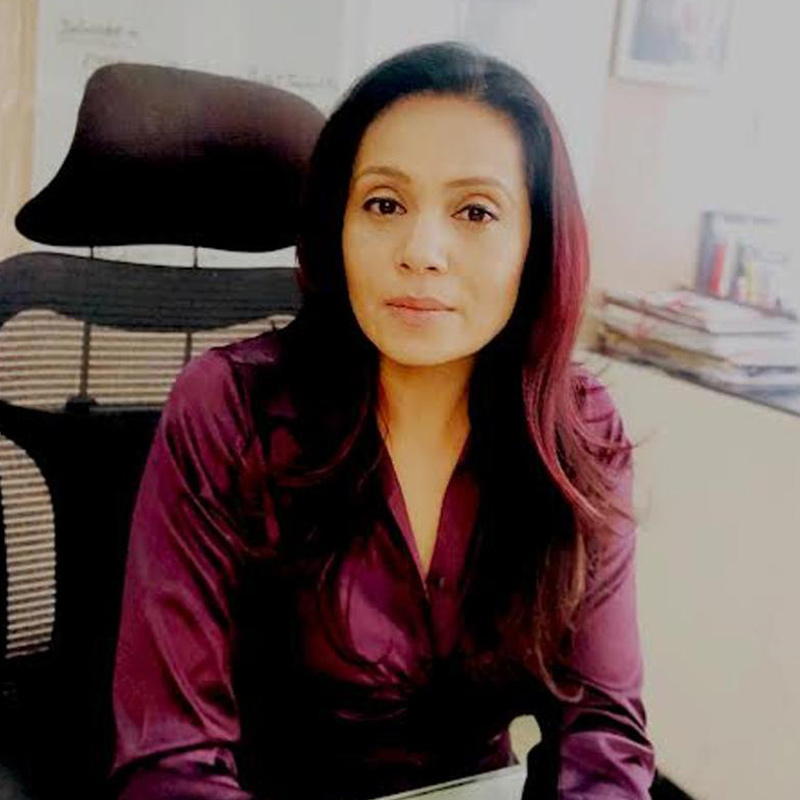
Mumbai: Altbalaji senior vice president marketing partnerships and revenue Divya Dixit has moved on. She confirmed the development to Indiantelevision.com and is currently serving her notice...

The popular dating app QuackQuack has witnessed a massive jump of 2 million users in the past five months and currently stands at 17 million registered...
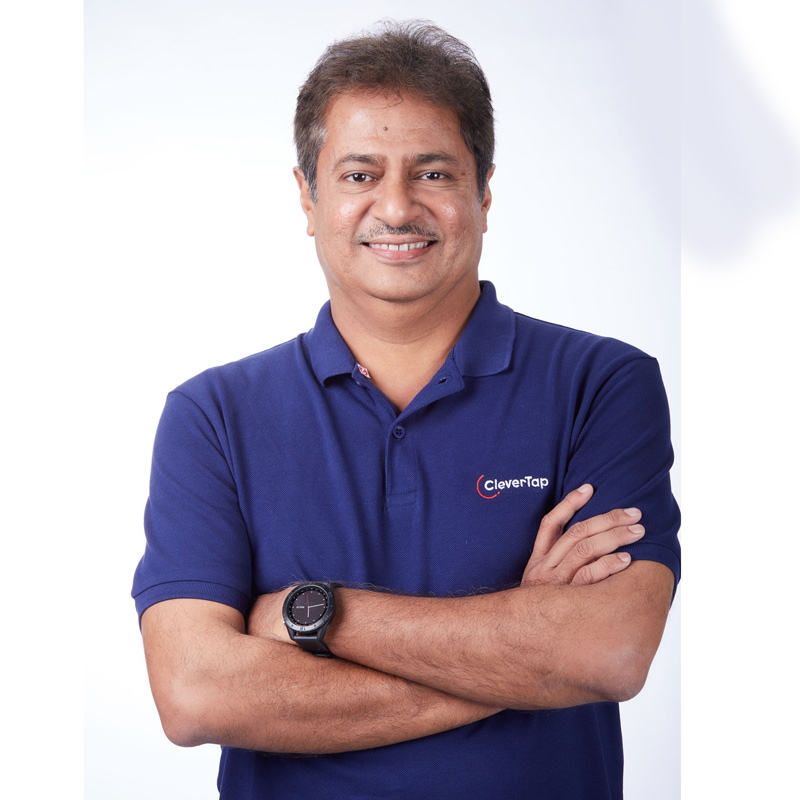
Mumbai: The retention cloud leader, CleverTap on Thursday has announced that it has signed definitive agreements to fully acquire San Francisco based Leanplum, a leading multi-channel...

Mumbai: The digital marketing agency, PivotRoots has acquired DeepFlux, a MarTech consultancy, for an undisclosed amount. The company will integrate DeepFlux into its Martech lab and...

Mumbai: SEO company Infidigita has won the SEO mandate for Khatabook, a Bangalore-based SaaS FinTech company. The partnership aims to help Khatabook achieve its marketing objectives...
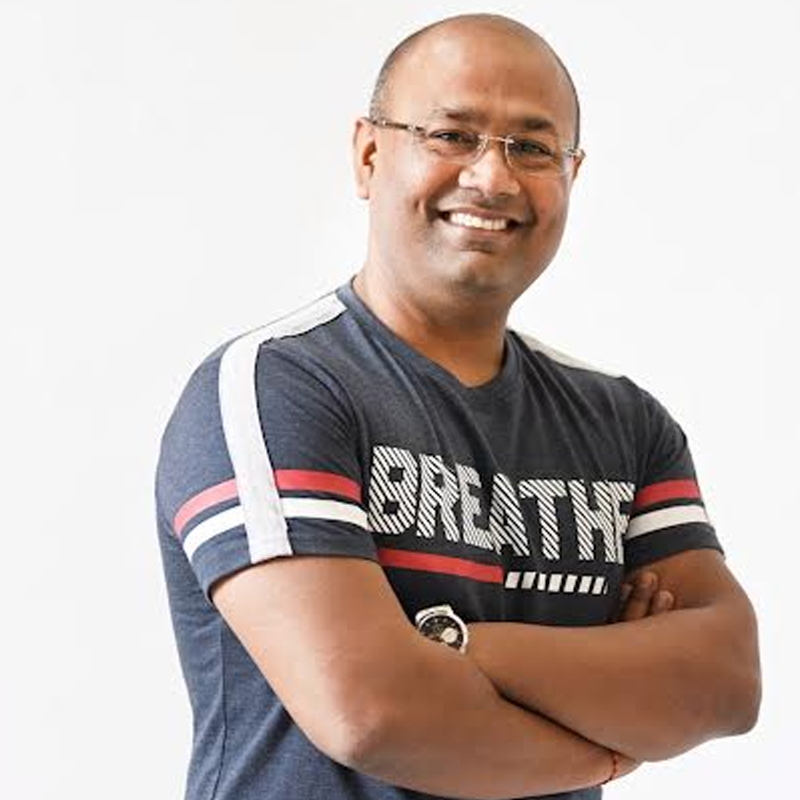
MUMBAI : Mothers everywhere and, perhaps, more so in India are held to unreasonably high standards, wherein they are expected to lean in at work whilst...

Mumbai: Colors Bangla brings forth the story of one such female auto driver Tumpa in its upcoming show Tumpa Autowali powered by Colgate and Dear Lotteries....

L’oreal has appointed Abhishek Grover as the chief digital officer-consumer products, according to his Linkedin profile post. He will oversee the operations of the south-east Asia...

Mumbai: Procter & Gamble (P&G) India on Tuesday announced its commitment to improve the accessibility of brand advertising to people with sight and hearing impairments by...
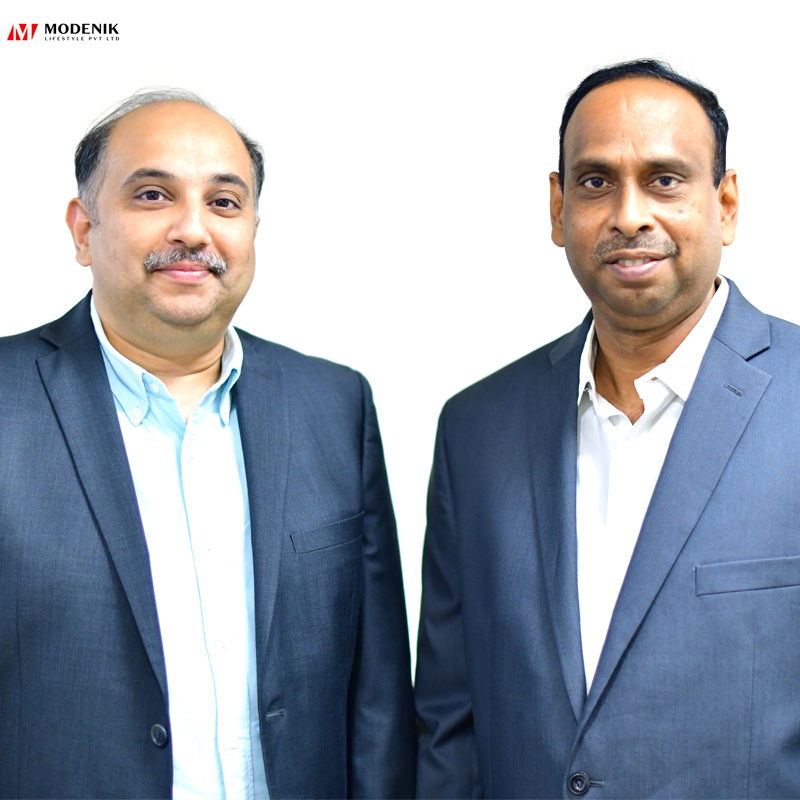
Mumbai: Modenik Lifestyle has announced the expansion of its management team with the joining of Suryanarayana GV as its chief information officer (CIO) and Utkarsh Thakur...
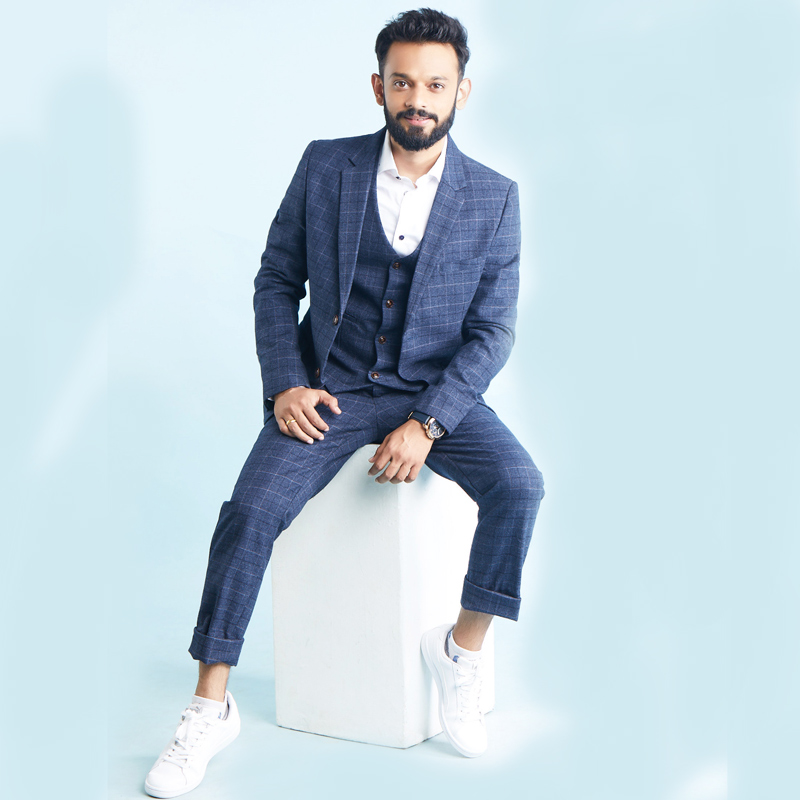
Mumbai: Performance marketing today holds tremendous control over brand expansion and growth in terms of revenue and brand recognition. Before we dive into the benefits of...
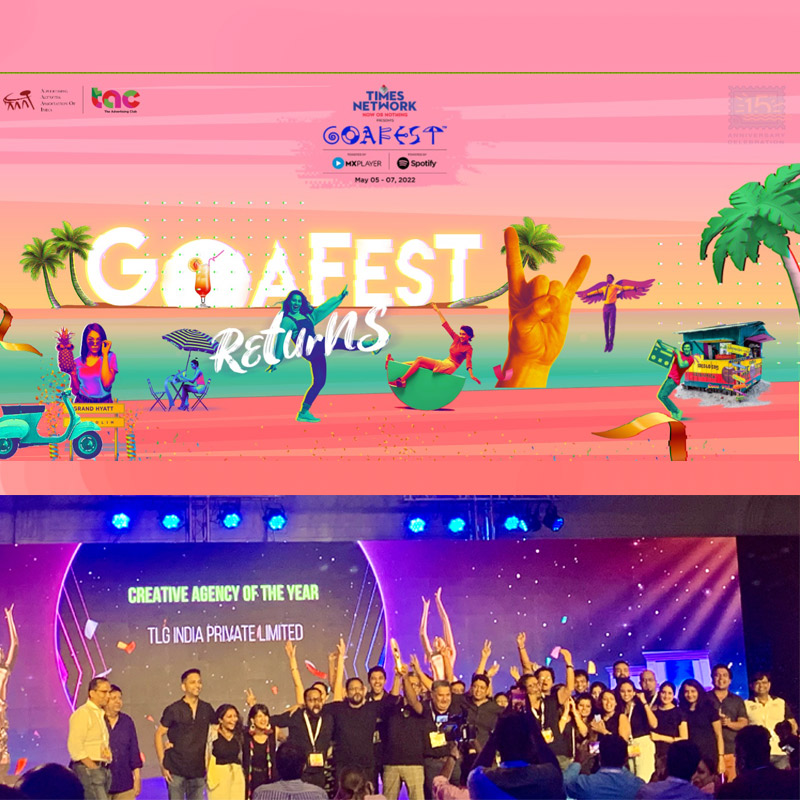
MUMBAI: On day three of Goafest saw the grand finale of the event celebrating the best in advertising, marketing and media industries, with creative minds battling...


