Tag: marketing

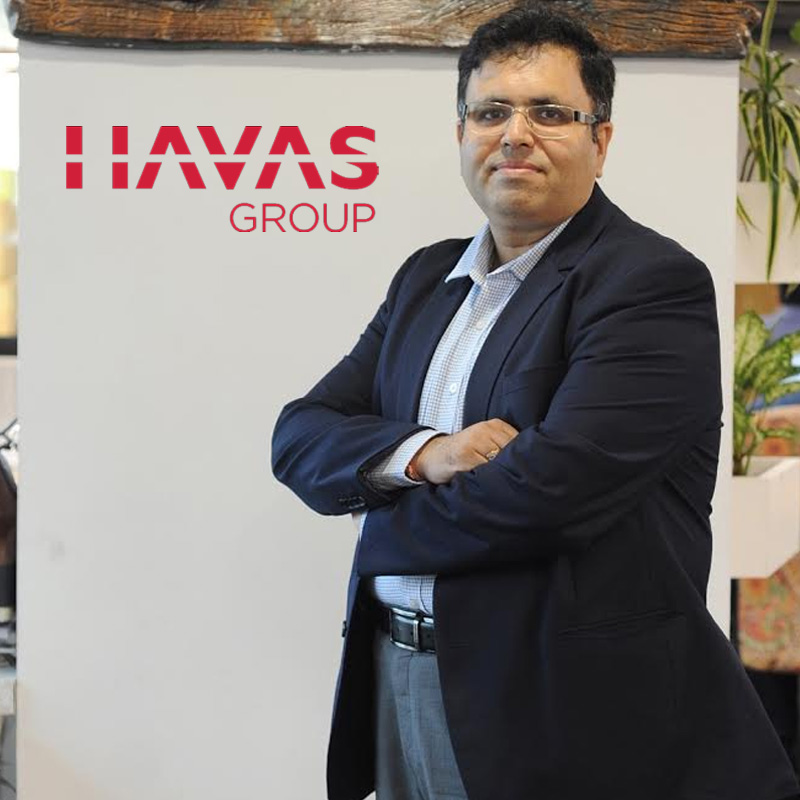
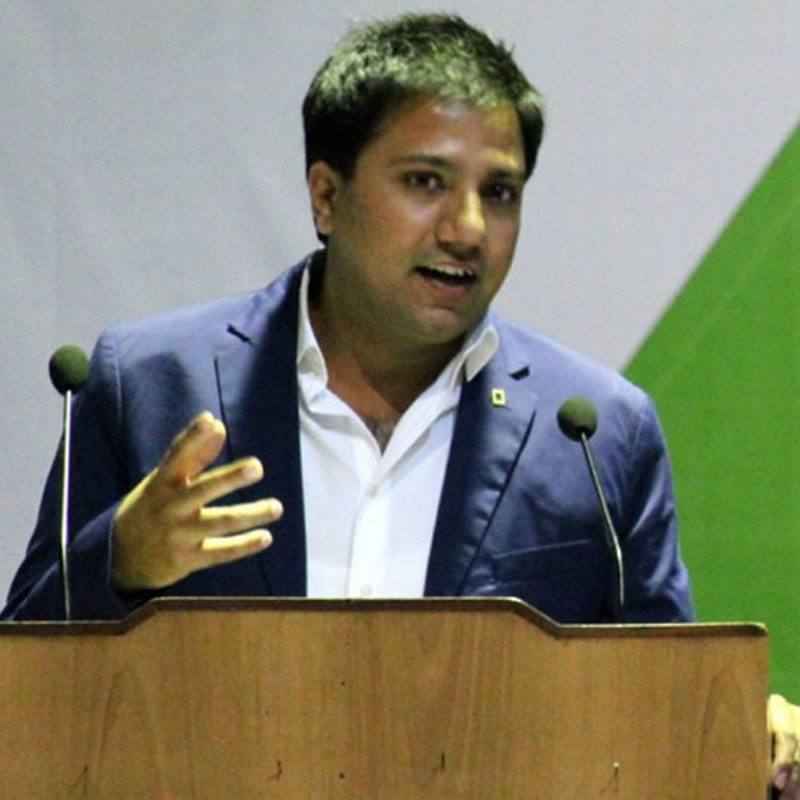
  • Brands are allocating nearly 25-30% of their budgets to influencer marketing: GroupM’s Ashwin Padmanabhan

    Brands are allocating nearly 25-30% of their budgets to influencer marketing: GroupM’s Ashwin Padmanabhan

    The advertising & media landscape in the country is evolving every day, especially with the exponential growth of all things digital during the pandemic. According to market research firm Statista, the influencer marketing industry in India- a relatively new-age advertising segment- has grown robustly and is worth Rs 9 billion, as of 2021. It is projected to grow at a compound annual growth rate (CAGR) of 25 per cent over the next five years to reach Rs 22 billion by 2025. There has also been a perceptible paradigm shift from banking on celebrity endorsers to engaging influencers for product placements in recent years.

    On the sidelines of its flagship content summit Brew, IndianTelevision.com had an in-depth conversation with GroupM’s president of partnerships and trading Ashwin Padmanabhan, to find out whether influencer marketing has finally come of age in India.

    Padmanabhan also weighs in on the importance of responsible advertising, while sharing insights on the marketing & advertising strategies brands and OTT platforms are adopting to improve the bottom lines in today’s uncertain inflationary times, with consumers tightening their purses.

    Edited Excerpts:

    On has influencer marketing reached a stage in India where brands are now keeping aside a substantial part of its annual adspend towards it

    Absolutely. If we look at our clients in the GroupM universe, currently, close to 150 odd brands actively use influencer marketing as a strategy to reach their consumers. Importantly, they are using it in more than one area. One is to drive consideration because the nature of influencer marketing is such that influencers create content which their followers are highly engaged with. That’s one of the reasons that influencers are becoming very relevant in a brand’s marketing mix: to drive engagement.

    We are also seeing some brands now moving from driving consideration to engagement to actual action, as the tech infrastructure becomes increasingly better, to enable a call-to-action where the consumer can directly click on a link to buy a service or product. So we are seeing that shift too with brands in a mid-to-lower funnel.

    In fact, during the lockdown, nobody could go out & shoot content or create TVCs, etc. That’s when we started working with a lot of brands as an alternative to traditional television commercials or traditional web commercials, and influencers became very relevant in that environment. But as brands started working with them, they realised that they can start working with influencers on a standalone basis- as an integral part of their marketing strategy, and not just because they can’t do something else. And that’s the shift that has happened in the last two years.

    On how much percentage of a brand’s annual marketing/ ad spends is allocated today to influencer marketing

    The way we look at brands right now we see three buckets of clients: There are brands which have become native to influencer marketing who allocate close to 25-30 per cent of their budgets to influencer marketing. It’s a very integral part of their marketing strategy. D2C brands make up a large mix within this, but we are seeing even FMCG and especially, personal care brands allocating more than 15-20 percent of their budgets on influencer marketing. They may not be in the top four or five, but they are surely in the mid to lower funnel range. These brands have realised that it’s a great way to create ‘Share of Voice’ (SOV). They can’t fight the ‘big boys’ in the media space, especially in the CPG (consumer packaged goods) category, SOV is very critical. And influencer marketing becomes a great tool to drive SOV. And hence these brands are over-indexed in influencer marketing than their peers, which are the larger organisations.

    Loreal- one of our clients- although a big name, in specific categories like personal care and especially in cosmetics range like Maybelline, they are highly over-indexed in influencer marketing. They had an ‘always-on’ influencer marketing strategy throughout the year. And that’s the other shift we are seeing from stand-alone campaigns. It also allows you to have a threshold level of visibility, engagement, and driving action from the consumer through the year- that’s the beauty of influencer marketing.

    Also, there’s the middle bucket of the brands which have become mature, that would have anywhere from 10 to 25 per cent of its ad spend allocation. These are brands which have tried using influencer marketing and continue using it but it’s not part of their ‘always on’ strategy for them. They look at it very tactically, a lot of their influencer marketing is around events that they do. And then the set of influencers they work with amplifies the work they do. So, they use it differently as a strategic mix. But even here we see anywhere from five to ten per cent spending allocation.

    And then there’s still a very large bucket of clients who are curious and they are wondering how to work with influencer marketing. They are trying to gauge and test the waters & see what’s in it for them, and what kind of metrics they can work with. So they have a lot of questions in their mind on how they quantify their investment, how they define ROI in this case, is there some kind of measurement that’s credible. And that is where we come in with INCA. With the tech that we have built, today we can analyse anywhere close to 45,000 influencers in India & have a very detailed understanding of not only what space they create content in. We also have a detailed understanding of their audiences, their demographic, and what part of geography they come from. Stuff like this has not been organised in many years as it’s an evolving space,  which is also why we took out the INCA influencer marketing report- the first edition of which came out last year.

    Our estimate about the industry last year was close to Rs 900 crore, and this is not the money being spent on media or the money being spent on boosting the content being created. This is money being spent specifically and directly on influencers, which is a significant number. And it’s only growing 25-30 per cent YoY.

    And not just data, but also a lot of qualitative research as well that’s going into it, to quantify the ROI or shift that’s happening when we work with an influencer or celebrity influencers. And the more we do it, the more we see brands getting warmed up to it. It’s suddenly moving out of a space they didn’t understand to a space they can make sense of their investment.

    On ASCI stricture of ‘paid sponsorship’ tag affecting the influencer marketing revenue

    Not really because the way we advise our clients to work with influences is not to force the influencer to post your content. The idea is to create content that’s organic to the influencer and has a brand message embedded. As long as brands do that, there’s content for their followers to consume that’s in line with their expectations. The moment you stray from that and you start using the influencer purely as a reach medium then I think we are moving away from the basic principles of influencer marketing. So it’s not really about the guidelines, which are only making it clear that whatever content you are consuming is sponsored by someone. It’s a disclaimer or statement we are making upfront so it’s transparent. That’s a good thing, and as long as the content remains true to what the influencer makes regularly there’s no difference. On the other hand, even without that paid content tag if you stray away from this principle you’ll not get the required reach.

    On how GroupM ensures it stays in the realm of “responsible advertising”

    Creativity doesn’t mean a licence to abuse or licence to harm someone. Creativity is about connecting with people in ways that surprise them positively, not negatively. And for us “responsible investment” is a very huge part of what we do at GroupM. We have something called the Responsible Investment (RI) framework that we started applying to the content that we produce.

    One is the content that we produce with influencers around INCA. Then there is the long-form content we produce in the motion content group, such as web series, films as well as TV shows where we are bringing RI.

    From this perspective we have defined four goals or areas for us: The first is around sustainability, second is DEI (Diversity, equity and inclusion) with a magnifying glass into gender equality. The third is around primary education, because in India about 40 percent of kids drop out of school after fifth grade, and there are a lot of companies which are trying to do something to change this. The fourth is around financial inclusion. So these are the four pillars that we have defined.

    So the question we are asking is how can we bring any of these themes into the shows we are doing. And we believe that if we need to truly make a difference in the world then habits have to change. And I think “content” is the most powerful way to do that. Content creates cultures, passion and habits, even the way we behave with each other. And one of the routes to driving RI is how we create this content. We believe as an organisation we have to be the catalyst for the world to come around these four principles. 

    Creators and platforms are forever chasing a formula that they think works. Today, there’s a conflict in the creative space when it comes to content. Where at one level we are probably becoming more regressive because we have seen that certain regressive content has worked, and everybody wants to do the same kind of thing. On the other side, we see a lot of independent creators who want to create content which makes a positive difference. That’s why we are committed to them and putting our money behind them. These productions are investments done by GroupM, as we believe as such an important player in the media space in India if we don’t do it then we can’t expect others to do it.

    On how Netflix introducing ad-supported plans impacts OTT viewership

    The fact is that there’s some great content being produced today, but the access to that content is limited today because of the sheer investment a subscriber/ audience has to make to watch that content.

    On OTTs, unlike on TV, if somebody wants to watch content across different platforms and different languages, then they need to be in the top one per cent in the country, otherwise, nobody can afford it. So clearly, from an economic perspective while it does make sense for the channels as they will be able to get more viewership. But from the audience’s perspective, it makes the content more democratic. So I think it’s great if more platforms open up to that and understand that.

    On getting brands to achieve cost efficient & strategic ad spends during these times of rising inflation, and the impact on AdEx

    We don’t anticipate it to impact AdEx as much, it’s more about how those spends can stretch longer or do more for me. What it is potentially doing is, forcing organisations to go back to the question of efficiency. So, you start moving towards value communication at such times. But the value in the equation is being driven by questions such as how can we make it reach more people, are there different ways to reach them, and can I engage with them more and drive more actions?

    One big trend I’m seeing is that it’s forcing organisations to look inwards. And ask what are those systems and processes that they can build more efficiency to save cost, so as to reduce impact on the consumer. Be it in the way they are packaging their products, or the way they are distributing them physically. So, they are trying to build more efficiencies into their own processes to be able to cut costs, so they don’t need to pass on the burden of inflationary pressure they are facing onto the consumers.

    The other question is, how do they help the consumer get to their product in different ways which are not necessarily the way in which they have been used to buying the product. So new distribution channels, whether its D2C or e-marketplaces or whether its small kiosks or QSRs that have been set up to create a physical space as well. So there’s a lot of innovation happening at the ‘point of sale’ and how the consumer accesses the product.

    Yes, there is some part of the pressure which gets passed onto the consumer but that’s being done in different ways. Like, probably reducing the size of the product while keeping the price same as before, so it won’t pinch your monthly budget as much. The reality is that outside of the one per cent of the country’s population, these pressures that we are going through mean a lot to everybody else. If you are not sensitive to what consumers are going through, it’s not good business as well. And honestly, we are seeing this sensitivity very clearly across our clients. These are some of the biggest CPGs (consumer packaged goods) that we manage. And CPG is where one feels the pinch the most because these are staple, everyday items which you need to run your home. These organisations are being extremely realistic about the fact that they need to start at home before they start putting pressure on the consumer.

  • Omnicom Media Group India appointed Anand Chakravarthy as its chief growth officer

    Omnicom Media Group India appointed Anand Chakravarthy as its chief growth officer

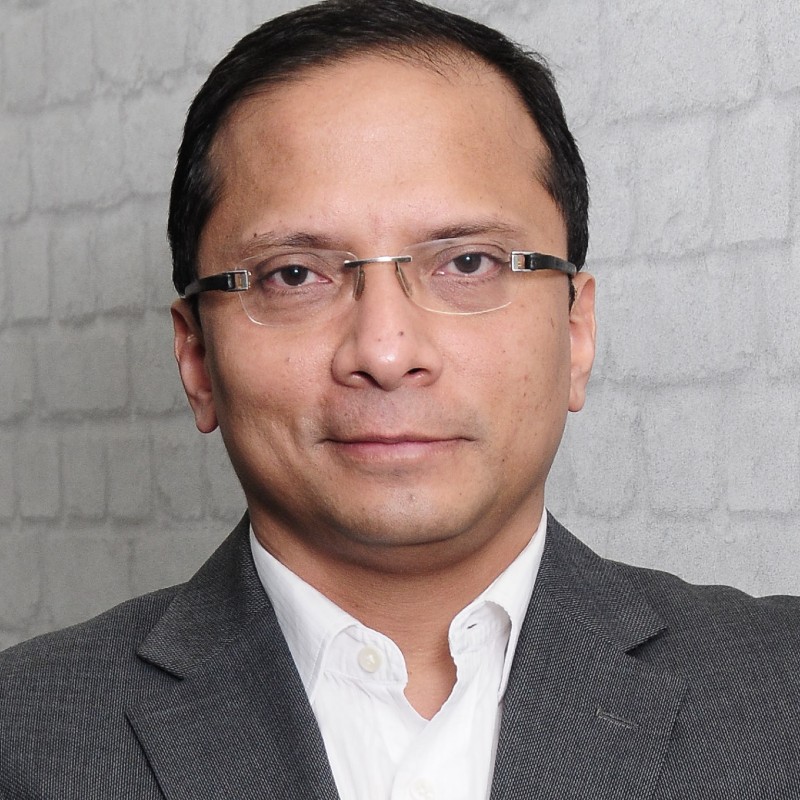
    Mumbai: Omnicom Media Group (OMG) India on Tuesday announced the on-boarding of Anand Chakravarthy as its new chief growth officer. Anand is set to use his strategic foresight and over two decades of rich industry experience to create new opportunities for growth and play an instrumental role in shaping OMG India’s future trajectory.

    He will report to Kartik Sharma, Group CEO of OMG India.

    With over 24 years of experience in marketing, advertising, media, and entrepreneurship and having worked with many reputable businesses, all of which witnessed exponential growth under his guidance, Anand has a deep well of knowledge to draw from. Prior to this, he has led many profitable businesses, including during his leadership stints at Essence Global, Wavemaker, and Reliance Broadcast Network.

    Anand’s strength lies in his ability to formulate crucial strategies that help businesses scale up and become sustainable in an extremely competitive market. Across his repertoire of experience, he has worked with global and Indian brands, including several leading D2C brands in India.

    Speaking of his appointment, Omnicom Media Group India CEO Kartik Sharma said, “I am delighted to welcome Anand on board. His extensive knowledge, values-based leadership style, and commitment to delivering results will undoubtedly be a great asset to our business going forward. His work speaks for itself and shows that he has the propensity to lead and help companies capitalise on new growth opportunities in an emerging market.”

    Anand Chakravarthy said, “I am thrilled to be a part of OMG India and get the opportunity to work with Kartik and his leadership team, for whom I have immense respect. OMG is recognised globally for its thought leadership and building future forward capabilities—a critical need in the industry today. Working in this ecosystem with this team and leveraging these capabilities to help brands evolve without any limitations is a fantastic opportunity. I look forward to fully committing to OMG’s vision and pushing the boundaries of innovation and growth.”

  • Rachin Khanijo joins Sony Entertainment Television as marketing head

    Rachin Khanijo joins Sony Entertainment Television as marketing head

    Mumbai: Sony Pictures Networks India has appointed Rachin Khanijo as the marketing head. Earlier, he was associated with Beginnen Media as the Chief Marketing Officer (CMO). He was responsible for on-air promotions, marketing, and corporate & digital communications. Beginnen Media runs Hindi GEC Azaad TV.

    He has over 17 years of experience in the industry. Prior to this, he has worked with Eros Now as vice-president-marketing; Zeel as marketing head; Viacom18, Ogilvy & Mather and SET.

  • Over 90% of shoppers actively seek out comments about brands on social media before buying: Twitter & Publicis media research

    Over 90% of shoppers actively seek out comments about brands on social media before buying: Twitter & Publicis media research

    MUMBAI: How much does talking about brands and products impact sales? And how do businesses tap into this power? Over 90 per cent of shoppers actively seek out comments about brands, products, or services on social media before arriving at purchase decisions, according to a recent research study. 68 per cent of those surveyed said their impression of a brand was changed as a result of experiencing brand conversation, according to the study undertaken in collaboration by Publicis Media & Twitter. Over half of shoppers consider brand conversation on social media impactful as per traditional reviews.

    Twitter teamed up with Publicis Media to survey 9,600 consumers on six social platforms across the US, the UK, India and Mexico, to understand how brand conversations on social impact consumer decision-making and sales. The study uncovered several findings that point to the power of social brand conversation. The research aims to understand how brand conversations on social impact consumer decision-making and sales.   

    71 per cent of people surveyed felt they are more likely to consider brand conversations before a purchase journey begins. While the data shows the influence of brand conversation is high before or early in a purchase journey, it decays over time. This indicates that always-on engagement is key and can even kick-start buying decisions.

    According to the study, content and sentiment matter with 86 per cent of “very positive” conversations being considered as ‘memorable’ by respondents. Whereas only 49 per cent of “very negative” conversations are considered memorable. Three in four brand conversations resulted in more positive brand sentiment, as per the study.

    The research also corroborated brand conversations on Twitter as driving people to buy, with 60 per cent of purchasers who recalled a conversation on Twitter said it made them much more likely to consider the product they bought.

    Publicis Media Services India CEO Tanmay Mohanty said about the research, “In a world where interaction, opinion and communication are vital, this is the reason social media platforms are still seeing growth and can influence & shape consumer views and decisions.”

    “This groundbreaking study with Twitter illuminates how consumers actively seek opinion on brands on social platforms, and how social chatter can influence decision-making and purchase and build trust and popularity for brands,” he further said.

    Further insights, outlines and explanations on the research can be found in the blog post:  #LetsTalkShop: How brand conversation powers shopping (twitter.com).

  • Bisleri’s Anjana Ghosh steps down as international director – marketing & business development

    Bisleri’s Anjana Ghosh steps down as international director – marketing & business development

    Mumbai: After a 16-year long stint with the bottled water brand Bisleri International as director – marketing & business development, Anjana Ghosh has decided to move on. Ghosh was with Bisleri for approximately 16 years, having joined the company in 2006. She is currently taking a break even as her next move is yet to be disclosed.

    Sharing the development on LinkedIn, Ghosh posted: “Routine can make one complacent, we hide our true self, the spark dwindles, our outputs are more mechanical and that can drain you. I want to make an attempt to step out of my comfort zone, challenge myself to begin fresh towards brand building and marketing for another brand and transform its growth journey.  

    After spending 16 years in Bisleri I am looking out for the next Challenge.”

    “In my association I saw the brand rise to become brand number one, build huge consumer connects with clutter breaking campaigns, saw the company grow leaps and bounds, the experience of which I shall cherish for the rest of my life. Undoubtedly, I carry loads of memories of good times spent at Bisleri,” she further said, adding, “Time to challenge myself again!”

    Ghosh was primarily responsible for bringing innovation to the brand and was involved in a lot of pioneering projects including the brand makeover from blue to green and the latest foray into the e-commerce industry. She handled multiple roles in the organisation including strategy and planning for the brand. Ghosh also worked with the brand on a slew of sustainability and plastic recycling initiatives.

    ALSO READ | Bisleri’s Anjana Ghosh reveals why the beverage brand floated its own e-comm platform

    Ghosh joined the beverage company as deputy general manager, sales & marketing after 15 years in the steel industry. She grew into the roles of general manager and later, director, over the next three years.

  • Meta onboards Dilpreeta Vasudeva as head of marketing – business messaging

    Meta onboards Dilpreeta Vasudeva as head of marketing – business messaging

    Mumbai: Facebook, Instagram, and WhatsApp parent-company Meta has appointed Dilpreeta Vasudeva as the marketing lead for business messaging (WhatsApp, Instagram & Messenger).

    Prior to joining Meta, she worked as the founder of CMO Access. Previously, Vasudeva headed marketing at Jio Studios, before helming marketing transformation and financial services at Bharti Enterprises.

    An ISB Alumna, Vasudeva has worked alongside senior leadership teams of MNCs & Indian conglomerates garnering experience across more than seven categories & functional disciplines of marketing. She held a stint as head of digital marketing at Tata Play previously. Vasudeva has also worked with conglomerates Microsoft, Times Internet, Tech Mahindra and Radisson.

    Vasudeva took to LinkedIn to make the announcement, with the caption, “Meta Metamates Me.” She wrote: Stoked to join as the Marketing Lead for Business Messaging at Meta – WhatsApp, Instagram & Messenger.


  • CaratLane releases catchy Rap Anthem; takes twitter by storm

    CaratLane releases catchy Rap Anthem; takes twitter by storm

    Mumbai: The leading omni-channel jewellery brand, CaratLane, has launched its very own rap anthem on YouTube, starring the employees in their natural element. 

    The rap antthem #YehHaiApnaTime highlights how the essence & spirit of the people is what makes CaratLane so unique.

    The digital anthem recently created a buzz on Twitter as it trended in the top five conversations.

    The anthem goes on to showcase a glimpse of the fun & culture at their office.

    The brand released the rap anthem to give a sneak-peek into CaratLane’s work culture to its consumer base and connect with like-minded people. While the treatment of the video is very fun, inclusive and full of energy, the anthem also makes some strong statements that represent the overall brand values on omnipresence, priority of consumer experience and being accessible, to name a few. 

    Talking about the catchy release, CaratLane COO and co-founder Avnish Anand said, “the last 13 years have been nothing short of epic. They say it takes a village but for us it’s been an army of soldiers who have given all their heart, grit and determination in making every day and every year better than the other. From starting out in Chennai to now growing at a global scale, every milestone is a story of multiple heated (or passionate) discussions, the willingness to step into the unknown, the dedication to keep climbing mountain after mountain and being uncomfortably excited about every possibility and challenge thrown at us (and unlimited cups of chai!).”

  • GUEST ARTICLE: How PR is evolving to go beyond local geographies and meet the global needs of fast-growing local brands?

    GUEST ARTICLE: How PR is evolving to go beyond local geographies and meet the global needs of fast-growing local brands?

    Mumbai: Local brands have evolved rapidly in the recent decades because of technological advancements and changes in business practices. The emergence of numerous technologies, most notably the Internet, may be monitored and linked to the growth of local brands. New channels and different working techniques were introduced by technology, resulting in a shift in profession and practice that could not have been expected when they were first introduced. Local brands are enhancing their online presence among a certain target audience and may communicate the appropriate message at the right time, improving brand reputation and supporting local brands in becoming global brands. A sound marketing plan is critical to the success of local brands and may help them generate consistent profits.

    With PR local brands can communicate with a wide range of people and are not restricted to the geographical borders of their markets, this also implies that companies may conduct business and that their reach has grown global. With such rise and development in technologies, local brands can expand them quicker, reaching the maximum number of audience and connecting brands with different markets throughout the globe. As technology develops, it will emerge with new strategies for brands, which will be supporting the local brands in enhancing the brand awareness and brand position in the global market. Here are the some of the ways in which PR helps the local brands to grow-faster and how it is going beyond local geographics and meeting the global needs:

    Digital PR

    Digital PR helps local brands to adapt and build their online presence, because brands are wherever people are. It enables local brands to have direct and two-way communications that are not constrained by place or time. Digital PR overcomes digital obstacles by utilising the digital environment to the brand’s benefit. It builds solid and long-term relationships with the target audience by disseminating information more quickly and efficiently. positively affects brand reputation and aids in brand awareness.

    Building local narrative with global perspective

    PR has perfected interacting with targeted audiences by providing customised material that is relevant to the audience and news that is of interest to them. It is assisting in the creation of a story for local businesses, and via that narrative, local brands are gaining a global perspective. It is now simpler for brands to establish a perspective and engage with their desired audience.

    Creating larger categories for local brands

    With the increased usage of social media, viewers are far more powerful than they were previously. PR helps local brands in creating wider categories and spreading knowledge about them; it also creates a narrative that is controlled by the brands via the use of various instruments. With so much competition in every sector, public relations assist businesses by utilising their USP and categorising them for increased brand recognition among targeted customers.

    Facilitated local and International collaboration

    The purpose of public relations is to preserve brand image while also representing the fundamental values and offers of the company. It is difficult to connect with a worldwide audience. PR may assist local brands in using sponsored partnerships with global influencers to generate unique engagement programmes and enhance brand recognition for local brands. These may be strategically mapped across channels, from social media and blogger partnerships to on-ground activations at modern trade establishments or leisure/social events, where the local brand can effortlessly connect with its audience and by this local brand can raise funds.

    Local brands can now contact the correct audience more efficiently and with more success. Local brands thrive because they can connect with customers and understand their requirements, while still offering products and services at reasonable pricing. In today’s world, social media applications like Instagram and Facebook make it simple to establish a local brand. The idea that individuals want to tell their stories and those businesses need to develop and manage their image and communication remains consistent, but there has been a shift in how, what, and where tales are shared because of PR.

    The author is Scenic Communications co-founder Anindita Gupta. 

  • Netflix’s brand & content marketing lead Dipashree Das moves on

    Netflix’s brand & content marketing lead Dipashree Das moves on

    Mumbai: Netflix brand and content marketing lead Dipashree Das has moved on after a six-year association. Based out of Mumbai, she was a manager in Netflix’s marketing team focusing on film launches across India and Southeast Asia (SEA).

    “I recently made the decision to wrap up an almost 6-year stint at a place I have had the highest honour of calling my professional home, Netflix. Oh, and what a wild ride it has been! Netflix is a place like no other, it changes you, redefines you, bends you out of shape, makes you believe you in yourself in a measure you didn’t think possible. I learnt much more than I was ever able to contribute,” she said in a LinkedIn post.

    She also hinted that she has joined another entertainment company at an Asia Pacific and China (APAC) level role.

    Das was responsible for launching some of Netflix’ biggest successes in India including “Haseen Dilruba”, “Ludo” and Sacred Games season two.

    With over 18 years of experience, Das has been responsible for launching and architecting brands across India and SEA. Prior to Netflix, she was associated with Singtel. She has had stints at Channel NewsAsia, Oak3 Films, NDTV and Unilever.