Tag: Market

  • Short-form video app, Tiki will grow its users to 60 mn in 2022, says CEO Ian Goh

    Short-form video app, Tiki will grow its users to 60 mn in 2022, says CEO Ian Goh

    Mumbai: The growing insatiable hunger for online videos will augment the long-term growth of short-form video market and likely increase the monetization opportunity for the industry to worth $19 billion by 2030, according to a recent report by global consulting firm Bain & Company.

    Similarly, Resheer, the management consulting firm’s report highlighted that India has approximately 640 million internet users and 550 million smartphone users spending nearly 1.3 trillion hours online. Smartphone users also spend about 4.8 hours per day on their devices, with an hour spent watching videos on average. This is second to China, which also has a huge consumer-base for smartphones and internet users. The report added that India is currently witnessing 300 million users of short video apps; it could rise to 600 million by 2025.

    While discussing the short-form video app Tiki’s CEO Ian Goh about the market opportunities of short-form video, he believes that visibility and recognition are the biggest challenges that creators are facing currently. He adds, “To grow the community, they need to support one another.”

    After the government’s imposition of a ban on the Chinese app TikTok, it has been observed that other Indian short-video apps have grabbed almost 97 percent of the former’s user base and considerably expanded the addressable market for short video apps, thanks to aggressive marketing strategies & user acquisition. 

    The Redseer also shared that the Indian apps have successfully retained 67 per cent of the TikTok subscribers by acquiring influencers and have added another 30-35 per cent of new users in the past year.

    Singapore-based DOL Technology’s Tiki, which was launched in 2021, is a “glocalised” platform that aims to redefine the standard for short video creation & sharing. It has millions of monthly active users in India. Since the last few months of operations, Tiki has become a platform where people come for the content but stay for the community. Tiki aims to cultivate an environment of “authentic entertainment, peer-to-peer support, and community.” 

    The platform’s vision is to help India’s talented content creators make a living doing what they love. Until today, Tiki has successfully on-boarded thousands of verified creators who produce great content for Indian users. Tiki also allows users to become verified Tiki creators through an easy-in-app application verification process. 

    In its quest to become the most preferred short-video app in the country, Tiki is developing two competitive mega-genres: Show-Yourself and Short Series, and sub-genres under them. The Show-Yourself genre includes lip syncing, dancing, music, dubbing, dress-up, etc., while short series feature melodrama (romance, friendship, family, patriotism, mystery, horror, action, etc.) and comedy (sketch comedy, spoofs, parodies, pranks, standup, epic fails, etc.).

    Tiki operates on three broad models:

    1. Content First Platform—Aids in the journey of true content creators.

    2. Real Original Content: Supports locally made, original, high-quality content that honours Indian values and cultures and that is also entertaining, inspiring, and educational.

    3. Community: Tiki’s platform for fostering relationships between creators and fans.

    The short-video app is focusing on the right kinds of tools, effects, filters, and video-editing capabilities to help create better content and retain top creators on the platform. In addition to that, the app is also trying to build stronger communities to promote Indian artists and creators.

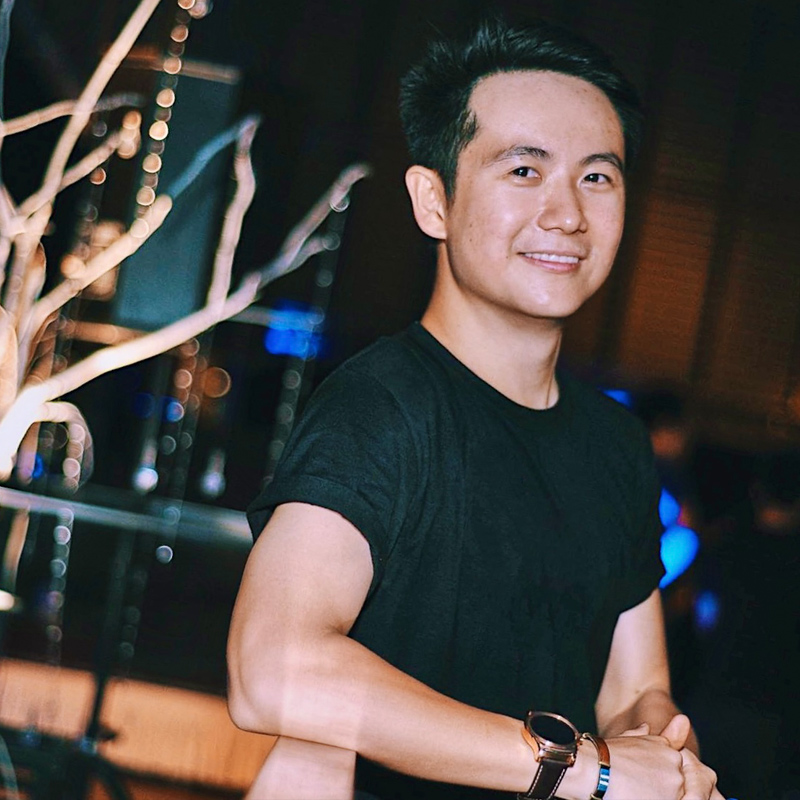
    Indiantelevision.com caught up with Tiki’s CEO Ian Goh to find out more. He is an entrepreneur with a passion for building and launching tech ventures across Asia.

    He previously launched OYO’s business in Malaysia both on the demand (revenue/sales) as well as supply-side and extended it to other Southeast Asia (SEA) markets. He was also a pioneer in oBike-a Global Dock-less Bicycle Sharing startup for the Asia Pacific Region & Rush-a Scooter and Powerbank sharing startup.

    Goh grew up in a city in Borneo, Malaysia and pursued his education in Singapore and pursued his business degree at the University of Melbourne. He currently resides in Singapore.

    Edited Excerpts:

    On the trends being seen in the content creator economy in the country

    Ian: According to a recent report by RedSeer, short-video apps are expected to double their monthly active user base to 600 million by 2025 and to 850-900 million users by 2030. Today, everybody is a content creator, and people from tier two and three cities are also joining the league, aspiring to become professional creators.

    With a plethora of creators, the originality of content is lost under the pile of crawler content. Visibility and recognition are the biggest challenges for creators. Therefore, if they need their communities to grow, they need to support one another. They form their own communities, doing social good and trying to get recognised by a larger audience.

    On the idea of Tiki

    Ian: I have always been passionate about short videos. While there are other short video apps in India, we wanted to bring something that could help the creator economy and build a community of true talent. We found a gap in India in terms of the short-video creator economy. There are creators in every corner of the country, and many times, creators are left without a platform that appreciates them.

    Local creators also deserve a better platform for exposure. Therefore, we created an app that is “Made in India” for the real Indian content creators. We are the pioneers of promoting original content creators, which makes us stand out in the cluttered zone.

    On the Tiktok ban benefited Indian short video apps

    Ian: The sudden ban on TikTok created a void for Indian creators. It was a golden opportunity for many platforms to venture into the Indian market, but the creators were not well served. So, while the ban may have benefited Indian short video apps, it is difficult to say that it benefited Indian creators. Creators are still facing many obstacles: the growth of talented creators; plagiarised content; and no creator community.

    On Tiki’s USP vis-a-vis competition

    Ian: Today, online creators have the advantage of pursuing what they love and monetizing through their talents. But they desire more than easy money. They want their originality to be honoured and to earn their own fame with their talents. Tiki is a platform that fulfils the creators’ demands. We are the creators’ first platform.

    We prioritise 100 per cent original content. Every piece of content that goes on Tiki cannot be copied from anywhere else. No one can copy others’ content and put it on Tiki. We also focus on the power of community and have created a community of real talent who meet up with each other and support one another to become a star. Our monetisation model is fair and open. We bank on a fan economy, where a user can give stars to the creator.

    On Tiki’s 3-pillars that aim to empower the content creator community
    Ian: Tiki empowers its creators based on three broad pillars: Fame as a Service, Star Monetisation, and Creator-oriented Community.
    Fame as a Service: Based on Maslow’s Hierarchy of Needs, self-actualisation and esteem are at the top. Tiki translates that as fame for creators on the platform and even outside. Humans are always seeking to accumulate social capital. Tiki has designed a creator ecosystem in which everyone can be verified to join. Anyone can rise through the ranks to become a White V creator, then a Gray V, and finally a Blue V top influencer on Tiki.
    Tiki innovated and continues to manage the ecosystem so that the truly talented can break through. Tiki helps its verified creators along their hero journey by providing 100 percent of its traffic, constantly updating functions and stickers, and helpful managers, all in order for creators to fully express their creativity, be famous, and popular. Tiki calls it Fame as a Service (FaaS).

    Star Monetisation: Instead of the traditional black box model of paying creators, Tiki innovated a performance-based mechanism that is transparent and fair to the talented ones.

    Creator-oriented Community – It’s never only about getting famous and making money. Creators are also here to make friends and socialise with others. Now they’ve formed over 500 family guilds on Tiki. Some are holding panels to share video shooting skills, others are organising offline meetups for a shared interest or a charitable event. Every month, the Tiki community organises over 1000 offline meetups and 20,000 online meetups.

    For instance, three family guilds had offline cleanups and tree planting on Earth Day. Tiki sponsors verified meetups for creators to entertain and learn within the community. Tiki provides creators with a safe and family-like community to explore more opportunities and benefits with their peers.

    On Tiki’s monetisation model
    Ian: At Tiki, we don’t follow the traditional black box model of paying creators; we’ve innovated a performance-based mechanism that is transparent and fair to the talented ones. The money they earn is only defined by the stars they gain from users. Star is a feature Tiki designed for users to send to their favourite creators or content.
    Different from the “like” culture, which has been inflated and even abused on many other platforms, Star on Tiki can be viewed as a thoughtful and sincere vote from a user to a creator. Star can be earned via short videos, profile pages, and live broadcasting. Further, we would like to explore the fan economy, social commerce, and brand collaboration as monetisation models for our creators.

    On efforts to create an environment of authentic entertainment, peer-to-peer support, and community

    Ian: We are a “Make in India for India” platform that focuses on improving the Indian creator economy. We aim to create a platform where local talents are appreciated for their originality. For this, we have generated software that can detect the copied content. We have an experienced local team headed by Abhishek Dutta to do creator verification to make sure all verified creators are real and upload original content.

    On Tiki’s plan to reach 60 million users by the end of the year

    Ian: Tiki started with only 120 content creators in the beginning but now boasts of having over four lakh content creators on board in a matter of 1.5 years in India. Our aim is not to scale up to 120 million users overnight. We focus a lot on time spent on the app and the retention rate of users.

    The industry average for time spent on short-form video apps is 20 minutes. People spend close to 22 minutes on Tiki every day. Therefore, by the end of 2022, we intend to reach 60 million users. We will continue to empower local creators and bridge the online and offline gap via community meetups.

    On the strategy that ensures that only original content is on Tiki

    Ian: Short video platforms are in abundance in India, and many of them do not emphasise the originality of the content. Different from the flood of crawler content on other platforms, Tiki stands strong for locally made, original, high-quality content that honours Indian values and cultures and is also entertaining, inspiring, and educational. Tiki manages to do it with its in-house developed creator verification system and strict content moderation standards.

    On the content that works on Tiki

    Ian: Our insight tells us that crawler content, vulgar content, non-original content, and even indecent content are prevailing on many other platforms. That’s where we want to position Tiki differently.

    Tiki discovered and developed two competitive mega-categories: ‘Show-Yourself’, and ‘Short Series.’ The ‘Show-Yourself’ genre is all about showcasing one’s talent. It includes lip syncing, dancing, music, dubbing, fashion, etc. While the ‘ShortWhile Short Series’ category features bite-sized video stories, sub-genres include: melodrama (romantics, friendship, family, patriotism, mystery, horror, action, etc.) and comedy (sketch comedy, spoofs, parodies, pranks, standup, epic fails, etc.). All the content on Tiki is original and created by real local creators in India.

    On the whitespace of tier two, and three cities

    Ian: India is on the cusp of the golden age of short-form video platforms. The size of the short video market is expected to grow from 240 million to 650 million in 2025 as many tier two and three cities’ users are embarking on the journey of content creation. Instagram has become too saturated to grow an easy follower base. Many short video creators can amass five million Tiki followers but only 20,000 on Instagram. With our real creator ecosystem, we believe many new talents will be discovered through Tiki.

    On whether a shakeout is imminent given the competition

    Ian: There is healthy competition in the creator space, and we have to stick to our USPs to support the creators. The shakeout would happen to those that do not add value to the stakeholders.

    On the potential Tiki sees in social commerce and branded content

    Ian: According to EY India, social commerce currently accounts for one per cent to 1.5 per cent of overall e-commerce. The share of social commerce is expected to go up to six per cent by 2025. Social commerce is not a competitor to e-commerce but an important extension of it. Tiki sees potential in social commerce in the near future, but first it’s about building a healthy creator-user ecosystem.

    On fundraising plans

    Ian: Yes, we are open to funding and looking for investors who share the same vision and cherish the same values as us—creators deserve a better platform to thrive through their talents. Investing in Tiki is investing in the creator economy.

    On the challenge of scaling up rapidly

    Ian: There are many short video apps in India claiming to be number one in the market. However, we believe that the challenge is not about its speed or scale but whether it’s sustainable or not. We want our creator and content ecosystem to grow consistently, benefiting our creators. We want to be a powerhouse for the Indian creator economy.

    Therefore, our challenge is to scale up while remaining sustainable. We will stick to our creator first principle, providing our creators with monetisation channels and helping them grow and thrive.

  • TV9 Bharatvarsh leads HSM market in week 10 of BARC news ratings

    TV9 Bharatvarsh leads HSM market in week 10 of BARC news ratings

    Mumbai: TV9 Bharatvarsh claims to be the leading Hindi news channel in week 10 (5-11 April) in terms of market share.

    According to the data provided by Broadcast Audience Research Council (Barc) India to TV9 Bharatvarsh, the popular Hindi news channel leads the Hindi-speaking market (HSM) with a 16.9 per cent market share for the target audience of 15+ all adults.

    Last week was an important period for news channels as the assembly elections for the states of Uttar Pradesh, Punjab, Uttarakhand, Manipur and Goa were concluded and the results were declared on 10 March.

    Barc India has released data for individual news channels after a 17-month hiatus. 

    The TV audience measurement agency had also agreed to release the past 13 weeks’ data after consultation with industry stakeholders.

    However, many news channels including India TV, News18 India, ABP News, Good News Today, News 24 and NDTV India have opted out of past data. 

    NDTV India has completely pulled out of Barc ratings.

    Aaj Tak had a market share of 15.5 per cent market share followed by India TV at 13 per cent, Republic Bharat at 12.8 per cent, Zee News at 11.4 per cent and remaining channels including News18 India, ABP News, News 24, News Nation, Zee Hindustan, Good News Today and DD News in single digits.

    Source: Barc data | 15+ All Adults | HSM market | Wk 10’22

  • Indian mobile gaming to become a $5bn+ industry by 2025: report

    Indian mobile gaming to become a $5bn+ industry by 2025: report

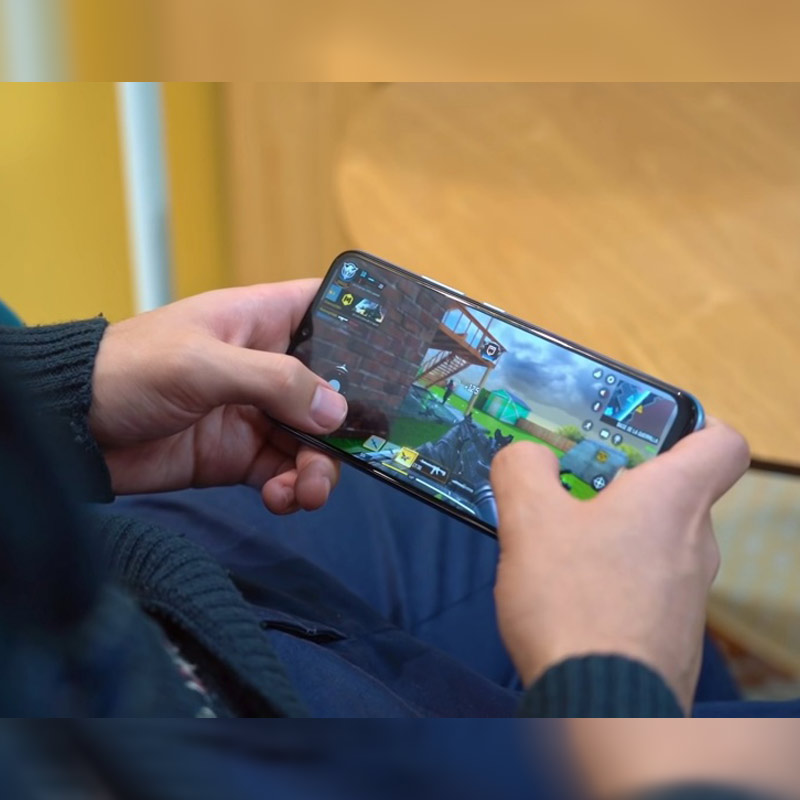
    Mumbai: The gaming sector in India is growing faster than most media sub-sectors – including cinema and home entertainment, audio and more. The industry is currently generating $1.5 billion revenue and is expected to triple to $5 billion plus by 2025 on the back of the “mobile first” phenomenon, according to a BCG-Sequoia India report.

    The growth has largely been catalysed by better smartphones, increased internet access, popular titles, influencers, and the global pandemic, said the report titled ‘Mobile Gaming: $5B+ Market Opportunity’ released by Sequoia India in partnership with BCG to assess the current mobile gaming market in India, and its prospects for expansion.

    The Consumer Survey conducted by BCG as part of this report gathered insights from 3200+ respondents across 21 locations in India, and investigates gaming habits of the Indian gamer. It probes into the evolution of Indian mobile gaming in terms of genres, engagement, and monetisation dimensions.  

    “The gaming industry in India has seen a growth of almost 40 per cent in 2019-20, more than that of OTT, television and social media platforms. 86 per cent of this market consists of mobile phone users. While there is large dependence on ad revenues today, increasing traction and engagement is expected to drive higher willingness to pay which will drive new ways of user monetization and rising ARPUs in the coming years,” said BCG managing director and senior partner Vikash Jain.

    The report also highlighted how India is emerging as both an investment opportunity and a talent hub for the world.

    “Monetisation of Indian games, which has been a concern in the past, is already at $1.8B revenues ramping up very rapidly. The industry is witnessing a significant investor interest in Indian gaming. In fact, a third of all the funding for gaming in India came in the first quarter of 2021. The rise of gaming platforms is especially exciting, as evidenced by 80 per cent of all funding going to platforms,” said Sequoia India managing director Rajan Anandan, talking about investor sentiment.

    According to BCG managing director and partner Mandeep Kohli the Indian gamer is not defined by their demographic. They are rather defined by their context – their needs, preferences, and gaming habits. “An average player who plays to avoid boredom may spend around one to two hours on games, while a die-hard gamer who plays for the competitive spirit, can spend nearly double the time on gaming while playing the same game or a different game all together. Companies that are able to understand these varied consumers and identify which ones are they really serving are the ones which will lead the market,” Kohli explained.

    The report also highlighted key imperatives that will drive the next wave of growth for this fast-paced industry. These include enhancing the discovery and adoption through casual and free to play games, improving usage and retention by diversifying genres to increase engagement and retention, and effectively driving monetisation through localized pricing strategies, among others.

    “80 per cent+ of the mobile gaming market is driven by user spends, i.e., in-app purchases and real-money games, further catalysed by wide availability of quality smartphones, affordable internet and UPI,” said Sequoia India associate Prachi Pawar.

    It also delved deep into the strategic choices of some of the successful mobile gaming companies in India — Nazara, MPL, Dream11 and Gameskraft. “Being the first movers in their respective segments, some of these companies have helped shape the Indian gaming market. They continue to bet on new growth opportunities and build competitive advantage to stay ahead in this high-stakes game,” said BCG principal Wamika Mimani.

  • OnePlus partners with Croma for its OnePlus TV Category

    OnePlus partners with Croma for its OnePlus TV Category

    Mumbai: Global technology brand OnePlus has announced a retail partnership with Croma for its range of OnePlus smart TVs which are now available for purchase across select Croma stores and on croma.com.

    The extended partnership with Croma will enable OnePlus to further expand its offline reach and make its smart TVs more accessible to customers.

    The OnePlus Smart TVs are currently available for purchase at select Croma stores across Bangalore, Mumbai, Pune, Hyderabad, and New Delhi NCR, and will soon be accessible across all Croma stores in India in the coming months, it announced on Friday. As part of this extended partnership, all the OnePlus TVs will be available at Croma stores and croma.com including the latest OnePlus TV U1S.

    “The OnePlus TV U1S features a best-in-class 4K cinematic display, immersive audio experience, offers a seamlessly connected ecosystem, and is available in 50inch, 55inch, and 65inch variants,” said a senior spokesperson from OnePlus. “We have been consistently working towards expanding our offline presence, and our strategic partnership with Croma will further enhance our retail footprint in India and enable accessibility for our community.”

    As part of its ongoing retail partnership, consumers can also purchase smartphones, audio, and wearable products by OnePlus at Croma. “This OnePlus TV is going to make for a great new addition to the existing range of OnePlus portfolio which includes Smartphones & it’s accessories, Truly Wireless Earbuds and Smartwatches,” said Chroma spokesperson

  • Biscuit maker Parle Products sets foot in packaged wheat flour market

    New Delhi: Known for its biscuits, snacks and confectioneries, Parle Products is now expanding its portfolio with the launch of ‘Parle G Chakki Atta’.

    The owner of famous biscuit brand Parle-G is tapping into the flour category with an aim to capture urban and rural markets with 100 per cent wheat atta. The distribution of atta has already begun in northern & western parts of the country under three categories – 2kg, 5kg and 10kg with competitive pricing, it announced on Monday.

    According to the food company, Branded atta segment has gained momentum since the pandemic outbreak. With movement restrictions in place, Parle’s venture into the new category is in the lines of being agile on marketing strategies while also capitalizing on hygiene and convenience factors that has become a priority in today’s environment.

    Being a staple in most households, the atta is being launched under the brand name ‘Parle G’ to build on this established faith by consumers and enable them to feel secure about their buying decisions. “Parle G Chakki Atta is a wholesome product which can provide tasty and healthy rotis with assurance of six hours softness,” said the company.

    Parle Products, senior category head, Mayank Shah, highlighted that branded wheat flour is one of the largest segments in the foods industry and the majority of the demand is currently being met by local mills or neighbourhood chakkis.

    “The urban markets lead in the consumption of packaged atta making it largely an urban phenomenon. But with the onset of the pandemic, the need for hygienically ground wheat flour and an assurance of trusted brand is driving consumers in the Tier 2 and Tier 3 cities to switch to Branded Atta. We aim to reach the remotest household in the country to provide hygienically ground atta and help consumers switch to hygienic

    Options,” he said.

    According to Shah, Parle G Chakki Atta will be a game changer in the market. “Being a pioneer in the food business, it is our responsibility to consumers to provide nutritional, credible and quality products. We look forward to continuously evolving into a brand that puts consumer well-being first,” he added.

  • “Need of the hour”- industry hails ASCI’s new guidelines

    “Need of the hour”- industry hails ASCI’s new guidelines

    MUMBAI: Is the party over for influencer marketing in India? Or does it get bigger hereon? These are some of the questions playing in the minds of industry players and consumers as the Advertising regulatory body (ASCI) unveiled its long-overdue guidelines for influencer advertising, here on Thursday. The new rules come into effect on 14 June.

    The Influencer advertising market in India is booming across social media platforms and is estimated to be worth $75-100 million, as per digital marketing agency AdLift. And, it’s only getting bigger. With people unable to indulge in retail therapy and check products & services in person, watching an influencer talk about the product or following the social media talk seems like the next best option for many.

    Brands too have recognised its burgeoning potential and allocated a significant share of their digital ad spend on the segment. Needless to say, Influencer marketing does help a brand in multiple ways. Apart from product trials and reflections, it helps them bring out their brand’s story organically and establish trust with their target audience. In fact, as per Forbes 54 per cent of people have visited a website to purchase after seeing a product or service mentioned on Instagram.

    However, there was no way for consumers to make a distinction between promotional content for a brand and genuine user-generated content- unless the influencer chose to make the disclosure. Well, all that is going to change now.

    The new ASCI guidelines make it mandatory for social media influencers to label the promotional content they post: “All advertisements published by them on their accounts must carry a disclosure label that clearly identifies it as an advertisement.” And it is not limited to “monetary compensation”, but “anything of value given to mention or talk about the Advertiser’s product or service, like free or discounted products or service or other perks.”

    So what does the industry have to say about these regulations in what was so far a free-for-all market?

    “It is a step forward in the right direction,” says branded content marketplace Do Your Thng founder Ankit Agarwal. “The blurring of the line between ads and simple user-generated content needed to be corrected. Users not only have the right to know the difference between the two, but it was also their demand. Besides helping bolster the trust audiences were increasingly haemorrhaging in content creators, the guidelines will hold brands and marketers more accountable. I am gratified ASCI has moved the needle in organizing a niche where entropy was just about beginning to reign supreme.”

    According to ClanConnect co-founder & COO Kunal Kishore Sinha, the guidelines will shape the future of sponsored posts and influencer-brand collaborations in India. “Going forth, consumers can expect much more transparency as they navigate through the social media universe. On our part, we are geared up to guide influencers through the intricacies of the newly-launched guidelines, helping them meet all the requirements so they can focus on what they do best – create impactful content,” he says.

    Whoppl managing partner Jennifer Mulchandani says agencies now need to make sure brands & influencers still stand out by staying relevant and engaging their audience through content that resonates with them. “It’s important to pick the right influencer mix that caters to the specific TG that would benefit from the product in question, and not just result in a sale for the brand but also greatly positively impact the consumer, thereby using their power of influencer responsibly,” she adds.

    According to SoCheers director Rajni Daswani, many brands are still averse to the whole #Ad & #Sponsored and may now start drawing parallel compared to paid media, which might see the investment in influencer marketing take a slight hit, after the phenomenal growth year that it had in last few years. “The guidelines could be like a double-edged sword for creators as influencers/creators who are doing a lot of branded content might see a hit in their engagement & reach numbers, but quality content will continue to win nonetheless,” adds Daswani.

    Terming it as the need of the hour, OpraahFx founder Pranav Panpalia says it will also help elevate creators’ reputation and help brands to connect to their exact audience set while aiding consumers to make informed decisions. “Giving a disclaimer of a brand being promoted (prior to the content), helps viewers make an upfront choice about whether they want to continue to consume the said promotional content. Continuing to consume such content simply implies that s/he indeed is interested to listen to the brand’s promotional pitch,” he says.

    However, industry experts also believe that there may be some teething issues during the initial days and the content creator also has to know in detail what they are marketing to their audience and exercise a sense of responsibility, says Divo founder and director Shahir Muneer.

    Influencers, on their part, have also welcomed the move, albeit a tad cautiously. According to some influencers, the guidelines put more onus on the creator than on the brand and could lead to a disengagement of a section of their audience, once they realise its paid content. Some voiced their concern on social media, that even when they organically endorse a product or service, it could be misconstrued by their followers as a mere sponsored promotion.

    Some like Nikunj Lotia, popularly known as BeYouNick told a publication that brands are often involved in specific parts of the content, instead of the entire, and labelling it may confuse the audience.

    Allaying fears that it might restrict creativity, Grapes Digital founder & CEO Himanshu Arya says, consumers are smart enough to make a distinction between a material connection and an organic post. “It is the first step towards making transparency and trust the ethos of influencer marketing,” says Arya.

  • Sonali Malaviya appointed as managing director Essence India

    Sonali Malaviya appointed as managing director Essence India

    MUMBAI: Essence, a global data and measurement-driven media agency which is part of GroupM on Thursday announced the appointment of Sonali Malaviya as the agency’s managing director for India.

    Malviya will be responsible for leading continued client-centric innovation in data, analytics and technology, as well as business growth and company culture for the agency in the market. Based out of Delhi, she will report to Essence APAC CEO, T. Gangadhar and GroupM South Asia CEO, Prasanth Kumar. She will join Essence’s APAC leadership team and GroupM India’s executive committee as part of her role. Meanwhile, Anand Chakravarthy, previously managing director for Essence India, has moved on from the agency to pursue new opportunities.

    Joining Essence in 2018, Malaviya most recently led the agency’s Google business in India and Southeast Asia as senior vice president, client services. Previously, she served as chief operating officer at Colorbar Cosmetics and country marketing lead at Twitter in India. With over 20 years of industry experience, she has also held senior roles at Mindshare, PHD, Roy Morgan Research and MediaCom in India, the United Arab Emirates and Australia.

    “Sonali comes with rich experience in management, marketing and media across industries and markets, as well as a deep understanding of Essence’s business, work, people and culture. In addition to building strong, collaborative partnerships with clients and employees alike, she is an advocate of diversity and inclusion in the workplace. India continues to be a priority for Essence in APAC and globally, and with Sonali at the helm, I am very excited about our next phase of growth and development in the market,” said Essence APAC CEO, T. Gangadhar. “We would also like to thank Anand for his efforts in helping to establish our business in India over the last three years. We greatly appreciate his contributions and wish him the best in his future endeavours.”

    “We are glad to see Sonali take over the role of Essence India managing director. With her background and significant achievements, she will add to the capabilities of Essence and work with our teams to improve the client experience. As we continue to develop leaders internally, Sonali is also part of our growing pool of talent taking on various leadership roles across GroupM India. I look forward to working with Sonali and leveraging her expertise,” said GroupM South Asia CEO, Prasanth Kumar.

    “I am truly honoured to have the opportunity to lead Essence in India. Over the past three years, I have witnessed and been part of our incredible growth story in this market, and am very proud of what our agency, clients and employees have achieved together. I am looking forward to partnering with our highly talented teams and leveraging our industry-leading capabilities to help even more brands in India achieve data-driven growth and transformation, as well as valuable connections with consumers,” said Malaviya.

  • The big marketing challenge for Ikea in India

    The big marketing challenge for Ikea in India

    NEW DELHI: Lagom. A single word that succinctly sums up the Swedish ethos of moderation in everything. But when it comes to home furnishings retailer Ikea’s India operations, they have been anything but lagom.

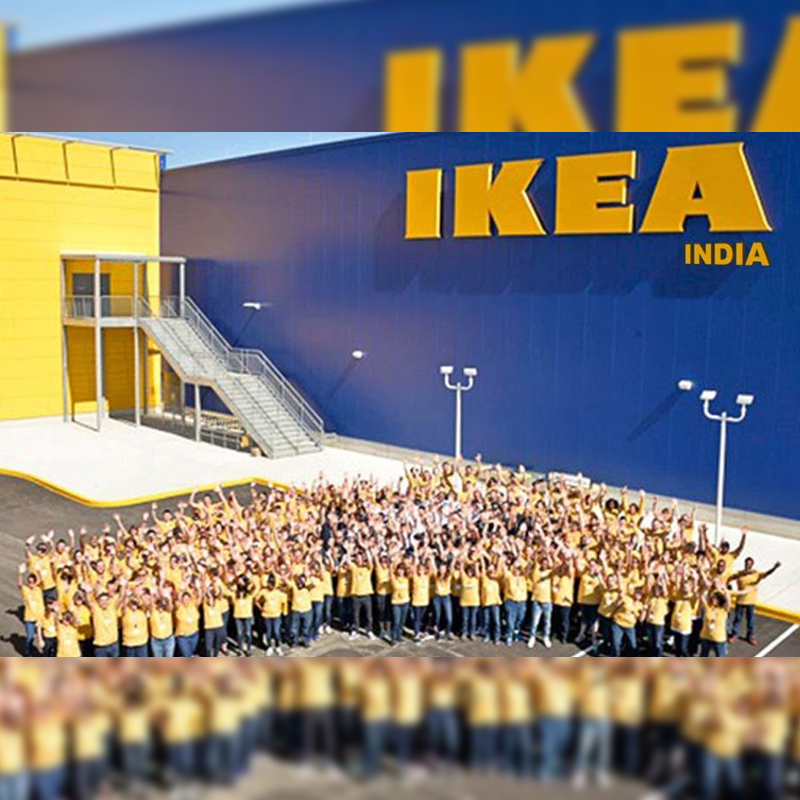
    Ikea recently inaugurated its second store in India in Navi Mumbai on 18 December with an aim to create a better everyday life for those with big dreams and slim wallets. Unlike the mega launch marked by much fanfare in Hyderabad in 2018, where people flocked to the store in huge numbers, Ikea had to maintain an in-store limit this time in keeping with Covid2019 protocols. Despite restrictions, the opening of 5.3 lakh+ sq ft store was still a huge hit, as the in-store visit slots were pre-booked heavily. Even though it was challenging, the brand managed all the preparations for the store at the height of the pandemic.

    “One of the biggest challenges was how do we create the buzz and excitement of a new store and manage to control the crowds and ensure they enjoy a safe shopping experience. We are really happy to say that we managed to achieve this well and our store is off to a good start,” said Ikea India marketing head Amitabh Pande.

    Despite being a global brand, India has not been an easy ride for Ikea. It reported net loss of Rs 720 crore in the financial year ended March 2020. On the positive side, its net sales grew 64.68 per cent to Rs 566 crore in FY 2019-20, up from Rs 343.7 crore in the previous fiscal. The furniture retailer needs to create trust, and accessibility for the brand in the Indian market. Unless people are convinced that they are buying a superior product at Ikea at an affordable price in comparison to the traditional store from where they used to purchase furnishing products, they will never adopt the brand. One of the major tasks for the brand is to get consumers to sample its store and catalogues. So, the big marketing challenge in India is ‘How do you build an iconic brand in a new market?’

    Pande said, “Ikea is an extremely well known and iconic brand in the rest of the world, whereas in India it started from the ground up. India is a new market, where we get to explore understanding people’s life at home and then based on that connecting deeply and meaningfully with our customers.”

    Call it Swedish stoicism, but Ikea’s plans for the Indian market remain undeterred even in the wake of the pandemic. The management continues to believe in the long term vision it has. “We continue to believe in building the brand in India and spending in marketing is a big part of that. We have no plans in altering the existing marketing budget for 2021,” affirmed Pande.

    The brand has a long term vision for the Indian market. It has already invested Rs 7,000 crore in India, across its two stores and several fulfilment centres. It is now working towards opening outlets in cities like Bengaluru and New Delhi along with smaller stores in other cities. Ikea continues to focus on opportunities to grow the business in existing channels and through opening new channels and units.

    The brand has also ramped up its marketing activities in the last two years, releasing several campaigns across multiple mediums to focus on what role Ikea plays in a consumer’s home. These creatives mostly talk about how consumers can purchase multiple products from Ikea at an extremely nominal price.

    Pande shared that the core focus on Ikea’s marketing strategy has always been to create a better everyday life for ‘the many’ and not just the few. The products signal that there is something for everyone, no matter their age, lifestyle or size of wallet.  “In India we have translated the global Ikea vision into a local positioning that we refer to as ‘make every day brighter’. At the heart of it, it is about delivering well designed, functional and affordable products that speaks to the existing and changing needs from the life at home of the many people in India. It involves delivering a satisfying customer experience at our store and online. It involves our ‘people and planet positive’ sustainability agenda and what we do for our communities.”

    Ikea is constantly optimising its media mix based on the needs of the campaign and is closely working with its partners to get the best ROI for each media.

    “Our ATL strategies are driven by two main aspects. The first is based on building the long-term positioning of our brand as a unique, trusted and meaningful brand. Secondly, it is about activating our existing customers with new reasons to come to our meeting points repeatedly through the year- both online and offline. We have an annual calendar that we follow based on the overall marketing plan for the year,” explained Pande.

    Social media is a big part of the brand’s overall communication and media strategy. It is present across all platforms – Facebook, Instagram, YouTube, Twitter, and LinkedIn and is also working with social influencers.

    “Our approach is that of sharing unique Ikea communication and content, specially curated and created for social media, with a high frequency engagement with our customers. Our content is driving inspiration around life at home ideas and solutions to make a better everyday life. As well as showing our entire range of affordable home furnishing solutions for people to choose from for their needs at home,” he added.

    Ikea will continue to evaluate each media and medium before betting big on it. The brand claims to have built a strong, loyal base in a very short time that comes back to it repeatedly through the year, in stores as well as on its e-commerce website ikea.in. The company has also commenced e-commerce operations in Hyderabad, Mumbai and Pune.

    Pande concluded by sharing his learnings from 2020 and pointed that humans are finally realising that they cannot get away with everything. “We are being forced to re-evaluate our ways of living on this planet, expanding our presence at the cost of nature, consuming the limited resources, creating a society that is unequal and even irresponsible. I would like to believe that we have been set on a more humble, reflective and conscientious path, in terms of how we live.

    One of the learnings that industries have had is about moving from ‘consumption-led growth’ to ‘purpose-led growth’. What this means is being clear on the purpose of our brands, he added.

    “As I see it, consumption has been the fundamental building block for all modern economies. To the extent that so many of us believe that consumption = happiness. Brands and businesses are built on growing consumption year after year. But once we start questioning this fundamental growth driver, then how do we move forward. This is a key question we all need to answer,” Pande signed off.

  • #Throwback2020: The year ed-tech platforms thrived

    #Throwback2020: The year ed-tech platforms thrived

    NEW DELHI: 2020 threw up education headlines that were previously unimaginable. Closure of schools and university campuses across the country, cancellation of exams and ensuing protests, resumption of exams and protests thereof, and learning going truly digital – it was a year of chaos and disruption for education. With the threat of the virus showing no signs of abating, educational institutes remained shut and students moved in front of the screens. The obvious beneficiaries of this unprecedented surge in e-learning were ed-tech start-ups, which lapped up the opportunity to jumpstart their growth.

    Several education technology enterprises which had been vying to establish a steady financial footing managed to secure their place in the market as the pandemic ensured people remain indoors. Riding high on the digital wave with rapid adoption of mobile phones and penetration of the internet, these platforms emerged as convenient options for students to continue learning within the four walls of their homes.

    According to the Indian Private Equity and Venture Capital Association (IVCA) and PGA Labs data, Indian ed-tech start-ups witnessed a total investment of $2.22 billion in 2020 as compared to $553 million in 2019. Byju’s raised the most capital of $1.35 billion, followed by Unacademy which raked in $264 million this year.

    Behind the boom in e-learning

    Credited as India’s first ed-tech unicorn, Byju’s emerged as a key player in the e-learning space. The start-up had already been in robust growth mode after its collaboration with Disney last year to make learning fun for young students. It gained a surge in its usage after the government enforced a 21-day lockdown in March. Students reeling under increasing academic pressure began exploring digital alternatives as they navigated new rules of online schooling.

    Another Bengaluru based start-up, Unacademy, which began its journey almost a decade ago on YouTube, also recorded as many as 30 million registered users as demand for e-learning soared. Students aspiring to qualify in various competitive examinations, turned to the platform after traditional coaching centres also faced closure.

    Data states that Indian online education platforms have raised $4 billion in the past five years (2016-2020) and Byju’s Unacademy and Vedantu have led the charts and attracted the highest funding.

    Coursera, Toppr, upGrad, meritnation, Getmyuni, Brainlyand Flintbox were other major players that held significant market share in the country in 2020. With their live online classes, course videos and personalised doubt-clearing sessions with online tutors, the platforms managed to make inroads into student groups.

    Apps like eduTinker helped teachers – used to chalkboards and notebooks – to navigate the unfamiliar space and overcome challenges posed by new digital tools. These apps are not only aids to school education but also prepare students to pick up new skills. Among these extracurricular activities, coding is currently hot property thanks to White Hat Jr, which was recently acquired by Byju’s. Vendatu, too, launched Super Coders to provide coding lessons.

    Apart from children, youngsters too migrated online to learn new skills or explore hobbies. Universities also began offering free online courses for those committed to learn digitally. Ed-tech start-up Yellow Class did just that. It offers a chance to children to get into new hobbies like drawing or dancing. Some platforms like Elearnmarkets.com and StockEdge.com also provide certified courses in the stock markets and other financial market courses for small investors.

    Long road ahead

    A recent report by IVCA pegs India’s education market at$117 billion with around 360 million learners in 2019-20.

    While 2020 may prove to be a watershed year for e-education in India, there is still a long road ahead. Online platforms have proved to be convenient options when institutions were shut, but their real test would be when schools reopen and online sessions are replaced with actual classrooms.  There are still no clearly defined benchmarks of how efficiently students learn in these virtual classrooms. But, going ahead, ed-tech start-ups could collaborate with schools and other educational institutes in a way that ultimately benefits students in the post-pandemic world.

    How well these ed-tech platforms would complement the traditional system of education in India in the time to come is a story waiting to be told. Nonetheless, the groundwork has been laid in 2020.

  • Cosmos-Maya: The shining success story of the Indian IP Creator

    Cosmos-Maya: The shining success story of the Indian IP Creator

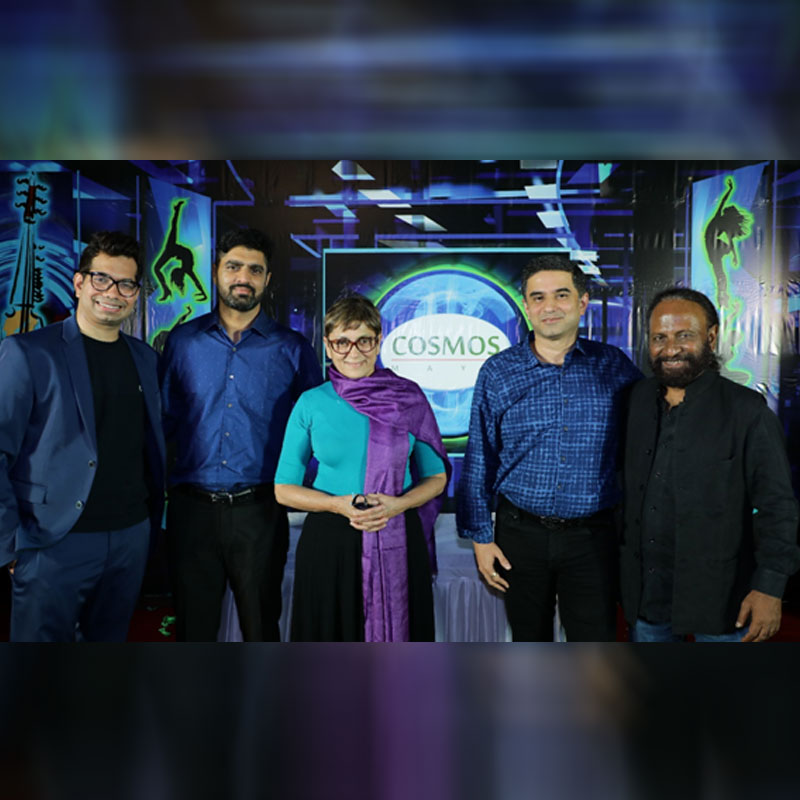
    MUMBAI: Cosmos-Maya, the market leader in original Indian Kids’ animation content recently celebrated its 22ndAnnual Day.

    The event also marked the celebration of Cosmos-Mayacrossing the coveted 1000 employee mark. Back in 2012 when the company began its journey in IP creation with Motu Patlu there were only 40 odd employees. Today with 12 shows on air/in production, including 3 European & one Brazilian Co-Production, with over a 60% market share in the domestic Indian animation production business, Cosmos-Maya is scaling newer heights by the day and has indeed become one of the most dynamic studios in this industry. Even on the digital side, the studio has more than 20 channels on YouTube under the umbrella brand with a cumulative subscriber base of around 10 Million. 

    Cosmos-Maya is a Singapore and India based Animation Company that produces high quality 3D as well as 2D animation content. KKR backed Emerald Media, a Pan-Asia platform established by the leading global investment firm,for investments in the media and entertainment sector, acquired a controlling stake in Cosmos-Maya in early 2018. 

    More than 1000 Cosmos-Mayaites cheered on the performers in a show accompanied by overwhelming pride and emotions. The cheers were loudest when Motu and Patlu, from the company’s most celebrated IP, appeared on stage.

    It was a proud moment for the company which primarily focuses on creating IPs in the kids’ animation space and is presently working on multiple Indian animation TV series with all the leading linear and non-linear broadcasters. As a leading producer of some of the most successful shows in the space, the studio presently has 12 shows on air and 6 under production. Cosmos-Maya holds a distinct record for consistent delivery of popular Indian animation content and has produced an unprecedented 30000 minutes of original animated content in the last 5 years, comprising over 1350 half hour episodes.

    Speaking on the occasion, a visibly delighted Rajesh Kamat, MD Emerald Media said “With the creative muscle that Cosmos-Maya brings to the table and the financial muscle of Emerald Media together, the way forward from here is only northward.”

    The mood was upbeat as Ketan Mehta, Co-Founder of Cosmos-Maya spoke on the occasion. Cosmos Maya, founded by Ketan Mehta commenced its journey 20 years ago, and today the studio manages to deliver 30 half hours of animated content on a month on month basis, which is nothing short of a record. “What we have managed to do is unheard of and going forward, there is a focus to maintain that momentum and scale newer heights for the business”, Mehta said excitedly.

    Adding further to that Anish Mehta, the dynamic CEO of the company under whose able leadership this IP creation revolution happened said, “The success that we have achieved is result of the collective passion that the entire team has put in relentlessly and with the force of Emerald with us, the future will be bigger & better.”