Tag: Mark Zuckerberg

  • Facebook’s first corp office in Mumbai, Abhishek Bachchan interacts live with fans

    Facebook’s first corp office in Mumbai, Abhishek Bachchan interacts live with fans

    NEW DELHI: Media Savvy Star Abhishek Bachchan became the first visitor to the India corporate office of Facebook in Mumbai, spending time not merely learning about the services being offered, but interacted with fans in live sessions.

    Facebook, which cliams more than one billion users, opened its office in the commercial business district of Mumbai in BKC (Bandra- Kurla Complex)

    Abhishek entertained guests with his tongue in cheek humour and did the first ever Facebook Live from the new office and – as a Facebook spokesperson put it – had a blast in the process.

    Watch Abhishek interact with fans in the live session here:
    https://www.facebook.com/AbhishekBachchan/videos/430669957057430/
    https://www.facebook.com/AbhishekBachchan/videos/430689863722106/
    https://www.facebook.com/AbhishekBachchan/videos/430680283723064/

    Not only did he participate in the live chat, Bachchan Jr.,also inaugurated a special room at the Facebook office called the Celebrity Room. He was the first Bollywood celebrity to sign on the celebrity wall built in the Facebook office premises for all celebs to pen down their best wishes.

  • Facebook’s first corp office in Mumbai, Abhishek Bachchan interacts live with fans

    Facebook’s first corp office in Mumbai, Abhishek Bachchan interacts live with fans

    NEW DELHI: Media Savvy Star Abhishek Bachchan became the first visitor to the India corporate office of Facebook in Mumbai, spending time not merely learning about the services being offered, but interacted with fans in live sessions.

    Facebook, which cliams more than one billion users, opened its office in the commercial business district of Mumbai in BKC (Bandra- Kurla Complex)

    Abhishek entertained guests with his tongue in cheek humour and did the first ever Facebook Live from the new office and – as a Facebook spokesperson put it – had a blast in the process.

    Watch Abhishek interact with fans in the live session here:
    https://www.facebook.com/AbhishekBachchan/videos/430669957057430/
    https://www.facebook.com/AbhishekBachchan/videos/430689863722106/
    https://www.facebook.com/AbhishekBachchan/videos/430680283723064/

    Not only did he participate in the live chat, Bachchan Jr.,also inaugurated a special room at the Facebook office called the Celebrity Room. He was the first Bollywood celebrity to sign on the celebrity wall built in the Facebook office premises for all celebs to pen down their best wishes.

  • Q1-2016: Facebook ad revenue up 56.8 per cent, income triples

    Q1-2016: Facebook ad revenue up 56.8 per cent, income triples

    BENGALURU: Facebook Inc., (Facebook) advertisement revenue increased 56.8 per cent year-on year (YoY)for the first quarter ended 31 March 2016 (Q1-2016, current quarter) at $5,201 million as compared to $3,317 million in Q1-2015. Advertisement revenue growth in percentage terms was led by the US and Canada (64.3 per cent growth) and the A-Pac (62 per cent growth) regions. Ad revenue share by geography in Q1-2016 was: US and Canada – 50.3 per cent); Europe – 24.4 per cent; A-Pac – 16.3 per cent), and the rest of the world (ROW) – 9 per cent.

    Facebook reported 51.9 percent growth in total revenue at $5,382 million as compared to $3,543 million in the corresponding quarter of the previous year.The social media giant’s GAAP income in Q1-2016 almost tripled (by 2.95 times) year-on-year (YoY) to $1,510 million, as compared to $512 million in Q1-2015. Non-GAAP income in the current quarter was 87.5 per cent higher YoY at $2,229 million as compared to $1,189 million.

    Growth in revenue in percentage terms was also led by growth from the US and Canada (57.6 per cent growth) and the A-Pac (59 per cent YoY growth) geographical regions. A major share of Facebook’s revenue (50.9 per cent) came from the US and Canada region, while the A-Pac regioncontributed 16 per cent to revenue in Q1-2016. Europe’s contribution to Facebook revenue was 24.3 per cent and ROW contributed 8.8 per cent in Q1-2016.

    Historical numbers suggest that Facebook’s revenue in Q1 is the lowest for the year, with revenue peaking in Q4. Hence, revenue increase for the year 2016 should be substantial, considering that the company has also launched new revenue generating products.

    “We had a great start to the year,” said Facebook founder and CEOMark Zuckerberg. “We’re focused on our 10 yearroadmap to give everyone in the world the power to share anything they want with anyone.”

    Please refer to Fig 1 for Facebook’s revenue and Fig 2 for Facebook’s advertisement revenue breakup by geography below.

    It is evident from Fig 2 below that the share of revenue from US and Canada, and A-Pac regions has been increasing, while share of revenue from Europe and ROW has been declining.

    Facebook’s daily average users (DAU) increased 16.5 per cent YoY in the current quarter to 1,090 million as compared to 936 million in Q1-2015. For the current quarter A-Pac (21.9 per cent YoY growth) and the ROW (21.9 per cent YOY growth) regions lead DAU growth in percentage terms. In Q1-2016 DAU from US and Canada grew by 16.5 per cent YoY, while Europe DAU grew 7.5 per cent YoY. Please refer to Fig 3 below.

    The proportion of people logging on to Facebook on their mobiles has grown to 90.7 per cent in the current quarter as compared to 85.3 per cent in Q1-2015 and 90 per cent in the immediate trailing quarter (Q4-2015).

    The curve B in Fig 3 below signifies the ratio of DAUs’ to Monthly Average Users (MAU), while curve A indicates the percentage of Mobile DAUs’ to DAUs’. Mobile DAU’s in Q1-2016 have increased 23.9 per cent YoY to 989 million as compared to 798 million in Q1-2015.

    ARPU

    Facebook’s worldwide average revenue per user (ARPU) in the current quarter was $3.32 in the current quarter as compared to $2.50 in Q1-2015 and $3.73 in Q4-2015. The US and Canada regions lead in terms of ARPU by far. ARPU for the US and Canada region was $12.43 in the current quarter. Corresponding numbers for other regions for Q1-2016 were Europe $3.98; A-Pac1.56; ROW $0.91.

    Facebook announcement

    Facbook has announced that its board of directors has approved a proposal to amend and restate its existing certificateof incorporation to create a new class of non-voting capital stock, known as the class C capital stock. If the proposal isapproved, Facebook intends to issue two shares of class C capital stock as a one-time stock dividend in respect of each outstanding share of its class A and class B common stock. This proposal is designed to create a capital structure thatwill, among other things, allow the company to remain focused on Zuckerberg’s long-term vision for it and to encourageZuckerberg to remain in an active leadership role at Facebook. The adoption of the proposal is subject to the approval Facebook’s stockholders at its 2016 annual meeting of stockholders to be held on June 20, 2016. The record date for thepayment of the class C stock dividend would be set by the board of directors at a later date.


  • Q1-2016: Facebook ad revenue up 56.8 per cent, income triples

    Q1-2016: Facebook ad revenue up 56.8 per cent, income triples

    BENGALURU: Facebook Inc., (Facebook) advertisement revenue increased 56.8 per cent year-on year (YoY)for the first quarter ended 31 March 2016 (Q1-2016, current quarter) at $5,201 million as compared to $3,317 million in Q1-2015. Advertisement revenue growth in percentage terms was led by the US and Canada (64.3 per cent growth) and the A-Pac (62 per cent growth) regions. Ad revenue share by geography in Q1-2016 was: US and Canada – 50.3 per cent); Europe – 24.4 per cent; A-Pac – 16.3 per cent), and the rest of the world (ROW) – 9 per cent.

    Facebook reported 51.9 percent growth in total revenue at $5,382 million as compared to $3,543 million in the corresponding quarter of the previous year.The social media giant’s GAAP income in Q1-2016 almost tripled (by 2.95 times) year-on-year (YoY) to $1,510 million, as compared to $512 million in Q1-2015. Non-GAAP income in the current quarter was 87.5 per cent higher YoY at $2,229 million as compared to $1,189 million.

    Growth in revenue in percentage terms was also led by growth from the US and Canada (57.6 per cent growth) and the A-Pac (59 per cent YoY growth) geographical regions. A major share of Facebook’s revenue (50.9 per cent) came from the US and Canada region, while the A-Pac regioncontributed 16 per cent to revenue in Q1-2016. Europe’s contribution to Facebook revenue was 24.3 per cent and ROW contributed 8.8 per cent in Q1-2016.

    Historical numbers suggest that Facebook’s revenue in Q1 is the lowest for the year, with revenue peaking in Q4. Hence, revenue increase for the year 2016 should be substantial, considering that the company has also launched new revenue generating products.

    “We had a great start to the year,” said Facebook founder and CEOMark Zuckerberg. “We’re focused on our 10 yearroadmap to give everyone in the world the power to share anything they want with anyone.”

    Please refer to Fig 1 for Facebook’s revenue and Fig 2 for Facebook’s advertisement revenue breakup by geography below.

    It is evident from Fig 2 below that the share of revenue from US and Canada, and A-Pac regions has been increasing, while share of revenue from Europe and ROW has been declining.

    Facebook’s daily average users (DAU) increased 16.5 per cent YoY in the current quarter to 1,090 million as compared to 936 million in Q1-2015. For the current quarter A-Pac (21.9 per cent YoY growth) and the ROW (21.9 per cent YOY growth) regions lead DAU growth in percentage terms. In Q1-2016 DAU from US and Canada grew by 16.5 per cent YoY, while Europe DAU grew 7.5 per cent YoY. Please refer to Fig 3 below.

    The proportion of people logging on to Facebook on their mobiles has grown to 90.7 per cent in the current quarter as compared to 85.3 per cent in Q1-2015 and 90 per cent in the immediate trailing quarter (Q4-2015).

    The curve B in Fig 3 below signifies the ratio of DAUs’ to Monthly Average Users (MAU), while curve A indicates the percentage of Mobile DAUs’ to DAUs’. Mobile DAU’s in Q1-2016 have increased 23.9 per cent YoY to 989 million as compared to 798 million in Q1-2015.

    ARPU

    Facebook’s worldwide average revenue per user (ARPU) in the current quarter was $3.32 in the current quarter as compared to $2.50 in Q1-2015 and $3.73 in Q4-2015. The US and Canada regions lead in terms of ARPU by far. ARPU for the US and Canada region was $12.43 in the current quarter. Corresponding numbers for other regions for Q1-2016 were Europe $3.98; A-Pac1.56; ROW $0.91.

    Facebook announcement

    Facbook has announced that its board of directors has approved a proposal to amend and restate its existing certificateof incorporation to create a new class of non-voting capital stock, known as the class C capital stock. If the proposal isapproved, Facebook intends to issue two shares of class C capital stock as a one-time stock dividend in respect of each outstanding share of its class A and class B common stock. This proposal is designed to create a capital structure thatwill, among other things, allow the company to remain focused on Zuckerberg’s long-term vision for it and to encourageZuckerberg to remain in an active leadership role at Facebook. The adoption of the proposal is subject to the approval Facebook’s stockholders at its 2016 annual meeting of stockholders to be held on June 20, 2016. The record date for thepayment of the class C stock dividend would be set by the board of directors at a later date.
  • Mark Zuckerberg gets ‘Reactive’ with Facebook

    Mark Zuckerberg gets ‘Reactive’ with Facebook

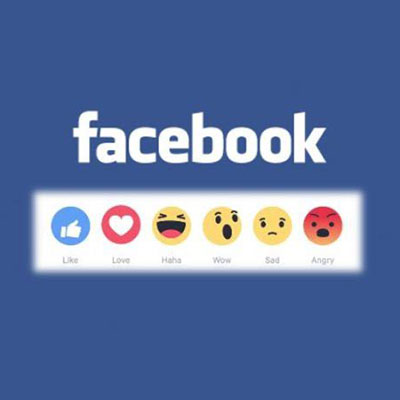
    MUMBAI: It’s been seven years since Facebook introduced us to the “Like” button on the social media platform and ever since then it has become an integral part of our daily lives. In order to improve the experience, Facebook recently was on a testing spree to find alternatives to the existing button. After a demand for the “dislike” button and an intensive research, Facebook recently launched “Reactions,” an extension of the Like button, which gives users more ways to share their reaction to a Facebook post in a quick and easy way.

    Talking about the release and the new update, Facebook founder and CEO Mark Zuckerberg said, “Not every moment you want to share is happy. Sometimes you want to share something sad or frustrating. Our community has been asking for a dislike button for years, but not because people want to tell friends they don’t like their posts. People wanted to express empathy and make it comfortable to share a wider range of emotions. I’ve spent a lot of time thinking about the right way to do this with our team. One of my goals was to make it as simple as pressing and holding the Like button. The result is Reactions, which allow you to express love, laughter, surprise, sadness or anger.”

    The ever-so-famous “Like” button has not been replaced, but has now got exciting new additions, which include the expressions such as ‘love,’ ‘haha,’ ‘yay,’ ‘sad,’ ‘angry’ and ‘wow.’ Facebook has ensured that the recent additions do not clutter on the screen and confuse the users; hence the “like” button will look just as it always has. Users will have to hold the mouse over the “like” options for the ‘reactions’ to show up.

    Speaking about the aim on improving the news feed for the users, Facebook product manager Sammi Krug said, “Our goal with News Feed is to show you the stories that matter most to you. Initially, just as we do when someone likes a post, if someone uses a Reaction, we will infer they want to see more of that type of post. In the beginning, it won’t matter if someone likes, “wows” or “sad” a post — we will initially use any Reaction similar to a Like to infer that you want to see more of that type of content. Over time we hope to learn how the different Reactions should be weighted differently by News Feed to do a better job of showing everyone the stories they most want to see.” 

    While this interesting update will bring in a new experience immediately for the users, advertisers on Facebook will have to wait for few more months to understand the user reactions on their respective ads. It is expected that the idea of using the Facebook’s new emoticons – anger, humour and others will be useful to improve the target audiences. But how much impact would that have? Only time will tell.

    For now, it’s time to experience and observe how fans respond to the new feature, and Zuckerberg and team spend time learning from this addition and use “our reactions” to improve.

  • Mark Zuckerberg gets ‘Reactive’ with Facebook

    Mark Zuckerberg gets ‘Reactive’ with Facebook

    MUMBAI: It’s been seven years since Facebook introduced us to the “Like” button on the social media platform and ever since then it has become an integral part of our daily lives. In order to improve the experience, Facebook recently was on a testing spree to find alternatives to the existing button. After a demand for the “dislike” button and an intensive research, Facebook recently launched “Reactions,” an extension of the Like button, which gives users more ways to share their reaction to a Facebook post in a quick and easy way.

    Talking about the release and the new update, Facebook founder and CEO Mark Zuckerberg said, “Not every moment you want to share is happy. Sometimes you want to share something sad or frustrating. Our community has been asking for a dislike button for years, but not because people want to tell friends they don’t like their posts. People wanted to express empathy and make it comfortable to share a wider range of emotions. I’ve spent a lot of time thinking about the right way to do this with our team. One of my goals was to make it as simple as pressing and holding the Like button. The result is Reactions, which allow you to express love, laughter, surprise, sadness or anger.”

    The ever-so-famous “Like” button has not been replaced, but has now got exciting new additions, which include the expressions such as ‘love,’ ‘haha,’ ‘yay,’ ‘sad,’ ‘angry’ and ‘wow.’ Facebook has ensured that the recent additions do not clutter on the screen and confuse the users; hence the “like” button will look just as it always has. Users will have to hold the mouse over the “like” options for the ‘reactions’ to show up.

    Speaking about the aim on improving the news feed for the users, Facebook product manager Sammi Krug said, “Our goal with News Feed is to show you the stories that matter most to you. Initially, just as we do when someone likes a post, if someone uses a Reaction, we will infer they want to see more of that type of post. In the beginning, it won’t matter if someone likes, “wows” or “sad” a post — we will initially use any Reaction similar to a Like to infer that you want to see more of that type of content. Over time we hope to learn how the different Reactions should be weighted differently by News Feed to do a better job of showing everyone the stories they most want to see.” 

    While this interesting update will bring in a new experience immediately for the users, advertisers on Facebook will have to wait for few more months to understand the user reactions on their respective ads. It is expected that the idea of using the Facebook’s new emoticons – anger, humour and others will be useful to improve the target audiences. But how much impact would that have? Only time will tell.

    For now, it’s time to experience and observe how fans respond to the new feature, and Zuckerberg and team spend time learning from this addition and use “our reactions” to improve.

  • Facebook pulls plug on Free Basics post TRAI’s decision on differential pricing

    Facebook pulls plug on Free Basics post TRAI’s decision on differential pricing

    NEW DELHI: Even as Facebook founder and CEO Mark Zuckerberg voiced his disappointment on the ruling by the Telecom Regulatory Authority of India (TRAI) against differential pricing and in favour of net neutrality, the social media giant has pulled the plug on its Free Basics offering in India.

    Meanwhile, a recent tweet by Silicon Valley investor and a member of the Facebook Board Marc Andreessen, which was later deleted, had created controversy as he criticised India’s opposition to Free Basics.

    Indian users of the net protested against the tweet comparing the opposition to Free Basics in India to anti-colonialism, which did not go well with them.

    Later Zuckerberg had attempted to do some damage control when he put a post on his Facebook page disassociating from Andreessen’s views. He said the comment was “deeply upsetting and doesn’t represent the way Facebook or I think.”

    Facebook has clearly been hit by the decision as it is a popular social media site in the country and was hoping to increase its presence by offering free access to services to the joining user.

    In its ruling on differential pricing for data services, TRAI had said that it would impose a fine of Rs 50,000 per day for anyone violating the same with immediate effect.

  • Facebook pulls plug on Free Basics post TRAI’s decision on differential pricing

    Facebook pulls plug on Free Basics post TRAI’s decision on differential pricing

    NEW DELHI: Even as Facebook founder and CEO Mark Zuckerberg voiced his disappointment on the ruling by the Telecom Regulatory Authority of India (TRAI) against differential pricing and in favour of net neutrality, the social media giant has pulled the plug on its Free Basics offering in India.

    Meanwhile, a recent tweet by Silicon Valley investor and a member of the Facebook Board Marc Andreessen, which was later deleted, had created controversy as he criticised India’s opposition to Free Basics.

    Indian users of the net protested against the tweet comparing the opposition to Free Basics in India to anti-colonialism, which did not go well with them.

    Later Zuckerberg had attempted to do some damage control when he put a post on his Facebook page disassociating from Andreessen’s views. He said the comment was “deeply upsetting and doesn’t represent the way Facebook or I think.”

    Facebook has clearly been hit by the decision as it is a popular social media site in the country and was hoping to increase its presence by offering free access to services to the joining user.

    In its ruling on differential pricing for data services, TRAI had said that it would impose a fine of Rs 50,000 per day for anyone violating the same with immediate effect.

  • Facebook’s Mark Zuckerberg disappointed with TRAI’s decision favouring net neutrality

    Facebook’s Mark Zuckerberg disappointed with TRAI’s decision favouring net neutrality

    MUMBAI: Everyone in the world should have access to the Internet says Facebook founder Mark Zuckerberg.

    Voicing his disappointment over Indian regulator – the Telecom Regulatory Authority of India’s (TRAI) decision, which upheld net neutrality and ruled against differential pricing of data services, Zuckerberg took to his social networking website and said, “Today India’s telecom regulator decided to restrict programs that provide free access to data. This restricts one of Internet.org’s initiatives, Free Basics, as well as programs by other organizations that provide free access to data.”

    With an aim to provide basic internet services to all, Zuckerberg launched Internet.org with many different initiatives — including extending networks through solar-powered planes, satellites and lasers, providing free data access through Free Basics, reducing data use through apps, and empowering local entrepreneurs through Express Wi-Fi.

    “While we’re disappointed with today’s decision, I want to personally communicate that we are committed to keep working to break down barriers to connectivity in India and around the world. Internet.org has many initiatives, and we will keep working until everyone has access to the internet,” he added.

    He added that with Internet.org, more than 19 million people in 38 countries have been connected through its different programs.

    “Connecting India is an important goal we won’t give up on, because more than a billion people in India don’t have access to the internet. We know that connecting them can help lift people out of poverty, create millions of jobs and spread education opportunities. We care about these people, and that’s why we’re so committed to connecting them,” he voiced.

    Zuckerberg said that Facebook’s mission was to make the world more open and connected. “That mission continues, and so does our commitment to India,” he said.

    It may be recalled that Facebook faced a lot of flak recently when it asked its users to support Free Basics via a poll. Free Basics has been criticised over grounds that it curbed people’s freedom to access the internet of their choice.

  • Facebook’s Mark Zuckerberg disappointed with TRAI’s decision favouring net neutrality

    Facebook’s Mark Zuckerberg disappointed with TRAI’s decision favouring net neutrality

    MUMBAI: Everyone in the world should have access to the Internet says Facebook founder Mark Zuckerberg.

    Voicing his disappointment over Indian regulator – the Telecom Regulatory Authority of India’s (TRAI) decision, which upheld net neutrality and ruled against differential pricing of data services, Zuckerberg took to his social networking website and said, “Today India’s telecom regulator decided to restrict programs that provide free access to data. This restricts one of Internet.org’s initiatives, Free Basics, as well as programs by other organizations that provide free access to data.”

    With an aim to provide basic internet services to all, Zuckerberg launched Internet.org with many different initiatives — including extending networks through solar-powered planes, satellites and lasers, providing free data access through Free Basics, reducing data use through apps, and empowering local entrepreneurs through Express Wi-Fi.

    “While we’re disappointed with today’s decision, I want to personally communicate that we are committed to keep working to break down barriers to connectivity in India and around the world. Internet.org has many initiatives, and we will keep working until everyone has access to the internet,” he added.

    He added that with Internet.org, more than 19 million people in 38 countries have been connected through its different programs.

    “Connecting India is an important goal we won’t give up on, because more than a billion people in India don’t have access to the internet. We know that connecting them can help lift people out of poverty, create millions of jobs and spread education opportunities. We care about these people, and that’s why we’re so committed to connecting them,” he voiced.

    Zuckerberg said that Facebook’s mission was to make the world more open and connected. “That mission continues, and so does our commitment to India,” he said.

    It may be recalled that Facebook faced a lot of flak recently when it asked its users to support Free Basics via a poll. Free Basics has been criticised over grounds that it curbed people’s freedom to access the internet of their choice.