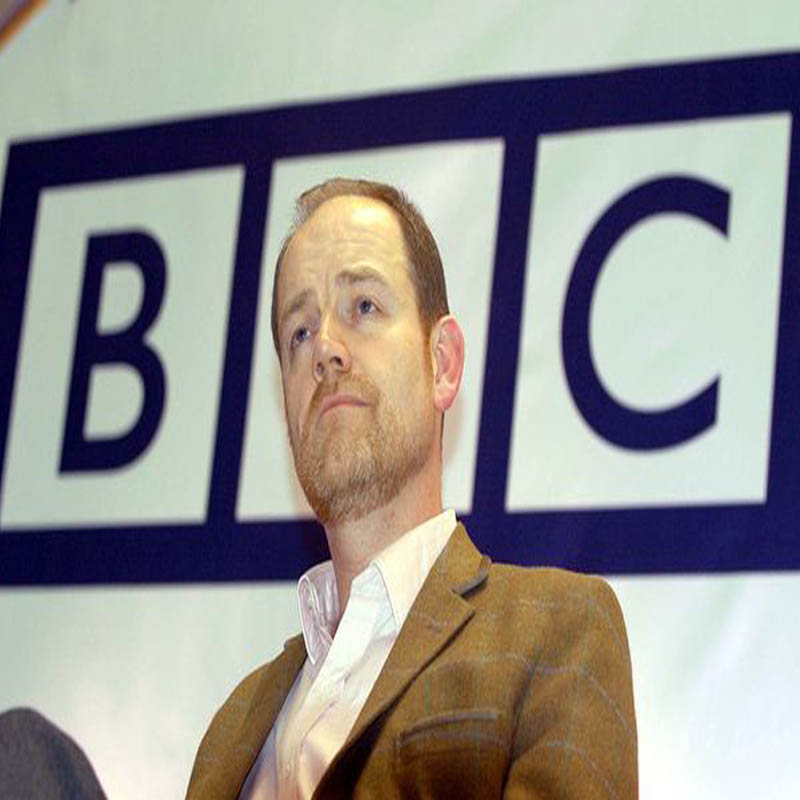
Tag: Mark Thompson

  • BBC publishes code of conduct for competitions and voting

    MUMBAI: UK pubcaster The BBC has published for the first time a code of conduct for competitions and voting on the Corporation’s television, radio and online services. The code is the BBC’s undertaking to its audiences on the running of competitions and voting.

    The code, which applies to competition and voting activity on every BBC programme, emphasises the importance of trust in the relationship with audiences. An honest and open relationship is required, in which the public is treated with respect and fairness. Competitions and voting will be handled with rigorous care and integrity.

    The code, which will be widely publicised on the BBC’s services, also reminds audiences that BBC competitions and votes will not be run on the BBC to make a profit. The only time BBC competitions or votes will be aimed at raising funds will be for a BBC charitable initiative.

    In particular, through the code, the BBC undertakes to ensure that:

    – competitions and votes are conducted in a way that is honest, open, fair and legal

    – winners of competitions and votes are genuine and never invented, pre-chosen or planted by the production team. Every entry should have a fair chance of winning

    – it will never ask anyone to pose as a competition contestant or winner

    – prizes are described accurately. The BBC will not mislead entrants about the nature of a prize and prize winners will receive their prizes in reasonable time

    – there are clear rules for any competition or vote, which are readily available to the public.

    The Code states that whatever pressures there may be to “keep the show on the air”, the BBC must never compromise its editorial integrity.

    If things go wrong with running a competition or vote, the BBC will not cover it up or falsify the outcome.

    Premium rate telephone services will be used when the size of the likely response to votes or competitions requires large numbers of calls to be handled, or where raising money for a BBC charitable initiative.

    The code of conduct is part of the response by BBC management to the requirement from the BBC Trust for a comprehensive plan to address important issues which arose from serious editorial breaches on the BBC earlier this year.

    The code was called for by the BBC Trust, and further detailed advice for programme makers on competitions, voting and running awards and a formal approvals process for such activities is to be submitted to the Trust for its consideration before competitions can resume on the BBC.

    It is anticipated that some competitions may return on air before Christmas.

    A mandatory editorial training programme for 17,000 staff, Safeguarding Trust, is also now underway.

    BBC DG Mark Thompson said, “Trust is the BBC’s most important value and we must never do anything that may undermine that trust. That belief is shared by the BBC’s programme makers. The new Code will enable audiences to have a clear understanding of what they should expect in the conduct of competitions and votes on the BBC. Audiences enjoy interacting with BBC programmes and output. It’s important that they can do so with confidence at all times.”

  • George Entwistle is BBC controller, knowledge commissioning

    MUMBAI: George Entwistle has been named as the new BBC Controller of Knowledge Commissioning.

    In this role, Entwistle will be responsible for delivering the recently launched knowledge building strategy across the BBC on TV and on the web, from landmark series to documentaries; across specialisms from arts to history, natural history, business, science and religion; to consumer journalism and contemporary factual.

    He will head BBC Vision’s Knowledge and Learning commissioning teams who commission programmes and multi-platform content from Vision Productions and the independent sector, which together produce over 1,600 hours of output a year.

    BBC Vision director Jana Bennett said, “As a programme maker and a creative leader, George has an impressive track record across a wide range of genres including current affairs, arts and science. This gives him a deep understanding of how to deliver great factual programmes for all audiences.

    “He has been an outstanding member of the factual commissioning team and has also had real success leading the creative renewal in current affairs and during his time running BBC Four.

    “Knowledge building is a cornerstone of the BBC’s future and this is an opportunity to bring the knowledge story together more powerfully across all channels, the web and other platforms, building on the foundations laid by Glenwyn Benson.”

    Entwistle said, “The BBC’s knowledge output – on TV and every other platform – is right at the heart of our public purposes. I am delighted to be given the opportunity to play my part in taking forward our new Knowledge Strategy – in partnership with the exceptional talent across the BBC and the independent sector – to deliver factual content our audiences will find outstandingly valuable, compelling and enriching.”

    In 1999, after ten years in current affairs, he joined the science department as Deputy Editor of BBC One’s flagship science show Tomorrow’s World.

    He went from there to become Deputy Editor and, in 2001, Editor of Newsnight – which won five RTS awards during his editorship.

    In 2004 he moved to BBC Arts to become Executive Editor of Topical Arts. There he launched The Culture Show for BBC Two.

    He also spent several months as Chair of the Knowledge Building workgroup on Mark Thompson’s Creative Future strategy review.

  • BBC to be smaller but fitter in six years: DG Mark Thompson

    MUMBAI: UK pubcaster the BBC has unveiled a radical programme of reform which it claims will not only continue to deliver the highest quality content to audiences but will also make it available when and how they want it.

    Following approval by the BBC Trust, the six-year plan will deliver a smaller but fitter organisation. Every part of the BBC will be required to make efficiency savings, with every penny freed up reinvested in high quality, distinctive content and the way audiences consume it.

    The plan, ‘Delivering Creative Future’ rests on three fundamental propositions:

    A focus on quality – to provide fewer but better, more innovative and more distinctive programmes.

    A digital step change – to offer audiences programmes wherever and whenever they want them – from iPlayer to My BBC Radio, audiences will be able to find, play and share BBC content. To help deliver this ambition, largely separate TV, radio and web news operations will integrate into one of the world’s most advanced multimedia newsrooms.

    A smaller BBC – which will provide best value to audiences.

    BBC DG Mark Thompson told staff, “Media is transforming. Audiences are transforming. It would be easy to say that the sheer pace of this revolution is too fast for the BBC. That for us to do what other media players are doing – integrating newsrooms, mixing media, exploiting the same content aggressively across different platforms – is just too radical … but I think we can see both here and around the world the price you pay for taking what looks like the safe option.

    “I’ve devoted almost my whole working life to the BBC, much of that not as a suit but as a rank-and-file programme-maker. I love the BBC and what it stands for. I care too much to see it drift steadily into irrelevance.”

    Over the next six years, the BBC will focus particularly on enhancing quality output in journalism, drama, knowledge and comedy programming.

    The BBC claims that tough choices have been necessary, against the backdrop of the licence fee settlement, to deliver these plans. From the raft of detailed proposals, the headline efficiency savings and financial reprioritisation decisions approved by the Trust are:

    Meeting demanding efficiency targets of three per cent per year for the period.
    Making 10 per cent less originated programming in television by 2012/13, cutting lower impact programming to focus on fewer, higher quality, programmes.
    A radical reform of factual programme-making to ensure a sustainable in-house production base which will maintain this output at the heart of the BBC.
    In the Journalism group, which includes News, Nations and Regions, Global News and Sport, tackling duplication by bringing services together into a market-leading tri-media news production operation and promoting greater multi-media working.
    A decision, approved separately by the BBC Trust, to reduce the size of the property portfolio in west London by selling BBC Television Centre by the end the financial year 2012/13.
    A range of earlier proposals for new activities amounting to £1.5 billion over the next six years have been dropped, including four full new local radio stations, and there have been cuts to the budget for BBC Three (£10 million) and its new teen service.

    Overall the BBC will make approximately 1,800 redundancies by the end of the period. The BBC expects to close an estimated 2,500 positions between now and 2012/2013, with the areas of News and Factual production most affected. The impact on staff will be significantly lessened by fresh investment that will create new jobs and by natural staff turnover.

    Summarising what these plans would mean for the BBC by 2012/13, Thompson told staff that “there will be a smaller BBC, but one which packs a bigger punch because it is more focused on quality and the content that really makes a difference to audiences. And it will be a BBC which is fully prepared for digital”.

    BBC Trust chairman Sir Michael Lyons said, “All of us at the BBC have constantly to remind ourselves that the guaranteed and privileged funding at our disposal is coming from people who have no choice but to pay it. This is the public’s BBC and the public pays for it with the licence fee. And those same people have made it absolutely clear that they want quality, value and something a bit special in return. After six months of very detailed work by the management and rigorous testing and challenge from the BBC Trust, we are confident that the plans we have approved today will safeguard the core values of the BBC at a time of radical and accelerating change in technology, markets and audience expectations.”

    The BBC Trust says that it is confident that the management’s strategy should safeguard the core values of the BBC at a time of radical and accelerating change in technology, markets and audience expectations. Inevitably, there are difficult choices to be made, heightened by a tight funding settlement. But at the heart of the strategic plan remains a firm commitment to the delivery of the BBC’s public purposes through high quality and distinctive creative content. It includes efficiency savings to free up resources for programming and measures to reprioritise spend to extract greater value for audiences.

  • BBC establishes an editorial standards board

    MUMBAI: UK pubcaster the BBC has established an editorial standards board, chaired by the BBC’s Deputy DG Mark Byford, and comprising the BBC’s most senior output directors, has been established and is undertaking a major programme of work in this area. This group has met weekly and has overseen the work. BBC DG Mark Thompson made this announcement while providing an update to the BBC Trust in which he reported substantial progress in delivering a package of tough and rigorous measures to address concern over recent editorial breaches in competitions and voting.

    Thompson says, “The BBC-wide review of our output since 2005 is now completed, and four further serious editorial breaches had been found. None of the further editorial breaches involved premium rate telephone lines. An unprecedented programme of editorial training, Safeguarding Trust, will begin in November. It is expected that all 16,500 BBC production and content staff will participate in the mandatory training programme. This programme is not simply about reinforcing the imperative to understand and comply with all of the BBC’s values and editorial standards, including truth and honesty, but in that context will enable staff to debate the right production techniques in light of the current debate about artifice in programmes. Training materials will be made available to other broadcasters and independent producers.”

    A phased and controlled return of competitions on BBC programmes and online, which are currently suspended, is also expected to begin in November following a strengthening of editorial guidance and control. Competitions will now be approved and supervised at a senior level within each output area. Thompson reported to the Trust that he expected a significant reduction in the number of competitions being broadcast by the BBC, but he recognised that audiences very much enjoyed taking part in BBC programmes in this way.

    A full independent inquiry into the incident involving the BBC One autumn season launch and Her Majesty The Queen, which is being conducted by Will Wyatt CBE, is expected to report to Thompson next month. The findings of this inquiry will be made public once they have been considered by the BBC Trust. 

    Thompson also informed the Trust that he has commissioned a new online project which will enable the public to explore how contemporary media content is produced. The BBC believes this will be a major contribution to media literacy in Britain.

    A BBC working party on the use of premium rate telephony in programme and content areas has made progress Thompson says. This includes the development of new editorial and operational guidance which will form part of the overall management response on strengthening editorial compliance. The group is also revising the BBC’s policy on the use of premium rate tariffs and is looking to set up a system of approved service providers of telephony.

    Thompson will meet his counterparts in the commercial public service broadcasters later this month to discuss ways of working together to build and restore public confidence and trust in the light of editorial issues across the industry.

  • Audiences want BBC to be more innovative

    MUMBAI: The BBC Trust has published the BBC’s Annual Report and Accounts for 2006/2007 and highlighted demands from the UK public for more innovation as a priority for the BBC to address.

    In line with the new Charter requirements, this year’s Annual Report is in two parts with the Trust’s commentary on the BBC’s performance separate from the detailed analysis and financial accounts prepared by the BBC Executive Board.

    In advance of implementing in full the new governance frameworks of Purpose Remits and Service Licences, the Trust limits its assessment this year to provisional conclusions, but these are based on evidence gathered during the Trust’s first six months.

    This evidence includes the findings of its first major audience research project on BBC priorities and performance, and responses from the public and the commercial sector to consultations about the draft Purpose Remits and the new Service Licences. All of these are published by the Trust today. The public ranks education and news as its top two BBC priorities and awards its highest performance scores to both genres. Entertaining programmes are the public’s third priority and there is clear recognition for the wide range of programmes provided.

    But both audience research and the majority of respondents to the Trust’s Purpose Remit consultation highlighted the provision of innovative and distinctive content as the area they wished to see the greatest improvement from the BBC: 72 per cent of audiences rated innovation as important, but only 51 per cent agreed that the BBC is performing well in this area.

    BBC chairman Sir Michael Lyons said, “The Trust works for the public which owns and pays for the BBC. We listen to a wide range of voices, seeking to understand all opinions and expectations to inform our judgements.

    “The Trust’s assessment of the BBC this year is necessarily provisional and incomplete, but some messages are already coming through strongly: the public trusts the BBC and values much of what it produces, but audiences want the BBC to be more innovative. Whilst public approval of the BBC remains stable, audiences have also told us that fresh and new programme ideas must be a high priority and more effort is needed.

    “This message, alongside a desire for high quality – which need not necessarily mean high cost – is consistent across all groups who have participated in our consultations and it is one of the key factors we will consider when deciding the BBC’s strategic priorities in the autumn.

    “The BBC’s unique system of funding provides the necessary security for creative risk-taking that few other broadcasters can afford. Essential to the BBC’s success are the desire to be distinctive, bold ambition for trying new things, respect always for the public’s money, and confidence amongst the creative teams. As Trustees we prize the professionalism and creativity of BBC staff and fully recognise that, in truly seeking to meet these aims, occasional failures will inevitably feature alongside great successes.

    “One of our early priorities has been to focus on impartiality and we have published a number of studies. Accuracy and independence are essential to public confidence in the BBC and we will continue to promote active debate both within and without the corporation.

    “Our objective as the BBC’s sovereign body is to ensure that the BBC adds significantly to the creative and economic vigour of the UK. This requires a robust system of governance, a clear strategic framework with a focus on quality and value for money for all UK communities, and recognition that the BBC must be careful not to use its considerable economic power in ways that might stifle enterprise or innovation from elsewhere. The Trust looks forward to meeting this objective in the years ahead.”

    In the Annual Report, the Trust notes that the BBC is becoming more efficient and highlights the £228 million in savings achieved in the last two years as part of the three year plan. The efficiency drive continues, with a further target of £127 million for the current financial year (2007/2008) and a commitment by the Trust to set future efficiency targets for the BBC in discussion with the National Audit Office.

    There is greater transparency of spend by BBC service in this year’s document, with each service’s proportion of spend on items such as rights and news gathering costs identified. Information on distribution and infrastructure costs such as marketing, on-air trails and market research is also allocated to each service. The report includes a new metric which helps inform assessments of value-for-money – Cost per User Hour (CPUH) which combines service spend and consumption of a service. BBC Parliament has the highest CPUH at 24 pence per user hour, and Radio 2 the lowest at 0.4 pence per user hour, and BBC One is 7 pence.

    The Trust has also published its forward workplan for the remainder of 2007/2008. In addition to deciding the BBC’s six year strategic plan and completing implementation of the new governance framework which will ensure the Trust is equipped to hold management to account for meeting the public’s priorities, the workplan includes an external study into the BBC’s major role in the talent market, and the Trust’s first full service review, which will be on bbc.co.uk.

    BBC DG Mark Thompson said, “This has been a momentous year. We secured a strong 10-year Charter and Agreement, a secure, but challenging, licence fee settlement, created a new Executive Board with five non-executive directors, and began working with the new BBC Trust. It has also been a year of continuing change to ensure the BBC is in strong creative shape to provide real value to audiences over the next 10 years.

    “We launched Creative Future outlining our editorial blueprint for the on-demand world and continued to try and make the BBC a simpler, and more open organisation. Saturday nights on BBC One were completely revitalised thanks to Dr Who, Strictly Come Dancing and How Do You Solve A Problem Like Maria. Drama had a real injection of energy, Planet Earth continued to inspire awe, and factual content captured broad new audiences through programmes like Springwatch, The Apprentice and Dragon’s Den. News 24 was put at the heart of our journalism and Panorama moved back to primetime on Monday nights. BBC Radio continued to grow while strengthening its reputation for excellence through initiatives like the Electric Proms and our online and interactive sites broke one record after another.

    “There were bumps along the way. Editorial mistakes around phone lines, while unintentional, went to the heart of our contract of trust with audiences and we are taking steps to minimise the chance of it happening again.”

  • Alan Johnston wins London Press Award

    MUMBAI: BBC Gaza Correspondent Alan Johnston was named the Broadcasting Journalist Of The Year at the annual London Press Awards.

    He was abducted in Gaza on 12 March. Alan’s father, Graham Johnston, and BBC DG Mark Thompson, accepted the award on his behalf.

    Graham Johnston said: “On behalf of my son, Alan, I wish to thank the London Press Club for this award. As a dedicated journalist, this, I know, will mean a great deal to him. I dearly wish it was Alan himself standing here and not his father. Again, thank ou very much.”

    Thompson said, ” Today is the 59th day of Alan’s captivity. I’d like to pay tribute to him, and I’d also like to pay tribute to his family – to Graham, Margaret, Katriona and Raymond – who have shown extraordinary strength and courage over these last few weeks.

    “We nominated Alan for the Broadcasting Journalist Of The Year award long before his abduction in Gaza – in recognition of his outstanding journalism over the last three years.

    “Alan stayed there so long, and stayed after so many other Western correspondents had left, because he wanted to tell the story of Gaza, and to tell it not from a studio in London or by voicing-over pictures taken by an agency or a freelancer thousands of miles away, but on the ground and among the people of Gaza. And he wanted to do that with real journalistic values: with humanity but also with objectivity and impartiality.

    “We are absolutely delighted that Alan’s long-term professionalism and dedication has been recognised by this award but – at the same time – saddened that, in recent weeks, he has had to pay such a high price. On behalf of the BBC, thank you, London Press Awards, for honouring Alan.”

  • BBC to create 3 channels on YouTube

    BBC to create 3 channels on YouTube

    MUMBAI: Google’s YouTube may be facing the heat from the likes of Viacom on copy protection issues but the popularity of the online video network continues to grow. The British Broadcasting Corp. has struck a multi-year content deal with YouTube that will make programming available via three branded channels on the search giant’s video-sharing site.

    Three YouTube channels — one for news and two for entertainment — will carry content from BBC. BBC Worldwide will air promotional trailers for new programmes and clips from its old hit series on the website.

    The aim is to bring new audiences to the proposed BBC iPlayer service, and to secure commercial revenue via BBC Worldwide, its commercial subsidiary, to supplement the licence fee. 
    While the current deal includes its promotion of its non news programming, the publicly funded broadcaster also said that news clips will be added in the near future.

    From the BBC channel there will be content based on current hits such as Life on Mars and Doctor Who, while from BBC Worldwide there will be clips from old favorites such as Spooks and Top Gear, which are sold globally.

     
    The BBC Worldwide arm also plans to offer around 30 news items a day, though the advertising-funded news clips will not be available to users in Britain who pay the license fee that funds the BBC. The news channel will be launched later this year.

    The output will include specially created video diaries such as actor David Tennant taking viewers around the sets of Doctor Who and reporter Clive Myrie on the streets of the red zone of Baghdad.

    This would mirror the type of deal that YouTube has in place with US sports organisation NHL. Under the original deals the partners have used the platform for promotional purposes. Channel 4, for example, has a branded promotional channel plugging Ugly Betty.

    Several large broadcasters in the US have similar arrangements with YouTube including CBS, which claimed 200,000 extra viewers for The Late Show with David Letterman after clips from the show were posted on the video-sharing website.

     
    BBC Director-General Mark Thompson said: “This ground-breaking partnership between the BBC and YouTube is fantastic news for our audiences. YouTube is a key gateway through which to engage new audiences in the UK and abroad.

    “The partnership provides both a creative outlet for a range of short-form content from BBC programme makers and the opportunity to learn about new forms of audience behaviour. It’s essential that the BBC embraces new ways of reaching wider audiences with non-exclusive partnerships such as these.”

    Google CEO and Chairman Eric Schmidt said,”We’re delighted to be joining forces with the BBC to bring the best TV programming available to the YouTube community. We will continue to invest in our platforms and technologies to help our partners make the most of the enormous opportunities presented by the billion people now online.”

    YouTube CEO and Co-Founder Chad Hurley said, “We’re constantly looking for innovative ways to bring the best content to our community. The BBC is a premier source for quality programming, and we’re excited that they are leading the way in enabling two-way dialogue and real engagement with an entirely new audience. We hope to open up an entirely new audience for their content, while deepening their relationship with their existing viewers.”

  • BBC launches integrated multimedia broadcast and production group BBC Vision

    BBC launches integrated multimedia broadcast and production group BBC Vision

    MUMBAI: UK pubcaster The BBC has announced that BBC Vision, an integrated multimedia broadcast and production group has launched. The aim is to create high quality programmes for audiences in the rapidly changing digital world.

    BBC Vision director Jana Bennett says that in the future, more BBC programmes would need to work on many different platforms such as the web, mobile phones and interactive technologies.”Our creative purpose is to deliver great programmes and great content to all our audiences. The future will still be a place where audiences value great storytelling, elegant structure, high production values – all the traditional strengths of BBC programme makers.

    “But at the same time we need to develop fresh ways of thinking and using technology. There are incredible opportunities in this new world if we can only organise ourselves to seize those opportunities and make them work for our audiences.”

    BBC Vision – so called because it makes BBC content that people watch – brings together several former BBC divisions: Drama, Entertainment and Children’s (DEC); Factual and Learning; Television; and Network Production in the Nations.

    This follows a restructure plan announced by BBC DG Mark Thompson earlier this year. The BBC Groups coming together are Audio and Music, Journalism and Future Media and Technology. Bennett said there were two big ideas behind the creation of Vision:

    A “one-stop shop” for multi-platform commissioning where creative ideas – whether in-house or independent – could be looked at in the round and assessed for their full creative potential across all appropriate platforms;

    A content powerhouse, Vision Studios, which positions itself as the biggest multi-platform production house of its kind in the world, bringing together about 4,000 programme makers in 17 “studios”. Jana Bennett has appointed Peter Salmon as Chief Creative Officer to run Vision Studios.

    £10 million has been set aside for multi-platform landmark projects. There will be opportunities for thousands of programme makers to gain new multi-media skills and experience of different areas of programming. There will also be an in-house guarantee and window of creative competition initiative. Bennett adds, “Vision commissioning would be a meritocracy to make sure that BBC audiences get the best content, wherever the ideas originate – inside or outside the BBC.”

    Within BBC Vision, commissioning stays separate from production. The BBC draws at least 25 per cent of its programming from independent production companies by statutory quota, and another 25 per cent makes up the Window of Creative Competition open to competition between independents and in-house producers. The remaining 50 per cent goes to the BBC’s in-house programme makers under the In-House Guarantee.

  • BBC, Microsoft in content alliance

    BBC, Microsoft in content alliance

    MUMBAI: UK pubcaster The BBC and software major Microsoft have signed a nonexclusive memorandum of understanding (MoU).

    This will define the framework within which the companies can explore opportunities for the delivery and consumption of BBC content and the evolution of next-generation broadcasting.

    BBC DG Mark Thompson and BBC director of new media and technology Ashley Highfield met Microsoft Chairman Bill Gates to officially sign the memorandum of understanding and discuss the BBC’s digital strategy. This includes plans for its online archive, for a radically re-invented Web site in the Web 2.0 world — a second generation of Internet-based services — and for ways to share its online content in the future.

    Thompson said, “We are currently witnessing unprecedented rates of change in technology and audience expectations. To ensure that the BBC is able to embrace the creative challenges of the digital future, we need to forge strategic partnerships with technology companies and distributors for the benefit of licence payers.”

    Gates says, “Microsoft’s strength is in driving digital innovation, and our vision is to open up rich, new consumer experiences that allow people to enjoy digital content anytime, anywhere and on any device.”

    “This vision fits squarely with the BBC’s charter to lead the industry in delivering content that is compelling and accessible. I’m delighted that we’re taking this important step, and I look forward to working together to develop new models for content delivery and consumption.”

    Highfield said, “Microsoft is not just a key supplier to the BBC, it is also a key gateway to audiences that the BBC needs to reach through Web services it runs like MSN and Windows Live(TM) Messenger, and hardware such as Xbox and the Windows Media Center. The BBC needs to work with all players in this space to make sure our programmes and content are enjoyed by the widest possible audience, without always having to come to bbc.co.uk to find it. The learnings from our US visit will very much inform our thinking on the BBC’s creative future.”

    The MoU aims to identify areas of common interest between the BBC and Microsoft on which a strategic alliance could be developed. Areas of potential investigation and collaboration include search and navigation, distribution, and content enablement. Any actual procurements of new technology, or launch of new services by the BBC, would be subject to appropriate regulatory approval.

  • BBC reorganises to focus on digital future

    BBC reorganises to focus on digital future

    MUMBAI: The British Broadcasting Corporation (BBC) has announced organisational changes to meet the challenges and opportunities of its Creative Future vision, placing future media & technology at the heart of its strategy. Launched in April 2006, the changes have been made following consultation with senior managers across the BBC.

    Creative Future is designed to deliver more value to audiences. These reforms are built on the vision that the best content should be made available on every platform at the audience’s convenience and they will simplify how programme ideas – both from in-house and independent producers – move from original concept to audiences.

    The changes, due to be fully operational by April 2007, will enable 360 degree commissioning and production and ensure creative coherence and editorial leadership across all platforms and media.

    They will also streamline the way funding flows across the organisation, bringing in-house production together under a single head, while reinforcing commitments made to the independent production sector through the Window of Creative Competition, informs an official release.

    BBC director general Mark Thompson told staff across the organisation: “Today is about making Creative Future a reality. It’s about how we can make the BBC the most creative organisation in the world, delivering content that our audiences will simply love.

    “We need a BBC ready for digital and for 360 degree multi-platform content creation, which brings different kinds of creativity together – in technology as well as content – to deliver what we need in this converging world. And we need a simpler, more open BBC with the licence-fee flowing down simple, direct lines to the right people, a simpler structure, clearer responsibilities and fewer layers.”

    Thompson stressed it was not about more large scale efficiencies and redundancies, but about making the BBC more creative and efficient. A three year value for money efficiency programme is already underway to deliver savings of £355m a year by 2008 to reinvest in to content.

    The new organisation chart places marketing communications and audiences at its centre, which will be led by Tim Davie, is designated as a creative division, putting audiences at the heart of the BBC and working ever closer with content areas and future Media & Technology to bring audience insights to the creative process.

    A new future media and technology division (FM&T) will be led by Ashley Highfield and will concentrate on emerging technologies, playing a leading role in finding and developing new ways for audiences to find and use content. Technology resources will be centralised and prioritised in FM&T and three new FM&T controllers will be based in the three main content areas – Journalism, BBC Vision and Audio and Music.

    FM&T will manage all new media platforms and gateways like bbc.co.uk, the emerging i-player and web 2.0, as well as metadata, search and navigation and BBC Information & Archives which is vital to opening up the BBC’s archives.

    The multi-media journalism group, led by Deputy Director-General Mark Byford, will now also include BBC Sport along with BBC News, Global News and Nations & Regions.

    The creation of an Audio & Music group, led by Jenny Abramsky, will deliver not just network radio but audio content for all platforms from on-demand in the home to podcasts and mobile phones. This group will also lead on music across all media, including TV, for the whole BBC, informs the release.

    BBC Television, Factual & Learning and Drama, Entertainment & Children’s come together in a new group, BBC Vision, led by Jana Bennett.

    This group will be responsible for in-house multimedia production, commissioning and audio visual services, including the TV channel portfolio, and digital services like High Definition and Interactive.

    Multimedia, 360 degree production, under a single Production Head, will be more closely aligned to – while still physically separate from – the 360 degree commissioning teams. Commissioning will be grouped under four controllers of: Fiction (drama, comedy, BBC Film and programme acquisitions), Entertainment, Knowledge (including all factual and Learning) and Children’s.

    Funding for multimedia content provision will move to the new vision and audio & music groups, allowing 360 degree commissioning and a one stop shop for all producers, including independents.

    The Production Head for BBC Vision, reporting directly to Jana Bennett, will also have an overview of network production outside London through the controller of network production Anne Morrison.

    BBC creative director Alan Yentob will ensure that the Creative Future recommendations are implemented across all content and services. He will chair both the Creative Training Board and Creative Network as well as chairing the board of BBC Films and a new Arts Network which will pull together arts programme-makers from across the BBC. He also continues to lead BBC Talent and to present Imagine.

    The Window of Creative Competition (WOCC). Clear safeguards are in place to build confidence in commissioning and the WOCC now that production and commissioning are in the same BBC Vision group.

    There will be a new commissioning compliance role in BBC Operations with a direct line to the director general and the new BBC Trust will also keep the changes under review to ensure they do not prejudice the WOCC.

    BBC Worldwide CEO John Smith will concentrate on his ambitious development strategy for Worldwide, on course to treble profits, and to lead the sale BBC Resources Ltd in 2007. Over the next six months he will relinquish all responsibilities to the public service side of the BBC.

    Caroline Thomson, currently BBC director of strategy, becomes COO for the BBC, with overall responsibility for strategy, policy, distribution, property, legal and business continuity, in a new BBC Operations division.

    The reorganisation does not affect BBC Finance, led by Zarin Patel, which is already undergoing transformational change. Procurement will however, move into Finance.

    BBC People already has a major change programme underway and is largely unaffected by the reorganisation. The new director of BBC People, Steve Kelly, joins the BBC from BT in the near future.