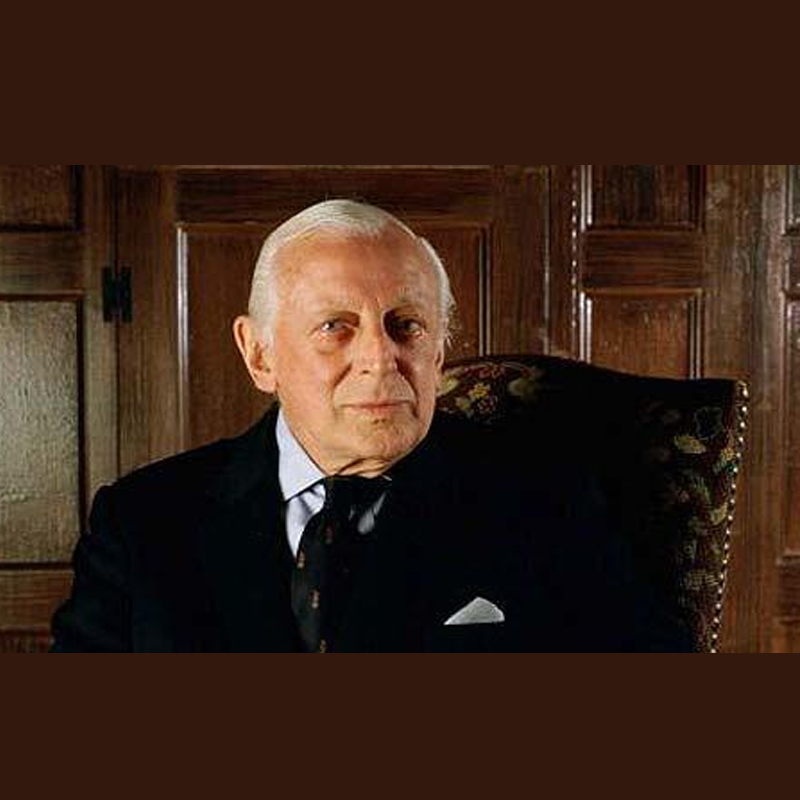
Tag: Mark Byford

  • Dominic Coles is BBC COO Journalism Group

    Dominic Coles is BBC COO Journalism Group

    MUMBAI: Dominic Coles has been appointed as BBC’s Journalism Group COO.

    He was previously director of sports rights and finance at the BBC. He assumes overall responsibility for the financial and business operations of BBC News, BBC Sport, BBC Global News and BBC Nations & Regions – the divisions which make up the corporation’s Journalism Group.

    He retains full responsibility for negotiating sports rights, as well as remaining Finance Director for BBC Sport. He will sit on the Journalism Board and the BBC’s Finance Board.

    BBC deputy DG Mark Byford says, “I am delighted that Dominic Coles has taken up this really important new post on the Journalism Board. He has a wealth of experience and expertise across finance, business operations rights, investment analysis and fair trading. Moreover, he is passionate about the importance of the BBC’s role in Journalism and Sport at local, UK-wide and international levels.

    “Dominic will be a key member of the Journalism team as we respond to the big challenges of changing audience need, new technologies and new competitors and driving excellence and value for money across all our activities.”

    Coles says, “I am thrilled to be taking on this new role and the exciting responsibilities which come with it. For anyone with a passion for news, current affairs and sport, this is a dream job. It’s also a responsible one given how news and sport remain fundamental to the BBC’s ability to connect with its audiences in the digital age.

    “I look forward to working with the Deputy Director General, my new colleagues on the Journalism Board, and everyone within this formidable group of divisions.”

  • BBC reorganises to focus on digital future

    BBC reorganises to focus on digital future

    MUMBAI: The British Broadcasting Corporation (BBC) has announced organisational changes to meet the challenges and opportunities of its Creative Future vision, placing future media & technology at the heart of its strategy. Launched in April 2006, the changes have been made following consultation with senior managers across the BBC.

    Creative Future is designed to deliver more value to audiences. These reforms are built on the vision that the best content should be made available on every platform at the audience’s convenience and they will simplify how programme ideas – both from in-house and independent producers – move from original concept to audiences.

    The changes, due to be fully operational by April 2007, will enable 360 degree commissioning and production and ensure creative coherence and editorial leadership across all platforms and media.

    They will also streamline the way funding flows across the organisation, bringing in-house production together under a single head, while reinforcing commitments made to the independent production sector through the Window of Creative Competition, informs an official release.

    BBC director general Mark Thompson told staff across the organisation: “Today is about making Creative Future a reality. It’s about how we can make the BBC the most creative organisation in the world, delivering content that our audiences will simply love.

    “We need a BBC ready for digital and for 360 degree multi-platform content creation, which brings different kinds of creativity together – in technology as well as content – to deliver what we need in this converging world. And we need a simpler, more open BBC with the licence-fee flowing down simple, direct lines to the right people, a simpler structure, clearer responsibilities and fewer layers.”

    Thompson stressed it was not about more large scale efficiencies and redundancies, but about making the BBC more creative and efficient. A three year value for money efficiency programme is already underway to deliver savings of £355m a year by 2008 to reinvest in to content.

    The new organisation chart places marketing communications and audiences at its centre, which will be led by Tim Davie, is designated as a creative division, putting audiences at the heart of the BBC and working ever closer with content areas and future Media & Technology to bring audience insights to the creative process.

    A new future media and technology division (FM&T) will be led by Ashley Highfield and will concentrate on emerging technologies, playing a leading role in finding and developing new ways for audiences to find and use content. Technology resources will be centralised and prioritised in FM&T and three new FM&T controllers will be based in the three main content areas – Journalism, BBC Vision and Audio and Music.

    FM&T will manage all new media platforms and gateways like bbc.co.uk, the emerging i-player and web 2.0, as well as metadata, search and navigation and BBC Information & Archives which is vital to opening up the BBC’s archives.

    The multi-media journalism group, led by Deputy Director-General Mark Byford, will now also include BBC Sport along with BBC News, Global News and Nations & Regions.

    The creation of an Audio & Music group, led by Jenny Abramsky, will deliver not just network radio but audio content for all platforms from on-demand in the home to podcasts and mobile phones. This group will also lead on music across all media, including TV, for the whole BBC, informs the release.

    BBC Television, Factual & Learning and Drama, Entertainment & Children’s come together in a new group, BBC Vision, led by Jana Bennett.

    This group will be responsible for in-house multimedia production, commissioning and audio visual services, including the TV channel portfolio, and digital services like High Definition and Interactive.

    Multimedia, 360 degree production, under a single Production Head, will be more closely aligned to – while still physically separate from – the 360 degree commissioning teams. Commissioning will be grouped under four controllers of: Fiction (drama, comedy, BBC Film and programme acquisitions), Entertainment, Knowledge (including all factual and Learning) and Children’s.

    Funding for multimedia content provision will move to the new vision and audio & music groups, allowing 360 degree commissioning and a one stop shop for all producers, including independents.

    The Production Head for BBC Vision, reporting directly to Jana Bennett, will also have an overview of network production outside London through the controller of network production Anne Morrison.

    BBC creative director Alan Yentob will ensure that the Creative Future recommendations are implemented across all content and services. He will chair both the Creative Training Board and Creative Network as well as chairing the board of BBC Films and a new Arts Network which will pull together arts programme-makers from across the BBC. He also continues to lead BBC Talent and to present Imagine.

    The Window of Creative Competition (WOCC). Clear safeguards are in place to build confidence in commissioning and the WOCC now that production and commissioning are in the same BBC Vision group.

    There will be a new commissioning compliance role in BBC Operations with a direct line to the director general and the new BBC Trust will also keep the changes under review to ensure they do not prejudice the WOCC.

    BBC Worldwide CEO John Smith will concentrate on his ambitious development strategy for Worldwide, on course to treble profits, and to lead the sale BBC Resources Ltd in 2007. Over the next six months he will relinquish all responsibilities to the public service side of the BBC.

    Caroline Thomson, currently BBC director of strategy, becomes COO for the BBC, with overall responsibility for strategy, policy, distribution, property, legal and business continuity, in a new BBC Operations division.

    The reorganisation does not affect BBC Finance, led by Zarin Patel, which is already undergoing transformational change. Procurement will however, move into Finance.

    BBC People already has a major change programme underway and is largely unaffected by the reorganisation. The new director of BBC People, Steve Kelly, joins the BBC from BT in the near future.

  • Liliane Landor is BBC World Service news, current affairs editor

    Liliane Landor is BBC World Service news, current affairs editor

    MUMBAI: BBC World Service has appointed Liliane Landor as its new editor for news and current affairs. She is responsible for all the BBC World Service News and Current Affairs programmes in English.

    BBC Radio News Stephen Mitchell says, “Liliane has a great track record in World Service as well as the vision and experience to build on the success already achieved during Mary Hockaday’s tenure.”

    Landor joined the BBC in 1990 – working for the BBC French Service after experience as an interpreter in Paris and as a print journalist. She had been Head of BBC World Service News and Current Affairs Programmes since 2002, and in 2004 spent six months as Head of the BBC Arabic Service.

    More recently, she has played a key role in leading flagship news and current affairs programmes across BBC World Service – while also being part of the Creative Future for journalism team led by the BBC’s Deputy Director-General, Mark Byford.

    Landor says, “I am delighted to have been offered the job and I’m very excited at the prospect of leading such an impressive department. It has a deep understanding of our huge and diverse audiences and has always delivered strong and creative journalism. The World Service is a special place to be and we’ll focus our energies on delivering value and quality to our audiences.”