Tag: managing director

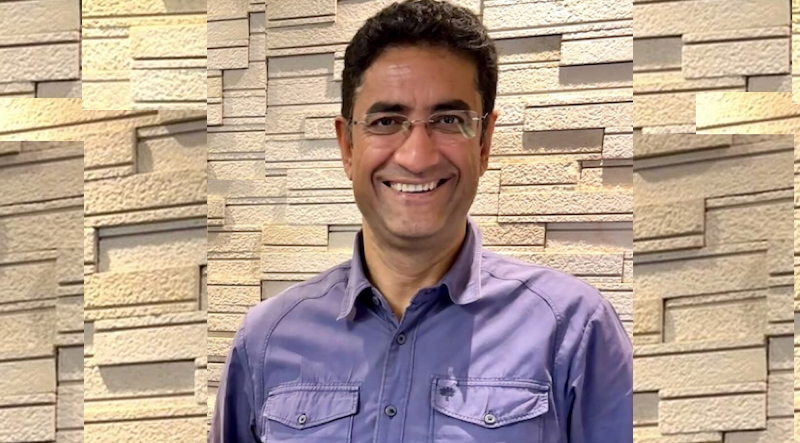
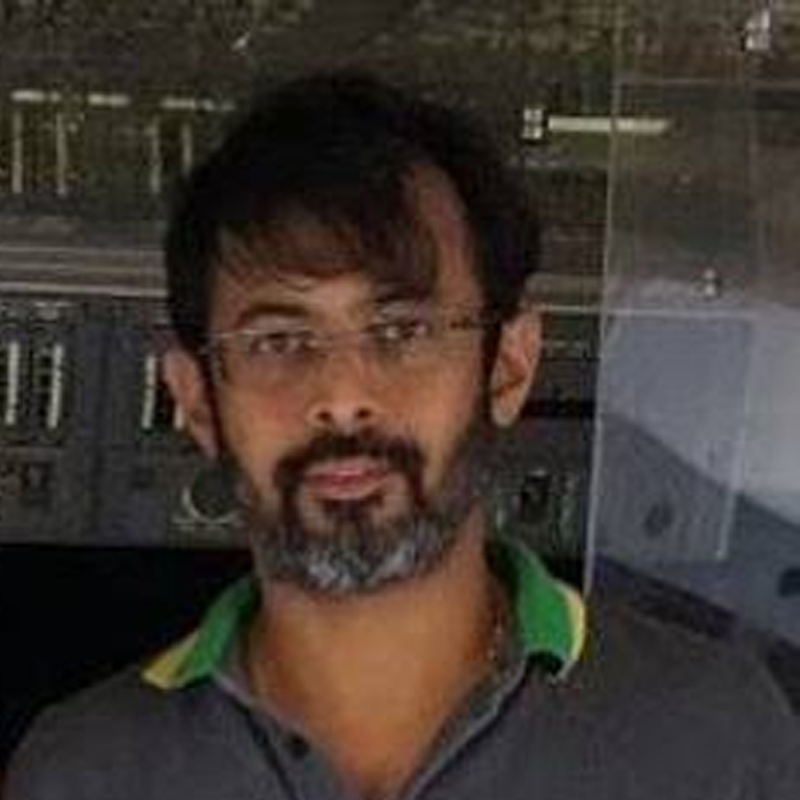
  • Sunil Raina calls the shots as new managing director at Lava International

    Sunil Raina calls the shots as new managing director at Lava International

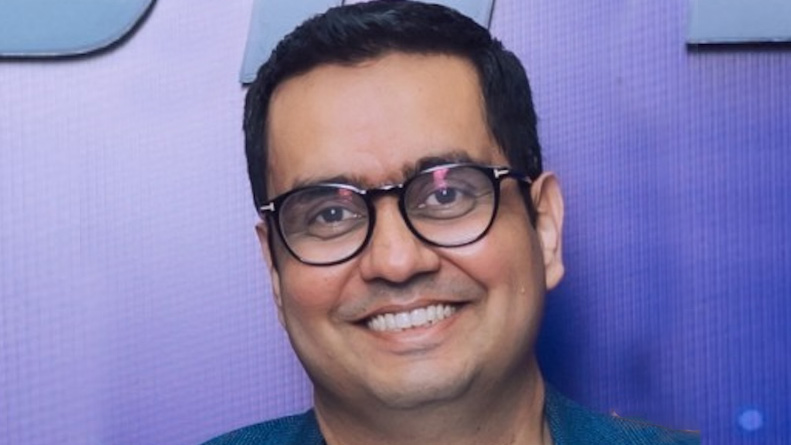
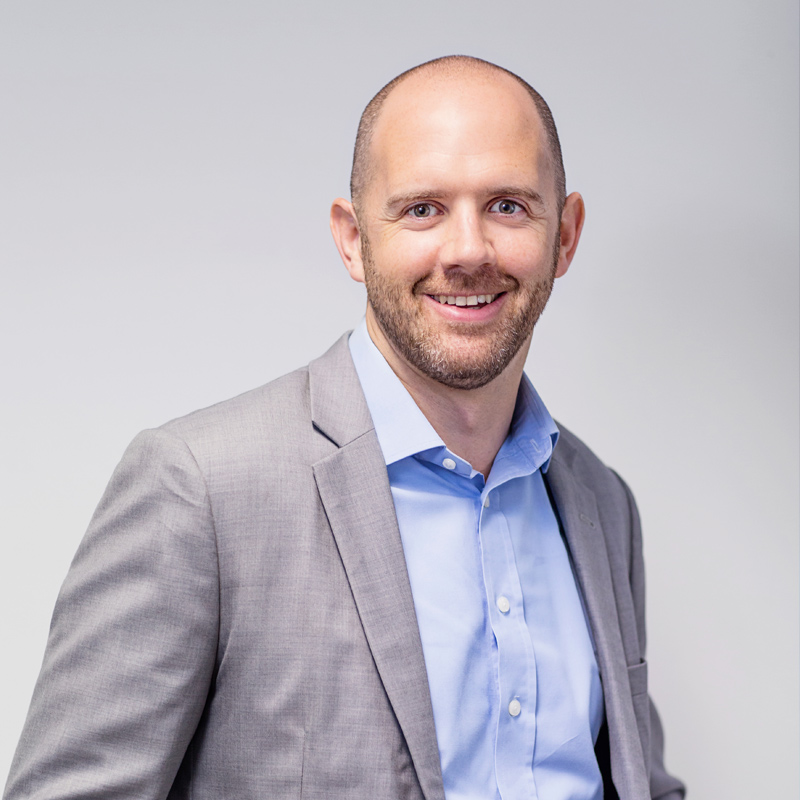
    MUMBAI:  Sunil Raina has officially taken the reins as managing director at Lava International, stepping into the hot seat after a stellar 15-year rise through the ranks at the homegrown mobile brand.

    From leading marketing at Xolo to steering strategy as president and business head, and most recently serving as executive director, Raina has been the driving force behind Lava’s brand identity, market expansion, and product innovation over the years.

    His journey with the company began in 2010 as chief marketing officer, and since then, he’s been pivotal in Lava’s evolution from an emerging player to a Make in India torchbearer.

    With earlier stints at Telenor, Reliance Communications, Airtel, and Tata Teleservices, Raina’s telecom roots run deep. His marketing chops and GTM savvy are expected to play a key role as Lava navigates India’s fiercely competitive smartphone battleground.

    Industry insiders say Raina’s elevation signals a renewed push for domestic dominance and global ambition, as the brand looks to consolidate its positioning against Chinese rivals and double down on manufacturing, design, and distribution.

    As the handset wars heat up, all eyes are on how Lava’s homegrown hero plans to dial up growth—and ring in a fresh era of desi disruption.

  • Pidilite shuffles top deck, appointing Vats as MD and Singh as joint MD

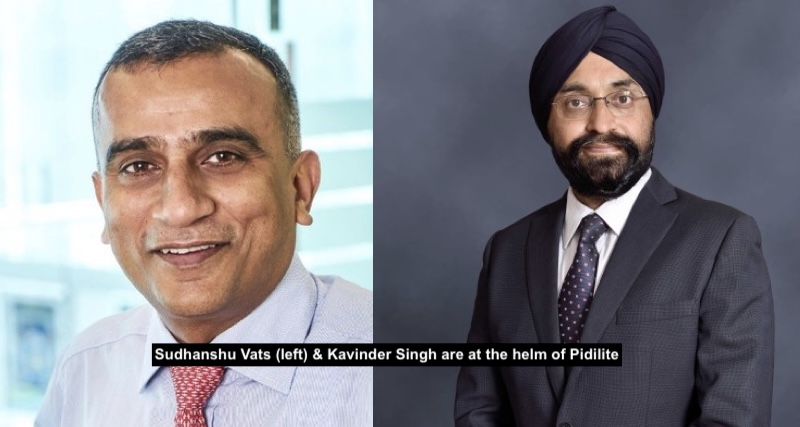
    Pidilite shuffles top deck, appointing Vats as MD and Singh as joint MD

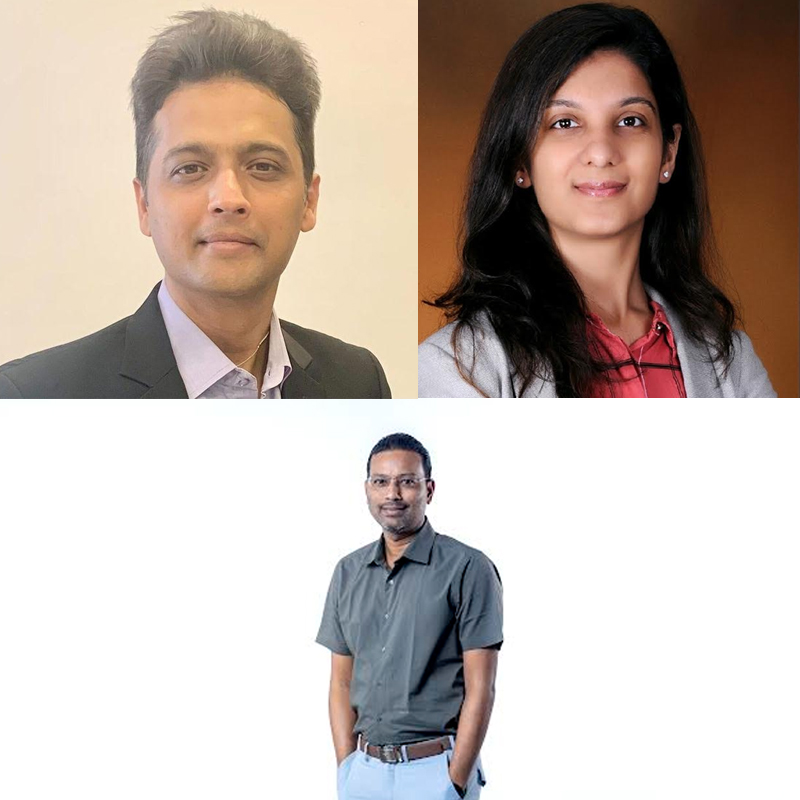
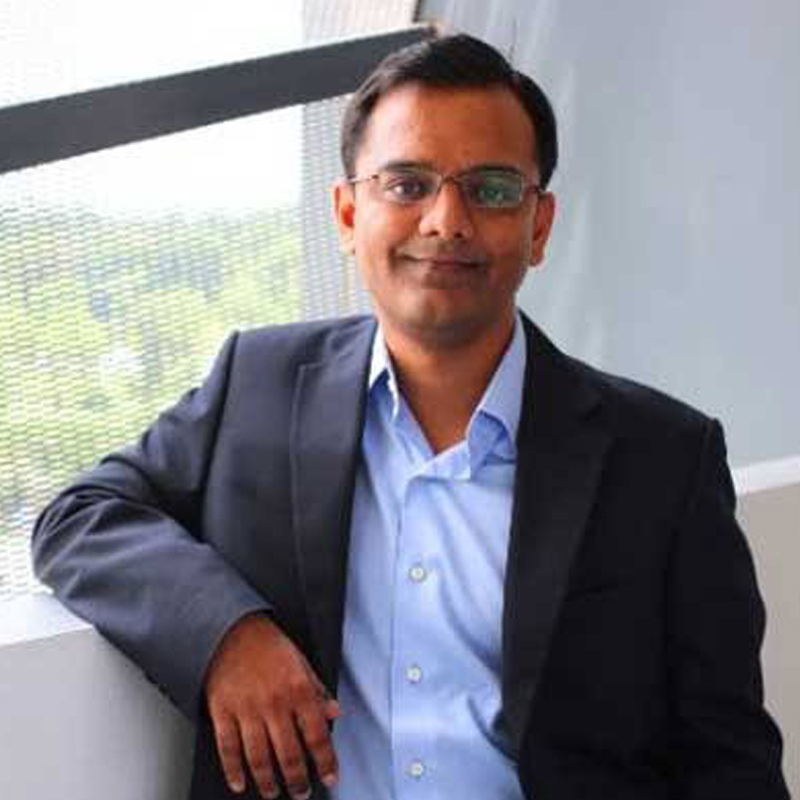
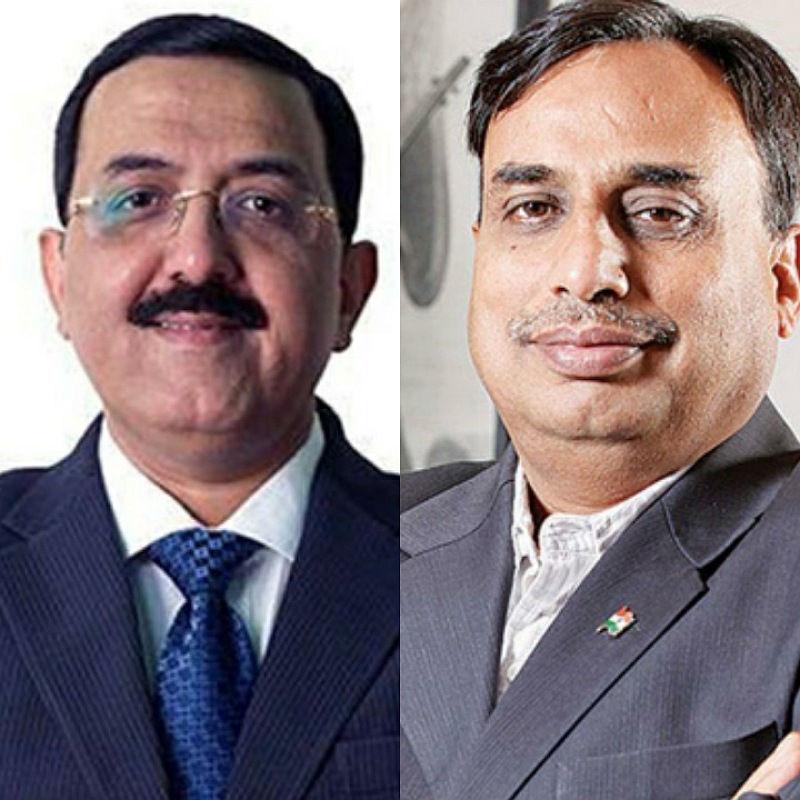
    MUMBAI: Pidilite Industries has announced a shake-up in its top brass, appointing Sudhanshu Vats as managing director and Kavinder Singh as joint managing director, effective from  10 April 2025. This move comes as Bharat Puri, who’s steered the company for a decade, steps down from his managing director role.

    The board expressed “deep appreciation and gratitude” for Puri’s “valuable contributions..”  Puri, who’s been at the helm since 10 April 2015, will transition to a non-executive and non-independent director role for a three-year term.
    Durai Babu Sreenivasan
    M.B. Parekh, executive chairman of Pidilite, waxed eloquent about Puri’s tenure, stating, “Pidilite has made substantial progress and created significant shareholder value during his term.” He also welcomed Vats and Singh, saying their appointments “will reflect the next phase of the Pidilite leadership journey.” 

    Meanwhile, in a separate announcement, the company also appointed Durai Babu Sreenivasan as chief business officer (industrial products –  IP), effective from 1 April  2025. Sreenivasan, a seasoned sales and marketing veteran with over 31 years of experience in the adhesives sector, joins Pidilite’s senior management team. He’s had stints at Henkel Adhesives Technologies, Raghavendra Chemicals, and Delta Forge., and holds an MBA in Marketing from Annamalai University.

  • Sukesh Singh promoted to  managing director at Criteo for southeast Asia

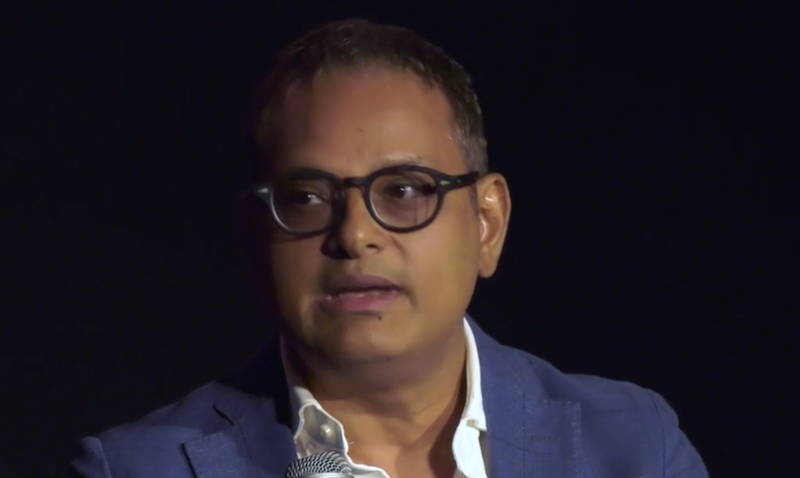
    Sukesh Singh promoted to managing director at Criteo for southeast Asia

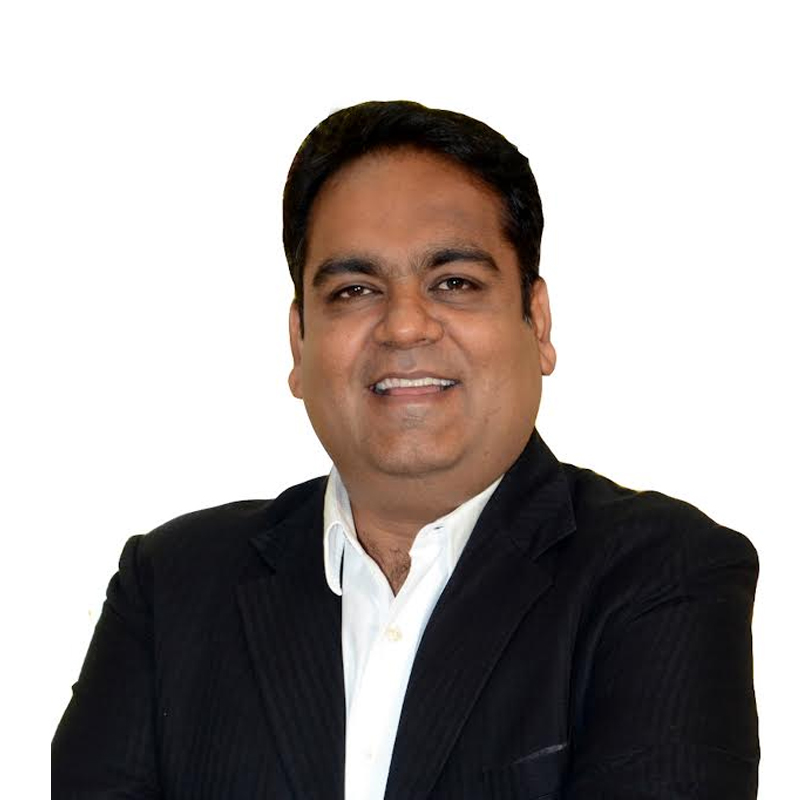
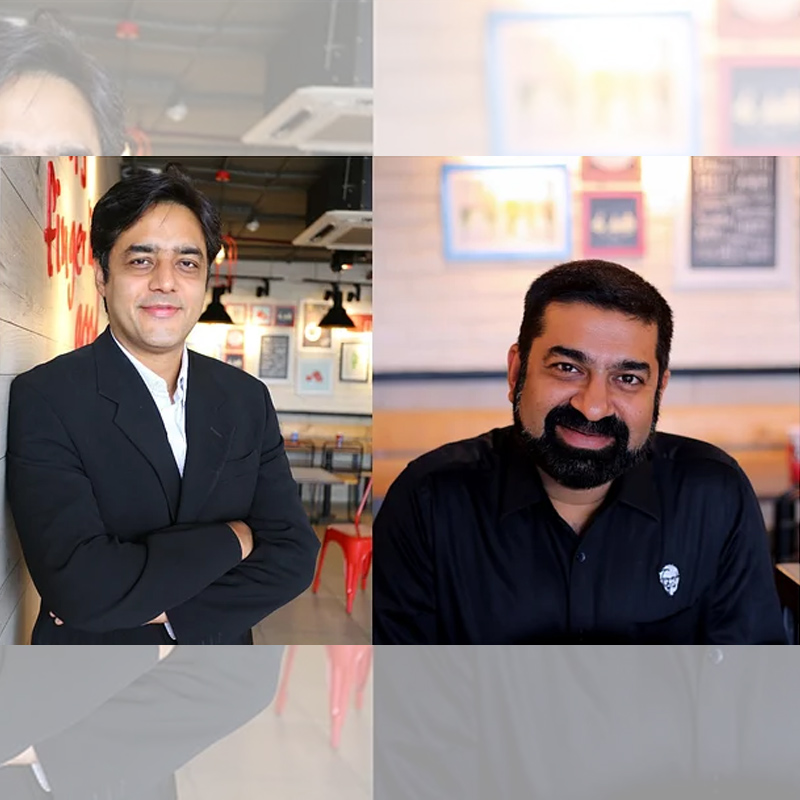
    MUMBAI: Sukesh Singh, a seasoned leader with over two decades of experience in business development, sales strategy, and strategic partnerships, has been appointed managing director for southeast Asia at Criteo, a global leader in commerce media and technology. In this role, Singh will spearhead the company’s growth strategy across the region, fostering innovation and strengthening relationships with key partners.

    Singh’s promotion follows a successful tenure as director of agency and global brands for the south Asia Pacific region since January 2024, where he played a pivotal role in driving new business and strengthening agency partnerships. Prior to that, he served as head of activation for Criteo in a hybrid capacity, overseeing agency holdco partnerships and key brand collaborations while driving commercial success.

    Since joining Criteo in May 2021 as head of large customers for southeast Asia, Singh has demonstrated a strong capability to deliver strategic growth, develop customer-focused solutions, and manage high-performing teams. His efforts have consistently driven value for both clients and the organisation.

    Beyond his contributions at Criteo, Singh is actively involved in the professional community as a mentor with the University of Chicago Booth School of Business Alumni Association in Singapore, where he supports undergraduate and graduate business students with a focus on venture building and digital transformation. He is also the founder and principal consultant at Conduit Consulting, which specialises in growth strategies for media and tech startups.

    Singh’s professional journey includes leadership roles at top organisations such as Adform, MediaMath, Phunware, and BBC Worldwide. His expertise spans multiple regions, including Australia, India, and Southeast Asia, where he has built and expanded businesses, launched innovative products, and driven profitability for leading media and technology brands.

    In addition to his business acumen, Singh is known for his communication and presentation skills, as well as his ability to build strategic alliances and implement impactful sales strategies. His leadership philosophy centres on innovation, collaboration, and fostering a results-oriented culture.

    With his vast experience and forward-thinking approach, Singh is expected to play a key role in strengthening Criteo’s position as a leader in commerce media solutions across the dynamic southeast Asian market.

  • Singhania as chairman & Kataria as MD get nod from Raymond Lifestyle shareholders

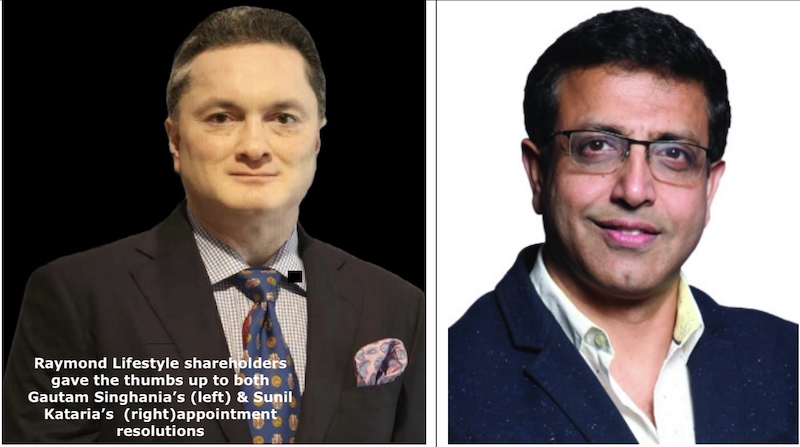
    Singhania as chairman & Kataria as MD get nod from Raymond Lifestyle shareholders

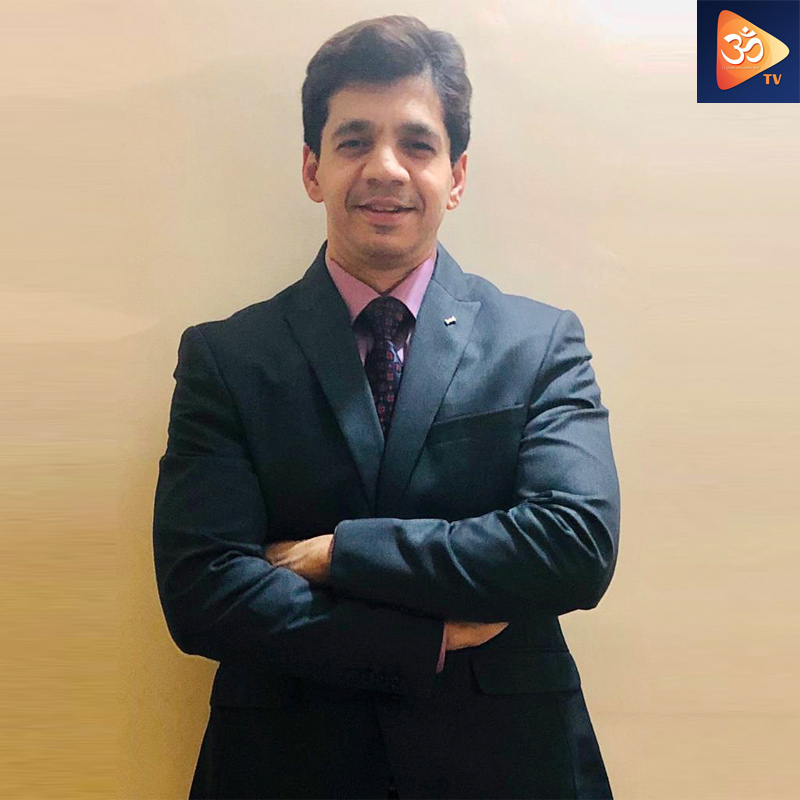
    MUMBAI: In the evening hours of 4 December Raymond Lifestyle – part of the Raymond group– informed the Bombay stock exchange that it had received the required majority from shareholders for the company’s  special resolutions placed before  them at its AGM. 

    Amongst the most important was the appointment of Gautam Hari Singhania as executive chairman. In the  SEBI regulatory filing by the company, it was revealed that 86.85 percent of the 4,17,57,480 votes cast were in favor of the resolution for Singhania’s appointment, while 13.15 percent were against it. Special resolutions, according  to corporate rules,  require 75 per cent or more favourable shareholder votes for them to be deemed to have been approved.

    The shareholders also approved the appointment of CEO Sunil Kataria as its managing director (MD). In Kataria’s case, 89.6631 per cent shareholders were in favor of his new appointment, while 10.3369 were against. 

    Another six special resolutions relating to the appointment of independent directors also sailed through, garnering the required majority from shareholders.
     
    Media reports had expressed concern when some investor groups had lobbied Raymond Lifestyle shareholders to vote against the special resolutions. 

    Raymond Lifestyle had been listed on the stock exchanges on 5 September after demerging and being carved out from Raymond, with Singhania continuing to lead both the entities.

    Later commenting on the development, a Raymond Lifestyle spokesperson said  its shareholders have demonstrated full confidence and voted for Gautam Hari Singhania as chairman and Sunil Kataria as the managing director. 

    “This development has reinforced the fact that the promoter is fully committed towards the organisation’s growth and creating shareholder value,” he  said.

  • Mitul Shah leapfrogs from Apple to Google

    Mitul Shah leapfrogs from Apple to Google

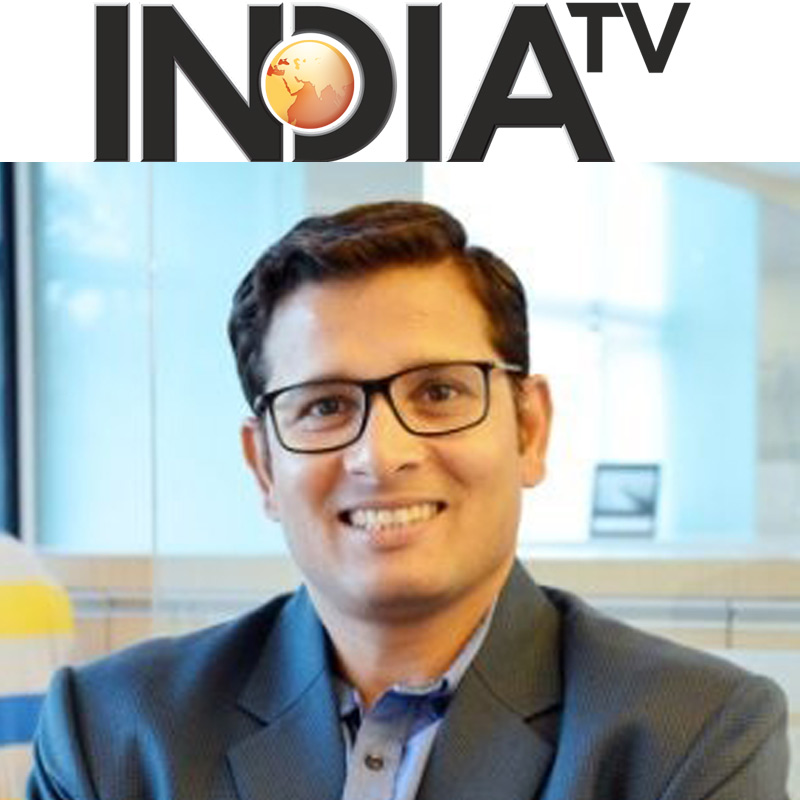
    MUMBAI: Apple’s loss is Google’s gain. The former’s head of consumer sales Mitul Shah has hopped onto Google as managing director – Google devices & services, India. He is leading Pixel’s sales and expansion in the country.

    Shah had worked at Apple for a good nine years, rising up the ranks as  head – assisted sales to head -consumer sales when he decided to move on from the innovative megacorp.

    Prior to that, Shah had also spent five years at Accenture, based in Gurgaon, working in sectors such as consumer goods and life sciences. He also had a stint with Infosys Technologies focusing on the areas of retail, CPG and logistics.

    Says Shah: “It’s an honor to be part of a company that’s at the forefront of innovation, and I’m particularly thrilled to be working on a product that has the potential to put the magic and power of AI in the pockets of millions of people across my beloved country. Pixel is not just another device. It’s an absolute privilege to be part of this story, to bring the best of Google to Indian consumers and build a more connected and empowered society. “

  • WebEngage onboards three new strategic hires

    WebEngage onboards three new strategic hires

    Mumbai: B2B Saas company and a leading full-stack retention operating system, WebEngage, has announced the onboarding of three strategic hires to help the company catapult into its next phase of growth. Hetarth Patel comes in as vice president – MENA & managing director – UAE; Shreya Trivedi joins as WebEngage’s first-ever chief of staff, and Apurva Chawla has been roped in as associate director – product led growth in India.

    Having recently started operations across Indonesia, the company has also announced that it has opened up more than 100 positions across departments and geographies.

    MENA region is the second-largest market for WebEngage and Patel will helm the company’s growth vision in the Middle East & North Africa region by harnessing its award-winning CDP-powered marketing automation platform and building on its commendable track record in the region.

    With a distinguished career spanning about a decade, Trivedi, will play an instrumental role in supporting the founders and executive body in achieving strategic goals. Her job will also involve enabling the scale-up of the business and optimizing productivity across the teams. She will help keep every employee glued to the mothership and its mission.

    Chawla will be responsible for a zero-to-one journey for brands that hold the potential for generating new revenue streams for WebEngage. He will enable the process of making integration, onboarding, and adoption easier for clients by standardising events, metrics, and campaigns.

    Commenting on the announcement, WebEngage CEO & co-founder Avlesh Singh said, “As we continue to ride the wave of success, Patel, Trivedi and Chawla’s appointments come at a very opportune time. WebEngage is on a mission to revolutionize retention marketing through a full-stack solution, by enabling brands to maximize the utility of data and meaningfully engage customers. The appointment of these leaders will help us with this mission and fuel the company’s growth ambitions.”

    “As a philosophy, we have always maintained discipline in our growth and kept an eye on the long haul. This is the reason why WebEngage is considered one of the most enduring companies within the B2B SaaS ecosystem. In our 11 years journey, the company has never laid off a single employee and we will never have to do so in the future. In fact, we are looking to hire more than 100 folks for over 30 open positions currently across multiple locations in India, UAE and Indonesia. The ride has just begun and we have the tickets to the front row seats for anyone who wants to join our journey of simplifying retention for the world.” he added.

    For the record, WebEngage has been growing 100 per cent YoY and intends to maintain the momentum. It has also picked up $20 million in funding this August. WebEngage has showcased unusual frugality and resilience in an 11-year journey filled with ups and downs, burning only six million dollars in capital to reach a $20 million annual revenue run rate, an enviable position to be in. Peers in SaaS spend about 3 – 5x more to get to the same scale. The company works with 600+ clients, including new-economy and internet-first businesses, and propels the digital transformation journey for enterprise clients.

  • Bridgestone India’s MD Parag Satpute dons global role

    Bridgestone India’s MD Parag Satpute dons global role

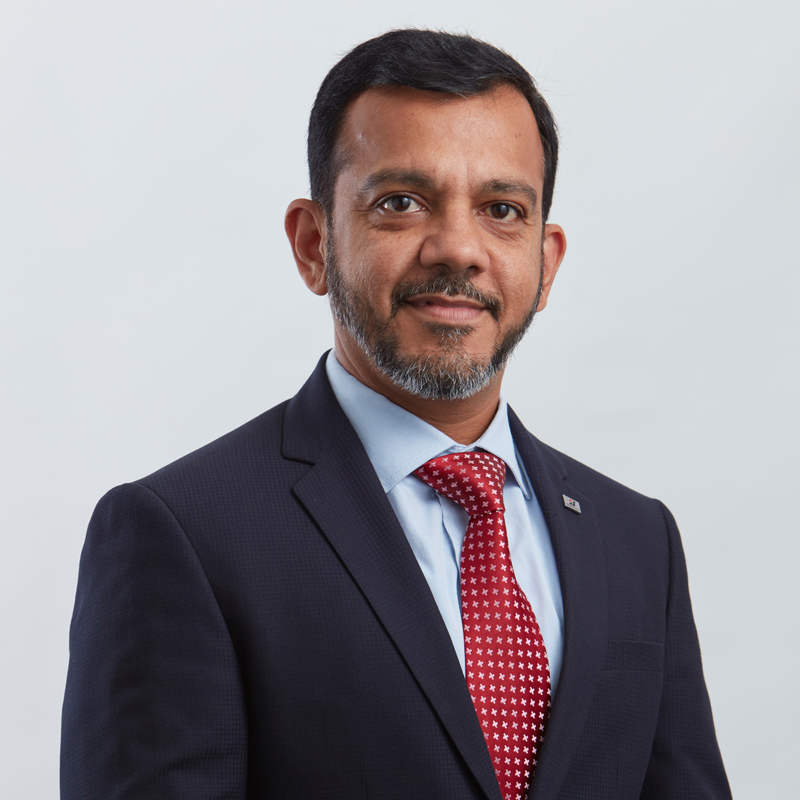
    Mumbai: Tyres and sustainable mobility solutions provider Bridgestone India has announced that its managing director, Parag Satpute, will be assuming a new global role in Bridgestone’s Solutions business and will be stationed in Amsterdam, Netherlands. He is succeeded by Stefano Sanchini, who will assume Satpute’s role at Bridgestone India. These leadership changes will be effective 1 January 2023 onwards.

    Satpute assumed the role of managing director of Bridgestone India in November 2017. It was during his tenure that Bridgestone India reinforced its position in the Indian market and gained a leadership position. In recent years, the company has expanded its operations in terms of capacity as well as expertise, launching a solutions business and tyre-as-a-service for its customers.

    On his move into a global role, Satpute said, “It has been an enriching experience heading Bridgestone India and working alongside a dedicated team that saw Bridgestone India gain leadership in the Indian market. The last few years have been as rewarding as they have been challenging, and I am pleased to see the fruit of our efforts. I am also excited and looking forward to contributing towards Bridgestone’s ambitions as a global leader in mobility solutions.”

    Sanchini moves from his current role as vice president for the region of the Middle East & Africa (MEA). He will take up the position of managing director, Bridgestone India, and will be based out of Pune, India. Sanchini has been with Bridgestone since 2017 as sales director for MEA and was appointed vice president of region for MEA in 2019.

    “I am looking forward to working in India. India is one of the most diverse markets, and it comes with its own challenges, which the current team has remarkably addressed. As we move into new technologies and mobility solutions, the Indian market is going to be a focus area, and I am happy to be here as we spread out these solutions to the vast Indian customer base,” said Sanchini.


  • Need to unshackle linear TV industry; get it out of over regulation: VBS 2022

    Need to unshackle linear TV industry; get it out of over regulation: VBS 2022

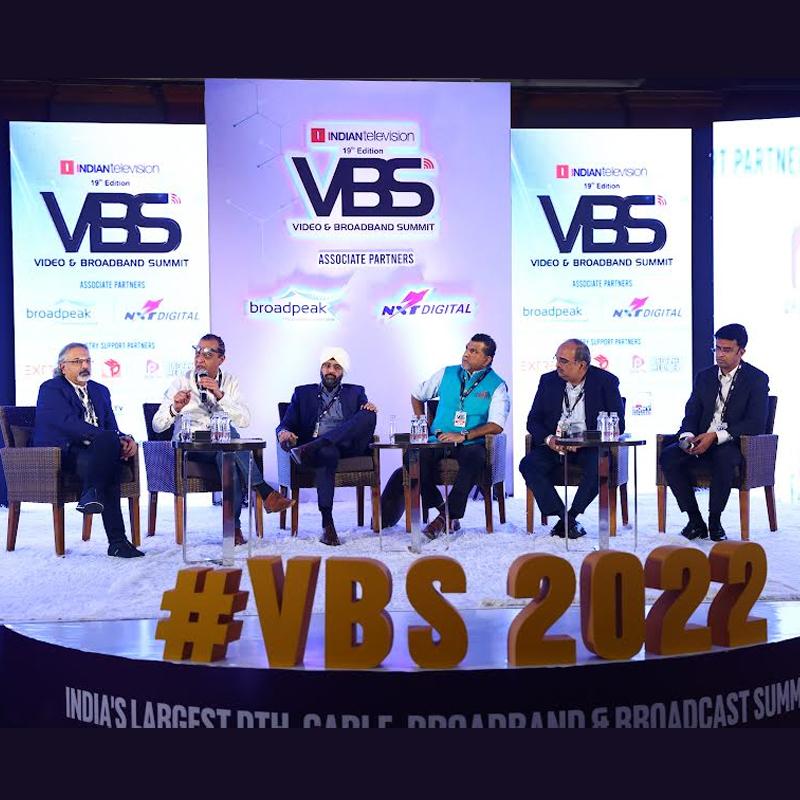
    Mumbai: At the inaugural session of Indiantelevision.com’s Video and Broadband Summit 2022 industry experts stressed the need to unshackle the linear TV industry and get it out of over regulation. It is important to leave the pricing to the market or else the broadcast industry will not be unshackled. People are thinking about what it is that they are paying for. The industry needs to create a crisis body and meet the regulator. The session pointed out that bundling is still important. It cannot be taken out. Bundling helps families watch more content. Television, at the end of the day, is a family medium unlike OTT which is an individual medium. As a result of regulation distribution platforms have had to face the wrath of consumers who have said they have to pay more for less. The good news is that the industry is working together in a collaborative manner to address the drop in the pay TV universe.

    The panel was called Video Content Monetisation Landscape: No Free Lunches. The speakers were Disney Star head distribution and international Gurjeev Singh Kapoor, NxtDigital managing director & CEO Vynsley Fernandes, IndiaCast president Amit Arora, Travelxp co-founder, CEO Prashant Chothani and Deloitte India partner-consulting Prashanth Rao. The session was moderated by media consultant Anuj Gandhi.

    Gandhi asked where the pay TV drop had gone. There is a 90 million unexplained disappeared number. Even with Freedish there is a gap of almost 40 million homes. Cheating is not more than 10 per cent.

    He also noted that there are no free lunches. The advertising based video on demand (AVOD) business of big tech, he noted, is a serious threat to traditional media businesses. On the subscription side thousands of crores has been lost.

    Kapoor noted that no significant movement on Freedish has happened in the past six months. Prior to that, during covid, Freedish had a free run and was laughing its way to the bank. Viewers also had a good run. He noted that piracy is not more than 5-10 percent at best. Analog is still present in places like villages. “We are collaborating with our partners. The good news is that focus is now on how best we can get these customers back in. The way of looking at the business is different now. It is more about collaboration with partners. We have not seen any issues like blackouts. Efforts are made to get the lost users back on. In the next two years we should get them back.” At the same time he noted that there is also OTT which is targeting the premium segment. In terms of Freedish as competition he said that it will depend on whether or not broadcasters put their channels there. It is the Hindi speaking market (HSM) that is getting affected.

    Arora said that 30 million homes is the gap. “What we have seen is that after covid people are sitting down and are really, really thinking about what they are paying for? Do they really need it? A lot of chat is going around that you should just pay for what you want to watch in an MPR regime. Covid has taught people how to surf for content between a small and a large device. I will say that we really need to unshackle the linear TV industry and get it out of the grip of the over regulation that we currently have. The consumer looks at his final purse. Rs. 200 is the favourite denomination of a recharge,” he pointed out.

    Fernandes said that the first phase of losing customers was those who had more than one TV set in 2018. Then during lockdown, people wanted content no matter where they were. Other devices started to play a greater role. More people moved to handheld devices. As things get better people want to improve their package. Q1 April-June saw people suspending linear TV subscriptions.

    “As lockdown eased people held back on renewing subscriptions. But thanks to big ticket cricket properties, renewals happened. The question is that bundles must be created where linear is bundled with broadband and OTT. That is becoming a strong driver for the urban consumer who does not want to deal with multiple service providers. In tier two, three towns and cities this is less of an issue,” he added.

    Chothani agreed that regulation is a problem in the country and it is hampering innovation. Networks cannot do any kind of innovation unlike in Europe. “The customer is going to go to the biggest screen available to him. If he has a choice between the TV, mobile and tablet he will go to the TV set. OTT is losing in discovery. There is a movie available, which nobody knows. One has five minutes to find what one wants to watch. That is a consumer’s habit.”

    This, he said, gives an advantage to the existing distribution ecosystem for cable and DTH. They can aggregate all content and the internet together. But again regulation will hamper that innovation as well. He noted that with the growth in smart TV penetration churn is increasing. He gave the example of someone not finding NDTV on linear and then finding it on YouTube. That person may not renew his TV subscription. He added that carriage fees are a hurdle for the industry’s growth and have been so for over a decade.

    The supply chain cannot be the customer. The distribution ecosystem does not have great content people, he noted. Content guys need to sit in all distribution companies. “There should be no regulation.” He feels that the practice of applying for a broadcast license should be done away with. On an OTT platform like MXPlayer channels are running for which a license has not been given. He also said that the industry should create a crisis body that meets every regulator.

    Rao said that viewership has come down in non-news and non-sports in linear TV among the 30+ age group. In those genres there is appointment viewing. He also said that choosing a platform or content is based on interest. He also noted that putting a cap on pricing like sports channels leads to a challenge in monetisation. Ads are limited in number.

    He also noted that when you have OTT, broadcast and free TV regulation cannot only be for only one party. An OTT can charge anything. But in broadcast there is a limited innovation in pricing one can do. “Pricing innovation is important for the broadcast industry to survive and thrive. Regulation should support innovation.”

    Kapoor said that there was a huge uproar from viewers in NTO 2.0 that they spend 10-15 per cent more for a lesser number of channels. So the plan is to go back to consumers. They want more quality content. They complain that these things have been taken away. Even English channels are not there. So the rationale is what good is TV anymore.

    “If you look at the wrath of viewers at large they are giving up more money getting less content and it is now clear that bundling helps the family watch more content. Television is a family medium. It is not an individual medium. Four to six members of the family watch the television. You still bundle whether at a broadcast or an MSO or a DTH level,” he pointed out.

    It was noted that some foresight and control for the regulator should be there but pricing should be left out of it. Globally the regulator does not get involved in the pricing whether it is FCC in the US or Ofcom in the UK. There is a lot of competition in India among broadcasters. 60 per cent of channels are on FTA. Competitive forces are there.

    It was noted that regulation in the country does not take into consideration digital consumption which has changed the world in the last five to six years. Regulation is there in terms of inter connection not at the last consumer point. A systemic change of deregulating has to be brought in to let platforms and broadcasters deal with their lives.

    Fernandes noted that the industry has matured where stakeholders can sit across the table and decide what is good for the system. During the NTO everyone sat together and decided how to go about it. “We can fix it ourselves. Everyone looks for growth and that will not happen if you dampen the pricing on day one. You cannot say that a benchmark will be set for the greater good of the nation.” He added that bundling of linear and OTT should be allowed. The industry has to sit and decide how to take things to the next level.

    Pricing is not just about bundling and unbundling. It is about the premiumness of content and the time value of content like a movie. The way pricing is today, it does not respect the time value of content. It was noted that monetisation is not only done through money. In OTT monetisation if a telco’s Arpu is at a certain level then channels might be given to the service as a bundle to the telco. The customer is not charged. Payment happens through B2B. Can linear TV do something like is a question that was asked. There are different currencies. The overall scheme of pricing must be open to allow these kinds of innovations per se.

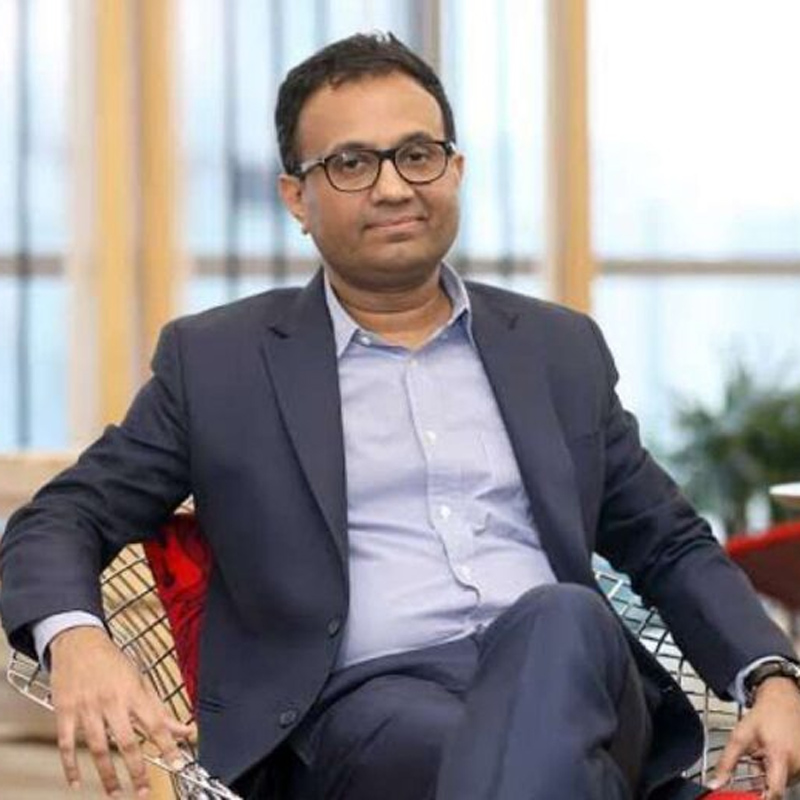
  • Meta India head Ajit Mohan calls it quits

    Meta India head Ajit Mohan calls it quits

    Mumbai: Meta India country leader Ajit Mohan has decided to move on. His resignation comes into immediate effect. Reports suggest that he is all set to join Snap, the social media company.

    Mohan had joined Meta (the erstwhile Facebook) as the managing director for the India market in January 2019. He was preceded by Umang Bedi who quit in October 2017.

    Prior to Meta, Mohan was chief executive officer of Star India’s (now Disney Star’s) video streaming service Hotstar for four years.

    As per reports, Meta vice president of global business group Nicola Mendelsohn said in a statement, “Mohan has decided to step down from his role at Meta to pursue another opportunity outside of the company.”

    “Over the last four years, he has played an important role in shaping and scaling our India operations so they can serve many millions of Indian businesses, partners and people. We remain deeply committed to India and have a strong leadership team in place to carry on all our work and partnerships. We are grateful for Mohan’s leadership and contribution and wish him the very best for the future.” he added.

  • BBH India onboards Himanshu Saxena as COO & MD

    BBH India onboards Himanshu Saxena as COO & MD

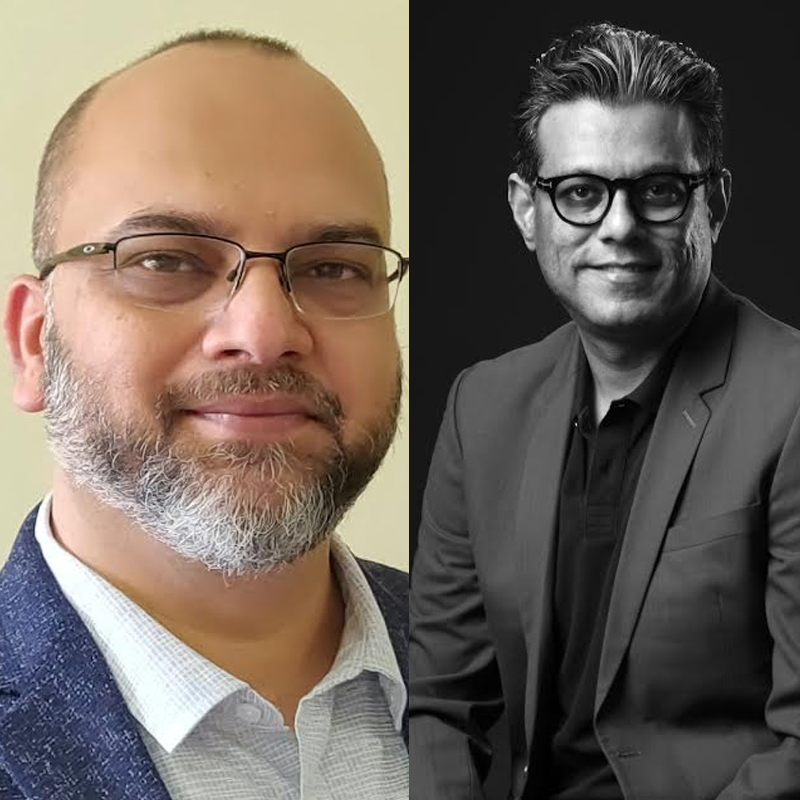
    Mumbai: BBH India, a Publicis Groupe agency, has announced the appointment of Himanshu Saxena as chief operating officer & managing director. Saxena will report to CEO, Leo Burnett-South Asia & chairman, BBH India Dheeraj Sinha.

    As BBH’s chief operating officer & managing director, Saxena will be responsible for developing talent, organisational tools, new services and steering these to acquire future-facing businesses.

    He brings over 29 years of experience across the communication spectrum, including advertising, marketing & sales, brand management, digital & social, PR, design, and market research.

    Saxena has helmed country and multi-office leadership for some of South Asia’s leading organisations, including Lowe, McCann, Trikaya Grey, JWT, Edelman, IMRB & Reliance Jio. Saxena’s passion for leading businesses to market excellence through powerful full-funnel solutions has led these agencies to win accolades at prestigious forums like APAC and India Effies, Cannes, Spikes, Adfest, Goafest, PRAXIS, and SABRE APAC. He has spearheaded creative solutions across iconic brands like Unilever, GSK, PepsiCo, Diageo, Asian Paints, Dubai Tourism, One Plus, Idea Cellular, Audible, and Starbucks, to name a few.

    Welcoming Saxena, Sinha said, “BBH India, with its legacy of modern, creative, and effective solutions that are well-entrenched in the modern Indian zeitgeist, has built a reputation as a creative firepower in the country. I am delighted to welcome Saxena onboard. A talented leader known for his deep client relationships, his commitment to business innovation, and his operational acumen, Saxena embodies the black sheep and zag philosophy that will further fuel this brilliant creative engine.”

    Speaking on his appointment, Saxena added, “I am both excited and honoured to join BBH. With its legacy of creating stunning work that has transformed not only brands but also categories, BBH India is truly built for the modern age of marketing. I am looking forward to scaling this further and bringing my experience and a fresh perspective to lead such talented individuals and ambitious clients.

    BBH India has grown into a creative powerhouse with offices in Mumbai and Delhi and a repertoire of highly effective, consistent, and modern marketing solutions spanning across advertising, design, digital, consulting, and experiential. The agency currently works with a diverse portfolio of brands like Marico, Red Bull, Nestle, Audi, Taco Bell, Mahindra Group, and L’Oreal, among many others. In 2022, BBH won mandates for Hitachi and Roposo and created campaigns like Disney+ Hotstar’s “Thoda Rukh Shah Rukh”; Mahindra Racing’s “Dance For Good” and Marico’s “Re-teach The Teachers.”