Tag: Mallikarjun Das

  • Starcom CEO Mallikarjun Das quits

    Starcom CEO Mallikarjun Das quits

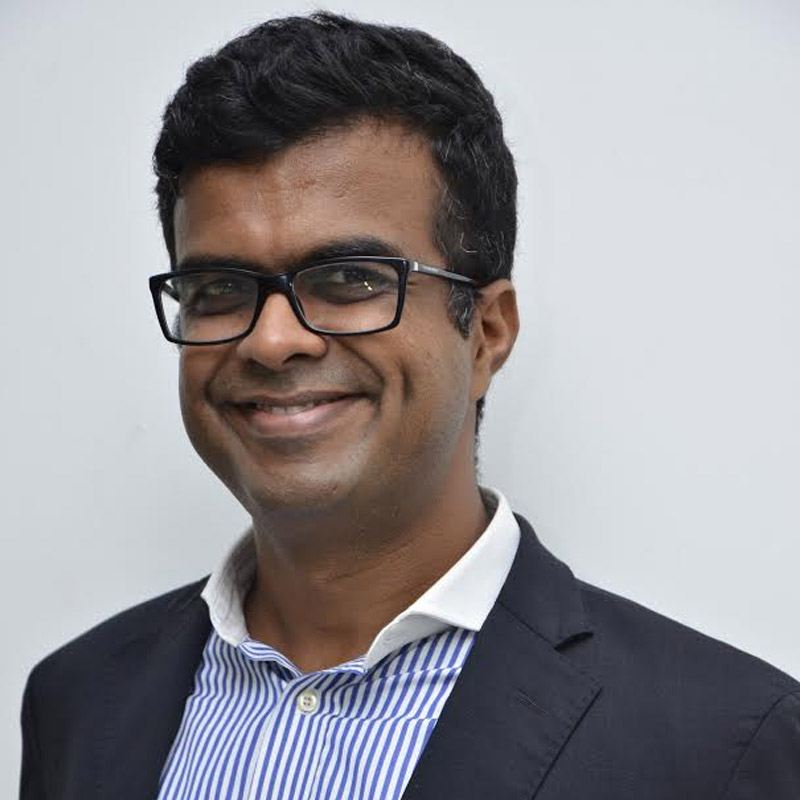
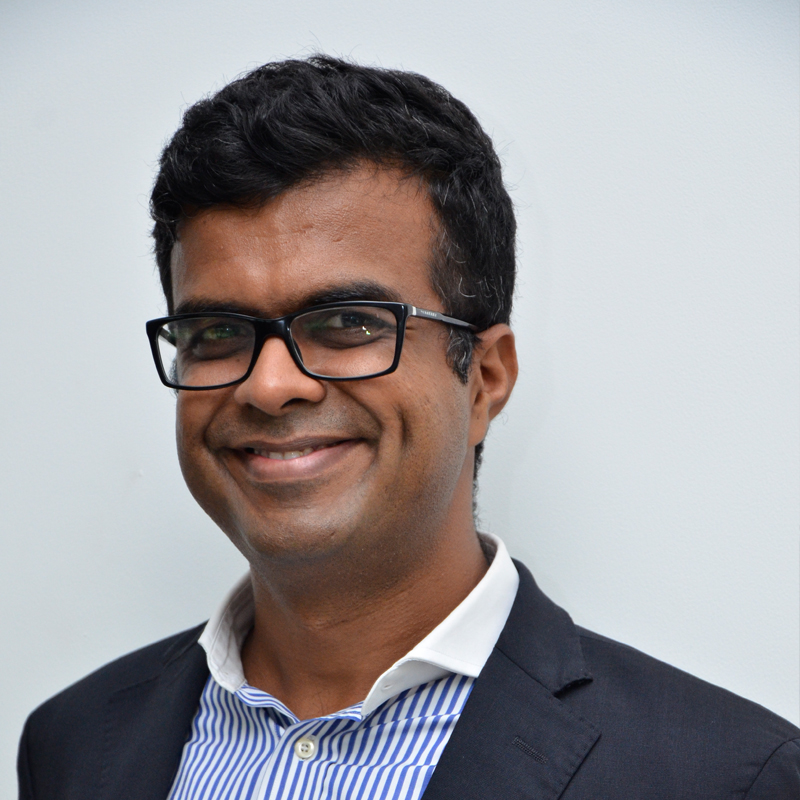
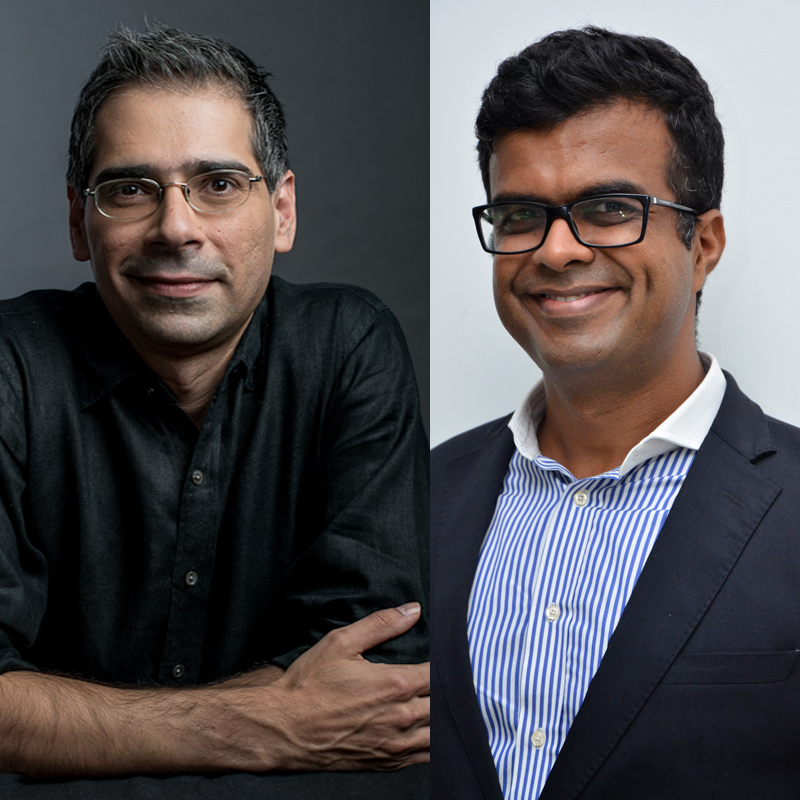
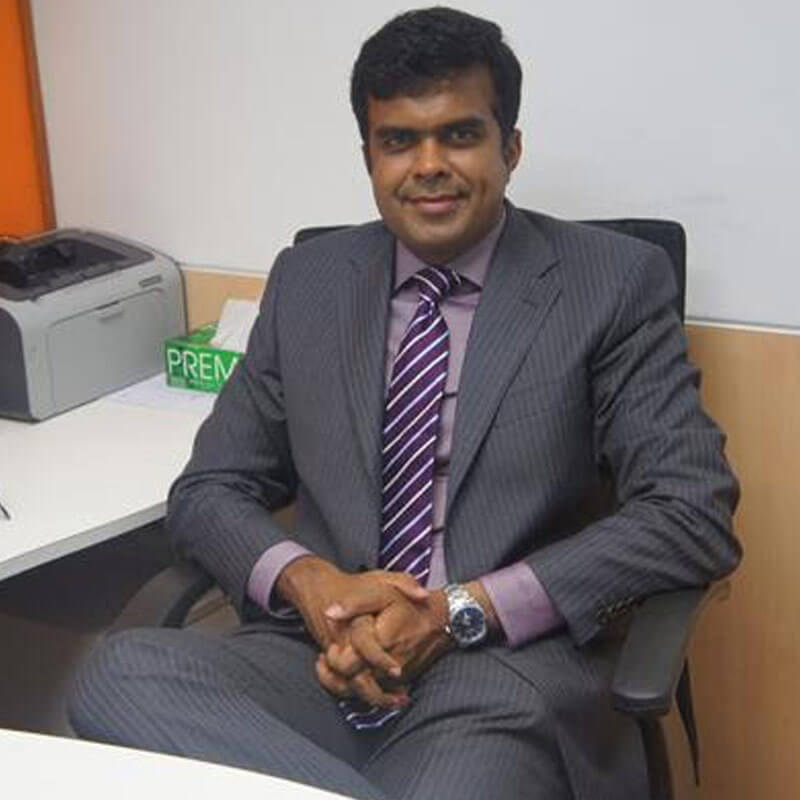
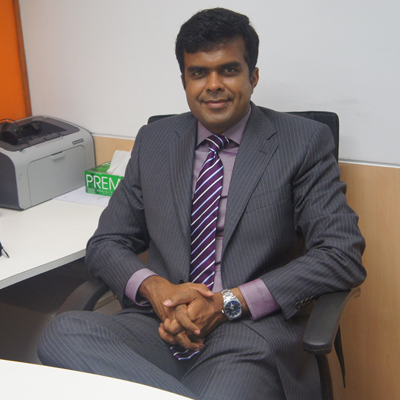
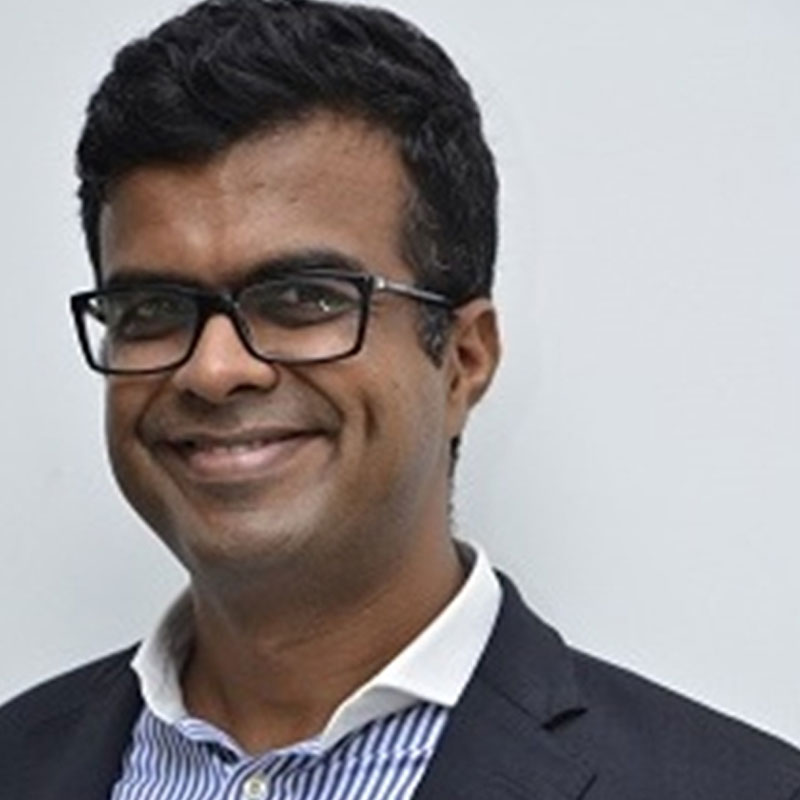
    MUMBAI: After leading Starcom India through an era of strong growth and rapid transformation, Group CEO Mallikarjun Das has decided to move on from the organisation.  Das had joined Starcom India as CEO in 2011.  

    The agency will be making an announcement shortly on new leadership for Starcom India.

    “Working at Starcom over the last seven years has been a peak experience–it has left an indelible impression on me and shaped me as a professional and individual,” Das said.

    In a career spanning 20 years, Das has donned several hats. Prior to Starcom, he was COO, Madison Media Infinity.

    He added, “Wisdom of hindsight is a dangerous thing, but I count myself lucky to have had large, complex business challenges come my way in this stint. I have had the full support of my team, Anupriya and my previous bosses in facing up to these challenges. Our results speak for themselves – Starcom India has grown four times the last 4 years; our India operations ended 2017 as Starcom’s Global Office of the year. I wish everyone at Starcom and Publicis Media all the best for the future.”

    Publicis Media India Group CEO Anupriya Acharya said, “We are going to miss Das. His tenure at Starcom has been exemplary and working with him has been a wonderful experience. Starcom has had a phenomenal journey under his leadership and he has made a tremendous contribution to giving a strong foundation to Publicis Media too. Our best wishes are with him for his next assignment.”

    In a previous stint, Das has been a simulations modeler with Tata Interactive Systems where he headed the modelling practice in building simulations and games. He has worked as the Head on the P&G Planning AOR at Starcom and spent 3 years at Asian Paints as Head of Media, Market Research, Activation & PR. 

    Das holds a Graduate Degree in Statistics & is a Post Graduate in Management from the Indian Institute of Management (IIM), Bangalore.

  • Starcom India appoints Lalchandani as VP – buying

    MUMBAI: Starcom, a part of Publicis Media India, has, in a significant development, appointed specialist Navin Lalchandani as the vice-president of its media buying operations.

    Starcom, a renowned media communications agency, partners with the world’s leading marketers and new brands, including Airbnb, Bank of America, Kellogg Company, Kraft Heinz, Novartis, Samsung, Visa and more.

    Lalchandani moves from Carat Media Services, Denstu Aegis Group and will steer media buying operations for all offline media, namely television, print, radio and cinema across the Starcom offices of Mumbai, Delhi and Bangalore.

    Starcom India Group CEO Mallikarjun Das says, “Navin is talented and versatile and comes with the rich experience of having bought media for some of the largest marketing organisations such as Mondelez, L’Oréal and Vodafone. Navin brings in an amalgamation of buying skills spanning across media and has the smarts to work in Starcom’s data-predicated media product. He will drive a buying culture that is about best-of-class in rates, rigour, fair play and trust.”

    Lalchandani says, “I believe in long-term, sustained partnerships and this has certainly been the case in my career span. I began my career with media planning for Marico and it has been a greatly rewarding and exhilarating journey since then. The decision to join Starcom was easy, considering its body of good solid work, for marquee brands and its reputation of being a future-facing, high-growth agency. In an age of proliferation of channels and offerings, a sound media strategy makes all the difference to business goals. I look forward to delivering genuine value to Starcom’s clients.”

    Lalchandani’s previous spans media buying firms such as GroupM’s Maxus and Madison Media.

  • Discussion around FIFA should not be just about viewership: Mallikarjun Das

    Discussion around FIFA should not be just about viewership: Mallikarjun Das

    MUMBAI:  With ever changing media dynamics, consumption patterns have been fluctuating too. Media fragmentation is a concern that media planners need to deal with more care.  Thereby, what comes as a challenge to a planner is when brands want to collaborate with large scale properties such as an IPL or FIFA World Cup.


    As second screens play an integral role in a viewer’s life, catering to them uniquely also comes as a strategic challenge to media planners.


    In conversation with indiantelevisiom.com, Starcom Media Vest Group (SVG) India CEO Mallikarjun Das elaborates his views on evolving aspects in media planning, changing viewership patterns of a large scale property like FIFA World Cup, SVG’s away ahead and much more.


    Excerpts…


    Understanding that there is media fragmentation in India what are the key challenges that come on the way of media planning?


    Media fragmentation has been around for sometime. It is nothing new. The challenge is integrating multiple sources of data and using a judicious mix of rationality and intuition in making choices. Increasingly one sees that media planning in the traditional media has become a gut-feel driven game. There has been measurement currency devaluation. Too many voices have jumped in to put down the currency be it TV or print, instead of working around the limitations.


    On the digital side, we know that reach is increasing but there are challenges of measurement and proof of performance to surmount. All in all, these are great challenges, and we would rather have these problems to surmount than otherwise!


    Do you think that clients in India are taking steps when it comes to experimenting with innovations and new media tools? 


    Experimenting has always been there but sometimes experimentation can be an enemy and a limitation. For instance, take digital. For too long, FMCG clients have treated it as a medium for experimentation and innovation instead of it being ‘business as usual’. This itself is one of the reasons for the slow digital transition amongst TV heavy clients. Yes, experimentation is important but unless one builds proof-points in the organisation and scales up, it remains in the cute realm.


    What are the best practices in India that the rest of the world could benefit from?


    India has vibrant media market place. Look at the choices that exist for a media planner to optimise – both within a medium and across media. In fact, a problem-seeking mind should treat this as the best possible epoch to be a media planner. However, I would rather talk about what India should learn from rest of the world.


    The media planning community needs to optimise – cut and trim the fat that often rests in traditional, habit driven choices we make in media plans. Data has to be at the heart of decision-making. I do not think this is the case. Too much of money is wasted in low leverage gut-based decisions. Specifically, we need to be accelerating the digital transition – a focus on TV and print optimisation, video neutral planning, and measurement metrics are what we need to learn from rest of the world. See China for instance – Starcom Media Vest has seen several FMCG clients there who have transitioned from less than 5 per cent to 25 per cent of their ad spending going to digital on the back of those three things.


    Since the FIFA fever has hit the world, how do you think the viewership patterns will look for a property of this scale?


    FIFA will garner substantial viewership in SEC AB as well as amongst the 15- 34 age groups. There will be certain pockets of the country where the viewership will be universal. There is no doubt that the millennial would be on FIFA.


    An index that could give one a sense of the popularity is the ‘Share of Voice’ that FIFA related content has on Facebook. Given that the reach of Facebook in India is in excess of 100 million, the volume of conversation around football would give a pretty good indication of its popularity. My hunch is that the number will be very high.


    As far as ratings are concerned that number might not be very high – driven by the fact that niche phenomenon will not be captured precisely and the timing of the matches. Hence a discussion around FIFA should not be just about viewership. For a brand to maximise mileage from a property like this, going on multiple media platforms is critical.


    Which brands according to you have collaborated with FIFA?


    In fact, I find this a bit disappointing. FIFA is an awesome platform for many Indian brands to build on their equities of youthfulness and being international. Barring a few conventional associations, I have not seen anything that is mind-boggling.


    How has the business been in the H1 of 2014 for SVG?


    Business has been good in a slow, cautious environment. H1 2014 has been sluggish in terms of ad-spends. The economy had slowed down to a GDP growth of 4.7 per cent. The rate of growth consumption demand too had slowed down. This has reflected in a cautious worldview amongst marketers toward ad-spends. But with every challenge there is an opportunity – we have seen a faster uptake of digital amongst our clients. SMG India is the Global Centre of Excellence for Analytics.


    We have seen this contribute substantially to our topline and bottom-line growth in H1. In the last six months, we have executed revenue generating analytics projects for SMG from US, UK, Italy, Australia and Middle-East. Starcom Media Vest India’s analytics team has won international awards and presented papers in prestigious forums such as ESOMAR in Jakarta, Advertising Research Foundation’s Seminar in NY and at the Predictive Analytics World Conference in Chicago. We have built world-class capability on this front and are well placed as an organisation for the data driven, precision marketing transition that will take place in media planning over the next 12 to 24 months.


    What are plans lined up by SVM for the coming months?


    Our focus will be client–delight, product, growth and training. SMG sees itself as a strategic partner to its clients with its product predicated on the principles of brilliant basics, digital, data and analytics. We will look at building new paradigms of planning that would help optimise the TV and print investments of our clients.


    We are already ahead of the market in terms of being one of the few agencies with a capability to do video neutral planning. Digital transition, for the right reasons, will be a spotlight for the agency. Also, we strongly believe that real-time data driven marketing and media planning is the future. This will continue to be an area of thrust. Training is another area for us in which we plan to make substantial investments in 2014.