Tag: Malaysia

  • Single window service for film shooting to become operational shortly: Tewari

    NEW DELHI: A single window service for promoting cinema tourism is all set to become operational shortly.

    Speaking at the Cinemascape 2013 conclave in Mumbai today, Information and Broadcasting Minister Manish Tewari observed that India with its rich heritage and diverse geography has great potential as a destination for film shooting but the current system of multiple clearances at various levels made it an unattractive destination for filming.

     “Increasingly therefore, most Indian filmmakers have gravitated towards foreign destinations for outdoor shoots. Any lost opportunity is a revenue loss for the country,” he remarked.

    India has a great potential to become a destination for film shooting but the current system of multiple clearances at various levels make it an unattractive destination for filming, says Manish Tewari

     Tewari said the government has now decided to address the issue by establishing a single window service for granting clearances for film shootings in India. He informed that a Committee on Promotion and Facilitation of Film Production in India has been set up. It is chaired by the secretary in the ministry, with senior representatives from the Ministries of External Affairs, Home Affairs; Tourism; Culture; Railways; Civil Aviation; Defence and Department of Revenue etc.

     The state governments have been asked to nominate the nodal officers for film clearance. The minister said Standard Operating Procedures are being developed to accord clearances for film shooting by domestic and foreign producers in India.


    Tewari stressed on the need for a sound legal architecture for promoting cinema as a form of creative expression. While conceding that law and order is a state subject, he said film certification falls in the central domain. He said, “There is an urgent need to update laws relating to film certification and exhibition and I am happy to inform that the committee headed by Justice Mukul Mudgal has submitted its recommendation along with a model bill to replace the existing Cinematograph Act 1952.”

     He said the recommendations of the committee as well as the model bill will be published on the website of the ministry to seek wider public consultation. The minister assured the film fraternity that by the middle of 2014, India would have a contemporary law to deal with cinema.

     Dwelling on the issue of taxation and fiscal incentives for the film and entertainment sector, the minister called upon the industry representatives to set up a committee of experts to draw a comprehensive strategy, which could then be submitted to the Finance Minister on behalf of his ministry.

    Participating in a panel discussion, noted film maker Mukesh Bhatt said 76 different permissions have to be obtained for film shooting in India, while Indian producers are given a red carpet welcome in some of the cine-tourism nations like Switzerland, New Zealand, South Africa, Thailand, Malaysia and Singapore. Bhatt acknowledged that the Ministry’s effort is a welcome first step.

  • Google faces Pakistani hackers in Malaysia

    Google faces Pakistani hackers in Malaysia

    NEW DELHI: The Google’s homepage for Malaysia was allegedly hacked by Pakistani hackers earlier this week.


    The page became inaccessible after falling victim to the hacker’s attack by “Team MadLEETS”.  At the bottom of the page the slogan of “Pakistan Zindabad” appeared, which is the nationalist slogan of Pakistan meaning long live Pakistan.


    “There’s not much reason behind it, only to prove that security is just an illusion. It does not exist,” said team leader Leet in a statement to a website. “We have no political intentions whatsoever.”


    This is not the first time that Google’s Malaysian home page had been hacked; the page was also breached in July. The Leet has been involved in numerous such incidents of DNS poisoning.


    But in a statement, Google said: “For a short period, some users visiting google.com.my were redirected to a different website; Google services for the google.com.my domain were not hacked. We have been in contact with the organisation responsible for managing this domain name and the issue should be resolved.”

  • At Zee, we dont believe in growth without profitability

    At Zee, we dont believe in growth without profitability

    Mipcom is the biggest event for all those in the broadcast industry. But this years Mipcom was even more special. For the first time in the history of Mipcom, an Indian addressed the gathering as a key note speaker. Present today was Zeel MD and CEO Puneet Goenka, who elaborated on Zee, the changing Indian broadcast industry and the role of digitisation and the growth of new media.

    Digitisation is one big opportunity that everyone is looking at. It will also impact the advertising market positively. If you look at the advertising market; the growth in the past five years has been roughly nine per cent and television has been growing at 15 to 16 per cent. The advertising industry will see a great boost whether it is captured on traditional media or new media.

    Zee Entertainment Television was started in 1992 with just two hours of programming scheduled at that point of time; today we have 34 channels in India, 29 on a global basis.
    Our journey outside India started in 1995 so the international business is now 18 years old, but truly, the international business started only a few years back. In the first 15 years, we concentrated on the Indian diaspora.

    In the international market, to start with, we picked up the Middle East, Russia and Malaysia, where our content is re-purposed and re-formatted to suit the local audience. Our goal is to reach one billion audiences by 2020, thereby taking Zee to the top ten channels. These markets have a lot of connection with India, especially on the Bollywood side.

    Opportunities ahead of digitisation in India

    In the traditional analogue market, there was huge piracy, approximately 70 per cent. So a broadcaster like Zee did not get its fair share of valuation. This will change with digitisation.

    The second opportunity is that India is still the cheapest content market. The ARPUs that the consumers pay is $ 3 per month for almost 200 channels. I feel this number will go up to $ 10-12 with digitisation. So the opportunity is two-fold.

    Digitisation is one big opportunity that everyone is looking at. It will also impact the advertising market positively. If you look at the advertising market; the growth in the past five years has been roughly nine per cent and television has been growing at 15 to 16 per cent. The advertising industry will see a great boost whether it is captured on traditional media or new media.

    Another development taking shape in India is the new measuring body called Broadcast Audience Research Council (BARC). The advertisers, broadcasters and agencies have come together to form this measurement system. Currently, the sample size in India is less than 10,000 homes, which in the next five years will go up to 100,000 sample households. This again will prove beneficial for advertisers who can find the right consumers.

    The profit mantra…

    Revenue growth is first and profitability comes in later. But at Zee, we have always followed the mantra that growth without profitability is not good. So according to us, any investment on a sustained basis that does not give a 20-25 per cent return on the capital invested is a bad investment. So when the Indian broadcast industry operates at an average of seven to eight per cent, Zee operates at a healthy 25 per cent plus.

    Viewer segmentation…

    Going forward, both digitisation and the need of advertisers will lead to further segmentation. Also, fragmentation is the order of the day. We are continually developing more content and more products to further segment the audience and grow and reach the billion mark.

    As long as there are consumers at the end of it; yes, we will move to the second screen. In India, the concept of second screen is at an early stage. It is largely the same content that is being reformatted. For example a show which is 40 minutes on traditional media, is shortened to 15 minutes for the small screen or second screen. There have been some investments specifically for this content, largely to get the youth. But, this is still at an early stage. 

    Content creation…

    We have a strong internal team working towards ideation and content creation for shows. India is traditionally known for importing formats, Zee was the first one to develop local formats in India. A lot of credit goes to the in-house team, but the credit also goes to the execution department, because investing in formats is not easy, it is expensive and the returns come in only after three or four years. So we have to continuously innovate in terms of our content and formats. The taste changes and so we have to adapt to the changing needs.

    Criteria for choosing international partners…

    The first thing we see is if my partner shares the same passion and vision. The world today is moving towards more co-operation than competition. We are actually collaborating with our competitors to see how we can mutually create content. So we have partnered with our key competitors in India. So as long as the industry grows, a company like Zee will grow.

    Indian talent pool…

    India has a dearth of talent in this industry and this is because there are no specialised schools to train people. We at Zee recruit fresh talent every year and put them through rigorous training through institutes that we have partnered with. We have created an environment where people are given the right to decide and build a culture of entrepreneurship. And therefore they take ownership which leads to positive results. I have been talking to schools as well to see if a programme can be created to develop this pool.

    Attrition rate in the Indian broadcast industry…

    Being a traded organisation, we can give equity stock options to people and that has worked for us. Currently, almost three per cent of the company is owned by the people and this combined with the environment that we create helps us keep the attrition rate as low as possible. In India, people are still moving within the Indian broadcast industry. We are not really seeing too many attritions happening from Indian companies to international markets, but the day isnt far.

    Moving towards second screen…

    As long as there are consumers at the end of it; yes, we will move to the second screen. In India, the concept of second screen is at an early stage. It is largely the same content that is being reformatted. For example a show which is 40 minutes on traditional media, is shortened to 15 minutes for the small screen or second screen. There have been some investments specifically for this content, largely to get the youth. But, this is still at an early stage. As a content creator, we will catch up soon. We were the first in the country to launch a Video on Demand service on mobile called Ditto TV, under a subscription model. Today we have 200,000 subscribers for it. I think the biggest hindrance is lack of a good broadband service. As the infrastructure improves, in the next three to five years, we will grow in this segment as well.

  • IT sector granted Authorising Nation status under the CCRA

    IT sector granted Authorising Nation status under the CCRA

    NEW DELHI: India has been recognised as the ‘Authorising Nation’ under the international Common Criteria Recognition Arrangement (CCRA) to test and certify Electronics and IT products with respect to cyber security. Thus, India has become the 17th nation to earn such recognition. This international arrangement has 26 member countries. USA, UK, Germany, South Korea, France, Japan, Canada, Australia, Turkey, Malaysia etc. are the other countries who have this recognition.


    So far India was having the status of ‘Consuming Nation’ with respect to certification of electronics and IT products. The status of ‘Authorising Nation’ will enable India to test IT and electronics products and issue Certificates which will be acceptable internationally. The recognition would also remove the bottleneck which as of now had prevented international companies from submitting their products for testing and certification in India.


    The recognition would also enable investment in setting up infrastructure and labs in public and private sectors in India for testing electronics and IT products.


    Standardisation Testing and Quality Certification (STQC) Directorate of the Department of Electronics and Information Technology (DeitY) has been operating Common Criteria Certification (CC Certification) scheme in India for the last five-six years. Under it STQC undertakes certification of electronics and IT products after evaluation of the products at its lab in Kolkata. The Certificates issued by STQC Directorate shall now be acceptable internationally by all CCRA member countries.

  • ValuAccess launches Gift Cards for Country Inn & Suites, Sahibabad

    ValuAccess launches Gift Cards for Country Inn & Suites, Sahibabad

    NEW DELHI: ValuAccess, a leading provider of gift cards and loyalty programs in Asia has launched gift card programme for Country Inn & Suites, Sahibabad. ValuAccess services for Country Inn would comprise end-to-end solutions to enable the operation of gift card program covering from transaction processing and POS support to card logistics, reporting, customer service and corporate sales.

    “We are the first All vegetarian Five Star Hotel and have always endeavoured to deliver additional value to our existing customers and prospects. The launch of our gift cards programme is to further establish the fact and ensure a complete experience to our loyal customers. Highly adept in this arena, we are elated with our association with ValuAccess. We are expecting positive feedback for the specially designed gift card solution from our customers and wish to continue with our association for a longer period,” said Mr. N.C. Sharma, Director – HR, Country Inn & Suites – Sahibabad.

    “Country Inn & Suites, Sahibabad by Carlson Group is a leading hospitality brand known for providing comfortable experience to its consumers. ValuAccess is delighted to associate with Country Inn & Suites and present customers with this innovative gifting option. We are ascertained that this solution will further assist them to deliver more relevant, personalised and satisfying services and keep the customer relationship intact,” said Alistair Gordon, Founder & Group Managing Director – ValuAccess.

    “ValuAccess will provide value to both Country Inn & Suites and its users. The strong Pan India corporate sales team of ValuAccess will assist in making the cards available to the companies for rewards, recognition and incentives program for their employees,” he added.

    ValuAccess portfolio of activities includes providing Gift Card; Loyalty; Campaign; Discount and Entitlement programs for merchants across all categories of retail, restaurants, hotels, entertainment, spas, bars and clubs, malls, etc. The company operates live programs in India, Malaysia, Singapore, China, Middle East and Hong Kong. ValuAccess provides gift cards to marquee brands including Benetton, Pizza Hut, Tanishq, Baskin Robbins, Cocoberry and Bercos among others.

  • Magical Sabah and Sarawak

    Magical Sabah and Sarawak

    MUMBAI: For those who love a holiday in Malaysia offers a magical experience at two of its must-visit destinations – Sabah and Sarawak. Soak up the fun in these places, with their rich biodiversity, warm and hospitable culture, beautiful beaches, fabulous cuisine, and adventure around every bend.


    Situated on the beautiful island of Borneo, Sabah is the second largest state in Malaysia. This is the place for never-before experiences, for here you’ll find the world’s largest flower – the Rafflesia, one of the highest mountains in South East Asia – Mount Kinabalu, and one of the world’s top diving sites – Sipadan Island.


    Main Attractions of Sabah

    Mount Kinabalu – Kinabalu Park: This majestic mountain and extensive park is Malaysia’s first UNESCO World Heritage site. The highest mountain in South-East Asia, Mount Kinabalu has entered the Guinness Book of World Records for having the world’s highest Via Ferrata – a most thrilling mountain climbing experience. A first-of-its-kind in Asia, Via Ferrata is a mountain route equipped with fixed cables, ladders, etc., which ensure the climb is safe for almost anyone. The avid mountain climber would truly appreciate the spectacular vistas and challenging trails at Mount Kinabalu.


    Kinabalu Park – a wonderland of ecological treasures – covers 754 sq km, and stands 1,585m above sea level. The eco-traveller would be amazed with the diversity of natural life here; over 5000 types of plants, 100 species of animals and 326 species of birds make this their home. A visit to the Poring Hot Springs, a natural health spa offering open-air Japanese-style baths, is highly recommended. The annual Mount Kinabalu International Climbathon draws participants from around the world.


    Sipadan Island: Jacques Cousteau, the world-renowned oceanographer, described Sipadan as ‘an untouched piece of art’. Divers across the globe have voted it as one of the top five dive sites in the world. Malaysia’s only oceanic island, it takes just 25 minutes to circle Sipadan on foot, and on the way, you’ll meet up with amazing crustaceans like the coconut crab. Located at the heart of the Indo-Pacific Basin, it is one of the richest marine habitats in the world. Expert divers can enjoy fascinating sights of turtles, reef sharks and a thrilling 600m drop-off. There’s a large variety of tropical birds here, including sea eagles, kingfishers, sunbirds, starlings and wood pigeons.


    Tunku Abdul Rahman Park: Travel 20 minutes by speedboat from Kota Kinabalu, and you’re ready for a grand splash at this marine park. Made up of five islands, it’s a paradise for swimming, diving, snorkelling and parasailing. These idyllic islands – Manukan, Mamutik, Sulug, Gaya and Sapi – are blessed with soft white sands, rich underwater life and fabulous coral reefs. One of the things you must do here is to go ‘seawalking’ among fishes of every colour of the rainbow. On Gaya and Sapi, you can hike across intriguing jungle trails, where you may see the Megapode or Burung Tambun, a chicken lookalike with large feet which meows like a cat.


    Pulau Tiga Marine Park: Pulau Tiga Island has been dubbed ‘Survivor Island’ as it is the main location for the popular TV programme ‘Survivor’. Small mud volcanoes are found here, spewing cool, mineral-rich mud. As it is reputed to be good for your skin, mud-bathing is a must-do activity. Nature-lovers will be fascinated with all this Park has to offer – from lush unspoiled jungles to scenic landscapes, powder-like sands and crystal clear waters. Among the coral reefs, you’ll find innumerable species of fish and other marine life. Above water, you can enjoy diving, non-motorised water sports, trekking and bird-watching.


    Turtle Island Park: This Park lies in the Sulu Sea off the east coast of Sabah and comprises three small islands, Selingan, Gulisan and Bakungan Kechil. Selingan – the largest – houses the Park’s headquarters, a turtle hatchery and tourist accommodation. The other two are mainly for conservation activities. Green and Hawksbill turtles are the main attractions and you get to watch the turtle landings after dusk. During the day, you can take it easy on the beach, or go snorkeling. From Sandakan town, you can take a 1-hour boat service to reach Turtle Island Park.


    Batu Punggul Pinnacle: This limestone massif, situated on the banks of the Sepulot River, can be scaled by adventurous souls only; others can get their thrills exploring the two networks of caves within Batu Pinggul. Accommodation is available at a rustic resort nearby, and you have a choice of a Murut longhouse or native huts (sulap), or a hostel or guesthouses, complete with modern facilities.


    Sepilok Orang-Utan Sanctuary: Here’s where you can watch orang-utans, known as ‘The Wild Man of Borneo’, up close in their natural habitat, during their daily feeding sessions. Go trekking through mangrove forests, and avail of accommodation in forest chalets if you want to stay longer.


    Sukau: For those who love rare and exotic fauna, Sukau this is a must-visit, for it has Malaysia’s greatest concentration of wildlife. Capture on camera orang-utans, crocodiles and proboscis monkeys, as well as an array of bird life.  Take a boat ride and visit the Gomantong Caves, where millions of swiftlets build their nests, which are harvested for that special delicacy – Bird’s Nest Soup.


    Mabul and Kapalai Islands, Semporna: Regarded as one of the world’s best ‘muck-divingand ‘macro-paradise’ sites, this area is one of the richest single destinations for exotic small marine life in the world. Mabul is an oasis of relaxation with swaying coconut trees, idyllic villages and soft sands. Underwater, you’ll find an amazing array of sea life – cuttlefish, blue-ringed octopus, spike-fin gobies, frogfish and moray eels.


    Other Dive Sites: Sabah has a plethora of world-class dive sites, including Layang Layang with its ring of 13 coral atolls where you can spot hammerhead sharks and different types of pelagic; Mantanani where you can get up-close with a variety of fish life and sunken wrecks; as well as Lankayan and Mataking.


    Monsopiad Cultural Village: Go back in time, to the era of the legendary Kadazan warrior – Monsopiad. Watch the enthralling cultural performance that re-enacts his saga, and take a quick peek at the House of Skulls too.


    Kampung Luanti, Ranau – ‘Tagal’ Sungai Moroli, Fish Massage: 131 kilometers from Kota Kinabalu is where you should head, for a spa treatment that will sweep you off your feet. ‘Ikan Pelian’ or Malaysian Mahseer have been specially trained by the villagers to perform healing massages, and are ideal for those who want smooth, supple skin.


    Kundasang War Memorial, Kundasang: The Memorial, with its four beautiful gardens, towering pine trees, roses in full bloom and an absolutely serene atmosphere, is the ideal place to escape the world for a while.


    Gaya Street Sunday Market, Kota Kinabalu: Sunday morning is when everyone heads to Gaya Street, to shop for batik sarongs, fruits, flowers, souvenirs, footwear, antiques, cakes, herbs, even pets, under shady trees and over-sized umbrellas.


    Tanjung Simpang Mengayau, Kudat: Situated at the northernmost tip of Borneo, this is where the South China Sea meets the Sulu Seas. Enjoy stunning views of golden sunsets and full moons, as well as the Pulau Kalampunian Lighthouse and the beautiful beach of Pantai Kalampunian.


    Tanjung Aru Beach, Kota Kinabalu: Named after the casuarina or aru trees that fringe it, this beach offers you glorious sunsets and a mouth-watering spread of local delicacies to indulge in.


    White Water Rafting in Padas River: With names like Merry-Go-Round and Scooby Doo, they may seem tame, but these rapids will challenge your very survival skills. On the peaceful stretches, take the time to enjoy Nature at her very best, with the multicolour birds and majestic trees all around.


    Kawang Forest Centre, Kinarut / Papar: Enjoy a fascinating trek through the jungle, camp out for the night, and make it a point to explore the bat cave.


    Maga Waterfall, Sipitang: Ulu Padas is a hidden natural paradise, rich in plant life and brimming with treasures like the beautiful Maga Waterfall. Exotic mushrooms, huge agathis trees and colourful orchids are waiting to be discovered. Slip into a natural pool and enjoy a refreshing bath.


    Getting there: Kota Kinabalu International Airport is the main entry point to the state. Sabah is easily accessible by frequent short-haul flights from the Kuala Lumpur International Airport (KLIA) in Peninsular Malaysia. Visitors can also fly in from the Kuching International Airport in Sarawak, as well as major cities in Malaysia. The Kota Kinabalu Port welcomes tourists arriving by cruise ships. Private yachts can dock at Sutera Harbour Marina.


    Must-Try Cuisine: A number of delicacies cram the menu at Sabah, and you’ll find a mouth-watering spread of local favourites at the restaurants as well as the street stalls. Some of the dishes you must try include TuaranMee – a dish of stir-fried vegetables, garnished with roast chicken and eggs; Ambuyat or Nantung – a gluey porridge of sago, tapioca or rice, twisted around a chopstick and served with a sauce; Hinava – a salad of raw fish or prawns whose unique flavour comes from bambangan, the grated seeds of a local wild mango; Tuhau – a fresh salad made from a ginger-like plant; Kelupis – glutinous rice wrapped in a fragrant ‘daun nyirik’ leaf cooked in coconut milk.


    Continue your monsoon expedition through Sarawak, the Land of the Hornbill and the largest state of Malaysia. Whatever you prefer – adrenaline-pumping adventure sports, spectacular sights or breath-taking Nature – Sarawak has it in abundance for you. Located on the northwestern shore of Borneo, Sarawak is a treasure trove of one-of-a-kind spots, sights and rainforest life – like the Rafflesia, squirrels and snakes that fly, plants that eat insects and other unique flora and fauna.


    Main Attractions of Sarawak

    National Parks: Sarawak’s Parks offer nature trails that give you totally unforgettable experiences. The most famous are Gunung Mulu, Bako, Batang Ai, Gunung Gading, Lambir Hills, Similajau, and Tanjung Datu.


    Gunung Mulu National Park, Miri: A UNESCO World Heritage Site, this Park is a treasure trove of vertical cliffs, jagged limestone pinnacles and intricate caves. Here, Nature-lovers can get up-close with 20,000 animals and 3,500 plant species. Go cave exploring through the Deer, Lang, Wind and Clearwater Caves – the last is Asia’s longest cave. Trek to the sharp limestone-spiked Pinnacles Summit and along the Headhunters Trail to Limbang. View the forest from above as you go up the 480m Mulu Canopy Skywalk. For accommodation, you have a choice of campsites, forest huts and the exclusive Royal Mulu Resort. Mulu is accessible by air from Miri.


    Niah National Park, Miri: Prehistoric life and natural wonders meet at this sprawling 3,238 hectare park, considered one of the most important archaeological sites in the world. Neolithic paintings and Paleolithic artefacts were found in its Great Cave. This cave and the Painted Cave are National Historical Monuments, and are definitely worth a visit. Explore enchanting forest trails, take a break at the nearby Iban longhouse, or go for a boat ride on serene waters. Niah is accessible from Miri (109km) and Bintulu (131km). Accommodation ranges from chalets, hostels to a rest house.


    Bako National Park: Bako – the state’s oldest park – is the ideal place to discover the rainforest. Keep your camera ready for rare proboscis monkeys, long-tailed macaques, leaf monkeys, monitor lizards and 150 species of birds. Accommodation is available in forest hostels and lodges.


    Kuching Waterfront: Stroll along this 900m long esplanade, and enjoy the sights of heritage buildings, landscaped surroundings and eateries. Places of interest here are the Square Tower, Sarawak Steamship Building, Chinese History Museum and the ornate Tua Pek Kong Temple, reputed to be the oldest in the city. For an assortment of handicrafts, visit the Main Bazaar nearby.


    Sarawak Museum, Kuching: One of Asia’s finest museums, it is housed in a stately, Victorian-style building. Here you will find a collection of Bornean cultural and archaeological items, and a reconstruction of the great Niah Caves, with remains of the Neolithic people who lived there. Visitors are not allowed to bring in their cameras.


    Cat Museum, Kuching: Kuching is called the City of Cats, and according to Malaysian beliefs, the cat is a lucky animal. Cat lovers will be purring over all that’s on display – over 2000 exhibits, feline art, photographs, statues and cat souvenirs from all over the world.


    Sunday Open Market, Satok, Kuching: Go on a spree for handicraft items like woodcarvings, bamboo and rattan products, beadwork and pottery.

    Kuching Skrang River Safari: This scenic voyage gives you a surprise, when the boat suddenly shoots the rapids. Sail down to the Iban longhouses, once the home of notorious pirates, where you can enjoy an evening of traditional entertainment.


    Semenggoh Nature Reserve: At this orang-utan rehabilitation centre, you’ll enjoy watching the antics of these adorable and mischievous primates, especially during feeding times, or as they frolic in the rainforest. Other attractions include an arboretum, orchard and botanical garden.


    Sarawak Cultural Village, Damai: Situated at the foothills of Mount Santubong, 35km from Kuching, this living museum displays the multi-faceted cultures of ethnic groups like the Ibans, Bidayuhs, and Melanaus, along with the traditional arts of Sarawakians. An award-winning attraction, the Village showcases the diverse lifestyles of the state’s ethnic groups. Visit the authentic dwellings and view their crafts, household items and musical instruments. The lively cultural performance is a major highlight here. The Village is also the venue of the annual Rainforest World Music Festival.


    River Cruises: Rivers are the lifeline of Sarawak’s transportation, and cruises let you experience the kaleidoscope of life – both human and natural, that live around them. The Sarawak River Cruise is very popular, and departs from the Kuching Waterfront twice a day. It retraces the historical journey of Sir James Brooke and gives you a glimpse of the city’s old-world charm. If you crave more excitement, hop onto a perahu tambang, a local boat that takes you quickly across the Kuching River.


    Irrawaddy Dolphin Watching: In the Santubong peninsula, you could enjoy the delightful sight of dolphins frolicking in the waters. The serene river views here make for perfect, quiet moments.


    Annah Rais Longhouse, Padawan: Get a taste of the local lifestyle, stay in a Bidayuh longhouse and enjoy the local delights. Annah Rais Longhouse – 60km from Kuching – offers enchanting nature-based activities and cultural shows. Go trekking to a waterfall for a unique massage, try bamboo rafting, learn to cook bamboo rice and chicken, get skilful with a blowpipe, play traditional instruments, but go easy on the home-made wine. Trips must be pre-arranged.


    Golfing: Tee off in a pristine rainforest setting. Major golf resorts in Sarawak are situated in Kuching, Damai, Padawan, Miri, Sibu and Bintulu.


    Diving: Miri is the place to be for diving fans, who want to explore one of the richest reefs in Malaysia. Belais Reef and Luconia Shoals are the popular dive sites here.


    Pepper Plantations: Sarawak is Malaysia’s largest exporter of pepper and you can stop over to walk through some of the extensive plantations all along the Kuching-Serian Road.


    Santubong Fishing Village: This village is famous for the Hindu and Buddhist rock carvings found here. Also, take time off and spend it relaxing on the beautiful beaches here.


    Shopping: Sarawak is a shopper’s paradise for antiques and handicrafts. Take home Pua Kumbu-woven sarongs or wall hangings, Kain Songket – fabric intricately woven with gold and silver threads, and wood or bamboo carvings. Kuching’s Main Bazaar has been preserved as a colourful reminder of the city’s trading past. Now it houses dozens of art & crafts, curio and antique shops, as well as travel agents offering up-country adventures.


    Getting there: Kuching International Airport is the main entry point into the state. Sarawak is easily accessible by frequent short-haul flights from the Kuala Lumpur International Airport (KLIA) in Peninsular Malaysia. Visitors can also fly in from the Kota Kinabalu International Airport in Sabah, as well as other major cities in Malaysia.


    Must-Try Cuisine: Give in to your taste for the exotic and tuck into Sarawak’s authentic dishes. Start with the Sarawak Laska – noodles served with tangy, aromatic soup; then Mee Kolok – handmade noodles tossed with meats in oil and vinegar; Manok Pansoh – a chicken and ginger dish cooked in a bamboo log; Birds Nest Soup – the highly prized Chinese delicacy which is said to have medicinal properties, available at upmarket restaurants.


  • Google, Facebook corners more than half of advertising revenue spend in Asia

    Google, Facebook corners more than half of advertising revenue spend in Asia

    NEW DELHI: Google and Facebook have cornered around 60 per cent of the advertising revenue spent online in Asia, even as the online spending on commercials in India is around seven per cent.

    A study by Economist Intelligence Unit‘s (EIU) report on environment for Asia‘s Internet businesses revealed that the market is challenging as its size in Asia is still small and there are many players competing in the online advertising space.

    Monetisation through online advertising is not easy, as even big names in the global publishing industry have seen that there are simply too many players competing for same advertising dollars, the report said.

    “In Asia this is compounded by the small size of individual markets. In Malaysia and Thailand, for example, just one per cent of advertising revenue is spent online. In India, this is slightly higher at seven per cent. But of the $ 410 million being spent online, 60 per cent goes to Google and Facebook, with only the remaining 40 per cent going to other online players,” it added.

    This is mainly because Google and Facebook have the highest number of users on the internet, being the top two sites in the world.

    “Online advertising budgets, while growing, remain small and skewed towards the larger players. While e-commerce is growing rapidly, finding the winning business model remains difficult in many markets,” the EIU report said.

    Outside of North Asia, entrepreneurs report that internet users are reluctant to pay for intangible items such as content. This is particularly so when there is pirated content easily available, it added.

    However, EIU said mobile advertising is slowly gaining traction and Asia will be one of the biggest markets.

    While online advertising in Asia is forecast to grow at a modest pace (from 24 per cent of worldwide online advertising in 2010 to 26 per cent by 2015), the mobile advertising market is really taking off.

    By 2015, Asia is expected to account for one-third of the mobile advertising market globally, it said.

    Online advertising spend in India was about Rs 2,260 crore as of March 2013 and is estimated to grow to Rs 2,938 crore by 2014, while, mobile advertising is estimated to reach Rs 250 crore in 2013, a growth of 40 per cent year-on-year.

    Globally, online advertising revenue stood at USD 99 billion in 2012, which is estimated to grow at 15 per cent to USD 113.5 billion in 2013. In the case of mobile advertising, the revenues were USD 6.4 billion in 2012 and is expected to touch USD 9.7 billion in 2013.

  • New Adventure travel series ‘Freedom Riders Asia’, Celebrating man and motorcycle on the move, debuts on ESPN India on 19 may

    New Adventure travel series ‘Freedom Riders Asia’, Celebrating man and motorcycle on the move, debuts on ESPN India on 19 may

    MUMBAI: Well-known motorcycle adventurer Charley Boorman rides onto screens in Asia with the debut of Freedom Riders Asia, a six-part adventure travel series celebrating man and motorcycle on the move across six Asian countries. A premiere screening held today in Kuala Lumpur, Malaysia, showcased the first episode of the series that was shot in Malaysia, which will be aired on Sunday 19 May 2013 on ESPN India at 2100 HKT.

    Conceptualised and developed by FOX One Stop Media, the integrated sales arm of FOX International Channels (FIC), News Corporation’s international multi-media business, in close collaboration with global lubricants brand Shell Advance Motorcycle Oil, Freedom Riders Asia sees Charley Boorman, one of the world’s most renowned and recognised bikers, embark on a journey to explore the colourful biking landscapes of Malaysia, Indonesia, India, Vietnam, Thailand and the Philippines.

    From picking tea leaves on the hillside plantations of India, to surfing the legendary waves of Bali’s black sand beaches, Charley meets local biking communities and incredible personalities along the way who show him the delights of each city and the way of life from the back of a motorcycle. In each episode, Charley immerses himself in each country’s unique biking culture, quite often with surprising results.

    In the debut Malaysia episode, viewers will get to see Charley learn the important role the motorcycle plays for many individuals in their daily lives along with taking on a challenge with a well-known local biking personality that will see him fighting for his very reputation!

    Kar-Tai Koh, Shell Advance Global Brand Manager, said: “After six months of hard work and a truly collaborative effort, I am extremely proud of the outcome of Freedom Riders Asia. We really wanted the series to be about celebrating and connecting bikers around Asia; and who better to help us achieve this than Charley Boorman? This is part of Shell Advance’s efforts to empower bikers to experience more freedom on the road in their day-to-day lives and enjoy every ride. I would like to thank FOX for this great working opportunity, our featured local guests as well as all relevant parties involved in making this show possible.”

    Simeon Dawes, Senior Vice President, Advertising Sales and Partnerships, Asia Pacific & The Middle East, FOX One Stop Media said, “One of the objectives of this unique programme is to showcase the diversity of Asia through its different motorcycling cultures, and I believe Freedom Riders Asia has done exactly that, while shedding light on how integral the motorcycle is to the daily lives of so many. This truly has been an exciting collaboration with Shell Advance, and I hope that audiences across Asia will enjoy watching this series as much as we had in making it!”

    He continued, “FOX SPORTS is committed to bringing motor sports fans across Asia the most comprehensive line-up of premier action from around the globe and the region with the live coverage of events such as MotoGP and Superbike World Championships. Freedom Riders Asia is another such initiative that provides fans a unique dimension about motor sports from beyond the motorcycle racing scene.”

    Charley Boorman said: “What I loved most about the Freedom Riders Asia experience was the opportunity to meet locals with larger-than-life characters and ride with passionate bikers in a completely different part of the world. This is indeed a bike trip of a lifetime that I will always remember. The first episode is as exciting as the next, and I hope that the audience in Asia will stay close and enjoy the series as they experience Asia with me!”

    The airing schedule* is as follows:

    Episodes
    Date
    ESPN India
    Ep 1    Malaysia    19 May    16:00
    Ep 2    Philippines    25 May    16:00
    Ep 3    Indonesia    2 June    16:00
    Ep 4    India    9 June    16:00
    Ep 5    Vietnam    16 June    16:00
    Ep 6    Thailand    23 June    16:00
    *Note that there will be three repeats for each episode. Refer to http://tv.foxsportsasia.com/ for repeat schedule.

    Keeping in mind fans desire to deep dive into their favorite sports, a special digital initiative in form of the Shell Advance YouTube page (http://www.youtube.com/user/shelladvance) has been set up where fans can catch exclusive content such as very interesting behind the scenes clips as well as catch up on any missed episodes.

    To reach out to a larger audience base across different demographics and genres, Freedom Riders Asia is being promoted extensively across Fox International Channels Asia’s family of channels such as FOX, National Geographic and FX

  • Good Day To Die Hard clings to No. 1 spot narrowly at overseas box-office

    Good Day To Die Hard clings to No. 1 spot narrowly at overseas box-office

    MUMBAI: 20th Century Fox‘s A Good Day To Die Hard captured the No. 1 box office spot narrowly in its fourth weekend on the foreign theatrical circuit and managed to cross the $150-million total overseas mark ($162.3 million).

    In China New Line/Warner Bros‘ The Hobbit: An Unexpected Journey registered an income of $37.3 million in 10 days thus propelling the Peter Jackson fantasy epic to a $700-million foreign gross total and more than $1 billion worldwide (only the 15th title in film history to surpass that figure).

    Warner‘s also introduced Jack The Giant Slayer in 10 Asian markets like South Korea, Malaysia, Thailand, Taiwan, Philippines, Singapore, Hong Kong, Indonesia, Vietnam and in India.

    Playing at 1,824 locations, Jack rolled up a total of $13.7 million — more than a $7,500 per-screen average. Korea was by far the biggest market ($4.9 million at 507 sites).

    With no new openings, A Good Day, the fifth part of action franchise starring Bruce Willis, grossed $18.3 million on the weekend at 8,199 locations in 67 territories. France was its biggest weekend market, throwing off $3.5 million and a No. 2 market ranking on the weekend at 665 spots. The France cume stands at $10.6 million.

    Over a 25-year span the four prior Die Hard grossed a collective total of $694.6 million.

    The 1988 original Die Hard drew $57.8 million in offshore box office, with the first sequel, 1990‘s Die Hard 2, grossing $122.5 million. The last sequel, 2007‘s Live Free or Die Hard, completed its foreign run with box office of $249.7 million.

    Hansel and Gretel: Witch Hunters, Paramount/MGM‘s 3D co-production distributed overseas in most territories by the former, grossed $15.2 million on the weekend overall at more than 3,500 locations in 54 territories and lifting its total overseas take to $127.2 million.

  • Ban on Vishwaroopam lifted in Malaysia

    Ban on Vishwaroopam lifted in Malaysia

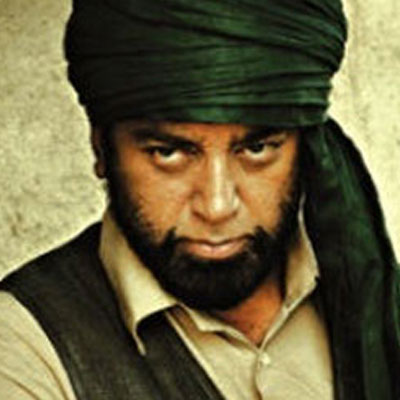
    MUMBAI: The Malaysian Home Ministry has lifted the ban on Kamal Hassan‘s controversial Tamil film Vishwaroopam.

    The National Censorship Board and the Malaysian Islamic Development Department (Jakim) reportedly studied the film from the religious and security point of view before greenlighting the film‘s release in the country.

    Board chairman Datuk Raja Azahar Raja Abdul Manap said the Department agreed that the movie can now be shown as it was satisfied with the removal of certain scenes considered sensitive after a series of meetings.

    In a statement, Datuk said that the Home Ministry allowed the film to be shown in cinemas nationwide following the setting up of a monitoring panel by the censorship board and Jakim.

    “But the approval was on condition that film distributor Lotus Five Star AV (M) Sdn Bhd abides by the decision taken by the board to remove certain scenes from the film,” Datuk observed.

    The film deals with international terrorism. The film started screening in the country from Tuesday.