Tag: Mahira Khan

  • Fawad Khan, Mahira Khan is back on Indian screen after Airtel & Zindagi announce partnership

    Fawad Khan, Mahira Khan is back on Indian screen after Airtel & Zindagi announce partnership

    Mumbai: The popular Pakistani channel Zindagi is set to launch as a special service on Airtel from 15 September, 2022.

    Zindagi will aim to bring audiences a plethora of unique and entertaining offerings. The channel has consistently been at the forefront of bringing thought-provoking and distinct stories to the masses.This service will be free of charge on Airtel for the first 10 days, followed by Rs 2.5 per day.

    The night started with Dumpukht Aatish-e-Ishq at 7 p.m., starring the talented Nauman Ijaz, Bilal Abbas Khan and Sonia Mishal, followed by Digest Writer at 8.30 p.m., starring actor Saba Qamar. Besides, another power-packed line-up for September includes Mann Mayal, starring actors Maya Ali and Hamza Ali Abbasi; the show will air on 19 September at 5:30 p.m. Tracing the journey of a single mother, the teleplay Behadd, starring actors Fawad Khan, Nadia Jamil, and Sajal Ali, will air on 25 September at 8 p.m.

    Speaking of the launch of this channel on Airtel, Zee special projects chief creative officer Shailja Kejriwal said, “We are elated to have received immense love and support from our audiences across the globe. It is a proud moment for us as we announce Zindagi’s association with Airtel and partner with them to provide audiences with stories they can resonate with. We continue to reinstate our belief in growing together and reaching out to a larger audience base. Launching on Airtel as a special service drives us to inspire our audiences as we work towards making Zindagi a part of every household.”

    Zindagi has been widely appreciated by the audience for showcasing stories that are relevant, relatable, and impactful.

  • Hope 2022 will see Zindagi also going back to its loyal TV audience: Zee’s Shailja Kejriwal

    Hope 2022 will see Zindagi also going back to its loyal TV audience: Zee’s Shailja Kejriwal

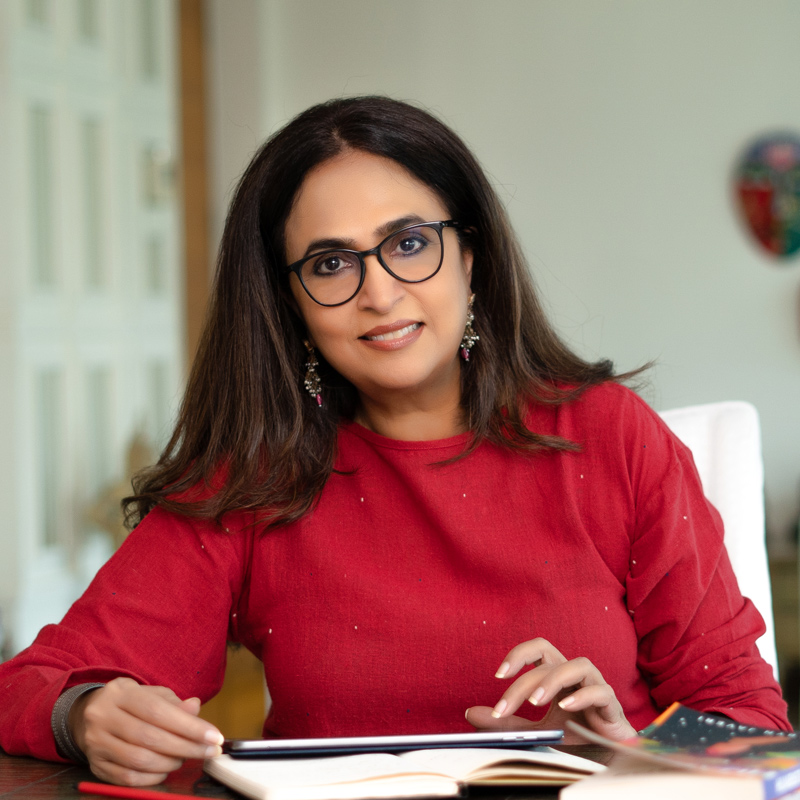
    Zee Entertainment Enterprises (Zee) chief creative officer – special projects Shailja Kejriwal, and her brainchild Zindagi channel have had an equally unpredictable, yet exciting journey in the world of media and entertainment. As a visionary storyteller, Kejriwal, to her credit has critically acclaimed content brands and initiatives like Zindagi, Zee Theatre, Star Bestsellers, and an unconventional series of short films called “Zeal for Unity” on one hand, and the TRP-churning, K-series of Indian family dramas on the other.

    Zindagi launched on television in 2014 with the Pakistani soap opera “Aunn Zara,” which ended in just 20 days, a rather ‘blasphemous’ occurrence in the pre-OTT days when TV serials ran into as many 2000+ episodes. With real characters who didn’t wear make-up to bed and finite storylines, the channel came in like a breath of fresh air. Becoming an instant hit, it went on to launch Pakistani stars like Fawad Khan, Sanam Saeed, and Mahira Khan with the popular dramas “Zindagi Gulzar Hai” and “Humsafar.”

    However, post the 2016 Uri attack, Zindagi had to pull the plug on all Pakistani content. Eventually wrapping up on TV, it became a digital-only channel. Starting out on the Ozee app, and later as Zindagi Digital, the channel finally launched on Zee5 in 2020. In the same year, Zindagi began its Originals innings with Asim Abbasi–directed web series “Churails” (2020). It was followed by “Ek Jhoothi Love Story” – a romantic comedy directed by Mehreen Jabbar, the critically acclaimed series “Dhoop Ki Deewar” featuring Ahad Raza Mir and Sajal Aly, “Qatil Haseenaon Ke Naam” – a desi noir anthology helmed by British Indian director Meenu Gaur, and most recently (11 March) Kashif Nisar’s “Mrs & Mr Shameem” – featuring Saba Qamar and Nauman Ijaz.

    Kejriwal’s constant endeavour through all the challenges has been to keep brand Zindagi alive and thriving. In a freewheeling interaction with IndianTelevision.com, she talks about “Mrs & Mr Shameem,” Zindagi’s digital journey, programming for the South Asian audience and diaspora, creating content from out of Pakistan, and her content philosophy.

    Content, cause and creativity

    ‘Short-run programming,’ ‘Hindustani content,’ ‘content for cause,’ ‘alternative mainstream,’ while the content on Zindagi has been classified as all of these and more, the idea behind the brand is simply to tell stories that have a purpose, and hence says Kejriwal, the brief is always ‘why is this story being told,’ and ‘how it will impact those watching it.’

    “There has to be a social comment in our stories; something which provides a different point of view. I believe that in today’s times when everything around us is changing, storytellers have to explore new ways of telling stories, new ways of talking about love and relationships,” she tells.

    Zindagi’s latest release “Mrs & Mr Shameem,” for instance, questions ‘who is the ideal man,’ ‘does he always have to be aggressive,’ ‘can he be like Shameem who is seen as effeminate?’ “What I also like about Shameem’s character is that he doesn’t feel like a victim of this perception of him being ‘less of a man.’ I loved the positivity in the show, and the fact that it is inclusive,” she adds.

    Programming for the South Asian audience

    Programming for the South Asian audience

    Zindagi began in 2014 with a clear roadmap of ‘curate, create and collaborate.’ The channel’s TV days comprised the ‘curation’ phase wherein it got a lot of Pakistani content to see how people liked/consumed it, and the response, shares Kejriwal, was phenomenal.

    “I haven’t met anyone who doesn’t tell me that at least one person in their family watched Zindagi,” she says, adding that, “We also kind of expected that because a) Our shows were fresh, finite and meaningful, and b) there was a lot of curiosity about Pakistan among Indians. While our shared history, language and geographies were an important reason behind it, primarily it was the fact that we’ve not had any visual reference of Pakistan since the 80’s, except the news media. On the other hand, Pakistanis have grown up watching us through our films.”

    The phase Zindagi is in right now on Zee5 is phase two of ‘Creation.’ Moving a step ahead from launching Pakistani actors, the channel began involving writers and directors in creating content for its South Asian audience. That’s when the ‘Originals’ happened. The third phase of collaboration where it hopes to be in the coming years will invite talent from both sides of the border to work together.

    Zindagi’s digital journey

    According to Kejriwal, the biggest advantage OTT as a medium offers is the freedom to tell stories that could not have been told on television.

    Sharing some snippets from what she calls “a fantastic journey on digital.” “It gave us the chance to work with a new wave of filmmakers like Asim Abbasi and Meenu Gaur. Even though Gaur is not into making Pakistani dramas, her work has a distinct South Asian approach that reciprocates with our TG. OTT provided us the platform to experiment and create content that is truly international in its making, and aimed different cohorts,” Kejriwal notes.

    “So, while ‘Churails’ caters to the upmarket or niche and younger audience, ‘Dhoop Ki Deewar’ is meant for family viewing in tier 1 cities. ‘Qatil Haseenaon Ke Naam’ is a metro-centric content piece. ‘Ek Jhoothi Love Story’ and ‘Mrs & Mr Shameem’ are suited for family viewing for audiences across tier 1 and 2 cities,” she further adds.

    Kejriwal says that she is most excited about bringing back Fawad Khan and Sanam Saeed with a new show and a completely new genre and concept of ‘magic realism’ – a first on Zindagi. “We could not have done this on TV where people are used to seeing them in a ‘Zindagi Gulzar Hai.’ That’s the fun of creating for OTT,” she states.  

    And there’s the math too! “We programme for the South Asian audience and South Asian diaspora. When we talk of OTT, we don’t talk of India alone, but the global market. There is a huge Pakistani diaspora that does not have a truly dedicated OTT platform of its own. Therefore, it becomes a low-hanging fruit for us. Our shows have a tremendous fan following among them,” she asserts.

    Back to TV?

    Kejriwal observes that even though OTT allows the freedom to experiment, the audience is becoming increasingly concerned about not getting lost in discovering content and surfing through it.

    “Content discovery can be an overwhelming task, and I propose to make the discovery of Zindagi simpler. That’s where television comes in for me,” she notes. “This is not to take away from the medium, but while the independence OTT gives is amazing, the loyalty on TV is great. OTT has kind of consolidated our viewership across demographics. I hope that 2022 will also see me going back to my loyal audiences on TV.”

  • Raees…..Don: The twisted tale

    Raees…..Don: The twisted tale

    MUMBAI: Playing a fictional don is not good enough, every hero wants a Deewar of his own, the film that cemented Amitabh Bachchan’s arrival as a star after Zanjeer. Deewar was the legendary film based on the life of Haji Mastan, Mumbai’s first don. But, Deewar was only inspired by Haji’s life with clever writing by the Salim-Javed duo which, without depicting violence in anyway, charted the life of a don more as a family drama as well as a conflict between law and outlaw.

    There have been more attempts recently at adapting real life criminals’ stories for films. None of these films tried to pass judgment on the criminal in its theme or paint him other than what he was. To see where things go wrong with Raees, it is necessary to know what the real don was and how the film presents him.

    Raees, though it does not credit the film as one based on the notorious Ahmedabad based criminal Latif, tries to present him as a benevolent do-gooder, a Robin Hood kind of don. Latif was a petty bootlegger in the city of Ahmedabad who, with the backing of various other criminals started out as a courier boy for a major bootlegger, eventually turning into one independently. Since alcohol in the totally dry state of Gujarat was the privilege of rich and influential,Latif seemed to be dealing with the right kind of people when it came to furthering his career.

    Latif specialized in inciting communal riots and soon became a tool in the hands of politicians. The city faced regular bouts of communal tensions during two occasions: the annual Rath Yatra and Makar Sankranti, the kite festival. Latif was known to play the lead role in inciting these riots. The local goon Latif graduated to become a don when he came into contact with Dawood and was instrumental in transporting the RDX used in the Mumbai bomb blasts. He later took refuge in Karachi with the aid of Dawood.

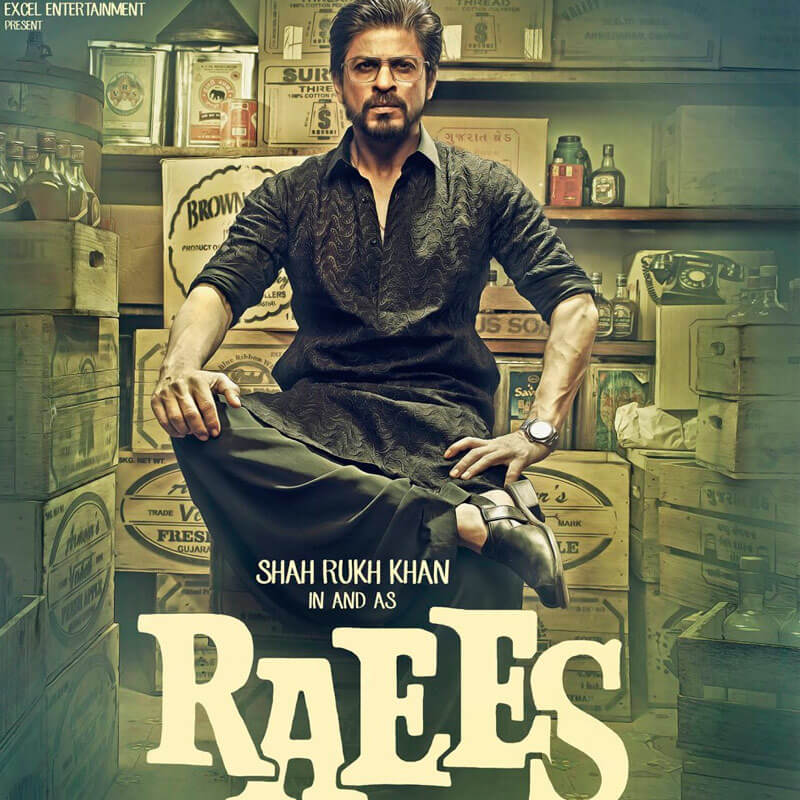
    Shah Rukh Khan plays the character based on the life of Latif. Suffering from weak eyesight, he can’t read the blackboard in school when asked. The family is very poor and can’t afford to buy him specs. Latif goes and steals the frame from a statue of Mahatma Gandhi. Poverty and his mother’s helplessness lead him to a local bootlegger, Atul Kulkarni, delivering bottles in his school sachet. As he grows up, he plans to start his own business. Talking about “Baniye ka deemag” and “Miyabhaiki daring”, it is strange that he plans to buy supply from Kulkarni himself to compete with him!

    Shah Rukh is now rich as well as influential. Everybody loves him be it Hindu or Muslim for he is a messiah who always stands for the poor and needy. He donates sewing machines to local women and gets justice for unpaid workers. He even plans a huge colony to settle poor people of his locality. So what if they are well settled in the heart of the city!

    There are riots in the city and Shah Rukh has nothing to do with it. He, in fact, is worried about people and children and provides food and milk for families and kids affected by the riots and the curfew-bound city.By now, Hindu and Muslim, both the communities adore him. Shah Rukh attacks an opposition leader’s rally and is asked by the CM to agree to go to jail to save face. He soon realises that the CM has betrayed him. He decides to fight the local municipal elections and wins to avail him bail from jail. (The real Latif fought the elections from six wards and won five.)

    But, now the CM is irritated with Shah Rukh and makes his life miserable. All his resources dry up and he is forced to seek financial help from a Mumbai don who asks him to run an errand for him: deliver a certain amount of smuggled gold which turns out to be RDX used for Mumbai bomb blasts of 1993. 

    There is nothing about Shah Rukh aka Latif running away to Dubai and later finding refuge in Pakistan.

    The film comes across all throughout as making a martyr out of a bad man. And, even otherwise, if one watches the film as a total work of fiction, it is a poorly conceived and executed film. A score of movies have been made on similar don stories and they only get worse with each attempt.

    There are two other tracks, both predictable; one is that of romance. Romance in this film is given. Shah Rukh and Mahira Khan seem to be in love with each other from the first time they meet. Soon they marry and Mahira joins in his illegal business as a helping hand. The other is that of the cop, Nawazuddin Siddiqui, who has sworn not to spare Shah Rukh, wherever he is transferred for doing that.The rest of the characters are mere caricatures. The first half of the film comes across as any making of a don story, the second half turns into a typical South Indian film where the bad man is good man.

    Raees has just about everything going wrong for it, from the choice of subject and the way it is moulded to make Shah Rukh a larger than life character, to the choice of female lead. While Shah Rukh plays his two faced personality sans conviction, Mahira Khan neither charms with her presence nor impresses with her performance. Nawazuddin promises to salvage the proceeds initially but the script holds him back as things proceed. However, he is the best part of the film. 

    The direction is patchy and attempts to portray the 1980s lacks conviction. Sets are shabby. Music is of no help. There is little scope for the editor. The film makes a hero out of criminal Latif in the process of making the film’s hero, Shah Rukh, larger than life.

    Raees has the advantage of a decent opening and a Republic Day holiday as a bonus but adverse reports will soon catch up with its box office status.

    Producers: Ritesh Sidhwani, Gauri Khan, Farhan Akhtar.

    Director: Rahul Dholakia.

    Cast: Shah Rukh Khan, Nawazuddin Siddiqui, Atul Kulkarni, Mahira Khan, Mohammed Zeeshan Ayyub.

    Kaabil….For select audience..

    Sanjay Gupta’s inspiration usually comes from South-East Asian films at times blended with a film from the West. Kaabil finds resemblance with Blind Fury (1989) and Broken (2014), from the US and Korea, respectively.

    That said, the film turns into a typical vendetta film, a trend started by South Indian films.When an injustice is done to a loving couple or a hero’s sister or mother falls prey to the villains, the hero seeks revenge. What is different here is that the lead actors, Hrithik Roshan and his lady love, Yami Gautam, are both blind.That adds a sympathy factor to the revenge saga. The handicap of momentary blindness has been used in various Kung Fu films over the years so the viewer would be quite familiar with the idea.

    Hrithik is a blind man living on his own. He has a talent for using different voices and is a popular dubbing artist for animation films. Through a common friend who is a matchmaker, he is introduced to Yami, who is also blind. She works for an NGO and also plays piano at a dance academy. While both are independent and reluctant to marry, they plan to meet again. What both also have in common is a sense of perception, a strong sixth sense.

    So far the going is good as there are some nice as well as emotional moments as both discover each other. The initial friendship turns into love and the couple decide to marry. The proceeds become heavy thereafter as a troublemaker, Rohit Roy, has bad intentions for Yami.

    Once while Hrithik is away at work, Rohit along with his sidekick, Md Sahidur Rehman, rapes Yami knowing both are blind and there is little they could do. Going to the police is of no help since Rohit’s politician brother, Ronit Roy, is a local councilor and can pull strings. Encouraged, Rohit decides to make it a routine to take advantage of Yami’s helplessness leading her to end her life.

    Frustrated by the police inaction, Hrithik decides to take matters in his own hands to settle score. This is what the film is about; a blind man plotting and taking revenge while making sure there is no way the cops can nail him. For he challenged the police that he will get even on his own.

    He plots each villain’s death differently using his talent of modulating his voice.
    Kaabil starts off well but the idea of bringing in a local politician, and a municipal councilor at that, makes the villain angle weak. That such a politician should be able to call the shots with a major metro police force does not quite convince. 

    Seeking revenge one by one is also oft seen in many films. That a blind man does all this is the USP of the film which may not be enough. The film’s music is a plus with the title song, Mai tere kaabil hun…… being the pick of the lot while Kuchh din se….. and Kissise pyar ho jaaye…. (Remix of old hit, Dil kya kare…. from film Julie) also being hummable. The cinematography is good. Editing could have been crisper. Action is commendable.

    The best part of the film is the performances by the lead pair, Hrithik and Yami. Hrithik is totally convincing as a blind man carrying a blank sort of look in his eyes through the length of the film. Yami complements him though her role is shorter. Ronit, Rohit and Sahidur are routine. Girish Kulkarni and NarendraJha as the cops are effective.
    Kaabil has had a weak opening. Thursday holiday and the weekend are expected to fare better but the target for the film is too high.

    Producer: RakeshRoshan.

    Director: Sanjay Gupta.

    Cast: HrithikRoshan, YamiGautam, Ronit Roy, Rohiit Roy.

  • Raees…..Don: The twisted tale

    Raees…..Don: The twisted tale

    MUMBAI: Playing a fictional don is not good enough, every hero wants a Deewar of his own, the film that cemented Amitabh Bachchan’s arrival as a star after Zanjeer. Deewar was the legendary film based on the life of Haji Mastan, Mumbai’s first don. But, Deewar was only inspired by Haji’s life with clever writing by the Salim-Javed duo which, without depicting violence in anyway, charted the life of a don more as a family drama as well as a conflict between law and outlaw.

    There have been more attempts recently at adapting real life criminals’ stories for films. None of these films tried to pass judgment on the criminal in its theme or paint him other than what he was. To see where things go wrong with Raees, it is necessary to know what the real don was and how the film presents him.

    Raees, though it does not credit the film as one based on the notorious Ahmedabad based criminal Latif, tries to present him as a benevolent do-gooder, a Robin Hood kind of don. Latif was a petty bootlegger in the city of Ahmedabad who, with the backing of various other criminals started out as a courier boy for a major bootlegger, eventually turning into one independently. Since alcohol in the totally dry state of Gujarat was the privilege of rich and influential,Latif seemed to be dealing with the right kind of people when it came to furthering his career.

    Latif specialized in inciting communal riots and soon became a tool in the hands of politicians. The city faced regular bouts of communal tensions during two occasions: the annual Rath Yatra and Makar Sankranti, the kite festival. Latif was known to play the lead role in inciting these riots. The local goon Latif graduated to become a don when he came into contact with Dawood and was instrumental in transporting the RDX used in the Mumbai bomb blasts. He later took refuge in Karachi with the aid of Dawood.

    Shah Rukh Khan plays the character based on the life of Latif. Suffering from weak eyesight, he can’t read the blackboard in school when asked. The family is very poor and can’t afford to buy him specs. Latif goes and steals the frame from a statue of Mahatma Gandhi. Poverty and his mother’s helplessness lead him to a local bootlegger, Atul Kulkarni, delivering bottles in his school sachet. As he grows up, he plans to start his own business. Talking about “Baniye ka deemag” and “Miyabhaiki daring”, it is strange that he plans to buy supply from Kulkarni himself to compete with him!

    Shah Rukh is now rich as well as influential. Everybody loves him be it Hindu or Muslim for he is a messiah who always stands for the poor and needy. He donates sewing machines to local women and gets justice for unpaid workers. He even plans a huge colony to settle poor people of his locality. So what if they are well settled in the heart of the city!

    There are riots in the city and Shah Rukh has nothing to do with it. He, in fact, is worried about people and children and provides food and milk for families and kids affected by the riots and the curfew-bound city.By now, Hindu and Muslim, both the communities adore him. Shah Rukh attacks an opposition leader’s rally and is asked by the CM to agree to go to jail to save face. He soon realises that the CM has betrayed him. He decides to fight the local municipal elections and wins to avail him bail from jail. (The real Latif fought the elections from six wards and won five.)

    But, now the CM is irritated with Shah Rukh and makes his life miserable. All his resources dry up and he is forced to seek financial help from a Mumbai don who asks him to run an errand for him: deliver a certain amount of smuggled gold which turns out to be RDX used for Mumbai bomb blasts of 1993. 

    There is nothing about Shah Rukh aka Latif running away to Dubai and later finding refuge in Pakistan.

    The film comes across all throughout as making a martyr out of a bad man. And, even otherwise, if one watches the film as a total work of fiction, it is a poorly conceived and executed film. A score of movies have been made on similar don stories and they only get worse with each attempt.

    There are two other tracks, both predictable; one is that of romance. Romance in this film is given. Shah Rukh and Mahira Khan seem to be in love with each other from the first time they meet. Soon they marry and Mahira joins in his illegal business as a helping hand. The other is that of the cop, Nawazuddin Siddiqui, who has sworn not to spare Shah Rukh, wherever he is transferred for doing that.The rest of the characters are mere caricatures. The first half of the film comes across as any making of a don story, the second half turns into a typical South Indian film where the bad man is good man.

    Raees has just about everything going wrong for it, from the choice of subject and the way it is moulded to make Shah Rukh a larger than life character, to the choice of female lead. While Shah Rukh plays his two faced personality sans conviction, Mahira Khan neither charms with her presence nor impresses with her performance. Nawazuddin promises to salvage the proceeds initially but the script holds him back as things proceed. However, he is the best part of the film. 

    The direction is patchy and attempts to portray the 1980s lacks conviction. Sets are shabby. Music is of no help. There is little scope for the editor. The film makes a hero out of criminal Latif in the process of making the film’s hero, Shah Rukh, larger than life.

    Raees has the advantage of a decent opening and a Republic Day holiday as a bonus but adverse reports will soon catch up with its box office status.

    Producers: Ritesh Sidhwani, Gauri Khan, Farhan Akhtar.

    Director: Rahul Dholakia.

    Cast: Shah Rukh Khan, Nawazuddin Siddiqui, Atul Kulkarni, Mahira Khan, Mohammed Zeeshan Ayyub.

    Kaabil….For select audience..

    Sanjay Gupta’s inspiration usually comes from South-East Asian films at times blended with a film from the West. Kaabil finds resemblance with Blind Fury (1989) and Broken (2014), from the US and Korea, respectively.

    That said, the film turns into a typical vendetta film, a trend started by South Indian films.When an injustice is done to a loving couple or a hero’s sister or mother falls prey to the villains, the hero seeks revenge. What is different here is that the lead actors, Hrithik Roshan and his lady love, Yami Gautam, are both blind.That adds a sympathy factor to the revenge saga. The handicap of momentary blindness has been used in various Kung Fu films over the years so the viewer would be quite familiar with the idea.

    Hrithik is a blind man living on his own. He has a talent for using different voices and is a popular dubbing artist for animation films. Through a common friend who is a matchmaker, he is introduced to Yami, who is also blind. She works for an NGO and also plays piano at a dance academy. While both are independent and reluctant to marry, they plan to meet again. What both also have in common is a sense of perception, a strong sixth sense.

    So far the going is good as there are some nice as well as emotional moments as both discover each other. The initial friendship turns into love and the couple decide to marry. The proceeds become heavy thereafter as a troublemaker, Rohit Roy, has bad intentions for Yami.

    Once while Hrithik is away at work, Rohit along with his sidekick, Md Sahidur Rehman, rapes Yami knowing both are blind and there is little they could do. Going to the police is of no help since Rohit’s politician brother, Ronit Roy, is a local councilor and can pull strings. Encouraged, Rohit decides to make it a routine to take advantage of Yami’s helplessness leading her to end her life.

    Frustrated by the police inaction, Hrithik decides to take matters in his own hands to settle score. This is what the film is about; a blind man plotting and taking revenge while making sure there is no way the cops can nail him. For he challenged the police that he will get even on his own.

    He plots each villain’s death differently using his talent of modulating his voice.
    Kaabil starts off well but the idea of bringing in a local politician, and a municipal councilor at that, makes the villain angle weak. That such a politician should be able to call the shots with a major metro police force does not quite convince. 

    Seeking revenge one by one is also oft seen in many films. That a blind man does all this is the USP of the film which may not be enough. The film’s music is a plus with the title song, Mai tere kaabil hun…… being the pick of the lot while Kuchh din se….. and Kissise pyar ho jaaye…. (Remix of old hit, Dil kya kare…. from film Julie) also being hummable. The cinematography is good. Editing could have been crisper. Action is commendable.

    The best part of the film is the performances by the lead pair, Hrithik and Yami. Hrithik is totally convincing as a blind man carrying a blank sort of look in his eyes through the length of the film. Yami complements him though her role is shorter. Ronit, Rohit and Sahidur are routine. Girish Kulkarni and NarendraJha as the cops are effective.
    Kaabil has had a weak opening. Thursday holiday and the weekend are expected to fare better but the target for the film is too high.

    Producer: RakeshRoshan.

    Director: Sanjay Gupta.

    Cast: HrithikRoshan, YamiGautam, Ronit Roy, Rohiit Roy.

  • States may decide Pak artistes films fate

    States may decide Pak artistes films fate

    NEW DELHI: The Central Government will not intervene in cases involving protests about Pakistani actors working in Indian films if the film had been certified by the Central Board of Film Certification.

    Even as the controversy over Shah Rukh Khan having met a local part chief in connection with his upcoming film ‘Raees’ starring Pakistani actress Mahira Khan rages, the information and broadcasting ministry (MIB) sources told indiantelevision.com that this was more of a law and order problem which fell into the realm of the state governments.

    In October this year, the Film & Television Producers Guild of India Ltd had expressed “genuine concern for all those film producers who invested heavily in films featuring artistes from across the border.”

    Even as it expressed unflinching support to the Central Government and its solidarity with the Indian armed forces on their supreme sacrifice at Uri (Jammu and Kashmir) and courage and valor displayed during the recent counter-terrorism operations, it noted there had been some discourse in the media recently with regard to certain threats to disrupt the release of these movies.

    The Guild, which represents most of the active Hindi film producers, there are many film producers who had either already shot their films or were in the process of completing their unfinished films prior to the escalation of hostilities with Pakistan. These included Karan Johar (‘Ae Dil Hai Mushkil’ with Fawad Khan and ‘Dear Zindagi’ with Ali Zafar) which had also been certified by the CBFC and released.

    Pakistani actor Fawad Khan was also seen in ‘Kapoor and Sons’, and earlier in ‘Khoobsoorat’ opposite Sonam Kapoor.

    Meanwhile, the sources said no permission had been granted to any Pakistani TV or radio channel to broadcast in India.

    Also read

    Bollywood supports Govt’s Pak policy; pleads for ongoing projects

    Film Industry supports Govt on Pak but says do not stop ongoing projects


  • States may decide Pak artistes films fate

    States may decide Pak artistes films fate

    NEW DELHI: The Central Government will not intervene in cases involving protests about Pakistani actors working in Indian films if the film had been certified by the Central Board of Film Certification.

    Even as the controversy over Shah Rukh Khan having met a local part chief in connection with his upcoming film ‘Raees’ starring Pakistani actress Mahira Khan rages, the information and broadcasting ministry (MIB) sources told indiantelevision.com that this was more of a law and order problem which fell into the realm of the state governments.

    In October this year, the Film & Television Producers Guild of India Ltd had expressed “genuine concern for all those film producers who invested heavily in films featuring artistes from across the border.”

    Even as it expressed unflinching support to the Central Government and its solidarity with the Indian armed forces on their supreme sacrifice at Uri (Jammu and Kashmir) and courage and valor displayed during the recent counter-terrorism operations, it noted there had been some discourse in the media recently with regard to certain threats to disrupt the release of these movies.

    The Guild, which represents most of the active Hindi film producers, there are many film producers who had either already shot their films or were in the process of completing their unfinished films prior to the escalation of hostilities with Pakistan. These included Karan Johar (‘Ae Dil Hai Mushkil’ with Fawad Khan and ‘Dear Zindagi’ with Ali Zafar) which had also been certified by the CBFC and released.

    Pakistani actor Fawad Khan was also seen in ‘Kapoor and Sons’, and earlier in ‘Khoobsoorat’ opposite Sonam Kapoor.

    Meanwhile, the sources said no permission had been granted to any Pakistani TV or radio channel to broadcast in India.

    Also read

    Bollywood supports Govt’s Pak policy; pleads for ongoing projects

    Film Industry supports Govt on Pak but says do not stop ongoing projects


  • Uri reaction: Zee considers dropping Pak shows from Zindagi

    Uri reaction: Zee considers dropping Pak shows from Zindagi

    MUMBAI: It makes sense, nationalism-wise. But, does it make sense, business-wise? An unexpected yet ideal tweet by media baron Subhash Chandra has catalysed a hot debate whether film actors from a hostile country should be allowed to earn millions working in the Indian film industry. His tweet follows in the footsteps of a political party sloganeering that Pakistan artistes working in India had better look for greener pastures elsewhere.

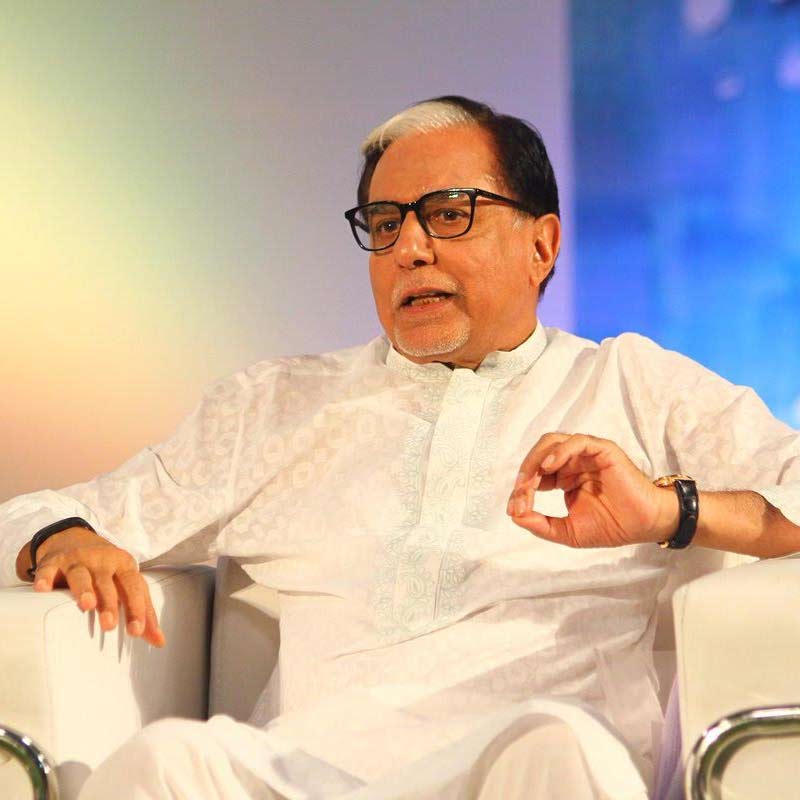
    In his tweet, Chandra says, “Unfortunate stance of Mia Sharif at UN. Zee is considering stopping Zindagi programs from Pak, as well as artistes from there should leave.” Chandra’s reaction comes in the wake of a recent attack on the Indian forces by Pakistan-trained terrorists in Uri (Jammu and Kashmir) that left 18 army men dead. He is the chairman of India’s leading entertainment company as well as a member of the upper house of parliament, the Rajya Sabha.

    Chandra has all along been making attempts to act as a bridge between India and Pakistan by himself or through his media empire. He even had meetings with the Pakistan prime minister Nawaz Shariff around two years ago when he launched Zindagi. At that stage, his son as well as Zeel MD & CEO Punit Goenka had tweeted: “Jodey Dilon Ko: Chairman Sh Subhash Chandra in conversation with Pakistan PM NawazSharif at the launch of @ZeeZindagiTV”

    Zee Zindagi was positioned as a channel differentiated from the rest of the GECs as it offered a bunch of popular Pakistani TV shows which it had acquired from channels in the green flag nation. The purpose: give a ‘hungry for variety’ Indian audience a chance to engage with finite TV shows, shot with a focus on scripting and different dramatization.

    Some of the Pakistani artistes who rose to fame and got work in the film industry figure are: Fawad Khan, Mahira Khan, Ali Zafar, Imran Abbas, Atif Aslam, and Rahat Fateh Ali Khan.

    Zeel had earlier announced a revamp of the channel from 3 October and changed its slogan from ‘Jode Dilo ko’ to ‘Yeh Lamha Hi Hai Zindagi.’

    Earlier this year, Chandra had taken another step towards promoting Indo-Pak unity with an initiative called Zeal For Unity (ZFU). Through ZFU, ZEEL brought together 12 filmmakers, six each from India and Pakistan, and funded their one-hour shorts, which were showcased across platforms like film festivals, television, theatre and digital under the ZFU initiative.

    Questions that are being asked include whether Chandra will back his tweet with decisive action by pulling off all of Zindagi’s Pakistani content. Or, whether he was just posting his tweet at an emotional moment? Or, whether he had already decided to drop shows provided to it commercially by producers and broadcasters in the neighbouring state earlier, and was just latching on to the being-nationalistic opportunity.

    Other questions that are being raised include whether other media houses will follow suit? Will they yank Pakistani content and artistes off their programmes? Will they air trailers featuring them? One can only wait and watch how this unravels.

  • Uri reaction: Zee considers dropping Pak shows from Zindagi

    Uri reaction: Zee considers dropping Pak shows from Zindagi

    MUMBAI: It makes sense, nationalism-wise. But, does it make sense, business-wise? An unexpected yet ideal tweet by media baron Subhash Chandra has catalysed a hot debate whether film actors from a hostile country should be allowed to earn millions working in the Indian film industry. His tweet follows in the footsteps of a political party sloganeering that Pakistan artistes working in India had better look for greener pastures elsewhere.

    In his tweet, Chandra says, “Unfortunate stance of Mia Sharif at UN. Zee is considering stopping Zindagi programs from Pak, as well as artistes from there should leave.” Chandra’s reaction comes in the wake of a recent attack on the Indian forces by Pakistan-trained terrorists in Uri (Jammu and Kashmir) that left 18 army men dead. He is the chairman of India’s leading entertainment company as well as a member of the upper house of parliament, the Rajya Sabha.

    Chandra has all along been making attempts to act as a bridge between India and Pakistan by himself or through his media empire. He even had meetings with the Pakistan prime minister Nawaz Shariff around two years ago when he launched Zindagi. At that stage, his son as well as Zeel MD & CEO Punit Goenka had tweeted: “Jodey Dilon Ko: Chairman Sh Subhash Chandra in conversation with Pakistan PM NawazSharif at the launch of @ZeeZindagiTV”

    Zee Zindagi was positioned as a channel differentiated from the rest of the GECs as it offered a bunch of popular Pakistani TV shows which it had acquired from channels in the green flag nation. The purpose: give a ‘hungry for variety’ Indian audience a chance to engage with finite TV shows, shot with a focus on scripting and different dramatization.

    Some of the Pakistani artistes who rose to fame and got work in the film industry figure are: Fawad Khan, Mahira Khan, Ali Zafar, Imran Abbas, Atif Aslam, and Rahat Fateh Ali Khan.

    Zeel had earlier announced a revamp of the channel from 3 October and changed its slogan from ‘Jode Dilo ko’ to ‘Yeh Lamha Hi Hai Zindagi.’

    Earlier this year, Chandra had taken another step towards promoting Indo-Pak unity with an initiative called Zeal For Unity (ZFU). Through ZFU, ZEEL brought together 12 filmmakers, six each from India and Pakistan, and funded their one-hour shorts, which were showcased across platforms like film festivals, television, theatre and digital under the ZFU initiative.

    Questions that are being asked include whether Chandra will back his tweet with decisive action by pulling off all of Zindagi’s Pakistani content. Or, whether he was just posting his tweet at an emotional moment? Or, whether he had already decided to drop shows provided to it commercially by producers and broadcasters in the neighbouring state earlier, and was just latching on to the being-nationalistic opportunity.

    Other questions that are being raised include whether other media houses will follow suit? Will they yank Pakistani content and artistes off their programmes? Will they air trailers featuring them? One can only wait and watch how this unravels.

  • Zindagi’s Pakistani show ‘Shehr-e-Zaat’ to go on air from 13 Aug

    Zindagi’s Pakistani show ‘Shehr-e-Zaat’ to go on air from 13 Aug

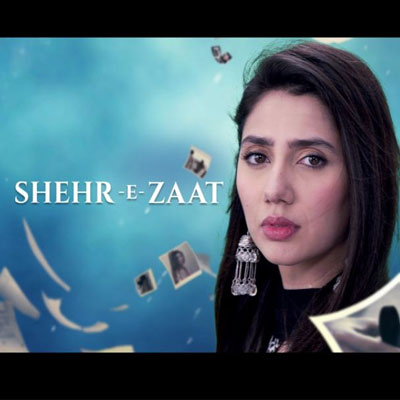
    MUMBAI: The Mahira Khan starrer Pakistani show Shehr-e-Zaat is all set to premiere on Zindagi on 13 August at 8 pm.


    The show, which also stars Mikaal Zulfiqar, Mohib Mirza and Samina Peerzada, revolves around the beautiful day dreamer Falak who goes on a journey of self-discovery to find her faith in God. Mahira Khan has been commended for her portrayal of Falak in the series.


    The show has been directed by Sarmad Khoosat, who also helmed the master piece Humsafar.


    As the story unfolds, viewers will be witness to the young girl’s challenges in life. Falak, after facing bitter realities learns the true purpose of her life. The show highlights the transformation of Falak from being an egomaniac to adapting simplicity, patience and humbleness in her life.

  • Zindagi to launch new show ‘Shehr-e-Zaat’ starring Mahira Khan

    Zindagi to launch new show ‘Shehr-e-Zaat’ starring Mahira Khan

    MUMBAI: Zindagi is all set to launch a new show called Shehr-e-Zaat starring the Pakistani actress Mahira Khan. 


    Khan, who became a popular face on Indian television after featuring in Humsafar opposite Fawad Khan, will play the role of Falak in Zindagi’s upcoming drama – Shehr-e-Zaat.


    Completely opposite to her character Khirad in Humsafar, Khan plays the role of Falak, only child to affluent parents in the new show. She is an egoist who has always been the centre of attention and has never been deprived of anything in life.


    Shehr-e-Zaat revolves around the beautiful day dreamer Falak who finds herself on the path of self-discovery. It’s the story of a girl who after facing bitter realities learns the true purpose of her life. The show highlights the transformation of Falak from being an egomaniac to adapting simplicity, patience and humbleness in her life.


    The show has been directed by Sarmad Khoosat, who also helmed Humsafar. With a stellar star cast including Samina Peerzada, Mohib Mirza, Hina Khawaja Bayat and Mikaal Zulfikar,Shehr-e-Zaat will be aired on Zindagi soon.