Tag: Maharashtra

  • Carlsberg and Liverpool FC recreate a miracle

    Carlsberg and Liverpool FC recreate a miracle

    MUMBAI: It’s time to raise a can to one of football’s greatest comebacks! To mark 20 years of Liverpool FC’s unforgettable “Miracle of Istanbul”, Carlsberg India has unveiled the Carlsberg smooth limited-edition ‘Miracle of 2005’ Can, a stylish tribute to the night the Reds turned a 3–0 deficit into Champions League glory.

    The campaign, aptly titled Live the Miracle, invites fans across Maharashtra, Karnataka, and Goa to relive the emotion of that night, one sip at a time. The can design fuses Liverpool’s iconic red with Carlsberg’s signature green, featuring timestamps of every pivotal moment from the match, echoing the highs, lows, and that unforgettable lift of the trophy.

    But the celebration doesn’t stop at the can. Through the campaign, fans can step into goalkeeper Jerzy Dudek’s shoes in an interactive online game accessed via Carlsberg India’s Instagram or QR codes on retail displays. Winners stand to claim exclusive prizes, from Carlsberg x Liverpool FC merchandise and screenings with club legends to an all-expense-paid trip to Anfield.

    “The Miracle of 2005 is more than just a match, it’s a story of resilience and passion,” said Carlsberg India vice president – marketing Partha Jha. “With ‘Live the Miracle’, we’re not just commemorating that night; we’re bringing it alive for Indian fans through experiences that go far beyond watching the game.”

    The partnership between Carlsberg and Liverpool FC dates back to 1992, making it one of football’s longest-running collaborations. From the treble of 2001 to the miracle of 2005, the Carlsberg logo has stood proudly on the Reds’ chest through their most iconic victories.

    Now, two decades later, that spirit of belief and camaraderie is bubbling over once again, in every limited-edition can that invites fans to live the miracle, sip by sip.
     

  • Ather races past 5,00,000 electric scooters

    Ather races past 5,00,000 electric scooters

    MUMBAI: Ather Energy has just charged past a major milestone. The Bengaluru-based electric two-wheeler maker rolled out its 5,00,000th scooter from its Hosur plant in Tamil Nadu, with the milestone model being none other than the popular family scooter, Rizta.

    The Rizta, launched last year, has swiftly become the brand’s star performer, now accounting for over a third of Ather’s total production. Co-founder and CTO Swapnil Jain called the achievement a “major milestone”, adding that it symbolises “years of focused engineering, rigorous testing, and meticulous attention to quality”.

    From its first prototype to this electrifying half-million mark, Ather’s journey has been about more than scooters. It’s about building a robust and scalable manufacturing ecosystem.

    Ather currently runs two plants in Hosur, one for vehicles and another for batteries, with a combined annual capacity of 4,20,000 scooters. To keep up with rising demand, the company is gearing up for its next big leap: Factory 3.0 in Bidkin, Chhatrapati Sambhajinagar, Maharashtra. Built on Industry 4.0 principles, the facility will supercharge Ather’s total capacity to 1.42 million scooters annually once fully operational.

    Founded in 2013 by Tarun Mehta and Swapnil Jain, Ather has become a front-runner in India’s electric mobility race. With innovations like the Ather grid, the country’s largest two-wheeler fast-charging network, and a growing product line spanning performance and family scooters, the company seems fully charged for the road ahead.

  • Navi Mumbai to host Maharashtra’s first-ever ‘Formula night street race’

    Navi Mumbai to host Maharashtra’s first-ever ‘Formula night street race’

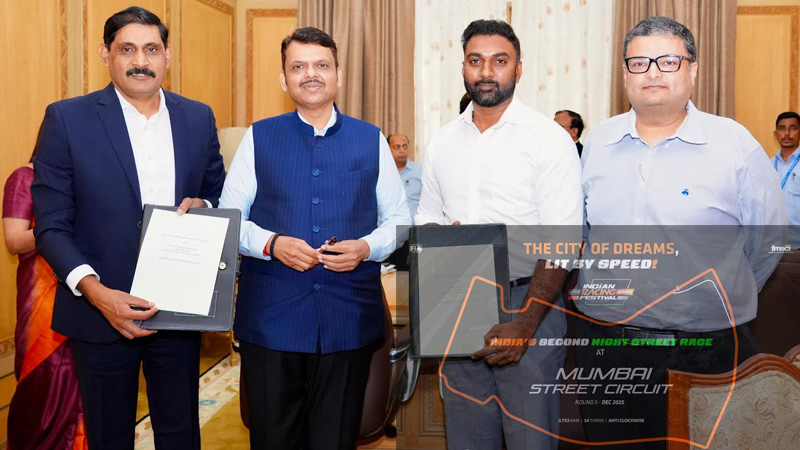
    MUMBAI: Maharashtra is set to make motorsport history as Navi Mumbai gears up to host the state’s first-ever ‘Formula night street race’ this December, marking the grand finale of the Indian Racing Festival (IRF). The announcement was made in the presence of chief minister Devendra Fadnavis, during the signing of an Mou between Racing Promotions Pvt. Ltd. (RPPL) and Navi Mumbai Municipal Corporation (NMMC).

    For the first time, Navi Mumbai’s streets will transform into a world-class FIA-grade racing circuit. Spanning 3.753 km with 14 turns, the track begins at Palm Beach Road, weaving past scenic stretches of Nerul Lake under floodlights, offering both drivers and fans a thrilling night racing experience.

    The weekend promises double the adrenaline with the Indian Racing League (IRL) and FIA-certified Formula 4 Indian Championship (F4IC). Top Indian and international racers will battle it out, while spectators enjoy motorsport action against the city’s glowing skyline.

    Fadnavis hailed the event as a milestone for Maharashtra’s motorsport journey, highlighting its potential to inspire young talent, boost tourism, and generate jobs. RPPL, chairman & MD, Akhilesh Reddy, emphasised that Mumbai’s debut street race will set a new benchmark for motorsport in India.

    Blending speed, glamour, and entertainment, the festival will feature celebrity team owners including John Abraham, Arjun Kapoor, Sourav Ganguly, Sudeep Kichcha, Naga Chaitanya, and Swetha Sundeep Anand. With previous successful street races in Hyderabad and Chennai, the Navi Mumbai finale cements India’s place on the global motorsport map.

    In December, the roar of engines, the energy of fans, and Navi Mumbai’s skyline will converge for an unforgettable weekend where speed meets spectacle.


  • Sowing seeds of change: Zee 24 Taas honours farmers at Krushi Sanman 2025

    Sowing seeds of change: Zee 24 Taas honours farmers at Krushi Sanman 2025

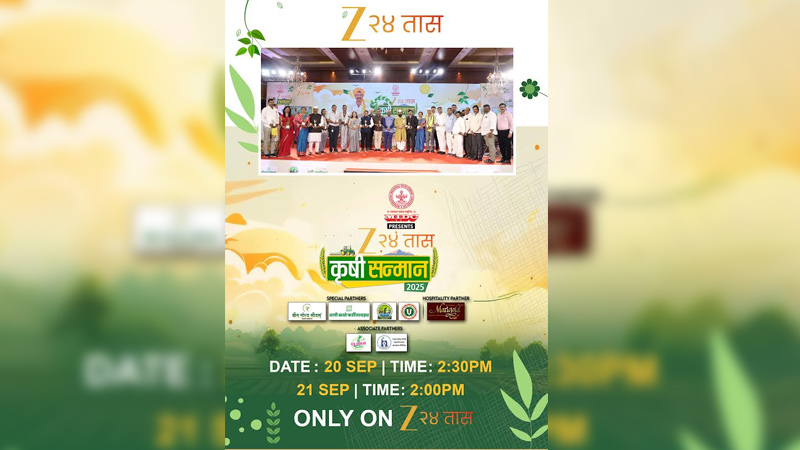
    MUMBAI: Ploughing ahead with pride! Maharashtra’s most trusted Marathi news channel, Zee 24 Taas, turned the spotlight on the state’s unsung heroes at Krushi Sanman 2025, a celebration of farmers, agri-entrepreneurs and the resilience of rural India.

    More than just an award ceremony, the event blossomed into a powerful dialogue on the future of farming, spotlighting shrinking landholdings, rising input costs, and the mounting impact of climate change, while also celebrating trailblazing farmers who embraced innovation, sustainability and entrepreneurship.

    Graced by agriculture minister Dattatray Bharne, cabinet minister Bharat Gogawale and union minister of state Murlidhar Mohol, the event reinforced the message that agriculture is not just the backbone of India’s economy but the heartbeat of rural transformation.

    “Krushi Sanman 2025 is a movement that celebrates resilience and ushers in change,” said Zee 24 Taas, editor, Kamlesh Sutar. “We want to shift the narrative of agriculture from hardship to opportunity and from survival to success.”

    Echoing the sentiment, Bharne spoke of his own roots in farming and assured the community of the government’s firm support: “Agriculture today is about courage, adaptability, and innovation. Events like Krushi Sanman strengthen our resolve to honour farmers and ensure rural prosperity.”

    Adding perspective, Zee media corporation limited, CEO, Karan Abhishek Singh, described the initiative as “a long-term ecosystem where knowledge, policy, and innovation converge for the benefit of farmers.”

    Viewers can catch the special telecast of Krushi Sanman 2025 exclusively on Zee 24 Taas on Saturday, 20th September at 2:30 pm, and Sunday, 21st September at 2:00 pm.

    By honouring excellence and igniting dialogue, Zee 24 Taas has ensured that Krushi Sanman 2025 is more than an event, it’s a milestone in making agriculture not only a source of livelihood, but also of lasting pride.

  • Tesla drives into India: Mumbai showroom opens with high-priced model Y

    Tesla drives into India: Mumbai showroom opens with high-priced model Y

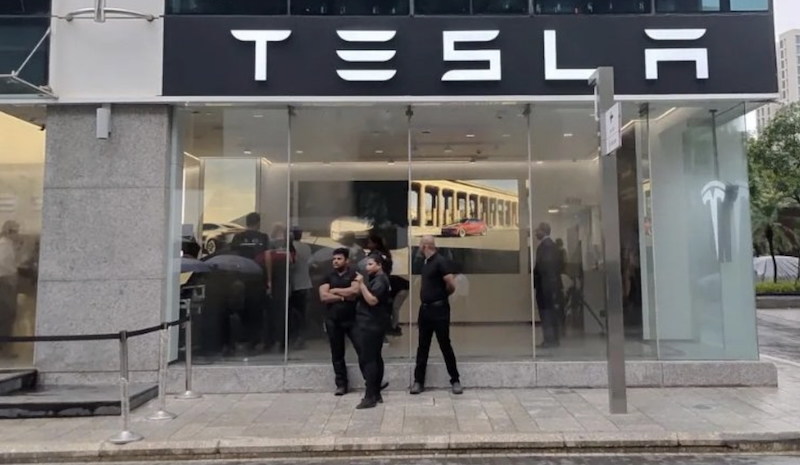
    MUMBAI: Mumbai played host to a pivotal moment in India’s electric vehicle narrative on Tuesday as Tesla officially inaugurated its first showroom, a sleek 4,000 sq ft experience centre at the upscale Maker Maxity Mall in Bandra Kurla complex (BKC).1 The much-anticipated debut marks the EV behemoth’s initial physical foray into one of the globe’s burgeoning EV markets, kicking off its Indian journey with the Model Y SUV.

    The Model Y, imported as completely built units (CBUs) from Tesla’s Shanghai Gigafactory, comes with a rather hefty price tag for Indian consumers: the rear-wheel drive variant is listed at Rs 60 lakh, while the long-range version will set buyers back Rs 68 lakh.2 These figures significantly eclipse Tesla’s base pricing in established markets such as the US ($44,900), China (263,500 yuan), and Germany (45,970 euros), largely due to India’s substantial import duties. Customs documentation revealed each Model Y arrived at Mumbai port declared at Rs 27.7 lakh ($31,988), attracting over Rs 21 lakh in import duties, aligning with India’s 70 per cent tariff on fully-built vehicles priced under $40,000.Devendra Phadnavis

    Beyond the showroom, which is strategically located near Apple’s flagship store, Tesla has imported nearly $1 million worth of Supercharger infrastructure and accessories from the US and China, earmarked for installation around Mumbai to support early adopters. The company is also establishing a dedicated service centre in Kurla West for after-sales support.

    The long-term play for India appears clear. Tesla already boasts a registered office in Bengaluru and an engineering hub in Pune. Maharashtra deputy chief minister, Devendra Fadnavis, underscored this broader vision, hailing Tesla’s arrival as more than a mere commercial venture.

    “This is not just the inauguration of an experience centre but a statement that Tesla has arrived, a statement that it has arrived in the right city and state, that is Mumbai, Maharashtra. Mumbai stands for innovation and sustainability. Tesla is not just a car and car company but stands for innovation and sustainability,” Fadnavis declared.

    Tesla had teased its entry on its India-specific X handle with a coming coon” post, hinting at a July 2025 debut.

  • Sip happens Ayodhya gets its first taste of smart water access

    Sip happens Ayodhya gets its first taste of smart water access

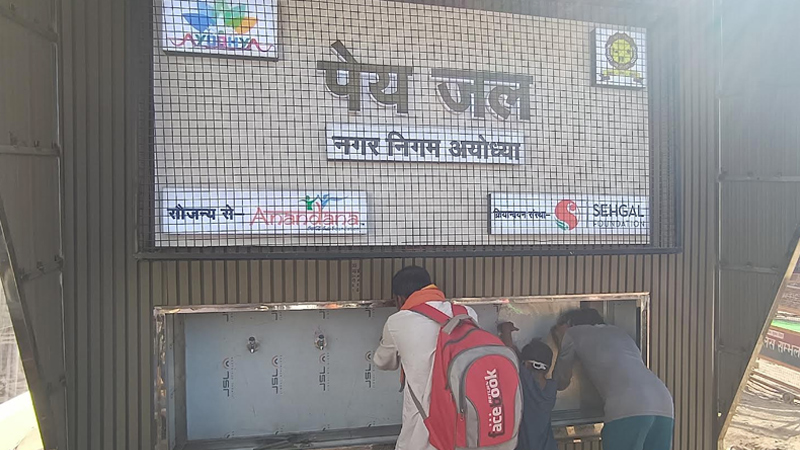
    MUMBAI: Why carry a bottle when Ayodhya now pours clean, cold water on tap? In a move that’s part hydration, part transformation, Anandana, The Coca-Cola India Foundation, in partnership with SM Sehgal Foundation and Ayodhya Nagar Nigam, has turned up the public health dial with the installation of community water ATMs across key areas of the city. The initiative puts reliable, RO-purified drinking water at the fingertips of residents and pilgrims alike no app required.

    Each ATM is connected to the Nagar Nigam’s municipal supply and backed by overhead storage tanks. The water is filtered through a Reverse Osmosis system, stored in stainless steel chilled tanks, and dispensed via hygienic external taps. The result? Round-the-clock, walk-up access to clean, cool water in one of India’s most spiritual and frequently visited cities.

    The Coca-Cola India Foundation director Rajiv Gupta said, “Access to drinking water is a fundamental pillar of public health and community well-being. Our partnership with Ayodhya Nagar Nigam and the SM Sehgal Foundation is a strategic initiative that demonstrates our commitment to help improving water accessibility in the region through better infrastructure and local collaboration.”

    S M Sehgal Foundation trustee and CEO Anjali Makhija said, “Water is vital, and through our collaboration with Anandana, The Coca-Cola India Foundation, we help create solutions for communities. The installation of water ATMs in Ayodhya marks a significant step towards ensuring access to hydration, especially in a city that welcomes millions of pilgrims and visitors each year.”

    Ayodhya Nagar Nigam Municipal commissioner Santosh Sharma said, “This initiative underscores the positive role of public-private partnerships in enhancing urban infrastructure. Together with Coca-Cola India Foundation, we’re addressing the need for reliable drinking water across key areas in Ayodhya, benefiting both residents and visitors. By strengthening the city’s water access, this effort is a crucial part of our broader commitment to improving civic amenities and ensuring a sustainable, community-centered development.”

    The effort is part of a broader Coca-Cola India Foundation strategy that’s already impacted over one million lives. Through Project Jaldhara, the Foundation in collaboration with SM Sehgal Foundation has led water conservation efforts across Kolar (Karnataka), Anantapur (Andhra Pradesh), and Aurangabad (Maharashtra). Their interventions range from check dam construction and tank desilting to decentralised water systems, designed to fight water stress from the grassroots up.

    Ayodhya now becomes the next ripple in that wave. As India heats up and demand for public hydration rises, these ATMs offer more than a moment of relief, they’re a blueprint for civic innovation.

    Because in today’s world, a sip well-served is a civic duty well done.


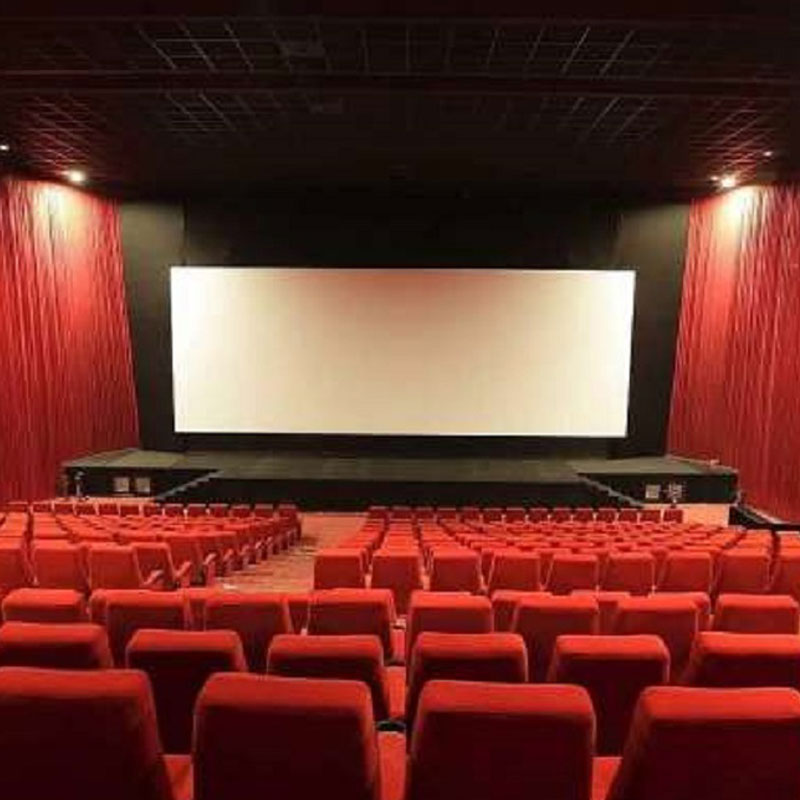
  • Mumbai’s new reel estate: BMC to allow temporary film sets under DCPR 2034

    Mumbai’s new reel estate: BMC to allow temporary film sets under DCPR 2034

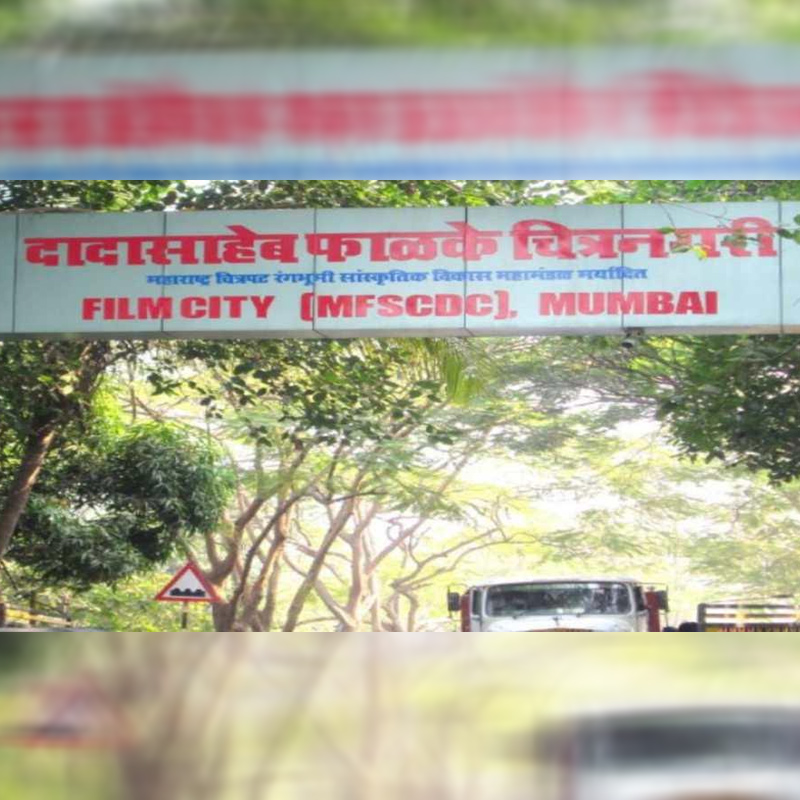
    Mumbai: In a cinematic twist, the Brihanmumbai Municipal Corp (BMC) has proposed a crucial amendment to its Development Control and Promotion Regulations (DCPR) 2034, officially permitting the construction of temporary sets for films, TV serials, and advertisements. The move aims to turn Mumbai’s open plots into a regulated playground for the entertainment industry, ensuring compliance while boosting civic revenue.

    The amendment, initiated under Section 37 (1) of the Maharashtra Regional Town Planning (MRTP) Act, 1966, will introduce a fresh category under regulation 57, allowing temporary studios with prior approval from the BMC. Citizens have a month to share their views with the BMC’s chief engineer (development plan) or the deputy director of town planning.

    BMC’s latest move comes just weeks after the city hosted the World Audio Visual and Entertainment Summit (Waves), positioning Mumbai as a media powerhouse. It also aligns with the state government’s plan to establish a massive creative economy hub in Malad.

    This decision traces back to a 2019 BMC circular that allowed temporary filming structures on open plots. But what started as a filmmaker’s delight turned into an environmental nightmare, with unauthorized setups mushrooming even in Coastal Regulation Zones (CRZ). A subsequent inquiry in 2022 saw the BMC demolish 11 illegal studios in Madh, Marve, and Erangal.

    The new amendment seeks to end this chaos by setting clear boundaries—temporary sets can now be constructed only with proper permissions, capped at six months at a time and a maximum of three years in total. “Permissions will also generate revenue for the BMC,” a civic official confirmed.

    The revised rules will also help the civic body track how many production houses are using the designated plots for shoots, ensuring accountability.

  • Big FM’s Marathi masala moment celebrates cinema with star-studded flair

    Big FM’s Marathi masala moment celebrates cinema with star-studded flair

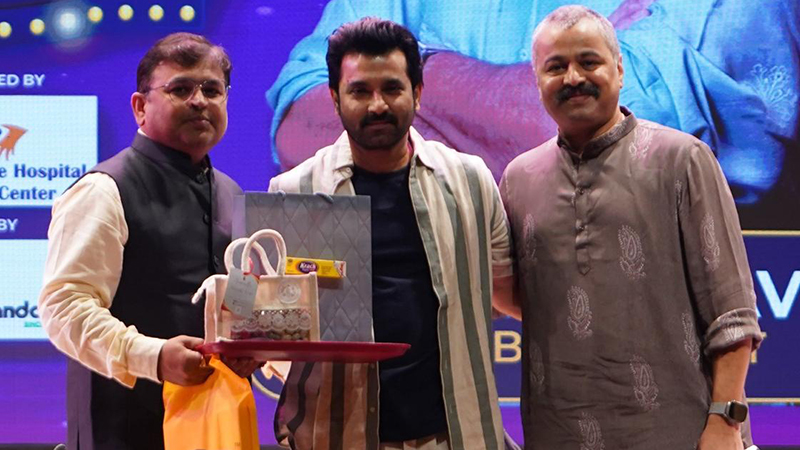
    MUMBAI: Big FM turned up the volume on Marathi pride with a glitzy finale to Big Marathi Bioscope with Subodh Bhave, marking the end of its third season with an unforgettable on-ground celebration in Pune. From teary tributes to toe-tapping tunes, the evening paid a vibrant homage to the spirit, legacy and cultural depth of Marathi cinema.

    Hosted by the ever-charismatic Subodh Bhave, the event brought together some of the industry’s finest including Swapnil Joshi, Sayali Sanjeev, Sumeet Raghavan, Santosh Juvekar, Shilpa Tulaskar, and Atharva Sudame offering fans a front-row seat to laughter, nostalgia and heartfelt camaraderie.

    The grand finale wasn’t just a curtain call, it was a curtain rise on memories. Audiences were treated to emotional homages to legends like Sudhir Phadke and Asha Bhosale, followed by an explosive Ajay–Atul mashup that turned the gathering into a dance floor.

    Sharing his thoughts Big FM COO Sunil Kumaran said, “Our audiences have always trusted us to present exceptional content and BIG Marathi Bioscope with Subodh Bhave has been a true testament of that endeavor. With each season, BIG FM has built a deeper bond with listeners who have an unwavering love for Marathi cinema. As we reach the grand finale of Season 3, it’s clear that the show has become a cherished part of listeners’ lives, celebrating the rich legacy of Marathi films. Looking ahead, we’re excited to continue strengthening this relationship and creating even more memorable experiences in the seasons to come.”

    “Marathi cinema is my passion and what keeps me deeply connected to it is the love and support of my audience. Through the on-ground event, we have had the chance to interact directly with our listeners, making the experience even more personal and meaningful. With the success of this season, I’m confident that the affection and connection we’ve built will continue to grow in the seasons ahead.” said actor and host Subodh Bhave.

    Presented by Lokmanya Multipurpose Co-op Society Ltd and supported by partners like Deshpande Eye Hospital & Laser Centre and B.U. Bhandari, the show’s third season finale was more than just entertainment, it was a tribute, a party, and a promise rolled into one.

    With the finale set to air on Saam TV, fans across Maharashtra can relive the magic. As Big FM continues to echo through the airwaves, it’s clear Marathi cinema’s most soulful stories aren’t just on screen, they’re in the hearts of the listeners too.

  • Marico’s Jalashay creates over 400 crore litres of water potential nationwide

    Marico’s Jalashay creates over 400 crore litres of water potential nationwide

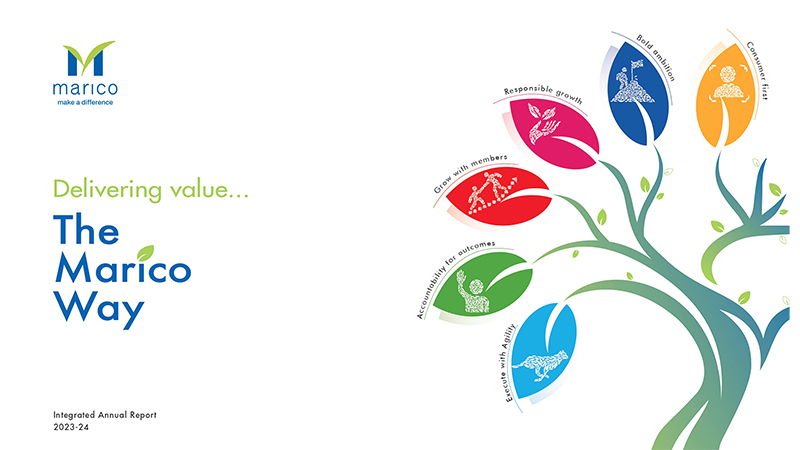
    MUMBAI: Water is life, and Marico Limited is making sure every drop counts. On World Water Day, the leading FMCG giant reaffirmed its commitment to sustainability by announcing that its Jalashay programme has created over 400 crores plus litres of water potential across Maharashtra, Tamil Nadu, and Gujarat by the end of FY25. With over 1,200 water harvesting structures and micro-irrigation systems across 230 plus acres, Marico is not just conserving water it’s reshaping communities.

    From drought-prone villages to government-designated aspirational districts, Marico’s Jalashay programme is making waves in water conservation. In Maharashtra’s Jalgaon, rainwater harvesting and infrastructure development have replenished water supplies, bringing much-needed relief to drought-hit areas. In Pondicherry, the initiative promotes rooftop rainwater harvesting and greywater treatment, ensuring sustainable water use in households and schools. Meanwhile, in Gujarat’s Dahod, Marico has constructed new water harvesting structures and carried out de-siltation of existing check dams, strengthening the region’s resilience against water scarcity and securing a sustainable water future for local communities.  

    To maximise efficiency, Marico has teamed up with ACWADAM, a leader in groundwater assessment, to develop a data-driven, scientific water management strategy. The company is also encouraging crop diversification to reduce reliance on water-intensive farming while promoting drip irrigation, green energy use, and water-resilient cropping techniques.

    Commenting about the programme on World Water Day Marico Limited chief legal officer group general counsel, and secretary of the CSR committee Amit Bhasin said, “We are committed to embedding water stewardship into our business strategy, recognizing the critical role it plays in ensuring a sustainable future. Our Jalashay programme is designed to address the complex water challenges faced by our communities and we are proud of the progress we have made so far. Taking this a step forward, we will continue to collaborate with stakeholders to drive meaningful impact and create a water availability for all.”  

    Under the Jalashay Jal Samrudhi project, Marico’s community-driven interventions have significantly improved water resource management, leading to enhanced agricultural productivity with assured irrigation that boosts crop yields. The initiative has also reduced dependency on erratic monsoons, providing farmers with greater income stability and securing their livelihoods. Additionally, by preventing soil erosion and preserving fertility, the project has contributed to better soil health, ensuring long-term sustainability for farming communities.  

    By aligning with global Sustainable Development Goals (SDGs), including Clean Water & Sanitation (SDG 6) and Responsible Consumption & Production (SDG 12), Marico is proving that corporate responsibility can create lasting environmental and social change.

  • TAM AdEx: Service sector drives 31 per cent of radio ad volumes in Jan-Jun’24

    TAM AdEx: Service sector drives 31 per cent of radio ad volumes in Jan-Jun’24

    Mumbai: TAM AdEx India has released its half-yearly report on radio advertising for Jan-Jun’24, which showed a three per cent rise in ad volumes compared to the same period in 2023.

    The services sector remained the top contributor with thirty-one per cent of total ad volumes. The auto sector climbed to second place with ten per cent, followed by banking/finance/investment at eight per cent. Together, the top three sectors accounted for nearly fifty per cent of the total ad volumes. The top ten sectors remained consistent from 2023, with minor rank shifts.

    In the top ten categories, ‘properties/real estates’ and ‘hospital/clinics’ retained first and second positions, contributing sixteen per cent and seven per cent of ad volumes, respectively. ‘Cars’ moved up to third position, recording a fifty-seven per cent growth in ad volumes. ‘Retail outlets-jewellers’ grew by twenty-nine per cent, while ‘multiple courses’ and ‘schools’ entered the top ten categories.

    LIC of India held the top spot among advertisers, followed by Maruti Suzuki India. The top ten advertisers accounted for twelve per cent of the ad volumes, with LIC Housing Finance being the leading brand, followed by Alishan and LIC Jeevan Utsav. Notably, three brands in the top ten were from the banking/finance/investment sector, and two were from the auto sector.

    Gujarat led the states with a twenty per cent share, followed closely by Maharashtra at nineteen per cent. Among cities, Jaipur topped the list, contributing nine per cent of ad volumes, with Nagpur and New Delhi following.

    Evening time (5 pm to 9:59 pm) was the most preferred time band for advertising, contributing thirty-eight per cent of ad volumes, followed by the morning and afternoon slots. Ads of twenty to forty seconds in duration were the most popular, contributing sixty-seven per cent of total ad volumes. Shorter ads (under twenty seconds) saw an increase in share compared to the previous year.