Tag: Madras high court

  • TRAI justifies tariff, QoS, interconnect orders, declines comment on jurisdiction

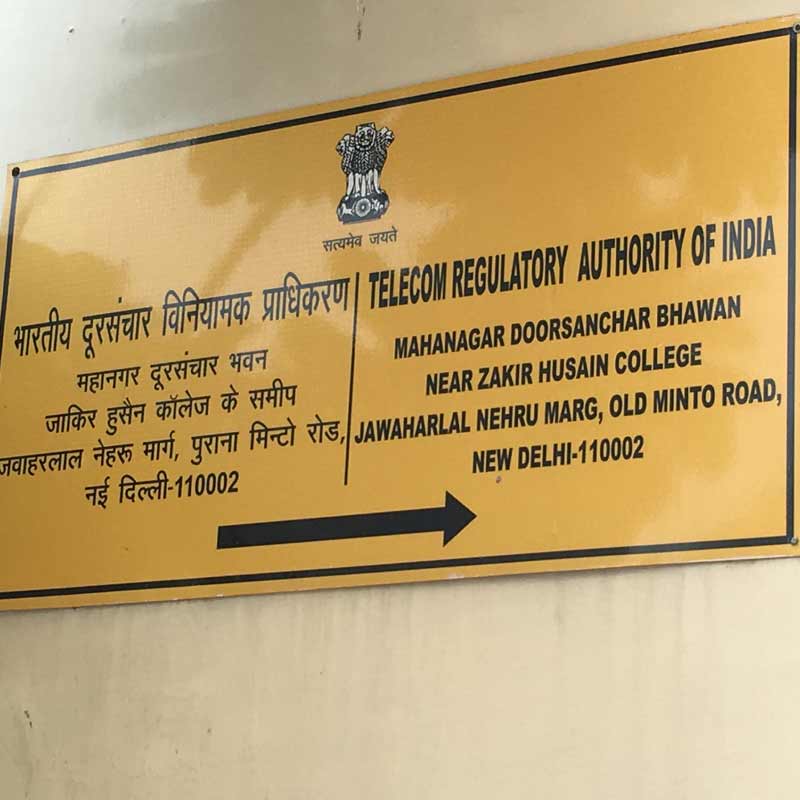
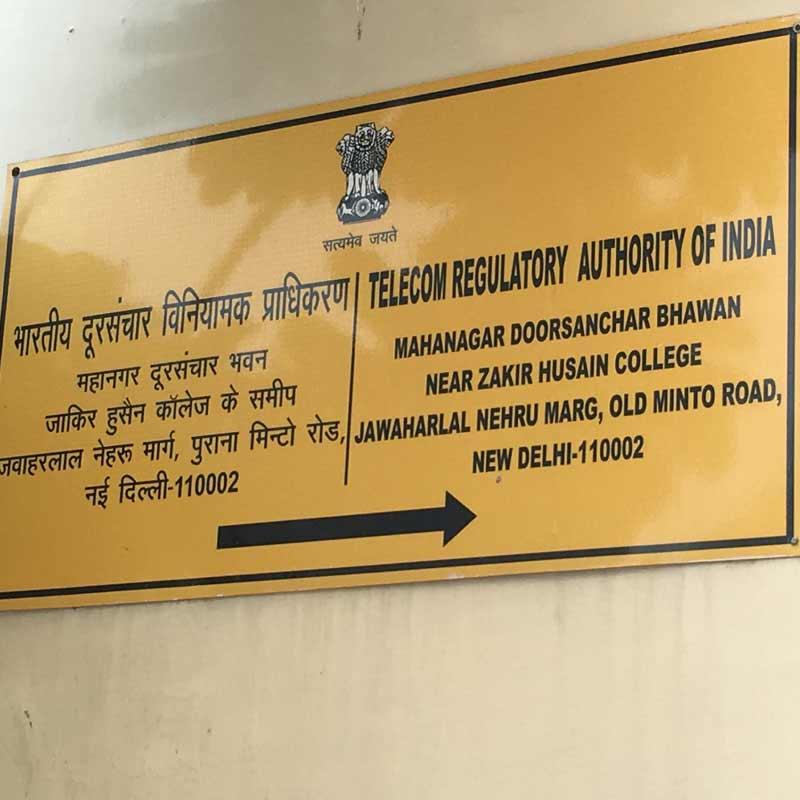
    NEW DELHI: The Telecom Regulatory Authority of India today justified the issuance of the regulations relating to tariff, interconnect and quality of service regulations relating to digital addressable system on the ground that this will bring transparency in the system.

    In a hurriedly-called press meet, principal advisor Sunil Gupta said the aim was to bring in a fair and equitable share of revenue to all stakeholders.

    However, the regulator refused to comment on whether it had the jurisdiction to issue any or all the orders as the matter was sub-judice in the Madras High Court.

    The Supreme Court, while allowing an appeal by TRAI on 3 March and vacating the stay order, had said that the Madras High Court could continue hearing the case. However, it said the case in the High Court would continue and would have to be completed within sixty days.

    Both channels were also given leave to amend their petitions in the event of TRAI issuing any orders.

    The petition had been filed by Star India and Vijay TV under the Copyright Act on the ground that TRAI could not give any directives that will affect the content since that did not fall in its purview.

    Apart from the Tariff order which had been issued on 10 October last year, the regulator also issued the DAS Interconnect Regulations which had been issued on 14 October last year, and the Standards of Quality of Service and Consumer Protection (Digital Addressable Systems) Regulations which had been issued on 10 October last year.

    A cursory glance shows that the regulator has stuck to its draft with some incidental changes.

    The orders can be seen at:
    http://trai.gov.in/sites/default/files/Tariff_Order_English_3%20March_2017.pdf
    http://www.trai.gov.in/sites/default/files/QOS_Regulation_03_03_2017.pdf
    http://www.trai.gov.in/sites/default/files/Interconnection_Regulation_03_mar_2917.pdf

    Also read:

    TRAI tariff & quality of services regulations
    TRAI issues comprehensive interconnect draft guidelines

    Offer Premium channels as a la carte, don’t bundle: TRAI

  • Star-Vijay Copyright case hearing next week, TRAI to file counter

    NEW DELHI: The petition under the Copyright Act in the Madras High Court challenging the jurisdiction of the Telecom Regulatory Authority of India is to be heard on 15 March 2017 as the regulator has sought more time to file a counter-affidavit in the matter.

    The time was also sought for more time as both Star India and Vijay TV amended their plaint and prayer in the light of the order of the in the light of the Supreme Court vacating the stay order earlier granted by the High Court. The Court had initially adjourned to 17 March but preponed it to 15 March as one counsel said he would not be available on 17 March.

    The broadcasters have pleaded that the regulator has no jurisdiction over matters relating to intellectual property rights.

    The Bench comprising Justice S Nagamuthu and Justice Anitha Sumanth was informed by All India Digital Cable Federation (AIDCF) counsel A L Sundaresan and Star counsel P S Raman about the proceedings in the appeal by TRAI in the apex court. TRAI was represented by P Wilson while Additional Solicitor General G Rajagopalan represented the Central Government.

    Even as TRAI objected to the amendment and sought time for a counter, AIDCF informed the court that the notification itself provides that the effective provisions will come into effect after 30 days from date of publication (or in some cases, more than 30 days), hence the stay should not be granted. AIDCF also submitted that even on merits, a stay ought not to be granted.

    AIDCF informed the Court that Star may be directed to furnish copies of all documents and pleadings filed, to which the judge orally informed the counsel for Star to furnish the same.

  • TRAI jurisdiction: Madras HC yes to MSOs as interveners, no as impleaders

    NEW DELHI/MUMBAI: The Madras High Court yesterday gave concession to the MSOs allowing them to intervene on matters of law under consideration. But, the court refused to let them implead, via AIDCF, in a case filed by broadcasters (content generators) challenging whether regulator TRAI can have jurisdiction over commercial issues relating to copyright of content.

    Both sides — petitioners Star TV and Vijay TV and All India Digital Cable Federation (AIDCF) — viewed the court stand as a moral victory.

    Star TV and Vijay TV had moved the Madras High Court pleading that Telecom Regulatory Authority of India (TRAI), India’s broadcast carriage and telecoms regulator, didn’t have jurisdiction to issue guidelines that had a bearing on tariff of content, both TV and film, especially if such issues were also governed under the copyright law.

    In an official statement, AIDCF said the court was “pleased to permit AIDCF to participate in the proceedings as (an) intervener” allowing it to “file all relevant material, make oral submissions and file written submissions in the main writ petition.”

    The AIDCF statement, quoting organisation president and Hathway video division CEO TS Panesar, said, “We are delighted to note the decision of the Madras High Court in recognising us as an important stakeholder in this matter.”

    A source close to the petitioners, however, described the court’s decision as “disallowing” MSOs to directly implead in the main writ petition, the same way as it had not allowed Indian Broadcasting Foundation (IBF) to implead itself in the case. “AIDCF can only intervene on the main matters of law under consideration, which is whether TRAI has jurisdiction over copyright issues relating to content,” the source opined.

    TRAI, which has been trying to bring about semblance of order in the broadcast and cable sector in India via various guidelines, could not be reached for comments by indiantelevision.com till the time of writing this report. However, TRAI chairman RS Sharma had told indiantelevision.com in an year-end interview in December 2016 that the regulator’s main aim behind issuing draft guidelines relating to broadcast and cable tariff, quality of service and interconnection was to reduce litigation amongst stakeholders and create a broad playing arena for all players, including the consumers.

    Industry sources had indicated that the MSOs had moved the court as they apprehended viewpoints of distribution platforms of TV services in India, notably the MSOs, may not be heard; especially when they have views that don’t converge with those of the petitioners on all aspects of the petition.

    However, there is lack of clarity on the status of the petition filed by Videocon D2H, a distribution platform, to get impleaded in the aforementioned case being heard by Madras HC. The matter is listed for another round of hearing 7 March, 2017.

    Incidentally, the Supreme Court, petitioned by TRAI, had refused to intervene in the case being heard by Madras HC and had stated in its last hearing few days back that it would wait for the outcome at the high court, listing TRAI appeal for a March-end hearing.

    ALSO READ:

    SC keeps TRAI request on tariff pending till Madras HC completes hearing

    TRAI jurisdiction: IBF plea dismissed, AIDCF impleadment decision on 22 Feb

    MSOs join issues with TRAI tariff plea at Madras HC

    Tariff order: Don’t notify without SC nod, TRAI told; Madras HC case to continue

  • SC keeps TRAI request on tariff pending till Madras HC completes hearing

    NEW DELHI: The Supreme Court today refused to step in to allow TRAI to issue final broadcast tariff regulations, saying it would wait for the final outcome of a case in Madras High Court on a similar matter. The case in the apex court now has been listed for late March.

    TRAI had filed a special leave petition in SC requesting quashing of a Madras HC order stopping it from issuing tariff guidelines till it disposed of a petition filed by Star TV and Vijay TV relating to whether TRAI can frame rules relating to tariff and copyright laws, both   Indian and international.

    About 10 days back TRAI, as directed by the SC earlier, had submitted in a sealed envelope its final broadcast tariff guidelines seeking permission to notify the same.

    The apex court, while directing TRAI that it could continue with its regulation-framing exercise and also argue the matter in the Madras High Court had directed that before mandating any fresh rules, the broadcast and telecoms regulator should seek its permission.

    The Madras HC high court had asked TRAI to maintain status quo on tariff guidelines till full hearing of the case filed by Star India and Vijay TV. The court would later this month also hear the case of Indian MSOs’ industry organisation, AIDCF, which had requested to be impleaded in the Star TV and Vijay TV vs. TRAI case and be heard.

    Also Read:

    MSOs join issues with TRAI tariff plea at Madras HC

    Tariff order: Don’t notify without SC nod, TRAI told; Madras HC case to continue

    DAS Phase IV pace slack; MIB to meet Indian STB makers

    TRAI jurisdiction: IBF plea dismissed, AIDCF impleadment decision on 22 Feb

  • MSOs join issues with TRAI tariff plea at Madras HC

    MSOs join issues with TRAI tariff plea at Madras HC

    MUMBAI: In a fresh twist to a face-off between broadcasters and regulator TRAI over tariff matters vis-a-vis international and Indian copyright laws, country’s MSOs have joined issues requesting Madras High Court to hear their views too.

    According to cable industry sources, All India Digital Cable Federation (AIDCF), India’s apex body for digital multi-system operators (MSOs), has impleaded itself in the case and urged the Madras High Court — hearing a case filed by Star India and Vijay TV filed against Telecom Regulatory Authority of India (TRAI) over draft tariff guidelines — that while disposing off the case it’s viewpoints should also be heard and taken into account.

    The sources indicated that the MSOs had moved the court about 10 days back as they apprehended the viewpoints of  distribution platforms of TV services in India, notably the MSOs, may not be heard; especially when they have views that don’t converge with those of the petitioners on all aspects of the petition.

    Though Indiantelevision.com was not able to get full details of the MSOs’ stand in the court, industry observers explained that the presence of distributors of TV services in Madras HC makes the case interesting as the Indian Broadcasting Foundation (IBF) too has urged to be heard during the hearing of the case.

    After Star India and Vijay TV had moved the Madras High Court appealing against TRAI’s jurisdiction to pass guidelines over tariff and commercial matters where copyrights was involved relating to content, the regulator had moved the Supreme Court seeking succour.

    However the apex court, while  directing TRAI that it could continue with its regulation-framing exercises and seek its nod before mandating guidelines, also observed that the regulatory body should argue its case before the Madras High Court, declining to stay proceedings in the high court.

    The high court had asked TRAI to maintain status quo on tariff guidelines till full hearing of the case filed by Star India and Vijay TV. The next hearing is scheduled middle of this month.

    ALSO READ:

    Tariff order: Don’t notify without SC nod, TRAI told; Madras HC case to continue

    TRAI tariff: Madras HC extends status quo; SC to hear regulator’s appeal on 16 Jan

    Maintain status quo on broadcast guidelines, Madras HC tells TRAI

  • MSOs join issues with TRAI tariff plea at Madras HC

    MSOs join issues with TRAI tariff plea at Madras HC

    MUMBAI: In a fresh twist to a face-off between broadcasters and regulator TRAI over tariff matters vis-a-vis international and Indian copyright laws, country’s MSOs have joined issues requesting Madras High Court to hear their views too.

    According to cable industry sources, All India Digital Cable Federation (AIDCF), India’s apex body for digital multi-system operators (MSOs), has impleaded itself in the case and urged the Madras High Court — hearing a case filed by Star India and Vijay TV filed against Telecom Regulatory Authority of India (TRAI) over draft tariff guidelines — that while disposing off the case it’s viewpoints should also be heard and taken into account.

    The sources indicated that the MSOs had moved the court about 10 days back as they apprehended the viewpoints of  distribution platforms of TV services in India, notably the MSOs, may not be heard; especially when they have views that don’t converge with those of the petitioners on all aspects of the petition.

    Though Indiantelevision.com was not able to get full details of the MSOs’ stand in the court, industry observers explained that the presence of distributors of TV services in Madras HC makes the case interesting as the Indian Broadcasting Foundation (IBF) too has urged to be heard during the hearing of the case.

    After Star India and Vijay TV had moved the Madras High Court appealing against TRAI’s jurisdiction to pass guidelines over tariff and commercial matters where copyrights was involved relating to content, the regulator had moved the Supreme Court seeking succour.

    However the apex court, while  directing TRAI that it could continue with its regulation-framing exercises and seek its nod before mandating guidelines, also observed that the regulatory body should argue its case before the Madras High Court, declining to stay proceedings in the high court.

    The high court had asked TRAI to maintain status quo on tariff guidelines till full hearing of the case filed by Star India and Vijay TV. The next hearing is scheduled middle of this month.

    ALSO READ:

    Tariff order: Don’t notify without SC nod, TRAI told; Madras HC case to continue

    TRAI tariff: Madras HC extends status quo; SC to hear regulator’s appeal on 16 Jan

    Maintain status quo on broadcast guidelines, Madras HC tells TRAI

  • Tariff order: Don’t notify without SC nod, TRAI told; Madras HC case to continue

    Tariff order: Don’t notify without SC nod, TRAI told; Madras HC case to continue

    NEW DELHI: Declining to stay proceedings in the Madras High Court, the Supreme Court today said the Telecom Regulatory Authority of India could continue with its work relating to consultation papers and tariff orders, but will not notify these without first referring them to the apex court.

    The apex court direction came on an appeal by TRAI against an order of the Madras High Court. When contacted by indiantelevision.com, TRAI said it has no comments to make on the Supreme Court directive or on the course of action in the high court.

    The high court had, on 12 January 2017, extended the status quo ordered by it on 23 December 2016 with regard to any tariff orders or regulations for the broadcast sector that related to copyrights issue. The HC was informed that India’s telecoms and broadcast regulator had filed an appeal in the Supreme Court. After today’s apex court directive, the case filed by Star TV and Vijay TV will come up in the Madras High Court as slated on 19 January 2017.

    The petitioner-broadcasters had sought to argue that the TRAI orders on tariff regulations were broadly in conflict with the Copyright Act 1957. Pending the full hearing of the case, TRAI would not be able to pass any guidelines for issues such as broadcast tariff, broadcast interconnect, etc.

    A few months ago, TRAI had issued draft guidelines on tariff, interconnect and quality of service wherein it had suggested various parameters for stakeholders of the broadcast and cable sectors.

    It may be recalled that the Indian Broadcasting Foundation (IBF) had said in a submission to the TRAI drafts last year that the exercise was in direct conflict with the provisions of the Copyright Act and other international copyrights laws, especially the Berne Convention. The IBF had said the Copyright Board is fully empowered to adjudicate upon disputes between any person and Content or Broadcast Reproduction Rights owners. Hence the Copyright Act and Rules provide for protection, monetisation, enforcement and adjudication procedures for all copyrightable work and broadcast reproduction rights.

    Meanwhile, weighing in with the IBF, Asian pay TV industry body CASBA today in a statement said that it has long expressed concern about India’s previous rate regulations, which included a cable retail price freeze imposed in 2004 “until the market became more competitive” and never revoked.

    Also read:   TRAI regulations threaten investment, warns CASBAA

    Also read:   Maintain status quo on broadcast guidelines, Madras HC tells TRAI

    Also read:   TRAI tariff: Madras HC extends status quo; SC to hear regulator’s appeal on 16 Jan

  • Tariff order: Don’t notify without SC nod, TRAI told; Madras HC case to continue

    Tariff order: Don’t notify without SC nod, TRAI told; Madras HC case to continue

    NEW DELHI: Declining to stay proceedings in the Madras High Court, the Supreme Court today said the Telecom Regulatory Authority of India could continue with its work relating to consultation papers and tariff orders, but will not notify these without first referring them to the apex court.

    The apex court direction came on an appeal by TRAI against an order of the Madras High Court. When contacted by indiantelevision.com, TRAI said it has no comments to make on the Supreme Court directive or on the course of action in the high court.

    The high court had, on 12 January 2017, extended the status quo ordered by it on 23 December 2016 with regard to any tariff orders or regulations for the broadcast sector that related to copyrights issue. The HC was informed that India’s telecoms and broadcast regulator had filed an appeal in the Supreme Court. After today’s apex court directive, the case filed by Star TV and Vijay TV will come up in the Madras High Court as slated on 19 January 2017.

    The petitioner-broadcasters had sought to argue that the TRAI orders on tariff regulations were broadly in conflict with the Copyright Act 1957. Pending the full hearing of the case, TRAI would not be able to pass any guidelines for issues such as broadcast tariff, broadcast interconnect, etc.

    A few months ago, TRAI had issued draft guidelines on tariff, interconnect and quality of service wherein it had suggested various parameters for stakeholders of the broadcast and cable sectors.

    It may be recalled that the Indian Broadcasting Foundation (IBF) had said in a submission to the TRAI drafts last year that the exercise was in direct conflict with the provisions of the Copyright Act and other international copyrights laws, especially the Berne Convention. The IBF had said the Copyright Board is fully empowered to adjudicate upon disputes between any person and Content or Broadcast Reproduction Rights owners. Hence the Copyright Act and Rules provide for protection, monetisation, enforcement and adjudication procedures for all copyrightable work and broadcast reproduction rights.

    Meanwhile, weighing in with the IBF, Asian pay TV industry body CASBA today in a statement said that it has long expressed concern about India’s previous rate regulations, which included a cable retail price freeze imposed in 2004 “until the market became more competitive” and never revoked.

    Also read:   TRAI regulations threaten investment, warns CASBAA

    Also read:   Maintain status quo on broadcast guidelines, Madras HC tells TRAI

    Also read:   TRAI tariff: Madras HC extends status quo; SC to hear regulator’s appeal on 16 Jan

  • TRAI tariff: Madras HC extends status quo; SC to hear regulator’s appeal on 16 Jan

    TRAI tariff: Madras HC extends status quo; SC to hear regulator’s appeal on 16 Jan

    NEW DELHI: The Madras High Court today extended to 19 January 2017 the status quo with regard to any TRAI tariff orders or regulations for the broadcast sector in a case by Star TV and Vijay TV.

    Meanwhile, the Supreme Court is scheduled to hear on 16 January 2017 the appeal by the Telecom Regulatory Authority of India against this interim order issued last month by Madras HC.

    In the Madras High Court, the broadcasters had sought to argue that the TRAI orders are in conflict with the Copyright Act 1957. As a result of that court order and pending the full hearing of the case, TRAI would not be able to pass any guideline for issues such as broadcast tariff, broadcast interconnect, and quality of services.

    A TRAI spokesperson said that although it was still waiting to receive the order from the Court, one immediate result would be that the draft tariff and interconnect guidelines issued by the regulator will be subject to the order of the High Court in this regard unless the apex court accepted the regulator’s appeal.

    A few months ago, TRAI had issued draft guidelines on tariff interconnect and quality of service, while TRAI chairman RS Sharma had told indiantelevision.com earlier this month that the regulator would come out with its final recommedation by the end of the year.

    It may be recalled that the Indian Broadcasting Foundation had also said in a submission to TRAI that the regulator’s draft guidelines were in direct conflict with the provisions of the Indian Copyright Act and similar regulations under the Berne Convention.

    The IBF had said the Copyright Board is fully empowered to adjudicate upon disputes between any person and Content or Broadcast Reproduction Rights owners. Hence the Copyright Act and Rules provide for protection, monetisation, enforcement and adjudication procedures for all copyrightable work and broadcast reproduction rights.

    Also read: Maintain status quo on broadcast guidelines, Madras HC tells TRAI

  • TRAI tariff: Madras HC extends status quo; SC to hear regulator’s appeal on 16 Jan

    TRAI tariff: Madras HC extends status quo; SC to hear regulator’s appeal on 16 Jan

    NEW DELHI: The Madras High Court today extended to 19 January 2017 the status quo with regard to any TRAI tariff orders or regulations for the broadcast sector in a case by Star TV and Vijay TV.

    Meanwhile, the Supreme Court is scheduled to hear on 16 January 2017 the appeal by the Telecom Regulatory Authority of India against this interim order issued last month by Madras HC.

    In the Madras High Court, the broadcasters had sought to argue that the TRAI orders are in conflict with the Copyright Act 1957. As a result of that court order and pending the full hearing of the case, TRAI would not be able to pass any guideline for issues such as broadcast tariff, broadcast interconnect, and quality of services.

    A TRAI spokesperson said that although it was still waiting to receive the order from the Court, one immediate result would be that the draft tariff and interconnect guidelines issued by the regulator will be subject to the order of the High Court in this regard unless the apex court accepted the regulator’s appeal.

    A few months ago, TRAI had issued draft guidelines on tariff interconnect and quality of service, while TRAI chairman RS Sharma had told indiantelevision.com earlier this month that the regulator would come out with its final recommedation by the end of the year.

    It may be recalled that the Indian Broadcasting Foundation had also said in a submission to TRAI that the regulator’s draft guidelines were in direct conflict with the provisions of the Indian Copyright Act and similar regulations under the Berne Convention.

    The IBF had said the Copyright Board is fully empowered to adjudicate upon disputes between any person and Content or Broadcast Reproduction Rights owners. Hence the Copyright Act and Rules provide for protection, monetisation, enforcement and adjudication procedures for all copyrightable work and broadcast reproduction rights.

    Also read: Maintain status quo on broadcast guidelines, Madras HC tells TRAI