Tag: Madison World

  • The Content Hub: Segmented channels predict good future for themselves

    The Content Hub: Segmented channels predict good future for themselves

    MUMBAI: The Indian television industry is undergoing a sea change in terms of the content that is being created, both on television and online, long as well as short format. With an increasing need for dynamic creators and scriptwriters, Indiantelevision.com’s first edition of The Content Hub aims to bring together writers, creators, producers, artistes and broadcast executives to discuss with those involved in the content creation process.


    Opening the session was Indiantelevision.com founder, CEO and editor in chief Anil Wanvari, who spoke about how current Indian shows run for more than 1000 episodes while the audience and time spent on digital is shooting up. “We need to create engaging content by rethinking whether we need a time shift, seasonal shows, social programmes or younger producers,” said Wanvari.


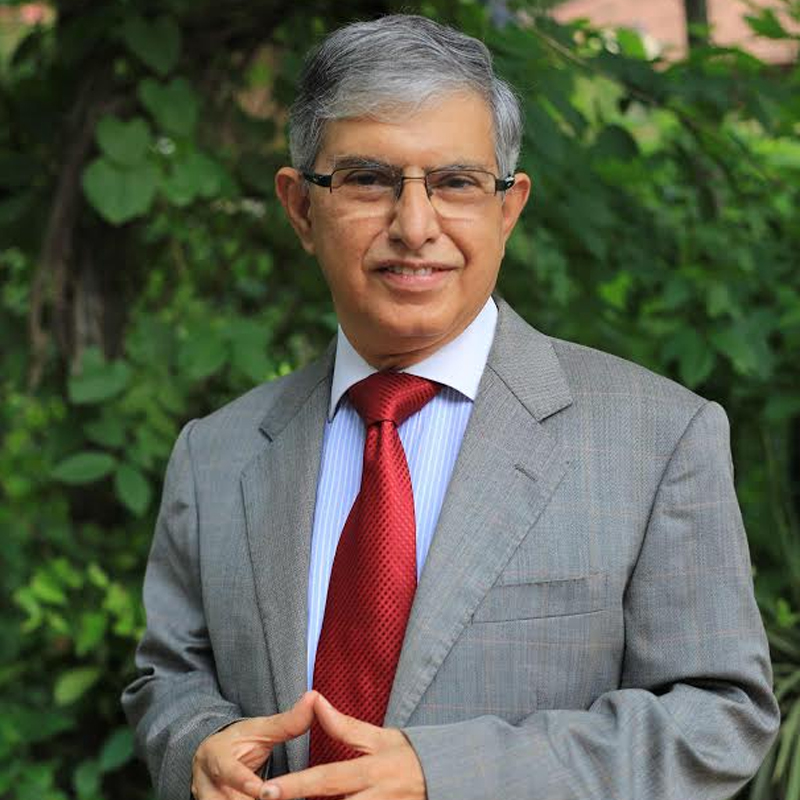
    The first session dealt with the risk taking broadcasters of the industry in which Madison World chairman Sam Balsara spoke to Epic Television Networks CEO Mahesh Samat and Reliance Broadcast Network Tarun Katial.


    Balsara started off the session by asking the two about their attempts to disrupt content in the traditional general entertainment channel (GEC) space. Samat said that over the years, the GECs have seen a very few changes and it is only in the last two or three years, due to some impact of digitisation, there has been a little shift.  He compared the current television industry scenario to the film industry where earlier only one type of movies were produced due to single screens and now due to proliferation of multiplexes there is a variety.


    Balsara said that every GEC has the type of content that Epic is trying to segment into its channel. “I am told that people watch shows, not channels?” he questioned. To this Samat took up the example of the US where in the last 25 years all the channels that have come up are segmented. To this, Katial said that the top three GECs could afford to do general content while channels beyond that have to think differently. “Truly there are only three GECs in India- Star Plus, Zee TV and Colors while Sony is largely crime and similar to that is Life OK. Sab is segmented for comedy and so is Big Magic. A lot of our growth has come from geography segmentation,” said Katial.


    Balsara pointed out that the time where people in India will pay to watch good content is still very distant, so what will be a viable model? Katial said that he doesn’t feel there is space for niche segmented content because the investment needs to be if not more then as much as what a Hindi GEC can put with also a good amount of distribution cost. “Abroad, large GECs are terrestrial and free to air. Here to create content that needs to fill three hours daily can hamper the economics and to reach 50-60 GRPs you have to play the lowest common denominator game. When you segment and get to 15-20 GRPs, no Madison will pay you the ER,” he pointed out.


    Balsara with his years of experience said that ad revenue is limited due to limited viewership because while segmented channels ask for lakhs of rupees, GECs have a CPRP of about Rs 20000 to Rs 25000. “Why would a brand buy something at five times the cost if it is available at one fifth the price?” he questioned.


    The way forward according to Katial is actually the viewership but if original content needs to be created then high investment is needed. “Channels such as FoodFood and Discovery have content with limited cost and limited distribution (restricted to urban areas) but for original content the P&L gets to Rs 300 crore,” said Katial. Answering Balsara’s question of high a-la-carte rates of channels, Samat said that a certain amount of reach and GRPs are needed before the channel can be made affordable.


    “10 years ago people laughed at DTH and look at how things are now. So subscription isn’t far off. If you make the right content with limited episodes, syndication will get you money,” highlighted Samat. He added that current long format shows don’t allow syndication.


    Balsara highlighted the language difference between English and Hindi wherein English papers command high ad revenue while English channels are almost inconsequential. To this Katial said that English papers create influence while English channels sell products. “The English viewer is hooked to other screens but not set for standard TV viewing format,” he stated.


    With several growing mediums, Balsara asked if today content is created with only TV in mind to which Samat said, “We are developing content ‘forever’ that can make money even afterwards. More than screens, we should now look at longevity.”


    In response to Balsara’s question of adapting several international formats Katial said that there is no shame in legally doing so since it has a success track record. “When you put Rs 1 crore or Rs 2 crore behind such shows, every management wants to see it has worked before and so do advertisers,” he said. Samat said that the option of creating or adapting a format lies totally on the economics of the channel.
  • Advertising agencies keenly await Budget 2014

    Advertising agencies keenly await Budget 2014

    MUMBAI: Thanks to elections, the year started with a bang for the media and entertainment (M&E) industry.

    The political parties didn’t hesitate to spend on the various mediums – print, TV, digital, OOH – to woo the voters. Various studies by media agencies also estimated that advertising by political parties will boost the AdEx by up to +2.5 per cent.

    This apart, the year is estimated to be good for the industry. With ad spends of most FMCG companies on the rise to ride on the back of higher disposable income due to election spending and recent RBI policies leading to a more favourable business environment, the industry is hoping for healthy year even with various issues (digitisation, ad cap, service tax, FDI etc) gripping it.

    Indiantelevision.com spoke to various advertising agencies heads to know what they are expecting from the budget.

    Dentsu Aegis Network chairman & CEO South Asia Ashish Bhasin

    Service tax should be rationalised, the surcharge on it should be removed and also the quantum of it should be reduced a bit. It can be noted that the process and procedure of collecting service tax is cumbersome. What we as an industry want is transparency in this process. I am also keen to watch some FDI in media in the coming days.

    Perfect Relations founding partner Dilip Cherian

    Undoubtedly, there are high expectations from the Budget and it remains to be seen how Finance Minister Arun Jaitley goes about restoring growth while reining in the deficit. We need something that in the next six months will start generating revenue for the long run. A push in the infrastructure sector is vital because that will help growth of the core sectors — steel, cement, construction etc and create jobs. I would like to see Jaitley spell out his plans for this vital sector, which will also have a long lasting impact on the economy. The introduction of the goods and services tax (GST) has been delayed for far too long. Though this is a point of contention between the Centre and the states, I would be happy to see some positive movement on this front.

    FCB Ulka Group chairman Nagesh Alai

    The days of seeking specific tax sops or concessions are really over, more so when over the years a fair amount of tax rationalisation has already happened. How do you expect the government to run the country? However I do expect the government to stick to its promise of withdrawing the one time surcharge of 10 per cent which was imposed for the FY 2013-14, but there has been no notice of that withdrawal yet. Secondly, the authorities should also honour their commitment of timely refunds to assesses rather than putting counter pressures in the months running up to March every year by arbitrary add-backs and demands, which is just a ruse to keep refunds on hold.   In the interest of avoiding short termism and addressing the macro-economic issues effectively so that the fiscal and revenue deficits can be plugged, we should seriously consider having a fixed budget for say three or five years. This will bring about a stability of tax regime and also help all constituents plan better, including the government. The annual budget exercise has perhaps become a lobbying exercise for political and power brokers.  Lastly, agriculture income should be brought into the tax net. It is an anachronism – and is perpetuated for the benefit of the few rich politically powerful people.

    Madison World chairman and MD Sam Balsara

    I don’t think my expectations from the budget are unique or different from what the nation expects. I expect the budget to do more than its bit to grow the economy which is the major need of the hour. Whatever is required to give a shot in the arm to the economy, the budget must do. This year’s budget is going to be specially important because it is the first budget that the BJP will present after its landslide victory and all Indians, as well as global businesses are going to evaluate it and form an impression about the future of India. The Finance Minister is keenly aware of this and being an intelligent and practical man, I am sure he will not miss this opportunity, nor will he try to pull wool over our eyes. Whatever it takes to spearhead growth, he should do, be it GST, divestment, roping in more tax payers especially at the top end or abolishing retrospective tax loss, etc. What is good for the economy is good for the advertising industry.

    Global Advertisers MD Sanjeev Gupta

    After achieving a historic victory in General Elections 2014, we have high expectations from the newly-elected Modi-led government. From an outdoor advertising industry perspective, we believe that our growth is the reflection of development in our country.  Better infrastructure, improved road connectivity, advance transport mediums, enhanced public spaces give us opportunities to connect with end consumer. India is likely to emerge as the world’s largest middle class consumer market with aggregated consumer spends of $ 13 trillion by 2030. With increasing population and their demand, it has become essential for MNCs / SMEs to be visible on different advertising mediums to promote their services / products. Therefore, outdoor advertising industry needs government support to grow in the future. We would like the center government to focus on creating new opportunities for us, allow FDIs, develop transparent policies and reforms, and address tax issues and licensing procedure of public structures. We wish to see changing India, growing India.

  • ‘Ad pie shifting towards Indian language newspapers’ : Dainik Jagran Shailesh Gupta

    ‘Ad pie shifting towards Indian language newspapers’ : Dainik Jagran Shailesh Gupta

    Shailesh Gupta, director of Dainik Jagran, has been in the print media industry for more than 18 years. He was recently elected chairman of the Audit Bureau of Circulations (ABC), which provides audited newspaper sales figures every six months, replacing Madison World CEO Sam Balsara. Gupta is also a member of The Indian Newspaper Society (INS).


    Gupta has been a director at Jagran since 1994 driving the newspaper group‘s advertisement and marketing functions.


    In conversation with Indiantelevision.com, Gupta says Tier 2 and 3 towns are now the new volume drivers for newspapers and we now see the advertising pie shift in proportionate terms in favour of Indian language newspapers.

    Excerpts:


    As there is a shift from newspapers to online, the reading habits are changing. What does this mean for the newspapers?
    As a group, we already have a presence in Mumbai with MidDay, MidDay Gujarati,Inquilab and City Plus. There‘s a sizeable presence that we have in the city, and all these brands are growing and doing well. The decision on Dainik Jagran entering Mumbai in the future would depend upon the market forces and many other considerations.


    Any plan of expanding in southern market through an acquisition?
    We currently have a presence in South through City Plus in Bangalore and Hyderabad. Once again the question of acquisition would depend upon the opportunity in question and the prevalent market environment. It would not be fair to conjecture on that as of now.


    The difficult economic conditions have continued in 2012-2013. How do you see the next six months?
    Yes, it‘s been a difficult year in terms of advertising revenue growth. The market sentiment is muted, but there is growth. With the policy level changes taking place, and the festive season coming up, the outlook is more positive for the rest of the year.


    Last year competition drove cover prices down. Do you see the pressure continuing?
    In our markets, we‘ve steadied and increased cover prices instead of reducing. Circulation growth too has happened.


    ‘Our digital portfolio consists of over 12 sites across genres and with over 8.5 million unique visitors, it‘s one of the leaders in the space. And this is just the beginning‘


    The advertisers in Hindi and other Indian language newspapers have still not fully recognised the improved demography of their readership and are not prepared to give advertisement rates that English newspapers command. Why?
    The fact that the market is rapidly shifting to the Tier 2 and Tier 3 towns is a reality. Marketers have increasingly started looking at these markets very seriously for both volumes and growth. From a marketer‘s point of view, it‘s a market that‘s most important, and if the market is sizeable enough, investment flow is commensurate. Historically, the metros provided small geographies with a high concentration of target audiences and the resultant sales volumes. English dailies dominated these metro geographies and at times earned a premium versus the other languages. However, with Tier 2 and 3 towns now being the new volume drivers, the situation has changed completely and we now see the advertising pie shift in proportionate terms.
     

    Is it possible that Hindi language newspaper publishers will agree not to lower their cover price till ad rates are on par with English newspapers?
    The business environment for English in metros and Hindi papers differ significantly as far as the cost structures are concerned. An English paper sells for example at a price of Rs 4 in the metro markets with an average pagination of 40 pages, and the cost structures of the metro notwithstanding. Contrast that with a Hindi newspaper, with an average pagination of 22-24 pages and priced at Rs 3, with a very different cost structure. The differences are all too apparent. The factors behind cover price determination are very different from the factors behind ad rate pricing. Having said that, the model of the Indian newspaper industry is based fundamentally on lower cover prices, high circulation and a higher dependence on ad revenues – and this is true across the board for all languages including English. At the same time, Indian language newspapers have a sizeable part of the revenue coming in from the local markets, which normally are not greatly impacted by macro-economic changes – either positive or negative. Ad rates are a function of position in the market, importance of the market, the prevailing competitive environment and the individual cost structures apart from a lot of other factors.


    What helped Jagran to beat the industry trend and grow at a faster pace?
    We‘ve always believed in realistic planning and extremely focused implementation – these probably are the two central pillars of our work ethic which have yielded results. Other key factors are quick response times, empowered teams, the ability to provide customised solutions, and above all transparency in our working. Innovation is another key driving factor. We study ongoing trends in the market, anticipate a scenario and are able to innovate accordingly.


    What are the plans for Dainik Jagran‘s digital platform? What kind of investments are you planning to make in the digital space?
    We‘ve been very serious about our digital delivery platforms and had taken a lead in investing in this platform as early as year 2000. We have a dedicated digital team that‘s working to distribute the Jagran content across multiple digital platforms and devices. Our digital portfolio consists of over 12 sites across genres and with over 8.5 million unique visitors, it‘s one of the leaders in the space. And this is just the beginning.


    Last year Mid Day and Mid Day Gujarati did well. What is the trend in the current year?
    MidDay is on a growth path – both on the circulation and readership level as well as at the product level. Over the last 3 years, MidDay has seen a good growth – this has come on the back of an improved product. Same goes for MidDay Gujarati – it‘s now the No.2 Gujarati paper in Mumbai and has grown on all counts.


    Last year you were not able to meet the ad revenue target, how do you see things this year?
    We‘ve been realistic with our planning and our expectations. We have a plan for the ongoing year, and we‘re progressing as per the plan.


    Which medium are you banking upon to promote Jagran?
    The biggest platform that we use to promote Jagran is our own existing platform – there‘s no bigger platform that reaches out to almost 70 mn readers and an 8.5mn+ unique digital audience. Add to this our OOH reach pan India. Additionally, we use Radio, TV and some targeted trade and business mediums.


    What is your agenda as the head of Audit Bureau of Circulation?
    The priority at ABC is to bring about a more transparent system, evolve the ABC as a currency and make it a powerful decision making tool for the industry.


    What are the drawbacks that ABC faces?
    There are no drawbacks as such. But clearly we will need to march ahead, look at the changes in the environment, and be able to evolve the currency to reflect the changes. For this, we will need to have all publishers on the same page. It will be important to consider suggestions and opinions of all stakeholders to create a robust and transparent currency – one that truly reflects what‘s happening in the marketplace.


    Will you increase the frequency of audit of circulation figures from six months to quarterly?
    This again is a decision that needs to be taken by the body in consensus with all the stakeholders. As I said, the first priority above all else is to evolve the ABC as a currency and make it a powerful decision making tool for the industry.

  • OnMobile, Madison World float JV for mobile marketing

    OnMobile, Madison World float JV for mobile marketing

    MUMBAI: India‘s leading telecom VAS provider OnMobile Global Limited and Madison World are floating a joint venture mobile marketing company where both will have equal stake.

    The new company, Kabuza Marketing, will aim at tapping into the rapidly growing mobile marketing opportunities in India and the Indian sub-continent.

    Says OnMobile CEO, chairman and co-founder Arvind Rao, “This joint venture is one of its kind and has the potential to revolutionise both the mobile VAS and the traditional marketing functions. With the onset of 3G, this venture will open up even newer opportunities for more impactful marketing campaigns. It will successfully leverage the mobile reach, installed infrastructure and telecom operator relationships of OnMobile and the marketing and advertising capabilities, client base and market presence of Madison World.”

    The joint venture will open up new direct sales and revenue channels for marketers using mobile. It will focus on leveraging the OnMobile multi-channel advertising & marketing platform which uses various channels including AdRBT, SMS, USSD, WAP, Video, and Audio. Madison World, on the other hand, is a diversified communications group that has specialist units in advertising, media, Out-of-Home, PR, retail, entertainment, mobile and sports.

    Says Madison World chairman and managing director Sam Balsara, “What excites me about mobile is its interactive, personalised and always-on attributes accompanied by unbelievable reach in numbers (600 million+). So far we have thought of mobile as an advertising medium given its high reach but the total advertising market in India is restricted to about Rs. 20,000 crores, where as the potential opportunity to sell products and services and conduct commerce through mobile is Rs. 200,000 crores and our attempt is to tap into this opportunity which should provide top marketers a cost effective distribution channel, bring in a lot of long tail businesses, in addition to large marketers, into the gamut and provide consumers a convenient option to order and pay for products and services through the comfort and convenience of their very own mobile”.

    The venture will involve the blending of OnMobile‘s mobile platforms, software, operational expertise and knowledge in the mobile marketing realm with Madison‘s marketing insights, relevant client base and innovative offerings.

    The JV hopes to get a jump-start in building up a vibrant marketing base to serve merchants, advertisers, corporate clients and telecom operators while providing consumers with valuable deals and discount offers and an opportunity to buy conveniently.


  • PMG signs five-year deal with Sehwag

    PMG signs five-year deal with Sehwag

    MUMBAI: Madison World‘s sports marketing company, Professional Management Group (PMG), has signed a five-year deal with Virender Sehwag to kick-start its Sports Celebrity Management vertical. With the entry into sports celebrity management, PMG aims for a tremendous growth and activity in the next few years.

    This deal puts Virender Sehwag amongst the league of the richest cricketers in world cricket today.The sports marketing company will look after Sehwag‘s brand endorsements and other commercial commitments worldwide with a special focus on image building and reputation management.

    Said Madison World chairman and PMG director Sam Balsara, “We are delighted to have a phenomenon like Sehwag on board. These are the very same qualities which today‘s brands want to project to find respect and admiration among their target audience and therefore I am confident that there will be many brands who will want to associate with him and benefit from this association.”

    With the 2011 ICC Cricket World Cup coming up, collaboration between these two giants in the field of sports will mark a new high in the strongly emerging sports marketing discipline in India and give brands new opportunities to maximize their impact on consumers and help connect with them.

    Commented Sehwag, “I am very excited to have signed the deal with PMG. I am elated that, I would be working with my childhood hero Mr. Sunil Gavaskar. And I am sure we are going to have a great partnership working together.”

    PMG is chaired by Sunil Gavaskar and co-owned by Adman Sam Balsara and Outdoor specialist Noomi Mehta.