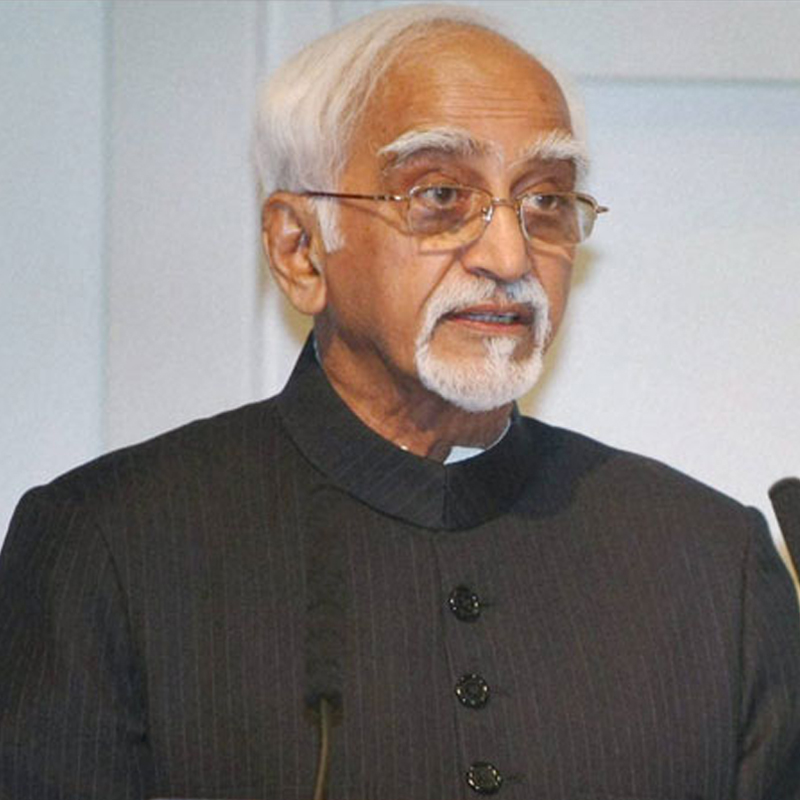
Tag: M Hamid Ansari

  • Veep: ‘Advertorials’ and ‘response features’ edge out editorials today

    Veep: ‘Advertorials’ and ‘response features’ edge out editorials today

    NEW DELHI: Vice President M Hamid Ansari has said that the media must stand up to fear, seek information and speak out, not hesitating to tell the powers their errors in commission and omission.

    He said that is a fundamental function of the media and a basic requirement for the functioning of a healthy democracy.

    He was addressing the gathering after giving away the C H Mohammed Koya National Journalism Awards 2016 here. Former Defence Minister A K Anthony and other dignitaries were present on the occasion. Koya was a former Chief Minister of Kerala.

    The Vice President said Journalism as a professional calling is more than a mere job, it is a public good. A healthy, vibrant democracy not only creates the space for a free media, but rather it needs an impartial and independent media for its survival, he added.

    The Vice President said that a responsible press is needed to hold power to account and that is why our founding fathers enshrined the freedom of press in the Constitution under the rubric of Article 19 (1)(A), subject only to reasonable restrictions. The media has an important responsibility, particularly in a democratic polity, to tell the truth to the powers that be, even if the powers that be have a habit of not liking this, he added.

    “In this era of ‘post-truths’, where ‘advertorials’ and ‘response features’ edge-out editorials, we would do well to recall one of the greatest journalists that India has ever produced, and look at the ethos and principles that powered his journalism,” he added in a reference to Mahatma Gandhi.

    Gandhi’s work as journalist was the association with six journals, and for two very influential weeklies, he was the editor. He published no advertisement; at the same time he did not want his newspapers to run at a loss. He had gained considerable experience in South Africa, where he had taken over the editorial role of the ‘Indian Opinion’ in 1904 and published it in English, Tamil and Gujarati, sometimes running the press himself. Later, ‘Young India’ and ‘Harijan’ became powerful vehicles of his views on all subjects. He wrote on all subjects. He wrote simply and clearly but forcefully. 

    For Gandhi, the three objectives of the press were to understand the popular feeling and give expression to it; to arouse among the people certain desirable sentiments, and to fearlessly expose popular defects.

    Recalling words of Gandhi and other journalists, Ansari said journalism as a professional calling is more than a mere job, it is a public good. The fourth estate has an important role to play in a democracy. A healthy, vibrant democracy not only creates the space for a free media, but rather it needs an impartial and independent media for its survival. The essential roles that a free and responsible media is expected to play in a democratic society include:

    •         Inform the people of democratic choices through the clarification of complex issues, particularly in an age when information is the driving force of economic advancement and international events impact on people’s daily lives as never before;

    •         Provoke public debates leading to greater public participation in decision making;

    •         Uncover abuses of power for their rectification;

    •         Alert and mobilize public opinion to instances of injustices;

    •         Allow space for political pluralism by carrying different views and opinions, and;

    •         Keep leaders attuned to public opinion while offering them a medium to explain their policies and decisions to public opinion.

    Also Read:

    Mass Comm courses in regional languages significant: Naidu

    Guest Column: The new gods of digital newsrooms


  • Veep: ‘Advertorials’ and ‘response features’ edge out editorials today

    Veep: ‘Advertorials’ and ‘response features’ edge out editorials today

    NEW DELHI: Vice President M Hamid Ansari has said that the media must stand up to fear, seek information and speak out, not hesitating to tell the powers their errors in commission and omission.

    He said that is a fundamental function of the media and a basic requirement for the functioning of a healthy democracy.

    He was addressing the gathering after giving away the C H Mohammed Koya National Journalism Awards 2016 here. Former Defence Minister A K Anthony and other dignitaries were present on the occasion. Koya was a former Chief Minister of Kerala.

    The Vice President said Journalism as a professional calling is more than a mere job, it is a public good. A healthy, vibrant democracy not only creates the space for a free media, but rather it needs an impartial and independent media for its survival, he added.

    The Vice President said that a responsible press is needed to hold power to account and that is why our founding fathers enshrined the freedom of press in the Constitution under the rubric of Article 19 (1)(A), subject only to reasonable restrictions. The media has an important responsibility, particularly in a democratic polity, to tell the truth to the powers that be, even if the powers that be have a habit of not liking this, he added.

    “In this era of ‘post-truths’, where ‘advertorials’ and ‘response features’ edge-out editorials, we would do well to recall one of the greatest journalists that India has ever produced, and look at the ethos and principles that powered his journalism,” he added in a reference to Mahatma Gandhi.

    Gandhi’s work as journalist was the association with six journals, and for two very influential weeklies, he was the editor. He published no advertisement; at the same time he did not want his newspapers to run at a loss. He had gained considerable experience in South Africa, where he had taken over the editorial role of the ‘Indian Opinion’ in 1904 and published it in English, Tamil and Gujarati, sometimes running the press himself. Later, ‘Young India’ and ‘Harijan’ became powerful vehicles of his views on all subjects. He wrote on all subjects. He wrote simply and clearly but forcefully. 

    For Gandhi, the three objectives of the press were to understand the popular feeling and give expression to it; to arouse among the people certain desirable sentiments, and to fearlessly expose popular defects.

    Recalling words of Gandhi and other journalists, Ansari said journalism as a professional calling is more than a mere job, it is a public good. The fourth estate has an important role to play in a democracy. A healthy, vibrant democracy not only creates the space for a free media, but rather it needs an impartial and independent media for its survival. The essential roles that a free and responsible media is expected to play in a democratic society include:

    •         Inform the people of democratic choices through the clarification of complex issues, particularly in an age when information is the driving force of economic advancement and international events impact on people’s daily lives as never before;

    •         Provoke public debates leading to greater public participation in decision making;

    •         Uncover abuses of power for their rectification;

    •         Alert and mobilize public opinion to instances of injustices;

    •         Allow space for political pluralism by carrying different views and opinions, and;

    •         Keep leaders attuned to public opinion while offering them a medium to explain their policies and decisions to public opinion.

    Also Read:

    Mass Comm courses in regional languages significant: Naidu

    Guest Column: The new gods of digital newsrooms


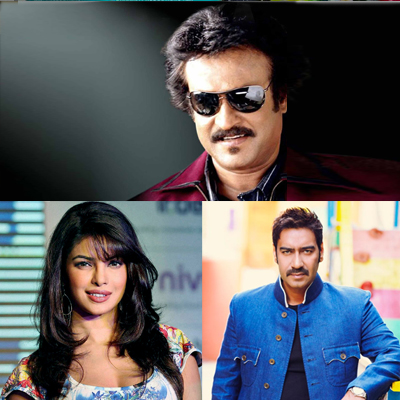
  • Rajnikanth gets Padma Vibhushan, Priyanka Chopra and Ajay Devgn get Padma Shree in Republic Day honours

    Rajnikanth gets Padma Vibhushan, Priyanka Chopra and Ajay Devgn get Padma Shree in Republic Day honours

    New Delhi: President Pranab Mukherjee today presented the Padma Vibhushan, Padma Bhushan and Padma Shri awards at a Civil Investiture Ceremony held at Rashtrapati Bhavan. A number of personalities from the entertainment industry as well an adman received awards from a grateful nation for their excellence and contributions in various fields.

    Among the dignitaries present on the occasion were vice president M Hamid Ansari, prime minister Narendra Modi, and the union ministers of Home Affairs, Urban Development, Housing & Urban Poverty Alleviation and Human Resource Development.

    The personalities from the world of arts, culture, sports and other fields honoured today include stars like Ajay Devgn, Rajnikanth, Anupam Kher, Priyanka Chopra and Madhur Bhandarkar from the world of cinema; badminton player Saina Nehwal and archer Deepika Kumari from the world of sports, ad-wizard Piyush Pandey, and Reliance Industries founder late Dhirubhai Ambani.

    The awards have been divided in two batches, with another function to be held later.

    Iconic actor Rajnikanth, media and film magnate Ramoji Rao, and renowned classical vocalist Girija Devi had been named for the second highest civilian honour, the Padma Vibhushan, awarded for exceptional and distinguished service.

    Veteran actor Anupam Kher and singer Udit Narayan are the only recepients from the entertainment industry apart from Heisnam Kanhaukak of the Padma Bhushan, given for distinguished service of high order. Indu Jain of Bennett Coleman and Co also received the Padma Bhushan.

    Many of the awardees like Rajnikath, Priyanka Chopra and Ajay Devgn took to the twitter to express their feelings, while others like Anupam Kher also gave interviews to the media before he went in to receive his accolade.

    The Padma Shri Awardees for distinguished service from the entertainment field include directors Nila Madhab Panda (I want to be Kalam), S S Rajamouli (of the Baahubali fame) and Madhur Bhandarkar; filmmaker Narendra Chandra Lal from the Andaman and Nicobar Islands; actor Ajay Devgn and actor–inger Priyanka Chopra, ad guru Piyush Pande; and a posthumous award to the late veteran actor Saeed Jaffrey.

    In the field of sports, the Padma Bhushan awardees are badminton ace Saina Nehwal, and tennis star Sania Mirza, while those getting Padma Shree are Deepika Kumari for archery from Jharkhand, and sports commentator Sushil Doshi.

    In the field of music, the Padma Shree recepients are Pt Tulsidas Borkar of Goa for classical music; Dr Suma Ghosh of Uttar Pradesh for vocal singing; and Bhikhudan Gadhvi of Gujarat, Mamta Chandrakar of Chhatisgarh, and Bhojpuri singer Malini Awasthi of Uttar Pradesh for folk music, and late Shri Prakash Chand Surana (posthumously) of Rajasthan for classical music.

    The eminent dancer Yamini Krishnamurthy who has churned thousands of disciples gets the Padma Bhushan, dancer Pratibha Prahlad who founded the Delhi International Arts Festival, and Gulabi Sapera who is a folk dancer from Rajasthan gets the Padma Shree.


  • Rajnikanth gets Padma Vibhushan, Priyanka Chopra and Ajay Devgn get Padma Shree in Republic Day honours

    Rajnikanth gets Padma Vibhushan, Priyanka Chopra and Ajay Devgn get Padma Shree in Republic Day honours

    New Delhi: President Pranab Mukherjee today presented the Padma Vibhushan, Padma Bhushan and Padma Shri awards at a Civil Investiture Ceremony held at Rashtrapati Bhavan. A number of personalities from the entertainment industry as well an adman received awards from a grateful nation for their excellence and contributions in various fields.

    Among the dignitaries present on the occasion were vice president M Hamid Ansari, prime minister Narendra Modi, and the union ministers of Home Affairs, Urban Development, Housing & Urban Poverty Alleviation and Human Resource Development.

    The personalities from the world of arts, culture, sports and other fields honoured today include stars like Ajay Devgn, Rajnikanth, Anupam Kher, Priyanka Chopra and Madhur Bhandarkar from the world of cinema; badminton player Saina Nehwal and archer Deepika Kumari from the world of sports, ad-wizard Piyush Pandey, and Reliance Industries founder late Dhirubhai Ambani.

    The awards have been divided in two batches, with another function to be held later.

    Iconic actor Rajnikanth, media and film magnate Ramoji Rao, and renowned classical vocalist Girija Devi had been named for the second highest civilian honour, the Padma Vibhushan, awarded for exceptional and distinguished service.

    Veteran actor Anupam Kher and singer Udit Narayan are the only recepients from the entertainment industry apart from Heisnam Kanhaukak of the Padma Bhushan, given for distinguished service of high order. Indu Jain of Bennett Coleman and Co also received the Padma Bhushan.

    Many of the awardees like Rajnikath, Priyanka Chopra and Ajay Devgn took to the twitter to express their feelings, while others like Anupam Kher also gave interviews to the media before he went in to receive his accolade.

    The Padma Shri Awardees for distinguished service from the entertainment field include directors Nila Madhab Panda (I want to be Kalam), S S Rajamouli (of the Baahubali fame) and Madhur Bhandarkar; filmmaker Narendra Chandra Lal from the Andaman and Nicobar Islands; actor Ajay Devgn and actor–inger Priyanka Chopra, ad guru Piyush Pande; and a posthumous award to the late veteran actor Saeed Jaffrey.

    In the field of sports, the Padma Bhushan awardees are badminton ace Saina Nehwal, and tennis star Sania Mirza, while those getting Padma Shree are Deepika Kumari for archery from Jharkhand, and sports commentator Sushil Doshi.

    In the field of music, the Padma Shree recepients are Pt Tulsidas Borkar of Goa for classical music; Dr Suma Ghosh of Uttar Pradesh for vocal singing; and Bhikhudan Gadhvi of Gujarat, Mamta Chandrakar of Chhatisgarh, and Bhojpuri singer Malini Awasthi of Uttar Pradesh for folk music, and late Shri Prakash Chand Surana (posthumously) of Rajasthan for classical music.

    The eminent dancer Yamini Krishnamurthy who has churned thousands of disciples gets the Padma Bhushan, dancer Pratibha Prahlad who founded the Delhi International Arts Festival, and Gulabi Sapera who is a folk dancer from Rajasthan gets the Padma Shree.


  • Ex-Infosys exec Shashi Shekhar joins as part-time member of Prasar Bharati

    Ex-Infosys exec Shashi Shekhar joins as part-time member of Prasar Bharati

    NEW DELHI: Shashi Shekhar Vempathi, former Principal Architect of Infosys Technologies and now heading an online media company Niti Digital, was today formally welcomed into the Board of the pubcaster Prasar Bharati as a part-time member.

    Actress Kajol, whose name has also been shortlisted, could not be inducted as she is said to be overseas.

    “We welcome Kajol to Prasar Bharati family. Kajol is appointed as part-time member of Prasar Bharati board,” Prasar Bharati said in a statement earlier.

    ”Shri @shashidigital appointed as part-time members of the Prasar Bharati board. Welcome the Prasar Bharati family!’” the statement added.

    Earlier, around eight names had been prepared and forwarded to the selection committee headed by vice president M Hamid Ansari. The committee also comprises Press Council of India chairman Justice (retd) C K Prasad and I&B secretary Sunil Arora.

    Ministry sources said several of the names were among those forwarded last time when four part-time members were chosen in October last year.

    In that meeting, the three-member committee had chosen former PM Atal Bihari Vajpayee’s media advisor Ashok Tandon and noted Bhajan singer Anup Jalota, businessmen Sunil Alagh and Shashi Shekhar Vempati as members of the board of the public broadcaster.

    Under the Prasar Bharati Act, the pubcaster should have six-part time members on its Board, which is headed by its chairman.

  • Ex-Infosys exec Shashi Shekhar joins as part-time member of Prasar Bharati

    Ex-Infosys exec Shashi Shekhar joins as part-time member of Prasar Bharati

    NEW DELHI: Shashi Shekhar Vempathi, former Principal Architect of Infosys Technologies and now heading an online media company Niti Digital, was today formally welcomed into the Board of the pubcaster Prasar Bharati as a part-time member.

    Actress Kajol, whose name has also been shortlisted, could not be inducted as she is said to be overseas.

    “We welcome Kajol to Prasar Bharati family. Kajol is appointed as part-time member of Prasar Bharati board,” Prasar Bharati said in a statement earlier.

    ”Shri @shashidigital appointed as part-time members of the Prasar Bharati board. Welcome the Prasar Bharati family!’” the statement added.

    Earlier, around eight names had been prepared and forwarded to the selection committee headed by vice president M Hamid Ansari. The committee also comprises Press Council of India chairman Justice (retd) C K Prasad and I&B secretary Sunil Arora.

    Ministry sources said several of the names were among those forwarded last time when four part-time members were chosen in October last year.

    In that meeting, the three-member committee had chosen former PM Atal Bihari Vajpayee’s media advisor Ashok Tandon and noted Bhajan singer Anup Jalota, businessmen Sunil Alagh and Shashi Shekhar Vempati as members of the board of the public broadcaster.

    Under the Prasar Bharati Act, the pubcaster should have six-part time members on its Board, which is headed by its chairman.

  • TERIs three-day digital conference ends today

    TERIs three-day digital conference ends today

    MUMBAI: With the aim of developing digital libraries and accelerating the process of knowledge management, the three-day conference by The Energy and Resources Institute (TERI) on International Conference on Digital Libraries (ICDL) 2013 themed ‘Vision 2020: Looking back 10 years and Forging New Frontiers’ concluded today.


    The conference brought together many experts and intellectuals from the industry and academic to deliberate on contemporary issues related to Digital Libraries. Some of the eminent speakers included University of Waikato, New Zealand Computer Science professor Ian Witten; P Microsoft Research India MD Anandan; Inflibnet, India director Jagdish Arora among many others.


    In the course of three days, the conference conducted nine thematic workshop-cum-panel sessions for intensive deliberations on topics like Applying Standards and Addressing Interoperability for Digital Libraries in a Networked World; National Mission on Libraries; Focus on Open Access; New Trend in e-Publishing; National Virtual Library of India; Digitisation and Digital Preservation; Revolutionising the Publishing Model and Technology For Libraries – Highest-Technology & Best Features, etc.


    The conference was inaugurated by the vice president of India, M Hamid Ansari. He said, “Knowledge would be the key driving force in the 21st century. The ability to use and create knowledge capital will determine a country capacity to empower and enable its citizens by increasing human capabilities. In this endeavor, digital library would be a critical instrument as they would enable people to access, share and apply knowledge in a more efficient and effective manner. The challenge before us now would be to overcome the digital divide that exists between north and south countries and also region within national boundaries. Democratisation of access to knowledge and creation a level playing field by bridging the digital divide would be essential for inclusive and sustained development.”


    Honorable Minister of Human Resource Development, Dr. M. M. Pallam Raju, who was also present at the opening ceremony, said “I am elated to notice the theme chosen for this important event. To me, most of the topics for deliberation are more relevant for education than ever before. This entails a radical improvement in existing systems of knowledge, as well as the creation of avenues for generating new forms of knowledge”.


    The objective of the conference included: To be a single platform for international and national experts, researchers, academics, and students to share and discuss advanced thoughts, experiences and to resolve critical issues relating to Digital Library Movement; to focus on the creation, adoption, implementation, and utilisation of Digital Libraries  and their future implications; and capacity building of knowledge professionals.


    TERI Director-General and Conference Chair of ICDL 2013, Dr. R. K. Pachauri, said “Digital libraries are a significant outcome of the unprecedented technological changes in the information sector that have taken place across the globe in recent years. These make it possible for documents, publications and knowledge in every field become accessible to every section of society. The International Conference on Digital Libraries (ICDL), which TERI is organising for the fourth time provides a unique global platform on which experts from round the world will be sharing their knowledge and vision of the future related to digital libraries. Developments in this field can revolutionise the systematization of knowledge and access to it for all sections of society.”

  • Top political personalities condole passing away of Dara Singh

    Top political personalities condole passing away of Dara Singh

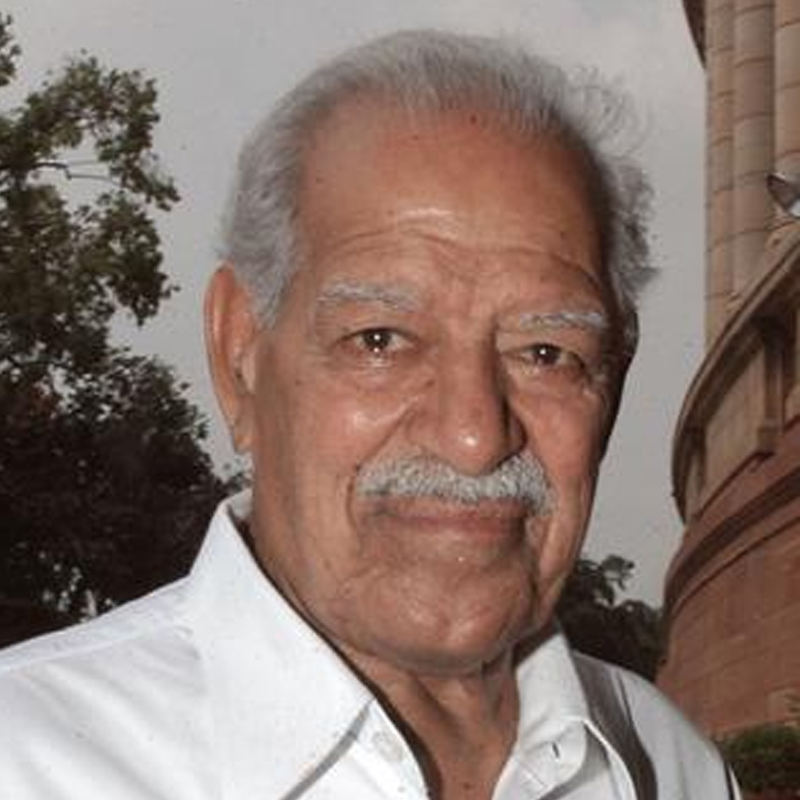
    NEW DELHI: Rustam-e-Hind Dara Singh, who passed away early this morning, has been described by Vice President M Hamid Ansari as an enduring role model to the youth and sportsmen in the country.

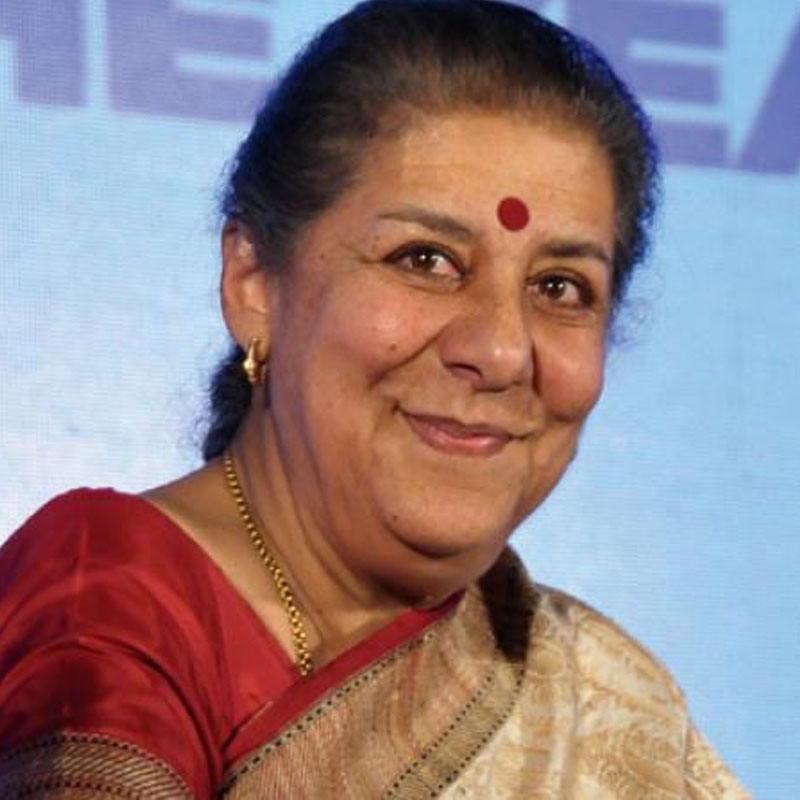
    The Vice-President, Prime Minister Manmohan Singh, and Information and Broadcasting Minister Ambika Soni expressed grief on the death of the veteran actor who had never lost a fight during his career as a wrestler.

    Ansari said Dara Singh’s acting career was most memorable for the intensity and diversity of characters that he had portrayed. His role as a nominated Member of Parliament (Rajya Sabha) is remembered by one and all.

    Dr. Manmohan Singh said Dara Singh had been a noted film actor, producer, and an internationally acclaimed wrestler. He added: “A self educated son-of-the-soil, he rose to the heights of the entertainment world, sports arena and public life with humility and grace.”

    Soni said, “Dara Singh ji will always have a special place in our hearts for his immense contribution to the Indian film industry in various capacities as an actor, director and producer. I also recall his distinguished record as member of the Rajya Sabha.”

  • Regional cinema is mainstay of Indian Cinema: Soni

    Regional cinema is mainstay of Indian Cinema: Soni

    NEW DELHI: Vice President M Hamid Ansari today said it was a matter of surprise that the number of regional films being dubbed or subtitled in Hindi was declining and had come down from 213 in 2001 to 147 in 2011 while the number of foreign films dubbed or subtitled had increased to 128 last year.

    Noting that the two top winners of the 59th National Film Awards were regional films, he said “it is an under-appreciated fact that over 80 per cent of the films certified for public exhibition are regional films.”

    Speaking after giving away the awards at a colourful function in the gaily decorated Vigyan Bhavan, he noted that Indian cinema had not remained unaffected by globalisation and it was fascinating to see how the industry has to face the challenge of continuing on the path of innovation, creativity, and technological upgradation even as it nurtures its umbilical chord with our heritage and culture.

    Earlier, thespian Soumitra Chatterjee received the Dadasaheb Phalke award, the highest national honour for lifetime contribution to cinema, amidst a standing ovation and thunderous applause. Actor Vidya Balan for ‘The Dirty Picture’ and Girish Kulkarni for the Marathi film ‘Deeol’ also received loud cheers as they came to get the awards for best performance.

    Ansari noted that popular culture is a site where “collective social understandings are created” and films play a significant role in this, more so given the linguistic and regional diversity they portray.

    Over the years, these awards have recognised excellence as also propelled new or unknown talent to national and international limelight and provide encouragement and recognition to them, he said.

    Applauding Chatterjee, Ansari said “his partnership with Satyajit Ray would indeed be counted as a memorable director-actor combination in the history of cinema.”

    He said the award winners had proved that contrary to popular perception, Indian cinema is neither formulaic nor conforming to stereotypes. It has successfully adapted traditional Indian narrative and oral traditions to the requirements of technology and formats of new media.

    Globalisation is also reflected in the nature and expectations of cinemagoers. “We have a growing middle class, and a younger generation of viewers; both are desirous and capable of spending on entertainment. The film viewers today, besides entertainment, seek to understand their society and their world, and to make sense of societal and personal evolution.”

    The technology and format of film viewing is also changing with new gadgets including phones, Tablets, Pay-per-view and laptops and venues such as multiplexes. This is leading to an increasing demand for better cinematography, improved quality and digital formats. They impact on the distribution and marketing and, thus, on revenue generation possibilities.

    “It is evident our films are one of the most potent elements of our soft power. They are ambassadors of our culture, tradition and society. They foster people-to-people relations and promote our image and interests in ways that are not readily apparent but are of enduring significance. As we improve our society and economy and empower our citizens, our films will continue to play a leading role within the country and abroad to further the effort.”

    Information and Broadcasting Minister Ambika Soni said the awards this year marked the commencement of the celebrations of 100 years of cinema. Programmes being given a fillip during the year included the National Film Heritage Mission for which a sum of Rs five billion had been allocated in the current five-year plan.

    She said that the year will see the opening of the Museum of the Moving Image in Mumbai in the premises of the Gulshan Mahal in the Films Division Complex.

    She agreed with Ansari that the rich cultural heritage and film music had contributed in turning India into a soft power. Cinema was the social mirror of society and a catalyst for the plurality of Indian culture. Regional cinema remained the mainstay of Indian cinema.

    I&B Secretary Uday Varma said Indian cinema celebrates life in all its glory and shares joys and sorrows, encapsulating life in all its colours. It was the finest tribute to human creativity.

    Chatterjee said he had been plagued in his early years on whether he had chosen the right profession, but his fans had proved him right.

    Chairpersons Rohini Hatthangady (features), Ramesh Sharma (non-features) and Vijaya Mulay (writing on cinema) presented their reports. Others present included the two Ministers of State for I&B, C M Jatua and R Jagathrakshkan, Film Federation of India president Vinod Lamba, and Dharmesh Tiwari of the All India Cine Employees Confederation.

    The evening presented by actors Vinay Pathak and Soumya Tandon saw music performances by National film awardees Anand Bhate (for his song in ‘Balgandharva’), Roopa Ganguly (for her song in ‘Abhosheyshey’) and Amit Trivedi and Amitabh Bhattacharya for the song ‘Agar Zindagi’ in ‘I am’. A film with clips from the award-winning films by Ramesh Tekwani and another on Chatterjee by Films Division were also screened.