Tag: Luxury

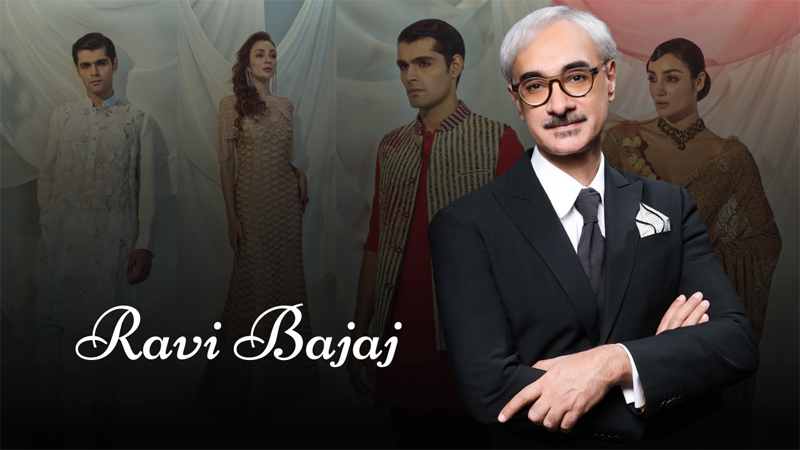
  • “I’ve always prioritised practicality and quality over aesthetics:” Fashion designer Ravi Bajaj

    “I’ve always prioritised practicality and quality over aesthetics:” Fashion designer Ravi Bajaj

    Mumbai: Ravi Bajaj, often referred to as the “Armani of India,” has profoundly influenced the Indian fashion industry with his innovative designs and commitment to quality. Inspired by fashion since the age of 15, Bajaj embarked on a journey to transform haute couture in India. His path led him to the prestigious American College in London, where he honed his skills and developed a keen eye for style.

    From launching the groundbreaking ‘Cocktail Sari’ in 1991 to introducing the accessible ‘Raviver’ line in 1997, Bajaj has consistently bridged the gap between traditional and modern fashion. With a design philosophy that prioritizes minimalism and practicality, Bajaj continues to inspire through his meticulous craftsmanship and diverse creative influences.

    Indiantelevision.com caught up with founder & fashion designer Ravi Bajaj to learn more about his fashion design journey and gain deeper insights into his label.

    Edited Excerpts:

    On your inspiration to venture into fashion designing

    My inspiration to venture into fashion began when I was about 15 or 16 years old, an era influenced by iconic bands, the glitz of “Saturday Night Fever,” and vibrant cultural scenes. I was captivated by the unique styles and costumes these influences spotlighted.

    During this time, we often hosted private parties at home, which became my playground for fashion experimentation. Every weekend, I would design a new shirt or outfit from unusual fabrics. I scoured markets for inexpensive yet striking materials like lining taffeta with its beautiful shine. Collaborating with a tailor, I brought my visions to life, creating distinctive and interesting pieces each time.

    My creations didn’t go unnoticed. People appreciated my unique style, and friends encouraged me to take my passion seriously. Their support and recognition fueled my desire to pursue fashion, setting me on the path to becoming a fashion designer.

    On the key elements that define the Ravi Bajaj label’s aesthetic, and its differentiating aspect from competitors

    The Ravi Bajaj label is defined by its commitment to minimalism and wearable luxury. I firmly believe that “less is more,” and that achieving minimalism, while seemingly simple, is much more challenging than mastering maximalism. My design philosophy centers on creating pieces that embody practicality and sophistication.

    Unlike many Indian designers who often embrace a “more is less” approach, my focus is on balancing creativity with functionality. I value creative expression, but I am always willing to temper my designs to ensure they remain practical and wearable. This approach sets the Ravi Bajaj label apart in the Indian fashion industry, emphasising both elegance and everyday usability.

    On the creative process behind the iconic ‘Cocktail Sari’ introduced in 1991, and ‘Raviver’ launched in 1997, and the impact it had on the Indian fashion market

    The creative process behind the iconic ‘Cocktail Sari,’ introduced in 1991, and ‘Raviver,’ launched in 1997, reflects my journey from designing Western styles to redefining Indian fashion. Initially, my career focused on European-style clothing for both men and women. At that time, Western silhouettes were not widely embraced by Indian women, who preferred traditional Indian suits and silhouettes.

    However, I noticed that while women appreciated the tailored gowns and Western styles I offered, they sought to incorporate these elements into their traditional attire. This observation led to the creation of the ‘Cocktail Sari,’ which combined the elegance of a Western gown with the classic form of a sari. The fusion of these styles resonated deeply with my clients and became quite popular. The ‘Cocktail Sari’ marked a significant shift in the Indian fashion market, bridging the gap between Western and traditional Indian wear.

    In 1997, I launched ‘Raviver’ (meaning “revival” in French) in response to the limited fashion options available in India at the time. The fashion scene was dominated by small boutiques and a few multi-brand outlets, primarily in Delhi. ‘Raviver’ aimed to offer a more accessible and affordable line of fashion, designed for easy wear and broader distribution. By collaborating with Shoppers Stop, we ensured our designs reached a larger audience across major metropolitan areas. This marked a pivotal shift in the Indian fashion market, making contemporary fashion more accessible to the masses.

    On the designers and fashion houses who have influenced your work the most

    Throughout my career, several renowned designers have significantly influenced me. French designers, with their emphasis on taste and elegance, have shaped my aesthetic. Italian designers like Giorgio Armani have inspired me with their understated chic and universal appeal. From Japan, Yohji Yamamoto’s exceptional ability to structure garments with profound simplicity has left a lasting impression.

    Currently, I am particularly impressed by Gaurav Gupta, Rahul Mishra, and Amit Agarwal. Each of these designers brings a unique and individualistic approach to fashion that resonates with me. Their distinct perspectives and innovative designs continue to influence and inspire my work.

    On maintaining uncompromising quality while balancing traditional Indian elements with modern design in your collections

    Maintaining uncompromising quality while balancing traditional Indian elements with modern design comes naturally to me. From the early stages of my career, I have prioritised practicality and quality over aesthetics. For me, these principles are fundamental, and I ensure they are integral to my designs. By focusing on these core values, I seamlessly blend traditional elements with contemporary aesthetics, creating collections that are both visually appealing and highly functional.

    On your passions for art, culinary pursuits, and music influencing your fashion creations

    Food, art, fashion, and music all cater to the five senses—sight, sound, touch, smell, and taste—and together they nourish the soul. They influence my fashion creations by enriching the sensory experience and adding depth to my designs.

    On incorporating live singing into your fashion shows enhancing the overall experience for your audience

    Incorporating live singing into my fashion shows has created a unique and immersive experience for the audience. I take great pride in being one of the few designers to have done this. The idea emerged during the pandemic when live performances were limited. With the help of a musician friend who provided the music tracks, I was able to add a personal and memorable touch to the shows, making them truly special.

    On upcoming projects or collaborations in the pipeline, and your future plans for the brand

    We’re thrilled to be working on a new wedding wear label, set to debut in November 2024. This upcoming collection promises to bring a fresh and captivating twist to bridal fashion.
  • “Luxury market is to hit a $82 billion market by 2030”: Fashionv3rse’s Mithun Bhardwaj

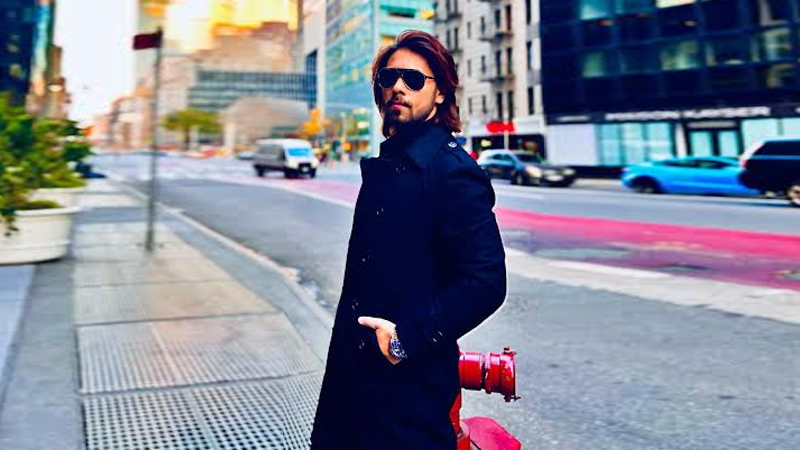
    “Luxury market is to hit a $82 billion market by 2030”: Fashionv3rse’s Mithun Bhardwaj

    Mumbai: Fashion and luxury are undergoing a transformative journey, with sustainability, innovation, and consumer resonance at the forefront. In this dynamic landscape, The House of Fashionv3rse (THOF) emerges as a beacon of change, challenging traditional norms and redefining the premium retail environment in Bharat.

    Led by visionary Mithun Bhardwaj, THOF is not just a marketplace; it’s an ecosystem of powerful brands united by a commitment to quality, sustainability, and disruptive narratives. From democratising India’s manufacturing infrastructure to curating compelling in-house brands, THOF embodies a new era of luxury—one where innovation, technology, and aspirational values converge to shape the future of fashion.

    Indiantelevision.com caught up Fashionv3rse founder Mithun Bharadwaj to gain deeper insights on the brand’s genesis, future of fashion industry, its connection to LVMH and much more…

    Edited Excerpts:

    On envisioning the future of the fashion industry, particularly in terms of sustainability and innovation, and your brand’s alignment with these trends

    It is now obligatory to move towards sustainable practices, it’s not left to choices anymore. We are all responsible in every way to contribute, however we see this in-depth responsibility in the current format of many brands and especially marketplace models hence we decided to declutter the current clutter they have been building. We were more than ready to bring in an ecosystem such as ours to make a paramount change at large, first we don’t need so many products and brands just to fill in spaces and some underrated agenda of a marketplace but we need the right stories and brands which is there to fulfil a lifestyle need without being in abundance most of which is ideally useless, if you will pick up their data, you would realise how many of those products actually bring in the revenue, why build so much in the first place with no direct supply chain control and sell at deep discounts to entertain return and return by confusing a consumer and hence, a group of selected brands with complete control of supply chain was the first step followed by operating, going to operate with compliant factories which are fully equipped towards conscious practices and our narrative and categories themselves are an equivalent to conscious consumerism not only in the product but also in the buying and selling behaviour. We are going to call our cloud factories “craftsmen workshop” with ethical practices.

    On the evolving landscape of luxury and brands staying relevant in an ever-changing market

    Luxury market is to hit a $82 billion market by 2030, with Jio Plaza opening up to major global luxury brands, increasing credit penetration in India and many such factors, it is screaming for us to build homegrown premium brands, however when people launch brands, most of them launch it with an idea of inventory building rather it should be focused on deep rooted consumer connect and problem solving capabilities in some form, sales will become its by-product and inventories will be planned better. The spending capacity and demographic dividend and the traditional root of India being driven by a status quotient, it is all lining up well to give our consumers the right set of luxury which is also accessible for a larger audience and once you find your niche, you won’t struggle to stay relevant.

    On your inspiration behind embarking on the journey of creating THOF, and how does your vision for the brand differ from traditional fashion ventures

    It’s a mix of many factors, the most important of which was to upgrade both the brand eco-system and consumer offering. The industry has evolved, the platforms haven’t. Their innovation is limited to offering more discounted offers and adding more brands and killing the environment. They are all decades old. Again, there is a dire need for a vertically integrated platform and a group which dares to build an audacious vision. Circling back to fusing in the rich backend manufacturing infra of our country to the frontend consumer and bring them what they ship to global brands.

    Even the biggest of the export houses are doing millions of dollars of revenue are job workers for international brands feeding and funding the west everyday unknowingly and knowingly and here we are more than ready with our appetite for consumption which is being spoilt everyday by people not thinking big and entering just watching shark tank India with no agenda to bring in change but get valuation and funding as an ultimate goal. Such major loopholes helped us channelise THOF as a game changer.

    On THOF’s “Ghost factory” model and its democratisation of India’s manufacturing infrastructure while maintaining a focus on sustainability and quality

    Ghost factory aka cloud factory model is one of the most interesting part of our backend supply chain. When you partner or bring in a large compliant factory producing millions of pieces as your confounding team, you have chances of being lost as a new kid on the block in that unit. We were cautious of such an outcome, also technology works the best in an environment built to control the supply chain and since we are integrating blockchain for traceability and sustainability, the cloud factory set-up inside a compliant factory made a lot of sense from every perspective.

    On an in-depth understanding of LVMH and its connection to THOF

    LVMH is one of the largest and richest group in the whole world. We are all talking about Thrasio model or Mensa brands or house of brand etc, however these guys did it back in the day, they launched primary brands and acquired the rest, build a platform with over 75 brands today catering to lifestyle categories, it’s a beautiful business model if decoded, but one has to stick to the whole playbook and thesis of what they do and how they do it. They do not sell products, they sell status and aspirations, it isn’t just about the price point, it is the innovation and concept which plays the hero and that’s what intrigued us the most.

    India is ready in every form to have a structure as such, we cannot go back in time and spend 100 years as them to build legacy brands but we can build brands which can turn into legacy as today, in the digital era , we literally follow dog years. So, we are targeting all the categories that LVMH captures today, that is, fashion & lifestyle, alcobev, diamonds and beauty and hence we have concocted strong beautiful narratives in our brand portfolio with very strong and powerful brand names.

    On THOF’s purpose-led approach resonating with consumers, especially Gen-Z and Millennials, and contributes to the brand’s success

    Today consumers aren’t searching for products, they are searching for something in the product and that something is what we are creating. The youth is aware, today someone sitting in New York and Kanpur are literally watching the same content at the same time, the differential is the accessibility to acquire the same products today, that is what we are here to bring in and solve that aspirational quotient by building it into reality. The brands are an in-house portfolio, each one of them are concocted to cater to different senses of a human desire and want. We see a lot of need based products in the market today, unlike we are going to fulfil the “want”.

    On THOF comparison to cricket formats like test matches, one-day cricket, and the IPL

    IPL is the most intriguing format of cricket. It fuses entertainment with sport, hence we say Amazon & Flipkart are like the test matches, the first format of e-commerce industry who got the ball rolling, Myntra, Ajio & Nykaa, are like the one day cricket, which upgraded the lifestyle of the consumer and now THOF is the IPL which is going to disrupt by building a community of successful people consumed by those who would love to be successful and practice and manifest it from today. Every brand of THOF is like a team of IPL, with its own narrative, strength, strategy, determination, energy and people from multiple advents of industry and co-owning it with us to multiply the power of each brand and bring in their expertise.

    On THOF’s attempt to change the way people in India think about luxury by using technology and innovation behind the scenes, similar to big brands like Balenciaga, Amiri, Off White, Cartier, Hermes, and Tiffany’s

    It’s simple, luxury isn’t defined by price points, luxury is to have the right products, & THOF is going to offer the best products and statement pieces. With the integration of tech into product and understanding the playbook of these global brands, THOF is all set to disrupt and build India’s brands with global impact.

    On your plan to reshape the premium retail environment in Bharat and ensuring the products you provide resonate with the values and aspirations of today’s youth

    We are all set to democratise the rich backend manufacturing infrastructure as we have deeply penetrated in the area & guess what, the infusion of the same with is topped with some super interesting brand concepts, statements & aspiring product lines which is the key to disruption. Our firm grip on creates and storytelling, is further enhanced by our innovative “ghost | cloud factory” model which is termed as “Craftsmen Workshop “, which has transformed the way we execute this vision. Our in-house brand concepts are exceptionally compelling & by harnessing a fraction of your existing capacity, we are set to catalyse exemplary revenue growth within a few short years, culminating in a remarkable consumer community. We are here to exclusively feature in-house brands under one ecosystem, each with its own captivating narrative. This model, combined with our “variable Asset Light” approach, sets us apart as a venture with enormous potential which will lead to great profitability as well.

    As mentioned above THOF is going to be vertically integrated with control over the supply chain, pricing, designs, innovation, tech and the operations by democratising the rich backend infra of our country to front-end consumers. Reshaping the premium market in every way possible by capturing a large pie of the market cap.

    On Mithun Bhardwaj’s leadership transforming Fashionv3rse into a unique marketplace, distinct from traditional retail platforms

    Delhi has been famous to produce great minds and personalities such as SRK in his domain to Virat in his… Mithun Bhardwaj comes from the similar genre of personality but in the fashion & lifestyle industry, said by many veterans and advisors around. He is a commercially patriotic mind with a great mix of business brains and remarkable creativity. His vision is crisp and clear and so is the business model. THOF isn’t a marketplace selling many brands and products, THOF is an ecosystem of powerful brands backed by a robust supply chain control with a bold narrative and vision and only a true leader can dare to challenge the status quo and shatter the traditional definition by exhibiting brilliant theories under one roof.

  • Gauri Khan Designs partners with Tata CLiQ Luxury to foray into e-commerce

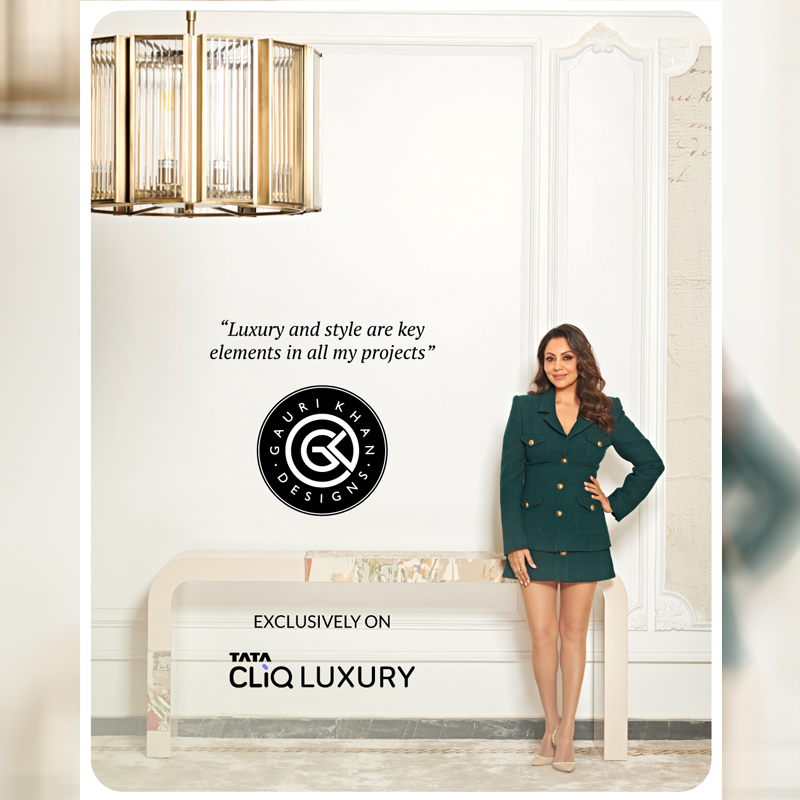
    Gauri Khan Designs partners with Tata CLiQ Luxury to foray into e-commerce

    Mumbai: Gauri Khan has partnered with Tata CLiQ Luxury to launch her brand, Gauri Khan Designs, in the e-commerce space.

    With this launch, consumers can now shop Gauri Khan’s favourite designs on Tata CLiQ Luxury to elevate their homes and office spaces.

    GKD’s flagship Mumbai store houses a variety of curated pieces across categories. To expand its reach further and make her designs and creations available to a larger audience, the brand has forayed into the e-commerce space for the first time with its launch on Tata CLiQ Luxury.

    The platform will offer easy access to an extensive selection of Gauri Khan Designs soft furnishings and accessories, including rugs, cushions, bed linens, trays, breakfast trays, glassware, cheese platters, artwork, coasters, small sculptures, candle holders, table lamps, side tables, trolleys, and pouffes, among others. In addition, consumers can also shop from a range of marble accessories, which include cheese platters, planters, candle stands, artifacts, and more.

    Commenting on the launch, Tata CLiQ Luxury business head Gitanjali Saxena said, “At Tata CLiQ Luxury, we are constantly focused on offering the best of luxury products and brands across categories to consumers. Our existing home category on the platform includes a wide range of products, from décor to serveware and more. As we strive to expand and strengthen our home category, we are thrilled to exclusively launch Gauri Khan Designs on our platform. A coveted interior designer, Gauri Khan has carved a niche for herself in the realm of interior designing, and her creations are known for their exquisite design aesthetics. We are delighted to offer our discerning customers across the country an opportunity to shop from a thoughtfully curated selection of products across a wide assortment of soft furnishings and accessories to artistically transform their spaces.”

    Speaking about this partnership, interior designer and producer Khan said, “I am elated to share that Gauri Khan Designs has found a new home at Tata CLiQ Luxury. At Gauri Khan Designs, we are constantly innovating and curating designs and products that will appeal to the consumer’s sense of evolving aesthetics. Tata CLiQ Luxury is India’s leading luxury lifestyle platform that offers customers an engaging and elevated online shopping experience. Through this partnership, Gauri Khan Designs will now be able to reach and be accessible to consumers across the country who are looking at revamping their spaces. We look forward to a fruitful partnership.”

  • Fairmont Jaipur appoints Crosshairs Communication as its PR agency

    Fairmont Jaipur appoints Crosshairs Communication as its PR agency

    Mumbai: Crosshairs Communication has successfully added Fairmont Jaipur to its luxury clientele list. Crosshairs Communication said that as an agency, it has always been at the forefront of providing the best service to its clients and truly believing in its vision. With clients ranging across sectors, the agency is emerging as a strong player in the hospitality industry by onboarding Fairmont Jaipur.

    The Fairmont Jaipur hosts 245 guest rooms, including seven imperial suites.

    Crosshairs Communication said that it is aligning with the vision behind Fairmont Jaipur and will be bringing its A-game to the table. They will be managing all of their end-to-end media & influencer collaboration communications. The company will be responsible for curating the brand’s messaging across its Indian clientele.

    Crosshairs Communication founder Stuti Jalan said, “With an industry experience of 15 years, we as an agency understand the requirements of the brands we cater to. I personally feel this is the perfect time for Fairmont Jaipur and Crosshairs Communication to align with each other. At Crosshairs, we strive to deliver beyond all expectations and anticipate the challenges that come in hand. Our zeal and enthusiasm to work and build relationships with brands are incomparable. We are eager to work with Fairmont and are focused on creating a strong PR plan to strengthen their reach and boost their image. I believe that, as an agency, Crosshairs will be able to understand and deliver the brand’s vision in all of our subsequent communication and campaigns.”

  • Content studio By The Gram aims for two-fold growth by end of 2023

    Content studio By The Gram aims for two-fold growth by end of 2023

    Mumbai: Mumbai-based content studio, By The Gram expects to double its revenues by the end of 2023. This ambitious growth target will be achieved by broadening its client base across the globe including Hong Kong, UK, US and Dubai.

    Founded in March 2018 with a focus on luxury, fashion and films, BTG has close to 25 clients and a team size of ~30 full time employees and 50 plus freelancers under its payroll. Founded by Aaliya Amrin, Danisha Kohli and Eman Batliwala, the content studio generated Rs 40 lakh in revenues in the first year of operations which has grown 16-fold in the four years of its existence.

    “Back in 2018, Danisha, Eman, and I started this venture with merely an idea to fill a gap in the market. We weren’t totally sure how well it would sell. We are all a bit overwhelmed by the current rate of growth. We’ve come a long way since broadening our clientele globally. With bigger and better plans in the works, we look forward to working more closely with our existing brands while also building new ones on our journey,” said Amrin.

    Batliwalla said, “Very delighted to be working with my two partners and the whole team & how we have come so far from the day we started. We have evolved significantly since beginning with 30 brands and progressing through various industries and especially setting ablaze with our OTT-driven initiatives and campaigns. We hope to continue growing and contributing our knowledge to new age content in the future.”

    “Having a creative eye, working tremendously on it, and seeing the results bloom every day, only makes my heart fill with gratitude. Our creative team works tirelessly to come up with out-of-the-box ideas for the ever-changing trends in our industry. My team and I are really looking forward to working on creating more innovative and creatively trendsetting content.” added Kohli.

    By the end of December 2023, BTG plans to work across verticals from brand identity, content development, visual direction and production, luxe editorial concepts and new OTT productions. It is poised for exponential growth in both India and global markets and aims to increase their team strength in markets like London and L.A this year and next.  

    The content studio has produced over 300 films and 2000 plus hours of content in the last four years. Its clients include Dharma Productions, Tiger Baby, Netflix, Prime Video, Nykaa, Lakme Fashion Week, Roy Kapur Films, Bumble, Tata Cliq Luxury and Lodha. By The Gram intends to be the preferred brand partner for leading OTT, Bollywood and luxury clients.

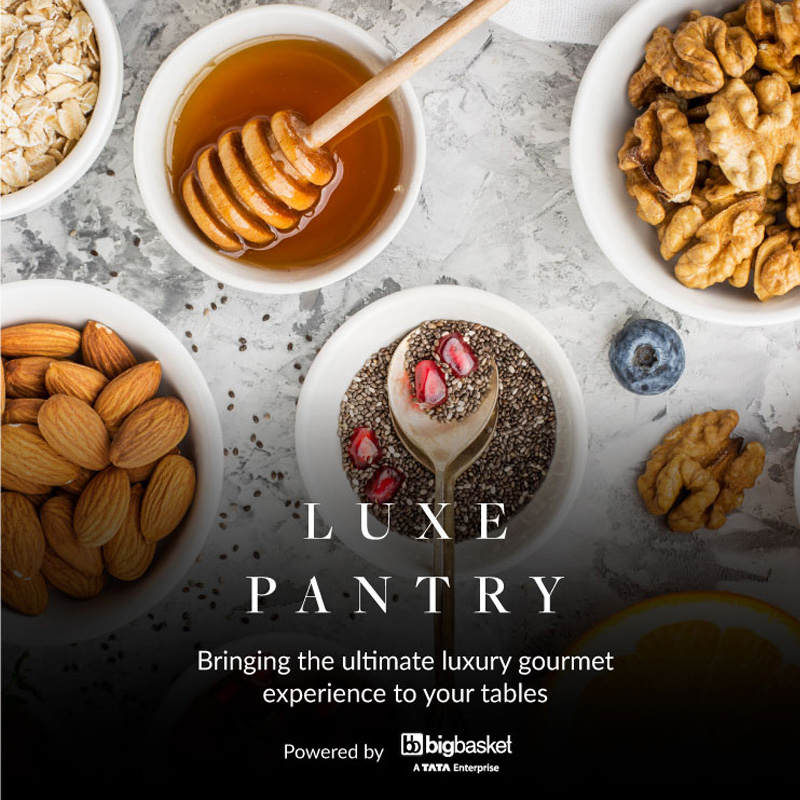
  • Tata CLiQ Luxury partners with bigbasket to launch a luxury gourmet store

    Tata CLiQ Luxury partners with bigbasket to launch a luxury gourmet store

    Mumbai: TATA Group’s e-commerce brands, Tata CLiQ Luxury- luxury lifestyle platform, and online supermarket – bigbasket have teamed up to launch and grow the luxury gourmet store on Tata CLiQ Luxury.

    The platform is offering a curated selection of products from a wide assortment of global and Indian luxury gourmet brands and categories across select staples and specialty categories, it announced on Tuesday.

    The brand is promising to provide a luxury gourmet experience to customers’ doorstep at the click of a button, with authentic products and fine ingredients in premium packaging on the same day or the next day. To begin with, this is being rolled out in Mumbai, and in the coming months, the platform will expand its reach for the gourmet store to cities like New Delhi, Bangalore, and other tier-I cities.

    The assortment on the platform currently includes cereals, chocolates, biscuits, beverages, cooking oils, dry fruits, sauces, spreads, dips, pasta, soups, noodles, baking ingredients, and more from premium and luxury gourmet brands.

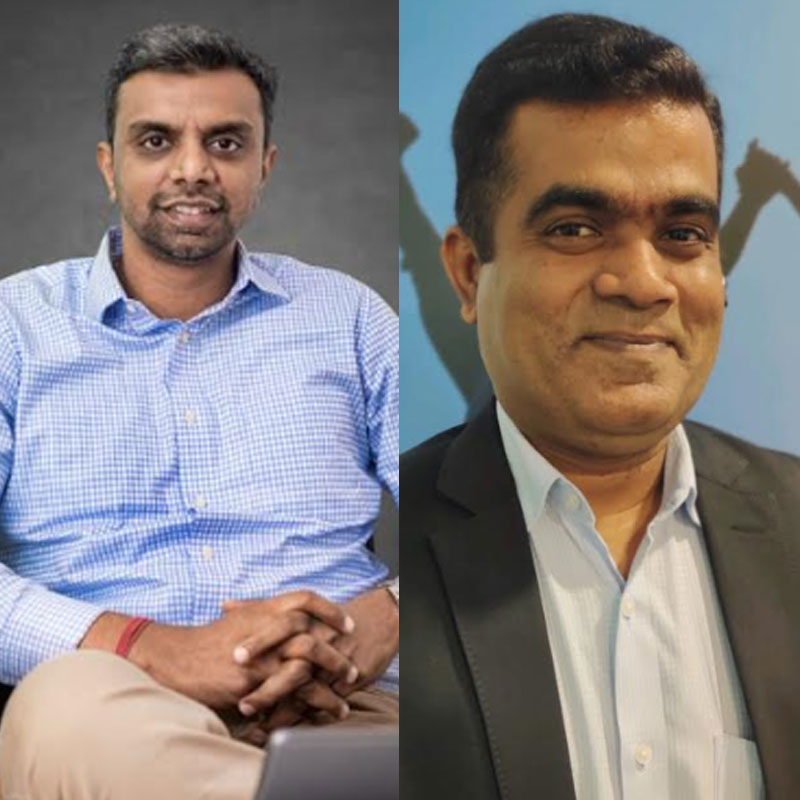
    Tata CLiQ business head- global luxury Gitanjali Saxena said, “Gourmet enthusiasts look forward to a holistic shopping experience and are increasingly shopping online. This has encouraged us to launch a dedicated store that offers a diverse selection of the finest international and Indian gourmet brands, curated with the utmost attention to quality. As a platform, we will inspire and educate our valued and discerning consumers on gourmet and lifestyle options and provide an unmatched online luxury shopping experience.”

    bigbasket group category head Vishal Das said, “In addition to showcasing the width and quality of bigbasket’s gourmet range, this platform also will serve as an opportunity to address the ever-evolving lifestyle needs of the modern Indian consumer.”

    The editorial-led store will also educate consumers not only about the origins of the delicacy but also about the numerous methods in which a product or an ingredient can be cooked, thus inspiring them to experiment with cuisines. It will cover everything, right from the time of gourmet food purchase, its preparation, delivery, and presentation, to how to consume and host it, as per the statement.

  • Big Trunk Communications wins digital mandate for Akshaya Motors

    Big Trunk Communications wins digital mandate for Akshaya Motors

    MUMBAI: Akshaya Motors has roped in Big Trunk Communications for the digital transformation of the brand. Akshaya Motors has been one of India’s largest automotive retail chains in the luxury cars segment and the most trusted authorised dealers of Mercedes Benz in South India. Following a multi-agency pitch, Akshaya Motors has appointed Big Trunk Communications to handle its strategic and digital duties.

    Big Trunk Communications, an award-winning, Mumbai-based independent creative digital agency, will now be managing the digital mandate for ‘Akshaya Motors’ which is inclusive of digital strategy, social page management, digital media planning and buying along with creating an innovative content strategy. The agency aces in conceptualizing and executing 360-degree digital marketing campaigns. Since its inception, Big Trunk Communications has managed to set benchmarks across product categories such as luxury retail, fashion & clothing, food & beverages, education, media and entertainment, realty, BFSI, e-commerce and pharma over the years.

    Big Trunk Communications, Akshaya Motors CEO Vikas MJ said, “In recent times, Digital is the way to know your potential customers and connect with them. We are extremely pleased to partner with Big Trunk Communications. It is our endeavour to expand our digital presence through innovative use of the medium that will resonate strongly with today’s digital consumer. Their team presented an extensive market analysis with valuable insights that can add a new dimension to our marketing strategies in the current context as well as the future.  We were impressed by the way they maintained transparency during our discourse. We believe that a young and enthusiastic team would be able to execute and achieve the desired goals.”

    Commenting on this association, Big Trunk Communications CEO Akhil Nair commented, “It’s exciting to be the official digital partners of Akshaya Motors. They have epitomized consistency and excellence in terms of their services and already are the No.1 dealers in South India for Mercedes Benz. The idea is to leverage our expertise in executing ingenious digital campaigns for enhancing their online presence and thus taking the brand to new heights. We plan to integrate innovation, content, and media, to deliver out-of-the-box ideas and develop a connect between the brand and its target group. We’re pleased to achieve yet another milestone in the Luxury Retail segment and look forward to long term association.”

  • Luxury brands make the most of digital ad spends

    Luxury brands make the most of digital ad spends

    MUMBAI: Since digital advertising became mainstream, if there is one sector that saw  a sea change in its media planning, it’s the luxury brands. With social media influencers, independent makeup artists, Instagramers, Youtubers and what not becoming the the new age style icons, it is not unnatural for them to call dibs in the precious ad spends.

    Now that there are so many channels of communication at the brands’ disposal, the bifurcation of annual marketing is far beyond the straightforward split in print, OOH and television. Brands are exploring content branding and native advertising with partnerships with well known publishers, putting up content in brand owned platforms and of course, the social media. This shift from traditional to unconventional was drastic and needless to say, so was the change in planning for the brands.

    Looking at the broader picture in the market, between 2014 and 2015 the expenditure on luxury goods advertising — such as luxury automotive, fragrances & beauty, fashion & accessories, and watches & jewellery — saw a major setback dipping down to 1.9 per cent growth rate in 2015, partially due to advertisers reaction to the unrest in BRICS nations, as per ZenithOptimedia’s Luxury Adspend Forecast, which is a collaboration  Zenith’s Worldwide Publications Team and Zenith France

    “Adspend shrank by 1.4 percent in Asia and by a massive 20.3 percent in Eastern Europe, mainly as the result of the oil crisis and rouble devaluation in Russia, but the global total was buoyed by strong growth in North America (3.6 percent) and Western Europe (4.7 percent),” read the report.

    The latest 2016 report however shows a slow but positive recovery of the luxury ad spends in Asia to 2.9 percent, pulling the overall global growth in ad spends to 3 per cent.  “The decline in Eastern Europe slows to 2.8 percent. North America will stay strong, with 3.9 percent growth, but Western Europe will slip back to 1.7 percent. Overall we forecast 3.0 percent growth in luxury ad spend across our top 18 markets in 2016,” the report adds.

    The 18 markets are China, Colombia, France, Germany, Hong Kong, Italy, Malaysia, Mexico, the Netherlands, Peru, Russia, Singapore, South Africa, South Korea, Spain, Taiwan, the United Kingdom and the United States of America.
     
    The figures in the report however clearly point at the slow rate at which  luxury advertising is growing as opposed to all other categories.

    “Across our top 18 markets, luxury advertising grew by 2.9 percent in 2014, compared to 5.6 percent for advertising as a whole, and 1.9 percent in 2015 (compared to 4.1 percent). We forecast this underperformance to continue, with luxury advertising growing 3.0 percent in 2016 compared to 4.5 percent growth across all categories,” the report further pointed out.

    While many factors can be listed for the underperformance of the category, several industry experts find it unfair that luxury advertising be compared to other categories as it works on a completely different set of marketing rules.  As senior brand consultant and business strategist Harish Bijoor puts it, “True luxury is never advertised as luxury is meant to be exclusive. Therefore expect the luxury ad spends in traditional marketing mediums to grow won’t be correct. Luxury advertising is always meant to be a nano-niche of mass advertising. “

    “Most luxury brands’ marketing budget should not go in their top line advertising but in below the line work. Some brands also spend a lot on direct marketing or one is to one communication with specific clients. A fair bit of money goes into all that,” Bijoor added.

    Dentsu Aegis Network South Asia CEO and chairman Ashish Bhasin on the other hand sounds comparatively more optimistic of the category’s performance, especially in India. Quoting a study done by Carat, Bhasin shares, “Don’t know about Asia, but the growth of luxury brands’ ad spends in India was more than 15 per cent in the last one year as per Carat’s estimates. Moreover, retail is a very important aspect of luxury goods marketing, and as the retail situation in India improves and as the FDI mandate loosens up allowing international brands to open single owner stores in cities, the industry will see a boom.”

    Regardless of the difference in perspective on the performance of the category and its contribution to the overall advertising spends, all media stakeholders unanimously agree that the category has more scope to grow with digital media, albeit in different forms.

    “Digital is definitely a great medium because every consumer of luxury brand is mostly fully and completely digital; owns a smartphone, is on more than one digital device and screen, etc. Therefore targeting consumers who can afford to pay premium using digital is definitely a smart play,” shared Bhasin.

    In fact, as per the current Luxury Advertising Expenditure Forecasts by ZenithOptimedia, “Digital advertising is by far the biggest contributor to the growth in luxury advertising, growing consistently at double-digit rates. We expect digital media ad spend by luxury advertisers to increase by USD 837 millon between 2015 and 2017. Over this period, television, radio and cinema will increase by a total of USD 26m between them; outdoor will shrink by USD 10million; and print will shrink by U$150 million”

    Elaborating his point on below the line advertising, Bijoor too emphasised on the growing importance of digital for the sector. “Apart from digital advertising, below the line advertising on digital has proven helpful for luxury brands to grow their market, where bloggers and social influencers are handpicked to make oblique reference of the brand, or wear it themselves which leads to social media conversations and buzz around the internet.”

    While mix media campaigns, promotions leveraged by social media influencers are popular amongst the Christian Diors, Guccis, Tiffanys and the Pradas of the world, not all of them are commercial deals. Meaning not all promotions are paid for by the brands  and thus doesn’t require any marketing budget allotment.

    Popular online style icon Hanadi Merchant who runs the fashion blog style DesiHighstyle.com frequently gets requests from brands like Gucci, Dolce and Gabbana and more, but without any commercial deal in place. “I regularly work with Dior and Gucci, but it is not a paid thing. I do shoots for their product and talk about it in my blog and wear their accessories as well, but there is no commercial deal in place. International luxury brands don’t do such deals in India I think,” Merchant shared.

    When pointed out the fact that these brands spends millions of dollars into advertising their product for the right promotion and visibility, Merchant asserted that her international counterparts do make hefty sums of money through these native advertising efforts, although ‘those bloggers are in a different league altogether.”

    Merchant is also trying out a few Indian high end brands and if things work out well, she would consider a paid deal with the brands. While paid blog articles and social media influence is an ongoing concept in India, due to lack of regulation and monitoring it is hard to estimate how much money is going into these BTL advertisements. As the lines of advertising continue to blur in this market, digital would continue to grow as a preferred medium for communication for luxury brands.


  • Luxury brands make the most of digital ad spends

    Luxury brands make the most of digital ad spends

    MUMBAI: Since digital advertising became mainstream, if there is one sector that saw  a sea change in its media planning, it’s the luxury brands. With social media influencers, independent makeup artists, Instagramers, Youtubers and what not becoming the the new age style icons, it is not unnatural for them to call dibs in the precious ad spends.

    Now that there are so many channels of communication at the brands’ disposal, the bifurcation of annual marketing is far beyond the straightforward split in print, OOH and television. Brands are exploring content branding and native advertising with partnerships with well known publishers, putting up content in brand owned platforms and of course, the social media. This shift from traditional to unconventional was drastic and needless to say, so was the change in planning for the brands.

    Looking at the broader picture in the market, between 2014 and 2015 the expenditure on luxury goods advertising — such as luxury automotive, fragrances & beauty, fashion & accessories, and watches & jewellery — saw a major setback dipping down to 1.9 per cent growth rate in 2015, partially due to advertisers reaction to the unrest in BRICS nations, as per ZenithOptimedia’s Luxury Adspend Forecast, which is a collaboration  Zenith’s Worldwide Publications Team and Zenith France

    “Adspend shrank by 1.4 percent in Asia and by a massive 20.3 percent in Eastern Europe, mainly as the result of the oil crisis and rouble devaluation in Russia, but the global total was buoyed by strong growth in North America (3.6 percent) and Western Europe (4.7 percent),” read the report.

    The latest 2016 report however shows a slow but positive recovery of the luxury ad spends in Asia to 2.9 percent, pulling the overall global growth in ad spends to 3 per cent.  “The decline in Eastern Europe slows to 2.8 percent. North America will stay strong, with 3.9 percent growth, but Western Europe will slip back to 1.7 percent. Overall we forecast 3.0 percent growth in luxury ad spend across our top 18 markets in 2016,” the report adds.

    The 18 markets are China, Colombia, France, Germany, Hong Kong, Italy, Malaysia, Mexico, the Netherlands, Peru, Russia, Singapore, South Africa, South Korea, Spain, Taiwan, the United Kingdom and the United States of America.
     
    The figures in the report however clearly point at the slow rate at which  luxury advertising is growing as opposed to all other categories.

    “Across our top 18 markets, luxury advertising grew by 2.9 percent in 2014, compared to 5.6 percent for advertising as a whole, and 1.9 percent in 2015 (compared to 4.1 percent). We forecast this underperformance to continue, with luxury advertising growing 3.0 percent in 2016 compared to 4.5 percent growth across all categories,” the report further pointed out.

    While many factors can be listed for the underperformance of the category, several industry experts find it unfair that luxury advertising be compared to other categories as it works on a completely different set of marketing rules.  As senior brand consultant and business strategist Harish Bijoor puts it, “True luxury is never advertised as luxury is meant to be exclusive. Therefore expect the luxury ad spends in traditional marketing mediums to grow won’t be correct. Luxury advertising is always meant to be a nano-niche of mass advertising. “

    “Most luxury brands’ marketing budget should not go in their top line advertising but in below the line work. Some brands also spend a lot on direct marketing or one is to one communication with specific clients. A fair bit of money goes into all that,” Bijoor added.

    Dentsu Aegis Network South Asia CEO and chairman Ashish Bhasin on the other hand sounds comparatively more optimistic of the category’s performance, especially in India. Quoting a study done by Carat, Bhasin shares, “Don’t know about Asia, but the growth of luxury brands’ ad spends in India was more than 15 per cent in the last one year as per Carat’s estimates. Moreover, retail is a very important aspect of luxury goods marketing, and as the retail situation in India improves and as the FDI mandate loosens up allowing international brands to open single owner stores in cities, the industry will see a boom.”

    Regardless of the difference in perspective on the performance of the category and its contribution to the overall advertising spends, all media stakeholders unanimously agree that the category has more scope to grow with digital media, albeit in different forms.

    “Digital is definitely a great medium because every consumer of luxury brand is mostly fully and completely digital; owns a smartphone, is on more than one digital device and screen, etc. Therefore targeting consumers who can afford to pay premium using digital is definitely a smart play,” shared Bhasin.

    In fact, as per the current Luxury Advertising Expenditure Forecasts by ZenithOptimedia, “Digital advertising is by far the biggest contributor to the growth in luxury advertising, growing consistently at double-digit rates. We expect digital media ad spend by luxury advertisers to increase by USD 837 millon between 2015 and 2017. Over this period, television, radio and cinema will increase by a total of USD 26m between them; outdoor will shrink by USD 10million; and print will shrink by U$150 million”

    Elaborating his point on below the line advertising, Bijoor too emphasised on the growing importance of digital for the sector. “Apart from digital advertising, below the line advertising on digital has proven helpful for luxury brands to grow their market, where bloggers and social influencers are handpicked to make oblique reference of the brand, or wear it themselves which leads to social media conversations and buzz around the internet.”

    While mix media campaigns, promotions leveraged by social media influencers are popular amongst the Christian Diors, Guccis, Tiffanys and the Pradas of the world, not all of them are commercial deals. Meaning not all promotions are paid for by the brands  and thus doesn’t require any marketing budget allotment.

    Popular online style icon Hanadi Merchant who runs the fashion blog style DesiHighstyle.com frequently gets requests from brands like Gucci, Dolce and Gabbana and more, but without any commercial deal in place. “I regularly work with Dior and Gucci, but it is not a paid thing. I do shoots for their product and talk about it in my blog and wear their accessories as well, but there is no commercial deal in place. International luxury brands don’t do such deals in India I think,” Merchant shared.

    When pointed out the fact that these brands spends millions of dollars into advertising their product for the right promotion and visibility, Merchant asserted that her international counterparts do make hefty sums of money through these native advertising efforts, although ‘those bloggers are in a different league altogether.”

    Merchant is also trying out a few Indian high end brands and if things work out well, she would consider a paid deal with the brands. While paid blog articles and social media influence is an ongoing concept in India, due to lack of regulation and monitoring it is hard to estimate how much money is going into these BTL advertisements. As the lines of advertising continue to blur in this market, digital would continue to grow as a preferred medium for communication for luxury brands.


  • LuxHub focus: Luxury super brands still dominate for luxury consumers

    LuxHub focus: Luxury super brands still dominate for luxury consumers

    MUMBAI: A global survey from LuxHub, Havas Media Group’s newly launched luxury consulting boutique, takes in the views of the notoriously hard-to-reach affluent luxury goods customers, all within the top 10 per cent of the household income bracket in each of the USA, UK, China, Russia, France, Italy, Germany, Spain and Saudi Arabia/UAE markets.


    The survey looked at luxury trends for personal spend across retail, travel, home furnishings, auto, jewellery and art and analysed 40 of the top global brands.


    Luxury ‘super brands’ still have the edge


    Global luxury power brands are preferred to niche brands by 64 per cent of respondents. Geographical differences show that in China 83 per cent prefer super brands (the most widely recognised brands being Louis Vuitton and Chanel), and in the US 73 per cent prefer them (top brands being Mercedes and Chanel) vs. only 43 per cent in Spain.


    Quality matters more to people in the UK vs. other markets


    The swings in both brand ranking and preference by country can be explained by differing cultural definitions of luxury. UK luxury shoppers, with an average spend of ?28,243, defined luxury in terms of quality (78 per cent vs. a global average of 63 per cent) and personal reward (44 per cent vs. a global average of 26 per cent). When it comes to luxury products conferring social status, this was important for only 20 per cent in the UK vs. an average of 37 per cent across the markets.


    Germany, Italy and Spain were the only three countries out of the nine to define luxury as exclusivity over quality. Overall luxury perceptions are driven by quality, exclusivity and the desire to express taste and style.


    Average personal spend on personal luxury across the nine markets is ?21,126.


    The affluent luxury consumer spent an average of ?21,126 on luxury in the past year. The highest spend was seen in Russia at ?36,078, UK at ?28,243 and France third, spending on average ?27,402 per year. 


    Among men and women combined, the most popular category for luxury shoppers is clothing and accessories purchased by 89 per cent last year, with an average spend of ?1,625. This is followed by travel, purchased by 87 per cent with an average spend of ?3,791. While only 30 per cent purchased an automobile, average spend among those who did buy one was ?27,630.

    Amount spent on the categories studied shows significant differences according to the country. For example, the average spend on cars is ?27,629 whereas in France it is just over ?10,000 higher at ?38,492. The average spend on travel is as high as ?6,356 in the UK and as low as ?2,121 in China.


    Luxury spend to rise by seven per cent


    Overall growth rate forecast for the industry of seven per cent (33 per cent expecting to spend 28 per cent more, eight per cent expect to spend 36 per cent less and 59 per cent expect to spend the same amount as they did last year). This growth of luxury is in line with the growth projection of GDP for China in 2015 (seven per cent) and non-oil GDP growth in Saudi Arabia (five – six per cent) but considerably higher than the low single digit GDP projections in Europe and the UK.


    When looking at these results however, some very positive indicators can be found. For example, amongst the 33 per cent who expect to spend more on luxury, 44 per cent say this is largely due to seeing more items that they want – demonstrating that the supply side of luxury is a key driver for the sector’s share of wallet. The leading driver is an expectation of increased disposable income (49 per cent).


    Shopping in physical stores is still the favoured method for shopping for luxury goods for 49 per cent of respondents, while 24 per cent shop mainly online. Statistics show that the move by a quarter of the respondents to shop online is not being matched by competency from the brands. Over half of respondents (57 per cent) felt that luxury brands should engage with social media, mainly because they feel that this is how brands in general are communicating nowadays.


    Millennials are more comfortable engaging with and buying luxury goods in the digital sphere. Among Millennial consumers aged 20-34, 72 per cent felt luxury brands should engage with social media, versus 51 per cent of those 35 to 54 years of age. About 29 per cent of Millennials prefer to shop for luxury online versus 19 per cent of the 35 to 54 year age group, and only 44 per cent of millennials prefer to shop for luxury in physical stores, versus 50 per cent of those aged 35 to 54.


    Discounting trend highest in US, Germany


    Over half of those surveyed revealed that they purchase luxury goods at a discount rate, including sales and outlets. The UK luxury shopper shows the highest percentage of full price purchase with 55 per cent purchasing at full price, equal with niche brand loving Spain. This compares to the US luxury shoppers who purchase an average of 67 per cent of their luxury goods at a discount.


    LuxHub Global executive director Tammy Smulders, who oversaw this research, said, “This discounting culture shown in the survey is one that interests many of our clients. The fact is, there are simply more luxury products available in the market today. As a reaction to the recent economic challenges, we saw many luxury brands introducing accessible diffusion lines with different styles and price points, creating something for everyone. In addition, the trend of introducing new lines came as a reaction to the globalisation of luxury and the need for more accessible entry price points for the emerging luxury consumer.”


    “The discounting culture came into common practice, and now the global trend for discounting is here to stay. Despite this, our survey also points to an optimistic future for luxury with a projected increase in spend of 7 percent. It is our view that this discounting culture, coupled with more sophisticated targeting, data management through CRM and storytelling is actually stimulating shopping and there are a wealth of opportunities out there for agile, smart luxury brand marketers,” Smulders added.


    LuxHub global CEO Isabelle Harvie-Watt said, “This global survey highlights differences between cultures, which show how important is to personalise the shopping experience for people in their own countries. What is now critical is the ability to implement culturally relevant strategies that also work in the actual locations where customers engage with the brand. For example, today more than half of the luxury purchases from the Chinese consumers are made outside of China, mostly in Europe and USA. This means luxury brands need to create culturally tailored content, services and experiences that can be implemented anywhere in the world.”