Tag: L’Oreal

  • Abhishek Grover joins L’oreal as Chief Digital Officer-consumer products

    Abhishek Grover joins L’oreal as Chief Digital Officer-consumer products

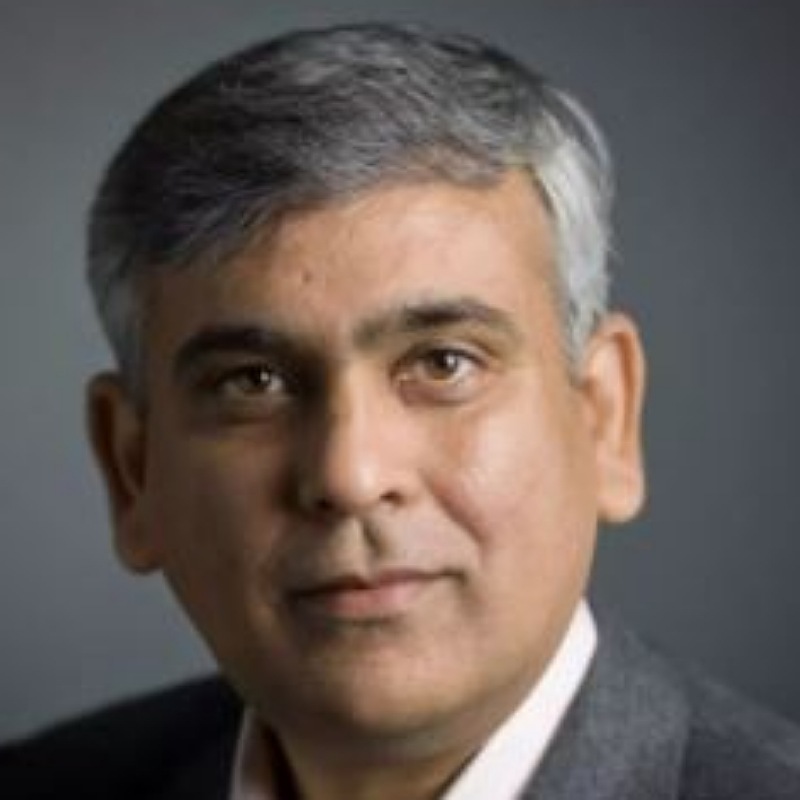
    L’oreal has appointed Abhishek Grover as the chief digital officer-consumer products, according to his Linkedin profile post.

    He will oversee the operations of the south-east Asia pacific, middle-east and North African regions. Earlier, he was heading the digital marketing portfolio at Samsung for the south-east Asia and Oceania (SEAO) region where he was leading the digital marketing strategies and implementing the best practices.

    Grover said via his post on LinkedIn recently while announcing his exit from Samsung, “As a digital marketing group in SEAO, we have come a long way! It gives me a great sense of pride that we built a strong and highly capable team that is leading Samsung’s global digital transformation agenda.”

    “Whether it was setting up digital shared service operations or building industry first attribution models, it was the innovative and courageous thinking of the team that helped us leap forward,” he added.

  • L’Oréal scales up sustainability goals with new announcement

    MUMBAI: Global Cosmetic major L’Oréal has announced the realization of the first cosmetic bottle made from plastic entirely recycled using Carbios’ enzymatic technology. The Group aims to start the production of the bottles based on this disruptive innovation in 2025.

    Biotherm would be the first of the Group’s brands to launch a product in this bottle of the future, it said on Thursday.

    The technology developed by Carbios, a pioneer in the development of biotech solutions for the recycling of PET (polyethylene terephthalate) plastics, paves the way for the manufacture of new products made from 100 per cent recycled materials produced using its enzymatic process. According to the company, it has the advantage of being suitable for all types of PET – clear, colored, opaque, and multilayer – and making these plastics infinitely recyclable.

    L’Oréal Packaging and Development director Jacques Playe said: “We have been working with Carbios since 2017 to develop this first bottle made from PET derived from enzymatic recycling technology, an alternative to mechanical recycling. We are pleased to announce the feasibility of these bottles in a pilot phase and are delighted to be in a position to create the packaging of the future with our partners. This is a promising innovation for the years to come that demonstrates our commitment to bring to market more environmentally friendly packaging and which is part of a circularity initiative begun more than 15 years ago”.

    Biotherm Global Brand president Giulio Bergamaschi noted: “We are delighted to be the first beauty brand to realize a completely recycled bottle using plastic from Carbios’ disruptive technology”.

    L’Oréal set up a consortium with Carbios in 2017, which Nestlé Waters, PepsiCo, and Suntory Beverage & Food Europe have since joined. In 2019, L’Oréal invested in Carbios via its venture capital fund BOLD – Business Opportunities for L’Oréal Development.

    With “L’Oréal for the Future”, L’Oréal’s new sustainability programme for 2030, the Group has taken a step further towards the transformation of its business and has set ambitious new objectives, particularly in the area of packaging. It aims to have 100 per cent of its plastic packaging as refillable, reusable, recyclable, or compostable by 2025, 100 per cent of its plastic packaging to be derived from recycled materials or biosourced by 2030.

  • L’Oréal elevates Asmita Dubey as group chief digital officer

    L’Oréal elevates Asmita Dubey as group chief digital officer

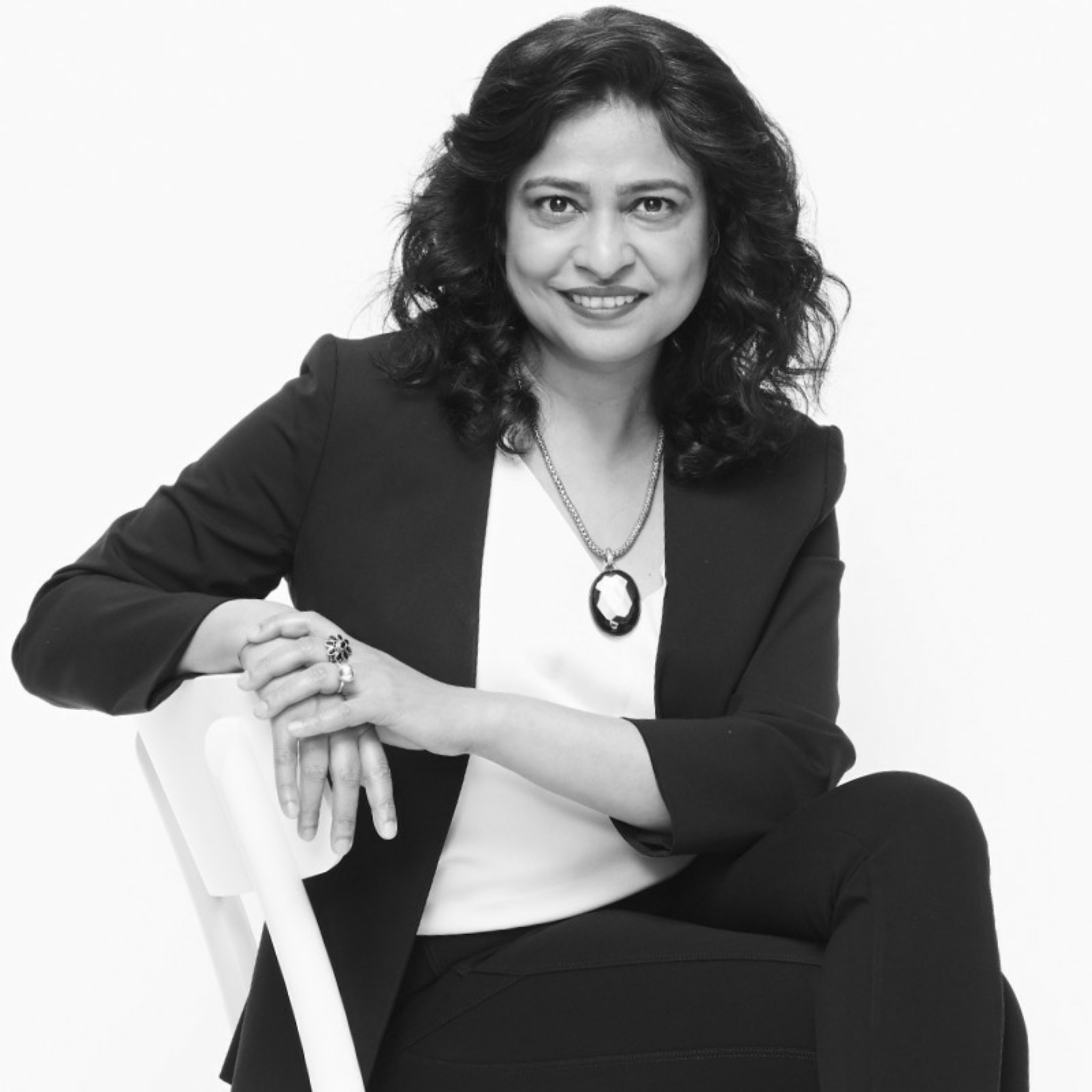
    NEW DELHI: Beauty brand L’Oréal has elevated Asmita Dubey as chief digital officer and member of the group’s executive committee. Dubey succeeds Lubomira Rochet, who is moving on from the global cosmetics giant.

    Dubey was chief media officer for the group and chief digital officer for L’Oréal’s consumer products division. She is entrusted with the responsibility of driving the second phase of the brand’s digital transformation.

    With a background in both statistics and economics, Dubey started her career in the Indian advertising industry. Later in China, she activated campaigns for some of the world’s biggest FMCG companies. As part of the group, she laid the foundations for L’Oréal’s e-commerce acceleration in China. She built L’Oréal’s first joint-business partnerships with Alibaba and Tencent and established a broader start-up ecosystem. As chief marketing officer for China and Asia Pacific for L’Oréal, she strengthened L’Oréal’s digital footprint in the region.

    L’Oréal deputy chief executive officer – divisions Nicolas Hieronimus remarked, “Asmita is a real expert in her field and is a true strategic thinker, with a unique ability to simplify within complexity. With her long-term experience in digital marketing, trend-spotting and consumer centricity, she is the perfect choice to build the next big phase of our digital transformation.”

  • L’oréal stands in solidarity with India’s fight against Covid

    L’oréal stands in solidarity with India’s fight against Covid

    Mumbai: To address the acute shortage of oxygen being faced by India in combating the Covid2019 pandemic, L’Oréal has lent its financial support to the French government’s initiative to provide oxygen generators, liquid oxygen containers and specialised respirators to the country. In addition, the global cosmetic brand is working with a network of NGOs across India, including GiveIndia, United Way Mumbai, Hemkunt Foundation, ActionAid Association, the Akshay Patra Foundation etc to supply critical oxygen equipment, medical supplies, food, education and hygiene kits across the country.

    L’Oréal will provide oxygen concentrators and cylinders to hospitals in Maharashtra, Karnataka, Delhi, Himachal Pradesh and Punjab and distribute over 100,000 units of sanitisers to government hospitals, police forces, municipal corporations, and those on the frontline of the pandemic across the country. The company said it will also give care packages to approximately 2000 nurses who have become the primary caregiver and family to many.

    With schools closed indefinitely, underprivileged children have not had access to education or food provided by schools. To aid their requirements, L’Oréal has partnered the Akshay Patra Foundation to provide 4,000 food and education kits for children. As women have been amongst the most severely impacted by the pandemic, L’Oréal is working with Action Aid India to provide livelihood training and infrastructure support, there by empowering them to restart their livelihoods.

    L’Oréal India managing director Amit Jain said, “We are deeply concerned with the severity of the second wave of the pandemic and committed to working closely with the government and our NGO partners to support the country’s collective efforts to fight the crisis.”

    L’Oréal employees will also be contributing toward Covid relief to an NGO of their choice via the fundraising platform GiveIndia.

  • Amit Jain named chairperson of MMA India board of directors

    Amit Jain named chairperson of MMA India board of directors

    MUMBAI: MMA, formerly known as the Mobile Marketing Association, has appointed L’Oréal India managing director Amit Jain as chairperson of its India board of directors.

    Jain succeeds Priya Nair, who is the executive director – beauty and personal care at Hindustan Unilever. Nair will move into a new role as chair emeritus of MMA India.

    “MMA has been doing stellar work in helping marketers use insights and tools to harness the convergence of marketing and technology to drive personalised and customised engagement, in line with evolving consumer needs and purchase behaviour. I am delighted to take on this role and lead MMA’s commitment to shape the future of marketing today by bringing brands closer to consumers through connected consumer journeys," Jain said.

    MMA India country head Moneka Khurana added, “Amit Jain’s business leadership, progressive outlook and experience in managing credible boards will help in shaping the future of Modern Marketing for MMA India at a time when it’s central to all marketers to drive business ROI, customer engagement and innovations.”

    MMA Asia Pacific managing director Rohit Dadwal said "Amit Jain’s deep knowledge of digital marketing in the 21st century will prove invaluable to the furthering of MMA’s mission in advancing modern marketing in India. I look forward to working with Amit and would like to thank Priya for her invaluable contribution and for paving the way forward.”

  • Eye on e-retail, L’Oréal invests in social selling platform Replika Software

    Eye on e-retail, L’Oréal invests in social selling platform Replika Software

    NEW DELHI: As part of its acceleration strategy in e-commerce, L’Oréal has made a minority investment in US-based social selling platform Replika Software through its corporate venture capital fund BOLD (Business Opportunities for L’Oréal Development). 

    As a turnkey social selling platform, Replika Software enables brands to activate at scale their network of social sellers to sell online, inspire on social media and connect with consumers anytime, anywhere. Founded in 2016 by Kareen Mallet, former fashion director at Neiman Marcus and Bergdorf Goodman, and Corey Gottlieb, advertising, marketing and tech entrepreneur, the company is based in New York and has offices in Paris. 

    “Social commerce is an exciting new form of e-commerce that enables consumers, influencers, experts, beauty or shop assistants to sell brands and products on social platforms through formats such as live shopping or livestreaming,” said L’Oréal chief digital officer Lubomira Rochet. “Today, e-commerce already represents 25 per cent of L’Oréal’s revenues. The rise of social commerce is a great opportunity for our brands to reinvent the consumer beauty experience worldwide. We are very excited to partner with Replika Software, a pioneer in the field, to create social commerce at scale. Our ambition is to crack this new channel and create a healthy and dynamic ecosystem of social sellers for the beauty category.” 

    “As an industry, we’re just scratching the surface of how powerful social commerce can be when it’s combined with the massive scale offered by the global online community. Replika Software comes off an excellent year of growth and is powering new revenue generating social selling programs for brands of L’Oréal and others around the world,” said Replika Software co-founder Kareen Mallet. “We are thrilled to strengthen our partnership with L’Oréal. Having their financial support and domain expertise will help us execute our vision even more rapidly and broadly.”

  • ShareChat gets Wavemaker’s Ajit Varghese as chief commercial officer

    ShareChat gets Wavemaker’s Ajit Varghese as chief commercial officer

    NEW DELHI: ShareChat has appointed Ajit Varghese as its chief commercial officer. Varghese brings in a track record of 25+ years of leading large-scale business transformations and building diverse and successful businesses around media, creative, digital, data, content, sports, and performance.  

    Prior to joining ShareChat, Varghese was the global president at WPP group’s Wavemaker, known among the world’s top five media networks with clients ranging from industry giants like Vodafone, L’Oreal, Huawei, IKEA, Paramount Pictures, Chanel, Xerox, Netflix, Chevron, Beiersdorf, and Tiffany.  

    In his new role at ShareChat, he will be pivotal in expanding and strengthening the platform’s revenue efforts and building a robust monetisation approach with the strategic content partnership. He will also spearhead its marketing functions, to be inclined towards brand elevation, aligned with business centricity. He will be reporting into ShareChat COO & co-founder Farid Ahsan. 

    This key appointment announcement comes amidst Sharechat witnessing exponential growth in the past few months. The upward curve not only mirrors the new user growth and higher user engagement on the platform but also reflects an increased interest among B2C brands, for leveraging Bharat internet audiences. 

    Farid Ahsan said, “Brand marketing and monetisation is going to be the core focus of ShareChat and we will direct our efforts towards elevating the brand positioning through strategic communications approach. Ajit, with his leadership capabilities and expert knowledge of the media, marketing and advertising domain, will play a critical role in further building brand awareness, deepening relationships with our business stakeholders and driving ShareChat toward the next phase of growth.”  

    Ajit Varghese said, “Having previously worked and transformed several global organisations, it has always been a hidden desire to contribute towards transforming an Indian organisation to global repute. I believe ShareChat in the next few years will evolve as the default partner to every brand, homegrown and global, who intends to engage with the internet-first population. As the digital advertising landscape awaits the inclusion of over 400 million new internet users, mostly inclined towards native languages, ShareChat will stay at the forefront of unveiling a new digital era. This will be an exciting journey for me as I look forward towards contributing to ShareChat’s growth and building a win-win relationship with our community of users, partners and business stakeholders.” 

    An alumnus of Xavier Institute of Management, Bhuvaneshwar, and a graduate in agriculture engineering from Orissa University of Agriculture and Technology, Varghese has worked across India, Singapore and London. With years of leadership positions across globally-reputed media organisations like Wavemaker (WPP), Maxus (WPP), Madison World, he has been recognised as a Global Media Leader with a track record of turning around organisations, leading rapid growth, and gaining market dominance. 

    Over the past few months, ShareChat has been strategizing to become a future-ready organisation by delivering an immersive social experience to its users and building a global product. The platform has collaborated with leading music labels in India and across the globe, set up ‘ShareChat Labs’ in Silicon Valley, and driven content partnerships with various news and entertainment organisations. Over 150 B2C brands have partnered with ShareChat to explore its strength in engaging with Bharat (language-first) internet audience on the platform. 

  • L’Oréal unveils next generation of bold sustainability targets for 2030

    L’Oréal unveils next generation of bold sustainability targets for 2030

    NEW DELHI: L’Oréal today launched its new sustainability program “L’Oréal for the future”, laying down the Group’s latest set of ambitions for 2030. In the context of growing environmental and social challenges, L’Oréal is accelerating its transformation towards a model respecting planetary boundaries and reinforcing its commitments to both sustainability and inclusion: 

    1. Transforming L’Oréal’s business to respect the planet’s limits: o By 2025, all of L’Oréal’s sites will have achieved carbon neutrality by improving energy efficiency and using 100% renewable energy; o By 2030, 100% of the plastics used in L’Oréal’s products’ packaging will be either from recycled or bio-based sources; o By 2030, L’Oréal will reduce by 50% per the finished product, compared to 2016, its entire greenhouse gas emissions. 

    2. Contributing to solving the world’s challenges by supporting urgent social and environmental needs, through an unprecedented plan launched in May 2020: o L’Oréal is allocating €150 million to address urgent social and environmental issues.

    3. In order to empower its consumers to make more sustainable choices, L’Oréal has developed a Product Environmental & Social Impact Labelling mechanism, scaling from A to E, endorsed by independent scientific experts and verified by an independent auditor, which will be progressively deployed for all brands and categories. 

    “L’Oréal’s sustainable revolution is entering a new era. The challenges the planet is facing are unprecedented, and it is essential to accelerate our efforts to preserve a safe operating space for humanity. We do so in our own business operations and in our contribution to the society at large. We know that the biggest challenges remain to come and L’Oréal will stay faithful to its ambition: operate within the limits of the planet”, said L’Oréal chairman and CEO Jean-Paul Agon.

    Transforming L’Oréal’s business to respect “planetary boundaries”

    “Planetary boundaries” are limits, which, if crossed, will compromise the Earth’s capacity as a habitat for human development. Respecting a safe operating  space for humanity must be a priority in the decades to come, as scientists unanimously agree1, which is why L’Oréal aims to transition to a way of operating its entire business within the limits of the planet. 

    Therefore, the group has defined new quantifiable targets for 2030, to fight climate change as supported by the “Science Based Targets” initiative, but is also going one-step further by addressing three other major environmental issues: preservation of biodiversity, sustainable water management and circular use of resources. To ensure its business is respectful of a resource-limited planet, and fair for the communities it works with, L’Oréal will not only continue to reduce its direct environmental impacts, but also reduce the impacts of its entire activity including those of its suppliers and consumers.

    “Over the past decade, we have profoundly transformed our company, putting sustainability at the very core of our business model. With our new commitments, we are entering a new phase of acceleration of that transformation: going beyond our direct environmental impact, helping consumers to make more sustainable choices, as well as generating positive social and environmental contribution. As an industry leader, we consider that it is our role to contribute to building an inclusive and sustainable society” said L’Oréal chief corporate responsibility officer Alexandra Palt.

    Follow Tellychakkar for the consumer facing news & entertainment

  • Will fairness brands bid adieu?

    Will fairness brands bid adieu?

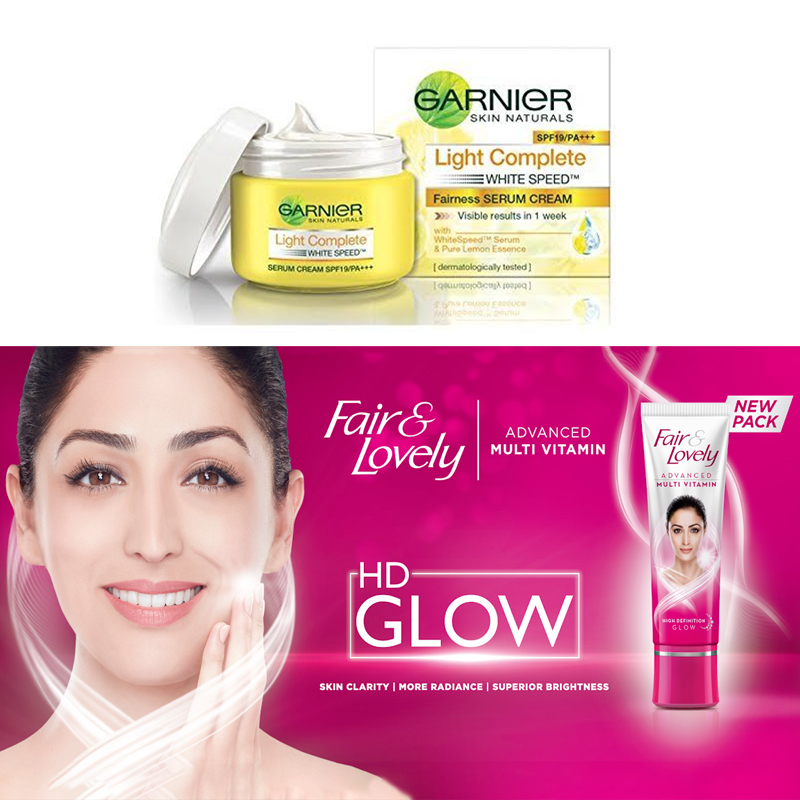
    NEW DELHI: After beauty standards and the flawed idea of "fair is beautiful" caught the limelight amid the #BlackLivesMatter protests in the US, brands have taken a much-needed step across countries. Just yesterday, Hindustan Unilever (HUL) announced that it will be dropping the word 'fair' from its infamous skin whitening product Fair & Lovely and soon announce a new name.

    Supporting the #BlackLivesMatter cause, American multinational giant Johnson & Johnson also decided to stop selling its skin lightening products range globally. Clear & Clear will no longer be sold in India and Neutrogena will not be available in the Asian and Middle Eastern markets.

    The fairness cream market in India is dominated by HUL, P&G, Garnier, L’Oreal and many others. Brands over the years have played on and perpetuated the idea that fair skin is everything and have been criticised for provoking thoughts which encourage discrimination on the basis of colour.

    Fair & Lovely, endorsed by actress Yami Gautam, is considered to be one of HUL's best-selling products, unhampered by criticism. 

    According to a recently published report, "India Fairness Cream & Bleach Market Overview, 2018-2023", the women's fairness cream category is anticipated to achieve market revenues of more than Rs 5000 crore by the year 2023.

    While Johnson&Johnson recently called it quits from the fairness cream market, could we see other brands, especially Indian ones, taking the same route or revise their way of communicating to viewers?

    Dentsu Impact VP planning Krittika Chakraborty shares, “The Indian fairness cream market is dominated by HUL whose Fair & Lovely has an 80 per cent share. It is, of course, very much possible that brands like Fair & Lovely may stop advertising during this time as this debate boils over in the international arena. Ad spends might be affected in the short to medium term in India but it is doubtful whether it would directly impact demand for these products.”

    Commwiser Consultants co-founder Aman Abbas says that the fetish for fair skin in India is deep-rooted and centuries old. Therefore, it will take many decades of active campaigns and a lot of education for this to start fading off. 

    There has been a heated debate against such advertisements, as a result, the ministry of health and family welfare finalised drugs and magic remedies (objectionable advertisements) (amendment) Bill, 2020 under which the proposed draft amendment bans advertisements of products that promote fairness creams, enhance sexual performance, cure premature aging and greying of hair, improvement in height of children or adults, among others. The violators will face a penalty up to Rs 50 lakh and can be served prison time for five years.

    "Interestingly, the laws are more focused on the ‘misleading claims’, which means whether the creams are actually making one fair or not and whether the ingredients are safe. There is little focus on the very concept of it," Abbas points out.

    He also adds, “Global brands like J&J have taken the right step and it must be lauded. But there may be many local players who would view J&J’s exit as an opportunity and move in to fill the gap."

    Over the years brands have diversified their business to the male fairness segment as well with leading actors as brand ambassadors including Shah Rukh Khan, Hrithik Roshan, Varun Dhawan and Kartik Aaryan. Indian cricket team captain Virat Kohli was also a former brand ambassador but from 2017, he has refused to endorse fairness brands and others that he doesn't personally use.

    Chakraborty says that even if the marketing angle changes, the promise of the product stays the same and that needs to be addressed.

    “An answer might lie in ranges and narratives that talk about healthy skin with an equal celebration of all skin tones and face types, not just the ones that fit our prevailing notions of beauty,” she says.

    Echoing the same perspective Abbas shares, “The reality is that the society would still ‘need’ fairness creams for the age-old ‘approval’ to look beautiful. So, the products will exist and sold in the market. The brands have an image to keep, appear sensitive to the environment and say the right things. In the days of social media activism that impact the brand image and even sales directly, brands may ‘respond’ to the environment and change the communication to something subtle.”

    Chakraborty strongly opines that such products should not exist as they reinforce a dangerous and regressive stereotype.While it's desirable to believe that a change in marketing tactics may cut down demand, she says it's wishful thinking. 

    “While multinationals might take global calls to end the glorification of light skin or certain beauty standards through their products and advertising, the majority of Indians will still continue to hold light skin in high regard," she says.

    Experts believe that the recent backlash will not negatively impact any Indian brand and they will not stop selling such products as they clock huge revenue.