Tag: Lok Sabha

  • Kurnool LCO’s office sealed, 3 others’ being investigated: MIB on Peace TV

    Kurnool LCO’s office sealed, 3 others’ being investigated: MIB on Peace TV

    NEW DELHI: While denying that the Information and Broadcasting Ministry had asked the Home Ministry to help in keeping a check on illegal channels, the government today said that five complaints had been received in July on the carriage of un-permitted satellite TV channels:

    Yesterday, Information and Broadcasting Minister M Venkaiaih Naidu had told the Rajya Sabha that action had ‘reportedly’ been taken in Kurnool and Aurangabad for carriage of illegal channels.

    However, the Lok Sabha was told today by Minister of State Rajyavardhan Rathore that the office of Seema Communication Pvt. Ltd. in Kurnool had been sealed and equipment seized This was on a complaint on 9 July 2016 by Rajya Sabha member T G Venkatesh against the LCO for telecasting the non-permitted ‘Peace TV’ in Kurnool District. The complaint was sent to the District Collector, Kurnool on 10 July 2016. The DC carried out the instructions and found that the operator was actually carrying the non-permitted channel and an FIR was lodged by the authorized officer.

    However, another complaint on 12 July from Vinay Patil against Yashodeep Cable Network for transmission of the same channel in Aurangabad District was found to be incorrect as the Deputy Commissioner found that this channel was not being carried by the LCO.

    Another complaint of 7 July 2016 from Kuldeep Kumar Sahani against Venkata Sai Entertainment Pvt. Ltd. for illegal transmission of Peace TV in Nizamabad District was sent to District Collector, Nizamabad, on 22 July 2016 for further necessary action by the authorized Officer.

    A complaint about Peace TV on 9 July 2016 from A Thirupathi Reddy against Sri Sai Communications in Karimnagar District was sent to District Collector, Karimnagar on 22 July 2016 for further necessary action by the authorized Officer.

    A fifth complaint of 8 July 2016 from Nandyal Digital TV Communications against Siti Vision Digital Media Pvt. Ltd. for illegal transmission of Peace TV in Kurnool District was sent to District Collector, Kurnool, on 22 July 2016 for further necessary action by the authorized Officer.

    Apart from advisories sent to the authorized officers, MSOs, and LCOs, the minister said an appeal was issued on social media platform to the general public to report cases of transmission of un-permitted satellite TV channels by cable operators.

    Meanwhile, the minister said that in addition to satellite channels, the ministry has received recommendations from the Telecom Regulatory Authority of India on its query that the procedure for cable operators to transmit local (ground based) channels had not defined in the Act.

    Peace TV from Dubai and as many as fourteen television channels from Pakistan figured in a list of 24 channels which the Home Ministry identified as ‘not conducive to the security environment in the country’ in December 2015.

    The Pakistani channels are PTV, PTV Home, PTV World, Geo TV, Dawn, Express, Waqat, Q TV, Madni TV, Noor TV, Hadi TV, Aaj, Filmax and STV.

    Out of the other ten, there are two from Nepal (one identified as Nepal, and the other as Kantipur), and one channel each from Bangladesh (NTV Bangladesh), Maldives (TV Maldives), Bhutan (Bhutan Broadcasting Service), and there was a United Kingdom-based channel, Ahmedia Channel.

    The other channel from Arab countries was Saudi TV while the nationality of two channels was not disclosed: ARY TV and XYZ TV.
  • Digital India aimed at creating knowledge-based society: Speaker tells MPs

    Digital India aimed at creating knowledge-based society: Speaker tells MPs

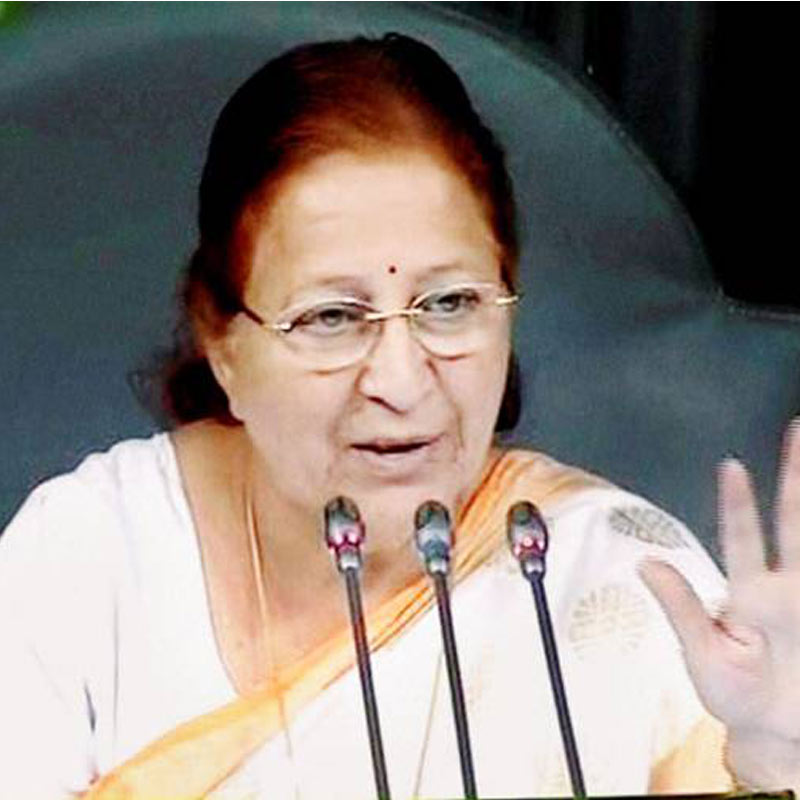
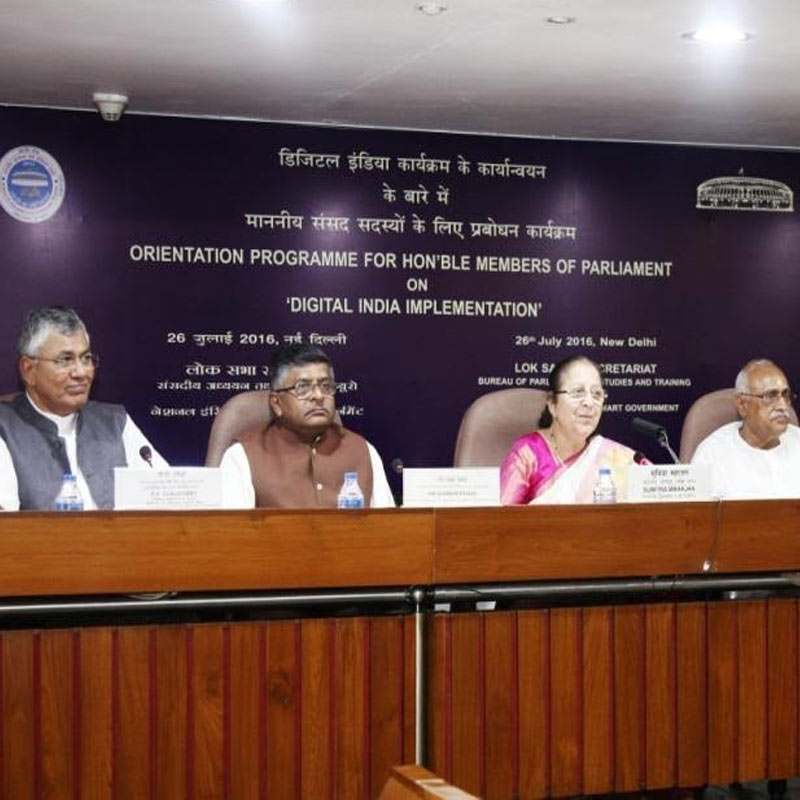
    NEW DELHI: Observing that the digital age is going to dominate the future, Lok Sabha Speaker Sumitra Mahajan has said the Digital India Programme is a giant leap in the endeavour to create a digitally empowered and knowledge-based society.

    Inaugurating an Orientation Programme on ‘Digital India Implementation’ for Members of Parliament in Parliament Library Building yesterday, she emphasized that many may not be well acquainted with Digital India as it was a relatively new phenomenon but it was imperative that Members as people’s representatives gain the right knowledge through this familiarization programme for the benefit of people at large.

    Mahajan further observed that Digital India campaign launched in July 2015 seeks to ensure that the Government services are made available to people effectively by improving online infrastructure, by increasing internet connectivity and by making the country digitally empowered in the field of technology.

    She hoped that the domain experts in the field would focus on the key components of Digital India Framework, MyGov – Creating Participatory Digital Democracy and Digital Village – connecting Rural India to Digital Services for the Members.

    Mahajan stressed that our Parliament is taking pro-active measures in adopting and applying information technology in its functioning. She said that an e-Portal for Lok Sabha Members was launched on 17 July 2016 to help the Members to discharge their parliamentary works more efficiently. It will be instrumental in minimizing the use of paper and help to convert Lok Sabha into a paperless institution in future, she added.

    Electronics & Information Technology Minister Ravi Shankar Prasad; Minister of State of P P Chaudhary; Bureau of Parliamentary Studies and Training (BPST) Honorary Advisor Raghunandan Sharma and Lok Sabha Secretary-General Anoop Mishra were also present at the inaugural function. The Programme was organized by BPST, Lok Sabha Secretariat in collaboration with the National Institute for Smart Government.

  • Digital India aimed at creating knowledge-based society: Speaker tells MPs

    Digital India aimed at creating knowledge-based society: Speaker tells MPs

    NEW DELHI: Observing that the digital age is going to dominate the future, Lok Sabha Speaker Sumitra Mahajan has said the Digital India Programme is a giant leap in the endeavour to create a digitally empowered and knowledge-based society.

    Inaugurating an Orientation Programme on ‘Digital India Implementation’ for Members of Parliament in Parliament Library Building yesterday, she emphasized that many may not be well acquainted with Digital India as it was a relatively new phenomenon but it was imperative that Members as people’s representatives gain the right knowledge through this familiarization programme for the benefit of people at large.

    Mahajan further observed that Digital India campaign launched in July 2015 seeks to ensure that the Government services are made available to people effectively by improving online infrastructure, by increasing internet connectivity and by making the country digitally empowered in the field of technology.

    She hoped that the domain experts in the field would focus on the key components of Digital India Framework, MyGov – Creating Participatory Digital Democracy and Digital Village – connecting Rural India to Digital Services for the Members.

    Mahajan stressed that our Parliament is taking pro-active measures in adopting and applying information technology in its functioning. She said that an e-Portal for Lok Sabha Members was launched on 17 July 2016 to help the Members to discharge their parliamentary works more efficiently. It will be instrumental in minimizing the use of paper and help to convert Lok Sabha into a paperless institution in future, she added.

    Electronics & Information Technology Minister Ravi Shankar Prasad; Minister of State of P P Chaudhary; Bureau of Parliamentary Studies and Training (BPST) Honorary Advisor Raghunandan Sharma and Lok Sabha Secretary-General Anoop Mishra were also present at the inaugural function. The Programme was organized by BPST, Lok Sabha Secretariat in collaboration with the National Institute for Smart Government.

  • No plans to regulate TV content through CBFC: MIB

    No plans to regulate TV content through CBFC: MIB

    NEW DELHI: Even as debates rage on regarding film and television content with the government admitting complaints regarding vulgar advertisements on TV are received regularly and addressed, Ministry of Information and Broadcasting (MIB) has said there’s no move yet to regulate TV content via an existing body.

    Dwelling on the Central Board of Film Certification (CBFC), its recent run-ins with films producers on alleged censorships and a proposed restructuring of the certification body, Minister of State for MIB Rajyavardhan Rathore has said government doesn’t propose to regulate TV content via CBFC.

    Rathore made these observations regarding CBFC and TV content regulation in Parliament last week

    Holding forth on CBFC, the minister admitted that a restructuring report by the Shyam Benegal Committee was “under examination”,  but added the government had not received any formal complaint/representation from the Indian film industry regarding the functioning of CBFC.

    Rathore told Lok Sabha (Lower House of Parliament) late last week that differences in opinion relating to certification of individual films do exist between the producers and the Board. Such cases are dealt with in accordance with the provisions of the Cinematograph Act 1952, he added.

    The existing system under the Cinematograph Act, 1952 provides the requisite checks and balances as far as certification of films is concerned. Periodical reviews by expert committees are undertaken. Sufficient provisions for addressing grievances of film producers with regard to film certification exist in present regulations, the junior MIB minister informed fellow parliamentarians.

    A review committee under noted film-maker Shyam Benegal was constituted by MIB some time back. The committee has given its report suggesting some radical changes in the CBFC’s functioning and role.

    Complaints regarding vulgarity in TV ads

    A total of 49 complaints – four in 2016 – for vulgarity in advertisements on television channels were reported to MIB since 2013.

    In most cases, advisories were issued to TV channels concerned, but there were a few cases where the channels had to run apology scrolls or were forced to shut down for a fixed period.

    There were also two instances of advisories to all channels in these years.

    According to figures available with MIB, there were 26 complaints in 2013, nine in 2014, eleven in 2015 and four so far this year.

    Only Manoranjan TV, FTV, and NTV have figured thrice in these years for broadcast of vulgarity in advertisements.

    Under existing regulatory framework, all programmes and advertisements telecast on TV channels and transmitted/retransmitted through cable TV networks and DTH platforms are required to adhere to the Programme and Advertising Codes prescribed under the Cable TV Networks (Regulation) Act, 1995.

    Action is taken suo-motu as well as when violations are brought to the notice of the ministry.

    These codes contain a whole range of parameters to regulate programmes and advertisements, including provisions to address content of obscenity, vulgarity and violence in TV programmes and advertisements.

    Information from the Electronic Media Monitoring Centre (EMMC) and other sources like an Inter-Ministerial Committee (IMC) are collated on prima facie violation of the Programme and Advertising Codes for the MIB to pursue the matter.

    Government said directions to the States have been issued to set up district-level and State-level monitoring committees to monitor content telecast on cable TV channels. These are recommendatory bodies, which function to aid and assist MIB.


  • No plans to regulate TV content through CBFC: MIB

    No plans to regulate TV content through CBFC: MIB

    NEW DELHI: Even as debates rage on regarding film and television content with the government admitting complaints regarding vulgar advertisements on TV are received regularly and addressed, Ministry of Information and Broadcasting (MIB) has said there’s no move yet to regulate TV content via an existing body.

    Dwelling on the Central Board of Film Certification (CBFC), its recent run-ins with films producers on alleged censorships and a proposed restructuring of the certification body, Minister of State for MIB Rajyavardhan Rathore has said government doesn’t propose to regulate TV content via CBFC.

    Rathore made these observations regarding CBFC and TV content regulation in Parliament last week

    Holding forth on CBFC, the minister admitted that a restructuring report by the Shyam Benegal Committee was “under examination”,  but added the government had not received any formal complaint/representation from the Indian film industry regarding the functioning of CBFC.

    Rathore told Lok Sabha (Lower House of Parliament) late last week that differences in opinion relating to certification of individual films do exist between the producers and the Board. Such cases are dealt with in accordance with the provisions of the Cinematograph Act 1952, he added.

    The existing system under the Cinematograph Act, 1952 provides the requisite checks and balances as far as certification of films is concerned. Periodical reviews by expert committees are undertaken. Sufficient provisions for addressing grievances of film producers with regard to film certification exist in present regulations, the junior MIB minister informed fellow parliamentarians.

    A review committee under noted film-maker Shyam Benegal was constituted by MIB some time back. The committee has given its report suggesting some radical changes in the CBFC’s functioning and role.

    Complaints regarding vulgarity in TV ads

    A total of 49 complaints – four in 2016 – for vulgarity in advertisements on television channels were reported to MIB since 2013.

    In most cases, advisories were issued to TV channels concerned, but there were a few cases where the channels had to run apology scrolls or were forced to shut down for a fixed period.

    There were also two instances of advisories to all channels in these years.

    According to figures available with MIB, there were 26 complaints in 2013, nine in 2014, eleven in 2015 and four so far this year.

    Only Manoranjan TV, FTV, and NTV have figured thrice in these years for broadcast of vulgarity in advertisements.

    Under existing regulatory framework, all programmes and advertisements telecast on TV channels and transmitted/retransmitted through cable TV networks and DTH platforms are required to adhere to the Programme and Advertising Codes prescribed under the Cable TV Networks (Regulation) Act, 1995.

    Action is taken suo-motu as well as when violations are brought to the notice of the ministry.

    These codes contain a whole range of parameters to regulate programmes and advertisements, including provisions to address content of obscenity, vulgarity and violence in TV programmes and advertisements.

    Information from the Electronic Media Monitoring Centre (EMMC) and other sources like an Inter-Ministerial Committee (IMC) are collated on prima facie violation of the Programme and Advertising Codes for the MIB to pursue the matter.

    Government said directions to the States have been issued to set up district-level and State-level monitoring committees to monitor content telecast on cable TV channels. These are recommendatory bodies, which function to aid and assist MIB.


  • AIR revenue has shown gradual growth; DD has not: Govt

    AIR revenue has shown gradual growth; DD has not: Govt

    NEW DELHI: In a digital age when most entertainment is downloadable and proliferation of television has made information easily accessible to general public, it’s heartening to note that pubcaster radio is holding its own against public-funded television.

    Minister for Information and Broadcasting (MIB) M Venkaiah Naidu informed Lok Sabha (Lower House of Parliament) that All India Radio, managed by pubcaster Prasar Bharati, has shown a gradual increase in revenues.

    The MIB minister added that on the other hand Doordarshan’s revenue generation has been below par.

    According to Naidu, operational cost of Doordarshan and All India Radio, however, is going north as a result of increased manpower hiring and resultant hike in remunerations and benefits given to government officials.

    Though Prasar Bharati is an autonomous body, the government has been providing non-plan support for meeting 100 per cent expenses towards salary and salary-related expenses and under planned expenditure for technical capital requirements.

    Prasar Bharati has received a total of Rs 9486.52 crore between 2013-2014 and June 2016 as plan or non-plan grant from MIB.

    During these years, the amount peaked in 2015-16 when the total grant was Rs 2795.89 crore.

    Year-wise Details of total expenditure and Revenue of DD and AIR during last five years are given as under:

    (Rs. in crore)

    All India Radio

    Year        Total expenditure          Revenue earned (Exclusive of Service Tax)

    2011-12   1213.58                                       325.01

    2012-13   1322.06                                     319.50

    2013-14   1460.33                                     367.50

    2014-15   1615.70                                     435.10

    2015-16   1710.08                                     447.76

    (Rs. in crore)

    Doordarshan

    Year       Total expenditure          Revenue earned (Exclusive of Service Tax)

    2011-12    1381.38                                              735.32

    2012-13    1501.64                                            1025.78

    2013-14     1602.94                                           1043.13

    2014-15     1815.22                                             911.01

    2015-16     1863.60                                            755.79

    Meanwhile, Naidu added that AIR has no mechanism to undertake audience measurement at regular intervals through field surveys.

    In the year 2014, DD National’s all-India audience ratings were 0.17%. In the year 2015, the ratings percentage dropped to 0.10% owing to the fact that the ratings agency did not cover 100 per cent of DD National on an all- India basis, MIB minister explained to Parliament.

    Government also admitted that increasing reach of other TV channels, mainly privately-owned, into rural areas has eaten into the share of DD viewership.

    In the current year, till the 27th week of 2016, ratings percentage of DD National was 0.11% as per data generated by Broadcast Audience Research Council (BARC), which is an industry initiative.

    EXPENDITURE ON TRANSMITTERS: Over Rs 1,033 crore has been spent by DD on maintenance of low-power and very low powered transmitters.

    The total expenditure incurred by Doordarshan during the last three years was 2013-14 Rs. 318.16 crore; 2014-15 Rs. 349.66 crore and

    2015-16 Rs. 365.65 crore.

    Minister of State for Information and Broadcasting Rajyavardhan Rathore told the Lok Sabha that Prasar Bharati has 368 very low power TV transmitters (VLPTs) in the country.

    The junior MIB minister said that while no in-house survey has been conducted to assess LPT (low power transmitters) viewership by DD, BARC too doesn’t provide such data.

    Prasar Bharati has decided to close four LPTs as they lie in the coverage zone of nearby high power transmitters (HPTs) in Madhepura (Bihar); Simri Bakhtiarpur (Bihar); Khagaria (Bihar); and Kalna (West Bengal).

    Rathore also added that upgradation/modernization of Doordarshan Kendras is a continuous process.


  • AIR revenue has shown gradual growth; DD has not: Govt

    AIR revenue has shown gradual growth; DD has not: Govt

    NEW DELHI: In a digital age when most entertainment is downloadable and proliferation of television has made information easily accessible to general public, it’s heartening to note that pubcaster radio is holding its own against public-funded television.

    Minister for Information and Broadcasting (MIB) M Venkaiah Naidu informed Lok Sabha (Lower House of Parliament) that All India Radio, managed by pubcaster Prasar Bharati, has shown a gradual increase in revenues.

    The MIB minister added that on the other hand Doordarshan’s revenue generation has been below par.

    According to Naidu, operational cost of Doordarshan and All India Radio, however, is going north as a result of increased manpower hiring and resultant hike in remunerations and benefits given to government officials.

    Though Prasar Bharati is an autonomous body, the government has been providing non-plan support for meeting 100 per cent expenses towards salary and salary-related expenses and under planned expenditure for technical capital requirements.

    Prasar Bharati has received a total of Rs 9486.52 crore between 2013-2014 and June 2016 as plan or non-plan grant from MIB.

    During these years, the amount peaked in 2015-16 when the total grant was Rs 2795.89 crore.

    Year-wise Details of total expenditure and Revenue of DD and AIR during last five years are given as under:

    (Rs. in crore)

    All India Radio

    Year        Total expenditure          Revenue earned (Exclusive of Service Tax)

    2011-12   1213.58                                       325.01

    2012-13   1322.06                                     319.50

    2013-14   1460.33                                     367.50

    2014-15   1615.70                                     435.10

    2015-16   1710.08                                     447.76

    (Rs. in crore)

    Doordarshan

    Year       Total expenditure          Revenue earned (Exclusive of Service Tax)

    2011-12    1381.38                                              735.32

    2012-13    1501.64                                            1025.78

    2013-14     1602.94                                           1043.13

    2014-15     1815.22                                             911.01

    2015-16     1863.60                                            755.79

    Meanwhile, Naidu added that AIR has no mechanism to undertake audience measurement at regular intervals through field surveys.

    In the year 2014, DD National’s all-India audience ratings were 0.17%. In the year 2015, the ratings percentage dropped to 0.10% owing to the fact that the ratings agency did not cover 100 per cent of DD National on an all- India basis, MIB minister explained to Parliament.

    Government also admitted that increasing reach of other TV channels, mainly privately-owned, into rural areas has eaten into the share of DD viewership.

    In the current year, till the 27th week of 2016, ratings percentage of DD National was 0.11% as per data generated by Broadcast Audience Research Council (BARC), which is an industry initiative.

    EXPENDITURE ON TRANSMITTERS: Over Rs 1,033 crore has been spent by DD on maintenance of low-power and very low powered transmitters.

    The total expenditure incurred by Doordarshan during the last three years was 2013-14 Rs. 318.16 crore; 2014-15 Rs. 349.66 crore and

    2015-16 Rs. 365.65 crore.

    Minister of State for Information and Broadcasting Rajyavardhan Rathore told the Lok Sabha that Prasar Bharati has 368 very low power TV transmitters (VLPTs) in the country.

    The junior MIB minister said that while no in-house survey has been conducted to assess LPT (low power transmitters) viewership by DD, BARC too doesn’t provide such data.

    Prasar Bharati has decided to close four LPTs as they lie in the coverage zone of nearby high power transmitters (HPTs) in Madhepura (Bihar); Simri Bakhtiarpur (Bihar); Khagaria (Bihar); and Kalna (West Bengal).

    Rathore also added that upgradation/modernization of Doordarshan Kendras is a continuous process.


  • Foreign journalists and cameramen and Indian films in list of Tourism awards

    Foreign journalists and cameramen and Indian films in list of Tourism awards

    NEW DELHI: Awards for the most Film Promotion Friendly State/Union territory, tourism promotion and publicity and the best foreign journalist and photographer for India are among the various categories of the National Tourism Awards to be presented this month.

    The awards for 2014-15 will be given away by Lok Sabha Speaker Sumitra Mahajan on 30 July 2016 at a function organized by the Tourism Ministry in the presence of Minister Mahesh Sharma.

    The awards in Tourism Promotion and Publicity include Excellence in Publishing; Best Tourism Film; Best Tourism Promotion Publicity Material (produced by State/Union Territories and Private Stakeholders); and Most Innovative use of Information Technology – Social Media/ Mobile Apps.

    An award for best film friendly state was introduced in the National Film Awards this year and was presented to Gujarat for 2015.

    The Ministry annually presents National Tourism Awards to various segments of the travel, tourism and hospitality industry. These awards are presented to State Governments / Union Territories, classified hotels, heritage hotels, approved travel agents, tour operators and tourist transport operators, individuals and other private organizations in recognition of their performance in their respective fields and also to encourage healthy competition with an aim to promote tourism. The National Tourism Awards have over the years emerged as a prestigious recognition of achievements in the travel, tourism and hospitality sectors.

    Other categories include awards for Comprehensive Development of Tourism; Best Civic Management of a Tourist Destination in India and in various categories for travel agents or tour operators, apart from awards for hotels in different categories and states and private entrepreneurs for various initiatives.

  • Foreign journalists and cameramen and Indian films in list of Tourism awards

    Foreign journalists and cameramen and Indian films in list of Tourism awards

    NEW DELHI: Awards for the most Film Promotion Friendly State/Union territory, tourism promotion and publicity and the best foreign journalist and photographer for India are among the various categories of the National Tourism Awards to be presented this month.

    The awards for 2014-15 will be given away by Lok Sabha Speaker Sumitra Mahajan on 30 July 2016 at a function organized by the Tourism Ministry in the presence of Minister Mahesh Sharma.

    The awards in Tourism Promotion and Publicity include Excellence in Publishing; Best Tourism Film; Best Tourism Promotion Publicity Material (produced by State/Union Territories and Private Stakeholders); and Most Innovative use of Information Technology – Social Media/ Mobile Apps.

    An award for best film friendly state was introduced in the National Film Awards this year and was presented to Gujarat for 2015.

    The Ministry annually presents National Tourism Awards to various segments of the travel, tourism and hospitality industry. These awards are presented to State Governments / Union Territories, classified hotels, heritage hotels, approved travel agents, tour operators and tourist transport operators, individuals and other private organizations in recognition of their performance in their respective fields and also to encourage healthy competition with an aim to promote tourism. The National Tourism Awards have over the years emerged as a prestigious recognition of achievements in the travel, tourism and hospitality sectors.

    Other categories include awards for Comprehensive Development of Tourism; Best Civic Management of a Tourist Destination in India and in various categories for travel agents or tour operators, apart from awards for hotels in different categories and states and private entrepreneurs for various initiatives.

  • DTH channels being launched by September to impart education: Javadekar

    DTH channels being launched by September to impart education: Javadekar

    NEW DELHI: Even as there is little possibility of Gyan Darshan getting revived on the television screen, 32 Direct to Home (DTH) Television Channels are to be used for providing high quality educational content to all teachers, students and citizens across the country interested in lifelong learning.

    The 32 channels are proposed to be launched before September 2016. Initially the programmes will be in English but with the passage of time the programmes will be launched in regional languages as well.

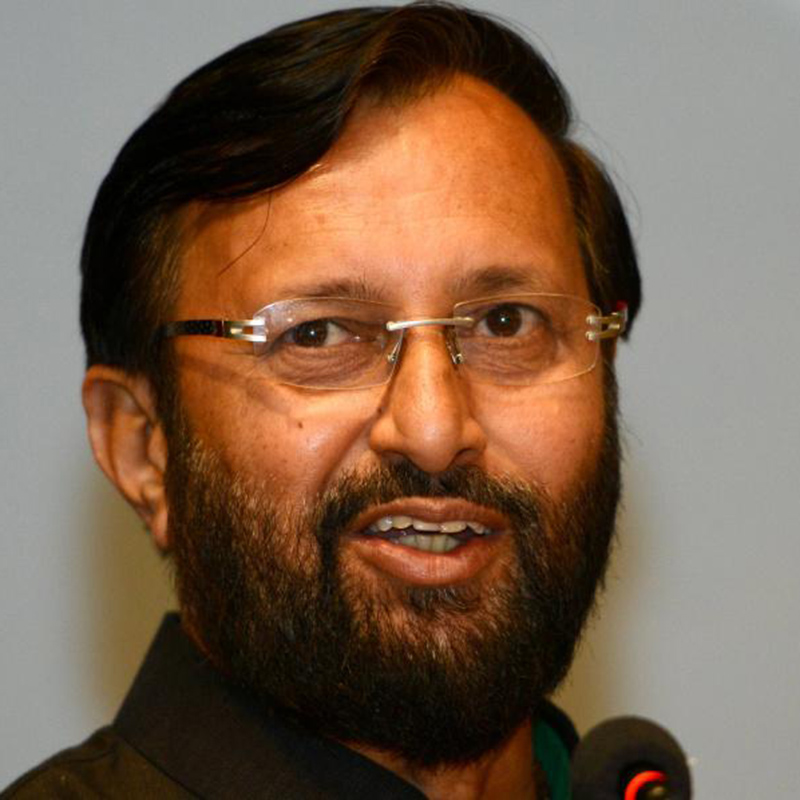
    Human Resource Development Minister Prakash Javadekar told the Lok Sabha today that the Government has approved a project to launch the ‘SWAYAM Prabha.’ There will be new content of four hours every day, which would be telecast six times a day allowing the student to choose the time of his/her convenience.

    The main features of SWAYAM Prabha would be curriculum based course contents covering diverse disciplines such as arts, science, commerce, performing arts, social sciences and humanities subjects, engineering, technology, law, medicine, agriculture etc.

    It would also cover all level of education: School education, undergraduate, postgraduate, engineering, out of school children, vocational courses and teacher training.

    Gyan Darshan and Gyan Vani had been stopped on Doordarshan and All India Radio respectively when the Indira Gandhi National Open University failed to clear huge dues to the pubcaster for these channels.

    However, these channels were later launched on the web, which was felt to be a bad alternative as the majority did not have access to internet.

    IGNOU owed more than Rs 21.6 crore to All India Radio when it was shut on 30 September after the university failed to pay the outstanding dues for three years (for their 37 stations).

    Gyan Darshan had been stopped even earlier in the beginning of 2014. It was also learnt byindiantelevision.com that IGNOU had applied to WPC for a licence to run television channels, but had been refused by the Department of Telecom which had told them that only Doordarshan can apply for such a channel. DD had refused to apply for the channel on behalf of IGNOU in view of the report by the Telecom Regulatory Authority of India which bars allotment of licences to government bodies to start their own channels.