Tag: local

  • Sony Pictures International Productions India elevates Ritesh Arora as the head of business affairs

    Sony Pictures International Productions India elevates Ritesh Arora as the head of business affairs

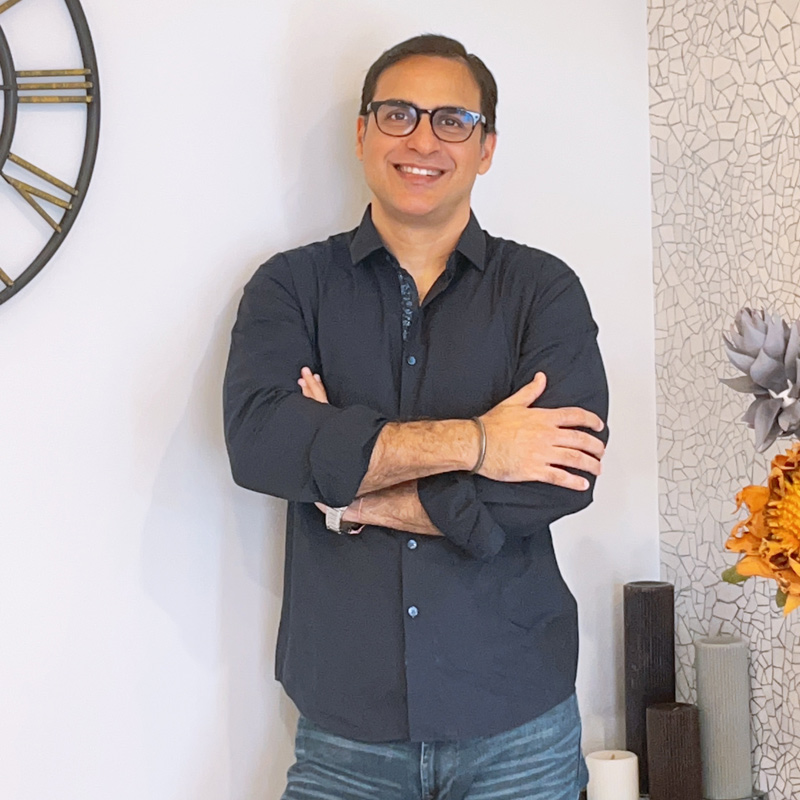
    MUMBAI: Sony Pictures International Productions (SPIP) India has elevated Ritesh Arora as the head of business affairs. Ritesh will oversee commercials and project acquisitions at SPIP India, as well as work to maximise revenue potential. He will report to  SPIP India general manager & head Lada Guruden Singh.

    Ritesh has been with Sony Pictures since 2015 and was most recently in charge of commercials and acquisitions. He has over two decades of experience in exhibition, distribution, and content acquisition.

    Ritesh Arora said, “It will be really exciting to look at new business development opportunities and also align them to the financial and growth targets of the company. Sony Pictures International Productions has made huge strides in India and to now deliver even more diverse and multilingual stories to Indian audiences across all formats is our dream.”

    SPIP, co-headed by Shebnem Askin and Michael Rifkin, is the local-language production arm of Sony Pictures Entertainment’s Motion Picture Group, which releases more than 30 films per year across 12 territories worldwide.

  • Where Mike Hopkins is taking Amazon Prime Video

    Where Mike Hopkins is taking Amazon Prime Video

    Amazon Prime Video and Amazon Studios SVP Mike Hopkins is a 30-year vet old in streaming veteran, having overseen the developed of products such as  BTN2GO and Fox Now as head of Fox distribution and later led Hulu on a rapid growth path as its CEO. He spent a short stint at Sony Pictures Television Networks as its chairman before being lured away by Jeff Bezos to lead Prime Video just before the pandemic hit the world.

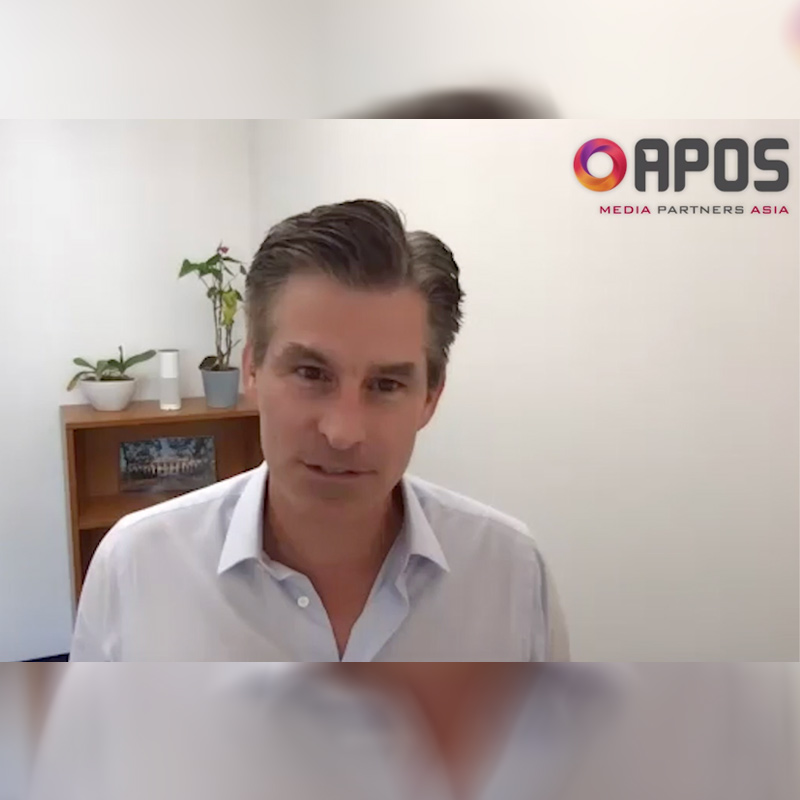
    Hopkins is quite charged up about the opportunity that lies ahead with Prime Video. Speaking at APOS he said that Amazon has 150 million plus Prime members globally and Prime Video is a key driver of the service.

    Hopkins expressed that growth for Prime Video lies primarily in international territories. “Before I arrived the company had made some really smart investments in serving customers around the world,” he said. “And we intend to double down on that investment over the next couple of years. We will continue to invest in local and global content and that is very critical,”

    Most of the investments are going towards creating originals in 15 of the 200 markets Prime Video is available outside the US. “People in many countries have an affinity to US content,” Hopkins added. “But increasingly customers also want to see stories about them their culture and issues written and produced by people in their countries and played out by actors who look like and speak like them. Our teams have been building a home for talent and attracting the top creators all over the world.”

    The content acquisition teams, Hopkins revealed are also  making smart bets and doubling down on investments in acquiring SVOD content and TVOD catalogues. This apart, Hopkins, stated that Amazon’ sports team has also been inventing and reinventing spots, taking bets in properties and that is going to increase going forward.

    Hopkins went on to add that the second big opportunity for Amazon Prime Video lies in improving customer experience. “We have probably the most complicated business model of the SVoD players, so that makes the customer experience more important for us,” he expressed.

    He revealed that members can look forward to improvements in how they can navigate and use the service over the next year or two. “Customers can rent and buy movies and TV shows and they can also subscribe to  TV channels in many markets,” he highlighted. “Making it easier for them to understand what’s what and how they can get to the content is important and we will prioritise this along with content investments.”

    He explained that he sees Prime Video offering a variety of content to its users, right from the SVOD content to TVOD to channels. “We want to offer them a one-stop-shop for their entertainment needs and (adding) channels is going to be a major focus for us.”

    Hopkins stated the pandemic has not impacted its pipeline of content going forward. “We have about 40 shows in various stages of production,” he said. “We have a very deep library, we have licensed content. We have a lot of originals. We are going to launch the second season of The Voice and several other shows. But what we will see is a slowdown in terms of premieres in the first half of next year. The thinning of these shows will be more than made up by the TVOD content in movies and the channels members can subscribe to.”

    He pointed out that Amazon Prime Video had gone in early into India as an SVOD service  and the way forward is becoming be super aggressive in the market from an originals. “We will have more than a dozen originals in each of the markets we are investing in by next year or so” he revealed. “And India is one of our priority markets.”

  • Govt will provide all facilities to local STB manufacturers for DAS: Javadekar

    Govt will provide all facilities to local STB manufacturers for DAS: Javadekar

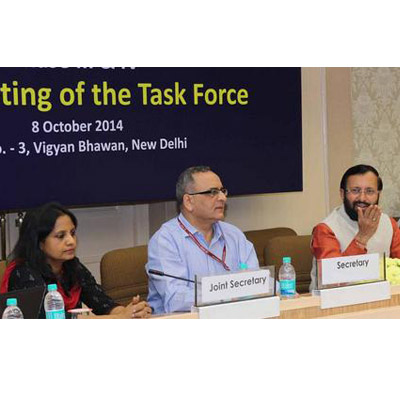
    NEW DELHI: Information and Broadcasting Minister Prakash Javadekar today clarified that the new dates for Phase III and IV for digital addressable system were the outer limits but all attempts would be made to achieve the target well before that.


    Reiterating that the main aim of the new deadlines was to encourage DAS with use of India-made set top boxes, he told the first meeting of the DAS task force for the final two phases here today that the Government has facilitated C form issue for indigenous manufacturers.


    At the outset, he said the entire digitisation programme was an integral part of Prime Minister Narendra Modi’s Digital India plan.


    He also pointed out that he represented the viewer and consumer, who had no voice unlike the other stakeholders who were present at the meeting.


    Javadekar said the cable TV digitisation process aimed at providing the consumer with greater choices and affordable and qualitative options. The overall objective was to be sensitive to the needs and choice of the consumer. The choice of the consumer was paramount in defining the inputs, strategies and roadmap for the remaining phases of the digitisation process.


    He called upon the manufacturers to innovate and explore new technologies for addressing the different consumer tastes and needs.


    The Minister added that in the next phase of digitisation, the price mechanism offered to the consumer would be a key determinant of the process, particularly as DAS was being extended to rural areas. As a consequence, it was mandatory for all stakeholders to sensitise the consumers on the benefits of the process in view of the rural outreach of the programme. 

    Regarding the indigenisation of STBs, the Minister said that the concerns of the industry had been taken up with the Finance and Communications and IT Ministries and STBs were declared as part of ‘telecommunication network’.


    The Minister said the task force ought to identify timelines for implementation so as to ensure the timely completion of Phase III and Phase IV. All issues concerning the key stakeholders needed to be debated at length so as to ensure the mainstreaming of the process with the existing policy. The need of portability of set top boxes so as to provide the option of interoperability to the consumers was an issue that could be looked into by the concerned stakeholders.


    Every meeting of the task force was critical as it identified critical inputs so as to ensure the effective implementation of the timelines and processes. Every viewer should be able to get the best viewing experience over the next two years, he added.


    He also wanted portability for STBs on the lines of portability for mobile phones and said the government and the task force will study this issue.


    Earlier speaking on the occasion, I and B secretary Bimal Julka said the task force provided an important platform to debate and overview issues related to the digitisation implementation. It also provided an opportunity to understand the concern of stakeholders.


    The experience of such meetings during the first and second phase of implementation of the programme had been extremely useful in streamlining the roadmap for effective implementation. He said the consumer is the judge of what he gets to see and content rules. He said a lot of complaints had been received from stakeholders during the implementation of the first two phases but he hoped to get more suggestions as well.


    The meeting saw various stakeholders raise issues concerning them. Taxation was raised by STB manufacturers and auditing was requested by consumer groups. The broadcaster suggested that the deadline should be reduced to 2015 for both phases. No TRAI member attended the meeting.


    Javadekar also assured that there will be sub committees that will monitor the process of digitisation.