Tag: Lapataganj

  • ‘Some tried roast format well; I don’t know how the society will accept it’ : Anooj Kapoor

    ‘Some tried roast format well; I don’t know how the society will accept it’ : Anooj Kapoor

    The comedy genre on Indian television has witnessed considerable growth over the last few years. While Sony Pictures Networks India’s comedy channel Sab TV has carved a niche for itself in the space, others like Reliance Broadcast Network Limited (RBNL) also saw the potential in it and launched Big Magic. What’s more, even Hindi general entertainment channels dish out their fair share of comedy week on week.

    Sab TV, which has pioneered the daily comedy format in the industry, has given many iconic shows over the last 15 years. 

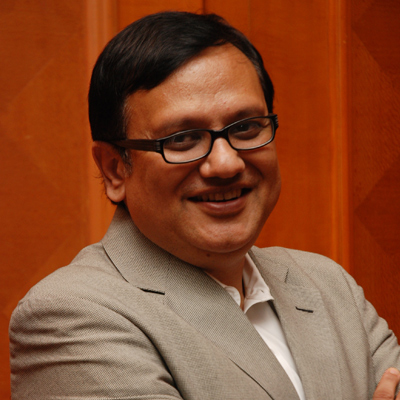
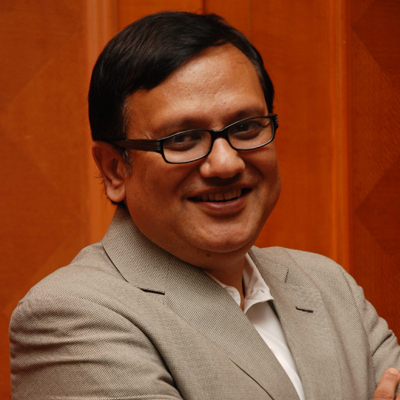
    From dramedies to stand-up comedy to roast comedy, shows are sprouting left, right and centre across channels. In a competitive scenario, it’s definitely no laughing matter to constantly innovate and dish out content that will tickle the funny bone. And Sab TV senior executive vice president & business head Anooj Kapoor probably has the toughest job of making sure that the channel’s shows are consistently making the audience laugh.

    In conversation with Indiantelevision.com, Kapoor talks about the comedy genre and its growth.

    Excerpts:

    How was 2015 for the comedy genre – fiction & non-fiction – on Indian Television? 

    It’s interesting to see channels beyond Sab trying to emulate our model of daily comedy. It’s a tribute to Sab, which is a pioneer in daily comedy.

    More and more channels are introducing comedy shows and we also have a comedy channel in Big Magic. Do you think that the comedy space is growing or is it just a strategic move? 

    There’s no doubt that the genre has grown and it is poised to grow more sooner or later. Sab has carved out a successful business model for itself since the last seven – eight years of how daily comedy can attract viewers and advertisers. Fortunately, some players in the market have also realised the same and it can only be good for the genre overall.

    Stand-up comedy, family drama comedy or historical comedy, which do you think has more potential?

    Only good content has the potential to make shows successful or unsuccessful. To give you a parallel of comedy in Hindi cinema, there are different kinds of comedy created by different people. The kind of comedy that Hrishikesh Mukherjee created is different from that by David Dhawan or Priyadarshan but at the same time they were all successful, which proves that whenever you create quality content in comedy or in any other genre, it will attract viewers.

    Sab launched a first of its kind reality show called Comedy Superstar. What was the response and what’s the scope of a reality show like that?

    The response was not very good but our intention to launch the show was good. We tried to create a platform for budding stand-up comedians but fortunately or unfortunately the audience are now used to some top level people from the field, who are veterans in the industry now. The audience is used to their peculiar style of humour and obviously new comers would not match up to their standard, so they didn’t do well. But as a format, we would certainly try it again as it gives the industry fresh talent.

    In the fiction and non-fiction space, many international shows have been brought to India. Is there scope of bringing international comedy show formats to India?

    In 2012, Sab TV launched the Indian adaptation of the American sitcom I Dream of Jeannie, which was called Jeannie Aur Juju. Between the 1990s to 2000, many successful sitcom were launched in the west, a lot of which have the scope of being brought to India. 

    Fortunately, at present, we don’t have a shortage of home grown content, which is also more cost effective. However, if a striking show in the comedy genre comes up and if we have a suitable budget, we are open to acquiring it.

    When it comes to ratings, Tarak Mehta Ka Oolta Chasma is the only high rated show on Sab TV. However, the others have not really delivered remarkable ratings. What is holding them back?

    All channels have a flagship show, whether it is Star Plus’ Diya Aur Baati Hum or Sony Entertainment Television.com’s CID. In fact, CID has been Sony’s flagship show for a very long time. So just because channels have a flagship show, it doesn’t mean that their other shows are not successful. On our channel, we had Lapataganj and F.I.R, which ran for 1500 episodes. Now we have shows like Chidya Ghar, which has done more 1000 episodes and Balveer that has completed 800 episodes and are still going strong. These are delivering a threshold for the channel and making it a profitable proposition for us.

    When the channel has four strong running shows, which are doing so well in a difficult daily comedy format, then they are successful. Tarak Mehta Ka Oolta Chashma, which is based on the famous weekly Gujarati series Duniya Na Undha Chasma written by renowned writer Tarak Mehta, who is already a household name in Gujarat, enjoys other benefits that other shows on the channel do not have.

    What growth are you expecting from comedy genre in the coming year?

    It’s difficult to say how the comedy genre will grow. It will depend on what everyone in the market is doing to raise the bar. If they are able to grow themselves, then obviously the overall genre will expand but if not, then I don’t see a market growth.

    Comedy as a genre is spreading its wing to others platform as well. Do you think it as a danger sign for television? 

    Not at all because it simultaneously existed in the west for decades and now it is available on multiple platforms. Everyone has survived and sustained in the market, so I don’t see it as a danger.

    What do you think were the landmarks in the comedy space in 2015 – on-air and off-air?

    Tarak Mehta Ka Oolta Chasma became the world’s longest running show and was named in the Guinness Book of World Record. That is a big landmark on-air. When it comes to off-air, we launched Chai Pe Chutkule where stand-up comedians travelled to various cities in India and Sab viewers were provided with free entertainment by top ten comedians over a cup of tea.

    Colors is now trying the roast format with Comedy Nights Bachao. With the Indian Censor board’s hawk eye on “propah” content, what is the scope of brining the international roast format to India? We saw what happened earlier this year with the Ranveer Singh – Arjun Kapoor roast.

    Some people have tried it successfully but I don’t know to what extend the format will be accepted by our society. We will have to wait and watch for its sustainability.

  • ‘Some tried roast format well; I don’t know how the society will accept it’ : Anooj Kapoor

    ‘Some tried roast format well; I don’t know how the society will accept it’ : Anooj Kapoor

    The comedy genre on Indian television has witnessed considerable growth over the last few years. While Sony Pictures Networks India’s comedy channel Sab TV has carved a niche for itself in the space, others like Reliance Broadcast Network Limited (RBNL) also saw the potential in it and launched Big Magic. What’s more, even Hindi general entertainment channels dish out their fair share of comedy week on week.

    Sab TV, which has pioneered the daily comedy format in the industry, has given many iconic shows over the last 15 years. 

    From dramedies to stand-up comedy to roast comedy, shows are sprouting left, right and centre across channels. In a competitive scenario, it’s definitely no laughing matter to constantly innovate and dish out content that will tickle the funny bone. And Sab TV senior executive vice president & business head Anooj Kapoor probably has the toughest job of making sure that the channel’s shows are consistently making the audience laugh.

    In conversation with Indiantelevision.com, Kapoor talks about the comedy genre and its growth.

    Excerpts:

    How was 2015 for the comedy genre – fiction & non-fiction – on Indian Television? 

    It’s interesting to see channels beyond Sab trying to emulate our model of daily comedy. It’s a tribute to Sab, which is a pioneer in daily comedy.

    More and more channels are introducing comedy shows and we also have a comedy channel in Big Magic. Do you think that the comedy space is growing or is it just a strategic move? 

    There’s no doubt that the genre has grown and it is poised to grow more sooner or later. Sab has carved out a successful business model for itself since the last seven – eight years of how daily comedy can attract viewers and advertisers. Fortunately, some players in the market have also realised the same and it can only be good for the genre overall.

    Stand-up comedy, family drama comedy or historical comedy, which do you think has more potential?

    Only good content has the potential to make shows successful or unsuccessful. To give you a parallel of comedy in Hindi cinema, there are different kinds of comedy created by different people. The kind of comedy that Hrishikesh Mukherjee created is different from that by David Dhawan or Priyadarshan but at the same time they were all successful, which proves that whenever you create quality content in comedy or in any other genre, it will attract viewers.

    Sab launched a first of its kind reality show called Comedy Superstar. What was the response and what’s the scope of a reality show like that?

    The response was not very good but our intention to launch the show was good. We tried to create a platform for budding stand-up comedians but fortunately or unfortunately the audience are now used to some top level people from the field, who are veterans in the industry now. The audience is used to their peculiar style of humour and obviously new comers would not match up to their standard, so they didn’t do well. But as a format, we would certainly try it again as it gives the industry fresh talent.

    In the fiction and non-fiction space, many international shows have been brought to India. Is there scope of bringing international comedy show formats to India?

    In 2012, Sab TV launched the Indian adaptation of the American sitcom I Dream of Jeannie, which was called Jeannie Aur Juju. Between the 1990s to 2000, many successful sitcom were launched in the west, a lot of which have the scope of being brought to India. 

    Fortunately, at present, we don’t have a shortage of home grown content, which is also more cost effective. However, if a striking show in the comedy genre comes up and if we have a suitable budget, we are open to acquiring it.

    When it comes to ratings, Tarak Mehta Ka Oolta Chasma is the only high rated show on Sab TV. However, the others have not really delivered remarkable ratings. What is holding them back?

    All channels have a flagship show, whether it is Star Plus’ Diya Aur Baati Hum or Sony Entertainment Television.com’s CID. In fact, CID has been Sony’s flagship show for a very long time. So just because channels have a flagship show, it doesn’t mean that their other shows are not successful. On our channel, we had Lapataganj and F.I.R, which ran for 1500 episodes. Now we have shows like Chidya Ghar, which has done more 1000 episodes and Balveer that has completed 800 episodes and are still going strong. These are delivering a threshold for the channel and making it a profitable proposition for us.

    When the channel has four strong running shows, which are doing so well in a difficult daily comedy format, then they are successful. Tarak Mehta Ka Oolta Chashma, which is based on the famous weekly Gujarati series Duniya Na Undha Chasma written by renowned writer Tarak Mehta, who is already a household name in Gujarat, enjoys other benefits that other shows on the channel do not have.

    What growth are you expecting from comedy genre in the coming year?

    It’s difficult to say how the comedy genre will grow. It will depend on what everyone in the market is doing to raise the bar. If they are able to grow themselves, then obviously the overall genre will expand but if not, then I don’t see a market growth.

    Comedy as a genre is spreading its wing to others platform as well. Do you think it as a danger sign for television? 

    Not at all because it simultaneously existed in the west for decades and now it is available on multiple platforms. Everyone has survived and sustained in the market, so I don’t see it as a danger.

    What do you think were the landmarks in the comedy space in 2015 – on-air and off-air?

    Tarak Mehta Ka Oolta Chasma became the world’s longest running show and was named in the Guinness Book of World Record. That is a big landmark on-air. When it comes to off-air, we launched Chai Pe Chutkule where stand-up comedians travelled to various cities in India and Sab viewers were provided with free entertainment by top ten comedians over a cup of tea.

    Colors is now trying the roast format with Comedy Nights Bachao. With the Indian Censor board’s hawk eye on “propah” content, what is the scope of brining the international roast format to India? We saw what happened earlier this year with the Ranveer Singh – Arjun Kapoor roast.

    Some people have tried it successfully but I don’t know to what extend the format will be accepted by our society. We will have to wait and watch for its sustainability.

  • “Sab will be among the Top Three Hindi GECs”:EVP and business head of Sab Anooj Kapoor

    “Sab will be among the Top Three Hindi GECs”:EVP and business head of Sab Anooj Kapoor

     From being a copywriter, director to business head, the soft-spoken Anooj Kapoor has worn various hats. But what makes him different from others is the way he manages the work-life balance. He proudly claims that in his more than 20 years of career there has rarely been a day when he has been in office later than 6 pm. Even today, he leaves office at six in the evening and on weekends he switches off from work, unless required. Someone who believes in working hard hasn‘t forgotten to live to the fullest too…

    Indiantelevision.com’s Meghna Sharma spoke to the executive EVP and business head of Sab Anooj Kapoor about the channel‘s current plans,the reason for there being no other channel like Sab and the channel‘s future plan.

    Excerpts:

    The channel underwent a revamp recently, was it really needed? 

    Nothing we do here is what everybody else does, starting from our programming which is totally differentiated from the rest in the GEC space. So, this revamp is not because others have done it too. All we have done is revamped the packaging of the channel. The last revamp was done almost six years ago, and we thought we have had a wonderful growth in the past five years. So we wanted the packaging to be more colourful. We have retained the old colours and added more colours to our package to convey freshness, more audience on the channel as well as more people sitting together to watch our shows. It can convey a lot of things, but essentially, we wanted a fresh look.

    You said you are adding more people who are watching your channel. So through the revamp and apps are you targeting youth now? 

    Asli maaza sab ke saath aata hai… has stood true for us. The entire family comes together and watches TV. We have a mix of audience, from males, females to kids. We also have a healthy mix of Sec A, B and C. So we are not trying to broad base our TG, it is already 4+.

    However, we cannot deny that new things always appeals to people. In the age-group of 4-14, we are the number one channel. In the last TAM rating, we were ahead of Star Plus. In the higher age-group, 15-24, we are fairly strong but we realised there is a need to engage audience on fresher platforms – facebook, comics, SABurbia and other apps. And the age-group after that, we keep appealing through our ads where the whole family comes together.

    Our other initiative ‘Sab ki Saafari‘, is also first of its kind. The idea was to get people from smaller towns meet their favourite characters or watch a shoot. Through this initiative we get our loyal audiences to meet their favourite characters and also show them what goes on behind the camera. We have another loyalty program called SABprise wherein the more you watch the channel the more you get rewarded for it. We feel that today it has to be a two-way communication. If they have given us so much and helped us grow 600 per cent in five years then we should also give them something in return.


    With the awards season on, when can we get to see Sab ke anokhe awards? 

    We are coming back with Sab ke anokhe awards in August. The first round did well for us as we got a rating of 2.8 which I‘m not going to compare with other award shows, but for a channel like ours which has a limited reach it is a very healthy rating. It was purely because of the uniqueness of the show. We came up with categories which went beyond the clichéd categories. This time we are going to add even more categories and try to be as anokha as possible. We will be sticking to our strategy of being different and innovative.


    What kind of weekend programming does the channel currently have? Any plans to introduce new shows?

    Currently, we have two silent comedies on Saturday –Guttur Gu and Malegoan ka ChintuGuttur Gu has been recognised as the longest running silent show in the world by the Limca Books of Records, and then we have Waah Waah Kya Baat Hai which consistently rates among the top five shows in the non-fictional category on the weekend. So, we have fresh weekend programming. We might add new programs in the future wherein we will look at reality or mix of unique concepts like silent comedy but nothing is crystallised yet.


    “We touched our highest rating of 159 in February this year and now with digitisation when we are far better placed”


    SAB is the only comedy-centric Hindi GEC, wherein other networks have second GEC channels, why do you think there aren‘t many players in this genre? 

    We are the number one comedy channel in the world. We are the only channel in the world which does daily comedy shows. If you will look at channels like Zee Café or Star World, the sitcoms they have are weekly and have seasons. We have Tarak Mehta Ka Ooltah Chashmah which has done 1200 episodes now, Lapataganj in its first avatar had done 850 episodes and FIR will be touching 1000 soon (in September). So while we have been able to be innovative, we have also done successful programming. All this while we know that there is a limited pool of comedy actors, writer, directors and producers.

    Also, before SAB, comedy wasn‘t seen as an important genre by GECs. We have been able to reign in that limited talent and try to cultivate a few more. With the limited pool I don‘t think there is enough talent for more than one channel to survive. And secondly, we have a DNA which has gotten us consistent success. There is no doubt that other channels have dabbled into comedy especially after seeing SAB‘s success, but all the top three or four GECs have not been able to succeed. And, therefore they are apprehensive.


    Do you work with a certain set of production houses or open to others as well? 

    We have always encouraged new producers, but at the same time we have certain set of producers that have consistently worked for us. We also have people who have never done comedy before and doing it successfully for us. For instance, Malegaon ka Chintu is produced by Deepti Bhatnagar Production which hasn‘t done comedy in the past,Gutur Gu is done by Fireworks who have in the past doneCID and Aahat. And of course, we have Asit Modi, JD Majathia, Vipul Shah and Ashwini Dheer. So, we have been able to mix both.


    You are also available in the US, UK and Europe, what has been the response there? 

    We are extremely popular abroad. In the UK we are the fastest growing channel.

    It is a fact that we have created almost 7,000 hours of original programming and when we compare data with other channels dedicated to comedy we are miles ahead of them. From the 70s, since DD started, no channel has claimed or can claim to be the number one channel based out of India but we can!


    It‘s going to be a year now since digitisation took place. How has it helped the channel? 

    We have a business model which by definition doesn‘t afford us very high rates and because we also have to keep our profits in mind, we couldn‘t place ourselves where top three or four GECs could. This meant, we could not be well placed in the analog. However, with digitisation, we now fall in the GEC cluster. Now our sampling will soar up. We also strongly feel that our trial retention rate is high.


    Currently, which are the weak slots that you would like to strengthen?

    The difference between manufacturing and television is – that in manufacturing you can perfect a formula whereas in our industry, the same raw material will go to the same factory but the end product sometime works and sometime fails.


    Lastly, when do you see Sab among the top three? 

    We are well on our way. We have never stopped growing. We touched our highest rating of 159 in February, this year and now with digitisation when we are far better placed, I hope we will one day be among the top three.

  • “Sab will be among the Top Three Hindi GECs”

    “Sab will be among the Top Three Hindi GECs”

    From being a copywriter, director to business head, the soft-spoken Anooj Kapoor has worn various hats. But what makes him different from others is the way he manages the work-life balance. He proudly claims that in his more than 20 years of career there has rarely been a day when he has been in office later than 6 pm. Even today, he leaves office at six in the evening and on weekends he switches off from work, unless required. Someone who believes in working hard hasn’t forgotten to live to the fullest too…

    Indiantelevision.com’s Meghna Sharma spoke to the executive EVP and business head of Sab Anooj Kapoor about the channel’s current plans,the reason for there being no other channel like Sab and the channel’s future plan. Excerpts:

     
    The channel underwent a revamp recently, was it really needed? 

    Nothing we do here is what everybody else does, starting from our programming which is totally differentiated from the rest in the GEC space. So, this revamp is not because others have done it too. All we have done is revamped the packaging of the channel. The last revamp was done almost six years ago, and we thought we have had a wonderful growth in the past five years. So we wanted the packaging to be more colourful. We have retained the old colours and added more colours to our package to convey freshness, more audience on the channel as well as more people sitting together to watch our shows. It can convey a lot of things, but essentially, we wanted a fresh look.


    You said you are adding more people who are watching your channel. So through the revamp and apps are you targeting youth now? 

    Asli maaza sab ke saath aata hai… has stood true for us. The entire family comes together and watches TV. We have a mix of audience, from males, females to kids. We also have a healthy mix of Sec A, B and C. So we are not trying to broad base our TG, it is already 4+.

    However, we cannot deny that new things always appeals to people. In the age-group of 4-14, we are the number one channel. In the last TAM rating, we were ahead of Star Plus. In the higher age-group, 15-24, we are fairly strong but we realised there is a need to engage audience on fresher platforms – facebook, comics, SABurbia and other apps. And the age-group after that, we keep appealing through our ads where the whole family comes together.


    Our other initiative ‘Sab ki Saafari’, is also first of its kind. The idea was to get people from smaller towns meet their favourite characters or watch a shoot. Through this initiative we get our loyal audiences to meet their favourite characters and also show them what goes on behind the camera. We have another loyalty program called SABprise wherein the more you watch the channel the more you get rewarded for it. We feel that today it has to be a two-way communication. If they have given us so much and helped us grow 600 per cent in five years then we should also give them something in return.


    With the awards season on, when can we get to see Sab ke anokhe awards? 

    We are coming back with Sab ke anokhe awards in August. The first round did well for us as we got a rating of 2.8 which I’m not going to compare with other award shows, but for a channel like ours which has a limited reach it is a very healthy rating. It was purely because of the uniqueness of the show. We came up with categories which went beyond the clichéd categories. This time we are going to add even more categories and try to be as anokha as possible. We will be sticking to our strategy of being different and innovative.


    What kind of weekend programming does the channel currently have? Any plans to introduce new shows?

    Currently, we have two silent comedies on Saturday – Guttur Gu and Malegoan ka Chintu. Guttur Gu has been recognised as the longest running silent show in the world by the Limca Books of Records, and then we have Waah Waah Kya Baat Hai which consistently rates among the top five shows in the non-fictional category on the weekend. So, we have fresh weekend programming. We might add new programs in the future wherein we will look at reality or mix of unique concepts like silent comedy but nothing is crystallised yet.

    “We touched our highest rating of 159 in February this year and now with digitisation when we are far better placed”

     
    SAB is the only comedy-centric Hindi GEC, wherein other networks have second GEC channels, why do you think there aren’t many players in this genre? 

    We are the number one comedy channel in the world. We are the only channel in the world which does daily comedy shows. If you will look at channels like Zee Café or Star World, the sitcoms they have are weekly and have seasons. We have Tarak Mehta Ka Ooltah Chashmah which has done 1200 episodes now, Lapataganj in its first avatar had done 850 episodes and FIR will be touching 1000 soon (in September). So while we have been able to be innovative, we have also done successful programming. All this while we know that there is a limited pool of comedy actors, writer, directors and producers.

    Also, before SAB, comedy wasn’t seen as an important genre by GECs. We have been able to reign in that limited talent and try to cultivate a few more. With the limited pool I don’t think there is enough talent for more than one channel to survive. And secondly, we have a DNA which has gotten us consistent success. There is no doubt that other channels have dabbled into comedy especially after seeing SAB’s success, but all the top three or four GECs have not been able to succeed. And, therefore they are apprehensive.

     
    Do you work with a certain set of production houses or open to others as well?
     
    We have always encouraged new producers, but at the same time we have certain set of producers that have consistently worked for us. We also have people who have never done comedy before and doing it successfully for us. For instance, Malegaon ka Chintu is produced by Deepti Bhatnagar Production which hasn’t done comedy in the past, Gutur Gu is done by Fireworks who have in the past done CID and Aahat. And of course, we have Asit Modi, JD Majathia, Vipul Shah and Ashwini Dheer. So, we have been able to mix both.

     
    You are also available in the US, UK and Europe, what has been the response there? 

    We are extremely popular abroad. In the UK we are the fastest growing channel.

    It is a fact that we have created almost 7,000 hours of original programming and when we compare data with other channels dedicated to comedy we are miles ahead of them. From the 70s, since DD started, no channel has claimed or can claim to be the number one channel based out of India but we can!

     
    It’s going to be a year now since digitisation took place. How has it helped the channel? 

    We have a business model which by definition doesn’t afford us very high rates and because we also have to keep our profits in mind, we couldn’t place ourselves where top three or four GECs could. This meant, we could not be well placed in the analog. However, with digitisation, we now fall in the GEC cluster. Now our sampling will soar up. We also strongly feel that our trial retention rate is high.

     
    Currently, which are the weak slots that you would like to strengthen?

    The difference between manufacturing and television is – that in manufacturing you can perfect a formula whereas in our industry, the same raw material will go to the same factory but the end product sometime works and sometime fails.

     
    Lastly, when do you see Sab among the top three? 

    We are well on our way. We have never stopped growing. We touched our highest rating of 159 in February, this year and now with digitisation when we are far better placed, I hope we will one day be among the top three.