Tag: Land Rover

  • Jaguar Land Rover to lay off a third of India workforce

    Jaguar Land Rover to lay off a third of India workforce

    NEW DELHI: Tata Group-owned Jaguar Land Rover (JLR) is undertaking its biggest ever retrenchment drive in its India operations, slashing its workforce by nearly a third, according to a report by Business Today.

    The layoffs, which have already started and are expected to continue through this month, are part of its global strategy to shed about 2,000 non-manufacturing jobs by next fiscal, reported two weeks ago. JLR had also reduced its global headcount by 1,000 in 2018 and another 4,500 in 2019. These are part of its ongoing restructuring drive Project Charge+ through which it aims to save about £2.5 billion.

    The news of restructuring was a "shocker" to the automaker's India workforce, who believed that they would be spared due to the small market JLR has in the country, Business Today quoted a source as saying. Moreover, there was a false sense of complacency that because JLR's parent firm Tata Motors is an Indian entity, it would not touch its Indian employees.

    JLR issued a statement clarifying that the layoffs were being undertaken to increase efficiency in a bid to find the right cost structure for its workforce. It did mention the number of employees being retrenched, details of the severance package being offered to them, or whether the salaries of the top management have been slashed.

    JLR is considered a straggler in the Indian luxury car market, which itself has not grown by much in the last five years. The British brands saw their sales decline by 74 per cent in 2020 and a loss of market share of 10.62 percentage points. In comparison, the biggest in the business – Mercedes Benz – saw a 43 per cent decline, BMW by 32 per cent and Audi by 63 per cent.

    Last month, JLR's global CEO Thierry Bollore, who took over the reins of the company only last September, said the Jaguar brand would move away from its iconic high-performance internal combustion engines entirely and produce only electric vehicles by 2025, while Land Rover will have its first fully electric SUV by 2024.

  • Land Rover’s ‘never stop discovering’ campaign aims to raise awareness on wildlife conservation

    Land Rover’s ‘never stop discovering’ campaign aims to raise awareness on wildlife conservation

    MUMBAI: Land Rover in India has launched its latest digital and social media campaign, ‘Never Stop Discovering’ to create conversations around India’s wildlife and thus recognizing the stupendous work being done to protect our diverse wildlife by some of the most passionate and knowledgeable minds in India. This follows the very successful ‘Discovery With A Purpose’ journey, undertaken in February 2018 in Land Rover Discovery vehicles that covered   1 200 km across various forests and terrains of Assam and Arunachal Pradesh, to create awareness and conversations around India’s endangered wildlife.  

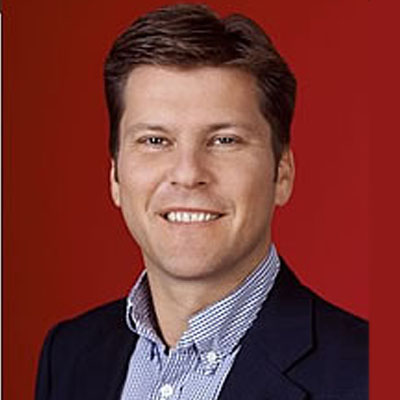
    Rohit Suri, President & Managing Director, Jaguar Land Rover India Ltd (JLRIL), said: 
    “Our Discovery family, with class leading versatility and capability, is a great enabler for the curious minds, for those who want to get out there and explore more, and share these explorations and new experiences with their family and friends. Through the 'Never Stop Discovering' campaign, we want to reach out and connect with all such people and inspire them with purposeful stories.”

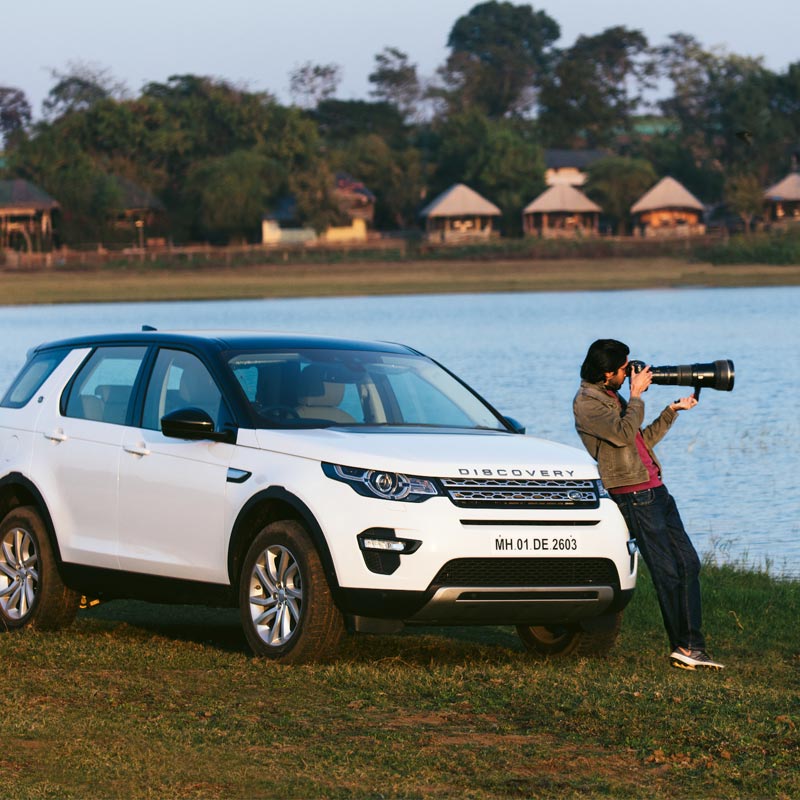
    The ‘Never Stop Discovering’ campaign focusses on stimulating stories of journeys in Land Rover Discovery Sport to Nagarhole National Park to showcase initiatives in the field of eco-tourism, which is providing impetus to wildlife conservation in India. The films feature big cat specialist, wildlife photographer and cinematographer Shaaz Jung for the Indian Leopard and the very elusive Black Panther, Aly Rashid for the Sloth Bear in Satpura National Park and Harshawardhan and Poonam Dhanwatey for the Bengal Tiger in and around the Tadoba Andhari Tiger Reserve.

    Speaking on the release of the first film, Shaaz Jung, said: “Life is a safari and utilising eco-tourism as an integral tool for conservation has always been my priority. We created The Bison and BCRTI (Buffer Conflict Resolution Trust of India) to address the conflicts in our buffer regions whilst also providing vocational training and creating awareness. Helping people understand the importance of our flora and fauna is the key to saving our country and retaining India’s culture and it’s great that Land Rover is bringing this to the fore through ‘Never Stop Discovering’

    The first story under the campaign may be viewed at https://bit.ly/2GlUlSG with others to follow in March and April 2019.  

  • Land Rover launches special landmark edition of discovery sport and enhances its design appeal

    Land Rover launches special landmark edition of discovery sport and enhances its design appeal

    MUMBAI: Jaguar Land Rover India, today announced the launch of Model Year 2019 Discovery Sport Landmark Edition. The Landmark Edition is powered by the 2.0 l Ingenium Diesel, which delivers a powerful 132 kW output and exhibits the vehicle’s true spirit of adventure.

    Rohit Suri, President & Managing Director, Jaguar Land Rover India Ltd. (JLRIL), said: 
    “The introduction of the Landmark Edition for Model Year 2019 Discovery Sport further enhances the Discovery Sport portfolio. This special edition variant introduces remarkable features to the vehicle that fortify its exceptional capability, versatility and spirit of adventure.”

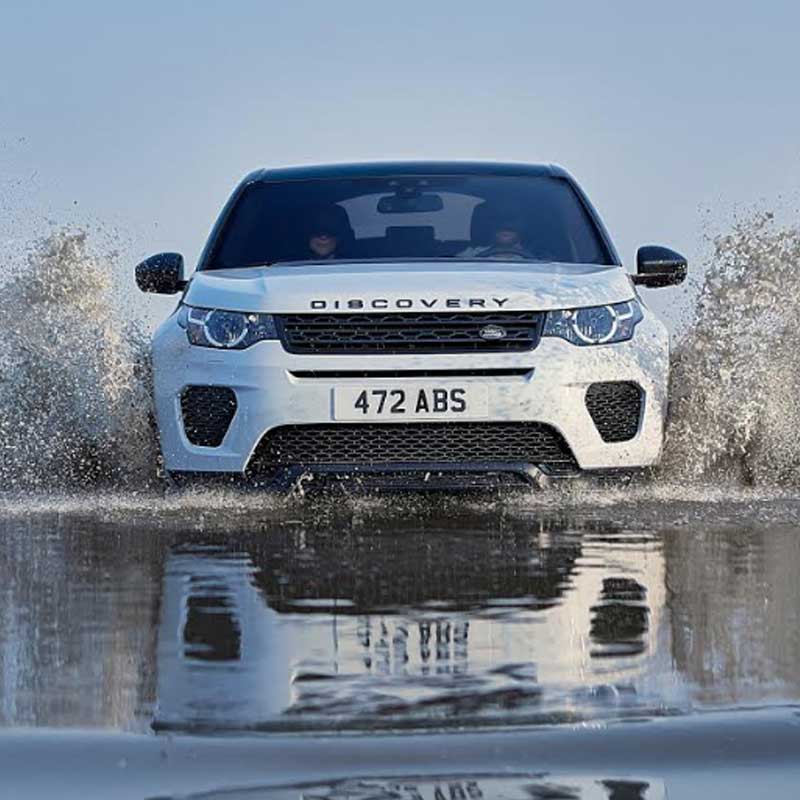
    The Discovery Sport Landmark Edition is available in three colours: Narvik Black, Corris Grey and Yulong White, all crowned with a Carpathian Grey contrast roof. It features a sporty and dynamic front bumper, with Graphite Atlas exterior accents and 45.72 cm (18) 5 Split Spoke 511 wheels in gloss dark grey. The vehicle’s interiors receive further aesthetic emphasis by Ebony grained leather seats and an Ebony headliner, complemented by dark grey aluminium finishers around the centre stack.

  • Land Rover invites customers to discover adventure with the new Discovery Sport

    Land Rover invites customers to discover adventure with the new Discovery Sport

    MUMBAI: Land Rover announced a unique opportunity for its fans and enthusiasts to feature in an adventure film alongside their favourite sports personalities, Yuvraj Singh and Narain Karthikeyan. For this Land Rover has launched the READY TO DISCOVER Contest, in which fans and enthusiasts simply have to express what adventure means to them.


    Jaguar Land Rover India Ltd (JLRIL) President Rohit Suri said, “The new Discovery Sport is the perfect premium versatile SUV for people who have the adventure gene in them. Through this contest, we are looking for such Land Rover fans and enthusiasts and create an interactive and exciting platform to engage with them. After-all one does not get a chance to star in a film alongside Yuvraj and Narain everyday”.


    The Ready to Discover contest has been rolled out on Land Rover’s Facebook page (www.facebook.com/LandRoverIndia) and its Twitter handle (@JLRIndia). Land Rover fans and enthusiasts need to use the hashtag ReadyToDiscover and simply state their expression and understanding of adventure. Contest winners will be chosen from amongst all entries received by Land Rover and they will get the most unique opportunity of featuring in Land Rover’s Adventure film.   


    The new Discovery Sport was launched in India on 2nd September 2015 and more information on the product is available on www.landrover.in.

  • Interbrand: Apple and Google continue to be the best global brands

    Interbrand: Apple and Google continue to be the best global brands

    MUMBAI: Continuing the trend, Apple and Google have claimed the top positions on Interbrand’s Best Global Brands ranking for the second year in a row followed by the well-known beverage brand Coca Cola, the business services company IBM and Microsoft, which recently acquired Nokia.


    Valued at $118.9 billion, Apple (#1) increased its brand value by 21 per cent while Google (#2), which is valued at $107.43 billion, increased its brand value by 15 per cent.


    “Apple and Google’s meteoric rise to more than $100 billion is truly a testament to the power of brand building,” said Interbrand global CEO Jez Frampton. “These leading brands have reached new pinnacles—in terms of both their growth and in the history of Best Global Brands—by creating experiences that are seamless, contextually relevant, and increasingly based around an overarching ecosystem of integrated products and services, both physical and digital.”


    Also for the first time, Huawei (#94), the Chinese telecommunications and network equipment provider, makes Best Global Brands history as the first Chinese company to appear on Interbrand’s ranking with a brand value that exceeds $100 billion.


    “The company is currently the third largest smartphone manufacturer in the world—just behind Samsung and Apple. The Chinese brand is one of five new entrants to enter the Best Global Brands ranking this year—the others being DHL (#81), Land Rover (#91), FedEx (#92), and Hugo Boss (#97),” the press release said.
    According to the report, the top risers in 2014 include Facebook (#29, +86%), Audi (#45, +27%), Amazon (#15, +25%), Volkswagen (#31, +23%), and Nissan (#56, +23%).


    The world’s largest social network, Facebook continues to exceed expectations. Reported on its Q2 earnings call, income from its operations was a staggering $1.4 billion.


    “Facebook’s acquisitions of messaging service WhatsApp for $19 billion and Oculus VR for $2 billion signal a new strategy unfolding. The company is building a vast product portfolio, brimming with competing services and apps,” the report stated.


    Audi is another top-rising automotive brand in this year’s Best Global Brands report. It was a record-breaking year for the brand, having sold the greatest amount of cars in its history, and having achieved an operating profit of more than $6 billion.


    The company also plans to invest more than $30 billion through 2018 in new products, technology, and production sites. Earlier this year, it also announced a partnership with Google, which will allow Audi drivers and passengers to use an Android-powered entertainment and information system that will run on the car’s hardware.


    Another top riser, Amazon, ‘Earth’s most customer-centric company,’ with its commitment to responsiveness has become part of the brand’s mythos. It continues to grow its core business through services such as Amazon Prime, which, at one point, garnered more than a million subscribers in a single week, the report added.


    While Volkswagen, one of this year’s top-rising Best Global Brands, is striving to become the world’s leading automaker by 2018, Nissan continues to drive up the Best Global Brands ranking with improved financial and brand performance.


    On the other hand among the new entrants this year; DHL (#81) has opened a sea of opportunity for delivery and logistics companies whereas FedEx is also realigning its business to make the most of the booming e-commerce sector.


    “As international online shopping continues to grow—and is poised to grow 200 percent in the next five years—brands like DHL and FedEx have made strides in bolstering their e-commerce capabilities,” the report reveals.


    Among other findings, the research states, “This year, the collective brand value of the automotive brands appearing on the Best Global Brands ranking increased 14.6 percent. All 14 automotive brands collectively make up a combined brand value of $211.9 billion.”


    This year’s top 14 automotive brands include: Toyota (#8, +20%), Mercedes-Benz (#10, +8%), BMW (#11, +7%), Honda (#20, +17%), Volkswagen (#31, +23%), Ford (#39, +18%), Hyundai (#40, +16%), Audi (#45, +27%), Nissan (#56, +23%), Porsche (#60, +11%), Kia (#74, +15%), Chevrolet (#82, +10%), Harley-Davidson (#87, +13%), and Land Rover (#91, new).


    “The technology sector leads as the most valuable category overall. Legacy and one-time leading brands struggle to evolve at the pace of change,” the study adds.
    Out of this year’s top 100 brands, 13 hail from the tech sector. The category as a whole grew 11.3 percent year-over-year, and collectively is worth $493.2 billion in brand value.


     While Facebook (#29, +86%), Apple (#1, +21%), and Google (#2, +15%) represent this year’s fastest growing brands, a number of one-time leading brands experienced the steepest decline in brand value.


    “Finnish communications and information technology provider Nokia (#98, -44%) experienced the largest decline in value among the top 100 brands, dropping from its #57 position in 2013 to #98 this year,” the survey discloses.


    Against the backdrop of global economic recovery, financial services brands are also experiencing growth in brand value.


    All 11 financial services brands appearing on this year’s Best Global Brands ranking increased in brand value: American Express (#23, +11%), HSBC (#33, +8%), J.P. Morgan (#35, +9%), Goldman Sachs (#47, +3%), Citi (#48, +10%), AXA (#53, +14%), Allianz (#55, +15%), Morgan Stanley (#63, +11%), Visa (#69, +10%), Santander (#75, +16%), and MasterCard (#88, +13%).


    Started in 1974, Interbrand is a brand consultancy, with a network of 33 offices in 27 countries. It identifies the top 100 most valuable brands every year.


  • Sam Ahmed moves on from Rediffusion Y&R

    Sam Ahmed moves on from Rediffusion Y&R

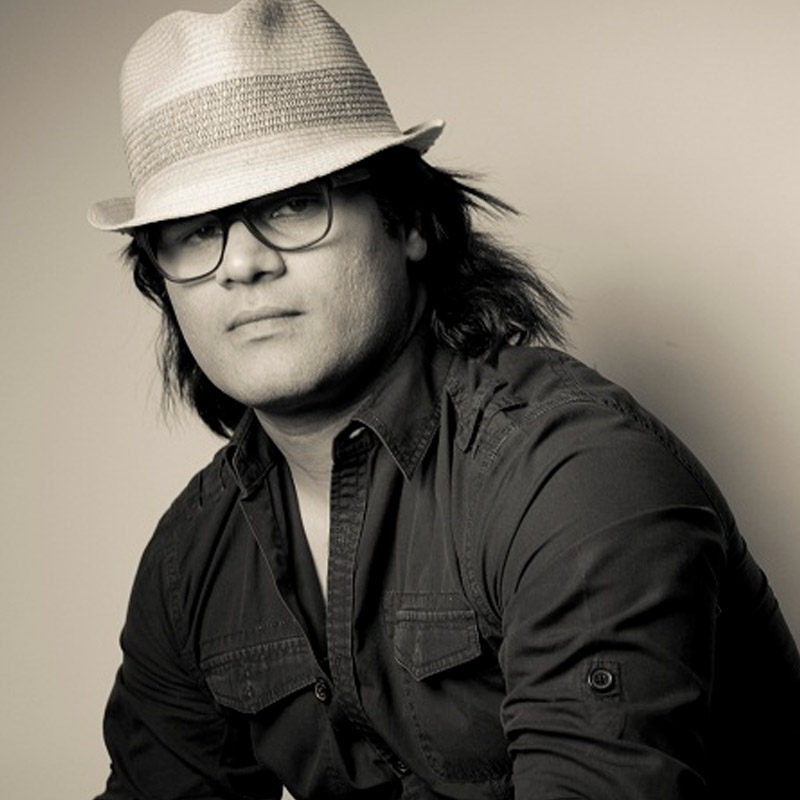
    MUMBAI: After only an eight-month stint, the Rediffusion Y&R vice chairman and CCO Sam Ahmed has decided to go back to film making.

    He will leave the agency in December this year.

    Ahmed was brought on board early January this year from Y&R Dubia where he had worked for 14 years on brands such as Ford, P&G, Nestle, Pepsi, Colgate-Palmolive, Citibank, Skoda, Land Rover, Jaguar, Sony Ericsson, HTC, Apple and World Gold Council.

    Rediffusion Y&R made noise recently for its catchy campaign for Tata Nano, which repositioned the product as an ‘awesome’ youth brand.

    Ahmed has also won over 200 international awards, which include Epica, Clio, Cannes Lions and New York Festival.

  • Rediffusion Y&R ropes in Komal Bedi Sohal as NCD

    MUMBAI: WPP‘s Rediffusion-Y&R has brought on globally awarded creative talent Komal Bedi Sohal as national creative director in India.

    Prior to joining Rediffusion, Sohal spent the last 11 years abroad, with her last assignment being executive creative director for Lowe Middle East and North Africa, based in Dubai. She now moves to India to be based in Rediffusion’s head office in Mumbai.

    Sohal’s advertising career spans 19 years, during which she produced award-winning work for global brands such as Harvey Nichols, Land Rover, LG, Citibank, Colgate, Virgin Atlantic, Axe deodorants, and Microsoft Xbox.She is ranked number 2 in ‘The Top Art Directors in the World’ by The Big Won Creative Ranking 2011 and has been in the top 10 for the past five years.

    Her stash of international awards includes the Grand prix, gold, silver, bronze, and finalists at Cannes, One Show, The ANDYS, Art Director’s Club, Clio, Dubai Lynx, Mena Cristal Awards, London International Awards, New York Festivals, EPICA, and Loeries. Her work has been featured in the annual publications of D&AD, Communication Arts, and Luerzer’s Archive.

    Rediffusion-Y&R chief creative officer and vice-chairman Sam Ahmed said, “Komal and I have worked together for several years. She is a fierce and compassionate leader. The craft and finesse she brings into her work is incomparable and world class. She is a school of art direction. It’s almost impossible to find such talent and I’m happy that she’s moving her life to India to join us. This will be good for our industry at large as we can all learn from her craft and execution skills.”

    Sohal said about her new role, “It’s homecoming in more ways than one. Both the city and the agency have a special place in my heart, and I am eager to get started right away. We are going to create ideas that are impactful and iconic, executed beautifully.”

  • Sam Ahmed moves to Mumbai as Rediffusion VC and CCO

    MUMBAI: WPP‘s communication agency Rediffusion has appointed Sam Ahmed as vice chairman and chief creative officer. He currently lives in Dubai but will now move to Mumbai from where he will operate in his new role at the agency.

    Ahmed has spent 14 years at Y & R, Dubai where he was credited with making Y&R the No. 1 agency in Dubai in creative rankings and the 3rd most creative agency in the world. He has worked on brands like Ford, Nestle, Pepsi, P&G, Colgate-Palmolive, Citibank, Harvey Nichols, Skoda, Land Rover, Jaguar, Sony Ericsson, Du Telecom, Zain Telecom, HTC, Apple and World Gold Council. He has also been a consultant for the Prime Minister and Vice President of the United Arab Emirates, His Highness Sheikh Mohammed‘s executive office on several Dubai projects including DIFC and Burj Khalifa.

    Rediffusion chairman and managing director Diwan Arun Nanda said, “It is good to have a person of Sam‘s credentials lead the Creative Team at Rediffusion. He is one of the world‘s most awarded creative people. We searched the globe for such a creative talent. Sam is empowered to lead our team to achieve great creative heights with work that helps strengthen our clients‘ brands even further.”

    Ahmed said, “One of the reasons I left advertising is that the focus had shifted, it had become more about making money and less about ideas. I have always believed that only great ideas make a lot of money for your clients and your agency and when the Chairman of a legendary agency offers you a challenge to make Rediffusion the Number 1 creative agency in India, you don‘t ask too many questions, except where do I sign? I have some of the most amazing brands at Rediffusion to work with and I am really excited.”

    Sam joined the advertising and communications industry at the age of 21. He was 24 when he won his first design award and by the time he turned 28, he was creative director of Y&R, Dubai. He was made partner and regional executive creative director of Y&R Brands for the region by age of 31. In 2009, Sam founded the Creative Club of Dubai.

  • Jaguar launches new global brand strategy

    Jaguar launches new global brand strategy

    BANGALORE: Jaguar today announced a new future-looking global marketing and brand strategy that it says will add fresh impetus to its evolving product-led revitalisation programme.

    Simultaneous with the unveiling of a new Jaguar logo and corporate identity, the launch of a new marketing campaign aims to increase awareness of the brand amongst a new audience in line with the marquee‘s ambitious future plans, says the company.

    The new Jaguar global marketing campaign is the result of collaboration with SPARK44, the international communications agency that‘s part-owned by Jaguar Land Rover, and will feature print, television, outdoor and digital advertising. The campaign is designed to capitalise on the existing emotional pull of Jaguar‘s cars and challenges consumers to answer: ‘How alive are you?‘

    Said Jaguar Cars Global Brand Director Adrian Hallmark: “Jaguar‘s current range already represents an enviable combination of luxury, innovation and seductive performance, and we‘re working hard to build on those existing strengths by developing exciting new models and derivatives – some of which you will see very soon. As that product-led revitalisation continues, now is also the perfect time to re-energise the Jaguar brand, both to underline how ambitious we are, and to reach a new and enlightened customer base that is rightly demanding of the cars it buys.

    “Our fresh corporate image and the new global marketing campaign both underline the confidence we have in our existing products, and set the tone for our future expansion.”

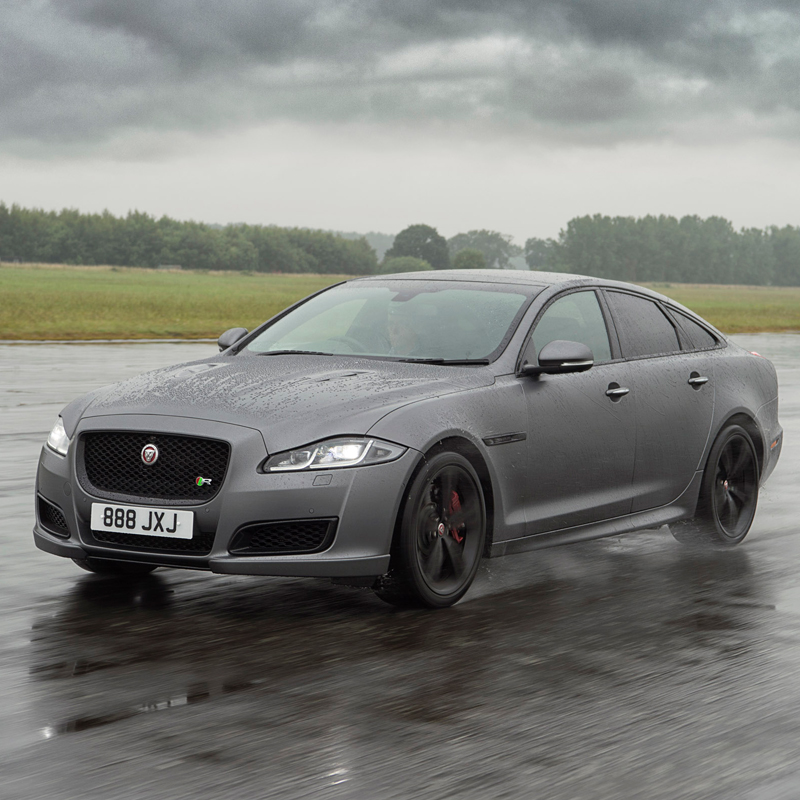
    The basis for the new strategy is the marque‘s existing product range – the sporting XK, and the XF and XJ saloons.

  • ICICI with $14.9 bn is lone Indian in Brandz top 100 list

    ICICI with $14.9 bn is lone Indian in Brandz top 100 list

    MUMBAI: India‘s largest private bank, ICICI, appeared for a second consecutive year in the BrandZ Top 100 ranking, at No. 53, with a brand value of $14.9 billion.

    Also, with a rise of 27 per cent in brand value to $8.2 billion, Infosys was one of the most valuable technology brands in the world and is expected to soon rank among the Top 100 Most Valuable Global Brands across all sectors.

    The sixth edition of BrandZ Top 100 Most Valuable Global Brands study had a special section dedicated to brand India. In this section, the study commissioned by WPP and conducted by Millward Brown Optimor described the factors fuelling the growth.
     
    Although, along with all the praises to brand India, the study warns that Indian inclination to look to the past or to the West for inspiration might restrain the growth of “Brand India”.

    The study claims, however, that the Indian brands will surge ahead, powered by a combination of positive fundamentals – economic vitality, a diverse and enterprising population and a cohesive, stable, muddled democracy.

    According to the study, the appearance of Indian banking and technology brands in the BrandZ ranking reflects both the prominence of these sectors in fast-growing markets and an expansion in brand literacy particular to India.

    Brands that many Indians until recently saw only in the suitcases of relatives returning from North America or Europe are now encountered every day in local shop windows.
     
    Indians appreciate the opportunity to own brands as living circumstances in India steadily improve. Perhaps drawn by the novelty of the brand explosion, Indian consumers even enjoy advertising, the study remarks.

    In a multiplier effect, the more Indian consumers are exposed to brands, the more they desire them. The expanding middle class of educated young people, often employed in technology, contribute to the purchasing power.

    The economic progress, particularly leadership in information technology, has altered India‘s image of itself as well as the world‘s postcard view of India as simply colorful and exotic.

    Elaborating this aspect the report said the international reach of ICICI, Infosys and large Indian conglomerates, such as Tata, which operates in more than 80 countries and gains annual revenue of almost $68 billion from businesses including steel, chemicals, hospitality and communications, has done their bit to change India‘s image.

    The acquisition of Jaguar Land Rover made Tata a player in the luxury end of the international car business.

    “Energy, confidence, creativity and purpose characterise “Brand India” today and point to its potential”, the study asserts.
     
     
    Choice brings challenges

    The study says that “sometimes, Indian brands are seen as too available and insufficiently inspirational”. This factor leads to stiff competition from international brands.

    The report claims Indian conglomerate brand Godrej exemplifies this trend. Despite being well respected across many product categories, the brand faces international competition from LG, Samsung and Whirlpool, in its appliance business.

    In cars, Maruti (the Indian brand of Suzuki) faces increased competition from international contenders including Honda, Toyota and BMW.

    Some of the Unilever and P&G brands, long established in India and seen as local, now are emphasising their global credentials, the WPP report claims.

    Advertising for Dove, for example, features not only Indians, but also women from across the globe. Consumers view brands like L‘Oréal or Garnier as international and delivering the quality that implies, the study asserts.

    Large Indian conglomerates, such as Bharti, Godrej, Reliance and Tata, occupy an influential and secure place in the minds of consumers. Trusted, even revered, these conglomerate brands regularly introduce consumers to new product categories.

    Although a conglomerate may itself be new to a category, its brand guarantees competence and compensates for any lack of experience, the report clarifies.

    Major brands evoke trust

    Indians rely on these conglomerate brands for relatively risk-free introductions to new products and experiences, the study states.

    Citing the example of Godrej Nature‘s Basket, it said that consumers immediately accepted the new retail format, because it came with a reassuring brand.

    Talking about Tata and ITC, the report says a conglomerate brand becomes especially important in high-risk, high-investment ventures.

    Tata moved into real estate – from high-rises in Bangalore to housing developments in Delhi, while ITC began diversifying its portfolio during the past decade because of the health issues and regulatory challenges faced in its core business, cigarettes.

    ITC now markets food, hotels, personal care and cosmetics and other fashion-focused products and services.

    In a country known for conventional mom-and-pop stores, the conglomerates are introducing modern retailing, the study quips.

    For example, Reliance, India‘s largest private-sector enterprise, operates in many retail channels, including food, apparel, footwear, home improvement and consumer electronics.

    Brand India: Colorful, confident and creative

    Discussing about India‘s international agreements, the study mentioned Tata‘s joint venture arrangement with Tesco, the global hypermarket chain based in the UK and Bharti‘s JV with Walmart.

    Culture and values

    The success of Indian brands stems from India‘s cultural peculiarities, the study asserts.

    Elaborating these particularities in an interesting way, the report says, in making some of life‘s major decisions – whom to marry or whom to vote for – Indians are especially aware of the “power behind the throne.”

    In marriages, that notion means knowing the background of the in-law family. In voting, it means understanding the influencers in the political parties. This understanding in part drives the growth of brands like ICICI and Infosys, the report says.

    ICICI (formerly Industrial Credit and Investment Corporation of India) projects trustworthiness and comfort in its banking business. In insurance, ICICI emphasises the joy of life in a category often associated with the possibility of death.

    The brand ICICI projects warmth. Its use of the color red in branding evokes the red band that an Indian bride wears in her hair to signify lifelong bonding, the study quips.

    The Infosys culture is egalitarian in its approach to the workforce. Infosys is known for its generous employee stock-sharing programme, and it is closely associated with government programmes to improve the national welfare, the report remarks.

    Wipro, a competitor, has a similar story, with a major presence in education and social welfare. Both Infosys and Wipro are values-driven, knowledge-based companies. Both companies are entrepreneurially led.

    Indian brands derive strength from these deep-rooted values as they build commercial success while at the same time attempting to transform a nation of 1.1 billion people, the study concludes.