Tag: Lalit Sharma

  • TV producer Colosceum’s  new drive

    TV producer Colosceum’s new drive

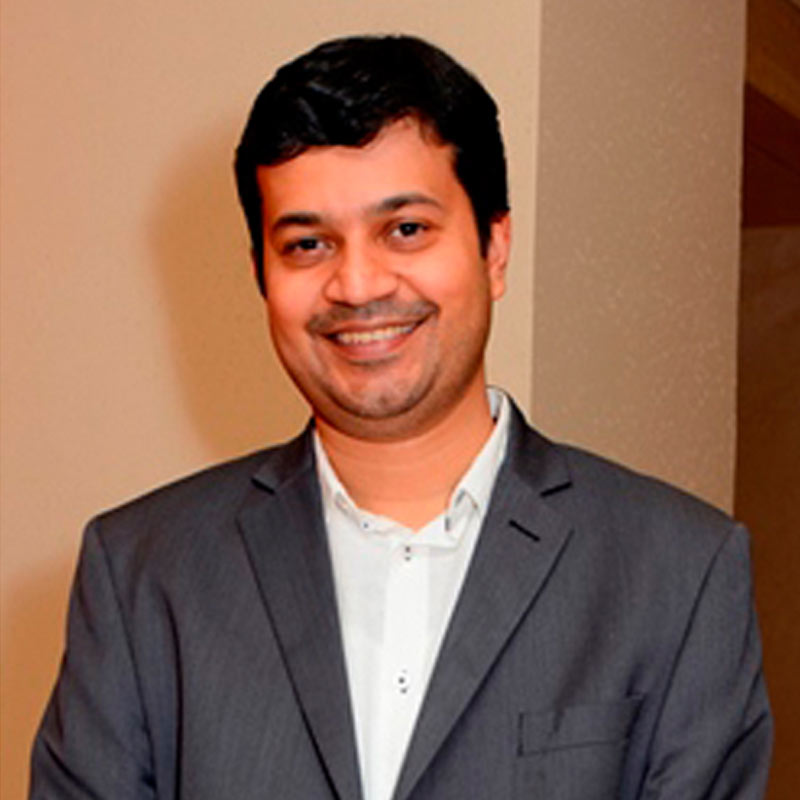
    MUMBAI: Lalit Sharma has one ambition that keeps him up all night, it’s the drive to take his production house Colosceum Media into new vistas. The smiling soft-spoken bearded CEO whose charge has built up its reputation as a top notch producer of non-fiction and reality shows would like to balance out its portfolio by diversifying increasingly into TV dramas and series for Hindi GECs, shows for international TV channels, and digital content.

    For the first, he has a challenge – albeit not un-surmountable – on his hands. For a large part programmers in Hindi GECs are a cautious bunch – they put producers in defined boxes and are loathe to give opportunities to untried and untested producers, even though they have experience in other genres. “Oh! He is into non-fiction; he does not have the requisite fiction production experience,” is oft heard in programming circles in channels.

    The production house has found a way out of this Catch22 situation. Over the years, it has partnered with fiction producers or creators by pumping in funds and looking after the production aspects of each show. For example for its latest endeavor, Dehleez, which came to a close in June 2016, Sharma found a willing listener in Star Content Studios boss Gaurav Banerji who allowed him to partner and co-produce it with Farhan Salaruddin’s Fortune Productions for Star Plus. A romantic courtroom drama it ran for 104 episodes at 10:30 pm, and pulled in consistent ratings for the channel.

    But Lalit wants more of fiction. “We were heartened by the success of Dahleez and would like to produce more shows in the fiction genre. We have a few concepts for which we are currently in conversation with a couple of Hindi GECs,” he says.

    The Rs 45.55 crore (year ended 31 March 2015) turnover TV production studio has made its reputation as the producer of flagship shows such as MTV Roadies, Splitsvilla and Masterchef which are almost iconic. But unknown to many it has almost been churning out ad films, documentaries, regional content and even mythological shows.

    Its ride into television started way back in 2007 when founder Ajit Andhare armed with little but a dream to get into production drew up a business plan and approached TV18 promoter Raghav Bahl and got him to provide him with seed capital. Ajit had little TV production experience. A 10 year veteran of marketing behemoth Hindustan Lever, he had risen up the ranks to become regional brand activation director APAC for its parent Unilever. Through the years, he had worked on brands like Sunsilk Clear, Dove, Lifebuoy, Lux, among many others.

    While at Hindustan Lever, he had creatively brainstormed and conceptualized a concept that would end up on television as a TV show Wheel Smart Srimati on Doordarshan.

    Ajit utilized the seed capital Raghav provided him for his project well. He roped in in Rajiv Lakshman (yes, he of Roadies fame and the other half of the twin brothers) as chief creative officer. He then brought in Lalit, (who had close to nine years experience and was working in Star India as AVP operations) as his COO.

    “Even though Colosceum was funded by Network 18, we were adamant on not making it a network production house, which turned out to be the biggest challenge,” shares Rajiv who has since parted ways from Colosceum, and today runs another outfit with his brother Raghu.

    Team in place, Ajit and Rajiv decided to approach Hindustan Lever with a pitch to produce Wheel Smart Srimati. The well-established Miditech and Endemol Colosceum were also in the running, but finally Levers decided to opt for Colosceum. The production house went on to make a success of it.

    But even then its big challenge was to get a show on private satellite TV. “The break came when we made Splitsvilla for MTV, the first romance reality show,” expresses Sharma.

    And then there was no looking back. Within seven months of inception, Colosceum had five shows on air Wheel Smart Srimati and Duniya on DD, Jai Sri Krishna and Bandhan Saat Janmon Ka (on Colors), and of course Splitsvilla. For its fiction, mythologicals and drama forays, Colosceum partnered with other creative boutiques such as Moti and Meenakshi Sagar, and Shakuntalam Telefilms – a tack it follows to this day.

    But the next big break at the company came when it was commissioned by Star to produce a top global format franchise – Masterchef India for Star Plus. Over the years, other shows followed on which it was a co-producer such as Jamunia and Meera on NDTV Imagine, Shakuntala on Star One, now Like Ok, and Bani Ishq Da Kalma on Colors.

    It was in 2013 when Ajit decided to head out and venture into film making under the banner of Viacom18 Motion Pictures. By then, most of the shareholding was in the hands of private equity funds.

    And the mantle to run the shop fell on Lalit. Rajiv also moved on to his joint venture with twin brother Raghu Ram. “I love experimenting with my career, Colosceum had attained stability and it was time to move on,” says Rajiv.

    Lalit brought in Jayesh Gokulgandhi as CFO, Girish Balan as VP-productions & operations and Kaveri Mehrotra as creative head. Today, a core team of 28 employees is responsible for the 200-250 hours of non-fiction content that it churns out. while the crew is hired according to the projects. The company’s rolls swell depending on the number of projects it has on the floors. For each non- fiction production, it recruits between 200-300 crew and for fiction between 60-100. For shows like Roadies which it has been producing since Season 8, it has partners and line producers nationally and internationally who are available for it on call.

    According to Lalit, the company has an appetite to produce three non-fiction, two or three regional fiction, two to three niche content and three to four fiction shows in the Hindi GEC space annually.

    “We work like a family, the entire team has dedication and passion at its core.” shares Lalit. ”Our co-productions are like collaborations where we come together to create the and produce the show. We have different revenue share models with our co-production partners,” explains Lalit.

    The Colosceum team has got plaudits from all and sundry. Its shows have won awards. But more than that is the praise that its broadcast partners shower on it. Says MTV India creative and content director Deborah Polycarp: “They produce Splitsvilla and Roadies for MTV from season 8 and have proved to be a passionate team. Colosceum puts in determined efforts behind every show that they produce. Evidence of that is the fact that Splitsvilla is amongst the top rated shows.”

    Lalit, on his part, is looking forward to the next season of Roadies which is slated to come on air in January next year.

    And taking Colosceum into the digital content space. Says Lalit: “We are pulling up our sleeves to create some path breaking content online, with the same impact as our shows on television.”

    Adds Kaveri: “We create youth content for any space, be it digital or broadcasting keeping their environment in mind. It has be out of the box and something which will have a creative hook.”

    Additionally, what’s exciting the team is a project, which is being drawn up on for an international broadcaster. “We can’t talk about it right now,” says Lalit. “But it will be a show that will take Colosceum to the next level.”

  • TV producer Colosceum’s  new drive

    TV producer Colosceum’s new drive

    MUMBAI: Lalit Sharma has one ambition that keeps him up all night, it’s the drive to take his production house Colosceum Media into new vistas. The smiling soft-spoken bearded CEO whose charge has built up its reputation as a top notch producer of non-fiction and reality shows would like to balance out its portfolio by diversifying increasingly into TV dramas and series for Hindi GECs, shows for international TV channels, and digital content.

    For the first, he has a challenge – albeit not un-surmountable – on his hands. For a large part programmers in Hindi GECs are a cautious bunch – they put producers in defined boxes and are loathe to give opportunities to untried and untested producers, even though they have experience in other genres. “Oh! He is into non-fiction; he does not have the requisite fiction production experience,” is oft heard in programming circles in channels.

    The production house has found a way out of this Catch22 situation. Over the years, it has partnered with fiction producers or creators by pumping in funds and looking after the production aspects of each show. For example for its latest endeavor, Dehleez, which came to a close in June 2016, Sharma found a willing listener in Star Content Studios boss Gaurav Banerji who allowed him to partner and co-produce it with Farhan Salaruddin’s Fortune Productions for Star Plus. A romantic courtroom drama it ran for 104 episodes at 10:30 pm, and pulled in consistent ratings for the channel.

    But Lalit wants more of fiction. “We were heartened by the success of Dahleez and would like to produce more shows in the fiction genre. We have a few concepts for which we are currently in conversation with a couple of Hindi GECs,” he says.

    The Rs 45.55 crore (year ended 31 March 2015) turnover TV production studio has made its reputation as the producer of flagship shows such as MTV Roadies, Splitsvilla and Masterchef which are almost iconic. But unknown to many it has almost been churning out ad films, documentaries, regional content and even mythological shows.

    Its ride into television started way back in 2007 when founder Ajit Andhare armed with little but a dream to get into production drew up a business plan and approached TV18 promoter Raghav Bahl and got him to provide him with seed capital. Ajit had little TV production experience. A 10 year veteran of marketing behemoth Hindustan Lever, he had risen up the ranks to become regional brand activation director APAC for its parent Unilever. Through the years, he had worked on brands like Sunsilk Clear, Dove, Lifebuoy, Lux, among many others.

    While at Hindustan Lever, he had creatively brainstormed and conceptualized a concept that would end up on television as a TV show Wheel Smart Srimati on Doordarshan.

    Ajit utilized the seed capital Raghav provided him for his project well. He roped in in Rajiv Lakshman (yes, he of Roadies fame and the other half of the twin brothers) as chief creative officer. He then brought in Lalit, (who had close to nine years experience and was working in Star India as AVP operations) as his COO.

    “Even though Colosceum was funded by Network 18, we were adamant on not making it a network production house, which turned out to be the biggest challenge,” shares Rajiv who has since parted ways from Colosceum, and today runs another outfit with his brother Raghu.

    Team in place, Ajit and Rajiv decided to approach Hindustan Lever with a pitch to produce Wheel Smart Srimati. The well-established Miditech and Endemol Colosceum were also in the running, but finally Levers decided to opt for Colosceum. The production house went on to make a success of it.

    But even then its big challenge was to get a show on private satellite TV. “The break came when we made Splitsvilla for MTV, the first romance reality show,” expresses Sharma.

    And then there was no looking back. Within seven months of inception, Colosceum had five shows on air Wheel Smart Srimati and Duniya on DD, Jai Sri Krishna and Bandhan Saat Janmon Ka (on Colors), and of course Splitsvilla. For its fiction, mythologicals and drama forays, Colosceum partnered with other creative boutiques such as Moti and Meenakshi Sagar, and Shakuntalam Telefilms – a tack it follows to this day.

    But the next big break at the company came when it was commissioned by Star to produce a top global format franchise – Masterchef India for Star Plus. Over the years, other shows followed on which it was a co-producer such as Jamunia and Meera on NDTV Imagine, Shakuntala on Star One, now Like Ok, and Bani Ishq Da Kalma on Colors.

    It was in 2013 when Ajit decided to head out and venture into film making under the banner of Viacom18 Motion Pictures. By then, most of the shareholding was in the hands of private equity funds.

    And the mantle to run the shop fell on Lalit. Rajiv also moved on to his joint venture with twin brother Raghu Ram. “I love experimenting with my career, Colosceum had attained stability and it was time to move on,” says Rajiv.

    Lalit brought in Jayesh Gokulgandhi as CFO, Girish Balan as VP-productions & operations and Kaveri Mehrotra as creative head. Today, a core team of 28 employees is responsible for the 200-250 hours of non-fiction content that it churns out. while the crew is hired according to the projects. The company’s rolls swell depending on the number of projects it has on the floors. For each non- fiction production, it recruits between 200-300 crew and for fiction between 60-100. For shows like Roadies which it has been producing since Season 8, it has partners and line producers nationally and internationally who are available for it on call.

    According to Lalit, the company has an appetite to produce three non-fiction, two or three regional fiction, two to three niche content and three to four fiction shows in the Hindi GEC space annually.

    “We work like a family, the entire team has dedication and passion at its core.” shares Lalit. ”Our co-productions are like collaborations where we come together to create the and produce the show. We have different revenue share models with our co-production partners,” explains Lalit.

    The Colosceum team has got plaudits from all and sundry. Its shows have won awards. But more than that is the praise that its broadcast partners shower on it. Says MTV India creative and content director Deborah Polycarp: “They produce Splitsvilla and Roadies for MTV from season 8 and have proved to be a passionate team. Colosceum puts in determined efforts behind every show that they produce. Evidence of that is the fact that Splitsvilla is amongst the top rated shows.”

    Lalit, on his part, is looking forward to the next season of Roadies which is slated to come on air in January next year.

    And taking Colosceum into the digital content space. Says Lalit: “We are pulling up our sleeves to create some path breaking content online, with the same impact as our shows on television.”

    Adds Kaveri: “We create youth content for any space, be it digital or broadcasting keeping their environment in mind. It has be out of the box and something which will have a creative hook.”

    Additionally, what’s exciting the team is a project, which is being drawn up on for an international broadcaster. “We can’t talk about it right now,” says Lalit. “But it will be a show that will take Colosceum to the next level.”

  • Star India to initiate creative freedom discussions with TV producers

    Star India to initiate creative freedom discussions with TV producers

    MUMBAI: Remember the terms perestroika? Glasnost? The first stands for reformation, the second for openness. Both were popular terms used in reference to the USSR as it crumbled to herald the freedom that hit it in the late eighties and nineties.

    Some of that is about to hit Indian television. Remember last week’s admission by Star India deputy chief creative officer Gaurav Banerjee that the network may have erred by starting the mad race of pursuing seven days of soap and drama every week from the five days formula earlier. Speaking at the Indian ScreenWriters’ Conference in Mumbai he candidly stated: “I confess that it was a mistake because we reduced the ideation time of writers and of actors as well. We thought that we could manage the workload and it won’t affect the product but unfortunately we were thinking of a TV industry as a pizza delivery service which was big mistake.”

    He also announced that Star India would cut back the seven-days-a week to five days once again.

    Now Star India and Gaurav are going a step further. He has told producers that he would be more than happy to extend creative freedom to them, something they have been pleading for, demanding and crying for. Each show, said Banerjee, would have a single show runner giving it the much needed vision. He has invited producers for a meeting in Star India’s office on 20 August to further spell out what he means by creative freedom.

    The producers’ fraternity is very excited about the new initiative by Star and are welcoming it. Says Frames Production founder Ranjeet Thakur: “It’s a very great move for the industry on the whiole because the minute the producer comes with a certain plot thought or idea I think it works better. The producer has some vision behind the show and if that creative freedom is given to them to execute in the same manner, it’s a wonderful thing to be happening in the industry. It’s a very positive note. It’s a great move by Gaurav and Star and slowly it will become the norm of the industry.”

    Colosceum Media CEO Lalit Sharma adds, “Firstly, it’s a very good take towards producing good content. Now the show runner will have the responsibility. It’s the happiest moment for the Indian producers but along with that there comes a responsibility. It looks like a win- win situation but one has to be extremely responsible for what they are producing.”

    Fortune Production founder Farhann Salaruddin opined, “It’s totally yes to the intention of giving creative freedom to producers and a lot of people must been waiting for this day to have the ball in their court. Whatever you make good or bad the credit will be yours. It’s a good move but how successful it will be only time will tell us.”

    Shakuntalam Telefilms founder Shyamasis Bhattacharya adds: “ It’s a welcome move. I think we all (producers community) have been wanting this to happen. Last year we met all the CEOs of different channels asked for the same and Star taking the lead is appreciated. Now there will be one vision that can be of the broadcaster’s show runner or the producers. That’s exactly what happens across the world and also in India but not to that extent. If you see Balaji’s shows’ success rate its high because their shows run after Ekta’s vision. I believe the shows’ success rate will go up after this move.”

    And that is exactly what Gaurav is hoping will happen.

  • Star India to initiate creative freedom discussions with TV producers

    Star India to initiate creative freedom discussions with TV producers

    MUMBAI: Remember the terms perestroika? Glasnost? The first stands for reformation, the second for openness. Both were popular terms used in reference to the USSR as it crumbled to herald the freedom that hit it in the late eighties and nineties.

    Some of that is about to hit Indian television. Remember last week’s admission by Star India deputy chief creative officer Gaurav Banerjee that the network may have erred by starting the mad race of pursuing seven days of soap and drama every week from the five days formula earlier. Speaking at the Indian ScreenWriters’ Conference in Mumbai he candidly stated: “I confess that it was a mistake because we reduced the ideation time of writers and of actors as well. We thought that we could manage the workload and it won’t affect the product but unfortunately we were thinking of a TV industry as a pizza delivery service which was big mistake.”

    He also announced that Star India would cut back the seven-days-a week to five days once again.

    Now Star India and Gaurav are going a step further. He has told producers that he would be more than happy to extend creative freedom to them, something they have been pleading for, demanding and crying for. Each show, said Banerjee, would have a single show runner giving it the much needed vision. He has invited producers for a meeting in Star India’s office on 20 August to further spell out what he means by creative freedom.

    The producers’ fraternity is very excited about the new initiative by Star and are welcoming it. Says Frames Production founder Ranjeet Thakur: “It’s a very great move for the industry on the whiole because the minute the producer comes with a certain plot thought or idea I think it works better. The producer has some vision behind the show and if that creative freedom is given to them to execute in the same manner, it’s a wonderful thing to be happening in the industry. It’s a very positive note. It’s a great move by Gaurav and Star and slowly it will become the norm of the industry.”

    Colosceum Media CEO Lalit Sharma adds, “Firstly, it’s a very good take towards producing good content. Now the show runner will have the responsibility. It’s the happiest moment for the Indian producers but along with that there comes a responsibility. It looks like a win- win situation but one has to be extremely responsible for what they are producing.”

    Fortune Production founder Farhann Salaruddin opined, “It’s totally yes to the intention of giving creative freedom to producers and a lot of people must been waiting for this day to have the ball in their court. Whatever you make good or bad the credit will be yours. It’s a good move but how successful it will be only time will tell us.”

    Shakuntalam Telefilms founder Shyamasis Bhattacharya adds: “ It’s a welcome move. I think we all (producers community) have been wanting this to happen. Last year we met all the CEOs of different channels asked for the same and Star taking the lead is appreciated. Now there will be one vision that can be of the broadcaster’s show runner or the producers. That’s exactly what happens across the world and also in India but not to that extent. If you see Balaji’s shows’ success rate its high because their shows run after Ekta’s vision. I believe the shows’ success rate will go up after this move.”

    And that is exactly what Gaurav is hoping will happen.

  • Sony’s Power Couple to launch on December 12; five sponsors roped in

    Sony’s Power Couple to launch on December 12; five sponsors roped in

    MUMBAI:  After Indian Idol, Jhalak Dikhlaa Jaa and Khatro Ke Khiladi, Sony Entertainment Television is all set bring another international format – Power Couple, to India. Hitting Indian television screens from December 12 onwards, Power Couple will be a one and half hour show and will be aired on Saturday and Sunday at the 8.30 pm time slot. Indiantelevision.com had reported earlier that SET would bring the Israeli reality show produced by Colosceum Entertainment to India.


    The channel has roped in Ponds as the presenting sponsor and Priyagold Snakker and Ching’s Secret – I love Desi Chinese as powered by sponsors.. Besides, Power Couple also has Iodex and Dettol as the co- sponsors for the show.


    The channel will also be airing strips of the show from Monday – Friday at 10 pm for 30 minutes, to run viewers through the journey of the contestants. Power Couple will be a 26 episodes series that will run for 13 weeks.


    Power Couple will be hosted by Bollywood couple Malaika Arora Khan and Arbaaz Khan. The show celebrates the essence of true love as it gauges how far couples will go to prove their undying affection for each other. Pratyusha Banerjee-Rahul Raj Singh, Naved Jaffrey-Sayeeda, Jesse Randhawan-Sandeep Soparkar, Apoorva Agnihotri-Shilpa Saklani, Aamir Ali-Sanjeeda Sheikh, Delnaz Irani-Percy Karkaria, Salil Ankola-Ria Banerjee, Shawar Ali-Marsela, Ashmit Patel-MehakChahal, and Rahul Dev-MugdhaGodse will among the participants.


    Speaking about the show, Multi Screen Media (MSM) CEO NP Singh said, “The good thing about Sony is whether we bring a show for the domestic market or for the international market, we are known for the bringing the best shows to the country. Sony has introduced some of the best reality to India like Indian Idol, Jhalak Dikhhla Jaa, Khatro Ke Khiladi and Dus Ka Dum which become very popular. Power Couple, our next international offering, was originally produced by Israel-based Dori Media. The producers plan to launch the show in US and UK as well. One of Sony’s greatest strengths in programming is that we’ve led right from the front in non-fiction content and in fiction as well. We have recently launched season two of Parrvarish and initial response is good.”


    Talking to Indiantelevision.com about the promotional activities, SET SVP and head marketing Anup Vishwanathan, said, “We have planned a 360 degree campaign to promote Power Couple. It will be 8 week campaign for us including digital, radio, television and print outside and inside the network. We are also running a contest on social media where we are asking people to upload their and pictures and tell us about why they want to be the part of the show. We have already received 7000 entries for the same and shortlisted 400 couples.” SET has roped in Leo Burnett as the creative agency which worked with SET’s internal creative team for the show.


    Colosceum Entertainment CEO Lalit Sharma said, “Basically we have been doing all sorts of reality shows from Splitsvilla to Roadies to Masterchef. This is a reality show in the positive space and this is an answer to any negative warrism kind of show. It’s high time that one should get into the positive mode and that’s made us believe that this will work.”


    The production house has tweaked the format for its Indian audiences. Talking about the same, Sharma added, “The Israelis are more into showing skin, while Indian culture doesn’t allow that and that is one of the major changes we have made in this show. Besides, we have also changed the task format according to our needs.”


    Power Couple has been shot in Goa in beautiful villa named Power Couple Villa.  While Sharma did not mention figures, speaking about the production cost he said, “Power Couple is an expensive show. It’s cost is three times the Roadies cost.”

  • TV content creators keen on digital platforms but rue dearth of writers

    TV content creators keen on digital platforms but rue dearth of writers

    GOA: Producers of content for television feel that they are not creating value as the intellectual property rights go to the channels. However, they are ready to invest in creating content for digital networks and over-the-top (OTT) platforms.


    Addressing a session on whether the content ecosystem was ready to serve 2000 channels, these producers said serials made for television gave them money but they did not feel satisfied since they were not the owners of their creations. 


    Contiloe Pictures CEO Abhimanyu Singh said there was little doubt that TV got more eyeballs than cinema, but this was not totally satisfying. Singh was in fact keen to syndicate their content, which the company could then monetize in different languages.


    “One reason why content creators settle for the present position is because the risk lies with the broadcaster and not with the creator,” he said.


    In the session moderated by Indiantelevision founder CEO and editor-in-chief Anil Wanvari, Singh said that he was keen to take up the challenge of creating content for other digital platforms.


    Further stating that the younger generation was not coming to television but taking to other mediums, Singh lamented the shortage of good writers in the industry. “The ecosystem has to change for content creators, and this can happen when the intellectual property rights remain with the creator,” he emphasised.


    Concurring with Singh on the shortage of writers, Colosceum Media CEO Lalit Sharma looked upon the future as an opportunity for new people to come in. He said, “We will be ready to create content for other digital platforms.”


    Beyond Dreams Entertainment Ltd founder Yash Patnaik added, “We have already been doing programmes for other platforms and we have tested audiences for new formats. I am waiting for the market to open up with the entry of OTTs.”


    Referring to the shortage of writers, Patnaik said that the writer was also preparing himself for digital platforms. “It is an investment on losses, which may turn into profits later. Content creation needs money, which in turn will create value, which will fetch more investments,” he added. 


    Wanvari expressed confidence that OTT players will pay well.

  • Colosceum and Ormax to launch consumer-created fiction shows

    Colosceum and Ormax to launch consumer-created fiction shows

    MUMBAI: There is no dearth of creativity in the country and to give a new meaning to how content is generated, Colosceum Media and Ormax Media, have come together to introduce consumer-created fiction shows for the Indian television industry.

    Consumer research was conducted over the last six months across more than 15 cities in India to generate original stories and then tested using Ormax True Value, an industry standard that has been used on more than 250 television shows across more than 20 channels since 2008. Together, the two companies will approach leading broadcasters with shows that have tested exceptionally well, with more than 85 per cent probability of success.

    Speaking about the deal, Colosceum Media CEO Lalit Sharma said, “Ormax has used very advanced consumer research techniques to generate original stories for daily fiction shows for Hindi GECs. These concepts are stories that have been both created and validated with the consumers. A story may have originated in Indore, developed in Jalandhar and then fine-tuned by another set of consumers in Amravati. Currently, production houses make large investments in getting concept developed in-house. The broadcasters then make investments to judge their viability. By creating concepts that are sourced from consumers, we are creating a win-win situation for all stakeholders.”

    Ormax Media founder and CEO Shailesh Kapoor said, “It’s been a long but fulfilling process of engaging with the actual consumers in story generation. Having produced shows like Roadies, Splitsvilla and MasterChef India, Colosceum are an established leader in the non-fiction space. We’re excited to partner them in their plans to establish a strong presence in the fiction space.”

    Sharma added, “Having produced shows like Jai Shree Krishna, Bandhan, Shakuntala and Bani Ishq Da Kalma in partnership with boutique creative outfits, we were keen on identifying a differentiated proposition for our next fiction offering. We couldn’t have asked for a better partner than Ormax, who are a leader in providing the industry with market insights for seven years now.”

    “When we meet the broadcasters, we are not just going with a concept but a complete consumer package that has a potent combination of consumer insights, fine storytelling and a very capable creative and producing team.” Kapoor stated.
    Tulsea Pictures conceived this partnership and brought both Colosceum and Ormax together.

    “We believe this partnership will be disruptive and will bring the much need diversification in the themes of shows running on prime time. The business model created by this partnership is very unique and there is no global precedence that we are aware of. It’s content of the consumer, by the consumer, for the consumer,” said Tulsea Datta Dave. “It’s very exciting to bring Colosceum and Ormax together. They are leaders in their respective fields and this innovative partnership has potential implications for the global entertainment industry.”


  • “Non-fiction is expensive, hence need to strengthen fiction”: Siddharth Anand Kumar

    “Non-fiction is expensive, hence need to strengthen fiction”: Siddharth Anand Kumar

    MUMBAI: Vidya Balan’s famous line about entertainment sells, stay true to the television business as well.


    With new channels launched and new genres explored every now and then, the production houses have a lot on their platter. One such production house, Colosceum, known for its non-fictional properties like Roadies, Splitsvilla recently got on board Siddharth Anand Kumar as scripted content head to strengthen its overall approach.


    A graduate in filmmaking, he has worked as an assistant to Mira Nair during the making of Kamasutra (1995), as DOP and editor for Bobby Bedi during the production of the TV series Rajdhani (2000), and as the executive producer for Shekhar Kapur’s company Digital Talkies during which he oversaw the production of two feature films and the country’s first International Digital Film Festival (2001).


    He has directed two films: Let’s Enjoy (2004), a film about a Delhi farmhouse party, and Semshook (2010), a coming of age story set in the Tibetan exile community. And his TV projects include Seven and Khotey Sikkey by Yash Raj Films on Sony and Mahabharat by Swastik Pictures on Star Plus.


    “We have a partnership with Colosceum. And our aim is to bring in some really interesting new content into the Indian television which is currently happening and we want to be a part of it,” says Kumar while elaborating on his role.  “In the industry there is a position of content director and director and I will be mixing both these roles. It is also something which the channels want and are eager to do because it is the director who makes the show. And sometimes we have creative director who doesn’t engage in day to day procedure of the show or while communicating with the broadcasters. We want to bridge that gap.”


    He along with the Colosceum team is currently busy conceiving and pitching ideas to broadcasters, which will then be taken forward if the broadcaster shows interest.  


    The production house is known for its seasonal shows, but with this hire it wants to strengthen its fiction side as well. Kumar goes on to explain why. “Colosceum had non-fiction bend but if you look at the trend, all the big production houses whether they are Endemol or Fremantle, you will see a small shift little away from non-fiction because non-fiction costs a lot. And the numbers that you get are pretty much the same as a hit fiction property. So, everyone understands that the return of investment is higher on fiction. Producers who have had a very strong non-fiction background like Colosceum need to partner with strong fiction heads to tell the broadcasters ‘look we have the right team in place’.”


    Furthermore, he believes channels are now moving towards fiction. Stating the example of how Bindass, which once used to air shows like Big Switch and Dadagiri, today has fiction shows. Similarly Channel V and MTV have now become youth general entertainment channels (GECs).


    Moreover, even GECs which offered their viewers two to three non-fictional properties over weekend, now only have one such property. 


    “Take Colors for instance, apart from Jhalak Dikhla Ja it doesn’t air any other non-fictional property on the weekend. I won’t take Comedy Nights with Kapil to be one as it is scripted. The trend is indicating that every channel is putting their money into one non-fiction show because they are expensive and rest on fiction,” he says and adds, “Right now we are in the phase when there is a greater demand for fiction than non-fiction. At some time, the circle might change again. So, this is a good time to generate some quality fiction content and strengthen it so we are able to serve the broadcaster in both the genres.”


    Kumar believes that as audiences mature, the content will change as well and hence, channels are moving towards younger content as well as dealing with social issues apart from the regular saas-bahu dramas. Another aspect which is also a main reason for this shift in content today is the demand from the advertisers. “The consumer categories which are very hot at the moment are smartphones, cars and e-commerce, and they need to talk to a younger-skewed audience not only in metros but also in tier I and II cities where there is high aspirational power. Youth has more spending power because as one grows older, the commitments/priorities change. So advertisers need to talk to them and hence broadcasters need to create content for this audience.”


    One needs to just turn on the TV to see who is advertising so if it’s a Karbonn mobile it doesn’t want to advertise on Saath Nibana Saathiya but need a show like Airlines or Shastri Sisters.


    In the coming years, he proposes that as more and more people start consuming content on digital, production houses might have to start making specific content for that medium and also learn how to monetise it well. As media proliferates there is going to be more fragmentation and niche programming.


    Hence, Colosceum will focus on creating tailor-made shows for broadcasters based on what that broadcaster wants in its programming lineup. Currently, the team has a lot of ideas on the platter and will soon approach broadcasters with the innovative and interesting ideas.


    In his 12 years career, Kumar says that even today “we don’t know what the audience wants.” There is still a lot of guess work even though there are various research agencies doing a lot of footwork. So when it comes to talking to the audience and seducing them with the work there is still a bit of hit and miss. “We usually have the tendency of coping what becomes a hit, but it won’t serve our purpose as we will start creating same content that will create fatigue amongst audiences.”


    “We need to provide a varied content to audience which is also dynamic. So that we can learn what the audience wants,” he concludes.


  • Colosceum gets Siddharth Anand Kumar on board

    Colosceum gets Siddharth Anand Kumar on board

    MUMBAI: It was in July that Lalit Sharma, who was part of the founding team with Ajit Andhare and Rajiv Lakshman, took charge as the CEO of Colosceum.


    And since then he has been working hard to take the production house, which saw a few senior exits in the past couple of years, to greater heights because he believes it’s the work that matters as people come and go. In the last couple of months three new hires have been made to strengthen the production house’s top line management.


    “We have already introduced Hitesh Bhatia and Vikrant Bharadwaj in the non-scripted space, and now we have got on board Siddharth Anand Kumar as scripted creative head,” says Sharma while adding that the main aim is to strengthen the team.


    “People come and people go, but what really matters is the work. One should let the work talk,” adds Sharma.


    The deal was negotiated by content and talent management company, Tulsea Pictures, which represents both Kumar and Colosceum.


    Kumar studied filmmaking in Hampshire College in USA and has worked as a freelance cinematographer and editor for several film and TV projects. He has worked as an assistant to Mira Nair during the making of Kamasutra (1995), as DOP and editor for Bobby Bedi during the production of the TV series Rajdhani (2000), and as the executive producer for Shekhar Kapur’s company Digital Talkies during which he oversaw the production of two feature films and the country’s first International Digital Film Festival (2001).


    He has directed two films: Let’s Enjoy (2004), a film about a Delhi farmhouse party and Semshook (2010), a coming of age story set in the Tibetan exile community while his TV projects include Seven and Khotey Sikkey by Yash Raj Films on Sony and Mahabharat by Swastik Pictures on Star Plus.


    Kumar states, “With various popular shows as part of their existing show reel, Colosceum has already started to establish its superiority in the Hindi GEC space. I am confident that my partnership with Colosceum will result in some exceptional fiction television content for India to watch. I am enthusiastically looking forward to working with Colosceum and to take its fiction shows to the next-level as ‘must-watch’ Indian television.”


    Currently, producing Splitsvilla, the production house prouds itself of multi-seasonal properties for both youth channels and GECs. “With more and more GECs concentrating on younger audiences, the line separating the content between the two is thinning and GECs too want to attract younger eyeballs,” highlights Sharma. He credits his young-blooded team as well as experienced research team for grasping the new trends amongst youngsters and used those insights to create popular shows.


    On International production houses making a mark in the Indian television industry, Sharma feels that the competition is healthy. “It is important as through these companies we get an exposure of how they work.”


    The year (2013) Andhare left, the company did have to face a tough time, but things have improved now and business is only growing. The production house is already in talks with various broadcasters for new shows which will go air in the near future.


    Apart from that, it is also concentrating in building the film arm and the next six months could see some good news.

  • Colosceum gets a new CEO in Lalit Sharma

    Colosceum gets a new CEO in Lalit Sharma

    MUMBAI: Colosceum, which has seen a few senior exits in the past couple of years, has reasons to cheer.


    Lalit Sharma, who was part of the founding team with Ajit Andhare and Rajiv Lakshman, has been promoted to CEO. He was earlier working at the capacity of COO with the company.


    “Yes, I have taken charge from today and already have had three meetings, so far. So it’s business as usual,” says Sharma who plans to finish the existing workload before he can look at other expansion plans.


    “We are working on a number of shows right now. And once that’s done we will be venturing into two more verticals,” elaborates Sharma without revealing much about the two verticals. “It will take a couple of years for things to take shape,” he adds.


    The production house has shows like Roadies and Master Chef India to its credit.


    Prior to Colosceum, Sharma has worked with Star India for a decade for its operations department.