Tag: Kyunki Saas Bhi Kabhi Bahu Thi

  • The return of Tulsi: Why Kyunki Saas Bhi Kabhi Bahu Thi will still hook India 25 years later

    The return of Tulsi: Why Kyunki Saas Bhi Kabhi Bahu Thi will still hook India 25 years later

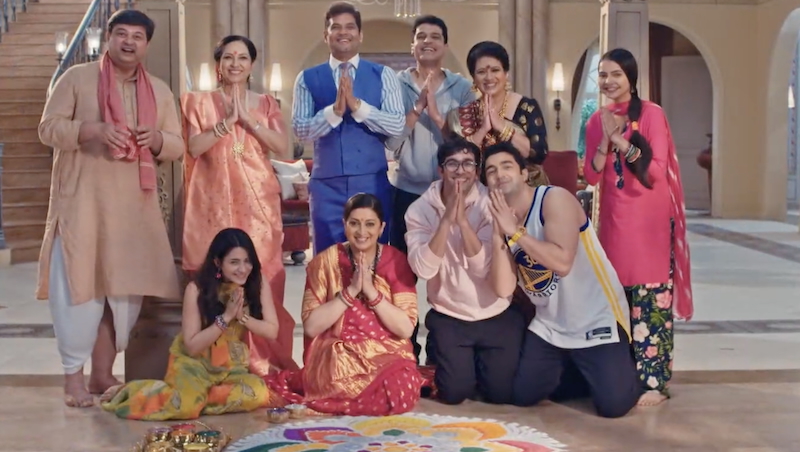
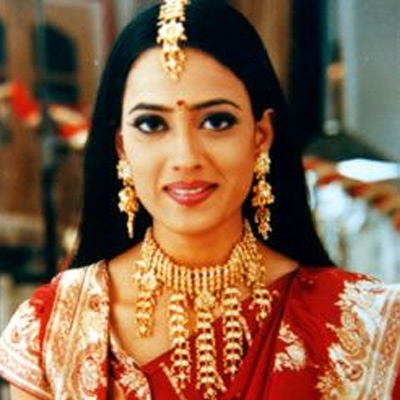
    MUMBAI: It’s been 25 years since Tulsi Virani first walked into our living rooms, but the magic of Kyunki Saas Bhi Kabhi Bahu Thi hasn’t dimmed a bit. Ekta Kapoor and Balaji Telefilms’ magnum opus remains as endearing today as it was when it first aired — a reminder of the power of family ties in an increasingly fragmented modern India.

    A Family Portrait in an Age of Isolation

    For those of us who grew up in bustling joint families, watching the Viranis feels like coming home. Their laughter, their rituals, even their quarrels — all echo a world that’s slowly slipping away. Today, nuclear households dominate India’s urban landscape. Parents are often left in old-age homes, siblings are scattered across cities and time zones, and “quality time” has been replaced with curated Instagram reels. Yet, as the Viranis gather under the palatial roof of Shantiniketan, the series offers a bittersweet reminder of what we’ve lost — and why we still yearn for it.

    Old Tropes, New Resonance

    Yes, the show is steeped in traditional tropes: Mihir as the patriarch, Tulsi shouldering the emotional and domestic burdens. But there’s nuance beneath the surface. Mihir is not a dictator but a partner — one who values Tulsi’s opinions, especially on their daughter Pari’s life choices. Their partnership reflects a subtle but important evolution in how couple dynamics are portrayed: mutual respect in a traditional framework.
    MIHIR & TULSI
    A Gripping Opening

    The revival wastes no time. From the very first episode, where preparations are underway for the Virani elders’ 38th wedding anniversary, viewers are swept back into the grand world of Shantiniketan. The writing is crisp, the camerawork fluid, the lighting lush, and the casting absolutely on point. Balaji’s signature flair for scale and detail is intact.

    The Sacrifices of Tulsi

    In the first two episodes, Tulsi remains the selfless heart of the household. She attends her anniversary party without a care for glamour, even giving away her saree to a relative. Midway through the celebration, she dashes to rescue her son Angad after a car accident, promising him she won’t tell Mihir. She returns to the festivities as though nothing happened, her own emotional turmoil buried under duty. These sacrifices define Tulsi — the glue of the Virani family.

    Cracks Beneath the Perfect Surface

    Of course, no Virani gathering is without its shadows. A jealous sister-in-law simmers in resentment, praying for Tulsi’s downfall. And in the third episode, a sensitive issue surfaces: Tulsi, older and heavier, worries about her fading youth next to Mihir’s enduring vitality. His tender reassurance — that she is the pillar on which Shantiniketan stands — transforms the moment into one of the show’s most moving exchanges.

    A Timeless Winner

    With just three episodes, it’s clear that Star Plus, Ekta Kapoor, and Balaji Telefilms have another winner on their hands. More than a television drama, Kyunki Saas Bhi Kabhi Bahu Thi is a cultural touchstone — a reminder that while lifestyles may change, our hunger for love, loyalty, and family never will.

    As the Viranis sit down together under the glowing chandeliers of Shantiniketan, one thing is certain: some sagas don’t just entertain us — they become part of who we are.

  • Old Hindi TV shows make a comeback to light up primetime again

    Old Hindi TV shows make a comeback to light up primetime again

    MUMBAI: Ready for a trip down Tele‑vision Lane? Indian TV networks are reaching for the rewind button, dusting off iconic serials from the 90s and 2000s and re-hashing them with a modern twist. From crime procedurals to kitchen politics, old favourites are back to reclaim viewer loyalty, and early signs suggest it’s working. From Kyunki Saas Bhi Kabhi Bahu Thi and CID to Bade Achhe Lagte Hain, broadcasters are betting big on nostalgia to revive TRPs. These revamped shows began dropping between December 2024 and July 2025 CID 2 returned last December, Bade Achhe Lagte Hain 4 launched in June, and Kyunki 2 is all set to make  its grand comeback come 29 July. 

     Why the flashback fix? For starters, the 25–45 age group grew up with these shows, making them more than just content, they’re memories. Channels are cashing in on this emotional bond to draw back viewers amid the OTT onslaught. Legacy titles offer not just a TRP rescue but a cost-efficient revival strategy complete with ready sets, familiar faces, and low marketing spends. As a source at Star India put it, it’s a smart way to “mitigate screen fragmentation.” Plus, the pandemic proved nostalgia’s power when Ramayan and Mahabharat re-aired, they smashed viewership ratings records, outpacing even fresh content.  

    CID

    Ormax Media head of business development for streaming, TV & brands Keerat Grewal said:  “Over the past three to four years, shows with strong protagonists such as Anupamaa, Yeh Rishta Kya Kehlata Hai, Ghum Hai Kisi Ke Pyaar Mein, and Kumkum Bhagya, have managed to sustain high viewership even across multiple leaps. This has been largely driven by the strong emotional equity their lead characters hold. The shows have skillfully introduced a new generation of characters who inherit familiar personality traits while addressing more contemporary issues, allowing the audience to feel a sense of continuity and evolution. 

    “The growing preference for shows with known characters and familiar storylines is not just a trend – it’s deeply rooted in how the human brain works. Neuroscience research shows that nostalgia and familiarity activate the brain’s reward centers, triggering comfort, trust, and emotional safety. Audiences are neurologically wired to return to content that evokes positive memories or past emotional resonance. That’s precisely what the return of a show like Kyunki Saas Bhi Kabhi Bahu Thi will tap into.”

     Kyunki Saas Bhi Kabhi Bahu Thi

    Based on Ormax’s extensive tracking in the HGEC category, we know that the Kyunki brand still holds strong equity among viewers today. This is reflected in the exceptional performance of the show’s new promo on our proprietary awareness tracker Ormax Showbuzz. Within just two days of the promo’s release, the show has recorded unaided awareness levels typically seen only after three to four weeks of sustained marketing in this genre. The data underscores the power of nostalgia, combined with trusted storytelling and iconic characters, to drive early interest and engagement. 

    Kyunki Saas Bhi Kabhi Bahu Thi (2000–2008) is set to return with Smriti Irani reprising her iconic role of Tulsi on Star Plus. CID (1998–2018) made its way back in December 2024 with most of the original cast. Bade Achhe Lagte Hain 4 debuted in June 2025, introducing a next-gen romance against a familiar emotional backdrop. Also making a play for comeback glory: Shaktimaan, slated for an audio reboot and a blockbuster film starring Allu Arjun; Aahat, the spooky staple now re-airing nightly; and evergreen titles like KhichdiOffice OfficeShrimaan Shrimati and Ramayan, all back on air or rumoured to be. 

    Bade Achhe Lagte Hain

    A JioStar spokesperson said, “Bringing back a show like Kyunki Saas Bhi Kabhi Bahu Thi is not just hinged on nostalgia, it is a strategic storytelling move designed for today’s viewers. At Star Plus, we see legacy IPs as powerful cultural assets that can be reimagined to reflect today’s evolving values. By blending familiarity with freshness, we aim to bring together households, unite generations, spark new conversations and reaffirm the enduring relevance of stories rooted in family, identity, and resilience.” 

    A source at Balaji Telefilms revealed that the decision to bring back Kyunki wasn’t an easy one. The creator Ekta Kapoor initially resisted, reportedly saying, “You can’t compete with nostalgia. Why shake it up?” 

    One of the reasons she said yes, sources close to her say, is the creative challenge to make it connect with today’s evolved audience and make an impact by tackling issues which don’t find their way into the current roster of shows on air. (On a lighter note, it will give Balaji Telefilms an opportunity to take the show past a record-breaking 2,000 episodes; remember, it was taken abruptly off-air in its 1,833rd episode). 

    The clincher for the channel and OTT was  not just ratings, it was legacy. Internal research commissioned had once shown that Kyunki helped amplify women’s voices in Indian homes. It tackled domestic abuse, ageism, and marital consent long before these were TV buzzwords. 

    The reboot, sources said, is less about chasing numbers and more about “reclaiming the power to reach millions and change mindsets.” 

    Sources familiar with the strategy at Star noted that Kyunki’s return serves both sentiment and business. “Broadcast reach is still far greater than OTT,” one executive explained. “Advertisers too have bought into the show because of its familiarity, going by the  sponsors who have been tied up: Procter & Gamble (a classic soap advertiser), Colgate and Fortune Oil.” 

    They added that older viewers with their own families who first watched  shows such as Kyunki as youngsters or young adults or are now settled, have disposable income, and more free time.  “This group is now reachable again especially  in slots like 10:30 pm,” said she. 

    With KyunkiCID and Bade Achhe Lagte Hain leading the charge, the revival roster is far from done. Insiders suggest shows like NaaginFIR, and Shrimaan Shrimati could be next in line. Meanwhile, connected TVs and Fast (free ad-supported streaming TV) channels are helping extend the reach of these classics into smaller towns and rural households, where smart TVs and budget broadband are becoming the norm. 

    Indian TV isn’t stuck in a time loop, it’s cleverly remixing the past. This wave of strategic nostalgia blends cultural memory with broadcast savvy, reminding us that some stories never really go out of style. In fact, they just get retold with better twists, lighting, cast and production values.

  • Kyunki comeback: Star Plus breaks promo, revealing Tulsi’s return

    Kyunki comeback: Star Plus breaks promo, revealing Tulsi’s return

    MUMBAI: Star Plus is dialling up the hype, drama—and the nostalgia—with the long-awaited return of Kyunki Saas Bhi Kabhi Bahu Thi, 25 years after it first lit up Indian TV screens. The Hindi GEC dropped a two-part promo teasing the show’s revival, complete with a modern makeover, new characters, and a familiar voice that fans won’t forget.

    The promo opens with a family pitstop at a roadside dhaba. As the iconic title track of Kyunki plays, the father hums along, sparking memories of TV dinners and shared family moments. The conversation turns meta as the son mentions the show’s comeback, prompting speculation from all members—until the voice of Tulsi Virani breaks in.

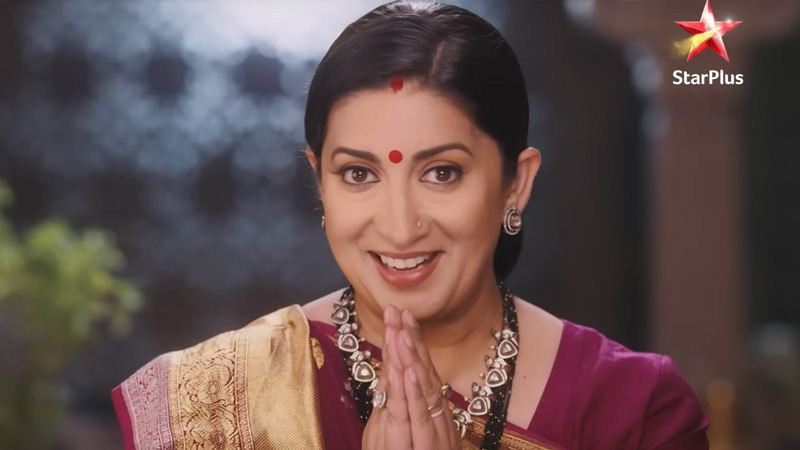
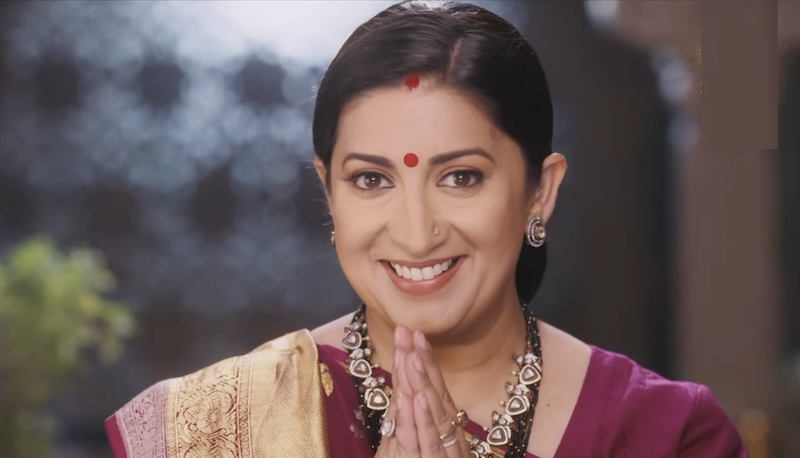
    The second half of the teaser reveals Tulsi herself, watering a Tulsi plant and declaring: “We’ve had a 25-year relationship. It’s time we meet again.” With that, she greets viewers with a namaste and a promise: Kyunki returns 29 July at 10:30 pm on Star Plus and JioHotstar.

    “This isn’t just nostalgia—it’s a bold new chapter,” said Sumanta Bose, cluster head – Star Plus & Star Utsav, calling the series “an iconic title with a deep-rooted legacy, now reimagined for today’s audience.”

    The marketing engine is already in full swing. JioStar’s sales team has roped in P&G’s Tide as presenting sponsor, with Colgate and Fortune Soyabean Oil as co-powered by brands. Fortune Chakki Atta has signed on as digital sponsor.

    With buzz already building and brand deals locked in, Kyunki is poised to once again rule the living room.

    You can watch the promo here.

  • Star Plus brings back ‘Kyunki Saas Bhi Kabhi Bahu Thi’ after 14 years

    Star Plus brings back ‘Kyunki Saas Bhi Kabhi Bahu Thi’ after 14 years

    Mumbai: Star Plus has decided to stir nostalgia among its viewers this February. The broadcaster has announced that its popular family saga ‘Kyunki Saas Bhi Kabhi Bahu Thi’ is set to return to the television screens after close to 14 years.

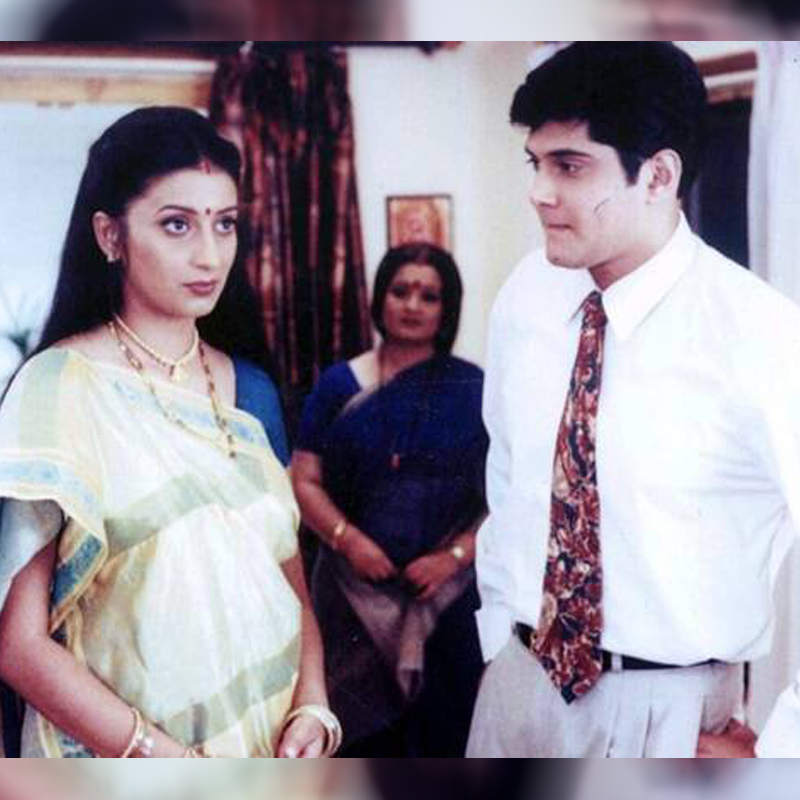
    The iconic TV show which made actor-turned-politician Smriti Irani a household name for her portray of Tulsi Virani will re-run on Star Plus at 5 pm daily, starting 16 February. It will also be available for streaming on Disney+ Hotstar, the broadcaster announced on Twitter on Tuesday.


    Getting all nostalgic, producer Ekta Kapoor took to Instagram to share the old promo of the serial, which features Irani opening the gates of the Virani household to welcome audiences into the world of the show. Reminiscing the earlier days, Kapoor wrote, “Today, as I look back, I recall every memory, every moment that made this show a most loved one! Usi pyaar ke saath judiye is safar se dobaara. Budhvaar se, harr roz, shaam 5 baje, sirf StarPlus par.”


    A post shared by Erkrek (@ektarkapoor)


    The soap opera aired first aired on Star Plus on 3 July 2000 and ran till 6 November 2008 becoming one of the longest-running TV shows at that time. Set around the day-to-day affairs of the Gujarat-based Virani family, the TV show that aired between 10-11 pm on weekdays struck a chord with the masses.

    During the eight years of telecast, Kyunki Saas Bhi Kabhi Bahu Thi became one of the most-watched Hindi GEC shows in India, after Kaun Banega Crorepati. Featuring actors like Ronit Roy, Amar Upadhyay, Hiten Tejwani, Gauri Pradhan Tejwani, it also won the ‘Best Continuing Series’ at the Indian Telly Awards for six consecutive years (2002-2007) 

    The show took a leap in story three times including 20 years leap in February 2002, a three years leap, and again a 20 years leap in June 2006, before finally going off air in 2008.

  • The secret sauce behind long-running Hindi GEC shows

    The secret sauce behind long-running Hindi GEC shows

    MUMBAI: India has a history of long-running soap operas right from Kyunki Saas Bhi Kabhi Bahu Thi to latest ones like Yeh Rishta Kya Kehlata Hai and Taarak Mehta Ka Ooltah Chashma. In the urban market, both the shows continue to remain in the top five programming list of BARC India in primetime slots.

    How is it that these shows are continuing to thrive in the era of seasonal content and high impact limited episode show on OTT platforms?

    The prime reason for their high attraction is the ability to reinvent and stay relevant. A decade ago, when these shows launched, there were no signs of OTT platforms. As the shows progressed, the creators kept changing the plotlines to suit the evolving tastes of the audiences.

    One key reinvention strategy that has kept Yeh Rishta Kya Kehlata Hai on top of the ratings charts is its youth appeal. 
    “We wanted to show Kartik and Niara as real couples and be connected to the reality of life. This was the most calculated risk that I took as a maker. We did not want to sugarcoat reality and keep them perfect. They make mistakes and learn from them and that’s what the audiences like. Imperfection is the new mantra that resonates well with them,” explains Director's Kut Production founder Rajan Shahi.

    Zee TV business head Aparna Bhosle explains that long-running shows are the hallmark of a creative team that truly understands their channel’s audience and tells them stories that hold their attention over a sustained period of time. 

    “Having properties on air that people want to keep coming back to is crucial to any broadcaster as it is this viewer behaviour that defines brand loyalty," she says.

    Sony SAB business head Neeraj Vyas points out that character affinity is one of the key reasons for the popularity of Taarak Mehta. "People watch television not because of the shows, but because of the characters. The characters’ action, relatability and empathy are what drive viewership.”

    Long-running shows also increase the  confidence of advertisers in the show. "Advertisers are interested in reaching out to the largest demographics through our platforms and long-running shows with a dedicated viewership serve this purpose most effectively and hence command a premium," says Bhosle.

    Apart from Yeh Rishta Kya Kehlata Hai and Taarak Mehta Kaa Ooltah Chashma, Zee TV's longest-running show Kumkum Bhagya has crossed 1500 episodes. "Kumkum Bhagya is one of our longest-running shows in the current context. Ever since the show launched in 2014, it has consistently found its place amongst the top five fiction shows across GECs week-on-week," says Bhosle.

    Vyas adds that the new TV channel pricing regime on account of the New Tariff Order (NTO)  has made it essential for channels to have marquee shows with a loyal audience base. Unfortunately, it’s difficult to do that today. The earlier shows are still surviving because they were launched when appointment viewing was the norm and OTT did not exist.

    Shahi concurs  with Vyas on OTT posing challenges. But Star India’s OTT platform Hotstar is aiding the growth of Yeh Rishta. “On Hotstar as well as TV, the show is highly rated. Keen audiences can watch the show early in the morning at 7 am on Hotstar while primetime viewers catch up at night with the family on TV,” he explains.

    Another key aspect has been to keep the production team consistent. Shahi says, "Yeh RishtaKya Kehlata Hai is a success for the entire television industry. In this chaotic and unstable market, keeping the team together and getting the show to stay on course for years is an achievement. Our teamhas 90 per cent of the same unit today since the show was launched. My biggest achievement is to have people who would team up for such a long-running show. Over the 11 years, they have been through phases of setbacks and achievements so to keep up the spirit and morale of the team is a challenge."

    With multiple choices available, producers have a hard task to keep shows running. To compete with shows on OTT, TV shows need to understand changing trends and adapt quickly.
    About the future, Bhosle says it’s not about a show being finite or infinite shows that will determine success. “It is a story that touches a chord, a character that grows on you or that palpable chemistry between two endearing characters that make people return to watch more,” she says.
     

  • The List Of Indian TV Serials That Broke Stereotypes

    The List Of Indian TV Serials That Broke Stereotypes

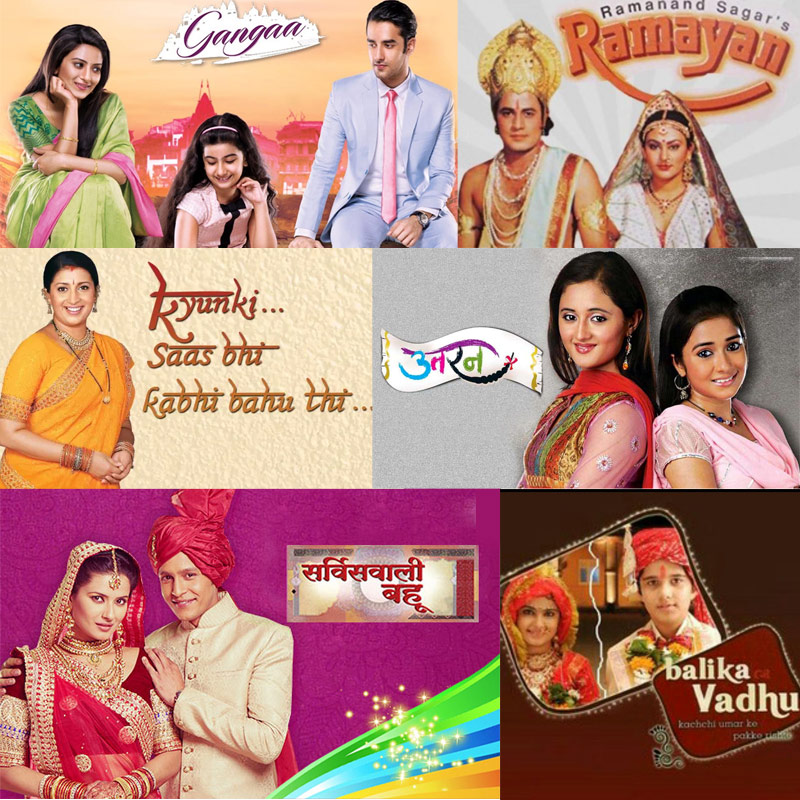
    Since the dawn of the television industry, you all must have seen hundreds of serial dramas. Over the last three decades, serials have been a major part of our daily life. From ‘Ramayana Epic’ to ‘Kyunki Saas Bhi Kabhi Bahu Thi’ to ‘Service Wali Bahu’, everyday family members will sit together in the evening at the dinner table and watch these serials and laugh and cry together. These daily soaps influenced, dominated and established a large part of our society. And there is no doubt in saying that they left their essence to the core of our hearts and minds.

    However, the emerging socialization in the past decade has greatly changed the mindsets of the people of our country. For the better, this has also encouraged our serial directors to deviate from the usual saas-bahu dramas to more social stories, which is both hit among masses and useful to educate new-age India and break stereotypes.

    With the introduction of modern technology, smartphones, online casino, and Netflix we are rarely left with dull moment. Meaningful plots of the TV shows have helped in changing the perceptions of the people who still believed in the items of old faiths, stereotypes, and taboos!

    Here’s the list of Indian TV serials that have broken the stereotypes over the past few years:

    GANGAA

    Gangaa was launched on March 2, 2015 and is still an ongoing TV serial that airs on &TV. This TV series took up the serious issue of child widow custom in India. The plot revolves around Gangaa (played by Ruhana Khanna), a child widow. She has an indomitable will to survive and live her life to the fullest, against all old-age beliefs and norms that society is trying to impose on her. This shows the main aim is to abolish the child widow culture that is still rampant in many parts of the country.

    UTTARAN

    Uttaran debut in December 2008 and we all saw the finale episode of this amazing Indian soap opera in January 2015. This show is about two childhood friends, Ichcha and Tapasya that come from the different strata of society. This TV series showcases how despite the vast difference in their status, these two little girls become the best of friends. However, cut to 10 years we see some jealousy creeping into their relationship due to the entry of some negative characters. However, the initial theme of the show seems to break all the stereotypes regarding friendship and teach us how friendship is about connection and not about social status.

    BALIKA VADHU

    With 2,245 episodes in a span of approximately 8 years, Balika Vadhu swayed the nation from its very beginning. This show's main premise revolves around the still ongoing child marriage in our country. The child groom and bride were played by Avinash Mukherjee and Avika Gor respectively. The story revolves around the two getting married as children, growing up together, and facing difficulties related to child marriage because of their family’s involvement in the process. Through their strong storyline, this shows keeps on throwing across some critical social messages to the audiences. In 2008, the series won the ‘Best Programme With A Social Message’ award at the 8th Indian Telly Awards.

    Service Wali Bahu

    This Indian soap opera was launched in February 2015. The story of this women-centric show revolves around Payal (played by Kratika Sengar), who is a civil engineer, a homemaker and a sole bread-earner of her family. In order to support her in-laws and unemployed husband, she goes out to work. Not only the protagonist is earning bread but is taking care of household and homemaking tasks. This serial shows full support to feminism which also talks about other Indian customs such as the dowry system. Payal’s life has inspired many women in our country and it won’t be wrong to say that it has broken many stereotypes and old norms regarding women.
    These TV serials have changed the way people think and have shattered many stereotypes. And the new open way of thinking will take our country forward.

  • We will look for international, local collaborations and diversifications: Sameer Nair

    We will look for international, local collaborations and diversifications: Sameer Nair

    I had never gone away”, says the man who is credited with bringing KBC and K shows to the Indian television screens. Sameer Nair, after a hiatus of three years, is back at doing what he does best. He has been busy exploring opportunities in online video, e-commerce, film & television production, education, hospitality and of course, helped the newest entrant, AAP, into Indian politics.


    A maverick as many call him goes by the philosophy – communicate clearly, be polite, be persuasive, sweat the detail, seize the moment and create not compete for what is already created.


    As the new group CEO at the country’s biggest production house, Balaji Telefilms, he will work closely with Shobha and Ekta Kapoor to take it to the next level.


    Indiantelevision.com’s Meghna Sharma caught up with him to know about his views on today’s audiences, their taste, Balaji’s success in gripping the viewers’ pulse and its future plans.


    Excerpts…


    You had the genius to select the content which caught the pulse of the viewers. How has that evolved? How do you keep abreast with the change in taste?


    Television is dynamic. When we did ‘KBC’ and ‘Kyunki saas bhi kabhi bahu thi’ which went on air on the same night, quickly followed by ‘Kahani ghar ghar kii’ and ‘Kasauti zindagi kay’, it used to be half an hour weekly programming on three main channels – Star Plus, Zee and Sony. This gave viewers 90 choices to pick from. At Star our big strategy was to channel this to daily and changed the whole schedule, reducing the primetime viewing choice to five. Which others followed and continues to be even done today. It was a new concept then and people liked it. With Imagine, we got mythology into primetime which can be seen today as well.


    In the last 22 years of Indian television, we have had a full generation of television – executive, creatives. When I started of in 1993, we were the pioneers then, and had only the legacy of Doordarshan (DD) to look back at whereas today’s generation has 22 years of television to study. So, in the last 20 years, there has been a lot of process especially in consumer taste because the country has progressed. Today we have 150 million television homes, 800 million mobile phones, internet, disposable income has increased and content has kept in pace with it because of the new talent entering the space. For instance, Colors has had wonderful success, Sab has created a special niche for itself and done remarkably well, production houses are doing well and coming up with shows like ‘24’ and ‘Yudh’.


    Content has evolved and so have the people.


    Channels do a lot of research, but what I feel is that research can only prevent you from doing a mistake. It can tell you what not to do and not what to do. Finally, what has to be done is done with meticulous details, creativity and the way a story is told. For instance, ‘kyunki…’ as a daily show was a good idea strategically, but people remember the story of Tulsi in the big Virani family. It is all about great stories, well told.


    What is your role as group CEO?


    Balaji is in a very good place and we have had a successful run of films as well as shows. I was doing a count and Balaji has 15 of the top 50 shows currently on the Indian television screens. There are a very few listed industries in this space and it is one of them.


    And in the past six months we have been discussing the growth plans and one of the main take outs of those meetings has been that we should scale up the company. So, now Balaji will do more movies, more television, we will look for international as well as local collaborations and look for diversifications.


    I have really come here to work with Shobha and Ekta Kapoor to do that.


    Which verticals are you looking at for collaborations?


    Could be movies, shows, formats or just partnering with an international company on specific projects. If there is a format company looking to set up a shop here in India or wants to do catalogue shows here then that could be an opportunity we would be looking at.


    Between Ekta, Shobha and you, how are the roles divided?


    Ekta is creative and she is great at that. Mrs Kapoor has been the operational backbone of the company, so I will work closely with her. And also with Ekta. The main aim here is to work together and look for growth opportunities.  


    What in your assessment are Balaji’s strengths and weaknesses? And what are its opportunities?


    Balaji has a very good team and they have produced some incredible work. So, if there has to be a weakness then it is to have craft a strategic plan and then execute it. At its current stage, the Indian television industry is at its best and has no weaknesses. But of course, one can always do better and look at different genres, show etc. But, I wouldn’t say that these are weaknesses but are opportunities.


    As for the strengths, they are very strong on creative, production and have the ability to deliver. The talent in Balaji is phenomenal and there is a lot of ambition.  


    What is Balaji’s USP- is it talent, creativity or the ability to know what viewers want?


    The USP is the storytelling. Ekta’s way of telling a story is what sets her apart from the others. The market is crowded and a lot of others are also doing a great job. It is not a monopolistic market. But Balaji is special.


    A lot of famous faces have come from Balaji’s house. How is the talent management arm, Spark, doing?


    I haven’t taken a look at it yet, but will soon do. I want to do some reorganisation with that arm. We at Balaji want to manage the talent in the country and look at growing more talent.


    Lately, we have seen channels experimenting with finite shows. According to you, what is its future in India?


    The market is already segmenting. There is a segment which will continue to watch the dailies and then there is another who will consume mythology and historical shows. But there is and will grow into a bigger section of audience which is interested in finite shows. So, there will be two distinctive audiences – you and your mother.


    Niche is always more valuable. And with digitisation it will benefit the industry and the viewer as one can choose to pay for a channel showcasing only hi-end products. As this group grows, it becomes a business model.


    The market is moving that ways and we are the market leaders.


    Globally, there are firms like Shine, BBC, Fremantle who have spread their wings internationally. Do you think Balaji can be India’s Shine?


    A lot of global companies which have come to India and come with their format catalogue which they are selling in India tend to be in reality and game show space. But we haven’t seen any international firm making any head way in the fiction space. The same thing applies on reverse basis. The west has been more advanced than India when it comes to television. The formats have done well there and since they are universal, they can travel across the globe.


    What Balaji will look to do is to partner with them. The future of this business is creative collaboration rather than destructive competition. We are looking at more people to work for.


    And we have already had a few offers to co-produce international movies into Hindi with a foreign partner. Maybe, later we could do shows as well and who knows set up a collaborated company in the future.


    Earlier there was Balaji and Balaji alone, apart from UTV. But today we have Beyond Dreams, Director’s Kut, Swastik which are producing big ticket shows. Did Balaji let go of opportunities? Or was it the content demand that helped them crop?


    It’s an expanding market and there is a limit to what a production house can do and should do. So, it’s just a dynamic market. There are too many channels and we need more shows so therefore more producers are needed to produce these shows.


    It is a nice competitive space with good creativity energy.


    Balaji did produce regional content for TV, will we see that happening again? What about venturing into regional films?


    I have heard that regional market is going through a bit of turmoil and price points have really crashed there. So, we are looking at the regional market to work with the right partners. So, again the big focus in on collaboration.


    Balaji has a lot of inherent strength and a lot of reverse so we have to see if we can collaborate with creative people there. We have an open door policy and anybody with a great idea can approach us. We are always looking for people to work with whether in television or films or new media.


    As far as films are concerned, what is the strategy?


    We have had a good run this year and the plan is to settle towards eight to 12 movie slates per year. So we will have to work really hard to achieve this because it will have to be across genre and across budgets. We have always done it that way and that’s why we have had films like ‘Ragini MMS 2’, ‘Mein Tera Hero’ and ‘Ek Villian’. So there is a lot of variety and we will be looking at scaling it up.


    What will be Tanuj Garg’s role now?


    The film arm is strong and has churned out fabulous work in the past. And will continue do so. Tanuj will be reporting to me.


    Balaji doesn’t own IP. Is that what has kept its price at the level it is?


    There is too much hype given to Intellectual Property (IP). The value of IP is when it has the ability to monetise the content. Movies have IP because after the theatrical release you can sell the broadcast rights to a channel and then re-syndicate it through DVDs.  In television, the kind of shows that are being made there is not much beyond what is in the first run. The channels are anyway syndicating it aboard.


    The US has so much of IP because of the content available there. For instance, they can have a great run of a show like ‘Big Bang theory’ and then sell it in India because we watch it too. But the reverse doesn’t work for us. For example, we can’t sell a ‘CID’ there for the Americans to watch, but we will watch ‘CSI’. So, IP makes sense when your content can cross boundaries and still be consumed.


    What is on the agenda for the next couple for years?


    We are looking a long term strategy of growing the business. In the next three to five years, we should double or triple in size. That means more shows, films and some good co-productions.


    The big agenda is that we are looking for creative people and companies to partner with and grow in inorganic manner as well.


  • UTV’s ‘Shagun’ riding high in afternoon slot: TAM data

    UTV’s ‘Shagun’ riding high in afternoon slot: TAM data

    If its Kyunki Saas Bhi Kabhi Bahu Thi from the Balaji stable in the evening prime band, UTV’s Shagun is currently the number one non prime time show on television among Hindi speaking audiences. The unfolding drama has left Sony’s Ghar Ek Mandir, Zee TV’s Babul Ki Duniya and even the newly launched Chandan Ka Palna on Zee far behind in the soap race, according to a company release.


    It is among the top 4 shows today on Star Plus after KSBKBT, Kahani Ghar Ghar Ki and Kaun Banega Crorepati, despite being in the afternoon time band, the release adds.


    Shagun has steadily climbed the TRP charts to garner ratings better than many prime time programmes. Says Zarina Mehta who created the show: “We are delighted that our story is appealing to audiences. Shagun is about two sisters Aradhana & Arti who love each other more than life itself. But Aradhana is “abshaguni” (jinxed) and somehow manages to bring terrible unhappiness not only to herself but worse still to those she loves most. Shagun is a tragic and beautiful story of Aradhana’s struggle to win despite her own fate.”


    Latest TAM data collated for a three-week period across all-India C&S homes, shows Shagun averaging 2.9 TRPs ahead of Sony’s Ghar Ek Mandir with 2.5 TRPs and both Zee offerings Chandan Ki Palna Resham (0.8 TRPs) and Gharana (0.6 TRPs). All these programmes air in the afternoon slot.


    Shagun screens every afternoon at 2:30 PM with a repeat telecast at 11:30 PM from Monday to Thursday on Star Plus.

  • Ekta Kapoor launches talent hunt for ‘Kyunki…’ cast

    Ekta Kapoor launches talent hunt for ‘Kyunki…’ cast

    MUMBAI: Indian television’s most successful television soap Kyunki Saas Bhi Kabhi Bahu Thi is set for a 20-year leap and the next generation of actors will be chosen from a talent hunt.

    Walk-in auditions have been planned in three northern cities: New Delhi, Chandigarh and Shimla and the hunt will kick start on 29 April.

    The leap makes way for a host of new characters to make their appearance on the small screen. The Ekta Kapoor headed creative team of Kyunki…. is stepping out of Mumbai to search for these new faces, informs an official release.

    “The highlight of this talent hunt is the search for “Krishnatulsi” who takes over the mantle of Tulsi from Smriti Irani as she takes over the mantle of Baa,” says Balaji Telefilms creative director Ekta Kapoor.

    “We are always on the look out for fresh talent but this time around it is very special. We are looking for the next generation of the Virani family. We started Kyunki… five years back with a large part of the cast selected from the masses and most of them, today, are well established artists with their own fan following. It therefore makes complete sense for us to go back to the masses to look for the next generation of the Virani family,” says Kapoor.

    The dates for audition in each city are:

    New Delhi — 29 and 30 April at Marwah Studio Noida.
    Shimla — 1 May at Chaura Maidan College.
    Chandigarh — 2 May at Dev Samaj College for Girls.

    The auditions are open to professional actors, models, theatre artists and the general public in the 18 to 25 years age group. Good diction, brilliant attitude and acting skills are factors critical in being short-listed, states the release.