Tag: KYC

  • Hero FinCorp Makes Financing Simpler for Self-Employed with Dedicated Personal Loan Options

    Hero FinCorp Makes Financing Simpler for Self-Employed with Dedicated Personal Loan Options

    Personal Loans are funding options for managing unexpected expenses and achieving financial goals. Those with a regular income and stable employment are the candidates for Personal Loan applications. However, if you are self-employed, you can also obtain a Personal Loan for self-employed at Hero FinCorp, provided you fulfil the lender’s eligibility criteria.

    As a self-employed individual, you may need funds for various purposes, such as a wedding, education, home renovation, travel plan, etc.. Here is everything you need to know about a Personal Loan for self-employed individuals from Hero FinCorp.

    What is a Personal Loan for Self-Employed?

    If you are a small business owner, entrepreneur, lawyer, chartered accountant, or a practising doctor, you may apply for a Personal Loan from Hero FinCorp under the self-employed category. You may often need money to serve various purposes, such as setting up a workplace in your home, expanding your business, purchasing office furniture, travelling for work, or taking a holiday. A Personal Loan for the self-employed may also cover your immediate cash needs.

    Although lending institutions prefer salaried employees due to their regular income and professional stability, Hero FinCorp makes obtaining this loan easier if you prove sufficient financial capacity to repay it on time. You must present your income proof and the company’s growth to qualify.

    Reasons Why a Hero FinCorp Personal Loan is Ideal for the Self-Employed

    There are numerous reasons that make Hero FinCorp Personal Loans the ideal funding option for the self-employed. These include the following: 
    Smooth Application: The convenience of obtaining the required funding without any office visits or paperwork makes it an attractive option for self-employed applicants. These loans are simple to apply for. You just need to complete an online application form and receive the funds directly into your bank account.

    Ample Loan Amount: If you are a self-employed professional, the unpredictability and instability of your income may impact your eligibility for a Personal Loan. In such cases, you must show your bank statement or ITR to calculate an average. Based on your eligibility, you may borrow a loan of Rs 50,000 to Rs 5 Lakh to cover your needs.

    Very Little Documentation: The documentation requirements may vary between salaried and self-employed professionals. You don’t need to visit the lender’s office to submit the required documents. All you need to include are the following:

    ●  Identity Proof: PAN Card/Adhar Card 
    ●  Address Proof: Adhar Card 
    ●  Income Proof: Bank Statement for last 6 months

    Variable Repayment Tenure: At Hero FinCorp, you can choose a repayment tenure of 12 to 36 months according to your EMI affordability. Analyse your income and debt-to-income ratio and choose a tenure with EMIs suitable to your budget.

    Quick Disbursal: As soon as the lender approves your loan application, they disburse the funds directly into your bank account within 48 hours.

    How to Obtain a Personal Loan for Self-Employed?

    If you are looking for a Personal Loan for self-employed, follow these instructions to apply:

    ●  Visit Hero FinCorp’s official website and review the Personal Loan section to learn about the features and benefits. 
    ●  Determine the loan amount you need. 
    ●  Check your eligibility for a Personal Loan and prepare the documentation. 
    ●  Verify your KYC by entering the OTP received on your registered mobile number.  
    ●  Submit the application after double-checking the information.

    Once the lender approves your loan application, review and accept the loan offer to receive disbursal directly into your bank account.

    As a self-employed professional, you can use a Personal Loan. Now that you know the benefits and features of a Personal Loan for self-employed and how to obtain one, visit the Hero FinCorp website to avail of these offerings and services. Hero FinCorp offers financing solutions for individuals seeking low-interest Personal Loans in India.

    Disclaimer: The information provided in this blog post is intended for informational purposes only. The content is based on research and opinions available at the time of writing. While we strive to ensure accuracy, we do not claim to be exhaustive or definitive. Readers are advised to independently verify any details mentioned here, such as specifications, features, and availability, before making any decisions. Hero FinCorp does not take responsibility for any discrepancies, inaccuracies, or changes that may occur after the publication of this blog. The choice to rely on the information presented herein is at the reader’s discretion, and we recommend consulting official sources and experts for the most up-to-date and accurate information about the featured products.

  • Instant Loan vs Personal Loan: Which is Better?

    Instant Loan vs Personal Loan: Which is Better?

    Choosing the right funding option is tricky when you need funds to handle an emergency or fulfil a dream. Personal Loans and instant loans are the most common options to choose from. You must understand the differences between the two and decide which one best fits your needs. Let’s understand what a Personal Loan is and how it differs from an instant loan. Accordingly, you can make an informed choice for your financial well-being.

    What is an Instant Loan?

    Instant loan is an unsecured funding option that primarily aims to provide quick funds for emergencies. They provide fast and hassle-free funds through a website or Instant Loan app. These funding options are excellent for those who need money urgently. It’s wise to borrow them for quick financial needs like home renovation, vehicle repair, or last-minute wedding expenses.

    Key Features

    ●  Approval depends on your income and risk profile.     
    ●  Get instant funds without extensive documentation or formalities.    
    ●  You may choose a repayment period according to your EMI affordability.    
    ●  An instant loan does not require any security.

    Pros and Cons of Instant Loans

    Let’s look at the pros and cons of instant loans:

    Pros:

    ●  No collateral is necessary to qualify for an instant loan.    
    ●  Quicker funding access without office  visits or documentation.    
    ●  Those with a good credit history find it easier to get approved.    
    ●  Lenient eligibility criteria make them easily accessible.    
    ●  The quick loan process makes them instantly available.    
    ●  You can receive cash within 48 hours of applying.

    Cons:

    ●  Strict eligibility criteria you must fulfil.    
    ●  Conducting enough research is essential to compare the loan products.    
    ●  Interest rates are competitive due to instant availability and no collateral requirement.

    What is a Personal Loan?

    A personal loan is a short-term funding option that lets you borrow money from a financial institution or NBFC, including for a wedding, education, home renovation, or travel plan. Obtaining these unsecured loans is easy without providing any guarantor, security, or collateral.

    Key Features

    ●  Personal Loans are approved based on your creditworthiness and repayment capacity.    
    ●  You can use the funds for various planned and unplanned purposes.    
    ●  The repayment tenure is flexible, ranging from a few months to a few years.    
    ●  Many loan providers offer quick disbursement within 48 hours.    
    ●  Factors like your financial profile, income, DTI ratio, and repayment capacity determine the size of your loan sanction.

    Pros and Cons of Personal Loans

    Let’s look at the pros and cons of Personal Loans:

    Pros:

    ●  A well-established source to borrow funds.     
    ●  Dealing with a trusted NBFC ensures peace of mind.     
    ●  You can borrow a loan amount according to your needs and repayment capacity.    
    ●  An EMI calculator helps you choose a repayment tenure with affordable EMIs.    
    ●  You don’t need to pledge an asset as collateral.    
    ●  You can use the loan amount for various purposes, including a foreign trip, wedding, education, etc.    
    ●  Easily accessible through a Personal Loan app.

    Cons:

    ●  Due to their unsecured nature, the interest rate is higher than that of secured loan options.    
    ●  Comparing the loan offers is essential due to the high competition in the loan market.     
    ●  Making a solid repayment plan is vital, as missing the EMIs may reduce the credit score.

    Difference Between Personal Loans and Instant Loans

    Let’s understand a few points of difference between Personal Loans and instant loans:

    Parameter Instant Loans Personal Loans
    Eligibility Based on credit history, income, and other criteria Requires detailed assessment, including age, employment status, work experience, and income
    Repayment Tenure Short-term Ranging from a few months to a few years
    Application 100% paperless and digital Offline or online through a loan app or website
    Loan Processing Quick approval, minimal formalities Detailed evaluation process
    Disbursal Directly to the bank account within a few hours May take up to two days for disbursal to the bank account
    Loan Amount Smaller loan sanctions Higher loan amount according to your income and repayment capacity

    When Should You Take an Instant Loan?

    Consider taking an instant loan if you need quick access to funds for urgent expenses. It is more appropriate for sudden expenses, such as urgent vehicle repairs, spontaneous travel plans, last-minute wedding expenses, etc.

    When Should You Take a Personal Loan?

    A Personal Loan is an ideal option if you need a bigger sum and want to repay it over a longer tenure. It is more appropriate for planned expenses, such as going on a vacation, renovating the house, buying gadgets, or consolidating debt.

    Stepwise Procedure to Apply for a Personal Loan Online

    Follow these steps to apply for an instant Personal Loan through reliable apps like Hero FinCorp.

    ●  Install the loan app from the Play Store    
    ●  Choose the loan amount and preferred EMI     
    ●  Enter the required details     
    ●  Complete your KYC process     
    ●  Input your bank account details    
    ●  Get real-time approval of the loan    
    ●  Digitally sign e-Mandate and loan agreement    
    ●  Receive the loan amount in your account within 48 hours

    Choosing between an instant loan and a Personal Loan depends on your financial requirements and preferences. An instant loan is an appropriate option if you need a small loan amount quickly for an emergency. However, a Personal Loan is more suitable for larger loans and longer repayment terms. Evaluate your situation carefully and select an option that best aligns with your goals. The Hero FinCorp Personal Loan app can help you apply for a loan of Rs 50,000 to Rs 5 Lakh. The interest rates are competitive and repayment tenures are flexible.

    Disclaimer: The information provided in this blog post is intended for informational purposes only. The content is based on research and opinions available at the time of writing. While we strive to ensure accuracy, we do not claim to be exhaustive or definitive. Readers are advised to independently verify any details mentioned here, such as specifications, features, and availability, before making any decisions. Hero FinCorp does not take responsibility for any discrepancies, inaccuracies, or changes that may occur after the publication of this blog. The choice to rely on the information presented herein is at the reader’s discretion, and we recommend consulting official sources and experts for the most up-to-date and accurate information about the featured products.

  • Travel Smart: Hero FinCorp’s Instant Personal Loan for When You Face Fund Shortages

    Travel Smart: Hero FinCorp’s Instant Personal Loan for When You Face Fund Shortages

    Everyone dreams of travelling the world, exploring diverse places, meeting new people, experiencing unique cultures, and savouring different cuisines. However, financial constraints often stand in the way of turning these travel dreams into reality. An instant Personal Loan from Hero FinCorp ensures you receive the funds quickly to turn your travel dreams into reality.

    Whether you wish to go on a romantic getaway, a vacation with friends or family, or a cultural trip, apply for an instant loan of Rs 50,000 to Rs 5 Lakh at Hero FinCorp to explore your dream destination without any financial strain.

    Continue reading to learn how these loans let you travel smart when facing financial shortages while planning a trip.

    What is an Instant Loan?

    An instant loan is an unsecured Personal Loan that can be borrowed, including travel expenses. It provides the necessary funds to support your domestic or international travel, whether for personal leisure or business needs. The loan amount can be utilised for a range of travel-related costs, such as airfare, accommodation, sightseeing, entry fees, and activities. Instead of dipping into your savings, you can opt for an instant Personal Loan to make your travel plans a reality with ease.

    Benefits of Borrowing a Personal Loan for Travel

    Here are the top reasons why an instant Personal Loan is beneficial for your travel plans:

    ●  Financial Freedom: With funds from an instant loan, you can take your family to a foreign destination of their choice. You don’t need to dig into your savings to cover the necessary holiday expenses. The loan pays for the travel costs now, which you can repay later in instalments. With this financial arrangement, you barely feel the pinch of exhausting your savings at a time.

    ●  Competitive Interest Rates: Hero FinCorp offers interest rates starting from 1.58% per month. Your final interest rate will depend on your credit score, debt-to-income (DTI) ratio, job stability, income regularity, and overall repayment capacity.

    ●  Easily Affordable EMIs: With flexible repayment terms of 12 to 36 months, you can choose a tenure with easily affordable EMIs. The monthly instalments depend on the loan amount you borrow, the interest rate, and the loan tenure you select. The longer the tenure, the smaller the EMIs, and vice versa. Use a Personal Loan Calculator to calculate the EMIs and opt for a tenure with budget-friendly EMIs.

    ●  No Collateral Requirement: Instant loan from Hero FinCorp is unsecured. That means you don’t need to pledge collateral as security.

    ●  Instant Approval and Quick Disbursal: NBFC offering online application facilities, you can apply for a Personal Loan online without any office visits or paperwork. With a few minutes of verification, you receive instant loan approval and a loan offer. Once you accept the loan offer, the NBFC completes the formalities and disburses your approved loan amount directly into your bank account.

    Tips to Choose the Right Personal Loan Plan for Your Travel Aspirations

    Follow these steps to choose the right Personal Loan plan:

    ●  Assess Your Budget: Research and calculate the travel expenses to determine your loan amount. Avoid over-borrowing to reduce your loan cost and minimise financial stress. 
    ●  Check Your Credit Score: Your credit score is crucial in determining your interest rate. Therefore, check it before applying to ensure it is good enough to attract reasonable interest rates.  
    ●  Evaluate Loan Terms and Fees: In addition to the interest rate, evaluate other loan terms, including processing fees, late payment penalties, foreclosure or prepayment charges, etc. 
    ●  Check Eligibility Criteria: Simple eligibility criteria make a Personal Loan easily accessible. Check and fulfil the NBFC’s eligibility conditions before applying to avoid rejection.

    Steps to Apply for a Personal Loan Online

    The online loan procedure lets you apply for an instant loan from the convenience of your home. All you need to do is fill in a few necessary details in an online application form. Follow these steps to apply:

    Step 1: Visit the Hero FinCorp website or download the loan app 
    Step 2: Go to the Personal Loan page and click ‘Apply Now’ 
    Step 3: Enter your mobile number and verify with the OTP received 
    Step 4: Choose the loan amount you need 
    Step 5: Verify your KYC details to check income eligibility 
    Step 6: Click ‘Submit’ to complete your application

    An instant Personal Loan offers an easy funding option to finance your dream vacation. Whether you wish to explore a hill station or enjoy on a beach, a Personal Loan from Hero FinCorp can facilitate the funds to create lifetime memories.

    Disclaimer: The information provided in this blog post is intended for informational purposes only. The content is based on research and opinions available at the time of writing. While we strive to ensure accuracy, we do not claim to be exhaustive or definitive. Readers are advised to independently verify any details mentioned here, such as specifications, features, and availability, before making any decisions. Hero FinCorp does not take responsibility for any discrepancies, inaccuracies, or changes that may occur after the publication of this blog. The choice to rely on the information presented herein is at the reader’s discretion, and we recommend consulting official sources and experts for the most up-to-date and accurate information about the featured products.

  • The Role of Digital Identity Verification in Ensuring Safer Online Play

    The Role of Digital Identity Verification in Ensuring Safer Online Play

    In early 2024, Greek game developer Kaizen announced a partnership with biometrics experts Jumio to streamline its user bank account verification. This type of arrangement is being adopted across the global gaming industry and shaping the future of identity verification in gaming.

    For an average gamer, gaming is all about knowing the rummy and poker game rules and excelling in the games. But real money games like poker involve fund transfers and withdrawals. Gamers also share personal information on the gaming platforms that they would want to be kept protected. In a nutshell, online gaming sees the exchange of personal and financial data whose protection is paramount. Digital identity verification is a step forward towards this protection.

    Braving an Identity Crisis

    Know Your Customer (KYC) and Know Your Transaction (KYT) procedures have helped financial institutions secure their business from mismanagement and malpractices. This is what is needed in the gaming industry as well, as reiterated by Jumio’sAsiaPac VP, Frederic Ho, at the 6th ASEAN Gaming Summit. Banks have used advanced online verification processes to transition from face-to-face to online interactions. Gaming companies, on the other hand, are having to face the challenges of the cyberworld upfront.

    In most countries, only adults are allowed to play real money games. Gaming platforms must ensure that appropriate age checks are in place to ensure this. Games also need to eliminate bots at all times and counter sophisticated challenges like AI-generated deepfakes. Concerningly, AI-powered deepfake scams have increased by 10 times between 2022 and 2023.

    Besides, the perennial threat of identity theft and fraud is also present in the gaming industry. Fraudsters even go on to take over gaming accounts through phishing and exploit them. Scammers also create multiple accounts to overwhelm users with fake bonuses and offers.

    Identity theft and hacking are two of the most common forms of fraud encountered by 67% and 61% of gamers, respectively. Upgrades in digital identity verification are, therefore, vital for gaming platforms.

    How Does Digital Identity Verification Help?

    Companies are going for various identity verification systems, even if it comes at a cost. For a few cents to a dollar per verification, these systems are securing identifications in various user-heavy industries. Verification service providers offer packages where companies buy services for a certain volume and, again, later if required.

    18% of young Indians in the age group of 5 to 14 engage in online games. To discourage financial misuse among these gamers, age verification becomes vital in real money games. Identity verification nowadays uses facial biometrics and cross-checking the results with the identity documents. This reduces the chances of a minor’s entry into the gaming ecosystem. Advanced facial biometrics is also important, considering that 73% of all frauds detected in Q1 2024 were selfie mismatches.

    Gaming platforms must ensure ease of use when deploying these processes. A streamlined digital identity verification process combines security with minimised clicks and fast account opening.  
    According to a study, 29% of web traffic in online gaming is caused by bad bots. These days, verification processes can even confirm the presence of a real human in front of the camera. Liveness detection technology detects human presence in the game to eliminate the threat of bots and deepfakes. This technology can also ensure that the face with impressive expertise in pokergame rules is not just an image, a video or a replay.

    Ticking the Right Boxes

    With safety as the primary focus, digital identity verification processes also enhance the user experience. These systems are curtailing the identity verification process and its waiting time. A smaller number of gamers end up abandoning the verification process midway through the process.

    User retention and conversion rates are important metrics for online gaming platforms. A fast and streamlined verification process keeps these rates high. Their role in maintaining top security standards is vital at a time when fraud in online gaming has been increasing at 64% year-on-year in the last two years. Apart from the selfie mismatches and the AI deepfakes, the cyber world also bears more grave threats, such as money laundering, be it in poker matches or multiplayer battle royales.

    For gaming companies, using an advanced digital identity verification process is not just about safety and uninterrupted user experience. Gaming companies in India now need to follow stricter KYC mandates, thanks to recent Ministry of Electronics and Information Technology (MeitY) regulations. The MeitY regulations expect that gaming companies address the pertinent fraud issues faced in the industry, such as multi-accounting, account takeover, counterfeiting of documents, money laundering, etc.

    Advanced identity verification tick boxes that go beyond safe gameplay.

    Towards Total Safety

    The sophisticated innovations in verification systems have given gaming platforms a great opportunity. Along with safe online play, seamless account usage and regulatory compliance are achievable for platforms with one smart infrastructural investment. 
     

  • TRAI comes out with recommendations for KYC of DTH set top boxes

    TRAI comes out with recommendations for KYC of DTH set top boxes

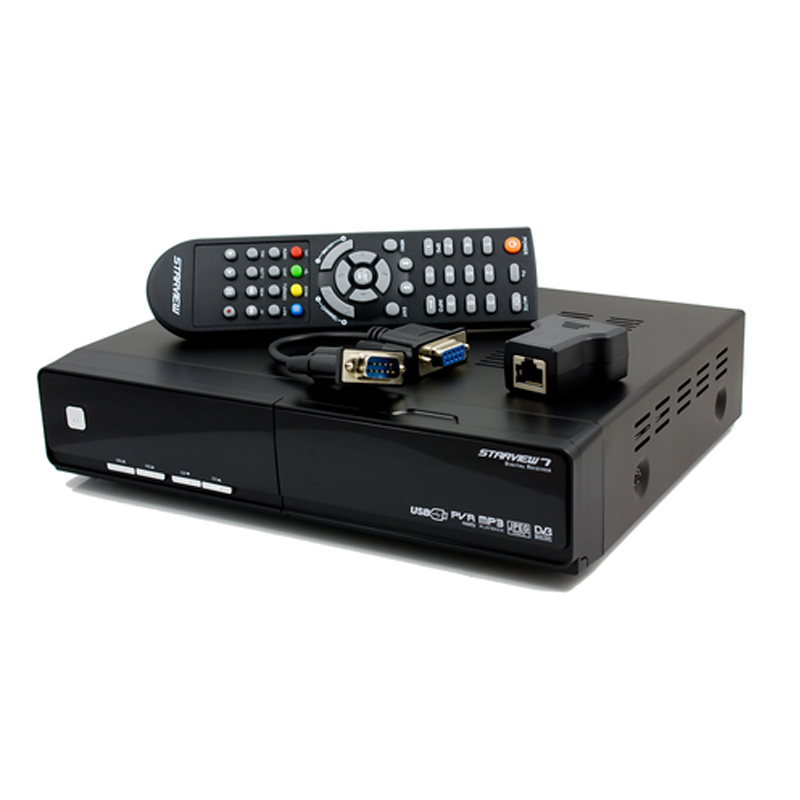
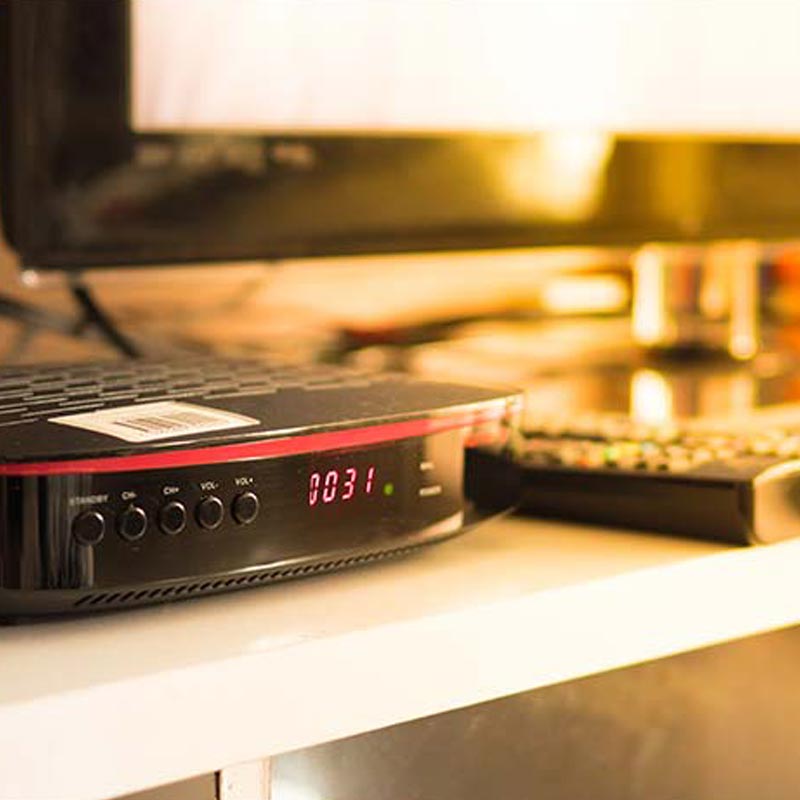
    MUMBAI: After issuing a consultation paper and holding open-house discussion on KYC of DTH set top boxes, the Telecom regulatory authority of India (TRAI) has finally come out with a set of recommendations on the issue. The authority has recommended the DTH operators to install DTH connections at the address mentioned in the Customer Application Form(CAF) only and verify the address.

    “DTH operator should install the DTH connection at the address mentioned in the Customer Application Form(CAF) only and the address of such installed set top box must be verified by the representative of the DTH operator and record of such installation shall be maintained by the DTH operator,” TRAI said.

    The recommendation also stated that the DTH operator should ensure identity of the subscriber by sending the one-time password (OTP) to his registered mobile number. In cases where registered mobile number is not provided by the subscriber/corporate body, DTH operator should collect Proof of Identity or any other similar document which can establish the identity of the user either in physical or electronic form before provisioning of DTH connection.

    “There is no need to mandate physical verification at regular intervals as it will incur huge cost burden to the DTH operators and inconvenience to the consumers. However, for existing set top boxes, which are not attached to any mobile number of the subscribers, efforts should be made by the DTH operator to associate such set top boxes issued by them to link with a mobile number within a period of two years,” TRAI added.

    However, DTH companies including Dish TV, Tata Sky, Bharti Telemedia were not in favour of changing KYC process for set-top-boxes as they though current process is well-equipped to meet the requirements of the industry, as per their submission on the CP.

  • KYC imperative to curb smuggling of DTH STBs outside India: IBF

    KYC imperative to curb smuggling of DTH STBs outside India: IBF

    MUMBAI: Indian Broadcasting Foundation (IBF) has shared its view on the consultation paper by TRAI on ‘KYC of DTH Set Top Boxes’. The association is of view that there is an absolute and an imminent need for introduction and proper enforcement of meaningful KYC or e-KYC stipulations of DTH STBs.

    The association believes that the step is necessary to curb smuggling of DTH STBs outside India and to bring in some level of threshold checks to counter the menace of piracy.

    “It is submitted that DTH STBs get rampantly smuggled to territories outside of India where they get used for illegal and unauthorised reception and/or retransmission of signals of channels. Due to such piracy, broadcasters face huge / irreparable revenue losses. Hence, there is a need for mandating KYC or e-KYC for DTH STBs to avoid smuggling of STBs overseas,” said IBF in its comments to TRAI.

    The association further informed, “DTH platforms in India are permitted to have subscribers only within the territory of India however, numerous unauthorised STBs of Indian DTH operators are reported to be active and functioning beyond the Indian territory due to the satellite footprints overspill. (For example – signals of DTH operators intended for Indian audience are also available in Middle-East, Sri Lanka, Bangladesh, Pakistan, Afghanistan, Maldives, Nepal, Myanmar etc.).”

    “In case DTH STBs are found to be in use at a location other than the one specified at the time of installation, then KYC or e-KYC will enable the applicable DTH platform operator to directly approach the customer to investigate why and how such DTH STB was shifted / moved to the unauthorised premises / location. This will also quicken the process of nabbing the perpetrator in case of misuse of DTH STBs,” IBF suggested.

    The association also suggested that that initially the KYC or e-KYC should be completed at the time of installation. Post initial verification, random verification can be done on a periodic basis to ensure that STB is not moved from its installation address. Periodicity of such inspection can be at such reasonable intervals as may be decided basis discussion and consultation with relevant stakeholders however, with a gap of at least three months between each visit.

    The association has also supported incorporation of LBS in the existing DTH STBs. It also believes that the same should be mandated for all new STBs of all DPOs to track location and facilitate verification.

    “Keeping in view the growing penetration of DTH STBs and other DPOs, the security of the broadcasters’ content is of paramount importance and this will also help the DPOs to minimise their own revenue loss,” said IBF.

    ABP News, Sony Pictures Network and Times Network also shared their comments on the consultation paper. Agreeing to IBF’s view, all three broadcasters also feel that there is a need for KYC and e-KYC of set top boxes to prevent illegal use of STBs in India.

    Times Network suggested, “The KYC process should be designed in such a way that it is driven by technology and causes minimum disturbance to the users while at the same time achieves its desired purpose. If it is too cumbersome, it may deviate a part of subscriber to other modes like cable etc., where the KYC norms are not applied, thereby affecting the DTH business prospects in India.”

  • TRAI floats consultation paper on KYC of DTH set top boxes

    TRAI floats consultation paper on KYC of DTH set top boxes

    MUMBAI: The Telecom Regulatory Authority of India (TRAI) issued a consultation paper on 'KYC of DTH Set Top Boxes’ in order to finalise a suitable mechanism for the same. The comments of various organisations, industry bodies, DTH operators, standardisation bodies, STB manufacturers, software providers, stakeholders, experts and individuals have been invited by 19 August 2019.

    The authority received a reference from the Ministry of Information and Broadcasting (MIB) in 2018 wherein TRAI had been requested to give its considered recommendations on desirability or otherwise of KYC for set top boxes in DTH services and, if desirable, a process for the same.

    Later, MIB provided information in another letter to TRAI regarding the safeguards that can be applied for restricting smuggling of DTH equipment illegally to other countries.

    “Filling of KYC form and verification of AadhaarcCard may be mandatory for any customer purchasing DTH equipment. In order to check the location in accordance with customer ID /Card ID, location-based services need to be made active in DTH set-top-boxes,” the letter read.

    One of the suggestions also included that MIB and TRAI may prepare KYC verification process to ensure that STB used by Indian DTH operators are only working in India.

    DTH broadcasting service was opened in the country in 2001 and the government issued the 'Guidelines for obtaining license for providing direct-to-home (DTH) broadcasting service in the same year. These guidelines prescribe the eligibility criteria, the procedure for obtaining the licence to set up and operate DTH services in the country.

  • Wi-Fi: TRAI plans to set up ‘open’ WANI, seeks inter-operable, sachet-priced model

    MUMBAI: The Telecom Regulatory Authority of India (TRAI) has issued a document inviting participation of entities to be part of a Pilot to establish Nation-wide Public Data Offices (PDOs). Any interested entity (company, proprietorship, societies, non-profits, etc.) registered in India can apply to TRAI latest by 25 July 2017.

    The Internet is the single most self-empowering infrastructure available for a citizen in the 21st century. The World Bank observed that a 10% increase in Internet penetration leads to a 1.4% increase in GDP. Access to the Internet is considered a basic human right by many countries globally, including Estonia, Finland and France. In India, access to data is still limited due to poor coverage of fiber & telecom and prohibitive pricing of cellular data. Public Wi-Fi hotspots hold an important place in the last-mile delivery of broadband to users. It allows offloading telecom networks to ease congestion, and will be crucial when the next billion loT devices come online.

    Based on the recommendation of TRAI on “Proliferation of Broadband through Public Wi-Fi Networks” issued on 9 March 2017, TRAI invites all interested entities to be a part of a Pilot to establish nation-wide, pay-as-you-go PDOs.

    The vision of this initiative is to establish an Open Architecture based Wi-Fi Access Network Interface (WANI), such that;

    • Any entity (company, proprietorship, societies, non-profits, etc.) should easily be able to setup a paid public Wi-Fi Access Point:

    • Users should be able to easily discover WANI compliant SSIDs, do one click authentication and payment, and connect one or more devices in single session.

    • The experience for a small entrepreneur to purchase, self-register, set-up and operate a PDO must be simple, low-touch and maintenance-free.

    • The products available for consumption should begin from “sachet-sized”, i.e. low denominations ranging from Rs 2 to Rs 20, etc.

    • Providers (PDO provider, Access Point hardware/software, user authentication and KYC provider, and payment provider) are unbundled to eliminate silos and closed systems. This allows multiple parties in the ecosystem to come together and enable large scale adoption.

    Objectives of the pilot are:

    • Demonstrate that unbundling of services reduces rework, speeds up development and hence is the most effective way to tackle this complex problem.

    • Prove that Multi-provider, inter-operable, collaborative model increases the overall innovation in the system, dismantles monopolies and encourages passing of benefits to end user.

    • Test the specifications in real life conditions, and suggest improvements.

    • Jointly develop a business model that fairly allocates value to each provider.

    • Fine tune the technology and finalize the specifications based on pilot.

    • Test out integrated paymernt methods such as coupons (purchased usmg cash by user or gifted to user), credit/debit cards, net banking, e-wallets, and UPI.

  • Kolkata’s cable TV customers feel CAF heat as blackouts spread

    Kolkata’s cable TV customers feel CAF heat as blackouts spread

    KOLKATA: Kolkata is seeing some frenetic activity on the cable TV front. The city’s multisystem operators (MSO) have started switching off signals in several pockets in Kolkata where cable operators have failed to comply with the Telecom Regulatory Authority of India (TRAI) norms and not provided them with the KYC or CAF forms of their subscribers. But MSOs have also been prompt in bringing the disconnected customers back online once the CAFs are submitted and fed into their systems.

    Apparently, the consensus amongst the cable TV fratenity is that cable TV subscribers are understanding the gravity of the situation with their cable TV connections being cut. And they have been a hurry to submit their CAFs now. “About 30,000 boxes had been deactivated and then reactivated after we received filled out forms from them,” said Manthan director Sudeep Ghosh.

     “We are in touch with the MSOs and we have been told that nearly two lakh set top boxes have been deactivated across the city and about 1.3 lakh boxes have been downgraded to DD channels only,” says a TRAI official.”And this is working as all the MSOs are saying that they are being flooded with CAFs as compared to earlier when there was lethargy.”

    The phase-wise deactivation of set top boxes had proved to be effective in sending out the intended message to consumers, he said.

    Consumers are confused and are complaining that there had been no intimation to them about the forms.

    A DTH service provider said that its call centres are receiving extra call loads with cable TV subscribers enquiring about the options available to them. “Our callers have expressed that it is better to settle with the seamless connection instead of haggling with the cable operator, who is ill-informed and not up to date with what is expected to be done,” says the DTH executive.

    We will have to simply keep our eyes glued to see if those callers will migrate to DTH. Going by past track records in other cities in phase I and phase II, it probably does not seem likely. Though many have expressed that a paradigm shift is needed.