Tag: KPMG

  • Digitisation leading to higher HD adoption in India

    Digitisation leading to higher HD adoption in India

    MUMBAI: High definition (HD) TV channels started launching in India years ago but it was only when digitisation happened on a large scale that the adoption of channels grew.

    According to Broadcast Audience Research Council (BARC), the total HD count in India has increased to 83 channels currently from 59 channels in 2016, witnessing a growth of 41 per cent since 2016. The first HD channel was National Geographic HD in 2010.

    Of the 83 HD channels, 34 are English, 13 channels are Hindi and 10 of them have multiple languages feed. On the other hand, 50 channels out of 83 have both SD and HD feed.

    While the number of channels has gone up by 41 per cent, the viewership share has grown by more than 160 per cent. The reason behind this viewership growth is most likely technology and distribution. There were 10-12 million subscribers availing HD services at the end of FY18, according to FICCI KPMG’s Media & Entertainment report 2018.

    The DTH players have been the front-runners in up-selling HD services to their customers, whereas MSOs only managed to garner about 1-1.5 million HD subscribers.

    KPMG partner and head – media and entertainment Girish Menon said, “The new television sets coming in the market are all HD-ready in some form or the other. Even the set top boxes which are coming out, sold by the DTH and cable operators, are all HD boxes. In that sense, from a hardware perspective, the market is steadily moving towards HD. The second trend which is happening from the content perspective is that all the television channels are now essentially converting and up-scaling their feed into HD. The content available in HD is also increasing. You will see more HD conversions happening, SD subscribers shifting to HD and a greater proportion of HD subscribers that are going to come in.”

    If we look at the market contributing to HD viewership this year, Andhra Pradesh and Telangana have the highest share of the pie with 18 per cent. Maharashtra and Goa contribute 16 per cent to the overall market.

    “Maximum consumption in viewership is contributed by sports and GEC followed by movies. We will see more HD regional channels which will lead to growth of regional viewership. On the regional side, Tamil and Telugu markets will drive the HD growth,” he added.

    GEC, movies and sports genre contributed 94 per cent to HD viewership this year with 59 per, 25 per cent and 10 per cent for each genre respectively.

    The sports genre includes 12 HD channels in India across various broadcasters. As other sporting events apart from cricket are also gaining popularity among the youth, the consumption in HD is also increasing. The viewership share of sports genre is 10 per cent compared to 3 per cent share on SD channels.

    The recently concluded FIFA WC 2018 led to a viewership growth of 1.5x on HD channels, compared to pre-FIFA weeks. IPL 2018 which took place earlier this year was telecast on more number of HD channels on Star India’s sports network and saw a 40x growth in HD Impressions over IPL 2017, according to BARC data.

    As far as 4K technology is concerned, we are a long way off. “We are still seeing HD penetration growing. For 4K you need enough hardware and 4K TV, which at the moment are not there. Secondly, we don’t have 4K content directly available in India. We are three years away before we start seeing any traction in 4K technology,” he concluded.

  • IPL, FTA channels boost TV advertising by 10.3% in FY18: KPMG report

    IPL, FTA channels boost TV advertising by 10.3% in FY18: KPMG report

    MUMBAI: The media and entertainment industry is now on the road to recovery after facing headwinds due to major regulatory interventions such as demonetisation, GST and RERA, resulting in lower consumption and ad spend during FY18. 

    The KPMG in India’s – Media and Entertainment report 2018, launched on 5 September 2018, stated that strong and consistent economic growth fueled by a rise in consumption and growth in digitisation provided support, enabling the Indian media and entertainment (M&E) industry to grow at 11 per cent over FY17 to reach Rs 1,436 billion in FY18.

    The TV industry in India was estimated at Rs 652 billion in FY18, a growth of 9.5 per cent from FY17, having grown at a CAGR of 10.7 per cent between FY14-18. The market size consisted of advertisement revenues of Rs 224 billion and subscription revenues of Rs 428 billion in FY18.

    Television advertising grew at a rate of 10.3 per cent in FY18, aided by the strong performance of Indian Premier League (IPL), free-to-air (FTA) channels and consumer promotions by FMCG companies in the festive season. FMCG, telecom and auto sectors contributed more than two-thirds of the spends on television advertising in India. However, the first half of FY18 was majorly impacted by the implementation of GST and RERA as FMCG and real estate companies kept their ad spends on hold. Large broadcasters with a client base of national advertisers were less impacted than the ones with a predominantly local advertiser base.  

    The long term outlook for the M&E sector remains strong on the back of a buoyant Indian economy, robust domestic demand, particularly in rural and regional markets and growing digital access and consumption. This year, telecom-media-technology (TMT) convergence took centre stage. This has the potential to significantly change how media is created, distributed and consumed and media companies need to take a relook at their strategies and business models to successfully operate and thrive in the new paradigm.

    KPMG in India partner and head – media and entertainment Girish Menon said, “The India media and entertainment industry was affected by lower ad spend in FY18 due to goods and services tax (GST) rollout and the lingering effects of demonetisation. However, this effect has been temporary and the industry is seeing positive long term outlook on the back of rapid growth in digital access and consumption, coupled with strong domestic demand especially from the rural and regional markets. The sector grew by 10.9 per cent in FY18 to reach Rs 1,436 billion and it is expected to grow at a CAGR of 13.1 per cent over the next five years to reach Rs 2,660.2 billion by FY23. Growing presence of telecom and technology players in media distribution has led to convergence of business models across TMT and media companies will have to evolve to successfully operate in the new paradigm.” 

    According to the report, digital advertisement revenues have been growing rapidly in India, and the trend continued in FY18 with a growth of 35 per cent to reach Rs 116.3 billion. Key growth drivers were developments in digital infrastructure; increased inclusion of and adoption by regional, non-urban users; increase in the penetration of mobile phones; and increase in maturity in the digital ecosystem driven by public and private investments.

    KPMG in India head – technology media and telecom Mritunjay Kapur said, “Digital technology, coupled with radical shifts in consumption patterns have undeniably resulted in blurring of boundaries that define the TMT sectors. TMT convergence is now a reality and will likely cause significant disruptions across the value chain. Media organisations would need to re-evaluate their existing strategies and operating models to leverage the emerging opportunities and sustain against new evolving challenges.”

    Mobile gaming in India has seen a tremendous uptick. From a meagre contribution of 18 per cent in 2012 (the smallest segment), mobile gaming comprised 46 per cent of the global gaming revenue in 2017 and this number is set to reach 60 per cent by 2021. Mobile gaming already leads from the front in India with nearly 89 per cent of all gaming revenue in India generated by mobile games in 2017. The higher than expected growth in online gaming over the past 18 months has primarily been on account of the mobile gaming segment, which has benefitted from the fall in 3G and 4G data costs. “On the other hand, Esport is a very niche market and while it is growing, I’m not sure that it is going to become a very sizable number. The bulk of the gaming revenue is going to come from the online gaming business,” Menon added. 

  • Digital ad spend pegged at Rs 13000 crore in 2018

    Digital ad spend pegged at Rs 13000 crore in 2018

    MUMBAI: With the growing demand for smartphones and falling data prices, digital advertising are likely to increase in India from the current level of Rs 9800 crore to Rs 13000 crore by December 2018 growing at a compound annual growth rate (CAGR) of 35 per cent.

    According to data by Associated Chamber of Commerce and Industry of India (ASSOCHAM), due to easy and widespread availability of 3G and 4G services and the on-going surge in internet penetration in the country will lead to an exponential increase in digital advertising in India.

    The digital advertising spend was estimated to be around Rs 7,500 crore at the end of 2016. Around 50 per cent of their overall advertising spend was on digital followed by e-commerce, telecom, technology and banking, financial services and insurance companies.

    The paper jointly brought out by ASSOCHAM and KPMG has stated that mobile transactions accounted for 42 per cent of total e-commerce sales in 2015 and that developing a mobile strategy has been an important agenda for many of the leading e-commerce players in the country over the last two to three years.

    India manufactured 11 crore mobile phones worth Rs 54000 crore in FY16, showing a year-on-year growth of 83 per cent and 186 per cent, in volume and value terms, respectively. With the ability to provide feature rich yet affordable handsets, domestic manufacturers’ share of the handset market is slated to grow further.

    According to said paper, the market for mobile handsets in India is growing at a fast rate. It has grown at a CAGR of nearly 15 percent from 2011 to 2016. It also contributed nearly 7.6 percent to the global smartphone market.

    The digital advertisements are flexible and can be adapted for any kind of device like television, laptop, tablet, or smartphone. The two-way interactive capability and the ability to customise the ad for target audience also make digital advertisements more effective, noted the paper.

    More than 235 million people in India access internet through mobile devices. This is the primary reason for e-tailers to focus their efforts on mobile app penetration across the country. The mobile applications are helping to reach more customers located even in remote and rural areas, as per uniindia.com

    E-commerce companies have been able to bridge the service gap considerably by sending service updates and other communication via their mobile app, e-mail, and SMS. Customers can get alerts, view product catalogues, purchase and pay with a simple mobile application offering a compelling user experience.

    TAGS: Digital, India, ASSOCHAM, KPMG, E-commerce

  • DHFL Pramerica feted as ‘Marketeer of the Year’ at Annual Insurance India Summit

    MUMBAI: DHFL Pramerica Life Insurance was felicitated as the Marketeer of the Year 2017 at the 2nd Annual Insurance India Summit and Awards 2017 for delivering a full mix Marketing program for Dengue Shield. The award recognizes DPLI’s performance on key parameters such as creativity, strategy and financial Gains. The awards were adjudicated by a panel of esteemed veterans from the Industry, regulator, institutes and industry bodies. Nomination and selection process was managed by KPMG and witnessed participation from organizations across life and non life players.

    Dengue Shield is DPLI’s first foray into a fully online,digitally enabled offering that covers Dengue Hospitalization expenses starting at a premium of as low as Re. 1/day. Dengue Shield can be bought online without any documents in under five minutes. Even at the time of claim, no detailed bills are sought.

    The sharply segmented Marketing approach covered Social, digital & traditional media platforms to create awareness & address differentiated consumer mindsets towards Dengue Shield. The product campaign had an eclectic a mix of print, outdoors & social media targeting tools to reach out to digitally savvy customers in the age band of 30-45 years in top 30 targeted cities.

    To amplify Dengue Shield in its launch year, DPLI had also conceptualized #HumvsDengue campaign – a joint initiative between The District Administration, The Health Department, The Education Department, MCG, HUDA, The Corporate Sector, The Indian Red Cross Society, Hospitals, Academic Institutions and Citizens to keep Gurgaon safe from the menace of dengue.

    DHFL Pramerica MD & CEO Anoop Pabby said, “The marketing campaign to create awareness for DHFL Pramerica Dengue Shield policy has been one of our biggest, well rounded, sharply segmented and well positioned efforts till date.”

  • OYO among LinkedIn’s top 10 for job-seekers

    MUMBAI: Action and engagement by over 500 million LinkedIn members have put OYO among the top 10 companies in India that attract the best talent. It is the only hospitality player among the top ten, rubbing shoulders with marquee global and Indian companies such as Alphabet, Amazon, Flipkart, KPMG, Adobe and Reliance Industries. OYO has jumped seven places to the 9th spot (from 16th last year) in the second edition of the LinkedIn’s survey titled Top Companies 2017: Where India wants to work.

    “OYO is an urban innovator that continues to engage world-class talent driven by commitment and passion to transform the world,” said OYO founder and CEO Ritesh Agarwal.

    OYO CHRO Dinesh R said, “OYO is a unique workplace that caters to diverse skill-sets bound by a common thread – the drive to excel and impact the world.”

    According to LinkedIn Tech Editor Adith Charlie “The list of market leaders in their chosen sectors represents the firms where LinkedIn members most want to work now. Our methodology takes into consideration three main pillars to uncover the companies our members are most interested in; job applications, both views and applies on postings; engagement with employees as well as with the company directly and retention.”

    In a short span of over three years, OYO expanded its network to become the largest hospitality company in India.

    Watch Here :

  • E-comm ecosystem to create 1.45 million jobs by ’21: KPMG-Snapdeal

    E-comm ecosystem to create 1.45 million jobs by ’21: KPMG-Snapdeal

    MUMBAI: Ecommerce sector is powering employment generation in India, a report by Snapdeal & KPMG has concluded.

    Snapdeal, in partnership with KPMG today released the findings of a study examining the macro-impact of the e-tail industry and the associated ecosystem, on the employment landscape in India. The study titled Impact of Ecommerce on Employment in India focuses on the role of e-tail in socio-economic development, outlining the alignment of measures with key government initiatives like Make in India, Digital India, Start-up India and Skilling India, among others.

    Highlights from the Study
    o  E-tail and allied ecosystem (logistics, warehousing, IT, ITeS) is expected to create direct employment for around 1.45 million workforce by 2021
    o  Logistics and warehousing sector is expected to be the largest contributor (approximately 55%) to direct employment opportunities in e-tail
    o  E-tail is expected to add 0.4 million high-skilled jobs by 2021
    o E-commerce in improving the socio-economic environment
    o  Impacted employment generation beyond metros –  70% of the online sellers expected to come from smaller towns by 2018-19
    o  Driving women empowerment and self-sustainability –  20% of total online sellers today are women
    o  Government initiatives like Make in India, Digital India, Start-Up India, Skill India will fuel growth and generate further employment for e-commerce

    The study further outlines the potential challenges and shares recommendations on the different roles that various participants like the government, industry bodies and e-commerce companies themselves can play in building more employment avenues and up-skilling.

    Snapdeal Co-founder and CEO Kunal Bahl said, “The impact of e-commerce industry on the entire employment landscape has been the most exciting part of India’s digital growth story, and yet often the least spoken about. Through this report, we aim to highlight how the industry is generating direct and indirect jobs in core and associated industries, creating entrepreneurship opportunities in the deepest pockets of India and how it is influencing the socio-economic fabric of the country for a more balanced development.  At Snapdeal, we are working towards building the most reliable and frictionless digital commerce ecosystem in the country and we recognize the deep-seated role of our talent pool, our sellers and other associated partners in achieving this. We felt the need to conduct a systematic study to identify opportunities and challenges, that will further build models and skill sets to foster a mature, sustainable employment avenue. Our entrepreneurial culture and initiatives play a pivotal role in up-skilling our workforce for addressing the consumption needs of India.”

    KPMG India CEO Richard Rekhy said, “The contribution made by the e-commerce industry in employment creation is something that has been recognized for a while now. This report highlights how this impact can be increased multi-fold by facilitating an ecosystem of growth for the industry – developing a skilled workforce, promoting entrepreneurship, improving physical infrastructure, facilitating participation of SMEs and MSMEs, defining clear regulatory frameworks, and providing easier access to funds, etc. to name a few areas which require attention. These measures will ensure that growth in this industry becomes self-sustaining to support the expanding employment opportunities that it can offer.  With innovation and mobile e-commerce leading the way, this industry also looks to propel growth and generate abundant demand for IT/ITeS professionals in the years to come.”

    This report is part of a series of initiatives that Snapdeal has undertaken to build wider understanding about the evolving e-commerce landscape, and its seen and unseen impact on the country’s economy. This follows a previous study by KPMG, Impact of E-commerce on SMEs in India, which focused on creating an ecosystem for MSMEs and leveraging e-commerce for their growth.

  • E-comm ecosystem to create 1.45 million jobs by ’21: KPMG-Snapdeal

    E-comm ecosystem to create 1.45 million jobs by ’21: KPMG-Snapdeal

    MUMBAI: Ecommerce sector is powering employment generation in India, a report by Snapdeal & KPMG has concluded.

    Snapdeal, in partnership with KPMG today released the findings of a study examining the macro-impact of the e-tail industry and the associated ecosystem, on the employment landscape in India. The study titled Impact of Ecommerce on Employment in India focuses on the role of e-tail in socio-economic development, outlining the alignment of measures with key government initiatives like Make in India, Digital India, Start-up India and Skilling India, among others.

    Highlights from the Study
    o  E-tail and allied ecosystem (logistics, warehousing, IT, ITeS) is expected to create direct employment for around 1.45 million workforce by 2021
    o  Logistics and warehousing sector is expected to be the largest contributor (approximately 55%) to direct employment opportunities in e-tail
    o  E-tail is expected to add 0.4 million high-skilled jobs by 2021
    o E-commerce in improving the socio-economic environment
    o  Impacted employment generation beyond metros –  70% of the online sellers expected to come from smaller towns by 2018-19
    o  Driving women empowerment and self-sustainability –  20% of total online sellers today are women
    o  Government initiatives like Make in India, Digital India, Start-Up India, Skill India will fuel growth and generate further employment for e-commerce

    The study further outlines the potential challenges and shares recommendations on the different roles that various participants like the government, industry bodies and e-commerce companies themselves can play in building more employment avenues and up-skilling.

    Snapdeal Co-founder and CEO Kunal Bahl said, “The impact of e-commerce industry on the entire employment landscape has been the most exciting part of India’s digital growth story, and yet often the least spoken about. Through this report, we aim to highlight how the industry is generating direct and indirect jobs in core and associated industries, creating entrepreneurship opportunities in the deepest pockets of India and how it is influencing the socio-economic fabric of the country for a more balanced development.  At Snapdeal, we are working towards building the most reliable and frictionless digital commerce ecosystem in the country and we recognize the deep-seated role of our talent pool, our sellers and other associated partners in achieving this. We felt the need to conduct a systematic study to identify opportunities and challenges, that will further build models and skill sets to foster a mature, sustainable employment avenue. Our entrepreneurial culture and initiatives play a pivotal role in up-skilling our workforce for addressing the consumption needs of India.”

    KPMG India CEO Richard Rekhy said, “The contribution made by the e-commerce industry in employment creation is something that has been recognized for a while now. This report highlights how this impact can be increased multi-fold by facilitating an ecosystem of growth for the industry – developing a skilled workforce, promoting entrepreneurship, improving physical infrastructure, facilitating participation of SMEs and MSMEs, defining clear regulatory frameworks, and providing easier access to funds, etc. to name a few areas which require attention. These measures will ensure that growth in this industry becomes self-sustaining to support the expanding employment opportunities that it can offer.  With innovation and mobile e-commerce leading the way, this industry also looks to propel growth and generate abundant demand for IT/ITeS professionals in the years to come.”

    This report is part of a series of initiatives that Snapdeal has undertaken to build wider understanding about the evolving e-commerce landscape, and its seen and unseen impact on the country’s economy. This follows a previous study by KPMG, Impact of E-commerce on SMEs in India, which focused on creating an ecosystem for MSMEs and leveraging e-commerce for their growth.

  • CII Sports Summit: The role of corporate India

    CII Sports Summit: The role of corporate India

    MUMBAI: Profit is not a bad word which the sports ecosystem has awakened to and realised, seemed to be the essence of the discussion at the inaugural ‘Corporatization of Sports’ session at the CII summit on the business of sports and entertainment held in Mumbai on 21 September. The session sought to discuss how Indian sport could evolve and produce champions with the involvement of corporate India.

    The need for looking at the commercial aspect of sports, scope for public-private partnership in promotion, possibility of the government incentivising investments, supporting sports for the sake of business and branding, games packaging and cultivating viewership and media coverage were some of the ideas thrown up at the summit to which almost all the experts agreed.

    KPMG partner Jaideep Ghosh, GroupM business head – entertainment, sports and live events Vineet Karnik, IMG Reliance COO Ashu Jindal, PMG chairman Sam Balsara, YES Bank president and country head, media & entertainmemt, luxury & sports,Karan Ahluwalia and MICA professor Sanjeev Tripathi, were the panelists. Harsha Bhogle, commentator and journalist, moderated the session.

    Bhogle introduced the experts and sought some opinions on the subject. “It is indeed encouraging to see that lately sports was being promoted from the school and college level,” Jindal said. Ghosh said that consumption of sporting events in India has been on the rise, which mainly included online consumption. He underlined the importance and growth of digital media and social media rights for such events.

    Pointing at the international sporting leagues, Ghosh quoted an example of how La-Liga had tweaked its sports timing so as to suit the Indian viewership timings. He noted the positive trend of a worthwhile increase of 20-30% in female viewership of sporting events in India.

    Profit-making training academies and sports good manufacturing were other areas that get a boost with the promotion of sports, Ghosh remarked.

    Whether the Indian government will support sports, Bhogle sought to know from the panelists. Tripathi, quoting a government web site, said that the establishment’s self-declared role was creating infrastructure and capacity-building. “One needs to love sports to promote it,” quipped Bhogle referring to the government versus corporate role.

    Tripathi suggested the concept of public-private partnership in promoting sports. “If tollways can follow the PPP model, I don’t see any reason why sports can’t,” he seemed curious. Giving the example of a private company managing the commercial exploitation of swimming pools at Kendriya Vidyalayas after school hours, he said Sports Authority of India stadia could also be exploited along similar lines.

    “Almost 340-350 days in a year, the SAI stadia are unused,” he quipped. In metros, Bhogle said, because of the traffic snarls and other issues, people barely manage to reach the stadia. There is no time to play or practice. “Medals will hopefully come from small towns – where there is space and time,” Bhogle opined.

    Jindal agreed that the government builds infrastructure and corporates invest. Reliance Foundation, he said, was supporting sporting events in around 2000 schools in the country. “IMG sponsored two sportspersons to train at a US academy and one of them today is playing for the prestigious NBA,” Jindal said.

    Bhogle said it was very significant to reach the grassroots level to cultivate sporting talent. “Let under-16 boys and girls play their game at various levels – talent and technique will follow suit,” he felt.

    “There is no database of grassroots-level sporting events being played in the country,” Karnik remarked. There is no national-level academy for training budding talent, he said. Corporates, Karnik stated, were engaging in sports. Like broadcasters and distributors, etc. make money, he said, it was crucial that Indian companies sought RoIs (returns on investments). “But, are they looking at the long-term (say, five years) perspective? May be, no,” he felt.

    In almost 30 years, Balsara said, the business of sports (advertsing,etc.) in India has grown around 50 times which was far less than growth in other sectors/sub-sectors.

    Balsara said there was a need to see sports as a business. “And, in business, there are profits – however distant that may be.” Be a ‘lambi race ka ghoda’, he said. Balsara believed that corporates need to have more and better risk appetite to be in the business of sports promotion.

    Corporates, of course, support events for the sake of building their brands, said Ahluwalia. Given the demographics in India, advertising was done for more visibility. For the sake of going the whole hog into sports promotion, Ahluwalia said, the complete supply chain would need to be looked at – from scouting for talent to sports good manufacturing etc. to CSR

    We also need to support games other than cricket, Bhogle said. Tripathi agreed, and informed that he found 20 football academies in Ahmedabad but none for cricket.“The different leagues being played in India are creating dreams,” Bhogle said. There was a need for heroes.There were fewer heroes because federations used to dwarf them in the wake of retaining their own supremacy, Bhogle said.

    Balsara agreed on heroes and winners. The whole nation is watching sports. Winners at any level – state level or national level – are a good bet. “Only then, people and corporates would go after them,” he said.

    India needs a revolution in all sporting activities. “The revolution that the former world champion Grandmaster Vishwanathan Anand could bring about in chess, could not be replicated in the case of Mary Kom,” Bhogle lamented. “You need the power of media to establish and popularise a sport,” Balsara said. A strong medium like TV was very significant for sports promotion, he said.

    Bhogle agreed – TV creates heroes. “The digital medium in India, which does not need the help of airtime or printing, is also growing very well,” Bhogle said. Jindal nodded, saying, “All the school matches supported by IMG were published on the social media and uploaded on Youtube”. The influence of social media, especially the opinions and reactions, was very powerful, he said. Jindal said the social media helps in taking sports to the next level.

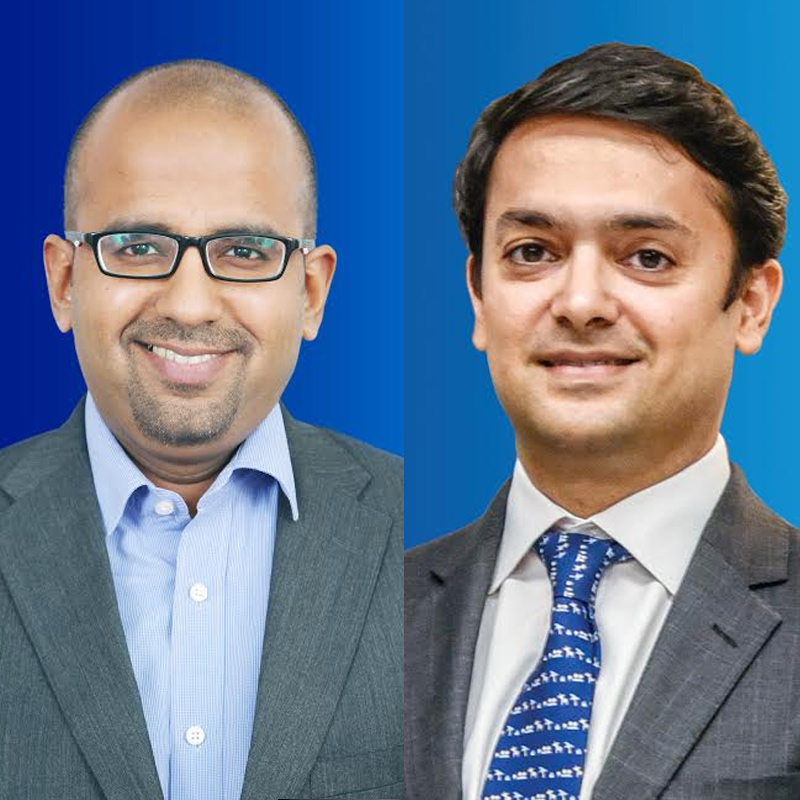
    Bhogle sought to analyse the success of ‘pro-kabaddi’ in India. “Apart from some tweaks to the game’s rules, did it succeed because there was no burden of legacy,” he asked. “The packaging was very good, although there were no top-level, known players,” Ghosh answered. “Each game, which helped release the regional pent-up demand, is short and held the viewers’ interest for 45-50 minutes,” he said. Half-jokingly, he said he found some DJ kind of effect at the ‘pro-kabaddi’ matches.

    “Kabaddi is a kind of revolution brought about with multimedia help.Players who were making Rs 2-5 lakh are now making 50-70 lakh,”Ahluwalia said. Regional brands and products are associating with the game. Sarpanchs etc. have become trainers, mentors and coaches.

    “Leading kabaddi players are earning more than the average IPL players,” Bhogle remarked. He said, as in the US, he could foresee regions in India playing against each other.

    Whether mega corporations can help sports and/or fund stadiums, Bhogle asked. To this, Karnik said that Hero, Pepsi and Vodafone (which supported 10 seasons of a game) were the examples of that phenomenon. “Casual relationships with sports doesn’t work,” Balsara agreed. Relationships over some years reaped a good harvest, he said.

    “Pepsi, for example, does not support only a few episodes of a TV serial,” Balsara said. Consistency of sponsorship in sports is critical, he said.

    However, with limited spending and maximum leverage, RoI is also possible. Balsara gave the example of Kent RO which sponsors non-live after-hours of games. On the other hand, he said, IPL sponsors Vivo was leveraging far less than it could have had. Everybody agreed.

    “Eventually, with low RoI, they may end up being unsatisfied,” said. Bhogle said some companies were quietly supporting potential winners so that they could leverage them when they triumph.

    The business of sports in India was merely worth $2 billion, whereas, in the developed countries, it was pegged at around $ 50-60 billion, Ahluwalia said. So, are we bullish on the business of sports in India, Bhogle asked. Almost all panelists answered in the affirmative, with Jindal adding, “India is growing at 7%, earnings are increasing and so is sports.”

    Bhogle concluded by saying that (sporting) opportunities well-packaged get investments. Begging bowls get pennies.

  • CII Sports Summit: The role of corporate India

    CII Sports Summit: The role of corporate India

    MUMBAI: Profit is not a bad word which the sports ecosystem has awakened to and realised, seemed to be the essence of the discussion at the inaugural ‘Corporatization of Sports’ session at the CII summit on the business of sports and entertainment held in Mumbai on 21 September. The session sought to discuss how Indian sport could evolve and produce champions with the involvement of corporate India.

    The need for looking at the commercial aspect of sports, scope for public-private partnership in promotion, possibility of the government incentivising investments, supporting sports for the sake of business and branding, games packaging and cultivating viewership and media coverage were some of the ideas thrown up at the summit to which almost all the experts agreed.

    KPMG partner Jaideep Ghosh, GroupM business head – entertainment, sports and live events Vineet Karnik, IMG Reliance COO Ashu Jindal, PMG chairman Sam Balsara, YES Bank president and country head, media & entertainmemt, luxury & sports,Karan Ahluwalia and MICA professor Sanjeev Tripathi, were the panelists. Harsha Bhogle, commentator and journalist, moderated the session.

    Bhogle introduced the experts and sought some opinions on the subject. “It is indeed encouraging to see that lately sports was being promoted from the school and college level,” Jindal said. Ghosh said that consumption of sporting events in India has been on the rise, which mainly included online consumption. He underlined the importance and growth of digital media and social media rights for such events.

    Pointing at the international sporting leagues, Ghosh quoted an example of how La-Liga had tweaked its sports timing so as to suit the Indian viewership timings. He noted the positive trend of a worthwhile increase of 20-30% in female viewership of sporting events in India.

    Profit-making training academies and sports good manufacturing were other areas that get a boost with the promotion of sports, Ghosh remarked.

    Whether the Indian government will support sports, Bhogle sought to know from the panelists. Tripathi, quoting a government web site, said that the establishment’s self-declared role was creating infrastructure and capacity-building. “One needs to love sports to promote it,” quipped Bhogle referring to the government versus corporate role.

    Tripathi suggested the concept of public-private partnership in promoting sports. “If tollways can follow the PPP model, I don’t see any reason why sports can’t,” he seemed curious. Giving the example of a private company managing the commercial exploitation of swimming pools at Kendriya Vidyalayas after school hours, he said Sports Authority of India stadia could also be exploited along similar lines.

    “Almost 340-350 days in a year, the SAI stadia are unused,” he quipped. In metros, Bhogle said, because of the traffic snarls and other issues, people barely manage to reach the stadia. There is no time to play or practice. “Medals will hopefully come from small towns – where there is space and time,” Bhogle opined.

    Jindal agreed that the government builds infrastructure and corporates invest. Reliance Foundation, he said, was supporting sporting events in around 2000 schools in the country. “IMG sponsored two sportspersons to train at a US academy and one of them today is playing for the prestigious NBA,” Jindal said.

    Bhogle said it was very significant to reach the grassroots level to cultivate sporting talent. “Let under-16 boys and girls play their game at various levels – talent and technique will follow suit,” he felt.

    “There is no database of grassroots-level sporting events being played in the country,” Karnik remarked. There is no national-level academy for training budding talent, he said. Corporates, Karnik stated, were engaging in sports. Like broadcasters and distributors, etc. make money, he said, it was crucial that Indian companies sought RoIs (returns on investments). “But, are they looking at the long-term (say, five years) perspective? May be, no,” he felt.

    In almost 30 years, Balsara said, the business of sports (advertsing,etc.) in India has grown around 50 times which was far less than growth in other sectors/sub-sectors.

    Balsara said there was a need to see sports as a business. “And, in business, there are profits – however distant that may be.” Be a ‘lambi race ka ghoda’, he said. Balsara believed that corporates need to have more and better risk appetite to be in the business of sports promotion.

    Corporates, of course, support events for the sake of building their brands, said Ahluwalia. Given the demographics in India, advertising was done for more visibility. For the sake of going the whole hog into sports promotion, Ahluwalia said, the complete supply chain would need to be looked at – from scouting for talent to sports good manufacturing etc. to CSR

    We also need to support games other than cricket, Bhogle said. Tripathi agreed, and informed that he found 20 football academies in Ahmedabad but none for cricket.“The different leagues being played in India are creating dreams,” Bhogle said. There was a need for heroes.There were fewer heroes because federations used to dwarf them in the wake of retaining their own supremacy, Bhogle said.

    Balsara agreed on heroes and winners. The whole nation is watching sports. Winners at any level – state level or national level – are a good bet. “Only then, people and corporates would go after them,” he said.

    India needs a revolution in all sporting activities. “The revolution that the former world champion Grandmaster Vishwanathan Anand could bring about in chess, could not be replicated in the case of Mary Kom,” Bhogle lamented. “You need the power of media to establish and popularise a sport,” Balsara said. A strong medium like TV was very significant for sports promotion, he said.

    Bhogle agreed – TV creates heroes. “The digital medium in India, which does not need the help of airtime or printing, is also growing very well,” Bhogle said. Jindal nodded, saying, “All the school matches supported by IMG were published on the social media and uploaded on Youtube”. The influence of social media, especially the opinions and reactions, was very powerful, he said. Jindal said the social media helps in taking sports to the next level.

    Bhogle sought to analyse the success of ‘pro-kabaddi’ in India. “Apart from some tweaks to the game’s rules, did it succeed because there was no burden of legacy,” he asked. “The packaging was very good, although there were no top-level, known players,” Ghosh answered. “Each game, which helped release the regional pent-up demand, is short and held the viewers’ interest for 45-50 minutes,” he said. Half-jokingly, he said he found some DJ kind of effect at the ‘pro-kabaddi’ matches.

    “Kabaddi is a kind of revolution brought about with multimedia help.Players who were making Rs 2-5 lakh are now making 50-70 lakh,”Ahluwalia said. Regional brands and products are associating with the game. Sarpanchs etc. have become trainers, mentors and coaches.

    “Leading kabaddi players are earning more than the average IPL players,” Bhogle remarked. He said, as in the US, he could foresee regions in India playing against each other.

    Whether mega corporations can help sports and/or fund stadiums, Bhogle asked. To this, Karnik said that Hero, Pepsi and Vodafone (which supported 10 seasons of a game) were the examples of that phenomenon. “Casual relationships with sports doesn’t work,” Balsara agreed. Relationships over some years reaped a good harvest, he said.

    “Pepsi, for example, does not support only a few episodes of a TV serial,” Balsara said. Consistency of sponsorship in sports is critical, he said.

    However, with limited spending and maximum leverage, RoI is also possible. Balsara gave the example of Kent RO which sponsors non-live after-hours of games. On the other hand, he said, IPL sponsors Vivo was leveraging far less than it could have had. Everybody agreed.

    “Eventually, with low RoI, they may end up being unsatisfied,” said. Bhogle said some companies were quietly supporting potential winners so that they could leverage them when they triumph.

    The business of sports in India was merely worth $2 billion, whereas, in the developed countries, it was pegged at around $ 50-60 billion, Ahluwalia said. So, are we bullish on the business of sports in India, Bhogle asked. Almost all panelists answered in the affirmative, with Jindal adding, “India is growing at 7%, earnings are increasing and so is sports.”

    Bhogle concluded by saying that (sporting) opportunities well-packaged get investments. Begging bowls get pennies.