Tag: KPMG

  • Devi Shankar bids farewell to Anarock after building India’s data-centre juggernaut

    Devi Shankar bids farewell to Anarock after building India’s data-centre juggernaut

    MUMBAI: Five years, $2.7bn in closed deals, and two of India’s largest data-centre platforms later, Devi Shankar is leaving Anarock.

    The managing director of investment banking built the firm’s data-centre business from nothing into a powerhouse. Her crowning achievements: EverYondr ($1 bIllion) and Colt-RMZ ($1.7 billion), two landmark transactions that helped establish India as a serious player in digital infrastructure. Advising global investors and private-equity funds on market entry became her signature move.

    “This wasn’t just a job; it was home,” Shankar wrote in her farewell message, referencing her early-morning arrivals and her notorious “Devi Standard Time” departures to beat Mumbai’s traffic. She gave special thanks to Ankita Sahu, whom she described as her “backbone for the last five years”.

    The move caps a 20-year career spanning KPMG, Deloitte, Jones Lang LaSalle and Ask Property Fund. Shankar’s expertise in structuring complex transactions—from introductions through to commercial negotiations, term sheets and due diligence—has made her one of India’s most respected dealmakers in alternative real estate.

    Alongside her corporate work, Shankar has been pursuing a parallel venture since January 2023: Irea Life, a private fashion label where she serves as creative lead and business adviser. The brand focuses on AI-driven solutions for customer experience and marketing automation.

    Shankar hinted that an announcement about her next move is imminent, though she declined to share details. Industry watchers will be watching closely to see where one of India’s leading investment bankers lands next.

  • Gallant Sports gears up Dream Dash finale with Usain Bolt in Mumbai, Delhi

    Gallant Sports gears up Dream Dash finale with Usain Bolt in Mumbai, Delhi

    When the world’s fastest man watches India’s fastest kids, you know the track is set for fireworks. Dream Dash, a first-of-its-kind multi-city sprinting competition for school children, is gearing up for a blockbuster finale where none other than Usain Bolt will be the Guest of Honour. And ensuring the young athletes sprint on world-class tracks is Gallant Sports, the country’s leading sports infrastructure company, which has partnered as the official Infrastructure Partner.

    The sprint series, conceptualised by KPMG in India and presented by Dreamsetgo, puts grassroots sprinting firmly on the national stage. Children from Grades 3 to 9 have already laced up for 100m and 200m races, starting with school-level heats and progressing to inter-school city finals. The fastest of them all will now line up at the grand finales in Mumbai and Delhi, racing not just for glory but in front of the Jamaican legend himself.

    For Gallant Sports, the event is a showcase of what it does best building the right stage for sporting dreams. From the design of running tracks to preparing competition surfaces, Gallant has ensured that every venue matches international standards.

    “Sports dreams are born on the right grounds,” said Gallant sports & infra founder & CEO Nasir Ali. “At Gallant, we’ve always focused on creating accessible and inclusive facilities that encourage participation and build confidence. Our association with Dream Dash gives us the opportunity to support young sprinters with the infrastructure they need to pursue their ambitions.”

    While winning will always grab headlines, Dream Dash puts equal emphasis on participation. Every child who competes whether they cross the line first or not will receive a medal and certificate, ensuring no one leaves without a moment of pride. It’s a reminder that sport is as much about the journey as the podium.

    The initiative is also part of a larger conversation: India’s urgent need for more safe, durable, and affordable sports infrastructure in schools and communities. Gallant Sports has been leading that charge, working to make sport a shared experience rather than a privilege limited to a few.

    With Usain Bolt watching from the sidelines and young Indians sprinting towards their dreams, the finale of Dream Dash promises to be a celebration of both fitness and aspiration. If the right environment can turn potential into performance, then this partnership may well spark the next generation of champions.

  • KPMG and Imarticus add up skills with global finance prep programme

    KPMG and Imarticus add up skills with global finance prep programme

    MUMBAI: When it comes to finance careers, passing the exam is only half the equation. The other half is applying knowledge where it counts and that’s exactly the balance KPMG in India and Imarticus Learning want to strike with their industry-first Global Accounting and Finance Certification Preparation Programme.

    The collaboration, unveiled this week, is designed for aspirants chasing the world’s toughest credentials CFA, US CPA, US CMA, ACCA, and FRM. Imarticus, already India’s first authorised prep provider for all five, will now add KPMG’s global expertise to the mix. The goal? To upskill 25,000 learners by FY28, a fivefold leap from the current 5,000.

    What sets this initiative apart from conventional cram-and-pass coaching is its emphasis on applied learning. Learners will access a curated collection of 23 case studies developed by KPMG in India, delivered via live online sessions across the five certification tracks. Beyond that, the programme bakes in mentorship, mock exams, career-focused exposure, and even internship opportunities for top performers, the top three from every ACCA batch and the best candidate from each of the other four courses.

    For candidates facing syllabi that are notoriously dense with CFA alone spanning ten topic areas, from quantitative methods to ethics this blend of theory and practice could make the difference between rote memorisation and real readiness.

    Imarticus Learning founder & CEO Nikhil Barshikar framed it as India’s first true industry-academia partnership in certification prep: “We’re bringing learners an unmatched blend of academic depth and practical business insights. The goal isn’t just to help them pass exams, but to build the confidence and clarity to excel in global finance roles.”

    From KPMG’s side, the focus is equally clear. KPMG in India partner and finance advisory Gaurav Vohra,  noted that the sector demands more than textbook smarts: “The finance and accounting industry is evolving rapidly, demanding professionals who can apply insights in real-world scenarios. This collaboration empowers professionals to do just that.”

    With global finance certifications commanding prestige and pass rates often hovering below 50 per cent, the need for structured, real-world prep has never been greater. By combining KPMG’s expertise with Imarticus’ reach, the programme positions itself not just as an exam pipeline, but as a launchpad for globally mobile, industry-ready finance talent.

  • Tenable adds up a win with Matthew Brown as new CFO

    Tenable adds up a win with Matthew Brown as new CFO

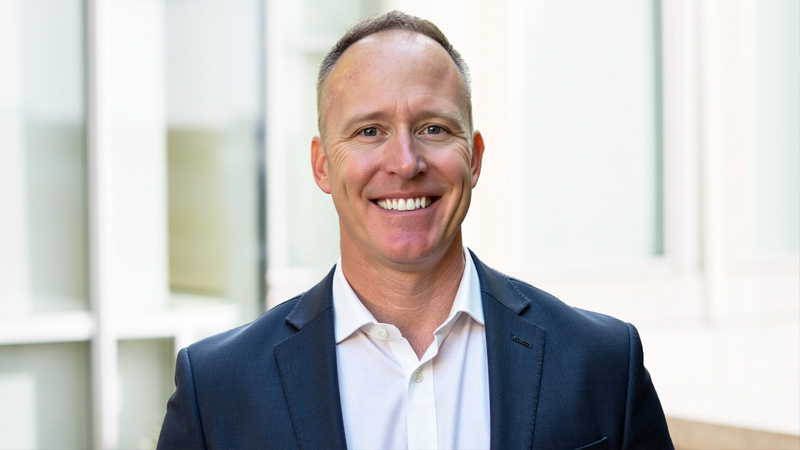
    MUMBAI: When it comes to numbers, Tenable wants nothing left exposed. The exposure management giant has roped in Matthew Brown as its new chief financial officer, effective immediately putting a seasoned hand on the calculator as it eyes its next phase of growth. Brown succeeds Steve Vintz, who recently swapped the CFO chair for the Co-CEO seat alongside Mark Thurmond. With more than 20 years in tech finance, Brown isn’t a stranger to high-stakes balance sheets. His last gig was at Altair Engineering, where he steered strategy, delivered consistent double-digit software revenue growth, expanded margins, and ultimately played a key role in clinching its 10.7 billion dollars sale to Siemens.

    His career ledger also features senior finance roles at Nortonlifelock, Symantec, Blue Coat, Brocade, Netgear, and KPMG, spanning everything from M&A and investor relations to operational excellence and controllership.

    “Matt brings a proven track record of scaling global technology businesses, delivering operational efficiency, and driving shareholder value,” said Tenable co-CEO Steve Vintz. “His strategic mindset and collaborative leadership style make him the ideal partner to help Tenable accelerate growth.”

    Brown, for his part, sounds ready to crunch big numbers: “Tenable is in a prime position to lead the future of exposure management. Pairing its market leadership with bold financial strategy is incredibly energising, and I’m ready to help propel the company to its next chapter.”

    Armed with a B.S. in Business Administration from UC Berkeley’s Haas School of Business and a CPA licence in California, Brown is set to bring both rigour and ambition to Tenable’s books.

    For a company built on spotting vulnerabilities, this looks like one appointment that definitely adds up.

  • Siddarth Shahani joins IN10 Media Network as head of finance

    Siddarth Shahani joins IN10 Media Network as head of finance

    MUMBAI: IN10 Media Network has appointed Siddarth Shahani as head of finance. A chartered accountant with more than 24 years in the trade, Shahani will take charge of the network’s holding company and five subsidiaries.

    He moves from Barc India, where as financial controller he ran a 15-member team overseeing billing, treasury, taxation and payables. There, he drove compliance, streamlined processes, secured better foreign exchange rates and steered a Big Four audit.

    His earlier stints include senior finance roles at Daymon, Laqshya Media Group, Tops Security, Landor and Siemens, along with audit tenures at EY, KPMG and PwC.

    Shahani, known for his hands-on style and process rigour, is expected to bring tighter controls and sharper strategy to IN10 Media’s expanding portfolio.

  • Abhishek Bachchan joins as co-owner of European T20 Premier League

    Abhishek Bachchan joins as co-owner of European T20 Premier League

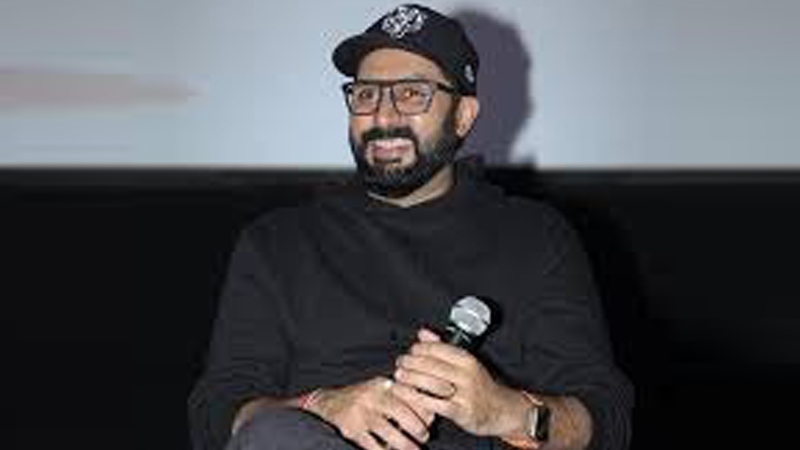
    MUMBAI: In the sprawling galaxy of Bollywood, where stars burn bright and fade faster, Abhishek Bachchan’s journey has been anything but conventional.

    Born to the towering icon of Indian cinema, Amitabh Bachchan, Abhishek’s life was destined to be compared, scrutinized, and, at times, unfairly dismissed. While his cinematic exploits didn’t always light up the box office, his off-screen ventures have cemented his reputation as a savvy entrepreneur with a penchant for turning opportunities into gold.

    The “failed” actor narrative has followed him like a shadow, an unwelcome companion on a path littered with average box office returns and harsh critics. But Abhishek, the perennial underdog, quietly chiseled away at his destiny, crafting a legacy that his detractors couldn’t ignore.

    Today, with a net worth of Rs 280 crore, he has proven that success doesn’t always need a film camera—it can shine just as brightly in the boardroom, the stadium, or even a luxury car showroom.

    When Bollywood failed to give him the box-office accolades his lineage seemed to promise, Abhishek found his calling elsewhere. His ventures now span real estate, sports, and even luxury automobiles, painting a portrait of a man who refuses to be boxed in by societal expectations.

    Among his prized investments are two champion teams across two of India’s most beloved sports. Chennaiyin FC, his Indian Super League (ISL) football team, is valued at Rs 29.8 crore, a testament to the growing popularity of football in cricket-crazed India. On the other hand, his Pro Kabaddi League team, valued at Rs 100 crore, exemplifies his eye for high-growth opportunities in sports.

    As if his track record wasn’t impressive enough, the son of Bollywood royalty has now added another feather to his entrepreneurial cap—a stake in the European T20 Premier League (ETPL). This ICC-sanctioned cricket extravaganza, set to debut in July 2025, promises to bring a fresh flavor to the gentleman’s game with teams from cities like Dublin, Edinburgh, and Amsterdam.

    It’s a savvy move for the man who seems to have an uncanny knack for betting on winners, whether it’s a Pro kabaddi team, a football club, or now, a cricket league poised to capture Europe’s imagination. And this latest venture comes just in time to capitalise on the ICC’s official recognition of the league, adding another layer of prestige to the tournament and, of course, to its newest co-owner.

    Bachchan expressed his excitement, saying, “Cricket is not just a sport; it’s a unifying force that transcends boundaries. With cricket being included in the 2028 Olympics, its popularity will further surge. I’m humbled and excited about this unique collaboration between the cricket boards of Ireland, Scotland, and the Netherlands. This is just the beginning. It’s time to roll up our sleeves and let the games begin.”

    The league’s interim working group, featuring representatives from the participating cricket boards and strategic partner Rules Sport Tech, has led the development of ETPL. This group is tasked with creating a dedicated administrative entity to oversee tournament operations.

    ETPL chair & Cricket Ireland CEO, Warren Deutrom welcomed Abhishek’s involvement, stating, “We are delighted to welcome Abhishek Bachchan as a co-owner of the ETPL. His passion for sports and entrepreneurial acumen align perfectly with our vision of elevating European cricket’s profile.”

    The tournament will commence with six franchises, with matches reaching audiences in key markets like Europe, India, Australia, and England. ETPL director, Priyanka Kaul highlighted, “Abhishek’s enthusiasm for this initiative has been invaluable. This collaboration is set to inspire young talent and provide a platform for European cricket on the global stage.”

    The ETPL has partnered with KPMG for strategic financial advisory, ensuring transparency and robust governance. Ravi Rajan Group founder, S Ravi emphasised the league’s commitment to financial integrity, stating, “Transparency and due diligence are at the core of the ETPL.”

    Cricket’s global reach continues to expand, with 34 of 108 ICC members based in Europe. ETPL director, Saurav Banerjee remarked, “Our goal is to establish cricket as a major sport in Europe, leaving a legacy for players, fans, and stakeholders.”

    A formal launch event will soon unveil franchise ownership details, team branding, and the players’ draft process. With backing from leading media partners, the ETPL is set to captivate cricket enthusiasts worldwide, offering unparalleled entertainment and fostering new talent.

    Key highlights of ETPL

    1    Dates: 15 July – 3 August 2025
    2    Teams: Dublin, Belfast, Amsterdam, Rotterdam, Edinburgh, Glasgow
    3    Global Reach: Europe, India, Australia, England
    4    Partnerships: ICC sanction, Rules Sport Tech, KPMG advisory
    5    Focus: Talent development, fan engagement, financial transparency

    Critics may still label him a failed film star, but Bachchan’s story is one of quiet defiance—a refusal to be pigeonholed by the weight of his last name or the expectations of an industry that thrives on comparisons.

    Today, as the ETPL prepares to roll out its maiden season, the spotlight is once again on Abhishek. But this time, it’s not as a Bollywood star struggling to escape his father’s shadow. It’s as a visionary entrepreneur who’s carving his own path, one smart investment at a time. 

  • GUEST ARTICLE: How D2C brands are using metaverse and how it will transform virtual commerce

    GUEST ARTICLE: How D2C brands are using metaverse and how it will transform virtual commerce

    Mumbai: India’s direct-to-consumer (D2C) brands have grown tremendously during the pandemic and in the post-pandemic era, with a large cohort of consumers moving to digital in search of innovative products and more engaging and immersive experiences. The pandemic caused D2C brands to become super popular, which in turn forced large and established companies to jump on the D2C bandwagon. According to KPMG, there are over 800 D2C brands in India today, and the D2C sector, currently worth $44.6 billion, is expected to touch $302 billion by FY 2030.

    D2C brands target young consumers, millennials and Gen Z, delivering personalisation at scale and increasing innovation in the virtual world and tap into the growing global virtual-commerce market, estimated to be worth $190 billion by CB Insights.

    With technology becoming more affordable and sophisticated, D2C brands are at an advantage. In a controlled, immersive virtual environment, brands can offer customers the complete – albeit virtual – brand experience and deliver a lasting impact. For example, a virtual store in the metaverse is a brand experience in itself, with the brand mnemonics, signature sounds, layout, and colours. Consumers also get the option to interact directly with brand representatives. This enhanced brand experience goes a long way in building brand trust.

    The metaverse is also good at customising experiences. Great customer service builds brand loyalty and customer retention. By analysing vast amounts of data on a customer’s interactions in the metaverse, brands can predict which products, solutions, and experiences individual customers would prefer and like. D2C brands are in a better position to serve better without being intrusive, thereby building and elevating the overall brand experience.

    Popular homegrown D2C brands like Super Smelly, Argatin Keratin, Ochre Athletica, Indus People, and Zorin Furniture are looking to disrupt the market with their product positioning and personalised consumer experiences.

    They have also taken bold steps to connect with their consumers in the metaverse and are working on innovative ways to enhance the virtual brand experience. They are already offering products and experiences and enabling commerce in the virtual world.

    The metaverse is growing at a fast pace. In the first six months of 2022 alone, globally, over $120 billion has been invested in building metaverse infrastructure and technology. Moreover, the metaverse is steadily becoming an important component in the omnichannel sales strategy of companies.

    Marquee brands such as Gucci have debuted in the virtual world with the metaverse. Gucci created Gucci Garden, a digital replica of the real-world installation (called Gucci Garden Archetypes) in Florence, Italy. Similarly, Sotheby’s, the world’s largest broker of art and luxury goods, created a metaverse gallery showcasing curated virtual art houses.

    According to McKinsey, 79 per cent of consumers active in the metaverse have purchased products in the recent past.

    These numbers show the power of the metaverse as a selling platform. It’s important for D2C brands to identify the right platform to reach out to their target audience and have an interactive content strategy to engage them.

    Importantly, the privacy and safety of consumers have to be at the centre of every consumer-facing engagement that brands plan for consumers in the metaverse.

    The author of this article is VOSMOS co-founder & Kestone president Piyush Gupta.

  • GUEST ARTICLE: Metaverse- A marketing trick or future of the internet

    GUEST ARTICLE: Metaverse- A marketing trick or future of the internet

    Mumbai: The metaverse is a concept of a persistent, online, 3D universe that combines multiple different virtual spaces. It is the intersection of virtual reality, augmented reality, and the world wide web. The 3D virtual reality ecosystem allows you to play games, create, explore, communicate, work, and socialise.

    From the advent of the internet in the 1990s to the web 3.0 wave, one of the most remarkable social developments is the confluence of real and digital worlds. The pandemic prompted brands to reach audiences worldwide using engaging ways that appeal to people while maintaining their authenticity, compelling the industry to resort to technology and tap into the metaverse.

    According to KPMG, by 2030, we may spend far more time in the metaverse than in the physical realm. People would use the metaverse’s virtual abilities to seek employment, generate an income, socialise with friends, shop, or even get married.

    Not just games but digital worlds

    The metaverse is so much more than solely a gaming environment; it’s a sci-fi vision come true. It is also not confined to tech giants; it’s open to creators from across industries. Established businesses are preparing for the virtual world. For instance, McDonald’s has applied for a trademark for a virtual fast-food restaurant and virtual goods and services. It will provide consumers another alternative to ordering food online and getting it delivered to their homes. Surely, creativity will drive the economy as experts from diverse professions integrate their expertise.

    The progression of the metaverse economic system will have a direct financial impact on the real-world balance sheets of entities. Which is why brands have started to employ creative marketing tactics to penetrate the metaverse and cash in on that early mover advantage. The metaverse is likely to transform the brand marketing paradigm as marketers will be able to engage consumers in immersive new ways while simultaneously working on developments and innovations to propel them forward with a seamless user experience.

    Additionally, metaverse allows employees’ digital avatars to enter and exit virtual workplaces and conference spaces in real-time. They can use their avatar to deliver live presentations, unwind with colleagues in a networking area, and perform any task with the ease of sitting at their desk.

    Marketing in metaverse

    With the rise of the internet, social media marketing has become essential to driving traffic and revenue for small and large businesses. Brands are shifting their digital marketing approach towards the metaverse to remain relevant, particularly to millennial and Gen Z audiences. They are the most fervent adopters of the metaverse. More importantly, metaverse platforms offer far more immersive and engaging experiences in comparison to traditional social media platforms. Some brands have even experimented with real-time monitoring of their brand visibility and engagement across many virtual platforms. It enables marketers to analyse data such as how long users hold digital products, how long they have users’ attention, and where users gaze while viewing advertisements.

    High-end fashion brands such as Gucci, Nike, and others are vying to “get there first,” putting their advertisements in front of a massive audience in innovative and engaging ways.

    Future of metaverse

    The future of the metaverse could be similar to our present world in many ways and may even replace some real-world activities, or it could almost overshadow our present world in a Ready Player One-esque future. The future trends are looking at the world through AR/VR devices and using immersive technology. Early adopters will have a huge advantage, making it essential for businesses to begin researching and experimenting as the pace of change accelerates.

    The metaverse is still at a nascent stage, and everyone is experimenting to see if they can see success stories as they explore, interact, and try out new marketing tactics. There are a few measures that brands may take to gain an edge by creating virtual experiences, offering in-world purchases, organising virtual events, exploring NFTs, streamlining social media marketing, developing a metaverse marketing strategy, and so on. More brands view the metaverse as a probability to interact with audiences in ways that are beyond their imagination and deliver new and unique brand experiences.

    The author of this article is Blink Digital director of technology Amer Ahmad.

  • QYOU Media India to launch gaming digital channel ‘Q Gamex’ in September

    QYOU Media India to launch gaming digital channel ‘Q Gamex’ in September

    Mumbai: Entertainment network QYOU Media India, following the success of its recently launched digital channels, ‘The Q Kahaniyan’ and ‘The Q Comedistaan’, further gears up to launch ‘Q GAMEX.’ Launching in September 2022, the 24×7 gaming digital channel aims to target young Indian gamers across connected TV and digital platforms.

    The upcoming digital channel, ‘Q GAMEX’, targets the rapidly growing community of online and mobile gamers and will mark the launch of QYOU Media India’s fifth channel.

    With an aim to reach out to the age group of 18 to 35 years, ‘Q GAMEX’ will stream gameplay matches and battlegrounds while taking the viewers through some interesting insights on console/gaming equipment, unboxing experiences, tips and tricks, and much more.

    QYOU Media India, through ‘Q GAMEX’, aims to expand its viewership base by providing brands and advertisers an opportunity to drive value. The launch of this gaming digital platform for the connected TV audience is a part of a growing effort to capitalise on a business that is already experiencing tremendous growth worldwide and in India specifically.

    Speaking on the announcement, QYOU Media India chief operating officer Krishna Menon said, “At QYOU Media India, our unique and socially connected content style is in alignment with what this audience is looking for. The Indian online gaming industry has steadily grown to become a leading market across the globe. With the launch of ‘Q GAMEX’, we aim to cater to the young gaming enthusiasts and become a leading provider of multi-genre channels to audiences who are rapidly adopting connected TV as a primary destination for entertainment purposes. We are delighted to add ‘Q GAMEX’ to our existing portfolio of brands and look forward to developing ‘Q GAMEX’ as a pioneer in gaming content across digital platforms.”

    According to an analysis by KPMG, India is set to become one of the world’s leading markets in the gaming industry, where it is expected to surpass 450 million online gamers in 2023, second only to China. Growing steadily over the last five years, it is expected to treble in value and reach an overall value of $5 billion by 2025, driven by a rapidly growing younger population with higher disposable income. With the total number of online gamers growing from 360 million in 2020 to 390 million in 2021, analysts expect steep growth in the sector.

    Leveraging content from a wide array of top social influencers and digital content creators, QYOU Media India so far has launched ‘The Q,’ ‘Q Marathi,’ ‘The Q Kahaniyan’ and ‘The Q Comedistaan.’

  • A third of consumers borrow money or use savings to cover the costs of media subscriptions in UK: KPMG

    A third of consumers borrow money or use savings to cover the costs of media subscriptions in UK: KPMG

    Mumbai: KPMG statistic reveals that nearly a third (29 per cent) of people have borrowed money or used their savings to cover the cost of media subscriptions since the beginning of 2022. 17 per cent of consumers stopped subscribing to a video streaming service to pay for higher food bills this year. Over a third (35 per cent) of respondents said that the number of subscriptions they pay have increased during the pandemic, but 64 per cent are now cutting back because they are worried about the general increase in the cost of living.

    Almost a third (29 per cent) of individuals have struggled to pay for their media subscription services since the start of 2022, with people needing to borrow money or use savings to pay their bills, according to new KPMG research. The survey of UK consumers conducted by OnePoll found that 15 per cent have missed or defaulted on a payment for a media subscription service in the last three months.

    Many media companies have also been affected by rising costs, which they have had to pass on to their customers. The data revealed that consumers have seen their bills for all media subscription services rise this year. 60 per cent of people have seen their mobile phone bills increase. 74 per cent have had their TV subscription bill go up; 68 per cent are paying more for a video streaming service; and 71 per cent have seen a rise in the cost of a music streaming service.

    When asked why they were cancelling media subscriptions, nearly half (48 per cent) said it was because the company put their prices up and it became too expensive.

    The cost-of-living crisis is also having an impact: two-thirds of consumers (64 per cent) said they are decreasing the number of media subscriptions they pay for because they are worried about the general increase in the cost of living and want to save money. This was the primary reason given by all age groups.

    Many people have stopped subscribing to some services to pay for higher food bills this year, which are expected to rise at a rate of 15 per cent this summer, according to the Institute of Grocery Distribution2: Due to rising food prices, 19 per cent have given up a video streaming service, 15 per cent have dropped a TV provider, 14 per cent have stopped paying for a music streaming platform, and 15 per cent have cancelled a mobile contract.

    KPMG UK head of TMT Ian West said, “While consumers and media companies alike are feeling the pinch, organisations’ customers will value them in the long term if alternative payment options or plans can be introduced to help them continue to use their services – especially for essentials such as mobile phones. Unfortunately, the current crisis is unlikely to disappear anytime soon, and I hope that this industry adapts to support their customers in times of difficulty.”

    Focusing on younger age groups, they were found to have the highest number of subscriptions and pay the most in total for their combined media subscription services:

    At the beginning of the year, 18–24-year-olds had on average 21 different media subscriptions, whereas the over-65s had just 13.

    19 per cent of 18–24-year-olds are spending £151–£200 per month, compared to just 3 per cent of 55–64-year-olds and 5 per cent of those over the age of 65.

    Therefore, this younger group is more exposed to fluctuations in prices, which could explain why three quarters (74 per cent) of 18–24-year-olds are planning to end a subscription in the next six months, while only 21 per cent of those aged 55–64 and 32 per cent of those aged 65 and over think they will do so.

    Price increases are disproportionately affecting the young; in the case of mobile phone bills, 90 per cent of those aged 18 to 24 have seen their monthly bill increase this year, compared to 39 per cent of those aged 55 to 64.

    With video streaming services, 90 per cent of the 18–24 age group have seen an increase in their monthly payments, compared with 41 per cent of 55–64-year-olds.

    KPMG UK head of consumer markets, leisure and retail Linda Ellett said, “It is evident that younger age groups will cut back most on their media subscriptions. This can be partly attributed to the fact that they are likely to have a comparatively lower disposable income than other demographics, and typically exhibit less loyalty and more switching in other purchasing behaviours. It’s also evident that younger age groups have more subscriptions and were spending higher amounts in the first place, meaning they have greater flexibility in being able to make changes to save money.”

    Other key findings include:

    Video streaming companies are most vulnerable to a drop in subscriber numbers, with over a fifth (22 per cent) of consumers saying they will reduce the number of these services they pay for in the next six months.

    This figure was 18 per cent for TV providers, 16 per cent for music streaming and 14 per cent for mobile phones.

    Analysing how much people are cutting back overall, 8 per cent have reduced their monthly spend on media subscription services by £1–5; 18 per cent have cut it by £6–10; 12 per cent have cut back by £11–15; and 5 per cent said they have reduced their bills by £16–20 per month.

    West added, “The dip in subscriber numbers seen so far is merely the tip of the iceberg. The data reveals that since the start of the year, consumers have been paying for roughly the same number of media subscription services, with the average number declining from 14.2 to 14 overall. Clearly, people haven’t scrapped too many services yet, but are likely to do so in earnest in the second half of 2022.”