Tag: Kiran Mani

  • IAMAI hails piracy task force as shot in the arm for creative economy

    IAMAI hails piracy task force as shot in the arm for creative economy

    MUMBAI: The Internet and Mobile Association of India (IAMAI) has cheered the ministry of information and broadcasting’s (MIB’s) decision to set up a dedicated task force to tackle the scourge of online piracy, calling it a long-overdue step to protect the country’s creative economy.

    IAMAI’s digital entertainment committee said the initiative would help turn the tough provisions of the Cinematograph Amendment Act 2023 into action on the ground. The law introduced steep penalties for piracy and empowered authorities to crack down on illegal recordings and transmissions.

    A 2024 “Rob Report”, published by EY and IAMAI, estimated that India’s entertainment sector—spanning OTT platforms and cinemas—loses Rs 224 bn annually to piracy, with 51 per cent of consumers admitting to watching pirated content. It urged stronger enforcement, fairer pricing and more innovative distribution models.

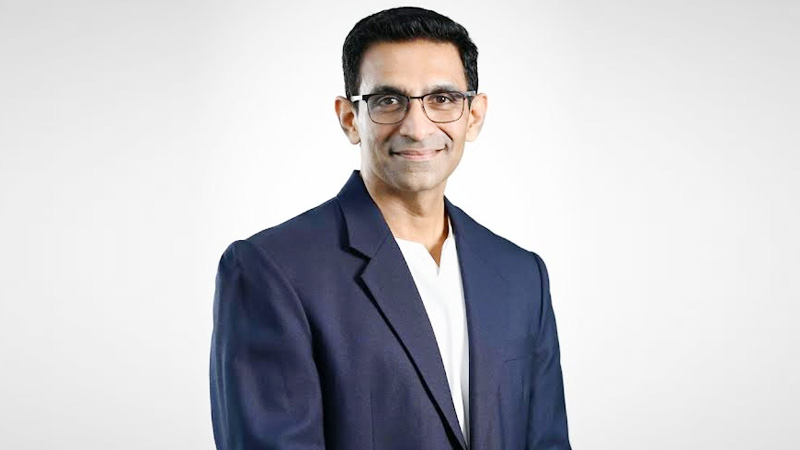
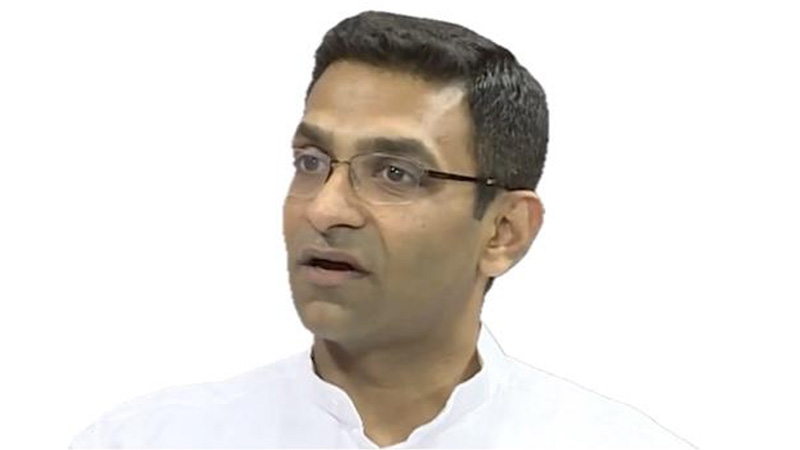
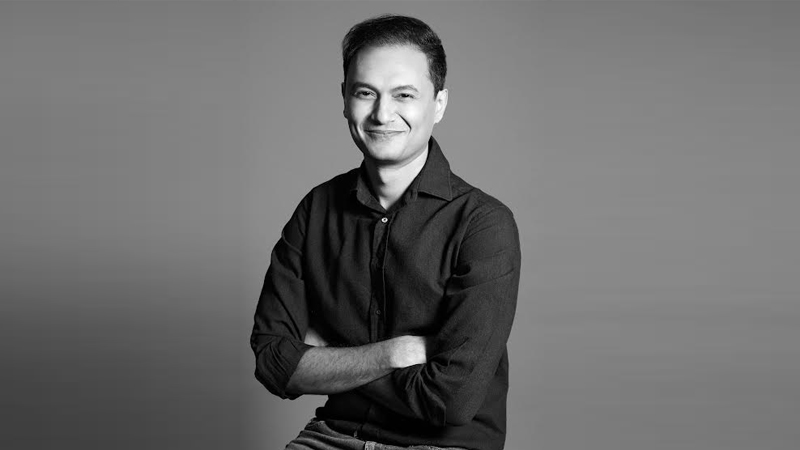
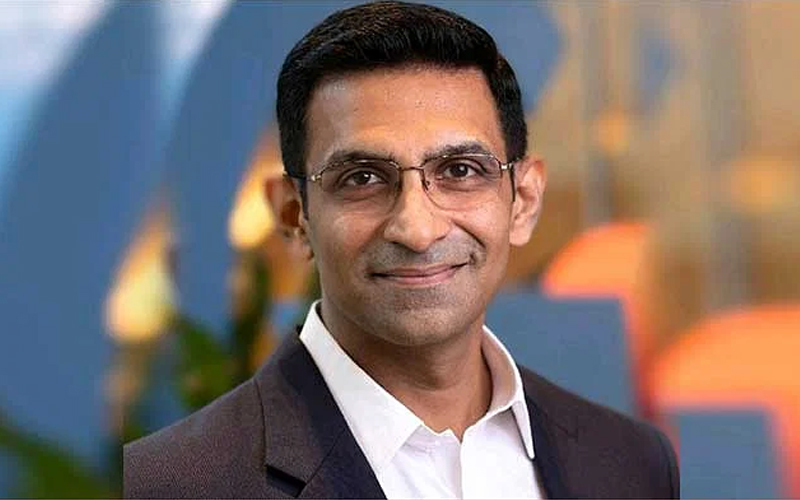
    JioStar chief executive and chair of the digital entertainment committe Kiran Mani said IAMAI’s role in the task force would channel industry expertise into “decisive measures that safeguard our creative economy and fuel long-term growth.”

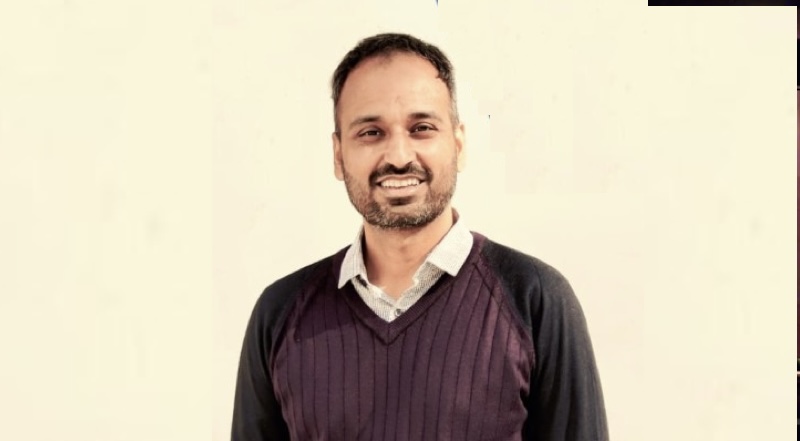
    Inshorts a co-founder & chief executive and co-chair of the committee  Deepit Purkayastha called piracy “one of the biggest hurdles” for the industry, adding that the task force was a chance to “set the stage for a stronger and more trusted entertainment industry.”

    With a task force in place, the law tightened and industry voices aligned, India’s media and entertainment sector is finally poised to fight piracy with more than words.

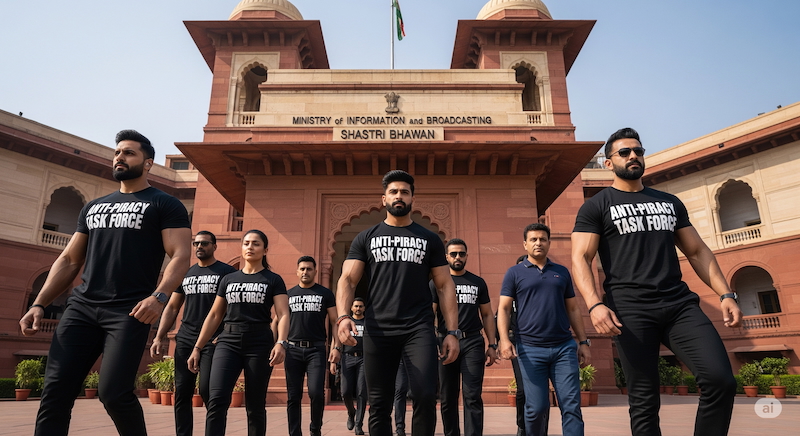
    (The picture shown above is just a representation of the task force and does not purport to depict either Shastri Bhawan or the industry executives who are part of the task force)

  • Piracy gets a reality check as India sets up anti-piracy task force

    Piracy gets a reality check as India sets up anti-piracy task force

    MUMBAI: India’s pirates may soon find their screens going blank. The Ministry of Information and Broadcasting (MIB) has announced the formation of a dedicated task force to crack down on online piracy, a menace that drains Rs 224 billion annually from the country’s entertainment industry, according to the 2024 Rob Report by EY and IAMAI.

    The scale of the problem is staggering with 51 per cent of Indian media consumers admitting to watching pirated content, both theatres and OTT platforms are losing revenue hand over fist. The Cinematograph Amendment Act 2023 had already introduced stricter penalties and empowered authorities to clamp down on illegal recordings and transmissions. Now, with a specialised task force, the fight against piracy is set to gain sharper teeth.

    Welcoming the move, JioStar CEO and IAMAI Digital Entertainment Committee (DEC) chair Kiran Mani called it a “timely and necessary step” that would directly channel industry expertise into decisive solutions. “By bringing together the collective experience of the ecosystem, we can help shape solutions that protect India’s creative economy and drive long-term growth,” he said.

    Echoing the urgency, Inshorts co-founder and CEO DEC Co-chair Deepit Purkayastha noted that piracy remains “one of the biggest hurdles” for the sector. “This task force is a chance to work hand in hand with the government to find solutions that really work. Together, we can set the stage for a stronger and more trusted entertainment industry,” he added.

    With stricter laws in place, industry leaders aligned, and the new task force gearing up, India’s media and entertainment sector has a rare chance to curb piracy, safeguard creativity, and expand its global influence. For once, it looks like the pirates may not have the last laugh.

  • Kiran Mani to chair IAMAI’s digital entertainment committee

    Kiran Mani to chair IAMAI’s digital entertainment committee

    MUMBAI: The digital entertainment world just got a new ringmaster. The Internet and Mobile Association of India (IAMAI) has announced that Kiran Mani, the CEO – digital, JioStar, will now chair its Digital Entertainment Committee. This is a rather significant appointment, as the committee is tasked with shaping the future of India’s rapidly evolving digital content ecosystem – no small feat, given the nation’s insatiable appetite for streaming.

    Mani, who also happens to be an elected Governing Council member of IAMAI and the former co-chair of the Direct-to-Consumer (D2C) committee, brings a hefty two decades of experience to the table. He’s been living and breathing at the crossroads of technology, content, and consumer behaviour for quite some time. In his current gig, he’s at the helm of JioHotstar, one of India’s largest digital entertainment platforms, which is, rather impressively, redefining how millions experience their stories.

    Joining him as co-chair is Deepit Purkayastha, co-founder & CEO, Inshorts. This pairing promises a potent blend of product, platform, and editorial expertise, which should certainly keep things interesting.

  • JioHotstar scores a ton, hits 100 million subscribers in streaming blitz

    JioHotstar scores a ton, hits 100 million subscribers in streaming blitz

    MUMBAI: JioHotstar has smashed through the 100 million subscriber barrier, a right royal victory in India’s streaming wars. The platform, a product of the $8.5 billion Disney-Reliance mega-merger, has turned streaming from a posh indulgence into a daily must-have for millions of Indians. They’ve clearly got their ducks in a row.

    Their secret weapon? Sports, and lots of it. They’ve snapped up the rights to the IPL, ICC events, and the Women’s Premier League, turning cricket into a digital spectacle. And the streamer is not just showing the game; it’s throwing in all the bells and whistles: 4K ultra-HD, AI-powered analytics, real-time stats, and even voice commands. It’s like watching the match with a team of tech wizards in your living room.

    But it’s not all about the cricket. JioHotstar boasts a “world’s most extensive” TV library, Hollywood blockbusters, and a smorgasbord of Indian language content. It has even dabbled in live streaming cultural events, from Coldplay concerts to religious ceremonies, proving they’re not afraid to mix things up.

    “We have always believed that world-class entertainment should be accessible to all,” said JioStar CEO Kiran Mani sounding rather pleased with himself. “This milestone not only underscores India’s limitless potential but also strengthens our commitment to pioneering category-first experiences.”

    The streamer has  also launched Sparks, featuring India’s popular content creators, which sounds like a right old digital knees-up.

    This subscriber surge marks a significant victory for JioHotStar, proving that a potent mix of sports, entertainment, and a bit of tech wizardry can win the hearts (and wallets) of millions. And with the IPL 2025 season in full swing, one imagines the team is  popping the champagne.

  • JioStar launches JioHotstar platform, merging JioCinema and Disney+ Hotstar

    JioStar launches JioHotstar platform, merging JioCinema and Disney+ Hotstar

    MUMBAI: It’s a giga merger. Two of India’s leading brands fusing into one.

    Can the branding, the logo, and brand ident  that emerge be any less?

    The brands in question are; Jio and Disney+Hotstar, both very well-known of their own accord. One a leader in providing mobile telephony services which runs a streaming platform called JioCinema; the other a leader in streaming, the best in its class. Both have tremendous recall value and have customers running into hundreds of millions.What you get when you open up to JioHotstar

    A tough ask for any one to find a solution that would do justice when they unite – where the sum of the united two will be greater than the sum of both as individuals .

    One simple possibility was calling it JioHotstar.  Quite simple right?

    And that’s what JioStar, the joint venture formed by the merger of Viacom18 and Star India,  decided upon. The  birth of JioHotstar  will see the demise of both JioCinema and Disney+ Hotstar.

    It will have a reach of 500 million users and will offer 300,000 hours of content including films and shows from major Hollywood studios including Disney, NBCUniversal Peacock, Warner Bros. Discovery HBO, and Paramount, alongside Indian entertainment across 10 languages.

    “At the core of JioHotstar is a powerful vision—to make premium entertainment truly accessible to all Indians,” said  Jiostar chief executive digital Kiran Mani. The platform will offer free content to all viewers, with premium subscription plans starting at Rs 149.
    The Three Merry Men

    Jiostar chief executive entertainment Kevin Vaz emphasised the platform’s commitment to digital-first content, while sports chief executive Sanjog Gupta highlighted its enhanced sports viewing features, including ultra-HD 4K streaming and AI-powered insights. JioHotstar will also have a new segment called Sparks which India’s digital content creators can call their home.

    There was some debate in media circles on what the back end of the new service will be. Would it be the JioCinema one or would it be Disney+ Hotstar’s? At the time of writing, folks within JioStar had confirmed to indiantelevision.com that it was indeed Hotstar’s tech stack that was being used to power the JioHotstar app as it proved to be more superior on several fronts. The main ones being: ability to handle high concurrency of users, serve high end, high quality 4K videos,  even at low bandwidths, the tech innovations in terms of vertical video and interactivity that it supported. AI-powered insights, real-time stats overlays, multi-angle viewing and range of ‘culture’ and ‘special interest’ feeds — ensuring fans enjoy deeper, more immersive access to the sports they love.

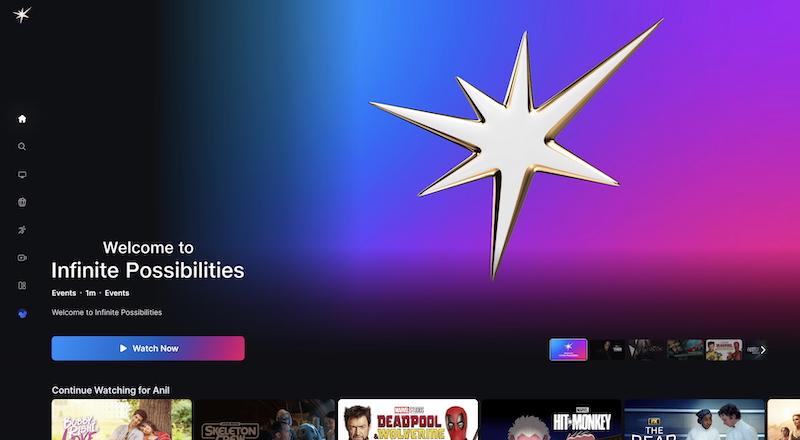
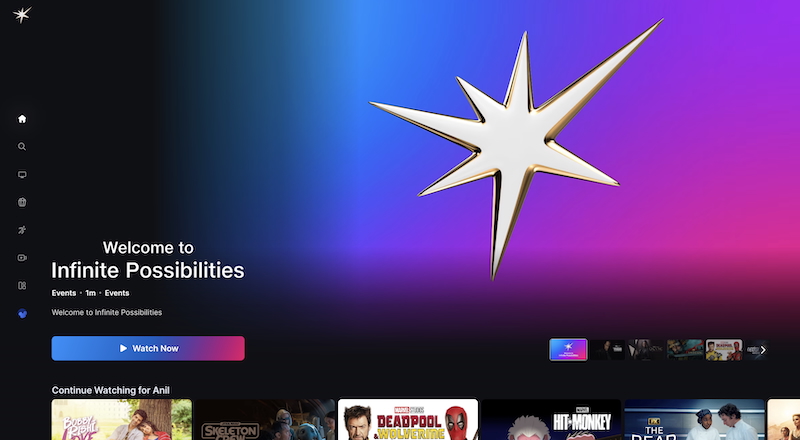
    The logo itself is a standout and can have several interpretations. Here’s two: a star doing a Swan Lake like dance;  a heavenly body arms open wide ready to embrace one and all. Clearly, for those who have been so used to seeing the Disney Star and existing JioCinema logos, it  will take some getting used to. The font for the brandname is sans serif, which fits well with the star burst.

    JioHotstar’s new brand identity  created and developed by venture3 embodies its vision for boundless entertainment. The Big Bang’ symbolises the dawn of a new era, while the Ripples radiate outward, representing energy, transformation, and innovation. The background colours are tetradic (psychedelic) with bright pinks, mauves , indigos and blues being thrown in for good measure and are eyecatching and hypnotic. Step one of the battle to attract viewers won! And the tagline carries with it a lot of promise: Infinite possibilities begin here!  SparksExisting JioCinema and Disney+ Hotstar subscribers will be able to transition seamlessly to the new platform.

    The service will stream major sporting events including ICC tournaments, IPL, WPL, Premier League and Wimbledon, alongside entertainment content in multiple Indian languages.

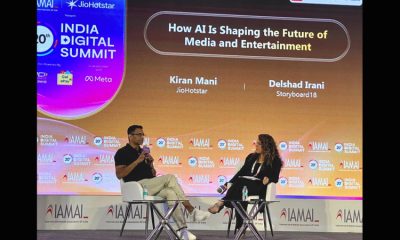
  • Kiran Mani-speak about  Indian OTT at the India Digital Summit

    Kiran Mani-speak about Indian OTT at the India Digital Summit

    MUMBAI: During the India Digital Summit, Kiran Mani, CEO – Digital at Jio Star, spoke compellingly about the urgent need for the over-the-top (OTT) industry to embrace multiple economic models beyond the traditional revenue streams of advertising and subscription. Engaging in a lively fireside chat with Ashish Pherwani of EY India, Mani underlined that sustainable storytelling in the digital age hinges on innovative business strategies.     

    “If you want to justify the economics of storytelling, it has to follow more economic models,” Mani stated, emphasising that a reliance solely on advertising is inadequate. He expressed optimism about the growth potential of both advertising and subscription revenues in India due to robust economic tailwinds. However, he also noted that the true potential of the subscription market has yet to be realised. 

    To illustrate this point, Mani provided striking statistics indicating that while India boasts a massive 700-million OTT viewership base, the actual number of subscriptions currently stands at around 60 to 70 million. He attributed part of this gap to challenges in the payment gateways available in India, stating, “Payment gateways are built for transactions, not for mandates,” which hinders the ability for consumers to engage in subscription models effectively.

     Mani highlighted the extraordinary success of Jio Cinema Premium, which gained an impressive 20 million subscribers in record time. This achievement was largely driven by the platform’s disruptive pricing strategy of just Rs 29, which strategically bypassed middlemen to reach consumers directly. He commented on existing subscription models, saying, “A one-size-fits-all subscription, saying that you can eat all the menu items in a buffet for a fixed price, has its limitations.”

     Drawing on his previous role at Google, Mani criticised the outdated methods commonly used in the advertising sector, which he argued are overly reliant on gut feelings rather than data. “We’re still at the early stages of adopting a data-driven approach to consumer targeting,” he acknowledged. “Once we fully embrace it, we’ll realize we’ve been overspending money in cities while neglecting smaller towns.” Mani assured attendees that the future of advertising will be marked by continued growth and the need for more informed marketing decisions.

    He further pointed out the ineffectiveness of a one-size-fits-all advertising model, stating that platforms which focus solely on brand advertising have specific limitations. “What we offer our advertisers is a dual approach. We say, yes, we are a mass-reach platform, and we will always get you the reach, but we also offer a premium reach platform,” he said.

    As Jio Star—formed from the merger of Star India and Viacom18—continues navigating the rapidly expanding digital ecosystem, Mani noted an exhilarating convergence of connectivity and creativity. “India today is a billion-screen connected audience,” he emphasized, highlighting how various content segments—sports, entertainment, short-form content, and gaming—are flourishing. He credited the influx of venture capitalists into nearly every area of this ecosystem as a testament to the ongoing growth.
     

    Mani Kiran

    Mani also pointed out the seismic shift in the media landscape, noting that digital has recently overtaken television to become the largest segment of the Indian media sector. “There are 325 million households in India, yet the number of households actually paying for digital content remains below 15 million,” he stated, raising important questions about whether digital will ever become a mass product or if subscription models will be left behind compared to traditional TV.

     The CEO was particularly encouraged by the emergence of audiences from Tier 2 and Tier 3 towns, many of whom are gaining access to content for the first time through affordable devices costing less than Rs 5,000. He remarked on the impact of live-streaming events like the IPL on JioCinema, stating, “We saw six million viewers who were previously content-dark join our platform.” This underscores how OTT platforms are unlocking a broader content segment in terms of both depth and reach.

     Mani elaborated on the necessity for subscriptions to adopt sustainable economic models, stressing that “advertising alone cannot support premium content or great storytelling.” He urged industry stakeholders to unlock better economic models while ensuring sustainability for everyone involved. He asserted, “The digital ad market in India is now valued at $9 billion.”

    He elaborated further on the complexities of advertising, stating, “Advertising is about reaching consumers and delivering value. Our role is to ensure advertisers see impactful returns.” With an expanding middle-class consumer base, Mani believes India’s advertising market will surely grow. Nonetheless, he cautioned that the market still operates with outdated practices, such as generic solution models that fail to meet diverse audience needs.

    A noteworthy point in Mani’s discussion was the evolving nature of storytelling in Indian entertainment. He mentioned that narratives are transitioning from “Shiksha” (education) and “Sushil” (docile) to “Saksham” (empowerment) and “Swabhiman” (self-respect), reflecting broader societal progress in India.
         
     Multi-lingual content also emerged as a focal point, especially in sporting and international contexts. Mani proudly remarked on JioStar’s multilingual broadcast of the Olympics, which garnered a seven-fold increase in viewership, adding, “Hindi is now the number one language for Hollywood viewership in India.”      

     When prompted about his investment priorities, Mani chose to invest in platforms over content production or e-commerce, stating, “Platforms scale creativity and monetization like nothing else.” He underlined the transformative power of connectivity in driving the next wave of growth.

     In concluding his remarks, Mani addressed the collective responsibility of the media and tech industries. “As content creators, we must prioritize sustainability in storytelling,” he urged. “For me, I owe it to you all to build a platform where monetization models extend beyond just advertising or subscriptions.”

    Key Points:
    * The OTT industry needs to diversify its economic models beyond traditional revenue streams of advertising and subscription.
    * Relying solely on advertising is insufficient for building a sustainable OTT ecosystem.
    * The true potential of the subscription market is yet to be unlocked.
    * Payment gateways in India are built for transactions, not for mandates.
    * A data-driven approach to consumer targeting is necessary for effective advertising.
    * A one-size-fits-all approach is ineffective in advertising.
    * The digital ad market in India is valued at $9 billion.
    * Advertising is about reaching consumers and delivering value to advertisers.
    * Sustainable economic models are necessary for the OTT industry.

  • Udit Sharma gets back to sports at JioStar

    Udit Sharma gets back to sports at JioStar

    MUMBAI: He left Hotstar as head of ad sales in June 2022 after working there for more than five years. Udit Sharma then joined Sharechat as chief revenue officer for less than two years, and One Impression as chief business officer for around a year.

    Now the hardcore sales professional is back with his old colleagues at JioStar as executive vice-president, business head – for premium sports and agency relationships. Announcing his joining the firm on linkedin, Udit said: “’India should not and will not be a one-sports country’ – With this conviction, I am super excited to be joining Ishan Chatterjee, Kiran Mani and Sanjog Gupta to lead with the premium sports business at Jiostar.”

    The Singapore (Masters in Engineering  in microelectronics from Nanyang Technological University)-educated Udit, completed his MBA from Tuck School of Business at Dartmouth in 2010.  After his bachelors in engineering, he was placed at ST Microelectronics as an IC design engineer where he worked for four years and even completed his master’s degree. He was then hired by Samsung Electronics as a global strategist in the chairman’s office in Seoul before being promoted to business development manager -Samsung Pay in 2013.

    Returning to India (Gurugram), he had a short stint with Zomato as vice-president global business head -cashless, after which he joined Freecharge where stayed for a year and quit as assistant vice-president – head category management & business development to join Hotstar.

  • Uday Shankar and his band of three merry men

    Uday Shankar and his band of three merry men

    MUMBAI; They could have gone in for a single CEO like Disney Star India – or Star India before that – had done in the past.

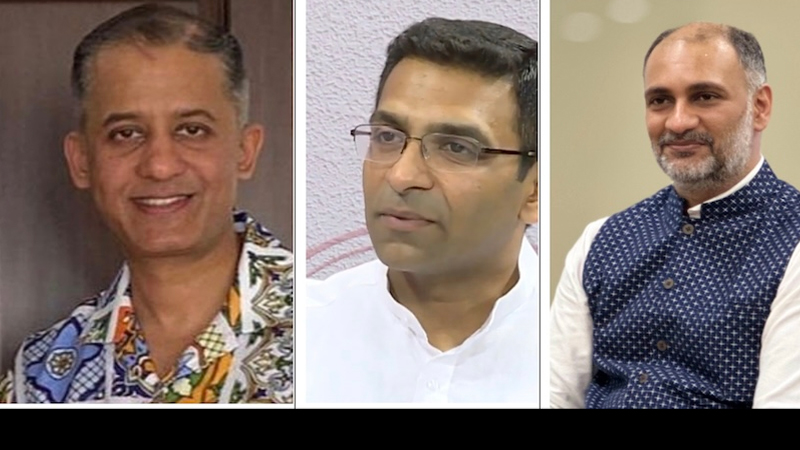
    But with the magical Uday Shankar on top as the vice-chairperson to guide and direct strategy, the trio of Disney, Reliance Industries, and Bodhi Tree systems decided to go in for a troika of CEOs for the joint venture.  Kevin Vaz to lead  entertainment across platforms, Kiran Mani to head the combined digital organisation and the affable but effective Sanjog Gupta to spearhead the combined sports initiatives.

    A press release issued by Reliance Industries announced that the expectation is that the three will lead the new firm into a new era of ambition and disruption. “Together, they will leverage their unique strengths to cultivate a bold transformative vision that challenges the status quo and sets new standards in the industry,” it adds.

    Ambani is known to be a man in a hurry and willing to take risks. Leadership in every sector his group is involved in is all he asks. He is willing to give it time, but his watch runs differently, faster than every other entrepreneur in the business.

    Uday Shankar is built in the same vein. He has built a reputation of being on business steroids. Number one or nothing has always been his credo. Being the best in whatever he takes up. He is known to have taken tremendous risks, some say gambles, and on almost all occasions he has come out on top. The  team below him will have to keep pace.

    Kevin Vaz is a steady, consistent performer, who has stuck by Star for almost a score of years. An astute sales person, he has learnt to run a mean entertainment driven organisation. First, heading English language channels, then regional language ones, kids and infotainment ones. Finally, Hindi entertainment offerings  – the entire gamut before going on to settle at Viacom18 as CEO. With a strong second and third rung of creatives and programming heads leading the shows and series, he will not have too many a challenge from any of the others in the same space.

    Kiran Mani first cut his teeth in advertising working on Unilever brands. Then he spent eight years in IBM in marketing and channel sales in India. He hopped onto Microsoft  where once again he led marketing, strategy and operations. He then turned entrepreneur with an ad tech platform for which he found a buyer in two years. After a short stint at advising the National University of Singapore on its MBA programme, he dived into Google where he stayed for a baker’s dozen years, shuffling between India, the Bay area and Japan and Asia Pacific, finally settling down as general manager of android and Google Play for Asia Pacific and Japan when he was scouted and picked up to head Viacom18 Media. He burned the mid-night oil and weekends advising and angel investing in startups taking bets on emerging platforms and technologies while rapidly shooting up the corporate ladders. 

    Credentials like that are not easy to find, and he is the executive upon whom a lot rests as the world of entertainment consumption continues to transition from cable and linear TV to wireless streaming, handheld devices like mobile phones and tablets and connected TVs. And of course generative AI and machine learning. The area is teeming with competition with global biggies like Prime Video, Disney+ and Netflix and Google’s YouTube. What will hold him in good stead his deep attachment to meditation, mindfulness, and yoga which he has being practising for more than a dozen years.

    The bearded Sanjog Gupta is known to be a backroom executive, reticent, a quiet thinking leader who is more comfortable and does well in meeting rooms with his team and clients. With deep relationships across sports federations – both globally and locally, rights owners, athletes and sportsmen, a close and sharp eye on sports technology that vows the consumer, he has stayed ahead of all broadcast sports executives in the country and even in Asia. His challenge will be to keep the top line and bottom line healthy in an era of  skyrocketing licensing fees for sports like cricket. This apart, the Ambani family has taken upon itself to encourage other sports in the country, especially in the Olympic and Asian Games arena. Sanjog will have to find a way to train Indian viewers to start enjoying  and staying hooked to these sports as India vies to stage the Olympics within its shores in the next decade.   

    To know more about the other leadership teams please click here. https://www.jiostar.com/leadership/

  • JioCinema appoints Ishan Chatterjee as CBO

    JioCinema appoints Ishan Chatterjee as CBO

    Mumbai: JioCinema has announced the appointment of Ishan Chatterjee as chief business officer. Ishan’s appointment reflects JioCinema’s commitment to accelerate its transformation into a tech-enabled company, delivering cutting-edge, seamless digital experiences to its rapidly expanding user base.

    As chief business officer, Ishan takes charge of overall monetisation for JioCinema. In this role, he is responsible for revenues from sports, and SMB revenue growth across sports and entertainment. Ishan joins JioCinema from YouTube India where he served as managing director and played a pivotal role in shaping the platform’s strategy and growth in the country. With over two decades of experience, including 13 years at Google, Ishan has also had a remarkable journey with McKinsey and Hindustan Unilever. He is an alumnus of The Wharton School and St. Stephen’s College, Delhi.

    Ishan will play a key role in JioCinema’s leadership team and closely work with Kiran Mani.

  • Viacom18 shatters records with landmark Paris 2024 Olympics broadcast

    Viacom18 shatters records with landmark Paris 2024 Olympics broadcast

    Mumbai: In their first-ever Olympics broadcast, Viacom18’s Paris 2024 coverage became the most comprehensive Olympic presentation yet in India, delivering the highest-ever viewership for the Olympics in India across linear and digital platforms. Over 17 crore viewers came to JioCinema and Sports18 Network amassing an unprecedented watch-time of over 1500 crore minutes as more people watched Olympics content for longer than ever before in India.

    For the first time, Olympics coverage in India was presented across 20 concurrent feeds, on JioCinema for free, as fans watched their preferred action and Indian performances anytime, anywhere on their preferred device making it the most-watched Olympics ever. The 17 sports-wise feeds and three curated feeds, all available in 4K gave viewers the ability to track the finest athletes in the world in action at Paris 2024.

    On linear platforms, Sports18 – 1, Sports18 – 1 HD, Sports18 – 2 ran India-focused feed, Global Action was available on Sports18 – 3. Sports18 – 1 and Sports18 – 1 HD presented the Games in English with Tamil and Telugu available on the language button. Sports18 – 2 offered Paris 2024 in Hindi.

    “Paris 2024 is a prime example of how non-cricket sporting action is continuing to grow in adoption amongst Indian audiences. Both the viewership scale and the enthusiastic advertiser participation bear testimony to that. Our Olympic coverage was not just a world-class production, it allowed viewers to watch the action with studio experts (former Olympians), with commentary in local languages, along with compelling storytelling, and fascinating live & non-live coverage of every event across two weeks,” said Viacom18 – digital CEO Kiran Mani. “Our endeavour is to constantly enhance the sports viewing experience, engaging sports fans across all screens and for longer, while giving advertisers the avenues and opportunities to reach their consumers most effectively.”

    The innovations in the digital viewing experience for Paris 2024 democratised access to the pinnacle of sports in an unprecedented way. Viacom18 presented the Olympics in four languages with an expert panel of former Olympians like never before, along with the biggest ever on-ground coverage of the event by an Indian broadcaster with a crew of 20+ people and ground presence across six venues. To top it up, presenting the Games with educative and exciting commentary and content that captured all the emotion and effort attached to each sport expanded user interest.

    The immersive coverage tipped off with a dedicated camera feed on the India float throughout the Opening Ceremony giving viewers a ring-side view of the Indian contingent. In addition, viewers enjoyed coverage of India’s glorious moments with live interviews alongside a domain expert from the studio. The opening ceremony was made available across Sports18 Network, Colors Network, VH1 and MTV besides being free on JioCinema.

    For advertisers, the expansive presentation presented an unparalleled opportunity to engage with a highly passionate and diverse audience. As many as 69 brands, most to date in the history of Olympics broadcasting in India, saw the value in associating with the quadrennial spectacle leading to advertising revenue increasing 2.6x over the previous edition. The Viacom18 presentation’s co-presenting partners were Reliance Foundation, SBI, and JSW. Coca Cola India Ltd, Herbalife were associate partners while other top advertisers included RBI, AMFI, Aditya Birla Capital, Air India, Bacardi Martini India Ltd, MRF among others.

    The Paris 2024 presentation offered innovative ad assets like Split Screen ads, four-sided Squeeze Backs, contextual assets like Super Start, Winning Moment, Super Saves and Branded Tabs on Medal Tally, and Schedule, coupled with brand presence during key India moments which helped the advertisers to establish an associative value with the event.