Tag: Ki And Ka

  • Bangalore Ad Club receives 1,150 entries for Big Bang Awards

    Bangalore Ad Club receives 1,150 entries for Big Bang Awards

    BENGALURU: The Advertising Club, Bangalore (Bangalore Ad Club) said through a media release that it has received a record 1,150 entries for its annual Big Bang Awards to be held on 28 September 2018 in the Garden City. The Bangalore Ad Club says that this makes it the biggest awards in a 23-year history.

    “We are celebrating Big Bang this year with the theme of # For The Love Of Advertising.  We believe that the shine has gone out of traditional advertising and we want, in our small way, to try and bring it back, in spite of the sweeping changes wreaked by digital.  We are looking at a year-long campaign, starting with Big Bang,  to celebrate some of the iconic work in the past, award the best current work and discuss and debate the future of our beloved industry,” feels Big Bang Awards chairperson Malavika Harita. Harita is the current CEO of advertising and communications company Saatchi & Saatchi Focus.

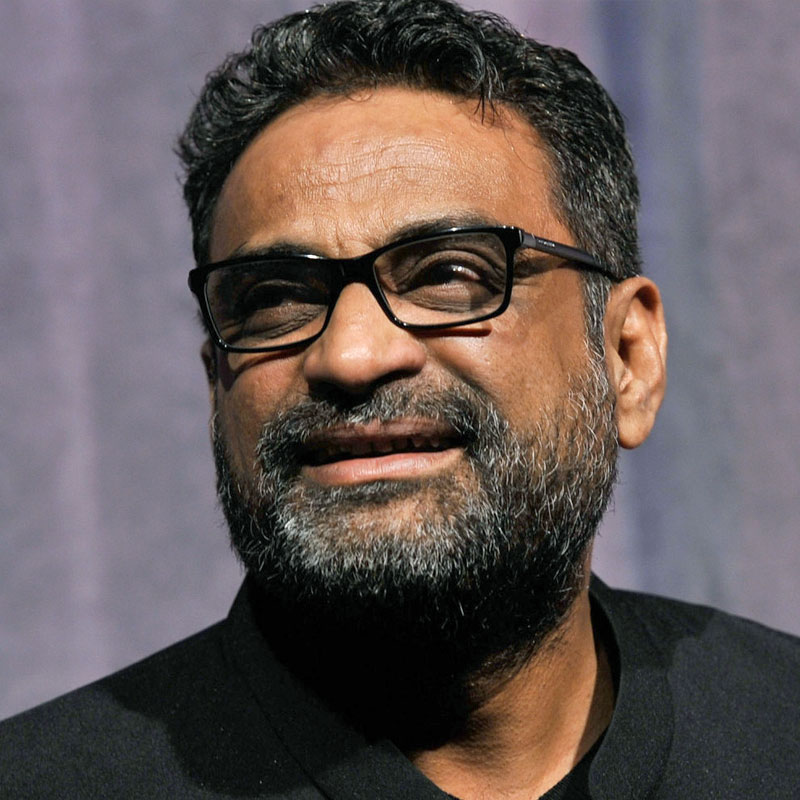
    Bangalore Ad Club says that as the advertising industry continues to grow, a shift in the advertising spaces with new opportunities and newer challenges seems to be emerging. The Big Bang Awards this year has lined up exclusive interactions with ad and marketing ITCV Foods CEO Gurus Hemant Malik, Colors Viacom 18  CEO Raj Nayak, noted ad-man and film-maker R Balki, who is known for his movies Padman, Pa, Ki and Ka and many more. 

    The Advertising Club Bangalore in association with Ananda Vikatan Group, its multimedia partner for Big Bang Awards, in a public service initiative have introduced the ‘Issued in Public Interest’, a new category under which social messaging campaigns will be recognised by the jury. The Advertising Club received 53 creatives as entries for public service, all of which will be recognised. “When it comes to public interest, it’s a challenge to categorise which is better. While we will award one gold trophy to the winner based on the jury scores. We will feature all the entries on our website, as a goodwill gesture,” says Advertising Club Bangalore executive director Arvind Kumar.

  • Sequels & the need to cash in on previous successes

    The film industry is going through its worst period in a long time. Nothing seems to be working as film after films flop losing almost total investments. This, when private investors are staging a comeback to invest in film distribution business as the big houses have curtailed their activities.

    While the producers of recent films have been suffering, the main sufferers are the single screens as well as the multiplex chains who, besides servicing their investments, also need to tend to their fixed costs like, staff, power, maintenance and other such costs.

    This is a Catch 22 situation. While the independent producers, who are keeping the supply going, they have to do it in limited budgets. The multiplex chains won’t give them decent playtime or reduced admission rates and the paying audience won’t be lured otherwise.

    The stalemate continues.

    The recent trend seems to be of making wome- oriented films. That is fine. They do work at times as was the case with, Kahaani, Dirty Picture, Neerja, Chalk & Duster, Ki And Ka, Fitoor, Sarabjit, Begum Jaan, Maatr, Noor and so on. But, just a few worked.

    If Kahaani worked, why did Kahaani 2 did not? It did not because it came across as a product of greed. A need to cash in on the success of its predecessors. The makers did not even care that their ‘Dare It All’ protagonist of Kahaani was turned in to a helpless, hapless woman in Kahaani 2.

    Both new releases of the week, Noor and Maatr, were women centric films. Both faced disastrous outcome at the box office.

    Noor was much hyped as the Pakistani journalist writer Saba Imtiaz’s account of her life as a journalist in Karachi, among the most violent cities in the world. It was published as a book, Karachi, You Are Killing Me! The account had no story, looked like a dramatised and fictionalised writing. Nothing in the book seemed fit to incorporate it in the life of a Mumbai journalist.

    Maatr was a vehicle for one time sought-after star, Raveena Tandon, as a senior actor to return in her veteran avatar as a mother. She played a mother on revenge mission for her raped and killed young daughter. The film failed to get an opening of any kind.

    *Raveena’s comeback, Maatr, sadly, could not find enough footfalls to run a show. Turned into a ‘No audience No show’ affair as the collections remained in lakhs. The film’s promotion was poor too. The three day collections remained short of one crore at about Rs 70 lakh.

    *Sonakshi Sinha, essaying the role of a struggling journalist, lacked head or tail. Is a loser on all counts as the film barely manages to put together Rs 4.1 crore crore for the first weekend.

    *Begum Jaan, an outdated story told poorly, fails badly to incite the audience. After a poor opening weekend of Rs 10.6 crore, the film ends it first week with a total of Rs 15.1 crore.

    *Badrinath KI Dulhania has taken its six week total to Rs 114.7 crore.

    *Laali KI Shaadi Mein Laaddoo Deewana, Blue Mountain, Mirza Juuliet and Mukti Bhawan are also ran.

  • Q1-17: Diversified mix boosts Eros revenue

    Q1-17: Diversified mix boosts Eros revenue

    BENGALURU: The Sunil Lulla-led Eros International Media Limited (Eros) reported 22.2 percent increase in total revenue including other income (TR) for the quarter ended 30 June 2016 (Q1-17, current quarter) as compared to the corresponding quarter of the previous year (Q1-16).

    Eros reported lower revenue of Rs 411.08 crore in the current quarter as compared to total revenue of Rs 480.59 crore in Q1-16, but considering the one-time sale of digital rights of Rs. 1,44.20 crore, its revenue for Q1-16 works out to Rs 336.39 crore. The company says that a diversified movie mix that included worldwide releases of
    Housefull 3, Ki and Ka, Nil Battey Sannata, Sardaar Gabbar Singh (Telugu), 24 (Tamil), amongst other releases helped in the double-digit increase in revenue.

    Total comprehensive income including other income after taxes in Q1-17 increased 42.9 percent year-over-year (y-o-y) to Rs 73.87 crore (18percent margin) from Rs 51.70 crore (15.4 percent margin on Rs 336.39 crore, 10.9 percent margin on TR).

    Finance cost in the current quarter increased 9.7 percent y-o-y to Rs 9.40 crore from Rs 8.57 crore. Total Expenditure in Q1-17 declined 14.4 percent to Rs 329.37 crore from Rs 384.94 crore in Q1-16. Employee Benefit Expense in the current quarter increased 52.6 percent to Rs 17.50 crore from Rs 11.54 crore in Q1-16.

    The company also had a diversified revenue mix comprising Theatrical Revenues – 52.1%, Overseas Revenues – 17.2% and Television & Others – 30.7% as a percentage of Income from Operations.

    Company speak

    Commenting on the performance of Q1-17, Eros, executive vice chairman & MD Sunil Lulla said, “Fiscal 2017 has begun on an excellent note for Eros International with notable progress on operational and strategic parameters. Our approach towards investing in high quality portfolio of film content, which is greenlit at appropriate budgets and is monetized across various revenue streams, continues to yield positive results.”.

    “This year is also marked by strong pre-sales of majority of our film slate including, Dishoom, Baar Baar Dekho, Rock On 2, Banjo as well as regional films to leading satellite channels, as a part of our de-risking strategy and ensuring revenue and cash flow visibility,” Lulla said.

    “Q2-17 has also begun well with the power packed performance of Dishoom and Happy Bhaag Jayegi and our Telugu release Janatha Garage is heading to be the biggest Telugu grosser of this year,” Lulla added.

  • Q1-17: Diversified mix boosts Eros revenue

    Q1-17: Diversified mix boosts Eros revenue

    BENGALURU: The Sunil Lulla-led Eros International Media Limited (Eros) reported 22.2 percent increase in total revenue including other income (TR) for the quarter ended 30 June 2016 (Q1-17, current quarter) as compared to the corresponding quarter of the previous year (Q1-16).

    Eros reported lower revenue of Rs 411.08 crore in the current quarter as compared to total revenue of Rs 480.59 crore in Q1-16, but considering the one-time sale of digital rights of Rs. 1,44.20 crore, its revenue for Q1-16 works out to Rs 336.39 crore. The company says that a diversified movie mix that included worldwide releases of
    Housefull 3, Ki and Ka, Nil Battey Sannata, Sardaar Gabbar Singh (Telugu), 24 (Tamil), amongst other releases helped in the double-digit increase in revenue.

    Total comprehensive income including other income after taxes in Q1-17 increased 42.9 percent year-over-year (y-o-y) to Rs 73.87 crore (18percent margin) from Rs 51.70 crore (15.4 percent margin on Rs 336.39 crore, 10.9 percent margin on TR).

    Finance cost in the current quarter increased 9.7 percent y-o-y to Rs 9.40 crore from Rs 8.57 crore. Total Expenditure in Q1-17 declined 14.4 percent to Rs 329.37 crore from Rs 384.94 crore in Q1-16. Employee Benefit Expense in the current quarter increased 52.6 percent to Rs 17.50 crore from Rs 11.54 crore in Q1-16.

    The company also had a diversified revenue mix comprising Theatrical Revenues – 52.1%, Overseas Revenues – 17.2% and Television & Others – 30.7% as a percentage of Income from Operations.

    Company speak

    Commenting on the performance of Q1-17, Eros, executive vice chairman & MD Sunil Lulla said, “Fiscal 2017 has begun on an excellent note for Eros International with notable progress on operational and strategic parameters. Our approach towards investing in high quality portfolio of film content, which is greenlit at appropriate budgets and is monetized across various revenue streams, continues to yield positive results.”.

    “This year is also marked by strong pre-sales of majority of our film slate including, Dishoom, Baar Baar Dekho, Rock On 2, Banjo as well as regional films to leading satellite channels, as a part of our de-risking strategy and ensuring revenue and cash flow visibility,” Lulla said.

    “Q2-17 has also begun well with the power packed performance of Dishoom and Happy Bhaag Jayegi and our Telugu release Janatha Garage is heading to be the biggest Telugu grosser of this year,” Lulla added.

  • “MullenLowe Lintas doesn’t need me”: R. Balki

    “MullenLowe Lintas doesn’t need me”: R. Balki

    MUMBAI: Within the creative industry, there are very few people who are fiercely protective of their art and at the same time put no airs on about it.  R. Balakrishnan is one such person. Be it as the outstanding filmmaker that he is often referred as, or as one of the brightest minds in the creative business, or as the chairman of one of the fastest growing creative agencies in the country — Balakrishnan, or R. Balki as he is called, has not only walked the untrodden road, he has created his own way, thereby making it easier for others to walk down the path that he first walked upon.

    Time and again, the industry has been taken aback by his bold stances — be it his raising an eyebrow at advertising industry awards event or taking chances at the box office with extremely unconventional stories. As a director, filmmaker, writer and creative genius, R. Balki refuses to be judged by others. However, as the chairman and CCO of Mullen Lowe Lintas Group, he feels happy when his team is more capable than him.

    In a candid chat with Indiantelevison.com’s Papri Das, Balki discusses what is keeping young talent from excelling in the industry, his goals for Mullen Lintas in five years and the question that is uppermost in most minds in the industry – Will Mullen Lowe Lintas return to Goafest next year? Excerpts of the interaction:

    Q1. Between being a director and a chairman of an advertising agency, you have donned many roles. Which role do you identify yourself the most with?

    A: I always call myself a writer first, and not any of these.

    Q2. How do you manage to juggle between these multiple roles and do justice to all of them?

    Luckily, I don’t have to balance as much these days, especially when it comes to Mullen Lowe Lintas. It used to be difficult when I did my first couple of movies, because I was shuttling back and forth. Then I took a long break from movies and actually focussed on making sure that the agency could run without me. It took about four or five years to really plan for the next generation; to build the next team with people who can make you irrelevant and dispensable. Today I am the happiest person in the world to say that I am not really needed.  It takes a lot of time to build a team of that calibre, that’s what I have done. I guess I am reaping the benefits of that now (chuckles).

    Q 3 What qualities did you look for in your next generation team before handing them the baton?

    A: You need people who want to do things differently. You need resilient people to match the kind of resilient business we are in. It is not about just getting an idea, but to get an idea day after day, especially when they are being scrapped and rejected. It is indeed a task.

    Secondly I think it is such a people business. You can’t do everything on your own. You have to add value to people’s lives so that they can add value to the relationship. I think anybody who doesn’t understand the sensitivity to deal with creative people will find it difficult to lead and be part of the team.

    Q 4: How hands-on are you now when it comes to decision making within the agency?

    I am part of the meetings, but not as frequently as before. I don’t need to be there 24×7 every day. There are lot of people doing brainstorming and our clients respect their vision and are running with that.

    Q5 How did the team react to the company’s decision to not participate in awards?

    A: Firstly, I got one thing clearly straight: As an agency what do we stand for? What do we believe in? Are we going to be worried about what the world says, are we going to be judged by the world’s parameters? Are we going to enter Cannes and all other awards? We took a stance which was contrary to most of the agencies. We told ourselves ‘No we are not doing any of that stuff. Our work will speak for itself.’ Which it did, though it took some time! We didn’t have media support. We didn’t do a lot of PR and definitely didn’t get coverage for things like award shows etc. We were never in the news. But our work was speaking louder than ever, and the business was growing phenomenally because clients were happy with the work. But to have a stance like that as an agency and to make sure that the team buys that stance wasn’t easy. Most youngsters who come in the industry say we want fame and acknowledgement. So it was a tough stance to take as an agency and have the team believe and support that stance.

    Q6. Retaining talent seems to be an issue of concern within agencies currently. How do you think the industry should address that?

    A: I think every creative agency should strive to empower its next generation. Things can’t stop with the who’s who of this generation. There is no merit in holding the knowledge and keeping the command. We need to create a system where more and more people need to benefit from it. For that you need leaders who have vision to ensure that the system works.

    Q7. When it comes to new business, do you focus on new account wins or is retaining old clients more important?

    A: You have to retain clients’, there is no question of priority. Normally you do that by doing good work for them, doing the correct work for any brand that you get. And the same logic applies to the new businesses. If you can do efficient and relevant work for a brand, it will definitely work with you. Gone are the days when you could get business without doing work. There was a time when people used to think that good work was ‘one’ of the things that an agency needs to do, apart from big talk on relationships. Not anymore! You can have a great relationship and maybe talk a little more about the work because of the relationship, but it can’t survive long on that without work.

    Q8 Mullen Lowe Lintas has been presented as a competitive agency? Where do you derive that competition from, if not through awards?

    When I say Mullen Lowe Lintas is competitive, we are talking about doing better work. I don’t believe I need a jury to tell me if I am good enough. If I know that my work is better than most, I am happy. People often tell me that that distances and alienates creatives and puts them in a bubble, but let me tell you, there is no bubble in advertising. You take criticism all the time because you criticise yourself the most.  99 percent of the time you are criticising yourself. It is the one percent of praise that you seek from yourself is the toughest thing to do.

    Q9. After the restructuring last year, how well is the two agency structure working for the group? How well is Mullen Lintas doing?

    A: Yes the restructuring has worked for us. We had the talent pool to sustain a two agency structure and it was the right decision as well. Unlike most restructuring, we actually shifted some of our businesses from Lowe Lintas to Mullen Lintas. I am happy with the performance it has shown in less than a year. I hope it will be as big as Lowe Lintas in about 5 years.

    Q10. Since your presence at the Goafest 2016, the industry is speculating about the chance that Mullen Lowe Lintas will participate in the festival next year. Is that true?

    A: No. I don’t think so, whether I am part of Mullen or not, the agency will not participate.

    Q11. What is your goal within Mullen Lowe Lintas Group?

    A: I believe every person’s goal should be to leave a place better than what they walked into. I feel I have done the same with Mullen Lowe Lintas. That’s my earnest wish, to leave the company a better place for young creatives and advertising geniuses.

  • “MullenLowe Lintas doesn’t need me”: R. Balki

    “MullenLowe Lintas doesn’t need me”: R. Balki

    MUMBAI: Within the creative industry, there are very few people who are fiercely protective of their art and at the same time put no airs on about it.  R. Balakrishnan is one such person. Be it as the outstanding filmmaker that he is often referred as, or as one of the brightest minds in the creative business, or as the chairman of one of the fastest growing creative agencies in the country — Balakrishnan, or R. Balki as he is called, has not only walked the untrodden road, he has created his own way, thereby making it easier for others to walk down the path that he first walked upon.

    Time and again, the industry has been taken aback by his bold stances — be it his raising an eyebrow at advertising industry awards event or taking chances at the box office with extremely unconventional stories. As a director, filmmaker, writer and creative genius, R. Balki refuses to be judged by others. However, as the chairman and CCO of Mullen Lowe Lintas Group, he feels happy when his team is more capable than him.

    In a candid chat with Indiantelevison.com’s Papri Das, Balki discusses what is keeping young talent from excelling in the industry, his goals for Mullen Lintas in five years and the question that is uppermost in most minds in the industry – Will Mullen Lowe Lintas return to Goafest next year? Excerpts of the interaction:

    Q1. Between being a director and a chairman of an advertising agency, you have donned many roles. Which role do you identify yourself the most with?

    A: I always call myself a writer first, and not any of these.

    Q2. How do you manage to juggle between these multiple roles and do justice to all of them?

    Luckily, I don’t have to balance as much these days, especially when it comes to Mullen Lowe Lintas. It used to be difficult when I did my first couple of movies, because I was shuttling back and forth. Then I took a long break from movies and actually focussed on making sure that the agency could run without me. It took about four or five years to really plan for the next generation; to build the next team with people who can make you irrelevant and dispensable. Today I am the happiest person in the world to say that I am not really needed.  It takes a lot of time to build a team of that calibre, that’s what I have done. I guess I am reaping the benefits of that now (chuckles).

    Q 3 What qualities did you look for in your next generation team before handing them the baton?

    A: You need people who want to do things differently. You need resilient people to match the kind of resilient business we are in. It is not about just getting an idea, but to get an idea day after day, especially when they are being scrapped and rejected. It is indeed a task.

    Secondly I think it is such a people business. You can’t do everything on your own. You have to add value to people’s lives so that they can add value to the relationship. I think anybody who doesn’t understand the sensitivity to deal with creative people will find it difficult to lead and be part of the team.

    Q 4: How hands-on are you now when it comes to decision making within the agency?

    I am part of the meetings, but not as frequently as before. I don’t need to be there 24×7 every day. There are lot of people doing brainstorming and our clients respect their vision and are running with that.

    Q5 How did the team react to the company’s decision to not participate in awards?

    A: Firstly, I got one thing clearly straight: As an agency what do we stand for? What do we believe in? Are we going to be worried about what the world says, are we going to be judged by the world’s parameters? Are we going to enter Cannes and all other awards? We took a stance which was contrary to most of the agencies. We told ourselves ‘No we are not doing any of that stuff. Our work will speak for itself.’ Which it did, though it took some time! We didn’t have media support. We didn’t do a lot of PR and definitely didn’t get coverage for things like award shows etc. We were never in the news. But our work was speaking louder than ever, and the business was growing phenomenally because clients were happy with the work. But to have a stance like that as an agency and to make sure that the team buys that stance wasn’t easy. Most youngsters who come in the industry say we want fame and acknowledgement. So it was a tough stance to take as an agency and have the team believe and support that stance.

    Q6. Retaining talent seems to be an issue of concern within agencies currently. How do you think the industry should address that?

    A: I think every creative agency should strive to empower its next generation. Things can’t stop with the who’s who of this generation. There is no merit in holding the knowledge and keeping the command. We need to create a system where more and more people need to benefit from it. For that you need leaders who have vision to ensure that the system works.

    Q7. When it comes to new business, do you focus on new account wins or is retaining old clients more important?

    A: You have to retain clients’, there is no question of priority. Normally you do that by doing good work for them, doing the correct work for any brand that you get. And the same logic applies to the new businesses. If you can do efficient and relevant work for a brand, it will definitely work with you. Gone are the days when you could get business without doing work. There was a time when people used to think that good work was ‘one’ of the things that an agency needs to do, apart from big talk on relationships. Not anymore! You can have a great relationship and maybe talk a little more about the work because of the relationship, but it can’t survive long on that without work.

    Q8 Mullen Lowe Lintas has been presented as a competitive agency? Where do you derive that competition from, if not through awards?

    When I say Mullen Lowe Lintas is competitive, we are talking about doing better work. I don’t believe I need a jury to tell me if I am good enough. If I know that my work is better than most, I am happy. People often tell me that that distances and alienates creatives and puts them in a bubble, but let me tell you, there is no bubble in advertising. You take criticism all the time because you criticise yourself the most.  99 percent of the time you are criticising yourself. It is the one percent of praise that you seek from yourself is the toughest thing to do.

    Q9. After the restructuring last year, how well is the two agency structure working for the group? How well is Mullen Lintas doing?

    A: Yes the restructuring has worked for us. We had the talent pool to sustain a two agency structure and it was the right decision as well. Unlike most restructuring, we actually shifted some of our businesses from Lowe Lintas to Mullen Lintas. I am happy with the performance it has shown in less than a year. I hope it will be as big as Lowe Lintas in about 5 years.

    Q10. Since your presence at the Goafest 2016, the industry is speculating about the chance that Mullen Lowe Lintas will participate in the festival next year. Is that true?

    A: No. I don’t think so, whether I am part of Mullen or not, the agency will not participate.

    Q11. What is your goal within Mullen Lowe Lintas Group?

    A: I believe every person’s goal should be to leave a place better than what they walked into. I feel I have done the same with Mullen Lowe Lintas. That’s my earnest wish, to leave the company a better place for young creatives and advertising geniuses.