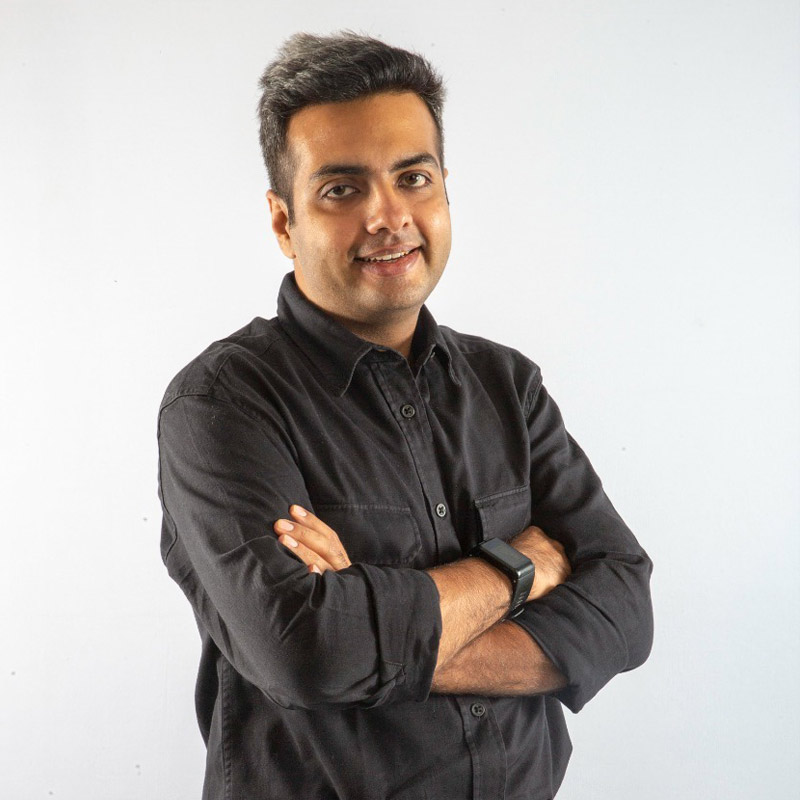
Tag: Keyur Patel

  • The market for NFTs cannot be restricted by demographics: Anshul Ailawadi

    The market for NFTs cannot be restricted by demographics: Anshul Ailawadi

    Mumbai:  Viacom18 YME (Youth, Music, and English Entertainment) cluster stepped into the fast-emerging NFT-verse in January with the extension of its ‘FullyFaltoo’ franchise that went on from being a show on MTV and a brand solutions studio, to now an NFT marketplace that will launch its diverse range of digital collectibles. These exclusive collectibles will also have creations inspired by pop culture properties like ‘Roadies’ and ‘Bakra’.

    “The move was spurred by the thought that we have a really rich legacy of edgy and unique artwork that has played a key part in the life of most of our consumers. Taking this association a step further, how can we give them a chance to own it?” says Viacom18 head- youth, music, and English entertainment Anshul Ailawadi.

    The marketplace fullyfaltoonft.com is powered and facilitated by NFT ecosystem technology framework GuardianLink.io.

    Commenting on the partnership as well as the relevance of NFTs for iconic youth brands like MTV, Vh1, and Comedy Central in India, GuardianLink.io co-founder, and chairman Keyur Patel shares, “MTV resonates with GenZ at all three levels – brand, art, and emotions. With its understanding of the youth and a great legacy of popular art, MTV is poised for success in the NFTverse. I see this as the coming together of some of the most interesting creative assets by an interesting brand in an interesting space!”

    ‘NFT’ what?

    Non Fungible Token (NFT), essentially blockchain-certified digital art, is a rare, and unique asset deemed as a ‘collectible’. It appreciates over time in value as it is traded or auctioned.

    The technology involves three aspects. First is the basic tech that can be scaled to facilitate global participation in the NFT auction. Secondly, so as to make the process more inclusive, multiple payment gateways like credit/debit cards, UPI, and crypto are to be enabled. The third and specific aspect is that of ensuring the security of minting, transferring, and storing NFTs. This secures the NFTs against theft and forgery. Guardian’s high-impact NFTs are protected by its Anti.RIP technology and legitimacy protocol explained Patel.

    Just the way all talk about ‘Non Fungible Tokens’ starts with demystifying this apparently loaded term, Viacom18’s campaign around its NFT debut, too, begins with educating the audience about the basics.  

    “Aimed at both the brand loyalists as well as fence-sitters, our communication has a lot of explanatory stuff around what are NFTs, and how to engage with/trade them. Basically, the first phase of the campaign will be more about ‘trust building’, whereas, the subsequent phases will delve into technicalities like the risks and opportunities involved,” says Ailawadi.

    Even though heavily focused online, there’s also an on-air component to the promotions. Additionally, Viacom18 is targeting online spaces and communities such as Reddit and Discord that have audiences engaging in lively conversations around NFTs.

    Takers all across

    Ailawadi believes that the crypto revolution is spread across the country, and the market for NFTs, therefore, cannot be restricted by demographics. “We are clear about the fact that our brand loyalists will be the first set of adopters. They are present all over India, in the metros as well as in towns like Kochi and Chandigarh that are not tier1. ‘Fence sitters’ who understand that there is a legitimate offering backed by an iconic brand out there, will come next.” he asserts.

    Needless to say, the audience for NFT has a younger skew. However, refraining from generalising, Ailawadi adds, “there are risks associated with NFTs, so people who either do not understand or do not have an appetite for them should think before engaging with them.”

    While the digital natives have had a predominantly virtual mode of expression, interaction, and existence at large, when it comes to NFTs, the question that’s being asked is whether they would also like to own something unique virtually?   

    In this regard, Patel shares an insight stemming from the origins of the phenomenon. “Basically, NFTs got their momentum from the GenZ gamers who collect goods in the virtual space through in-game purchases. With the coming of NFTs, they realised that they can now have authentic stuff for their game that can not only be bought and stored but is also tradable. That’s when this whole thing picked up.”

    Why NFTs

    Non Fungible Tokens became a phenomenon last year when the digital artist known as Beeple sold an NFT of his art for $69million through an auction at Christie’s. That was the defining moment for the world of digital art. NFTs could make brands and celebs.

    What was yesterday just another digital fad for the uninitiated, is today a rare collectible for the loyalists and buffs, and it has the potential of evolving into a ‘utility’ or ‘asset’, sooner than anticipated. Giving an analogy, Patel observes that NFTs will be in the same space as a 140-character tweet which fetches nearly Rs four million today.

    Commenting further on the current and future value of NFTs, Aliwadi remarks, “Many of us had a predilection for collectibles like postal stamps, coins, or tazos in our younger days. While we always had the chance to collect and trade, the opportunity to authenticate and showcase them was limited. Collecting NFTs is the digital equivalent of philately or numismatic, which takes care of these two pain points as well. NFTs can be authenticated by virtue of having a digital signature, and once you are on a marketplace or prominently displaying them on social media platforms, the world will surely notice.”

    That’s about the current value of NFTs, but going forward the possibilities are enormous. “Imagine having a chance to attend MTV Supersonic backstage with an MTV NFT. That’s some time away though! We’ll eventually be there,” reckons Ailawadi. 
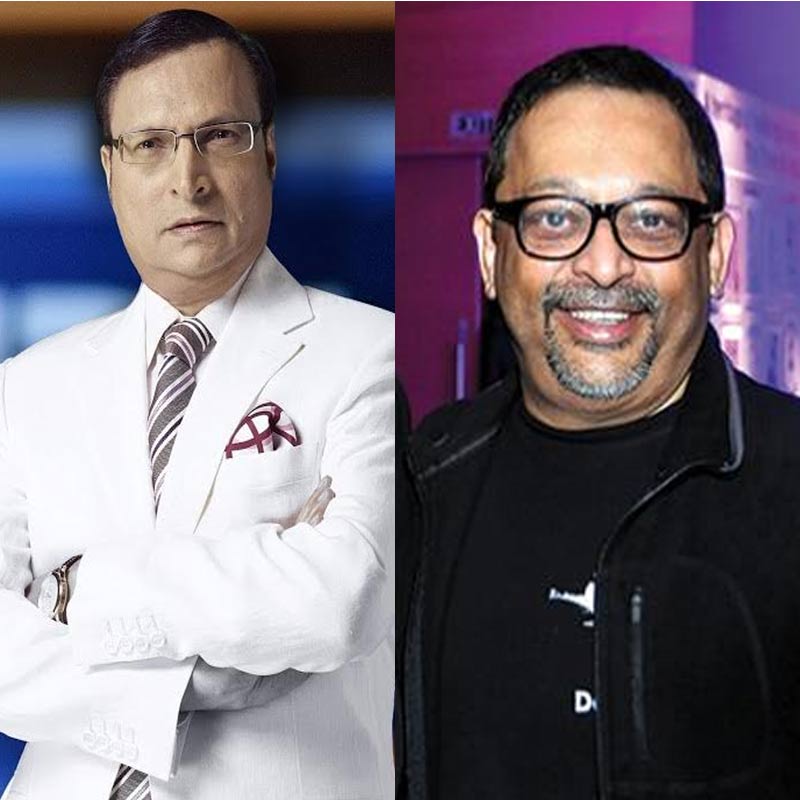
  • 9X Media sale: Pradeep Guha & Rajat Sharma rubbish reports

    9X Media sale: Pradeep Guha & Rajat Sharma rubbish reports

    MUMBAI: The entities that were said to be involved in acquisition talks have no clue about the development. It seems to be pure speculation.

    The media and entertainment industry was since morning rife with speculation that India TV promoter Rajat Sharma is acquiring a controlling stake in the New Silk Route (NSR)-backed 9X Media. Reports emerged in the last few hours that also state the value of the deal was Rs 200 crore (Rs. 2,000 million).

    9X Media’s CEO Pradeep Guha, however, rubbished this news. He told Indiantelevision.com, “All the reports are absolutely rubbish. We are not selling 9X Media.” When Rajat Sharma was contacted, he retorted: “I have no idea where these reports are coming from. I am out of the country. All these reports are absolutely false.”

    Though, Sharma has been keen on evaluating several opportunities to diversify the business portfolio of Independent News Service, which depends entirely on advertising revenue from India TV, acquiring 9X Media is not in his list. Yet. Sharma and his wife Ritu Dhawan are the largest shareholders of INS, which is the parent company of India TV. They own close to 60 per cent stake in the company.

    According to reports that are making the rounds in the industry, Sharma may seek help for the fund transaction from existing investors in INS like the Silicon Valley-based media investor Keyur Patel who also owns a stake in NDTV through his CV Global Holdings, a Mauritius based investment arm.

    NSR was earlier looking to sell its 80 per cent stake in 9X Media to Sony Pictures Networks in August. Its CEO Pradeep Guha directly owns five per cent stake whereas 9X Media Employee Trust has a 13 per cent stake. NSR has Drag Along/Tag rights over Guha’s shareholding and can cause him to sell his entire holding if the transaction materialises.

    9X Media was founded in 2007 by Peter Mukerjea and Indrani Mukerjea and owns a bouquet of music channels that include regional language channels in Marathi and Punjabi. Its flagship channels are 9XM and 9X Jalwa.

    The rise of India TV as India’s leading news channel within a fairly short span of its existence owes a lot to the vision of its chairman and editor-in-chief Rajat Sharma who, along with his wife Ritu, leads a team of professionals.

    Sharma, considered close to the ruling Bharatiya Janata Party, co-founded India TV with his wife Ritu Dhawan in April, 2004 from a swanky studio-cum-office in Film City, Noida. Sharma and Dhawan had set up their own production house, Independent News Service (INS), the parent company which owns India TV, in 1997 that has now transformed into a broadcasting company — a la NDTV and TV18/Network18.

  • 9X Media sale: Pradeep Guha & Rajat Sharma rubbish reports

    9X Media sale: Pradeep Guha & Rajat Sharma rubbish reports

    MUMBAI: The entities that were said to be involved in acquisition talks have no clue about the development. It seems to be pure speculation.

    The media and entertainment industry was since morning rife with speculation that India TV promoter Rajat Sharma is acquiring a controlling stake in the New Silk Route (NSR)-backed 9X Media. Reports emerged in the last few hours that also state the value of the deal was Rs 200 crore (Rs. 2,000 million).

    9X Media’s CEO Pradeep Guha, however, rubbished this news. He told Indiantelevision.com, “All the reports are absolutely rubbish. We are not selling 9X Media.” When Rajat Sharma was contacted, he retorted: “I have no idea where these reports are coming from. I am out of the country. All these reports are absolutely false.”

    Though, Sharma has been keen on evaluating several opportunities to diversify the business portfolio of Independent News Service, which depends entirely on advertising revenue from India TV, acquiring 9X Media is not in his list. Yet. Sharma and his wife Ritu Dhawan are the largest shareholders of INS, which is the parent company of India TV. They own close to 60 per cent stake in the company.

    According to reports that are making the rounds in the industry, Sharma may seek help for the fund transaction from existing investors in INS like the Silicon Valley-based media investor Keyur Patel who also owns a stake in NDTV through his CV Global Holdings, a Mauritius based investment arm.

    NSR was earlier looking to sell its 80 per cent stake in 9X Media to Sony Pictures Networks in August. Its CEO Pradeep Guha directly owns five per cent stake whereas 9X Media Employee Trust has a 13 per cent stake. NSR has Drag Along/Tag rights over Guha’s shareholding and can cause him to sell his entire holding if the transaction materialises.

    9X Media was founded in 2007 by Peter Mukerjea and Indrani Mukerjea and owns a bouquet of music channels that include regional language channels in Marathi and Punjabi. Its flagship channels are 9XM and 9X Jalwa.

    The rise of India TV as India’s leading news channel within a fairly short span of its existence owes a lot to the vision of its chairman and editor-in-chief Rajat Sharma who, along with his wife Ritu, leads a team of professionals.

    Sharma, considered close to the ruling Bharatiya Janata Party, co-founded India TV with his wife Ritu Dhawan in April, 2004 from a swanky studio-cum-office in Film City, Noida. Sharma and Dhawan had set up their own production house, Independent News Service (INS), the parent company which owns India TV, in 1997 that has now transformed into a broadcasting company — a la NDTV and TV18/Network18.