Let’s address the elephant in the room: is bias real and negative? Bias is indeed real, but it’s not always negative. In fact, “If you are human, you are biased,” says Howard J. Ross in his book Everyday Bias. Humans use biases to make decisions; all gut-feeling decisions stem from our biases. Often, these decisions are beneficial and reinforce our biases.
When we bring these unconscious biases to the workplace, shaped by our experiences, learnings, and beliefs, they impact workplace dynamics, which in turn affects employee morale. Biases can influence every aspect of the employee lifecycle, from hiring, promotions, work distribution, and product design, to interactions with customers and daily communication.
Many years ago, in a formal workplace setting, having or showing a tattoo was considered taboo. A new recruit from a highly reputed college joined the company with a prominent tattoo. Senior managers were unhappy with this and treated the individual differently, even demeaningly. This led to low morale throughout the department. The senior manager, usually known for his gentlemanly demeanor, would yell at this person for minor issues, while others committing similar mistakes were merely counseled.
Here are some specific ways biases can impact employee morale:
1. Struggling to achieve satisfaction: Both the victims and bystanders of bias feel withdrawn. Constant neglect makes employees disengage from the organization’s purpose, leading to disinterest in their work and contributions.
2. Struggle with workplace relationships: Bias can make it hard for employees to build good relationships with colleagues, affecting communication and collaboration.
3. Demotivating culture and environment: A biased culture fails to motivate employees to go above and beyond. They struggle to take on additional responsibilities, lose interest in career progression, and their creativity and problem-solving abilities diminish.
At our organization, Kelp, we have worked with a large number of organizations spanning different industries right from media, advertising, FMCG, IT/ITES, BFSI, to manufacturing. Despite seemingly open-minded cultures, open-mindedness can sometimes be imposed rather than genuinely accepted, risking tokenism. For instance, women in some industries are expected to conform to the “cool girl” stereotype. Whilst, in more traditional setups, the presence of women can lead to curiosity and harassment. Boundaries, consent, and personal space can be overlooked due to entrenched mindsets. The shift to remote work during COVID-19 has sometimes exacerbated toxic cultures, as respectfulness is sacrificed in the name of being “chill and easygoing.”
However, there is progress. Movements and initiatives by women and marginalized groups have begun to change the dialogue. Issues like equal pay are being addressed more openly, and there is greater awareness of workplace safety. Although we’ve made significant progress over the past decade, there remains considerable work to be done. Only a handful of companies, particularly in certain “woke” industries, are making meaningful strides toward workplace safety, while the unorganized sector is largely overlooked. Major changes are necessary to ensure psychological safety for all individuals in corporate environments. Managers are at the forefront of fostering a culture of “conscious un-biasing.” We believe it requires consistent practice across all levels of the organization.
To sum it up “Managers can make wiser, more ethical decisions if they become mindful of their unconscious biases.” – Mahzarin Banaji
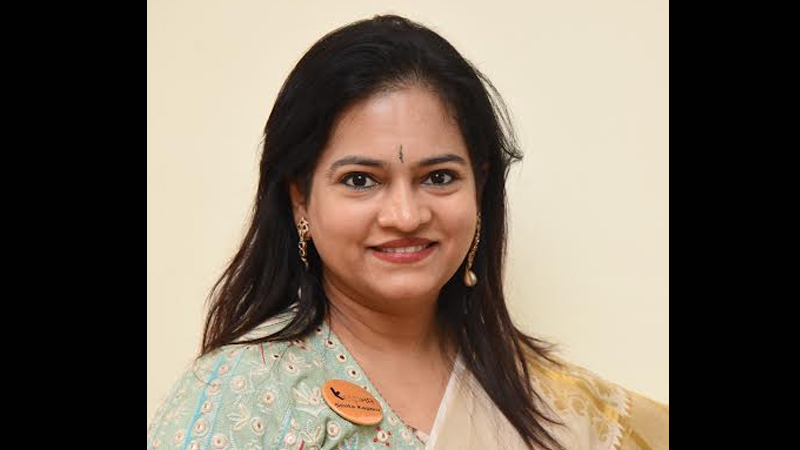
The article has been authored by Kelp CEO & co-founder Smita Shetty Kapoor.