Tag: Karan Chechi

  • Indian broadcasting & cable TV market to surpass $19 billion by 2026, says report

    Indian broadcasting & cable TV market to surpass $19 billion by 2026, says report

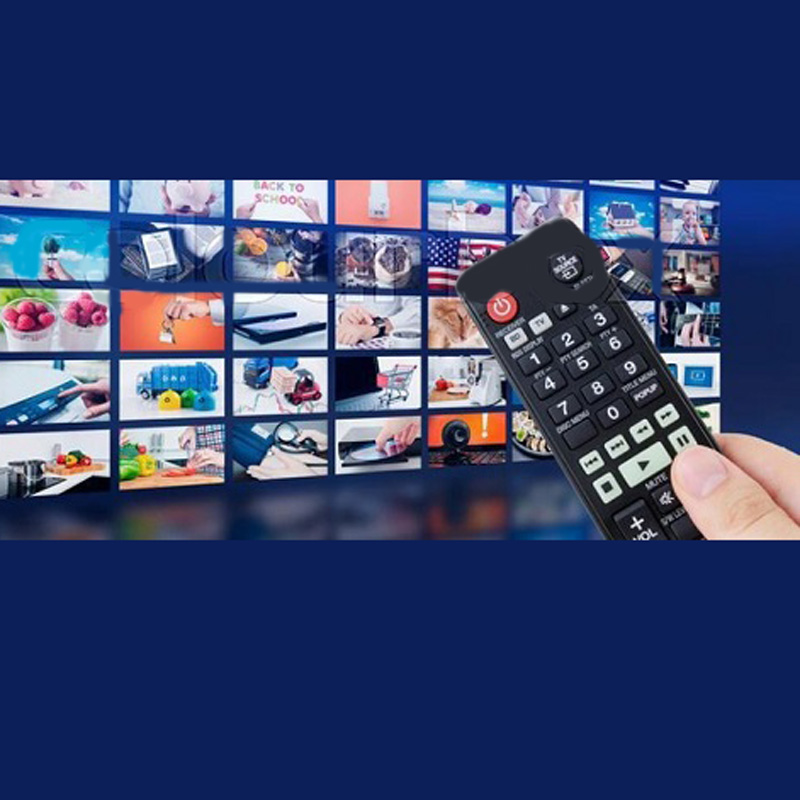
    NEW DELHI: 2020 was packed with unforeseen highs and lows for the Indian broadcasting and cable TV sector. From record viewership, to plummeting ad revenues, to the NTO 2.0 wrangle, the industry is still in a rather precarious position. Despite these challenges, the broadcast and cable TV market, currently valued at $11.61 billion, is expected to reach $19.06 billion by FY2026, states a report by TechSci Research. 

    The India Broadcasting and Cable TV Market report holds favourable regulations, technological advancements and growing investment opportunities as key factors driving this growth. The increasing demand for TV sets, especially in rural India, is also further boosting the market. Moreover, the expansion of the entertainment industry with greater demand for international TV channels and shows will propel the growth of this sector through FY2026.

    In recent times, India has witnessed a surge in active subscriber base with entry of various multi system operators (MSOs). The digitisation of cable TV in the country is at an advanced stage with markets driven by content innovation and product offerings. Direct-to-home (DTH) subscriptions are growing rapidly with increasing per capita disposable income. The increased usage of 3G and 4G services along with an influx of new content creation methods are some other contributors expected to drive the growth of the Indian broadcasting and cable TV market. 

    Increasing disposable income coupled with rising urbanisation has changed the preferences of Indian consumers towards enhanced experience of television viewing. The concept of home theatre has been gaining traction among the new generation, with people always looking for advanced viewing options and latest technologies to better their experience. These factors are expected to fuel growth in the country’s TV and broadcasting market over the next five years.

    Also, there is a rising trend for personalised experience and premium television cable and DTH offerings in India, wherein customers demand personalised channels, picture quality, multiple functionalities in set top boxes, such as a different screen for children, etc. This would likely continue in the coming years as one of major trends for TV and broadcasting industry during the forecast period.

    “Southern region accounts for more than 31 per cent of the demand in India’s broadcasting and cable TV market and the region is expected to continue its dominance in the country during the forecast period as well. Major demand in the southern region is coming from Bengaluru, Kerala, and Karnataka. The area has seen significant developments since the recent years regarding broadcasting and cable technology,” said TechSci research director Karan Chechi.

    India’s broadcasting and cable TV market can be segmented based on type, revenue generation, and region. Based on type, cable TV and satellite accounted for the dominant share as an increasing number of users are shifting towards DTH services from the traditional cable operators, due to high picture quality and affordable prices.

    Some of the major players operating in this segment include Siti Networks, DEN Networks, Tata Sky, GTPL Hathway, Sun Direct TV, Dish TV India, Bharti Telemedia, NXTDIGITAL, Fastway Transmission, and Asianet Satellite Communications, among others.

  • India television market to reach over US$ 9 billion by ’21: Report

    India television market to reach over US$ 9 billion by ’21: Report

    MUMBAI: Increasing disposable income coupled with technological advancements and growing preference for smart, energy-efficient and internet-enabled television will drive the India television market through 2021.

    According to a TechSci Research report on the India television market 2011-2021, the market is anticipated to cross US$ 9 billion by the end of 2021. With a population of over a billion, India is one of the major developing countries with huge middle class population base and rising per capita income. In recent years, Indian television market has witnessed drastic transformations, with consumer preference changing from CRT TVs to Smart TVs. With emergence of new technologies and robust adoption of these technology equipped televisions, the India television market is expected to grow at a robust pace during 2011-2015.

    TechSci Research, a leading global market research firm, serves 700 global clients with more than 600 studies across 11 industrial verticals.

    With increasing digitisation, the number of DTH users in India is expected to increase from 43 million in 2015 to 62 million by 2021. In order to ensure 100% digitization across the country, the Government of India allowed 100% FDI, through automatic route, for broadcast carriage services like teleport, cable services and head-end-in-the-sky (HITS). Backed by favorable government policies and increasing number of DTH users, the demand for televisions, especially Smart TV, is expected to increase in the next five years.

    During the last 15 years, about 90 million people shifted from rural to urban areas in India, which resulted in increase in the number of cities with more than a million population in the country from 25 in 2001 to around 50 in 2014. Moreover, more than 50 million new houses were constructed in urban India during 2001 – 2014. The same trend is likely to continue in the coming decade as well. Increasing urbanization and growing number of households are some of the factors which are expected to propel the growth of the country’s television market during 2016-2021.

    “Electricity costs are increasing every year, and will continue to rise in the future as well. With increasing electricity cost, consumers are upgrading their old electronic appliances, including television, to energy efficient appliances. LED TV as well as LCD TV are energy efficient, and both comprises of different dimming technology to save electricity. LED televisions are 30% more energy efficient as compared to LCD television. A 32-inch LCD TV consumes 95-100 watts, while LED TV of the same size consumes only about 55 watts. While, Plasma TV consumes around 140 watts, which is more than electricity consumption by LED TV, which is around 70-80 watts. Hence, with increasing electricity concerns, companies involved in the business of television in India are launching energy efficient televisions,” said TechSci Research director Karan Chechi.

  • India television market to reach over US$ 9 billion by ’21: Report

    India television market to reach over US$ 9 billion by ’21: Report

    MUMBAI: Increasing disposable income coupled with technological advancements and growing preference for smart, energy-efficient and internet-enabled television will drive the India television market through 2021.

    According to a TechSci Research report on the India television market 2011-2021, the market is anticipated to cross US$ 9 billion by the end of 2021. With a population of over a billion, India is one of the major developing countries with huge middle class population base and rising per capita income. In recent years, Indian television market has witnessed drastic transformations, with consumer preference changing from CRT TVs to Smart TVs. With emergence of new technologies and robust adoption of these technology equipped televisions, the India television market is expected to grow at a robust pace during 2011-2015.

    TechSci Research, a leading global market research firm, serves 700 global clients with more than 600 studies across 11 industrial verticals.

    With increasing digitisation, the number of DTH users in India is expected to increase from 43 million in 2015 to 62 million by 2021. In order to ensure 100% digitization across the country, the Government of India allowed 100% FDI, through automatic route, for broadcast carriage services like teleport, cable services and head-end-in-the-sky (HITS). Backed by favorable government policies and increasing number of DTH users, the demand for televisions, especially Smart TV, is expected to increase in the next five years.

    During the last 15 years, about 90 million people shifted from rural to urban areas in India, which resulted in increase in the number of cities with more than a million population in the country from 25 in 2001 to around 50 in 2014. Moreover, more than 50 million new houses were constructed in urban India during 2001 – 2014. The same trend is likely to continue in the coming decade as well. Increasing urbanization and growing number of households are some of the factors which are expected to propel the growth of the country’s television market during 2016-2021.

    “Electricity costs are increasing every year, and will continue to rise in the future as well. With increasing electricity cost, consumers are upgrading their old electronic appliances, including television, to energy efficient appliances. LED TV as well as LCD TV are energy efficient, and both comprises of different dimming technology to save electricity. LED televisions are 30% more energy efficient as compared to LCD television. A 32-inch LCD TV consumes 95-100 watts, while LED TV of the same size consumes only about 55 watts. While, Plasma TV consumes around 140 watts, which is more than electricity consumption by LED TV, which is around 70-80 watts. Hence, with increasing electricity concerns, companies involved in the business of television in India are launching energy efficient televisions,” said TechSci Research director Karan Chechi.

  • Indian teleshopping to show robust growth through to 2021: TechSci Research

    Indian teleshopping to show robust growth through to 2021: TechSci Research

    MUMBAI: It’s spending time on the home shopping TV genre in India. Global research firm TechSci Reaearch has predicted that expanding television viewers base, increasing penetration, coupled with growing inclination of the people towards more convenient ways of shopping and rising purchasing power are trends that are going to give a leg-up to the teleshopping segment in India from now, and going up to 2021.

    The firm has published a report titled “India Teleshopping Market,” in which it has forecast that the segment will have a compounded annual growth rate (CAGR) of 17.20 per cent during 2016-2021 in India, owing to wide reach of television broadcasting in India, increasing number of people viewing television, coupled with changing lifestyle and growing preference of the people towards more convenient ways of shopping.

    At present, there are over 60 infomercial channels and 10 dedicated channels operating in the television shopping market in India, which is further expected to increase in the coming years majorly, due to growing teleshopping market in India. Moreover, number of private satellite channels in India increased from 826 in 2014 to 847 in 2015, thereby widening scope for television shopping companies in India. In terms of active DTH subscribers in India, there has been a substantial increase in subscription from 40.54 million subscribers in 2014 to 55.98 million subscribers in 2015. Therefore, increasing subscription, rising television viewer base and growing internet penetration to drive India television market through 2021.

    The Indian teleshopping market has been segmented into two categories namely, infomercials and dedicated channels. Dedicated channels dominated India teleshopping market in 2015, and are anticipated to maintain their dominance in the coming years as well, owing to 24 hours telecast, continuous announcement of various cashbacks/ discounts offers and offering branded products.

    Moreover, Homeshop18, Naaptol, and Shop CJ were the leading players in India teleshopping market in 2015, and they are further anticipated to dominate the market through 2021, on account of their increasing penetration, as they have been for longer time in the market as compared to other players. Furthermore, these companies also offer quality products with attractive offers and discounts, which is further anticipated to fuel their dominance in the market during the forecast period,

    “Expanding television viewer base both in urban and rural area, is one of the major driver for India teleshopping market. Growing digitization in semi-urban and rural areas of the country has also propelled the market for teleshopping in the country. Moreover, companies operating in India teleshopping market are now focusing on launching branded products to attract more customers and increase their penetration in the teleshopping market in India. Furthermore, increasing number of discounts and convenience of shopping through television is further anticipate to drive India teleshopping market through 2021,” said TechSci Research director Karan Chechi.

    “India Teleshopping Market By Operation Type, By Region & By Company Forecast and Opportunities, 2011-2021” has evaluated future growth potential of the teleshopping market in India and provides statistics and information on market structure, size, share and future growth in India Teleshopping market. The report is intended to provide cutting-edge market intelligence and help decision makers take sound investment evaluation. Besides, the report also identifies and analyses emerging trends along with essential drivers, challenges and opportunities in the India Teleshopping market.

  • Indian teleshopping to show robust growth through to 2021: TechSci Research

    Indian teleshopping to show robust growth through to 2021: TechSci Research

    MUMBAI: It’s spending time on the home shopping TV genre in India. Global research firm TechSci Reaearch has predicted that expanding television viewers base, increasing penetration, coupled with growing inclination of the people towards more convenient ways of shopping and rising purchasing power are trends that are going to give a leg-up to the teleshopping segment in India from now, and going up to 2021.

    The firm has published a report titled “India Teleshopping Market,” in which it has forecast that the segment will have a compounded annual growth rate (CAGR) of 17.20 per cent during 2016-2021 in India, owing to wide reach of television broadcasting in India, increasing number of people viewing television, coupled with changing lifestyle and growing preference of the people towards more convenient ways of shopping.

    At present, there are over 60 infomercial channels and 10 dedicated channels operating in the television shopping market in India, which is further expected to increase in the coming years majorly, due to growing teleshopping market in India. Moreover, number of private satellite channels in India increased from 826 in 2014 to 847 in 2015, thereby widening scope for television shopping companies in India. In terms of active DTH subscribers in India, there has been a substantial increase in subscription from 40.54 million subscribers in 2014 to 55.98 million subscribers in 2015. Therefore, increasing subscription, rising television viewer base and growing internet penetration to drive India television market through 2021.

    The Indian teleshopping market has been segmented into two categories namely, infomercials and dedicated channels. Dedicated channels dominated India teleshopping market in 2015, and are anticipated to maintain their dominance in the coming years as well, owing to 24 hours telecast, continuous announcement of various cashbacks/ discounts offers and offering branded products.

    Moreover, Homeshop18, Naaptol, and Shop CJ were the leading players in India teleshopping market in 2015, and they are further anticipated to dominate the market through 2021, on account of their increasing penetration, as they have been for longer time in the market as compared to other players. Furthermore, these companies also offer quality products with attractive offers and discounts, which is further anticipated to fuel their dominance in the market during the forecast period,

    “Expanding television viewer base both in urban and rural area, is one of the major driver for India teleshopping market. Growing digitization in semi-urban and rural areas of the country has also propelled the market for teleshopping in the country. Moreover, companies operating in India teleshopping market are now focusing on launching branded products to attract more customers and increase their penetration in the teleshopping market in India. Furthermore, increasing number of discounts and convenience of shopping through television is further anticipate to drive India teleshopping market through 2021,” said TechSci Research director Karan Chechi.

    “India Teleshopping Market By Operation Type, By Region & By Company Forecast and Opportunities, 2011-2021” has evaluated future growth potential of the teleshopping market in India and provides statistics and information on market structure, size, share and future growth in India Teleshopping market. The report is intended to provide cutting-edge market intelligence and help decision makers take sound investment evaluation. Besides, the report also identifies and analyses emerging trends along with essential drivers, challenges and opportunities in the India Teleshopping market.