Tag: Kantar

  • Gen Alpha kids prioritise close bonds with parents over peers: Kantar Kidscan report India 2024

    Gen Alpha kids prioritise close bonds with parents over peers: Kantar Kidscan report India 2024

    Mumbai: Post-pandemic, Gen Alpha’s engagement with digital media has surged, significantly influencing family choices in food, entertainment, IT products, durable goods, and FMCG.

    To explore this generation’s impact, Kantar has launched the 2024 Kidscan India report, providing insights into the lives of nearly 2,500 children aged 5-14 and their parents across 14 Indian cities from NCCS A, B, and C households. The report examines Gen Alpha’s interactions with brands in food, beverages, technology, and media, with a focus on television and digital platforms, and delves into their preferences, ambitions, and lifestyle influences.

    Kantar director, specialist businesses, insights, South Asia, Puneet Avasthi said: “Gen Alpha is reshaping the family dynamic in ways we haven’t seen before. Their influence is far-reaching, from tech and entertainment choices to key household purchases. The 2024 Kidscan Report captures these shifts, providing brands with invaluable insights into the preferences and digital behaviours of this new generation. For brands, understanding Gen Alpha is not just an opportunity but an imperative to stay relevant in a rapidly evolving landscape.”

    Key highlights of the report:

    1.    Gen Alpha kids today enjoy enormous freedom and discretion in their career choices – 55 per cent of parents are allowing full discretion to their kids over their career choices.

    2.    Children are wielding growing influence over family purchase decisions across various product categories- 1.46X increase in incidence of parents taking into considerations their kid’s choice or opinion when purchasing a Smart TV as compared to 2022.

    3.    Gen Alpha is increasingly gravitating towards digital media, with online video consumption sharply rising – Kids now spend 60 per cent more time watching online videos than they did in 2022.

    4.    Gen Alpha is increasingly driven to a more digital recreational experience. 69 per cent of kids find video games more enjoyable than outdoor play.

    5.    Gen Alpha kids increasingly value close, friendly bonds with their parents over traditional peer relationships – 57 per cent more kids now choose to confide their secrets in their mothers over friends

  • Hybrid media & digital surge redefine rural India: Rural Barometer report 2024

    Hybrid media & digital surge redefine rural India: Rural Barometer report 2024

    Mumbai: WPP’s media investment group, GroupM, and Kantar, a global marketing data and analytics company, have released the fifth edition of the Rural Barometer report. This report provides insights into rural India’s current sentiments, consumption patterns, and economic behaviors, along with the growing adoption of digital technologies and their impact on various sectors, offering a detailed view of the rural landscape.

    The 2024 Rural Barometer highlights a 60 per cent increase in the average FMCG basket size among rural consumers, rising from 5.8 in 2022 to 9.3 in 2024, driven by a preference for convenience products. This growth reflects lifestyle changes and rising purchasing power in rural areas. States like Jammu & Kashmir (39 per cent), Maharashtra (41 per cent), and Odisha (26 per cent) show moderate FMCG basket growth despite fewer financial concerns. This trend is supported by rising rural incomes and diversified income sources, including salaried income.

    The report also reveals a divide: 19 per cent of rural individuals rely solely on agricultural income, with 82 per cent of them facing financial concerns, while the remaining 81 per cent with diverse income sources report less stress and larger basket sizes.

    In media consumption, rural India increasingly adopts a hybrid approach of traditional and digital media, with 47 per cent following this trend, especially in areas with better digital infrastructure. States like Bihar, Jharkhand, Uttar Pradesh, Madhya Pradesh, and Chhattisgarh, however, remain less digitally connected, requiring targeted media strategies.

    GroupM OOH solutions in India MD Ajay Mehta added, “The rural landscape is no longer just a geographical space; it’s a digital frontier ripe with opportunities. As rural consumers embrace online platforms, brands must adapt their strategies to meet them where they are. By investing in digital initiatives that resonate with rural India’s aspirations, brands can  contribute to the nation’s development and tap into a burgeoning market that promises substantial  growth.”

    “2024 Rural Barometer report shows that rural consumers are experiencing rising purchasing power and evolving lifestyles, as seen in increased basket sizes and a preference for convenience products, despite ongoing financial concerns. Regional differences in financial resilience are linked to diverse employment opportunities. We are also seeing rural media consumption shifting toward a hybrid of traditional and digital formats, though digital access remains uneven across states,” said Kantar director – specialist businesses, insights division – Puneet Avasthi.

    As rural India evolves, digital platforms are becoming crucial for engaging consumers. From payments and e-commerce to gaming and lifestyle content, the digital landscape is expanding. While traditional media remains important, a hybrid approach combining online and offline channels is key to reaching rural audiences. By understanding rural consumers’ needs and preferences, brands can tap into this growing market.

    Rural consumers are increasingly interested in lifestyle content, such as fashion, health, and travel, reflecting their desire for topics that align with their daily lives and aspirations.

    The report also highlights a shift towards digital payments, now used by 42 per cent of active internet users, and e-commerce, used by 23 per cent. This indicates growing financial and digital inclusion in rural India.

    Highlights:

    1. Rural India has seen a marked increase in the average basket size from 5.88 in 2022 to 9.3 in 2024, driven by higher consumption in convenience categories like RTE, beverages, etc.

    2. States where rural consumers have less concerns on the current financial situation, largely have shown higher growth in basket size.

    3. Rural consumers with diversified income streams display the least financial concerns and have larger monthly category basket size.

    4. Rural India’s media consumption is increasingly hybrid, with nearly one in two of rural consumers exposed to both online and offline media.

    5. Telecom and digital can be effective in providing incremental reach in Hindi-speaking markets.

    6. Digital platforms for payments, e-commerce, and gaming platforms are gaining traction, while genres like fashion, travel and fitness are popular among rural online users reflecting a growing interest in lifestyle-oriented topics.

  • TAM seeks to re-enter TV ratings: Storyboard18 report

    TAM seeks to re-enter TV ratings: Storyboard18 report

    MUMBAI: The TV ratings saga in India has got a new twist, if Network18’s Storyboard18 is to be believed. According to an unconfirmed report filed with it, the erstwhile TV viewership monitoring body TAM Media is seeking to take a majority stake in its 49: 51 joint venture with BARC – Meterology Data  Pvt Ltd (MDPL), the meter management company which manages panel operations for India’s  current TV audience measurement system.

    MDPL deploys and maintains the meters that form the TV panel, as per sample design specifications and guidelines laid down by the BARC technical committee, and supplies raw data to it which in turn provides it to channels, agencies and marketers.

    To get some perspective, TAM has been pursuing the ministry of information and broadcasting (MIB) to issue it a licence to monitor viewership of India’s television landscape, a role it performed prior to BARC taking charge, following a section of the industry’s disgruntlement with the former. But the MIB has yet to decide on its application.

    Currently, management control of MDPL lies in BARC’s hands,  which provides TV viewership figures, while TAM provides advertising expenditure, radio listenership and sports related data.

    A section of the industry believes that with TAM taking majority control of MDPL, a reverse merger between the two would be a logical conclusion, the storyboard18 report states, quoting anonymous sources, The other option is that TAM gets a licence and television in India has two ratings agencies, which will be unaffordable to the media and advertising industry because of the huge costs involved, explains the storyboard18 report.

     It adds that TAM (a 50:50 joint venture between Nielsen and Kantar Media) will also have to undergo shareholding structural changes with media agency Group M exiting from Kantar Media (on account of conflict of interest, as per Indian regulations) before the MIB can issue it a licence. 

    Picture courtesy Hathway annual report)

  • TCS hits hat-trick as India’s most valuable brand: Kantar BrandZ report

    TCS hits hat-trick as India’s most valuable brand: Kantar BrandZ report

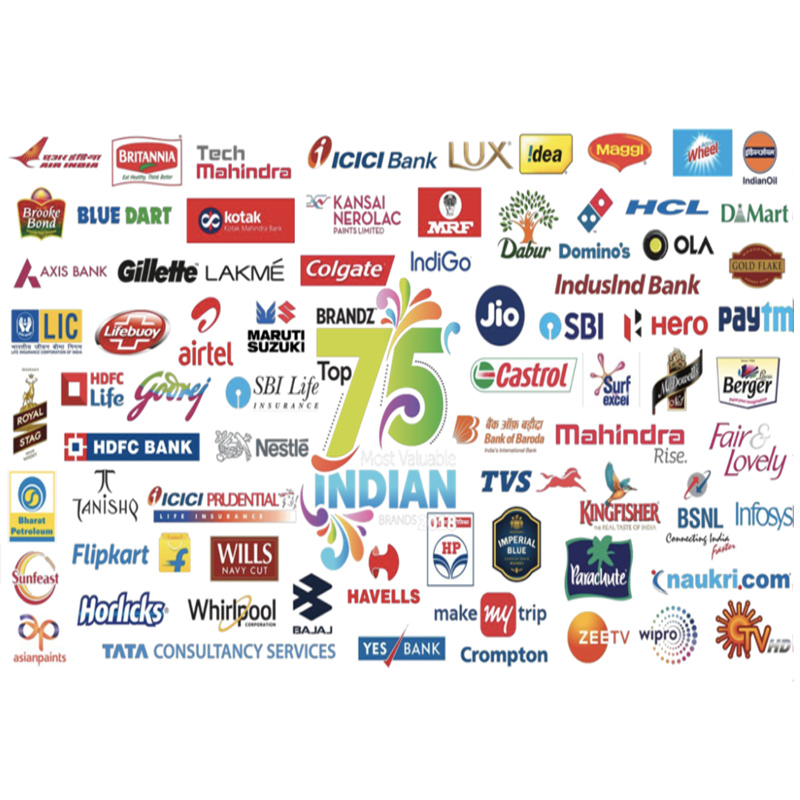
    Mumbai: Tata Consultancy Services (TCS) remains the nation’s most valuable brand for the third straight year, according to the new ‘Kantar BrandZ Most Valuable Indian Brands Report’ published today. With a brand value of $49.7 billion, TCS has seen a 16 per cent rise versus last year, driven by investments in innovation, particularly in AI and digital transformation. 

    India’s top 75 most valuable brands now have a combined value of $450.5 billion, marking a 19 per cent increase from last year. Brands across diverse business sectors fuelled this growth, with 54 brands boosting their brand value over the past year. This impressive growth outpaces most other BrandZ rankings globally and closely mirrors the 20 per cent increase seen in the global top 100.

    TCS tops a strong group of seven business technology and services platforms, collectively worth almost $100 billion, and equalling 22 per cent of the total value of India’s top 75 ranking.

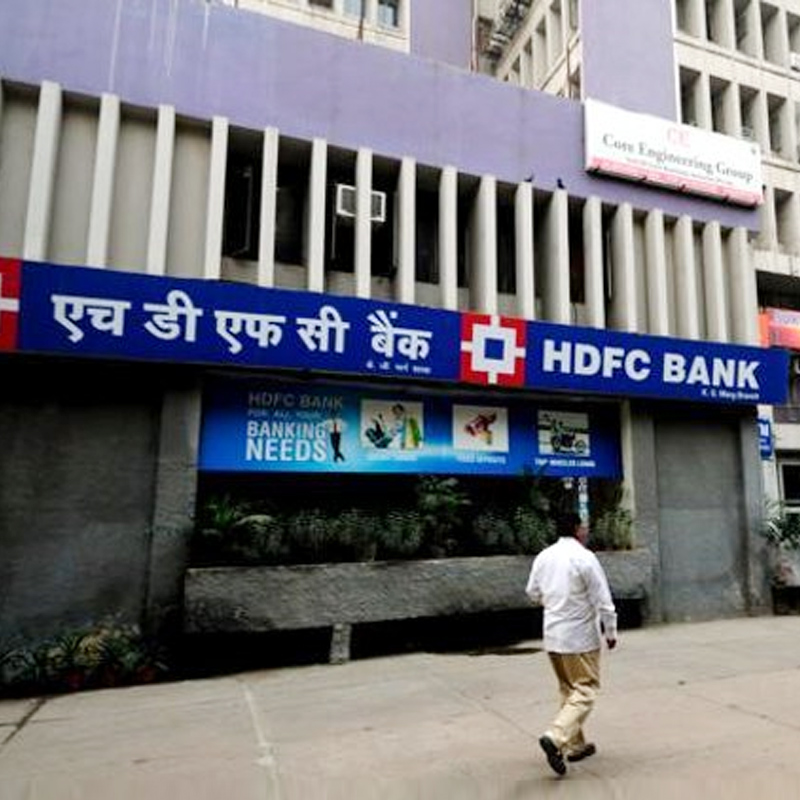
    Financial services brands also dominate, with 17 brands, contributing 28 per cent of the ranking’s overall brand value. HFDC Bank (No.2; $38.3bn) retains its position as India’s second most valuable brand. State Bank of India (No.5; $18.0bn), ICICI Bank (No.6; $15.6bn) and LIC (No.10; $11.5bn) also feature in the top 10.

    Zomato (No.31; $3.5bn) is this year’s fastest riser with 100 per cent growth in brand value year-on-year due to relentless innovation and expansion into quick commerce. It has also boosted efficiency and elevated its customer experience over the last year.

    The automotive sector has also seen impressive results, led by Maruti Suzuki (No.17; +24 per cent), Bajaj Auto (No.20; +94 per cent), Mahindra (No.30; +78 per cent), TVS (No.34; +71 per cent) and Hero (No.35; +62 per cent). Mahindra’s SUVs now make up 53 per cent of India’s passenger car market (June 2024). The success of models like XUV700, Scorpio N, and Thar, which continue to see high demand and long waiting periods, has solidified Mahindra’s leadership in mid and premium SUVs.

    Rising disposable income and a growing middle class are driving demand for vehicles, shifting car ownership from a status symbol to a necessity. Improved infrastructure, government support for EVs and strong export growth expectations are further fuelling the industry’s momentum.

    India’s motorised two-wheel vehicle market is bouncing back, driven by a recovering economy and rising demand for personal transportation. Key factors include urbanisation, the need for affordable transport, and a growing young population. New models with advanced technology are also fuelling growth, meeting diverse consumer needs.

    Seven brands debut in India’s brand ranking this year, including jewellery retail brands CaratLane (No.45; $2.7bn) and Kalyan Jewellers (No.71; $1.6bn) and Real Estate brand, Lodha (No.63; $1.9bn). Godrej Properties (No.70; $1.66bn) also re-enters the ranking.

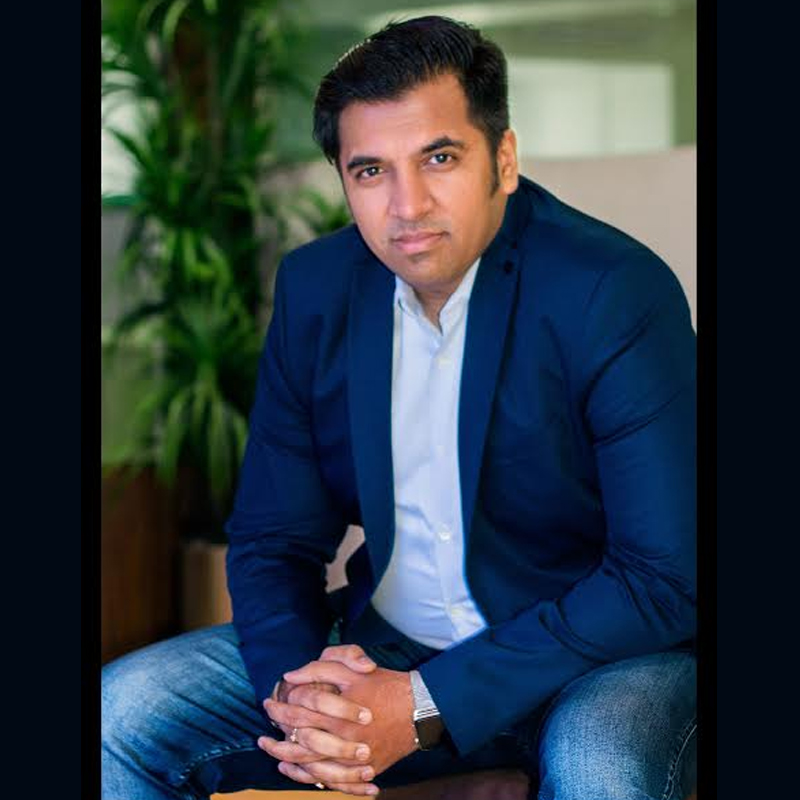
    Deepender Rana

    Kantar executive managing director, insights, South Asia – Deepender Rana said, “Strong brands consistently outperform the market. Over the past year, the companies behind India’s Top 75 brands have achieved an impressive 52 per cent stock market growth, outpacing the 37.6 per cent growth for the Sensex. Brands that thrive are those that create a Meaningful Difference by meeting evolving consumer needs, challenging industry norms, and forging strong emotional connections. The top performers in this brand ranking have excelled by embracing disruption and innovation, leading to significantly higher growth.” 

    Kantar BrandZ top 10 most valuable Indian brands 2024

    Rank 2023 Rank 2024 Brand Category Brand Value 2024 (US$ M)
    1 1 Tata Consultancy Services Business Technology and Services Platforms 49,657
    N/A 2 HDFC Bank Financial Services 38,286
    4 3 Airtel Telecom Providers 29,856
    3 4 Infosys Business Technology and Services Platforms 25,221
    5 5 State Bank of India Financial Services 17,979
    6 6 ICICI Bank Financial Services 15,604
    8 7 Jio Telecom Providers 13,744
    7 8 Asian Paints Paints 13,555
    10 9 HCL Tech Business Technology and Services Platforms 11,815
    11 10 LIC Financial Services 11,499

    India’s GDP growth outlook is bright, with an expected 8.2 per cent increase compared to the global average of 3.1 per cent, potentially positioning the country as the world’s third-largest economy by 2030. However, despite strong investor confidence, large brands face a looming challenge: a long-term decline in demand power. While they may remain stock market favourites for now, they risk losing relevance in the minds of consumers if they don’t adapt to shifting expectations.

    Soumya Mohanty

    Kantar’s MD & chief client officer, insights, South Asia – Soumya Mohanty said, “It’s not enough to make consumers want to buy, brands must build their saliency and relevancy across all touchpoints, from advertising to in-store experiences. Successful brands create a consistent presence that resonates with consumers, driving both awareness and loyalty. Those that thrive have combined strategic reach with compelling, creative messaging to capture consumer attention and drive significant brand growth.”

    Other key highlights from the Kantar BrandZ most valuable Indian brands report include:

    • Opportunity to expand beyond national borders: Many Indian brands remain heavily reliant on the domestic market, benefiting from a stable local economy. However, the global market of 6.7 billion people remains largely untapped, with overseas contribution accounting for only 26 per cent of the top 75 Indian brands. Indian brands must expand beyond their borders to unlock their full potential on the global stage.  
       
    • A blueprint for brand growth: Kantar’s new blueprint for brand growth is designed to help businesses build profitable, strong and sustainable brands in recognition that being meaningfully different to more people is a key driver for growth. While maintaining meaningful difference is a global challenge, it is more pronounced in India. With over 20 per cent of Indian brands lagging in this area, the need to adapt and differentiate is more critical than ever to remain competitive and see long-term growth.

    The Kantar BrandZ Most Valuable Indian Brands ranking, report and extensive analysis are available now at www.kantar.com/campaigns/brandz/india   

    Built on Kantar’s meaningful different and salient framework, BrandEvaluator is an innovative tool that delivers a robust brand equity assessment in as few as four days, empowering strategic decisions that drive sales and growth.

  • Kantar: Consumers in India are taking up ‘offers’ faster online than offline

    Kantar: Consumers in India are taking up ‘offers’ faster online than offline

    Mumbai: Kantar, a marketing data and analytics company, has launched ‘Uncovering Consumer Decision Making in Digital Commerce’ a comprehensive report collating multiple studies done across various categories, to help marketers formulate winning strategies for digital commerce.

    The research reveals a significant difference in availing offers online and offline by consumers. 86 per cent of online consumers are willing to take up offers while the offline offer uptake stands at 60 per cent which is a wide gap. Online buyers are more price sensitive and avail more offers compared to offline buyers. Therefore, it is important for marketers to optimise discount and promotion offers (own and with partners) considering channel dynamics and to understand the psychological thresholds to pricing.

    Other key findings of the report include:

    When it comes to selecting a digital payment instrument, brand reputation dominates as the primary factor, standing at the highest (index of 100) while other parameters such as ‘interest on earning’, ‘platform Fee & charges’ and ‘cashbacks on all transactions’, lags behind at 47, 43 and 18 (indexed to brand reputation) respectively.

    While selecting the e-commerce platform for online purchases, consumers’ look for foundational needs being met and hence delivery type & delivery charges stand highest (index of 100), followed by ‘discounts’ and ‘delivery time’ (61 and 52 respectively- indexed to delivery type & charges). This gives a clear indication to brands to keep a stronghold on these basics for customer loyalty and understand consumer’s maximum thresholds for delivery charges, delivery time and minimum thresholds for discounts.

    While consumers may expect to have many services and features available on the app, they would be willing to pay only for the services and features which fulfils an unmet need or have a tangible benefit. Kantar points out that it is important to estimate consumer’s willingness to pay for each service and feature, in order to construct subscription packages and to monetize profitably.

    A key aspect of consumer decision-making on digital platforms is Priced offers vis- a – vis free service/content. The report points out that while constructing and pricing subscription packages / offer bundles and monetizing services and features in digital commerce space, it is important to consider (and not ignore) free services and content available on the web as real competition because in consumer’s mind, these are relevant options and something they can easily switch back to.  Explaining this further, the report highlights that discounts on medicines are already available on many sites and thus, willingness to pay for it in a subscription plan is very low. The same is true for services such as nutritional / diet advice which are available for free on many health-related sites and platforms.

    Lastly, the report points out that loyalty program subscribers expect higher tangible rewards in return. This can vary by category. For one category, the expectation from the conversion rate for reward points to cash for loyalty program subscribers was 1.17 times that of the conversion rate for regular users and for another it was 1.31. Kantar recommends that in order to balance between consumer loyalty, rewards payout based on loyalty programs and profitability, it is important to estimate and optimize the reward-to-cash ratio and benefit from the difference in these expectations across program subscribers and regular users (to get them onboard) by different categories.

    Commenting on the report, Kantar MD & chief client officer, insights division, South Asia Soumya Mohanty said, “India’s online shopper base is to be the 2nd largest globally by 2030, with nearly 500-600 Mn shoppers, as per Invest India*. To capitalise this massive growth and be future-ready, it becomes even more important to listen to what consumers want from your category, brand, and those you partner with.

  • Google & Kantar study reveals key to news subscriptions

    Google & Kantar study reveals key to news subscriptions

    Mumbai: Google, in partnership with Kantar, has released a new research report titled, “The Indian News Consumer: Willingness to Pay and Key Drivers” at the third edition of the Google News Summit.

    At a time when newsrooms are experimenting with different combinations of formats, revenue streams and content types, the study shines a light on the levers that drive online news subscriptions and how these vary across languages. The study incorporates qualitative and quantitative data from over 2000 respondents and nine languages. The insights aim to equip publishers with the knowledge to navigate the digital landscape, capitalise on reader revenue opportunities, and foster sustainable growth, particularly in local language markets.

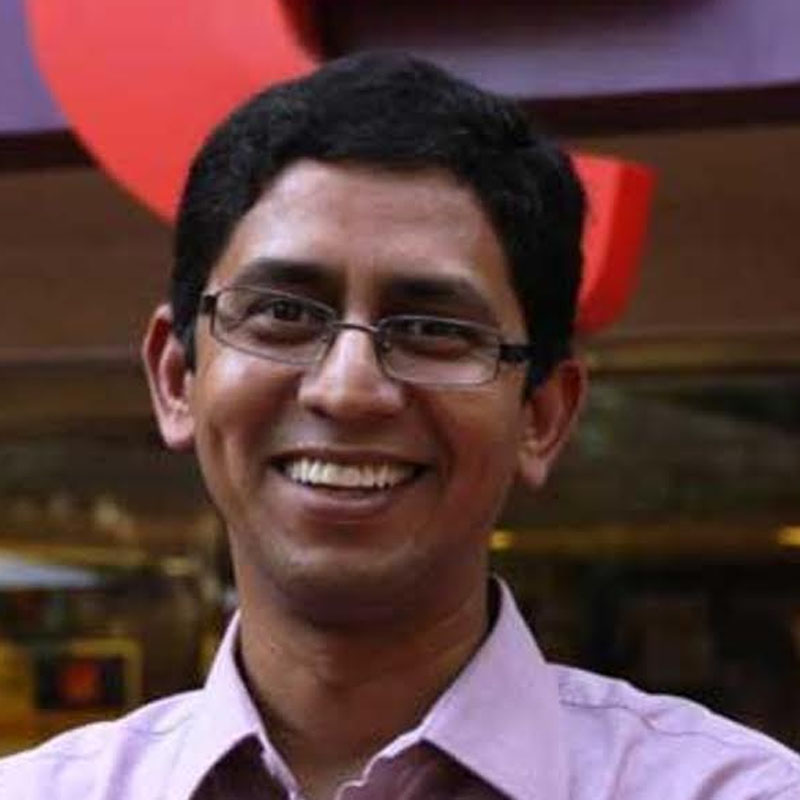
    Shedding more light on the findings of the research, Kantar director – B2B & technology, Biswapriya Bhattacharjee said, “Indian digital news consumers increasingly crave immersive, more relevant news consumption experiences, creating a prime opportunity for premium offerings. However, the price-sensitive nature of the market necessitates a diversified revenue strategy. What also comes out strongly is that in order to expand the user base, a meaningfully different and well-communicated value proposition is essential.”

    Google India head of India news partnerships, Durga Raghunath said, “The Indian digital news market is experiencing dynamic growth, driven by increasing internet penetration and an expanding ecosystem of local language publishers. Understanding the nuances of reader revenue models is crucial for the sustainability and growth of digital news. As part of our ongoing efforts to support the news ecosystem, this research provides valuable insights into reader preferences and behaviors, empowering publishers to make informed decisions about their monetisation strategies and build stronger connections with their audiences.”

    Understanding barriers and opportunities for reader revenue in India:

    Users, while recognising the value of quality journalism, are overwhelmingly driven by convenience and deterred by cost and a lack of clarity regarding the value proposition of paid subscriptions.

    ●    67 per cent of current subscribers in the study cited “reliable content” as a primary factor in their decision to subscribe.

    ●    Among those who haven’t subscribed, the top three barriers cited are “overwhelmed by too many plans/prices” (39 per cent), “limited budget” (35 per cent), and “lack of flexible payment/cancellation options” (33 per cent). This contrast underscores the need for publishers to clearly articulate the value proposition behind each while addressing pricing and flexibility concerns.

    ●    Once again, user preferences vary interestingly by language. The study consistently reveals that “news in the preferred language” is a highly valued content element across various language groups, including Hindi (67 per cent), Bengali (75 per cent), Tamil (63 per cent), and Gujarati (79 per cent).

    While subscription and other revenue models have varying appeal, the overall willingness to pay for digital news content, whether through subscriptions or other models, is comparable between local language and English language news consumers in India.

    ●    Both Kannada and Tamil speakers are relatively more receptive to subscriptions. They are also open to sharing first-party data and micro-transactions in the form of either pay-per-content or mini-access pass.

    ●    In contrast, first-party data is likely to be the way to unlock value with Bengali and Malayalam speakers. This diversity provides publishers with a wider range of revenue models to explore.

    Opportunities for news publishers

    ●    Marketing a clear value proposition: Publishers need to bridge the gap between subscription offerings and audience understanding of the key value proposition. Highlight the unique value of content, emphasizing features like in-depth reporting and specialised coverage not available for free.

    ●    Simplify and streamline subscription: Prioritise transparent pricing, simplification, and flexibility. Offering clear pricing, easy cancellation, and sufficient free trials can build trust, demonstrate value and drive conversions.

    ●    Diversify revenue streams: One size doesn’t fit all. Experiment with micro-transactions, first-party data sharing, and ad-supported models alongside subscriptions.

    ●    While users value ad-free experiences, affordability is an important consideration. Consider a hybrid model offering a small subscription fee with limited ads. Invest in robust newsletters to cultivate a loyal audience and provide additional value.

    ●    Offer flexibility and control: Empower users with flexible payment options like shorter billing cycles and customisable plans. While free trials attract new subscribers, focus on long-term value through bundled plans to ensure retention. Features like saving articles and content filtering provide greater control over their news experience.

    ●    Elevate the Indic language experience: The research also reveals that Indic language publications often encounter difficulties navigating subscription processes and accessing content. Dedicate resources to build a seamless experience for Indic language users, including intuitive interface design and easy language-switching functionality.

    While barriers to paid subscriptions exist, so do substantial opportunities. By prioritising a clear value proposition, a user-centric approach to design and functionality, payment flexibility, and tailored strategies based on language demographics, news publishers can enhance user confidence, increase willingness to subscribe, and drive growth in the evolving digital landscape.

  • Parle tops charts as the most chosen in-home FMCG brand for 12th year in a row: Kantar Brand Footprint India 2024 report

    Parle tops charts as the most chosen in-home FMCG brand for 12th year in a row: Kantar Brand Footprint India 2024 report

    Mumbai: Kantar has released the twelfth edition of its annual Brand Footprint India report. The report ranks the most chosen (in-home & out-of-home) FMCG brands based on consumer reach points (CRP’s). CRP considers the actual purchase made by consumers and the frequency at which these purchases are made in a calendar year.

    Key findings: In-home segment:

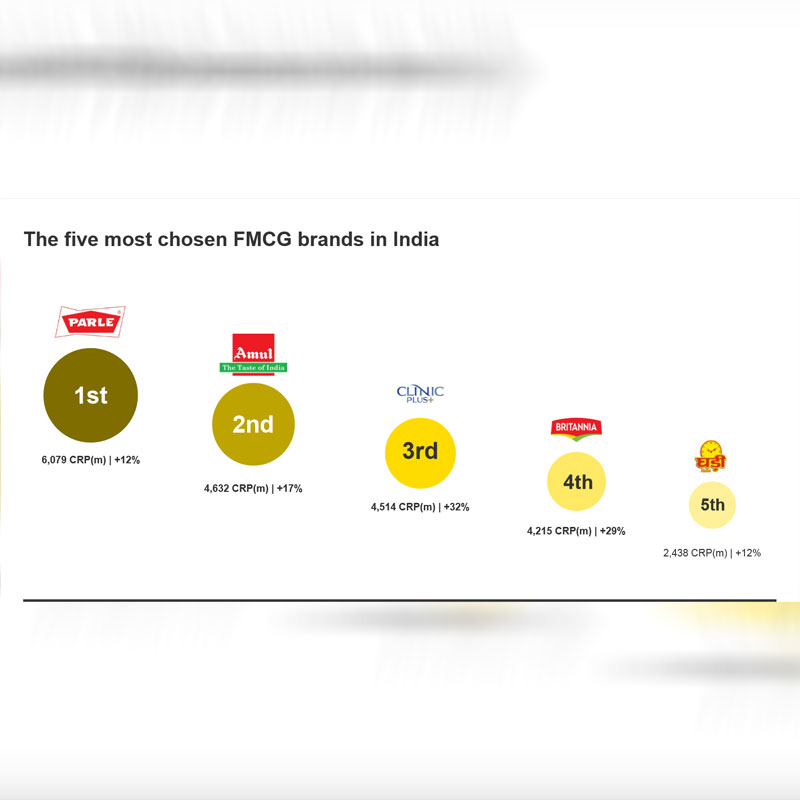
    1.    With a CRP score of 7980 million, Parle holds the top spot for a record twelfth year in a row, followed by Britannia, Amul, Clinic Plus and Tata Consumer Products.

    2.    Consumer reach points (CRP’s) continue to grow, however is slightly lower than last year. Overall, CRP’s have increased almost 33 per cent in the last five years.

    3.    All sectors have seen a CRP growth slow down, except dairy:

    4.    Brands chosen more often have greater probability of growing in CRP:

    5.    Haldiram’s and Balaji are the only two brands in the 2024 top 25 in-home brand list to grow by more than 30 per cent in CRPs in 2023.

    6.    Sunfeast leads the way in biggest penetration gains in 2023 at 6.4. The following brands make it to the top 10 list:

    7.    Seven brands in the top 25 in-home rankings show more than 20 per cent penetration increase in the last decade. Britannia leads the way, followed by Surf Excel, Sunfeast, Haldiram’s, Patanjali, Brooke Bond and Vim.

    Key findings: Out of home segment:

    1.    Britannia leads the way in the second edition of OOH brand rankings with 628Mn CRP’s. It is followed by Haldiram’s, Cadbury, Balaji and Parle. The top five rankings are all snacking brands and remain the same as 2023.

    2.    The five most chosen OOH beverage brands in India are Thums Up, Frooti, Amul, Maaza, & Bisleri.

    Speaking about this year’s report and rankings, Kantar MD – South Asia, worldpanel division, K. Ramakrishnan said, “Consumer choice is very reliable strength test for a brand across market conditions and Brand Footprint has been a widely acclaimed ranking system to measure this for over a decade now. As we see over the years, consumers are making increasing trips for purchase and that adds their options and in-turn, their choice. This is reflected in the constant increase in CRP’s. We also introduced an out of home rankings last year as OOH consumption is on the rise and has different choice triggers.”

  • Kantar’s Brand Inclusion Index names Google, Tata Motors, Amazon, Jio and Apple as the most inclusive brands in India

    Kantar’s Brand Inclusion Index names Google, Tata Motors, Amazon, Jio and Apple as the most inclusive brands in India

    Mumbai: A marketing data and analytics business, Kantar has launched the Brand Inclusion Index (BII), a global study which reveals that 75 per cent of consumers say that a brand’s diversity and inclusion reputation influences their purchase decisions. A staggering 68 per cent Indians claim to have been discriminated against, and in majority of cases in commercial places and brand touchpoints, which is substantially higher than the global figure which stands at 46 per cent. The study also showcases that DEI is important for an overwhelming majority of Indians, both in life and while making brand choices, with 86 per cent of respondents.

    The study identifies that inclusive marketing is a significant opportunity to drive brand growth. It is clear that brands who fail to address discrimination, risk alienating a significant portion of their customer base. Despite progress made by some brands, the Brand Inclusion Index 2024 reveals a significant inclusion gap that businesses must address. This gap is the difference between the proportion of people in a market who have experienced discrimination and the percentage who believe in the importance and influence of diversity and inclusion.

    Kantar’s Brand Inclusion Index 2024 is a survey of more than 23,000 people in 18 countries, the India leg comprises 1000 plus respondents with an inclusive demographic which is gender expansive, disability, socio-economic class, religion, etc.

    The findings of the Brand Inclusion Index sit in the context of preliminary research from the Unstereotype Alliance with Oxford University’s Saïd Business School, using data from Alliance members including Kantar. This study has found that progressive, inclusive advertising drives a significant sales uplift of over 16 per cent when compared with less progressive ad content and has a significant impact on consumer loyalty, buying intentions and a brand’s pricing power. Respondents assess brands on different dimensions – brave brand DEI strategy, diversity, equity, and inclusion – from the absence of negative actions, to the presence of positive initiatives.

    The first edition of India Brand Inclusion Index study explores skincare, banking, automotive and technology categories. In its Index of the world’s most inclusive brands, Kantar ranked Google, Amazon, Nike, Dove and McDonald’s in its global top five while in India, it is Google, Tata Motors, Amazon, Jio and Apple. The brands were recognised by consumers for setting a positive example by demonstrating a genuine commitment to diversity, equity, and inclusion (DE&I).

    Key findings:

    . There’s an urgent need for brands to address DE&I failures: A staggering, 68 per cent Indians claim to have been discriminated against, and in majority of cases in commercial places and brand touchpoints, which is substantially higher than the global figure which stands at 46 per cent. The study also showcases that DEI is important for an overwhelming majority of Indians, both in life and while making brand choices with 86 per cent respondents.

    . Consumer expectations are high, globally: 75 per cent of consumers globally say that diversity and inclusion – or a lack thereof – influence their purchase decisions.

    . DEI is yet to make its mark on Indian advertising:

    . More women are seen in Indian ads than global average but they remain bound by traditional roles of homemakers and mothers (Seven per cent women are featured in non-traditional roles)

    . Fairness of skin may have transitioned to glow but skin colourism continues to exist in creatives

    . Sizes remain slim and small. (Seven per cent diverse body shapes)

    . Ageism dominates with 40 plus women represented in less than one out of five ads (15 per cent in India vs 26 per cent globally)

    . Underrepresented groups are most vulnerable: Ad protagonists and characters in India are painted in broad strokes of what they, their homes, beliefs and lifestyles look like, ignoring ethnic minorities, LGBTQ

    . Ads that successfully portray people positively provide greater predicted ROI for advertising investment. There has been growth in the industry in positive portrayal of Males over the last year, but a drop in Female portrayal since last two years

    . Globally, people with disabilities and LGBTQ+ individuals report the highest rates of discrimination (81 per cent and 62 per cent respectively), emphasising the need for targeted efforts to create more inclusive environments and content

    . Google, recognised as most inclusive brand in India as well as globally. It emerges as a beacon of hope, ranked by Kantar as the most inclusive brand globally. Consumers, particularly in marginalised communities, praised Google for its unwavering commitment to DE&I in its internal policies, products and marketing, its authentic representation of people from all walks of life and its leading-edge innovation for inclusion

    . Alongside Google, Tata Motors, Amazon, Jio and Apple emerged in the top five winners in India. Category-wise, the India top Brand Inclusion Index scorers are – Google (technology), Tata Motors (automotive), SBI (banking), Dove (skincare).

    Kantar’s global head of diversity, equity and inclusion Valeria Piaggio said, “It’s a myth that inclusion marketing is about marketing to minorities. Inclusion marketing is expansive marketing. One of the fundamental ways to grow your brand is to predispose more people to it. Yet when brands exclude consumers – whether that’s because people don’t feel welcomed when shopping in stores or their advertising doesn’t reflect diverse communities – it’s an easy miss.

    “Millennials and Gen Z prioritise diversity and inclusion even more than other groups, and as these populations grow in size and buying power these issues will carry more weight. Brands will be rewarded if they stand by their values – especially in the face of vocal communities which stoke the culture wars by pitting minority groups against one another.”

    Kantar MD & chief client officer- South Asia, insights division, Soumya Mohanty said, “In a country of India’s size, the term under-represented groups can be misleading for brands to use as a guiding light. Minorities can translate into millions of people who may choose or not choose to buy your brand, based on how well they feel seen, heard and voiced in your brands. It is a business imperative for brands to prove that they are serious and committed about DEI. The Brand Inclusion Index – our breakthrough study on brand inclusion – gives clear indications of how to achieve the inclusivity imperative. Our analysis of what’s behind the most inclusive brands is that they all have three things: a well-thought-out DEI strategy that stems from company actions and is committed long-term, impeccable creative execution, and bravery. The element of bravery will be increasingly important. As in other moments in history, when there’s significant social change, there are groups of society that seek to maintain the status quo, feel threatened, and as a result, react loudly.”

    Mohanty added, “To avoid backlash, brands today need to be extra careful. Full inclusion needs to work at both ends of the spectrum: reaching out to underrepresented populations and making them count, while avoiding negative reactions from people who are used to seeing themselves well-represented by brands and don’t want to be left behind. This study brings understanding of how people perceive brands based on their DEI efforts, focusing on populations that tend to be excluded, underserved, or misrepresented. The Brand Inclusion Index gives marketers clear benchmarks for brand inclusion and inspiration from brave brands that are seen as diverse, fair, and inclusive.”

  • Kantar launches edition four of its Creative Effectiveness Awards India

    Kantar launches edition four of its Creative Effectiveness Awards India

    Mumbai: Kantar, the world’s leading marketing data and analytics company tested more than 12,000 creatives for its clients around the world in 2023. Over 11 per cent (1,400 plus) of those creatives were tested in India. Today, Kantar unveils the ads that were most effective and creative across India in 2023.

    What makes these awards unique is that consumers are the jury. As people control a brand’s fortunes through their spending power, their voice decides what is effective advertising. The India report shortlists close to 300 ads, tested across categories, markets, TG’s and media channels.

    The winners list has doubled from last year, with Kantar awarding 10 standout performers in the television ads category and four in the Digital ads category.

    Television categories include food & beverage, home care, personal care, services and unstereotype. New categories introduced include ‘Original Creatives for South’, ‘Adaptations for South’, Most Creative & Effective TV Ad (overall) and Most Consistently Effective Advertiser. Creatives for Digital continue to grow this year as well, with Kantar awarding standout performers in four categories- three based on ‘Ad Length’ format and one for the Most Creative & Effective Digital Ad, for bringing to life the exciting storytelling possibilities in the digital world.

    All ads exemplify essential characteristics of being creatively engaging and landing persuasive stories that enhance brand sales.

    Kantar Creative Effectiveness Awards India 2024 winners:

    Award Type

    Category Type

    Corporate

    Creative Agency

    Brand

    Creative

    CATEGORY AWARDS

    Food & Beverage

    Mondelez

    Ogilvy

    Choco Chips

    Chhote Chhote Cadbury

    Home Care

    Hindustan Unilever

    Ogilvy

    Surf Excel Easy Wash

    Surf Excel Gokul

    Personal Care

    Colgate-Palmolive India 

    Ogilvy

    Colgate Max Fresh

    Doctor

    Services

    Fashnear Technologies 

    Moonshot

    Meesho

    Sahi Quality Sahi Price

    Original Creatives for South

    Godrej Consumer Products

    Godrej Lightbox

    Godrej Fab

    Politician

    Adaptations for South 

    Zydus Wellness Products 

    McCann Worldgroup

    Complan

    Strong Motherhood

    UNSTEREOTYPE AWARDS

    Unstereotype- Male

    Hindustan Unilever

    Lowe Lintas

    Vim Liquid

    Masala Kadhi Pakoda

    Unstereotype- Female

    Hindustan Unilever

    Ogilvy

    Dove

    Dafoe Y2

    DIGITAL AWARDS

    Under 15 seconds

    Eicher Motors

    In-house

    Royal Enfield Bullet 350

    Bullet Meri Jaan | RE Bullet 350

    Between 15-30 seconds

    Delightful Gourmet

    Tilt Brand Solutions

    Licious 

    Juicy. Delicious. Must be Licious!

    Over 30 seconds 

    Tata Group

    In-house

    Croma

    Bahana

    OVERALL WINNERS

    Most Creative & Effective TV Ad

    Hindustan Unilever

    Ogilvy

    Ponds Dream Flower

    DDLJ

    Most Creative & Effective Digital Ad

    Nestle

    McCann Worldgroup

    Maggi

    Maggi Occasions – Rain Moments

    Most Consistently Effective Advertiser

    Hindustan Unilever

    Surf Excel

    Commenting on this year’s findings, Kantar MD & chief client officer- South Asia, insights division Soumya Mohanty said, “Earlier this year, Kantar launched the Blueprint for Brand Growth– a breakthrough understanding of how businesses build strong & profitable brands. One of the growth accelerators for building strong brands is to pre-dispose more people. Great advertising builds pre-disposition and loads the dice in favour of the brands. Creative content can and should punch above its weight”.

    Key highlights from this year’s report:

    1.  Learnings from Kantar’s blueprint for brand growth indicate that great advertising is rocket fuel for building predisposition: growing meaningfully different brands in a more effective and efficient way. Creative quality, second only to brand size, greatly influences campaign profitability, with double the impact that reach does on brand salience.

    2.  Kantar research emphasizes that ads must persuade and convey messages that are novel, credible, relevant, and different to enhance short-term sales. But high-quality ads, which leave a lasting impression, generally perform well in both short-term sales and long-term brand-building (Kantar LINK database), thus reducing the need to spend money on performance marketing.

    3.  Beyond brand recognition, generating a strong emotional response is key, because emotion helps build strong memory structures, and most advertising effects are not immediate. Emotion plays a critical role in effective creative- and not just in TV content.

    Ad learnings from 2023:

    1. Make purpose personal: 65 per cent of Indians will buy brands that stand for something they can identify with. While purpose or value led creatives open possibilities for highly emotively engaging creatives, the effective ones execute it in a manner such that it becomes personal to the consumers.

    2.  License to surprise: Consumers are open to original creative ideas- ones that are hyper creative or break existing category codes. The reward for the brand lies in the ability to integrate the persuasive and meaningful impressions into the creative idea. Pre-testing helps identify the possible risks of comprehension and resonance.

    3.  Going native: Only 28 per cent Indians (vs Global average 75 per cent) have watched any ‘foreign’ content. Over 25 years of Kantar Link ad evaluation reveal a striking truth- ad transference across Indian regions is just about a third. This challenges the assumption that a single pan-India creative approach, even with universal and validated consumer insight, will yield positive returns on objectives. Brands are now refreshingly taking on the challenge and opportunity of engaging the Southern consumers differently from Hindi-speaking markets. Investing in original creatives, by going native on multiple dimensions- insights, creative idea & treatment and execution ensures maximizing of reward for the brand.

    4. Go deep & wide: The most efficient route to optimize budgets for creating ads that effectively crossover the transference challenge across many India’s, is to create regional adaptions by playing with backdrop, celebrity, casting, product window visualization, slogan etc. Go deep and wide is about taking a campaign pan India by starting with a pan India insight, creative idea & treatment but execute with some nativity elements to amplify the resonance with the regional markets. Pre-testing helps to identify whether the mix of insight, story & elements work together as intended and identify opportunities for improvement.

    5.  Embed the brand: The value of creativity starts with the brand. While executional elements like distinctive brand assets and consistency in advertising style are undeniable aids in ensuring that the brand takes credit for the impressions left behind by the creative, it’s potential is amplified when the brand is integral to the story.

    **In our top quartile ads compared to the bottom quartile ads, we observed more consistency (plus 49 per cent), greater use of established branding devices (plus 14 per cent), and the inclusion of related music (plus 26 per cent).

    6. Weave in the product story: Executions that can creatively integrate the specific competitive reasons to consider the brand into the narrative tend to be impactful. The role of creativity is thus not just to entertain but also leave behind vivid impressions that make the brand more meaningful to the consumers.

    7.  Specific learnings for the digital landscape:

    a.  Precision targeting is officially giving way to mass media avatar of Digital and there’s an increasing recognition of the importance of brand marketing on digital platforms. Creative Quality getting increasingly critical for ensuring ROI for digital- could unlock 35 per cent plus incremental sales per impression.  

     b.  Effective content on TV does not automatically mean success in digital – Ads that perform well in TV have only a 50 per cent chance of performing well in digital.

    c.   Emotional resonance significantly enhances digital advertising’s impact on brand building. Ads that evoke stronger emotions are 3.3x more likely to drive long-term brand equity and 2.75x more likely to generate impact compared to those with weaker emotional connections.

    Kantar head of creative domain & executive vice president- South Asia, insights division Prasanna Kumar added: “Truly creative ads are the ones that are effective. The journey from being just creative to being effective starts by including your key stakeholders – your target consumers, into the process by pre-testing your ads. This year we have seen some original creative ideas shine through by ensuring that they have brand and consumer at their heart.”

    **Source: India TV Link database ’23

  • Digital the most lucrative channel for FMCG brands: Meta studies

    Digital the most lucrative channel for FMCG brands: Meta studies

    Mumbai: On the sidelines of Meta Marketing Summit – FMCG edition held in Mumbai, the company announced findings from several Meta commissioned studies with leading market research firms Nielsen and Kantar that show the growing relevance of digital for the country’s FMCG sector. Among the key findings, the studies call out digital platforms, especially Meta, a crucial pillar in driving brand imagery, equity, and higher return on investment across categories.

    Meta director and head (India), ads business Arun Srinivas said, “The FMCG industry is a leading contributor to the country’s overall ad-ex, and a marked shift in its media consumption patterns is going to be significant for the country’s creative ecosystem and the digital economy. The studies with Neilsen and Kantar clearly demonstrate the transformative power of digital channels for the FMCG sector. Catering to such an important industry, we are excited to see Meta platforms not only enhancing brand imagery and mindshare but also delivering exceptional returns on media investments.”

    The Nielsen study noted that the return on investment (RoI), which is the incremental revenue generated per Rupee invested is 1.42 for digital mediums vis-a-vis 0.95 non-digital mediums. Within this, the RoI from Meta is 1.76 for every rupee invested.

    On the other hand, the Kantar study reveals that the digital platforms, especially Meta, contribute significantly in building a brand. Meta has been instrumental in driving brand imagery where around 20 per cent of all media-led brand growth comes from Meta.  Furthermore, digital media channels led by Meta provide the highest ROI for building mind measures, according to the study.

    Both the studies highlight that the investment by FMCG/CPG brands on Meta poses stronger returns indexed to traditional channels across categories including food, household care, personal care, baby care, laundry, and health & hygiene.

    The summit was attended by prominent industry leaders and brands from the FMCG industry that shed light on the evolving consumer landscape and its effects on changing brand strategies, the use of Reels, AI and Business Messaging as new frontiers of marketing, and brands leveraging Meta platforms for enhancing their reach and growth.

    “In today’s fragmented ecosystem, quantifying the effectiveness of media strategies has become a daunting challenge. Cross-platform nuances require a laser focused approach to uncover what truly drives performance. Nielsen Marketing Mix Modeling (MMM) enables marketers to assess the impact of their investments, understand what is working, and unlocks several opportunities to increase ROI and drive profit, bringing accuracy and simplicity to an increasingly complex advertising environment in India,” said Nielsen, VP APAC – marketing effectiveness Abhinav Maheshwari.

    Meta commissioned Nielsen to conduct an FMCG Meta-Analysis for India, an extensive study covering MMMs for FMCG categories including food, beverage, personal care, home care, health & hygiene, and others. Nielsen leveraged the Nielsen compass repository of Marketing ROI norms, and looked at performance of all channels including TV, other traditional (radio, print and OOH), META, online video, and other digital (display and search). The learnings cover the role of media channels in driving sales, how ROIs compare across media channels, and how ROIs compare across categories. FMCG advertisers can greatly benefit from the Meta-Analysis insights to drive better marketing decisions, added Nielsen.

    Meta also released the findings from cross-media studies by Kantar. Cross Media is a Kantar-preferred and industry-accepted solution to evaluate the brand impact for a multi-media campaign. Kantar built the most robust Meta-analysis of cross-media studies in India covering more than 140 campaigns across industries from 2012 -2023.