Tag: Kantar

  • BrandZ report 2018: All Indian brands in top 10 most valued

    BrandZ report 2018: All Indian brands in top 10 most valued

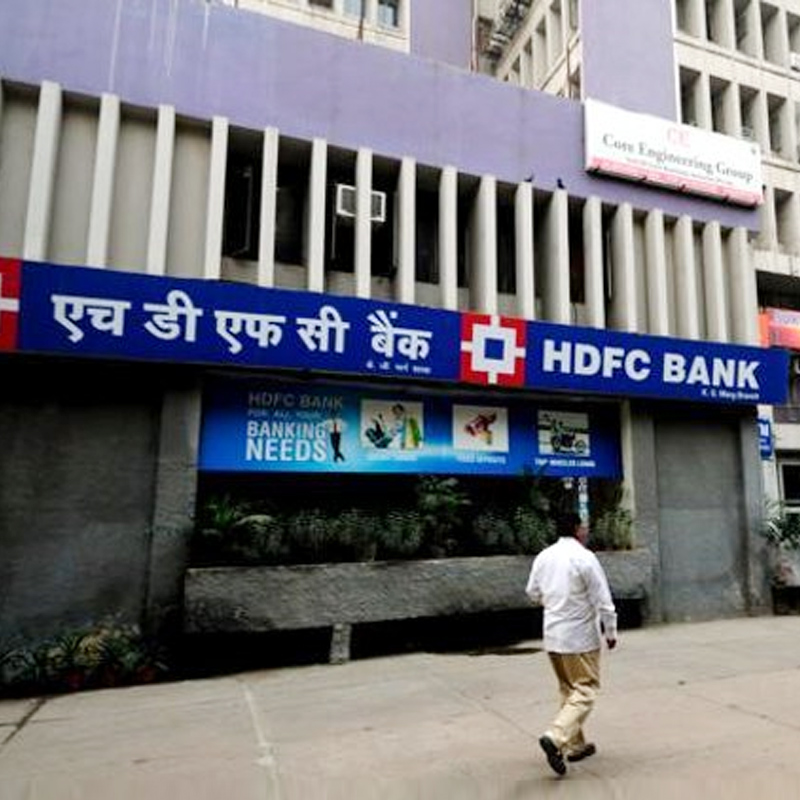
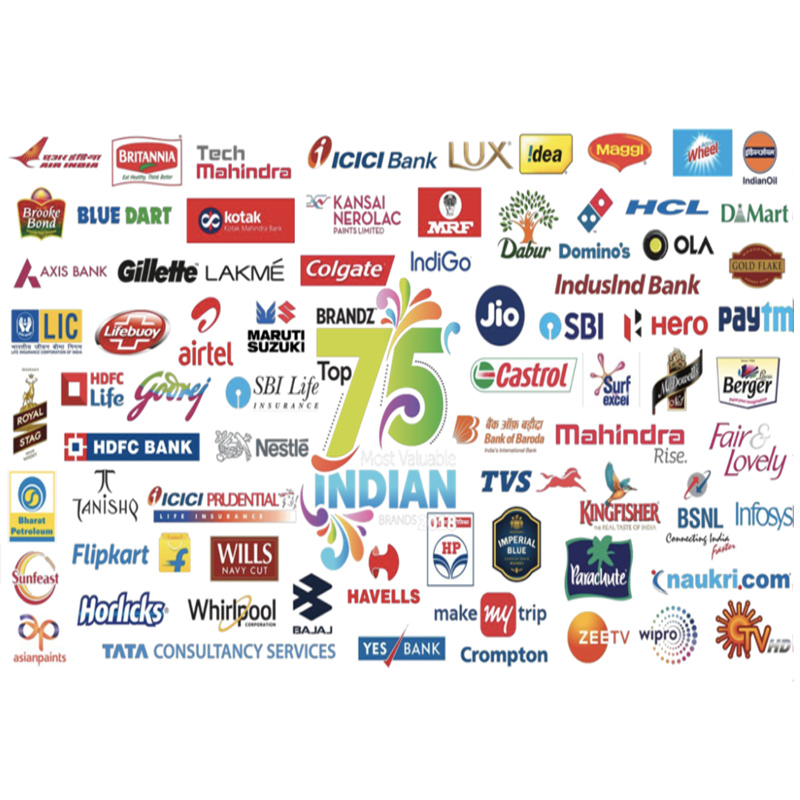
    MUMBAI: HDFC Bank continues to remain India’s most valued brand for the fifth consecutive year according to the recent BrandZ report by WPP and Kantar Millward Brown’s BrandZ. Interestingly, for the first time, the top 10 brands in BrandZ list were all Indian homegrown brands.

    HDFC Bank topped the list as the bank has built a reputation for its sustainable livelihood initiative by introducing smaller loans worth as little as $175 that can be accessed via its bank branches.

    The report analysis reveals that brand value was boosted by rising consumer confidence, the country’s return to rapid economic growth and consumers becoming increasingly brand aware.

    Trust is an important key driver of brand value, which is exemplified by HDFC Bank, that continued to build trust by clearly communicating the benefits of its products to consumers and delivering differentiated financial services offerings consistently and repeatedly.

    Insurance brand LIC came in at second spot because of the key role played by its pension plan business whilst Tata Consultancy Services ranked third having leveraged digital technologies to drive growth and business transformation. 

    Indian telecom operator Bharti Airtel came in at fourth position followed by State Bank of India. 

    [[{“fid”:”836551″,”view_mode”:”default”,”fields”:{“format”:”default”,”alignment”:””,”field_file_image_alt_text[und][0][value]”:”Channel”,”field_file_image_title_text[und][0][value]”:”Channel”},”link_text”:null,”type”:”media”,”field_deltas”:{“1”:{“format”:”default”,”alignment”:””,”field_file_image_alt_text[und][0][value]”:”Channel”,”field_file_image_title_text[und][0][value]”:”Channel”}},”attributes”:{“alt”:”Channel”,”title”:”Channel”,”height”:397,”width”:700,”class”:”media-element file-default”,”data-delta”:”1″}}]]

    The report also saw an emergence of new brands on the list including e-commerce retailer Flipkart, e-commerce and payment wallet Paytm and Zee TV.

    The Store WPP CEO EMEA and Asia David Roth said, “A booming economy and an increasingly digital world are re-shaping India’s brand landscape and creating new opportunities. Brands that get it right, regardless of whether they are established players or newcomers are reaping the rewards.”

    “However, there is no room for complacency in this fast-paced environment where so many ambitious companies are ready to rise to the occasion,” added Roth.

    A strong brand heritage is no longer essential for developing brand trust. New brands that proactively build and reinforce trust as an integral objective rather than relying on it being a by-product of their main offering can do well. For example, the recent investment from Warren Buffett’s Berkshire Hathaway into payment brand Paytm added credibility to the relatively youthful brand, making it one of India’s most valuable startup brands.

    The premiumisation phenomenon has gained importance for Indian brands, given increased competition and the need to differentiate themselves. Higher quality premium brands have increased in appeal. As consumers in both urban and rural areas become increasingly well-informed, they are also now willing and have more money to spend on brands that demonstrate and deliver relevance. 

    On the concept of premiumisation phenomenon, Kantar Millward Brown, South Asia Managing Director Vishikh Talwar mentioned, “Trust is not the sole prerogative of heritage brands; young brands can be equally trustworthy if they have a clear purpose and deliver consumer experiences that reinforce this.”

    There are 30 newcomers in the expanded ranking including Jio, Flipkart and Paytm, which have all seen growth in brand value, as well as Ola and travel agency MakeMyTrip. 

    [[{“fid”:”836553″,”view_mode”:”default”,”fields”:{“format”:”default”,”alignment”:””,”field_file_image_alt_text[und][0][value]”:”Channel”,”field_file_image_title_text[und][0][value]”:”Channel”},”link_text”:null,”type”:”media”,”field_deltas”:{“2”:{“format”:”default”,”alignment”:””,”field_file_image_alt_text[und][0][value]”:”Channel”,”field_file_image_title_text[und][0][value]”:”Channel”}},”attributes”:{“alt”:”Channel”,”title”:”Channel”,”height”:496,”width”:700,”class”:”media-element file-default”,”data-delta”:”2″}}]]

    With young professionals moving to cities for work, there are openings for brands to offer new services. Video calls have become hugely popular, and have been made feasible for many people through Jio reducing the cost of data. Paytm and the advent of digital banking enable instant money transfers from family members working in the city to their relatives in rural areas. E-commerce brands are riding the boom in gifting, particularly during national festivals.

    BFSI sector seems to be the most valuable category as there are eight bank brands in the ranking followed by insurance, where the five brands which together make up 35 per cent of the total ranking value.

    This time, the ranking also incorporated brands from key and growing sectors such as technology (IT services), technology (online); durables and home appliances, tobacco, and entertainment (TV stations). Privately owned brands, where financial information is publicly available, and unicorn brands based on their most recent valuations are also now included.


  • Kantar launches Global Analytics Practice to fuel business growth

    Kantar launches Global Analytics Practice to fuel business growth

    MUMBAI: Kantar, WPP’s data investment management division, has launched a new global analytics practice that unlocks deeper insights to fuel business growth. Integrating analytical capabilities from across the company, Kantar Analytics Practice will combine the world’s most in-depth understanding of consumers with a deep analytics toolkit developed over four decades of solving the most difficult sales, brand, media and marketing problems. In India, WPP has combined the analytics teams from Kantar and GroupM to form one combined practice.

    Kantar Analytics Practice unifies a global network of over 1500 data scientists, analytics consultants, technologists and data designers from across Kantar. It will encompass existing highly regarded businesses such as MaPS, Analytics Quotient, GroupM’s analytics team in India and connect them with specialist analysts from Kantar’s operating brands in sales, retail and shopper, media, health and public affairs. The new practice integrates Kantar’s unique consumer insights, based on the world’s largest first party data sets, with clients’ own customer data and a broad range of third party sources. By combining behavioural and attitudinal data, the outcome is actionable customer analysis to inform every brand, marketing and sales decision.

    Kantar Analytics Practice offers capabilities across five areas of expertise. Its brand and media ROI helps in maximising value creation from brand and media investments, by balancing short-term sales performance with long-term brand valuation and profitability.

    The customer analytics helps in making the right operational and strategic investment decisions in customer experience and loyalty marketing, to maximise the value of each and every customer relationship. The segmentation and activation helps in targeting the highest potential customers and prospects with personalised content, to drive profitable growth with maximum efficiency. While Innovation Analytics is used for optimising customer-led innovation lifecycle for long-term growth, from spotting new trends before your competitors, to optimising the profitability of your product launches, Retail and Shopper Analytics can be used for maximising the commercial return from investments in sales, retail and e-commerce via optimising decision-making in channel choice, assortment, promotions and pricing.

    Kantar CEO Eric Salama says, “Less than half of advertisers believe they have the right, actionable data. Clients feel data rich but insights poor and impact short. Kantar is unique in having the most complete view of consumers across the entire demand cycle: the way they live, feel, shop, watch and post. Combining our insights with data from across any client’s organisation can unlock deeper insights that fuel growth. “

    GroupM South Asia CEO and WPP India country manager CVL Srinivas mentions, “The new practice addresses the clients’ ask for data driven transformation for better ROI from marketing investments in the digital era. GroupM and Kantar have been working closely together in India, co-creating services for our clients. The launch of the Kantar Analytics practice is another step in this direction and demonstrates the ability of our group to come together to provide enhanced value for clients.”

    To this, Kantar South Asia CEO Preeti Reddy adds, “The practice formalises the connected journey with GroupM in bringing data driven products to the markets like Campaign Watch (for during campaign ROI management) and consulting services on TV audience measurement data. Proprietary assets like SAAS platform Athena (built in India) will offer marketers a predictive and near real time opportunity to add up to 20 per cent improvement in ROI from marketing investments including those in e-commerce. And, in Sunder Muthuraman, who will take over as CEO APAC and global chief client officer, we have a great leader for the practice.”

  • India’s online retail market to hit $100 bn by 2020: Kantar IMRB report

    India’s online retail market to hit $100 bn by 2020: Kantar IMRB report

    MUMBAI: Kantar IMRB has launched a report on India’s shopping scenario in 2017 that provides comprehensive insights on buying behaviour of India’s online shoppers. The study is conducted among active internet users in urban India covering a vast range of categories.

    Dubbed as the fastest growing e-tail market in the world and with the online retail market in India expected to touch $100 billion by 2020, the space accommodates a vast array of players and complex market dynamics.

    It is an end-to-end environment scan of Indian e-tail landscape, with insights on consumer behaviour across demographic groups, market dynamics, online vs brick and mortar and other emerging trends. Furthermore, the report also offers a bird’s eye view of the changing landscape due to policy developments, lays down special focus on festive season and sector specific trends.

    Kantar IMRB head of digital Akhil Almeida says, “This comprehensive study will serve as a critical decision-making tool for both marketers as well as e-tail players. 2017, by all accounts, has been a landmark year for the Indian e-tail market with 4G-led mobile internet usage galloping and with an increasing presence of digital wallets. Despite the demonetisation shock, the whopping numbers recorded in the space both in terms of buyers and spends, stand testimony to the still-to-be-unleashed potential of e-tail in India’’.

    The report aims to answer critical questions about mapping the e-tail landscape, size of e-tail market, who is the buyer, how different are the buying pattern in large cities vs. small cities, how often do these consumers buy? And how much are they ready to spend, etc. 

    The report gives nuances of the online shopping space by slicing out shoppers for different categories, festival versus non-festival months, ticket size and frequency that can help brand formulate blueprint to craft their e-tail strategies.

    Insights for the report were derived from an exhaustive study of 50,000 online shoppers across urban India. Respondents across different age-groups, locations, socio-economic backgrounds and gender participated in this study.

  • 81% Indians find ads intrusive: KMB study

    81% Indians find ads intrusive: KMB study

    MUMBAI: A well-executed multichannel campaign is a thing of beauty. But over one in four of the campaigns we see are not well integrated, and consumers are much more critical than marketers about campaign connectivity. Also, less than half of all campaigns take full advantage of different channels by properly customising content to different contexts.

    The address the issue, Kantar Millward Brown conducted a study which examined the global state of multichannel advertising campaigns. The study revealed that 78 per cent of consumers surveyed in Asia Pacific are seeing more ads in a wider variety of places than they did three years ago and consumers in India are seeing the most substantial uplift followed by Philippines and Singapore.

    People believe multichannel advertising builds brands and leaves a stronger impression. Well-integrated and customised ad campaigns can improve overall campaign effectiveness by 57 per cent. This implies that brands can have a larger impact with their investment and more than half of marketers are missing out on the opportunity to substantially boost their activity.

    Ineffective and disengaged advertising runs the risk of alienating the viewers and people are uncomfortable with the increase in intrusive advertising. Indian consumers feel most bombarded by intrusive advertising (81 per cent), followed by New Zealand (76 per cent) and the Philippines (72 per cent). On the contrary, Koreans and Indonesians are the least bothered by intrusive ads but more than half the population see ads in a negative light and that should be a wake-up call for marketers.

    While stating that marketers need to start thinking intelligently about how they integrate their campaigns, Kantar Millward Brown head of media and digital for APAC Pablo Gomez opines that marketers are putting enough focus on customisation. “Consumers are exposed to more advertising than ever before and are becoming more judgemental of what they see as a result. Importantly, the study showed that people react to advertising differently depending on the channel, and crucially, they are least receptive to ads on digital media,” he said.

    Consumers expect multichannel campaigns to deliver basic connective elements or hygiene factors like the same logo and slogan. To some extent consumers are right. All brand cues contribute to campaign effectiveness, and the more cues the better. However, consistent characters or personalities are the individual cues which most help brand impact; these differentiate the best campaigns.

    Viewers expect TV to be the best with the rest of a campaign, but integration benefits all channels. Brands should plan for synergy because about 25 per cent of all brand contributions from media are typically attributable to synergy effects. We know that all channels benefit from synergies, but some channels work particularly well with each other. The strongest overall synergy combinations are TV & Facebook, and TV & outdoor. A recent Budweiser campaign in China was strongly integrated thanks to multiple consistent elements (celebrity, colour scheme, bottle, logo, slogan) across TV, online and outdoor executions. It is a well-executed example of ‘matching luggage’ which also extends to the style and mood of the content.

    At the end of the day, brands need to use all senses. Visual cues are important, and memorable characters differentiate, but audio cues like consistent voiceovers and music also help. Consumers will not notice all brand integration cues, so test to see if the campaign fits together. Additionally, marketers need to develop content for channels where they can adapt excellently and make the most of the format. They need to find a balance between integration and customisation and a great campaign needs enough familiarity to tie campaign elements together, but enough novelty to engage with complementary content.

  • HDFC is India’s most valuable brand: Brandz India top 50 (2016)

    HDFC is India’s most valuable brand: Brandz India top 50 (2016)

    MUMBAI: The third annual BrandZ™ Top 50 Most Valuable Indian Brands ranking released by WPP and Kantar Millward Brown has lot of good and something bad for the marketing industry.

    On the positive side, the total value of India’s most valuable brands has risen by 30 per cent over the last three years, with the top 50 brands now worth $ 90.5 billion from $ 69.6 billion in 2014. But, unlike 2015, which saw an unprecedented growth in terms of brand equity that pushed  the brand value of top 50 brands to USD 92.2billion, 2016 saw a dip of 2 per cent, mostly owing to a decline in brand value of state-owned banks.

    Like last year, the financial sector dominated the top 10 spots accounting for 38 per cent of the top 50s brand value ($ 34.28 billion). HDFC maintained its number one position for the 3rd consecutive year with a brand value of USD 14.4 billion following a 15 per cent growth over the past year. It was followed by Airtel from the telecom sector with a brand value of USD 9.98 billion. State Bank Of India with a brand value of USD 6.352 billion stood at number three. “A brand cannot be built unless each one of us at HDFC Bank believes in it. Fundamentally, a brand is what we stand for in terms of the emotional value and the real value that we want to deliver to the customer. The emotional value is a combination of honesty, trust, integrity and being able to deliver the product at all times to the satisfaction of the customer. The real value is to deliver a differentiated product which changes the life of the customer which we have tried to do in financial services by making it more convenient, ” said HDFC Bank  managing director Aditya Puri.

    Among the new entrants in the top 50 list are airlines Indigo and Jet Airways at 26 and 36 positions respectively, followed by TVS and Reliance at 48 and 50, respectively.

    Top 10 most valuable brands here:

    Rank 2016

    Brand

    Category

    Brand value 2016 ($m)

    Rank 2015

    1

    HDFC Bank

    Banks

    14,438

    1

    2

    Airtel

    Telecom Providers

    9,978

    2

    3

    State Bank of India

    Banks

    6,352

    3

    4

    Asian Paints

    Paints

    4,089

    5

    5

    ICICI Bank

    Banks

    3,957

    4

    6

    Bajaj Auto

    Automobiles

    3,403

    6

    7

    Kotak Mahindra Bank

    Banks

    3,333

    9

    8

    Maruti Suzuki

    Automobiles

    2,850

    10

    9

    Hero

    Automobiles

    2,807

    7

    10

    Axis Bank

    Banks

    2,377

    8

    Interestingly, the top four ranks remained unchanged from 2015 rankings, something which The Store WPP, EMEA & Asia CEO David Roth calls an anomaly when juxtaposed against other mature markets or the global ranks.

    “Until recently in China, the top most valuable brand list was dominated by the state-owned Chinese companies, but now they are being taken over by technology and entrepreneurial companies. The global top 100 brands list has also seen some major changes. So yes, India is a bit of an anomaly as a developing state to see the same brands maintaining their positions for the last three years. But, I think it’s a matter of India’s growth and development cycle.”

    But, that says little about the immense competition that each brand faced to retain its position. According to Kantar Millward Brown managing director for south Asia, Dinesh Kapoor, 27 brands had slipped from its last year’s position while seven more brands dropped off the top 50 margin. “Brands required maintaining at least 35 per cent growth in its brand value to be able to hold on to its position,” shared Kapoor.

    Another way in which India drastically differs from the global markets is the absence of the technology brands from the top 50 list. 

    “Be it Global 100 or Asian market giant like China, technology brands have a huge presence in the top most valuable brands list. We see a clear absence of technology brands when it comes to India’s top 50 brands. Although India has been behind the scene of some of the major global technological innovations, it has been more from a service stand point rather than doing it in a branded way. I think there is a lesson to learn in this,” opined Roth. 

    Kapoor feels that the clear absence of Indian tech giants from the list is largely due to the companies not being listed. “You have to consider the methodology that goes into making this ranking. In order for a brand to be eligible for consideration for the list, it needs to be owned by a company listed on a stock exchange in India.  But, most of the tech companies that we speak of aren’t listed. The other big difference from global trends is the retail brands which have a strong presence in the more mature markets, whereas in India, only one retail brand — Reliance Retail —  has made it to the top 50 list.

    The report also warns marketers of the weakened brand loyalty among consumers. Internet penetration has risen sharply as the number of people living in rural areas accessing internet almost doubled over the past year, with almost 69% of urban internet users using the internet every day. This access educates consumers while providing them access to larger diaspora of premium brands available at affordable prices.

    While marketers have a lot to take away from the insight behind BrandZ India top 50 brands report, GroupM south Asia CEO CVL Srinivas shared what agencies can learn from this. “Reports like BrandZ are very useful for us who are in the business of media management for clients. In this age when competition is increasing and consumer’s attention span is decreasing, along with number of policy changes, a consolidated study like this helps us map a better strategy for our clients.  For example, the need for a brand to be present in multiple touch points with a singular communication idea and what it does to the brand’s value is the learning.”

  • HDFC is India’s most valuable brand: Brandz India top 50 (2016)

    HDFC is India’s most valuable brand: Brandz India top 50 (2016)

    MUMBAI: The third annual BrandZ™ Top 50 Most Valuable Indian Brands ranking released by WPP and Kantar Millward Brown has lot of good and something bad for the marketing industry.

    On the positive side, the total value of India’s most valuable brands has risen by 30 per cent over the last three years, with the top 50 brands now worth $ 90.5 billion from $ 69.6 billion in 2014. But, unlike 2015, which saw an unprecedented growth in terms of brand equity that pushed  the brand value of top 50 brands to USD 92.2billion, 2016 saw a dip of 2 per cent, mostly owing to a decline in brand value of state-owned banks.

    Like last year, the financial sector dominated the top 10 spots accounting for 38 per cent of the top 50s brand value ($ 34.28 billion). HDFC maintained its number one position for the 3rd consecutive year with a brand value of USD 14.4 billion following a 15 per cent growth over the past year. It was followed by Airtel from the telecom sector with a brand value of USD 9.98 billion. State Bank Of India with a brand value of USD 6.352 billion stood at number three. “A brand cannot be built unless each one of us at HDFC Bank believes in it. Fundamentally, a brand is what we stand for in terms of the emotional value and the real value that we want to deliver to the customer. The emotional value is a combination of honesty, trust, integrity and being able to deliver the product at all times to the satisfaction of the customer. The real value is to deliver a differentiated product which changes the life of the customer which we have tried to do in financial services by making it more convenient, ” said HDFC Bank  managing director Aditya Puri.

    Among the new entrants in the top 50 list are airlines Indigo and Jet Airways at 26 and 36 positions respectively, followed by TVS and Reliance at 48 and 50, respectively.

    Top 10 most valuable brands here:

    Rank 2016

    Brand

    Category

    Brand value 2016 ($m)

    Rank 2015

    1

    HDFC Bank

    Banks

    14,438

    1

    2

    Airtel

    Telecom Providers

    9,978

    2

    3

    State Bank of India

    Banks

    6,352

    3

    4

    Asian Paints

    Paints

    4,089

    5

    5

    ICICI Bank

    Banks

    3,957

    4

    6

    Bajaj Auto

    Automobiles

    3,403

    6

    7

    Kotak Mahindra Bank

    Banks

    3,333

    9

    8

    Maruti Suzuki

    Automobiles

    2,850

    10

    9

    Hero

    Automobiles

    2,807

    7

    10

    Axis Bank

    Banks

    2,377

    8

    Interestingly, the top four ranks remained unchanged from 2015 rankings, something which The Store WPP, EMEA & Asia CEO David Roth calls an anomaly when juxtaposed against other mature markets or the global ranks.

    “Until recently in China, the top most valuable brand list was dominated by the state-owned Chinese companies, but now they are being taken over by technology and entrepreneurial companies. The global top 100 brands list has also seen some major changes. So yes, India is a bit of an anomaly as a developing state to see the same brands maintaining their positions for the last three years. But, I think it’s a matter of India’s growth and development cycle.”

    But, that says little about the immense competition that each brand faced to retain its position. According to Kantar Millward Brown managing director for south Asia, Dinesh Kapoor, 27 brands had slipped from its last year’s position while seven more brands dropped off the top 50 margin. “Brands required maintaining at least 35 per cent growth in its brand value to be able to hold on to its position,” shared Kapoor.

    Another way in which India drastically differs from the global markets is the absence of the technology brands from the top 50 list. 

    “Be it Global 100 or Asian market giant like China, technology brands have a huge presence in the top most valuable brands list. We see a clear absence of technology brands when it comes to India’s top 50 brands. Although India has been behind the scene of some of the major global technological innovations, it has been more from a service stand point rather than doing it in a branded way. I think there is a lesson to learn in this,” opined Roth. 

    Kapoor feels that the clear absence of Indian tech giants from the list is largely due to the companies not being listed. “You have to consider the methodology that goes into making this ranking. In order for a brand to be eligible for consideration for the list, it needs to be owned by a company listed on a stock exchange in India.  But, most of the tech companies that we speak of aren’t listed. The other big difference from global trends is the retail brands which have a strong presence in the more mature markets, whereas in India, only one retail brand — Reliance Retail —  has made it to the top 50 list.

    The report also warns marketers of the weakened brand loyalty among consumers. Internet penetration has risen sharply as the number of people living in rural areas accessing internet almost doubled over the past year, with almost 69% of urban internet users using the internet every day. This access educates consumers while providing them access to larger diaspora of premium brands available at affordable prices.

    While marketers have a lot to take away from the insight behind BrandZ India top 50 brands report, GroupM south Asia CEO CVL Srinivas shared what agencies can learn from this. “Reports like BrandZ are very useful for us who are in the business of media management for clients. In this age when competition is increasing and consumer’s attention span is decreasing, along with number of policy changes, a consolidated study like this helps us map a better strategy for our clients.  For example, the need for a brand to be present in multiple touch points with a singular communication idea and what it does to the brand’s value is the learning.”

  • GroupM’s introduces Live Panel to transform media planning

    GroupM’s introduces Live Panel to transform media planning

    MUMBAI:  GroupM has recently introduced Live Panel, a new consumer and media insight solution enabling its agencies to more efficiently develop precise and targeted media plans so advertisers can more effectively reach their audiences, measure outcomes and seize competitive advantage. Essentially the new too will help GroupM make better use of its own data.

    With seamless access to a global panel of more than 5.5 million consumers in 30 markets, Live Panel delivers the actionable insights needed to inform media decisions for both global and local campaigns. The new platform connects with multiple data sources across Kantar’s market leading data and research assets and integrates with the bespoke planning tools of GroupM’s media agencies to accelerate the time from insight to planning to implementation.

    “In an era of continually evolving consumer behaviours and media preferences across a wider array of channels, marketers who have the most intelligence are at a distinct advantage, and our unique knowledge of audiences worldwide sets us apart in the industry,” said GroupM Global chairman Irwin Gotlieb. “Leveraging WPP’s data and analytics investments, we know more about media use and consumption behaviours than anyone else. Live Panel operationalizes this knowledge to turn consumers into audiences and audiences into customers more nimbly and efficiently for our clients’ advantage.”

    “GroupM’s use of our global Lightspeed consumer panels and the integration of a number of our unique data sources – BrandZ, TGI, Connected Life and Kantar Worldpanel ComTech – into Live Panel fully realizes the power of Kantar’s insights capabilities by embedding them into agencies’ media investment management tools,” said Kantar CEO Eric Salama.  “This continues Kantar’s strategy of combining survey, panel and census data for the benefit of marketers by connecting us to the client rosters of the world’s largest media investment group.”

    Live Panel is the latest tool in a growing portfolio of consumer and media insight planning tools that help GroupM’s media agencies, including Mindshare, MEC, MediaCom, Maxus and Motivator to build distinct marketplace offerings that leverage the best data available in regions worldwide. 

    GroupM says that Live Panel will also provide clients of its agencies connectivity and benefits such as understanding consumers and trends, evaluation of consumer purchase and retail behaviours, integration of brand equity data, development of unique audience insights and programmatic audience segments on the basis of consumer attitudes, product purchase and usage behaviour, balancing of plans with understanding of consumer media usage, creation of device-optimal strategies and tactics with understanding of mobile phone, tablet and quad-play ownership, usage and purchasing trends.


  • GroupM’s introduces Live Panel to transform media planning

    GroupM’s introduces Live Panel to transform media planning

    MUMBAI:  GroupM has recently introduced Live Panel, a new consumer and media insight solution enabling its agencies to more efficiently develop precise and targeted media plans so advertisers can more effectively reach their audiences, measure outcomes and seize competitive advantage. Essentially the new too will help GroupM make better use of its own data.

    With seamless access to a global panel of more than 5.5 million consumers in 30 markets, Live Panel delivers the actionable insights needed to inform media decisions for both global and local campaigns. The new platform connects with multiple data sources across Kantar’s market leading data and research assets and integrates with the bespoke planning tools of GroupM’s media agencies to accelerate the time from insight to planning to implementation.

    “In an era of continually evolving consumer behaviours and media preferences across a wider array of channels, marketers who have the most intelligence are at a distinct advantage, and our unique knowledge of audiences worldwide sets us apart in the industry,” said GroupM Global chairman Irwin Gotlieb. “Leveraging WPP’s data and analytics investments, we know more about media use and consumption behaviours than anyone else. Live Panel operationalizes this knowledge to turn consumers into audiences and audiences into customers more nimbly and efficiently for our clients’ advantage.”

    “GroupM’s use of our global Lightspeed consumer panels and the integration of a number of our unique data sources – BrandZ, TGI, Connected Life and Kantar Worldpanel ComTech – into Live Panel fully realizes the power of Kantar’s insights capabilities by embedding them into agencies’ media investment management tools,” said Kantar CEO Eric Salama.  “This continues Kantar’s strategy of combining survey, panel and census data for the benefit of marketers by connecting us to the client rosters of the world’s largest media investment group.”

    Live Panel is the latest tool in a growing portfolio of consumer and media insight planning tools that help GroupM’s media agencies, including Mindshare, MEC, MediaCom, Maxus and Motivator to build distinct marketplace offerings that leverage the best data available in regions worldwide. 

    GroupM says that Live Panel will also provide clients of its agencies connectivity and benefits such as understanding consumers and trends, evaluation of consumer purchase and retail behaviours, integration of brand equity data, development of unique audience insights and programmatic audience segments on the basis of consumer attitudes, product purchase and usage behaviour, balancing of plans with understanding of consumer media usage, creation of device-optimal strategies and tactics with understanding of mobile phone, tablet and quad-play ownership, usage and purchasing trends.


  • ‘Not taking anything for granted is our guiding philosophy’: Maxus MD Kartik Sharma

    ‘Not taking anything for granted is our guiding philosophy’: Maxus MD Kartik Sharma

    ‘No room for complacency’ is a motto Maxus South Asia managing director Kartik Sharma as well as his team follow strongly when it comes to upholding the philosophy of not taking their position in the market for granted. In a market where traditional media practices are being challenged every now and then by a new start up or biz solutions provider, Maxus isn’t too worked up, says Sharma, but is definitely not taking it easy.

    With client retention being top priority, the media agency has heavily invested in new and innovative services in the last few years… while some have worked, others have taught team Maxus what to work on next… the next innovation.

    In an interview with Indiantelevision.com’s Papri Das, Sharma speaks on the company’s future initiatives that not only prepares Maxus as an agency of tomorrow but also forms yardsticks for the dynamic current media ecosystem.

    Excerpts:

    How was 2015 for Maxus in terms of new businesses and mandates?

    2015 was a challenging as well as gratifying year. We have been successful in achieving our business goals. We have picked up a fair amount of new businesses as well. But that is part and parcel of our business. We did some landmark work in the area of sports where we helped our client Paytm bag the BCCI home series sponsorship rights of 84 matches. We also set up a new marketing command centre called Mesh that reads signals from social media and other data platforms to help brands to come up with real time interventions and help campaigns.

    What were the challenges that you faced in 2015?

    The first quarter was a bit slow and I think this was uniform across all agencies last year. Therefore business was slow but it picked up in the latter half of the year. There was also this sentiment about the new government and what it can do, which drove a lot of the business decisions as well. We had mixed feelings through the year regarding how our clients will end up spending and whether they would be making cuts, because that directly impacts our business. Having said that, things were looking better by the end of the year.

    How useful has Mesh proved for you and your clients?

    We launched Mesh around April – May last year with two centres in Mumbai and Delhi, and very soon we will set up one in Bangalore as well. The idea was to set it up internally and have a culture change within Maxus. Parallelly, we also got multiple projects at the back of Mesh. A lot of clients are already using Mesh in various ways, be it ad-hoc or continual projects.

    It actually started much earlier in a different avatar when we deployed a similar service with Nestle as a client. We did some interesting work with L’oreal on the same principles where we continued to monitor all the social media pages and activities on the brand, understand the top influences and the kind of content that was working for the brand. The engagement analysis told us which part of India was giving us response on a particular product. It was immensely helpful in understanding what consumers feel about various brands.

    With the technology evolving and the ecosystem becoming more dynamic, do you think advertisers’ dependency on media agencies has increased?

    More than dependency, I think we work with clients as partners so it’s all about being equal in that. We have been able to demonstrate the real value of what we call the command centre. It’s about telling really powerful and relevant stories, which you can actually take back as an impact on your business.

    We must also take into consideration the number of new pitches that happened globally. Last year, around 20 million plus pitches took place globally. Fortunately for us, we weren’t part of it as you can never really predict how these additions will work out. As an agency, I would rather focus on current clients doing a great job than pitching. I think that having a few new strategic pitches are fine as long as it doesn’t effect your loyalty to your current clients.

    Don’t you think Maxus as a group has the capability to take on new clients without disappointing the existing ones?

    I have mentioned this again and I will repeat it yet again, Maxus as a group never takes its position in the market for granted. We have to earn what we are standing on and demonstrate every single day to all our stakeholders. That is critical to Maxus’ functioning. Not taking anything for granted is our guiding philosophy. It is also about the changing environment and Maxus needs to be forward facing to some extent. Mesh is a project keeping that in mind. If we don’t invest in Mesh and prepare ourselves for the future, then we can’t make that transition.

    Do you sense competition from all the ‘marketing solutions’ providers that have mushroomed in the industry recently? Some of them claim to provide similar services that Maxus has.

    Competition is always welcome. It builds a certain degree of positive energy for everyone to do better. Having said this, we have our own vision. It is a very inspiring vision that leans in to change. If you look at how we work, the entrepreneurial streak is very strong within Maxus. The DNA of Maxus is all about innovation, doing new things and evolving. So I am not overtly worried about the competition, yet we will keep a watch. We will not become complacent for sure.

    We see several big agencies collaborating with start-up agencies for specific skill sets. Do you think it reflects the lack of certain skills within the big media agencies to take on the changing market dynamics?

    Firstly, the skill set factor is not affecting just the agencies, I think it is across the board. As the market landscape changes, there are two ways to deal with it – either incorporate and evolve all the skill sets internally, which requires its own time and effort, or partner with someone who has these skill sets in a focused area still relevant to you. It is always going to be hybrid between building yourself and partnering with others.

    Can it be considered a shortcut way out?

    I don’t think it’s a shortcut. Once a client comes on board an agency, we want to give them the best possible solution. Clients don’t really worry too much on where that solution is coming from. There will always be something like a super specialisation, which an agency might not require for all its clients. Therefore it is better to partner, for a particular client or for a brief period of time.

    We too work with multiple partners. For example, we introduced a tool called Synapse last year, which marries television ratings with social buzz. We work with our partner Frrole to develop that. Frrole has certain proprietary technology for which it makes immense sense for us to partner with them.

    Within the WPP ecosystem we work with the research agency Kantar because it gives us certain specialisations. Rather than replicating the same skills within the agencies, it’s better to work with the experts.

    How do you ensure client’s faith in television, especially for advertisers who are heavily dependent on the television medium when there is all this talk about television losing importance in the advertising space?

    Firstly, we will continue to use the industry endorsed television rating system, which is currently Broadcast Audience Research Council (BARC) India. Secondly, as I mentioned earlier, we have the tool Synapse that helps marry television ratings with the social buzz. For particularly niche brands, which have a well defined target group, sometimes only TV ratings may not work. It may be that a certain type of channel, say a niche channel with a very targeted audience will work for them. We can identify them by listening to the social buzz. So in many ways, we are supporting the need for television through these new initiatives.

    Agencies are increasingly facing the ‘4 second challenge’ digital platforms with this current ADHD generation. How can the industry deal with this?

    First and foremost, one needs to take a hard look at the communication created for television and have an open conversation with the client and the creative agency on whether the same communication will hold true in a digital environment.

    The second thing is about doing a lot of experiment and a bit of trial and error at low cost to see what works and then tweaking it accordingly. Keeping an eye on what’s happening globally and learning from best practices or successful examples there and contextualising in the Indian market is also necessary.

    Any new services or products that are in the pipeline from Maxus?

    There are at least four or five big initiatives that we have in mind but it’s a little premature to talk about it now. By end March or early April we will be able to give a proper communication on the same.

    We keep innovating on our product front and learn from the previous launches. If certain things haven’t worked, we go back to the black board and think on what needs to change. At this point in time, I can say that we will soon be introducing an improved version of our T2D tool that was launched last year targeting the eCommerce community. We have received good feedback on it and will build on it to develop it into a more powerful tool.

  • ‘Not taking anything for granted is our guiding philosophy’: Maxus MD Kartik Sharma

    ‘Not taking anything for granted is our guiding philosophy’: Maxus MD Kartik Sharma

    ‘No room for complacency’ is a motto Maxus South Asia managing director Kartik Sharma as well as his team follow strongly when it comes to upholding the philosophy of not taking their position in the market for granted. In a market where traditional media practices are being challenged every now and then by a new start up or biz solutions provider, Maxus isn’t too worked up, says Sharma, but is definitely not taking it easy.

    With client retention being top priority, the media agency has heavily invested in new and innovative services in the last few years… while some have worked, others have taught team Maxus what to work on next… the next innovation.

    In an interview with Indiantelevision.com’s Papri Das, Sharma speaks on the company’s future initiatives that not only prepares Maxus as an agency of tomorrow but also forms yardsticks for the dynamic current media ecosystem.

    Excerpts:

    How was 2015 for Maxus in terms of new businesses and mandates?

    2015 was a challenging as well as gratifying year. We have been successful in achieving our business goals. We have picked up a fair amount of new businesses as well. But that is part and parcel of our business. We did some landmark work in the area of sports where we helped our client Paytm bag the BCCI home series sponsorship rights of 84 matches. We also set up a new marketing command centre called Mesh that reads signals from social media and other data platforms to help brands to come up with real time interventions and help campaigns.

    What were the challenges that you faced in 2015?

    The first quarter was a bit slow and I think this was uniform across all agencies last year. Therefore business was slow but it picked up in the latter half of the year. There was also this sentiment about the new government and what it can do, which drove a lot of the business decisions as well. We had mixed feelings through the year regarding how our clients will end up spending and whether they would be making cuts, because that directly impacts our business. Having said that, things were looking better by the end of the year.

    How useful has Mesh proved for you and your clients?

    We launched Mesh around April – May last year with two centres in Mumbai and Delhi, and very soon we will set up one in Bangalore as well. The idea was to set it up internally and have a culture change within Maxus. Parallelly, we also got multiple projects at the back of Mesh. A lot of clients are already using Mesh in various ways, be it ad-hoc or continual projects.

    It actually started much earlier in a different avatar when we deployed a similar service with Nestle as a client. We did some interesting work with L’oreal on the same principles where we continued to monitor all the social media pages and activities on the brand, understand the top influences and the kind of content that was working for the brand. The engagement analysis told us which part of India was giving us response on a particular product. It was immensely helpful in understanding what consumers feel about various brands.

    With the technology evolving and the ecosystem becoming more dynamic, do you think advertisers’ dependency on media agencies has increased?

    More than dependency, I think we work with clients as partners so it’s all about being equal in that. We have been able to demonstrate the real value of what we call the command centre. It’s about telling really powerful and relevant stories, which you can actually take back as an impact on your business.

    We must also take into consideration the number of new pitches that happened globally. Last year, around 20 million plus pitches took place globally. Fortunately for us, we weren’t part of it as you can never really predict how these additions will work out. As an agency, I would rather focus on current clients doing a great job than pitching. I think that having a few new strategic pitches are fine as long as it doesn’t effect your loyalty to your current clients.

    Don’t you think Maxus as a group has the capability to take on new clients without disappointing the existing ones?

    I have mentioned this again and I will repeat it yet again, Maxus as a group never takes its position in the market for granted. We have to earn what we are standing on and demonstrate every single day to all our stakeholders. That is critical to Maxus’ functioning. Not taking anything for granted is our guiding philosophy. It is also about the changing environment and Maxus needs to be forward facing to some extent. Mesh is a project keeping that in mind. If we don’t invest in Mesh and prepare ourselves for the future, then we can’t make that transition.

    Do you sense competition from all the ‘marketing solutions’ providers that have mushroomed in the industry recently? Some of them claim to provide similar services that Maxus has.

    Competition is always welcome. It builds a certain degree of positive energy for everyone to do better. Having said this, we have our own vision. It is a very inspiring vision that leans in to change. If you look at how we work, the entrepreneurial streak is very strong within Maxus. The DNA of Maxus is all about innovation, doing new things and evolving. So I am not overtly worried about the competition, yet we will keep a watch. We will not become complacent for sure.

    We see several big agencies collaborating with start-up agencies for specific skill sets. Do you think it reflects the lack of certain skills within the big media agencies to take on the changing market dynamics?

    Firstly, the skill set factor is not affecting just the agencies, I think it is across the board. As the market landscape changes, there are two ways to deal with it – either incorporate and evolve all the skill sets internally, which requires its own time and effort, or partner with someone who has these skill sets in a focused area still relevant to you. It is always going to be hybrid between building yourself and partnering with others.

    Can it be considered a shortcut way out?

    I don’t think it’s a shortcut. Once a client comes on board an agency, we want to give them the best possible solution. Clients don’t really worry too much on where that solution is coming from. There will always be something like a super specialisation, which an agency might not require for all its clients. Therefore it is better to partner, for a particular client or for a brief period of time.

    We too work with multiple partners. For example, we introduced a tool called Synapse last year, which marries television ratings with social buzz. We work with our partner Frrole to develop that. Frrole has certain proprietary technology for which it makes immense sense for us to partner with them.

    Within the WPP ecosystem we work with the research agency Kantar because it gives us certain specialisations. Rather than replicating the same skills within the agencies, it’s better to work with the experts.

    How do you ensure client’s faith in television, especially for advertisers who are heavily dependent on the television medium when there is all this talk about television losing importance in the advertising space?

    Firstly, we will continue to use the industry endorsed television rating system, which is currently Broadcast Audience Research Council (BARC) India. Secondly, as I mentioned earlier, we have the tool Synapse that helps marry television ratings with the social buzz. For particularly niche brands, which have a well defined target group, sometimes only TV ratings may not work. It may be that a certain type of channel, say a niche channel with a very targeted audience will work for them. We can identify them by listening to the social buzz. So in many ways, we are supporting the need for television through these new initiatives.

    Agencies are increasingly facing the ‘4 second challenge’ digital platforms with this current ADHD generation. How can the industry deal with this?

    First and foremost, one needs to take a hard look at the communication created for television and have an open conversation with the client and the creative agency on whether the same communication will hold true in a digital environment.

    The second thing is about doing a lot of experiment and a bit of trial and error at low cost to see what works and then tweaking it accordingly. Keeping an eye on what’s happening globally and learning from best practices or successful examples there and contextualising in the Indian market is also necessary.

    Any new services or products that are in the pipeline from Maxus?

    There are at least four or five big initiatives that we have in mind but it’s a little premature to talk about it now. By end March or early April we will be able to give a proper communication on the same.

    We keep innovating on our product front and learn from the previous launches. If certain things haven’t worked, we go back to the black board and think on what needs to change. At this point in time, I can say that we will soon be introducing an improved version of our T2D tool that was launched last year targeting the eCommerce community. We have received good feedback on it and will build on it to develop it into a more powerful tool.