Tag: Kantar

  • MRSI puts the power of ‘and’ at centre of 33rd annual seminar

    MRSI puts the power of ‘and’ at centre of 33rd annual seminar

    MUMBAI: The Market Research Society of India (MRSI) is set to bring fresh energy to Gurugram this month, with its 33rd annual market research seminar promising a heady mix of data, ideas and debate under the banner “The Power of And”.

    Dr Saurabh Garg, secretary at the ministry of statistics and programme implementation, will deliver the opening keynote on “Driving impact through data insights: harnessing public-private synergies for a Viksit Bharat at 2047”. His address will anchor two days of panels, papers and provocations at The Leela Ambience on 11–12 September.

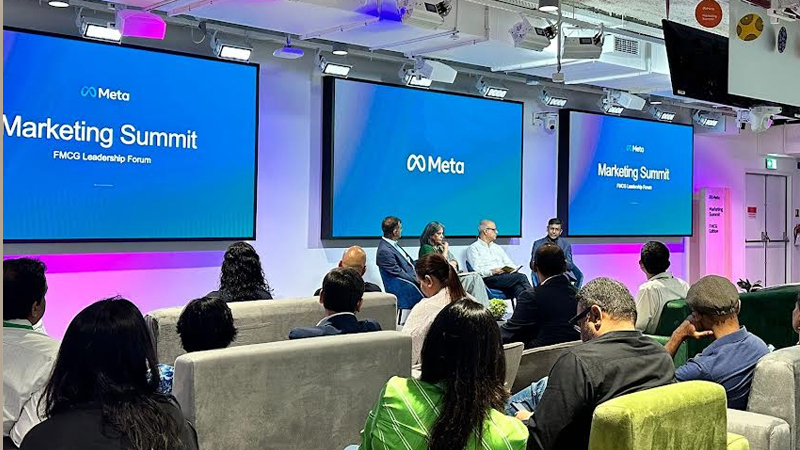
    The line-up features Karthik Nagarajan of Hogarth, Aradhana Lal of Lemon Tree Hotels and Aditya Kasyap of Unilever, alongside sessions on navigating “many Indias” and a panel on the “joys and dilemmas of insight in the age of technology” with senior voices from HUL, Nestlé, Airtel, Kantar, Smytten and more.

    This year drew over 100 research paper submissions, with 22 shortlisted across four themes: bending and breaking methodologies, innovating at the edges, technology as an intersection, and the human mosaic of future leaders.

    “The seminar has long been the cornerstone of India’s research and insights industry,” said Rituparna Dasgupta, chairperson of the 33rd edition and EVP at Zee entertainment. “This year’s theme captures how our world is being shaped.”

    With Smytten Pulse AI as lead partner and heavyweights such as Kantar, Nestlé, ITC and Hindustan Unilever backing sessions, MRSI is positioning its flagship gathering as more than a talking shop.
     

  • Mathemedia: Shripad Kulkarni launches podcast for media’s next era

    Mathemedia: Shripad Kulkarni launches podcast for media’s next era

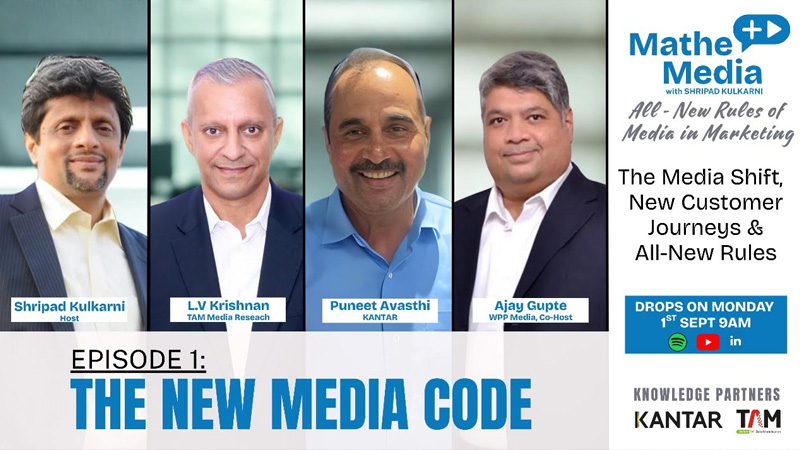
    MUMBAI:  Shripad Kulkarni, veteran media maven and former ceo of Vizeum, is launching MatheMedia, a first-of-its-kind podcast that promises to crack the code of India’s fast-changing media landscape.

    Streaming from 1 September 2025, the long-format series blends a CMO briefing with a masterclass, featuring over 25 industry heavyweights from advertising, tech, publishing, and brand leadership. The opening episode, aptly titled ‘The New Media Code’, will bring together voices such as L.V. Krishnan (TAM Media Research), Puneet Avasthi (Kantar), and Ajay Gupte (WPP Media) to decode the seismic shifts shaking the industry.

    “We live in a world of channel chaos, with more platforms and fragmented audiences than ever before,” said MatheMedia, founder, Shripad Kulkarni. “Gone are the days when we could think & work linear & measure with a linear mindset. Today’s marketer faces multiple challenges. With more category entry points, brand assets & personalised messaging needs, brand strategy is being redefined. Brand custodians face growing pressure from a crowded network of channels and partners. It’s time for new rules in strategy, media, measurement, and collaborations.”

    The podcast’s 12-episode debut season will tackle hot-button issues: the rise of AI in advertising, quick commerce, evolving consumer journeys, and the urgent need for unified, privacy-compliant measurement systems. Expect candid debates, sharp insights, and a dash of storytelling to simplify complex industry jargons.

    Guests lined up include Schbang’s Akshay Gurnani, Google India’s Priya Choudhary, Dentsu Creative Isobar’s Sahil Shah, and India Today’s Vivek Malhotra, to name just a few. Think of it as a roundtable where India’s top media minds redraw the playbook for marketers navigating chaos.

    Kulkarni, who has advised marquee brands from Fevicol and BMW to Airbnb and Yes Bank, brings his three-decade expertise and signature wit to the mic. His goal is to help professionals not just adapt to disruption, but shape it.

    Episodes will drop every Monday across Spotify, YouTube, LinkedIn and Instagram. So, whether you’re a CMO, a curious marketer, or just wondering why your ads keep following you around the internet, MatheMedia might just be the formula you need.


  • Kantar report unveils India’s latest trends on health and wellness

    Kantar report unveils India’s latest trends on health and wellness

    MUMBAI – Kantar released its ‘Health and Wellness in India’ report today, revealing significant shifts in consumer behaviour and preferences. Based on Kantar’s ‘India in Search’ report, which curates 2024 Google search data, this comprehensive report delves into the Health & Wellness category, highlighting emerging trends and key areas of interest shaping the future of health and wellness in the country.

    Covering 15 key topics, the Health and Wellness in India report delves into various aspects of health and wellness, including Nutrients & Supplements, Skin Health, Physical Fitness, Weight Management, Cognitive & Mental Health, Women’s Health, Gut Health, Alternative Medicine, Sleep, Immune Health, Hydration, Lifestyle Choices, Advanced Medicine, Detoxification, and Longevity.

    Whether it is about shaping a brand, building a category, or driving marketing strategy, the emerging wellness trends offer a powerful lens into what matters most to Indian consumers today. By tapping into what India is searching for, marketers can unlock fresh opportunities to evolve their brand’s relevance and impact. Here are some key findings:

       1. Nutrients & Supplements: 2.7M searches for Vitamin B12. 54 per cent growth YoY for Vitamin B12 rich foods.

       2.  Skin Health: 30 per cent growth in searches for Sensitive Skin compared to the previous year.

      3.  Physical Fitness: Walking and low-intensity fitness reclaiming space with 121K–89K+ searches for “walk”, “walking shoes”, “brisk walk”, and even tools like “walking pad”.

    4. Weight Management: GLP1 Drug-linked searches like Ozempic (+216 per cent), Zepbound (+943 per cent), Tirzepatide (+188 per cent), and Mounjaro (+94 per cent) reflect mainstream adoption of medical-grade solutions

     5.  Cognitive Health: Searches for Cortisol saw a 59 per cent growth overall this year.

     6.  Women’s Health: Mood and Menstruation raise curiosity with “follicular phase mood” (+357 per cent), “luteal phase symptoms” (+99 per cent), and “4 phases of menstrual cycle and moods” (+145 per cent) all seeing positive growth.

     7.  Gut Health: Common digestive discomfort issues like bloating (58K) and acidity (47K) saw an increase in interest.

      8. Alternative Medicine: Homeopathy clinics searches are on the rise: “homeo shop near me” (+32 per cent), “homeo medical shop,” “homeopathy near me” (+48 per cent)

      9. Sleep: Searches for Melatonin in various formats like spray, gummies, tablets etc. were 4.5M and grew over the year at 27 per cent.

     10.  Lifestyle choices: Sugar free options and sugar substitutes were searched 7.4M times, a 14 per cent increase compared to 2023.

    The top 5 key trends that emerge are:

    1.  Function-first wellness: The pursuit of visible outcomes

    In a significant trend, consumers are increasingly focusing on goal-driven health, with a notable rise in searches related to skincare, weight management, and workouts. The pursuit of wellness is now measured, optimised, and outcome-based, as evidenced by the 26.6 million searches, reflecting a 39 per cent growth. Key insights reveal a surge in interest for products like collagen for skin health, melatonin for better sleep, and pre-workout supplements for enhanced energy.

    2.  Science-framed self-care: Clinical & conscious betterment

    In a growing trend, health is being approached with a clinical and conscious mindset, treating it more like a protocol rather than a preference. This shift is reflected in the 14.6 million searches, showing a 13 per cent growth. Consumers are increasingly interested in GLP-1 weight loss drugs, cognitive supplements, and hormonal tracking. These searches indicate a rising demand for scientifically backed self-care solutions that prioritise clinical efficacy and conscious betterment.

    3.  Inner Health = Outer Power: Transformations from the Inside Out: People are increasingly linking nutrition, gut health, and immunity to beauty, weight management, mood, and even long-term aging. This trend is highlighted by the 14.5 million searches, showing a 15 per cent growth. There is a sharp surge in queries around biotin, collagen, and multivitamins for skin and hair health, indicating that wellness begins within and radiates outward.

     4.  Daily systems & cycle care: Regulating through routines

    Health is becoming habitual, rhythmic, and tech-assisted, with consumers syncing to cycles, tracking hydration, and sticking to morning rituals. This trend is reflected in the 9.9 million searches, showing a 9 per cent growth. High search volumes for terms like “menstrual cycle” and “periods” underscore the importance of daily systems and cycle care. Women in India are moving from passive consumers of reproductive care to active, data-seeking participants in their health journeys.

    5.   Natural systems, modern lenses: Reinterpretation of tradition through science: Natural care is undergoing a modern relabelling, where precision meets plants. This trend is evident in the 8.7 million searches, showing a 17 per cent growth. From Ayurveda and adaptogens to detox teas and bio hacks, consumers are increasingly turning to traditional systems reinterpreted through a scientific lens. Searches for “Ayurveda,” “homeopathy,” and “acupuncture” are growing, indicating a blend of tradition and modernity in wellness practices.

    Kantar MD & chief client officer, South Asia, Insights Division, Soumya Mohanty Kantar, commented: “The health and wellness landscape in India is undergoing a remarkable transformation. Our report highlights the growing importance of personalized and functional wellness solutions. Brands that can effectively address these evolving consumer needs will be well-positioned to lead in this dynamic market. By leveraging these trends and consumer preferences, brands can create targeted and effective marketing strategies to engage with their audience and drive growth.”

  • Kantar unpacks ‘The Indian Masculinity Maze’ in new report

    Kantar unpacks ‘The Indian Masculinity Maze’ in new report

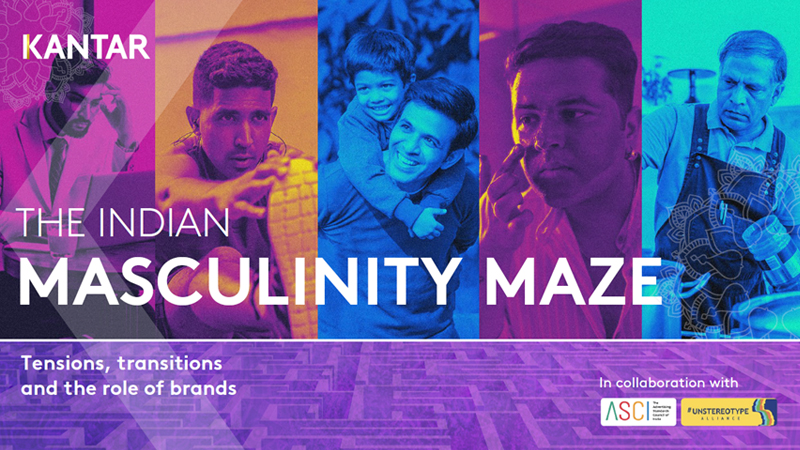
    MUMBAI: The age-old Marlboro Man is losing relevance and Kantar has the receipts to prove it. In its latest study, The Indian Masculinity Maze, launched in partnership with the Advertising Standards Council of India (ASCI) and UN Women’s Unstereotype Alliance, Kantar dives into the complicated, contradictory world of Indian manhood and how badly advertising is getting it wrong.

    The research surveyed 880 urban men aged 18–45 across eight Indian cities and dissected over 450 TV ads in 12 languages. The results paint a jarring picture of what happens when marketing lags behind culture.

    Commenting on the report, Kantar executive vice president, Insights Division, and co-author of the report, Prasanna Kumar said, “This report isn’t about rewriting masculinity overnight. It’s about recognising where men are today, often caught between tradition and transition and helping brands engage with that complexity in a way that’s both commercially smart and culturally sensitive.”

    Masculinity misfired: what ads keep botching

    It’s 2025, but the ‘macho man’ stereotype still dominates Indian adland. According to Kantar:

    1.    71 per cent of men agree that “real men don’t cry”—but increasingly find the idea limiting.

    2.    Only 6 per cent of male characters in ads show emotional care or respect towards women.

    3.    A staggering 94 per cent of ads don’t challenge traditional male roles.

    4.    Voiceovers still scream patriarchy: 43 per cent male vs just 31 per cent female.

    5.    Household and caregiving roles for men? Featured in a measly 1 per cent of ads.

    Gen Z men, in particular, are left out in the cold. While they’re more open to emotional expression and shared domestic responsibilities, ads seem stuck in the past—showing them as overly confident, immaculately groomed, and little else.

    Soumya Mohanty, Kantar managing director & chief client officer- South Asia, Insights Division, added, “Most ads still rely on outdated male stereotypes, rarely showing men as emotionally present or involved at home. This widens the gap between reality and representation. But this isn’t just a cultural miss; it’s a commercial one. Our LINK data shows that ads breaking these norms deliver significantly stronger brand equity and sales impact.”

    Here’s the kicker: ads that portray emotionally nuanced men perform better. Kantar’s LINK database shows a 63-point lift in brand equity and a 44-point bump in short-term sales when brands ditch the stoic-provider trope and embrace complexity.

    Brands that test their ads with inclusive male samples, particularly in personal care and household categories, see markedly better cross-gender performance.

    ASCI CEO and secretary general Manisha Kapoor said, “ASCI is committed to fostering progressive advertising representations. Earlier this year, we launched the ‘Manifest: Masculinities Beyond the Mask’ study, in collaboration with the Unstereotype Alliance (convened by UN Women). We are now pleased to associate with Kantar on ‘The Indian Masculinity Maze’ to take this conversation forward. The Kantar report will help the industry move beyond superficial portrayals to understand not just the diverse realities of men today, but also to create positive representations of men that are in sync with reality.”

    Gen Z men are open to vulnerability, fluid identity, and nurturing roles—but advertising hasn’t caught up. Over 60 per cent feel ads obsess over confidence and looks, and 32 per cent say fatherhood and caregiving are glaringly underrepresented.

    “They’re navigating a cultural identity crisis, and advertising is just adding to the noise,” notes the report.

    Kantar outlines a clear six-point plan for brands ready to break the bro-code:

    1.    Portray real lives – Men don’t live in protein shake commercials. Show them as they are—stressed, caring, flawed, and figuring it out.

    2.    Represent shared roles – Normalize dads doing dishes and men expressing emotion.

    3.    Focus on the emotional journey – Confidence is earned, not assumed.

    4.    Test inclusively – Male perspectives matter—especially in products they use but don’t see themselves in.

    5.    Model modern masculinity – Let men be soft, uncertain, nurturing and human.

    6.    Colour the whitespace – Health, identity, mental well-being—these aren’t side plots, they’re main stories waiting to be told.    

    “Kantar has been a founding member of the Unstereotype Alliance India Chapter. We value our collaboration with Kantar and ASCI on this important initiative to develop the study on masculinities in Indian advertising. Achieving gender equality and inclusion requires the meaningful engagement of all genders, including men and boys. It is important that marketers and content creators better understand evolving perspectives and aspirations to help challenge gender stereotypes and promote more inclusive narratives” said UN Women India Country Office  Country Representative, ad interim, Kanta Singh.

    So the bottom line is real men do cry and real brands should pay attention.

    (If you are an Anime fan and love Anime like Demon Slayer, Spy X Family, Hunter X Hunter, Tokyo Revengers, Dan Da Dan and Slime, Buy your favourite Anime merchandise on AnimeOriginals.com.)

  • Samsung Ads and Kantar reveal sharp uptick in purchase intent from big-screen ads

    Samsung Ads and Kantar reveal sharp uptick in purchase intent from big-screen ads

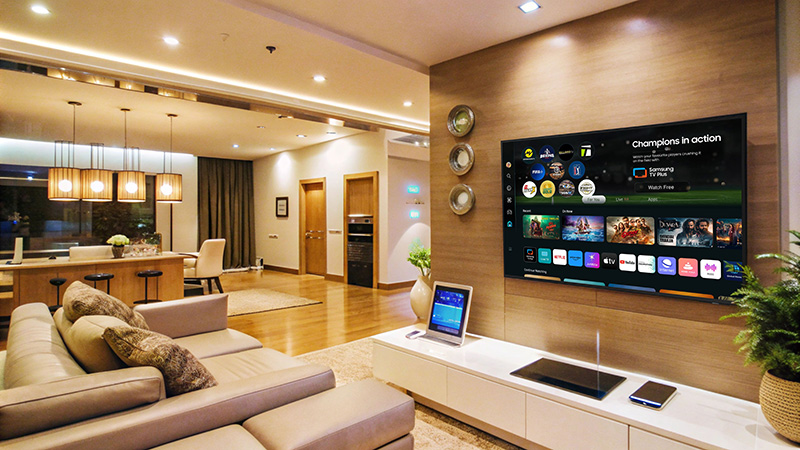
    MUMBAI: Samsung Ads, in partnership with Kantar, has unveiled a revealing new white paper titled ‘Beyond Awareness’, which lays bare the rising clout of Connected TV (CTV) as a performance-driven advertising channel.

    The study, based on over 100 brand lift studies across Samsung Smart TVs, shows that Gen Z viewers, often written off as ad-averse, are in fact proving to be highly engaged and responsive on the big screen. In fact, brand favorability jumped by 9.1 per cent, while purchase intent surged by 8.5 per cent among 18–24-year-olds exposed to ads on CTV.

    The findings challenge long-held assumptions about upper-funnel fluff, revealing that CTV is driving real business impact across the funnel from awareness to action.

    Sharing her insights, Samsung Ads India head, insights and client solutions, Bhavna Saincher said, “The ‘Beyond Awareness’ study emphasises the growing importance of Connected TVs as a pivotal touch point for driving awareness and consideration, all while amplifying visibility and generating positive outcomes for brands engaging with their audience on the big screen. I am confident that the high engagement of the Gen Z signals a major opportunity for brands seeking impact with a digitally-native, decision-ready audience.”

    Among the standout stats:

    . 7.9 per cent average uplift in consideration across verticals from auto to apparel, tech to home solutions.

    . Twice the impact when audiences are reached four or more times, making a strong case for strategic frequency.

    . Strong performance across age groups from Gen Z to the 35+ bracket – confirming CTV’s broad appeal.

    With CTV ad engagement soaring and ROI metrics now in full view, Samsung and Kantar’s report doesn’t just hint at the future of TV advertising, it spells it out: performance lives on the big screen.


  • Kantar study: CTV revolution gains ground as 23 per cent  Indians ditch linear TV

    Kantar study: CTV revolution gains ground as 23 per cent Indians ditch linear TV

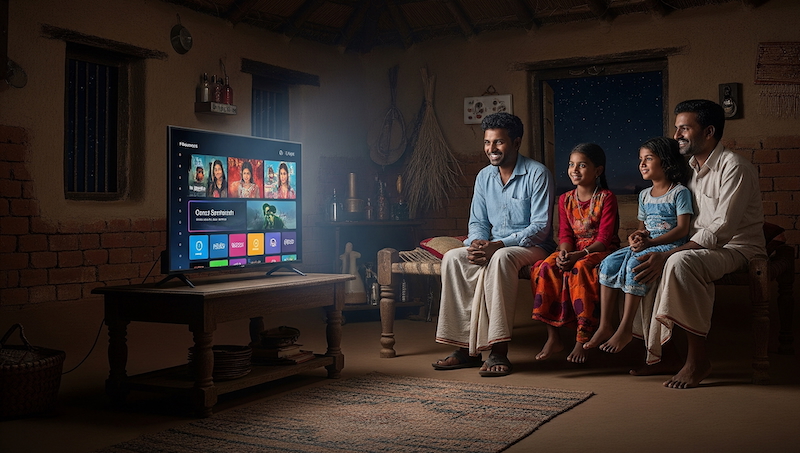
    MUMBAI: India’s media landscape is turning the page, and the headline is clear: Connected TV (CTV) is booming, and one in four Indians is now digital-only. That’s the key takeaway from Kantar’s Media Compass 2025, which maps the country’s evolving media consumption habits across linear TV, print, and digital.

    With a whopping 87,000-strong sample and quarterly tracking, Kantar’s new offering aims to replace outdated guesswork with data-driven firepower. And the early signs are disruptive: 35 million Indians have jumped on the CTV bandwagon, and 23 per cent of the population now accesses the internet without watching a second of linear TV.

    While linear TV still claims 58 per cent monthly reach, the shifts are seismic. CTV, once a metro darling, is now reaching deep into rural India. And digital-only audiences are mushrooming among young, male, and lower-income demographics—dispelling old myths and throwing up new marketing equations.

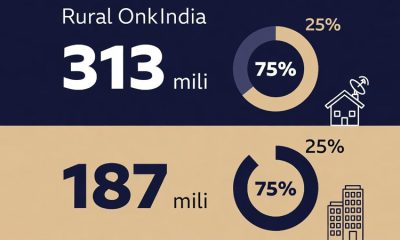
    Media preferences split starkly by age: 55 per cent of Indians aged 15–34 favour OTT and social platforms, while 44 per cent of those above 45 remain loyal to the TV set. Notably, 75 per cent of digital-only and linear TV viewers reside in rural areas, demolishing the notion of urban dominance.

    CTV remains a premium medium, with its incremental growth concentrated in NCCS A households, while digital is democratising access in lower-income groups.

     Kantar director – specialist businesses, insights division (south Asia) Puneet Avasthi said: “In today’s fragmented and fast-evolving media landscape, brands are under pressure to make every media rupee count. Yet, most decisions are still being made using outdated or incomplete data, leading to suboptimal media planning and missed connections with consumers. Media Compass 2025 aims to correct this and equip advertisers with timely, in-depth insights across platforms- enabling smarter media planning, stronger audience engagement and sharper targeting for maximum impact.”

    The message to marketers? India’s media map is redrawn. The compass has shifted. Time to follow the data.

  • Media gets a reality check as Kantar maps India’s new viewing habits

    Media gets a reality check as Kantar maps India’s new viewing habits

    MUMBAI: In a world where content is king and attention spans are currency, India’s media playbook is in desperate need of an update and Kantar just handed the industry a fresh set of rules. With the launch of Media Compass, the insights giant has dropped a data bomb, charting a 360-degree view of how Indians are consuming media across TV, print, digital, and even influencer content in 2025.

    The numbers are as revealing as they are disruptive. Based on a rolling sample of 87,000 consumers with quarterly reporting, Media Compass throws a spotlight on emerging behaviours that marketers can no longer afford to ignore. For starters, a staggering 23 per cent of Indians are now digital-only, they’re online but off the TV grid entirely. Even more surprising: 74 per cent of these digital-only users live in rural India, upending the long-held urban-tech stereotype.

    While 58 per cent of Indians still watch linear TV every month, the small screen’s dominance is being nibbled away at by the rise of Connected TV (CTV). With 35 million new viewers, CTV has quietly become a premium battleground, especially among NCCS A households and younger male audiences. In fact, CTV viewership now splits evenly between urban and rural India, proving that the shift is not just a metro phenomenon.

    Age remains a clear divider. Viewers aged 15–34 are tuning in to digital (55 per cent), OTT (55 per cent), and social media (57 per cent), while the 45 plus demographic still prefers the comfort of linear TV (44 per cent). Meanwhile, both CTV and digital-only audiences skew 57 per cent male, signalling a need for more inclusive programming and targeting.

    Perhaps the most quietly revolutionary insight? Digital is not just democratising entertainment, it’s also redrawing the socio-economic map. Digital-only consumption is over-indexed among lower NCCS groups, showing that smartphones and cheap data are bridging access gaps once thought insurmountable.

    “We’ve gone nearly five years without a formal, holistic view of Indian media consumption,” said Kantar director of specialist businesses and insights division for South Asia Puneet Avasthi. “Media Compass is here to fix that. In a fractured landscape, we’re giving advertisers the clarity and precision they’ve been craving.”

    With quarterly updates and multi-platform granularity including cross-media interactions and influencer reach Media Compass doesn’t just raise the bar for media research in India. It torches the old one.

  • Rural India tightens purse strings, but swipes right on digital

    Rural India tightens purse strings, but swipes right on digital

    MUMBAI: Rural India, it seems, is having a bit of a digital dance while keeping a tight grip on its wallet. GroupM and Kantar’s Rural Barometer Report 2025 reveals a nation grappling with the ‘pinch-penny’ reality of rising expenses, yet diving headfirst into the digital deep end.

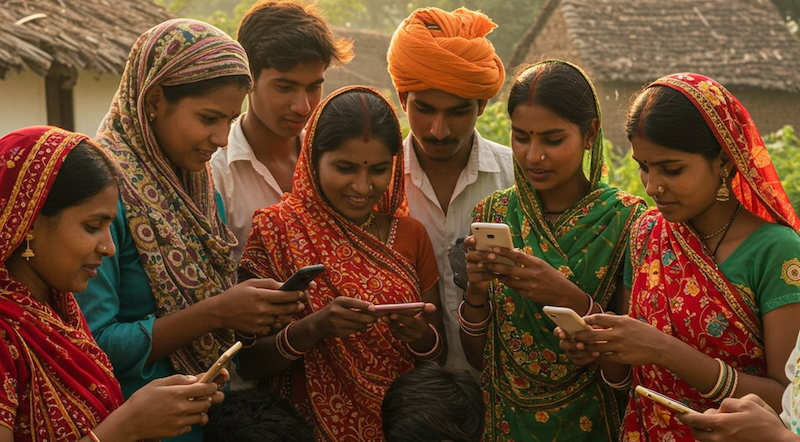
    Forget the quaint image of the village square; rural India is now scrolling, streaming, and swiping with gusto. Seven in ten rural consumers are now online, a whopping 28 per cent jump since 2022. Social media, video content, and instant messaging? They’re the new village gossip, especially among the young and the loaded. But hold your horses, television and newspapers still hold sway with the older crowd, proving that old habits die hard.

    Financial anxieties are playing a havoc with household budgets. Three out of four rural Indians are fretting about their finances. Younger, flashier spenders are cutting back on the big toys—durables and vehicles—while the older, thriftier lot are keeping things steady. Personal loans are on the up, suggesting a ‘bit of a pickle’ as folks juggle their cash. But, there’s a glimmer of sunshine; job security optimism is bouncing back..

    The government’s PM Garib Kalyan Yojana, especially the free rations, is a ‘real life-saver’, proving that a bit of state-sponsored generosity goes a long way.

    GroupM India managing director -OOH solutions Ajay Mehta said: “The Rural Barometer Report is a strategic compass for brands navigating this dynamic landscape. As media habits evolve and digital adoption deepens even in the heartlands, it’s clear that a dual-channel strategy blending the scale of traditional with the precision of digital is essential. At GroupM, we see this as an opportunity for marketers to go beyond surface-level reach and build meaningful, hyper-local engagement. This report not only helps decode rural mindsets but also empowers businesses to craft smarter, more inclusive growth strategies for Bharat’s next chapter.”

    Kantar director- specialist businesses, insights division Puneet Avasthi  added, “As rural India  becomes more connected and conscious, brands must rethink how they engage with this  audience. The new rural consumer demands relevance, value, and authenticity. Marketers must  move beyond a one-size-fits-all approach to adopt hyper-local, digitally powered strategies,  while still leveraging the trust and familiarity of traditional media.”

    Brands must ditch the ‘one-size-fits-all’ claptrap. Rural India wants it real, relevant, and authentic. Go hyper-local, go digital, but don’t forget the old favourites.”

    In essence, rural India is a ‘right proper’ mix of caution and connectivity, a ‘digital dynamo’ with a keen eye on the price tag. Brands, take note: it’s time to get your digital act together, whilst still paying homage to the traditional.

  • From corporate boardroom to marathon podium: Kavita Chand’s extraordinary transformation

    From corporate boardroom to marathon podium: Kavita Chand’s extraordinary transformation

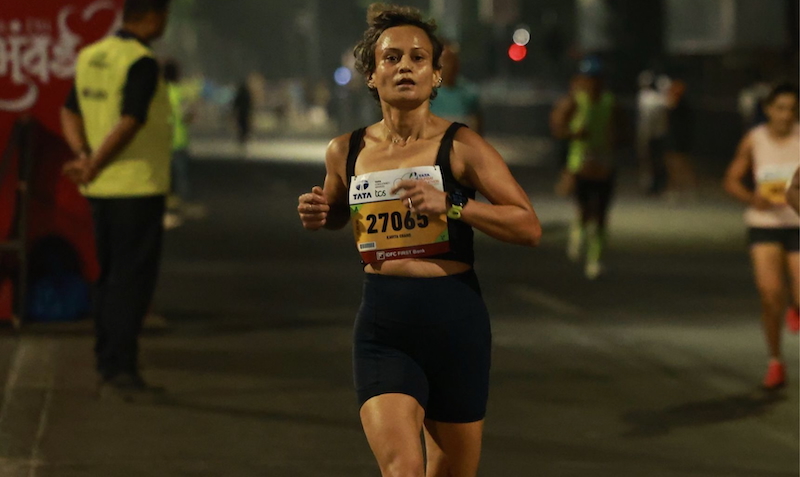
    MUMBAI: In the pre-dawn chill of New Delhi, as most of the city slept, Kavita Chand crossed the finish line of the New Delhi Marathon on 23 February 2025 with the timer reading 1:39:52—finally breaking the elusive 100-minute barrier for the half marathon distance. The achievement earned her a gold medal in her age category and marked a personal best by two minutes, but for Chand, it represented something far more significant: validation of one of the boldest decisions of her life.

    “Finally sub 100 half marathon… Podium gold in age category. Gratitude always,” Chand shared in a characteristically understated social media post that belied the magnitude of her journey from corporate executive to competitive athlete.

    Just seven months earlier, Chand had walked away from her position as vice president of media at Kantar, where she had built an impressive 11-year career. The Mumbai-based media professional had previously held prestigious positions at Lintas Media Group, MEC, and Madison Communications, where she specialized in strategic planning and new business development. Her corporate trajectory had been steady and successful—the kind many professionals aspire to.

    But beneath the surface of her corporate success, Chand had been nurturing a growing passion for distance running. What began as early morning runs to manage workplace stress gradually evolved into a serious pursuit. Colleagues recall her meticulous training schedules wedged between business meetings and her occasional disappearances during lunch breaks for quick training sessions.

    “Kavita always brought the same intensity to her running as she did to client presentations,” recalls a former colleague from Kantar. “There was a methodical precision to everything she did—whether analysing media metrics or planning her marathon training splits.”

    The decision to leave the corporate world wasn’t made lightly. After competing in  several marathon runswhile balancing her demanding career, Chand began to question whether she could reach her full athletic potential while devoting most of her energy to media strategy. In July 2024, she made the leap, trading boardroom presentations for full-time training.

    “It wasn’t a decision I made lightly,” Chand revealed in a rare interview with a running magazine. “I had financial considerations, career implications, and honestly, plenty of self-doubt. But I kept coming back to one question: ‘When I’m eighty, which will I regret more—not becoming a CMO or not discovering my potential as an athlete?’”

    The results have been remarkable. Since focusing exclusively on her athletic career, Chand has competed in races across India and globally, steadily improving her times and building a reputation in distance running circles. Coaches note her analytical approach to training—the same skills that once helped her develop media strategies now applied to understanding lactate thresholds and optimizing recovery periods.

    By November 2024, the reinvention began showing results. At the Bengaluru Half Marathon, she clocked 1:41:45, winning silver in her category. December brought a personal best in Pune at 1:40:58.

    Throughout this period, Chand supplemented her running with high-altitude treks in the Himalayas, laying groundwork for her mountaineering aspirations. Weekend excursions to elevations above 10,000 feet became regular features of her training calendar.

    “The mountains teach patience and humility in ways that road racing cannot,” she noted on her increasingly popular blog documenting her journey. “When you’re at 14,000 feet, you learn to respect nature’s timetable, not your own.”

    The sub-100 minute half marathon in New Delhi represented more than just a time benchmark—it validated her unconventional choice to step away from corporate success at its peak. The gold medal performance immediately qualified her for several elite racing events previously beyond her reach. medal time berlin

    Beyond her personal achievement, Chand’s journey has inspired a movement within Mumbai’s corporate community. She now leads “Corporate to Competitor” weekend training groups specifically designed for professionals considering similar transitions. Her transformation has inspired many in her network of over 3,200 followers, particularly professionals who harbour dreams of pursuing their own passions. Several former colleagues have taken up running inspired by her example, and she occasionally hosts weekend training sessions for beginners in Mumbai’s Sanjay Gandhi National Park.

    “What makes Kavita’s journey special isn’t just the athletic achievement,” says a running club member who trains with her regularly. “It’s that she had the courage to completely reinvent herself at the peak of her corporate career, trusting that her passion could become her new purpose.”

    As for what’s next, Chand remains characteristically focused on the immediate horizon. Sources close to her suggest she’s targeting a full marathon in under 3:30 next season—another significant milestone for someone who five years ago had never run more than five kilometres at a stretch.

    Her mountaineering ambitions continue to develop in parallel, with plans reportedly underway for an expedition to a 6,000-meter Himalayan peak in late 2025. The complementary training regimens for both pursuits have created a year-round athletic focus that replaces the quarterly business cycles that once structured her life.
    For now, she celebrates her sub-100 minute half marathon—not just as an athletic achievement, but as affirmation that sometimes the most rewarding finish lines are the ones that require us to leave our comfort zones far behind.

  • India’s Digital Appetite: A Nation’s Search Habits Decoded

    India’s Digital Appetite: A Nation’s Search Habits Decoded

    MUMBAI: Kantar’s inaugural India in Search report has  revealed a comprehensive transformation in Indian consumer behaviour, painting a portrait of a nation rapidly evolving in its digital sophistication. The report meticulously analysed  data curation of Google search trends, further analysed by mapping emerging themes and topics against the Kantar trend framework matrix. The following are some of the trends that have emerged.

    Sport: Cricket maintained its digital supremacy with 223.4 million monthly searches, but the landscape is diversifying. Women’s cricket has emerged as a powerful force, with searches surging 103 per cent. Traditional sports are gaining ground, with kabaddi up 75 per cent and hockey rising 40 per cent. Community sports have seen particular growth, with pickleball emerging as an unexpected contender alongside badminton.

    Technology: The Mobile Revolution Chinese brands command 52 per cent of smartphone searches, with Samsung, Vivo, and iPhone leading overall volume. Premium devices show remarkable strength, with “Pro” versions seeing a 418 per cent surge. The Redmi 13C 5G dominated growth charts with 1 million searches (up 44,000 per cent), followed by Nothing Phone 2A (823,000 searches, up 37 per cent) and Motorola Edge 50 Fusion (673,000 searches, up 30 per cent).

    Health and Wellness: A Holistic Shift Health queries have evolved beyond traditional concerns. Mental wellbeing and skin health have become prominent, with sensitive skin solutions attracting 5 million searches and pregnancy care reaching 2 million. Digital fitness solutions are preferred, with fitness apps (289,000 searches, up 12 per cent) outpacing personal trainers (307,000 searches, up 2 per cent).

    Travel: The New Explorers Alternative destinations have seen searches rise 49 per cent. Lakshadweep emerged as a surprise beneficiary of diplomatic tensions, with searches soaring 268 per cent. Similar growth appeared for Azerbaijan (268 per cent) and Kazakhstan (226 per cent), reflecting Indians’ growing appetite for unexplored destinations.

    Entertainment and Lifestyle The beauty sector showed dramatic growth in searches for hair colours (715 per cent), serums (419 per cent), and gels (40 per cent). Live entertainment has resurged, with concert searches rising 43 per cent for acts ranging from Coldplay to Diljit Dosanjh.

    Dining and Experiences Fine dining searches have doubled, with Bengaluru leading the trend (416,000 searches, up 104 per cent). The rise in experiential dining suggests a maturing consumer palate and increased disposable income.

    Digital Influence:  Domestic influencers and vloggers have captured public interest (3 million searches, up 47 per cent), outperforming global celebrities (2 million, up 24 per cent). Regional celebrities saw declining interest (754,000 searches, down 11 per cent), suggesting a shift in cultural influence.

    News Consumption:  Major headlines drive 41 per cent of all searches, with financial news around Sensex and NIFTY showing strong interest. The report notes a growing sophistication in news consumption, with readers increasingly balancing mainstream sources with independent digital platforms.

    The analysis, covering November 2023 to October 2024, examined over 400 search topics across 15 categories, offering unprecedented insight into India’s digital behaviour. The findings suggest a nation increasingly comfortable with digital technology, yet maintaining distinct cultural preferences in its online engagement