Tag: Ka-band

  • GSat29, India’s communication satellite, launched

    GSat29, India’s communication satellite, launched

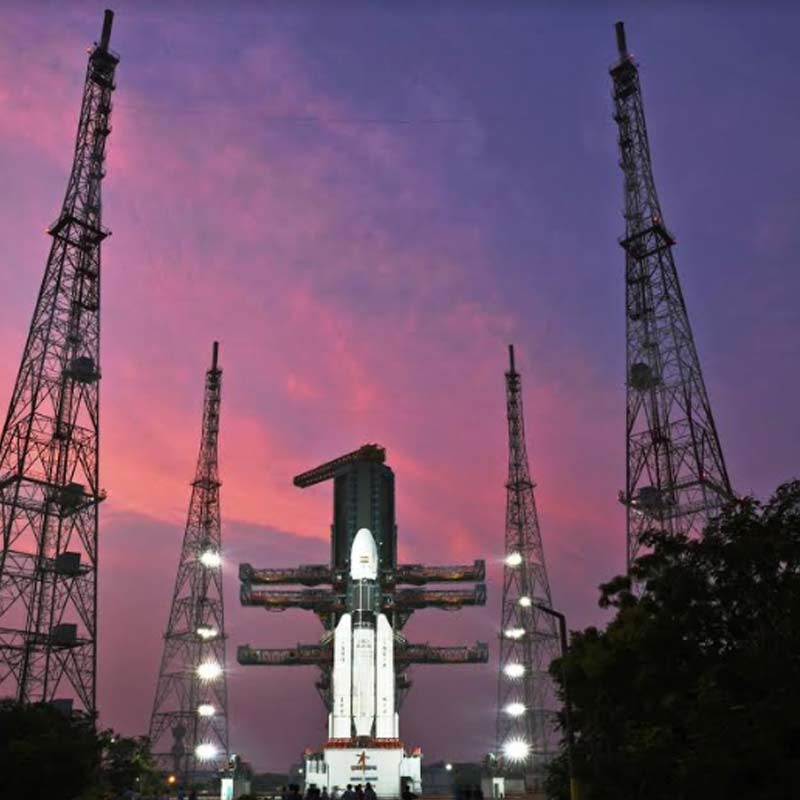
    MUMBAI: Precisely at 5.08 p.m. Wednesday the GSLV-Mk III rocket on its second developmental flight began its ascent with a strong deep growl that reverberated like a thunder roll breaking free from the second launch pad at the Satish Dhawan Space Centre (SDSC) in Sriharikota carrying communications satellite GSat29.

    The Indian space agency had flown a similar rocket on June 5, 2017, with GSAT-19 satellite. Prior to that ISRO had flown another rocket with 3.7-tonne dummy payload in 2014 to test its in-flight structural stability and aerodynamics, according to wire agency reports.

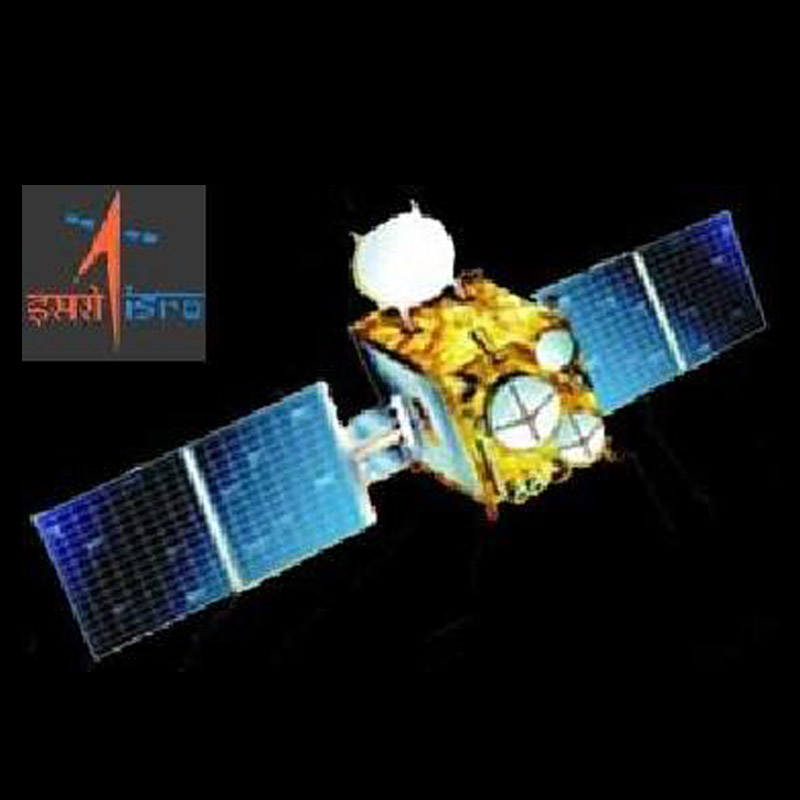
    According to Indian Space Research Organisation (ISRO), GSat29 with a life span of 10 years is a multi-beam satellite that carries Ka/Ku-band high throughput communication transponders intended to meet the communication requirements of users including those in remote areas.

    In addition, several new technologies such as Q/V-band payload, data transmission through optical communication link will be demonstrated. This will help in realising future advanced satellites, ISRO said.

    ISRO chairman K. Sivan said the launch was one of the “very important missions and a milestone” for India’s space programme.

    “This is GSLV-MkIII-D2 second developmental flight. It is going to launch very important and high throughput satellite GSAT-29. The satellite will be useful in Jammu and Kashmir and North East region for providing connectivity under the Centre’s Digital India programme”, Sivan was quoted by agencies as saying.

    According to the ISRO, the GSat29 satellite is intended to serve as a test bed for several new technologies. It is specifically designed to cater to communication requirements of users from remote areas of the country.

  • ISRO’s Gsat-11 sent back from space centre ahead of May-end launch

    ISRO’s Gsat-11 sent back from space centre ahead of May-end launch

    NEW DELHI: In what was being touted as probably the last Indian satellite launch by a foreign space agency, ISRO’s heavy-duty GSAT-11 communications satellite has been sent back to India for “unexplained” reasons from the Europe-based launch pad, according to a media report from Paris.

    “India’s GSAT-11 high-throughput satellite, which arrived at Europe’s Guiana Space Center spaceport on March 30 in preparation for launch on an Ariane 5 rocket, has been returned to India following unexplained issues encountered at the spaceport, industry officials said,” SpaceIntelReport.com tweeted on 23 April 2018, adding the satellite was to be launched late-May via Ariane 5 that was scheduled to carry some other birds, too, including the Azerspace-2/Intelsat-38 satellite.

    However, till the time of writing this report, no confirmation or any additional information was available from India’s space agency ISRO, which has very ably been charting the country’s space policy and the visions of policy-makers and space scientists.

    GSAT-11, according to information put out by ISRO earlier, is a multi-beam high-throughput communications satellite operating in Ka and Ku bands employing a new bus. It provides 32 user beams in Ku band and eight gateway beams in Ka band, which would have gone a long way in strengthening India’s all-round communications, including TV and broadband services. The payload includes Ka x Ku band forward-link transponders and Ku x Ka band return-link transponders. According to Wikipedia, GSAT-11’s cost will be Rs 500 crore (Rs 5 billion).

    In a news report few days back, Times of India said that GSAT-11 was “so massive that each solar panel is over four metres long” and quoted ISRO chairman Dr K Sivan as saying that the heavy-duty Gsats would “provide high-bandwidth connectivity” of up to 100 gigabit per second and “high-speed internet connectivity in rural areas as well and help bridge the digital divide.”