MUMBAI: Gracenote, a Nielsen company, has launched its next-generation TV distribution monitoring and reporting solution developed specifically for the Indian TV market called TV Street Maps 2.0.
The latest solution empowers Indian broadcasters with the most accurate picture of TV channel distribution and delivery to preserve program ratings, address technical challenges in near real-time and improve monetisation from cable operators.
Gracenote TV Street Maps 2.0 automates the tedious task of manual TV channel monitoring with time-stamped data across all cable operators. The earlier version TV Street Maps was manually operated and was weekly monitored but TV Street Maps 2.0 is automatic and monitored at least once a day.
Talking to Indiantelevision.com Gracenote EVP operations Joydip Kapadia said, “The TV Street Maps 2.0 is about capturing channel line-ups of each digital operator in India. It is a device which has a cable feed and it keeps on scanning for the data.”
TV Street Maps 2.0 monitoring is done using remote capture devices that automatically capture TV channel line-ups with geo-tagged locations directly from set top boxes. Leveraging the data directly from set top boxes also enables push alerts to customers when channels are switched off or placement shifts. Gracenote broadcast customers will also have live data dashboards, channel availability, placement and neighborhood reports that help broadcasters assess the impact of channel distribution and viewership ratings.
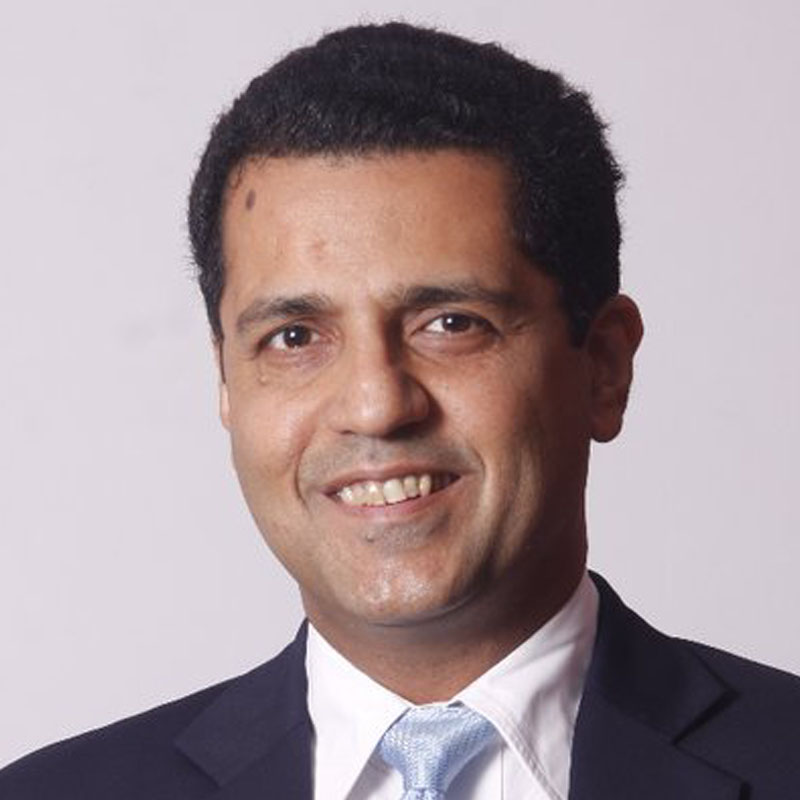
Talking to Indiantelevision.com Gracenote MD- India, Southeast Asia and Middle East Geet Lulla said, “The consumption of any broadcaster is driven by three things: first the content, second is promotion and marketing strategy and the third one is the channel availability. We help the broadcaster to check their channel availability in different regions.”
Broadcasters can now get accurate channel distribution data, drive viewership and ratings and improve operator compliance of distribution agreements that may include carriage fees.
“We cover around 260 cities in India. Total headends are around 850-900 and we cover approximately 650 of them which is 90 per cent of the digital cable subscribers. It has been a very strategic project and we are in the investment mode and planning to breakeven by the end of 2018” Lulla added.
Indian broadcasters can easily identify new market opportunities as well as track unlawful display of their channels through piracy. This level of visibility enables broadcasters to identify new distribution markets to pursue and negotiate new subscription fees from outlying cable operators.
Geet Lulla sees Chrome DM as the only competitor in the space of channel line-ups. The India TV market is one of the most complex video markets in the world with TV channel line-ups varying from day to day and operator to operator.
India has an estimated 1,000 digital operators delivering linear television to 175 million households around the country. The challenge is that each operator can add, remove or change the position of channels at their discretion and without notice to broadcasters. On average, there are approximately 300 to 350 channel line-up changes occurring every week. These changes can impact tune-in, significantly impair ratings and inaccurately calculate cable operator carriage fees for broadcasters.
“As India continues its digital transformation, we are now tasked with creating the next generation of tools, platforms and services that will help monetise viewership across the digital video ecosystem,” said Lulla.