Tag: Johnson & Johnson

  • Pravis unveils two innovative services to leverage YouTube marketing

    Pravis unveils two innovative services to leverage YouTube marketing

    Mumbai: Pravis, a comprehensive growth marketing agency conceived by Momspresso.com co-founders Vishal Gupta and Prashant Sinha, has announced the launch of two ground-breaking services focused on YouTube, the world’s second-largest search engine. The services are aimed at driving organic growth, designed specifically to address crucial gaps in the market.

    Pravis plays a pivotal role in enhancing brands’ presence on YouTube through its specialized YouTube practice. The innovative tool is dedicated to measuring, increasing, and tracking a brand’s Share of Voice on YouTube. The practice identifies a brand’s share of voice and determines content strategies that resonate effectively with the target audience. This organic strategy promotes meaningful brand conversations, enhancing middle-of-funnel salience and seamlessly translating into improved engagement and customer conversions.

    The second new offering from Pravis is the Content Factory that leverages its proprietary content science framework for enabling well researched video content creation at scale. The practice employees globally benchmarked tools and in-house analysis to identify fresh content creation that resonates with the brand’s target audience and drives performance.

    The YouTube practice at Pravis is led by a dynamic team consisting of Gaurav Gupta, a 2X entrepreneur and IIM-A alumnus, who spearheads the role of driving YouTube as a solution for partner brands.  Anirban Naskar, an IIT-Delhi alumnus and ed-tech entrepreneur, who leads the growth marketing solution at Pravis. Yashika Mittal, with a background in Fork Media and Network 18, heads the Content Factory division, bringing her extensive experience in video production. This collective leadership, along with their diverse industry backgrounds have joined as partners and are instrumental in realizing Pravis’s vision of organic and impactful digital marketing, aligning with the founding principles of reducing brand’s dependence on paid marketing.

    Pravis co-founder Vishal Gupta said, “As brands seek to leverage regional language audiences and videos. We believe that YouTube is arguably the most important platform for brands to focus on. And our YouTube Practice enables brands to harness this platform more effectively.”

    Pravis co-founder Prashant Sinha said, “With our Share of Voice on YouTube service, we aim to cultivate meaningful brand dialogues that resonate with the audience, translating into tangible and impactful growth. Furthermore, our unique Content Science framework is poised to be a game-changer for creating data driven video content at scale to drive effectiveness and efficiencies.  At Pravis, we’re not just offering services, we’re providing a new playbook for driving organic growth.”

    Pravis is already providing its YouTube solutions to leading brands, such as Philips, Johnson & Johnson, Jovees, and Care Health Insurance. 

  • Kantar launches Sensory eValuate in India as a part of its Innovation testing suite

    Kantar launches Sensory eValuate in India as a part of its Innovation testing suite

    Mumbai: – Having worked with marquee clients like, Loreal, Colgate Palmolive, Coca-Cola, Nestle, Pepsi, Johnson & Johnson, Bayer, Diageo, and Unilever globally, Kantar, the world’s leading marketing data and analytics company announces the launch of Sensory eValuate in India as a part of Innovation testing suite. It uses sensory research to help evaluate consumer products using the human senses – touch, smell, sight, sound and hearing.

    Strong brands generate superior shareholder returns, are more resilient in times of crisis and recover more quickly – those investing in innovation saw their brand value increase by 273 per cent. Innovation is the foundation for a brand’s growth and it’s imperative in challenging times, however, most innovation fails. As per Kantar’s Innovation Guide 2021, 15 per cent of new product launches contribute to top-line growth, however, only 20 per cent of new product launches survive. It is therefore more essential than ever to keep the consumer at the heart of product development and understand their modern-day pressure points and desires.

    Driven by scientific expertise, Sensory eValuate helps to develop and optimise superior products; explore, design, or optimise new and existing products to drive consumer satisfaction, repeat purchase and brand loyalty – giving marketers the ability to protect and maximise the value of their brand equity. The solution covers a broad range of categories including food & beverage, fragrance, personal care and beauty, cleaning products, automotive, physical environments, and consumer goods. Catering to three critical stages of innovation aligned to growth – Identity, Build and Launch, Sensory eValuate provides insights through the process in a layered approach. The new offer complements other solutions from Kantar’s eValuate suite of innovation tools, including Idea eValuate, Concept eValuate, Pack eValuate and Product eValuate, to help clients identify growth opportunities. These solutions are highly flexible and can be customised according to client needs.

    Speaking about Sensory eValuate, Kantar lead – innovation, South Asia, insights division Ranjana Gupta said, “Understanding what product formulation best meets expectations requires specific sensory expertise and methods. Sensory eValuate brings insight into the detailed attribute level of formulations, empowering the R&D capability within client organisations for the creation of the ultimate sensory experience. Understanding how flavour, fragrance, surfaces, or sounds interact with consumer perception is crucial for the success of a product. Getting these elements right has the power to positively impact brand equity, demand a premium price, create memories, and establish a sensory signature that underlies long-term success in the market. Complimenting this with salience and a congruent total offer is the secret.”

    Kantar MD & chief client officer, South Asia, insights division Soumya Mohanty added, “Innovation requires continual, ongoing effort to ensure that your pipeline delivers the products that will create growth opportunities. Since 1998, Kantar BrandZ has consistently identified three qualities that are the hallmarks of the strongest brands- meaningful, different, and salient. With the launch of Sensory eValuate in India, brand owners will benefit from staying meaningfully different and ahead of the pack. With a 30-year history in sensory and technical innovation and a total of one million plus consumers surveyed across 90 markets, Kantar’s Sensory eValuate solution can revolutionise product development in India.”

  • Amit Dhawan joins Art-E MediaTech as partner & CEO

    Amit Dhawan joins Art-E MediaTech as partner & CEO

    MUMBAI: Art-E MediaTech, a full-service marketing and advertising agency, has announced the appointment of Amit Dhawan as its CEO and the newest partner in the firm.

    An IIM Ahmedabad alumnus, Dhawan was previously with Schbang as the founding partner and business head for their Delhi office, where he was responsible for setting up the business in the North as well as leading the company’s media business. In his eight plus years of experience, he has worked with a diverse set of 200+ brands, including Johnson & Johnson, Panasonic, Godrej, Cipla, Realme, and more.

    “While we empower ourselves to meet the changing marketing landscape, we must have the solid support of people that will propel us forward. Having someone of Amit Dhawan’s calibre join us brings rich expertise in driving our clients to a reputable position in the marketplace, combined with qualitative and admirable leadership skills and knowledge,” said Art-E co-founder Rohit Sakunia. “We are delighted to welcome Amit as our partner as we continue to grow and disrupt the industry.” Art-E was founded by Rohit Sakunia, Tejender Sharma, and Animesh Mukherjee in 2018.

    Amit Dhawan said, “I am excited about becoming a part of Art-E, which has always been at the forefront of delivering meaningful and true solutions to its clients by seamlessly integrating creative, tech, and media. By applying the learning I have had so far, I hope to make a meaningful difference to the business of our clients.”

    Dhawan has also been featured in the ’30 under 30′ list by Agency Reporter as well as amongst the Top 100 smartest digital marketing leaders by the World Digital Marketing Congress, Global Federation of Digital Marketing, World Federation of Marketing Professionals, and CMO Asia.

  • This Daughters’ Day, Stayfree urges families to break taboos around periods

    This Daughters’ Day, Stayfree urges families to break taboos around periods

    MUMBAI:  India still lags behind when it comes to holding conversations about menstrual periods. According to Unicef, nearly 71 per cent of adolescent girls have no idea about periods even today. In most homes, mothers usually are the primary source of information for young girls, while fathers somehow are never a part of this crucial conversation with their daughters.

    This Daughters’ Day sanitary napkin brand Stayfree set out to bridge this gap between fathers and daughters. The brand has launched a new campaign that urges fathers to be involved in period conversations with their daughters.

    The hygiene brand called several father-daughter duos for auditions for a Daughters’ Day ad. However, none of them knew that the ad was for Stayfree. When the script was handed out to them, they fumbled, stammered, and stuttered their way through the subject of periods. But with each take, the conversations got easier – until at some point they didn’t need the script at all. It stopped being an audition and became a conversation between the parent and child instead.

    “My mom spoke to me about my periods. That’s how it has been for generations. As part of Stayfree’s agenda to normalise periods, we realised that as long as just moms were speaking about the subject, we’d never achieve what we set out to do,” said DDB Mudra creative head – West, Pallavi Chakravarti. “But making dads have “the talk” with their daughters is easier said than done. So, we didn’t convince them. We just put them in a situation where they’d have to get over their apprehensions and get on with being a parent.”

    The campaign builds on Stayfree’s award-winning campaign from 2020 – ‘It’s just a Period’, and brings to light the discomfort fathers feel in having a conversation on menstrual periods with their daughters.

    Johnson & Johnson Consumer Division, India vice president Marketing, Manoj Gadgil said, “Stayfree has always stood up for enabling a healthy relationship between a girl and her periods – be it through our products or thought-provoking campaigns. Normalising period conversations is core to what Stayfree stands for and through our new Daughter’s Day Campaign we encourage parents and fathers, in particular, to let go of the awkwardness and have a conversation with their daughters on menstrual periods, one frank chat at a time.”

  • Rebuilding consumer trust, meeting altered expectations: Brands on the 2021 challenge

    Rebuilding consumer trust, meeting altered expectations: Brands on the 2021 challenge

    MUMBAI: Our world, as we know it, changed irrevocably last year in the wake of Covid2019. As people everywhere struggled to make sense of an evolving reality, organisations too were forced to reassess and recalibrate their businesses in a bid to survive and grow. Consumer behaviour having gone through a paradigm shift during the pandemic, has posed additional challenges for brands. There is understandably uncertainty on all fronts.

    In order to understand the strategies devised by top brands to tackle the challenges of this global crisis and to look beyond it, the Indian Society of Advertisers (ISA), in association with the Free Press Journal and ABP Network, organised a two-part webinar – Brands and Consumers: 2021 and Beyond.

    While the first part of this series on the manufacturing sector was held last week, the second part on the service sector was held on Wednesday with some of the best marketing minds from across the service sector. The panel discussion that followed aimed to share the best practices during the pandemic and the way to look forward with hope.  

    The session was moderated by ISA executive council member and former Johnson & Johnson MD Narendra Ambwani. Panelists included Thomas Cook (India) president & group head-marketing, service quality, financial services & innovation Abraham Alapatt, Aditya Birla Capital CMO Ajay Kakar, Jio Platforms group vice president- advertising & innovations Mohit Kapoor, and Amazon India’s director, mass & brand marketing international Ravi Desai.

    Opening the session, Ambwani spoke about how post-Covid, brands face many challenges with consumers‘ expectations as well as behaviours changing. He shared the main question confronting the industry today: “what are the lessons learnt in overcoming the disruptions posed by lockdown, WFH and fears caused by Covid.” Alapatt voiced his opinion on how the travel sector was the most affected in the crisis with the entire industry’s demand going down to “zero”, in part due to the physical restrictions in place. “The past twelve months have given a learning equivalent to twelve years,” he stated.

    From a marketer’s perspective, he encapsulated the year gone by into six Cs of 60 days each, with the first 60 days being a state of “confusion”, turning to “concern” in next 60, then going on to “careful” where the initial paranoia had subdued, proceeding to a mix of “cautious + careless” when the lockdowns eased and finally learning to “coexist” with the pandemic and the restrictions.

    Sharing Thomas Cook’s marketing strategy during the crisis, he highlighted the importance of staying connected to the consumer via newsletters and surveys, while reassuring them on the safety protocols being adopted by the company. The travel company also guaranteed the customer’s financial security by giving them the freedom to reschedule or cancel flights without monetary loss. 

    Aditya Birla’s Ajay Kakar agreed with Alapatt on the importance of remaining connected with the customer, while also stressing on brand visibility and relevance. Being primarily from the health and life insurance sector, he said it was equally crucial to be there for existing customers and listen to their concerns, rather than only focus on new customers. He agreed that the sector benefited from people having time to spare to finally explore investing in the capital market.

    Jio’s Mohit Kapoor was more upbeat regarding the past year, although he admitted that the April 2020 quarter was the worst in many years for the company. He shared the forecast of Jio’s smartphones reaching a market of 800 million from existing 500 million, paving the way for a ‘2G-Mukt Bharat’. He predicted that social is the way forward for commerce with social networking sites like Facebook and Instagram seeing a huge spike in users. He also touched on the upcoming relevance of social gaming and e-sports genres with India becoming one of the biggest gamers markets.

    Amazon’s Ravi Desai was also quite optimistic about the e-commerce giant’s prospects in the past, as well as the coming year. As he put it, “consumers’ needs for a wide selection of products, delivered quickly and safely is not going to change,” even with local retailers opening up and customers stepping out to buy. His advice to brands: To look for the ‘permanent’ factor in their business module which will remain relevant to customers, and to focus on that core part.

    Summing up the main takeaways for brands from the discussion –

    u  Stay connected and relevant to customers

    u  Reach out and reassure existing customers

    u  With changed consumer-expectations, brands that step up will remain in the game

    u  Trust is the keyword – rebuilding and reassuring customer’s trust in a crisis

    After the bloodbath of last year, the travel industry is on the road to recovery, with a huge spate of bookings for the months of November and December, shared Alapatt. He added that Maldives, which had never figured in the top destinations for Indians now, had single largest visitors from India. Even enquiries post-lockdown were record-breaking, indicating that people were frustrated after remaining indoors for so long. With prices lower than ever and great travel deals, he concluded that things can only look up from hereon for travel and tourism. At the same time, he emphasised there was no compromise on the safety factor of customers, and that adding safety value to a brand where required will pay dividends with customers willing to pay for the extra. He cited the example of Thomas Cook’s partnership with Apollo, to enable the customer to avail the ‘doctor-on-call’ facility while travelling.

    In conclusion, this optimism was shared by all other service sectors when it came to looking forward at 2021 and beyond. They surmised that this was a powerful opportunity for the hospitality and service sector, with the worst over and behind them. And that in this pursuit, the relevance and value of customer engagement has grown even more significant for all brands.

  • MTV Nishedh Alone Together returns, with focus on TB awareness

    MTV Nishedh Alone Together returns, with focus on TB awareness

    MUMBAI: Viacom18 and MTV Staying Alive Foundation, supported by an educational grant from Johnson & Johnson Services, are all set to bring back digital-only miniseries MTV Nishedh Alone Together.

    The outbreak of the Covid2019 pandemic has caused new challenges for those suffering from tuberculosis (TB) across India. With over 2.7 million cases annually, India is home to the highest number of TB (Tuberculosis) patients in the world, out of which at least half a million cases go undiagnosed. Not only may TB patients and survivors face unique vulnerabilities to severe Covid2019 infection as a result of their respiratory challenges, but the pandemic has made it more challenging for them to access both medical care and social support.

    To combat this, MTV Nishedh Alone Together will focus on raising awareness about TB in India among young people – who represent just under 40 per cent of all new TB cases – while stressing the importance of seeking proper diagnosis and care, especially amidst the Covid2019 pandemic. The 5-episode mini-series will stream on YouTube, Instagram and Facebook handles of MTV India and MTV Nishedh, starting every Friday, from 27 November 2020 onwards.

    A digital only spin-off of MTV Nishedh, which premiered in January this year, MTV Nishedh Alone Together will see sportsperson Sania Mirza champion this important social cause and make her digital debut on the mini-series. The tennis star will be seen playing herself on the show, and joins the cast that includes Priya Chauhan, Syed Raza Ahmed, Himika Bose and Akshay Nalawade, who will also be seen in pivotal roles in the series.

    Viacom18 Spokesperson said: “We believe that meaningful content, when delivered in an entertaining format to mass audiences, can go a long way in driving instrumental impact. Amidst the Covid2019 pandemic, health and wellbeing has taken forefront in our lives; however, we still choose to shy away from conversing about TB – the world’s leading infectious killer. A global modelling study has suggested that, with every month of the lockdown, TB is expected to claim an additional ~70,000 deaths in India during 2020-2025.  Thus, the timing couldn’t be more appropriate to engage our audience through entertainment on social media to create awareness of TB in the times of Covid2019.”

    The MTV Nishedh campaign started in 2019 as a holistic 360-degree mass-media led intervention focussed towards increasing awareness on taboo topics facing young people in India, including TB, with support from Johnson & Johnson Services Inc., as well as other issues like sexual and reproductive health, adolescent malnutrition, women’s empowerment and consent. The campaign included MTV Nishedh, a 13-part fiction TV series on MTV; a radio drama on Red FM; and a sustained social media outreach to encourage conversations around these taboos.

    A completely shot-at home series, MTV Nishedh Alone Together captures the journey of a young couple, Vicky and Megha, based in Mumbai, who brave it through the professional challenges amidst the imposed lockdown, coupled with the concerns around Vicky’s TB treatment continuation in the Covid2019 scenario. Faced with this adversity, will Megha and Vicky be able to stick together? Will Vicky receive the care and social support he needs during Covid2019? MTV Nishedh Alone Together has the answers to these questions and much more.

  • HUL & responsible advertisement: Going beyond Fair & Lovely’s name change

    HUL & responsible advertisement: Going beyond Fair & Lovely’s name change

    MUMBAI: It took Hindustan Unilever (HUL) 48 years to realise that the term Fair & Lovely has racial connotations. After coming under criticism world over for promoting racial stereotypes, the company decided to drop the word ‘fair’ and replace it with ‘glow’ for both its women’s and men’s product range.

    As per a report, Fair & Lovely instituted a series of campaigns centred on “the fairer girl gets the guy” theme which ran from December 2001 to March 2003, but after the backlash, the company discontinued the ads. To revive its image, HUL launched Fair & Lovely Foundation to encourage economic empowerment of women across India.

    Will the rebranding to Glow & Lovely see HUL become a more responsible advertiser? Mirum India executive creative director Naila Patel explains, “The reason HUL has withdrawn its current positioning is to add to its image as a responsible advertiser. They take the responsibility narrative seriously and carry out enough sustainability initiatives for the very reason. The fact that we are having this conversation means it has made an impact by withdrawing its current strategy.”

    Despite all it says, ‘fairness leads to success’, whether it be in marriage, career or any other field of life, has been the trope portrayed by Fair & Lovely ads over the years.

    Business strategist and angel Investor Lloyd Mathias says, “By dropping the word ‘fair’ from Fair & Lovely, they have taken cognisance of the sensitivity associated with skin colour. But, they will need to do a lot more than just renaming the brand to Glow & Lovely, to genuinely address the colourism issue so widely prevalent in India. How they roll out the new positioning will need to be observed.”

    It’s interesting to note that the prompt for the change was not Indian but rather the response to the #BlackLivesMatter protest in the US which saw Indians protesting against Fair & Lovely too. Additionally, competitor Johnson & Johnson decided it would discontinue its fairness products entirely.

    Mathias asserts, “HUL will have to show genuine intent in what they do in the market with the new rollout. The brand's franchise is far too entrenched to move away from the category it defined with the mere change of the name. The new packaging, logo and communication stance will have a big role to play.”

    Patel believes that it will lose the sharp targeting but might end up attracting a more varied audience as millennials prefer to “buy brands that have integrity and stand for a purpose.”

    It could also mean a shift in the ad slots to a more enlightened audience. Patel opines, “Yes, they might move the slots from traditional to modern content as they will cease to be relevant to the typical saas bahu …chand jaisi dulhan narrative.”

    Mathias differs. He says, “I think in media terms there will be no change in the slots HUL picks for Glow & Lovely. The target audience for the brand essentially remains the same.” 

    Even as HUL said it would look at more inclusive models, Zirca co-founder and director Neena Dasgupta shares, “I don’t believe a dark-skinned model will replace the word 'fair' at a subliminal level. Their choice of model should continue to be the same. Any special effort would be against the act of rebranding.”

    HUL’s product Fair & Lovely leads the skin lightening market in India. The market stands at Rs 10,000 crore, with Fair & Lovely enjoying an 80 per cent market share. Over the years the brand has focused on a deep distribution model. The company made sure the product is available across the country right from kirana shops to malls with higher demand in the rural market.

    If HUL truly wants to show its seriousness on the matter, it will have to do more than just a rebrand. It will have to also act on what it says. 

  • Will fairness brands bid adieu?

    Will fairness brands bid adieu?

    NEW DELHI: After beauty standards and the flawed idea of "fair is beautiful" caught the limelight amid the #BlackLivesMatter protests in the US, brands have taken a much-needed step across countries. Just yesterday, Hindustan Unilever (HUL) announced that it will be dropping the word 'fair' from its infamous skin whitening product Fair & Lovely and soon announce a new name.

    Supporting the #BlackLivesMatter cause, American multinational giant Johnson & Johnson also decided to stop selling its skin lightening products range globally. Clear & Clear will no longer be sold in India and Neutrogena will not be available in the Asian and Middle Eastern markets.

    The fairness cream market in India is dominated by HUL, P&G, Garnier, L’Oreal and many others. Brands over the years have played on and perpetuated the idea that fair skin is everything and have been criticised for provoking thoughts which encourage discrimination on the basis of colour.

    Fair & Lovely, endorsed by actress Yami Gautam, is considered to be one of HUL's best-selling products, unhampered by criticism. 

    According to a recently published report, "India Fairness Cream & Bleach Market Overview, 2018-2023", the women's fairness cream category is anticipated to achieve market revenues of more than Rs 5000 crore by the year 2023.

    While Johnson&Johnson recently called it quits from the fairness cream market, could we see other brands, especially Indian ones, taking the same route or revise their way of communicating to viewers?

    Dentsu Impact VP planning Krittika Chakraborty shares, “The Indian fairness cream market is dominated by HUL whose Fair & Lovely has an 80 per cent share. It is, of course, very much possible that brands like Fair & Lovely may stop advertising during this time as this debate boils over in the international arena. Ad spends might be affected in the short to medium term in India but it is doubtful whether it would directly impact demand for these products.”

    Commwiser Consultants co-founder Aman Abbas says that the fetish for fair skin in India is deep-rooted and centuries old. Therefore, it will take many decades of active campaigns and a lot of education for this to start fading off. 

    There has been a heated debate against such advertisements, as a result, the ministry of health and family welfare finalised drugs and magic remedies (objectionable advertisements) (amendment) Bill, 2020 under which the proposed draft amendment bans advertisements of products that promote fairness creams, enhance sexual performance, cure premature aging and greying of hair, improvement in height of children or adults, among others. The violators will face a penalty up to Rs 50 lakh and can be served prison time for five years.

    "Interestingly, the laws are more focused on the ‘misleading claims’, which means whether the creams are actually making one fair or not and whether the ingredients are safe. There is little focus on the very concept of it," Abbas points out.

    He also adds, “Global brands like J&J have taken the right step and it must be lauded. But there may be many local players who would view J&J’s exit as an opportunity and move in to fill the gap."

    Over the years brands have diversified their business to the male fairness segment as well with leading actors as brand ambassadors including Shah Rukh Khan, Hrithik Roshan, Varun Dhawan and Kartik Aaryan. Indian cricket team captain Virat Kohli was also a former brand ambassador but from 2017, he has refused to endorse fairness brands and others that he doesn't personally use.

    Chakraborty says that even if the marketing angle changes, the promise of the product stays the same and that needs to be addressed.

    “An answer might lie in ranges and narratives that talk about healthy skin with an equal celebration of all skin tones and face types, not just the ones that fit our prevailing notions of beauty,” she says.

    Echoing the same perspective Abbas shares, “The reality is that the society would still ‘need’ fairness creams for the age-old ‘approval’ to look beautiful. So, the products will exist and sold in the market. The brands have an image to keep, appear sensitive to the environment and say the right things. In the days of social media activism that impact the brand image and even sales directly, brands may ‘respond’ to the environment and change the communication to something subtle.”

    Chakraborty strongly opines that such products should not exist as they reinforce a dangerous and regressive stereotype.While it's desirable to believe that a change in marketing tactics may cut down demand, she says it's wishful thinking. 

    “While multinationals might take global calls to end the glorification of light skin or certain beauty standards through their products and advertising, the majority of Indians will still continue to hold light skin in high regard," she says.

    Experts believe that the recent backlash will not negatively impact any Indian brand and they will not stop selling such products as they clock huge revenue.

  • Silverpush launches operations in hong kong, expands apac operations

    Silverpush launches operations in hong kong, expands apac operations

    MUMBAI: SilverPush, the AI based marketing-technology platform powered by artificial intelligence (AI), today announced that it has opened its first office in Hong Kong, as part of its expansion plans across Asia to raise its service offerings in one of the company’s fastest growing markets.

    Founded in 2012 by Hitesh Chawla and headquartered in India, SilverPush is a leading digital advertisement platform which helps brands to maximise their audience engagement via real-time TV tracking and TV-to-digital sync solutions. SilverPush’s patented video fingerprinting and content recognition technology helps brands engage with multi screening audiences.

    According to Kartik Mehta, Chief Revenue Officer, SilverPush, “With one of the world’s highest internet and mobile penetration rates, in addition to brands’ investment on TV in the region, the Asian market has become our biggest priority. The aim of SiverPush’s further expansion into Hong Kong is to help more brands operating there to reach their multiscreen customers more effectively via their real-time platform.”

    Kartik further added, “Conventionally, TV has been the dominant medium for advertisers in Asia. However, the gap between TV and smartphone ownership has narrowed, meaning that more people are obtaining and engaging content via their mobile devices – requiring brands to raise their audience engagement across multiple platforms. SilverPush addresses these trends by allowing brands operating in Hong Kong and within Southeast Asia to reach out to customers across platforms in real time.”

    Across Asia, Silverpush currently works with global brands such as Unilever, Nestle, Coca-Cola, Samsung, Johnson & Johnson, and many others.

    The company’s latest product, Mirrors, was launched in late 2018 to help contextualise ads when people are viewing content on their devices – therefore aiming to tackle the US$170 billion global problem of misplaced online advertising. Using AI with computer vision, Mirrors detects context in video content that aligns with an advertiser’s core communications objectives, allowing them to effectively target their ads in a world already cluttered with advertisements. This contextual approach to marketing seeks to revolutionise the way that brands engage with their audience.

    SilverPush currently serves clients in eight Asian markets including India, Indonesia, Thailand, Malaysia, the Philippines, Vietnam and now, Hong Kong. In addition, SilverPush is also present in South Africa, Tanzania, Egypt and the United Arab Emirates. The company recently raised US$ 5 million in Series B funding led by FreakOut Holdings, Inc., a global marketing technology company and plans to expand into the United States as well as other emerging markets in South Asia, Africa and the Middle East.

  • Johnson & Johnson rebrands baby care portfolio

    Johnson & Johnson rebrands baby care portfolio

    MUMBAI: Baby care brand, Johnson & Johnson, has always been under the scanner with people claiming it causes cancer and is actually harmful for a baby’s skin.

    The brand has stuck to using scientific research to back up the global appeal of its products. But that was up until now.

    Today, with rising awareness about artificial fragrances and harmful dyes used in bay care products, brands like Johnson & Johnson, Pampers, Huggies and others are being questioned and asked to move towards an all-natural alternative.

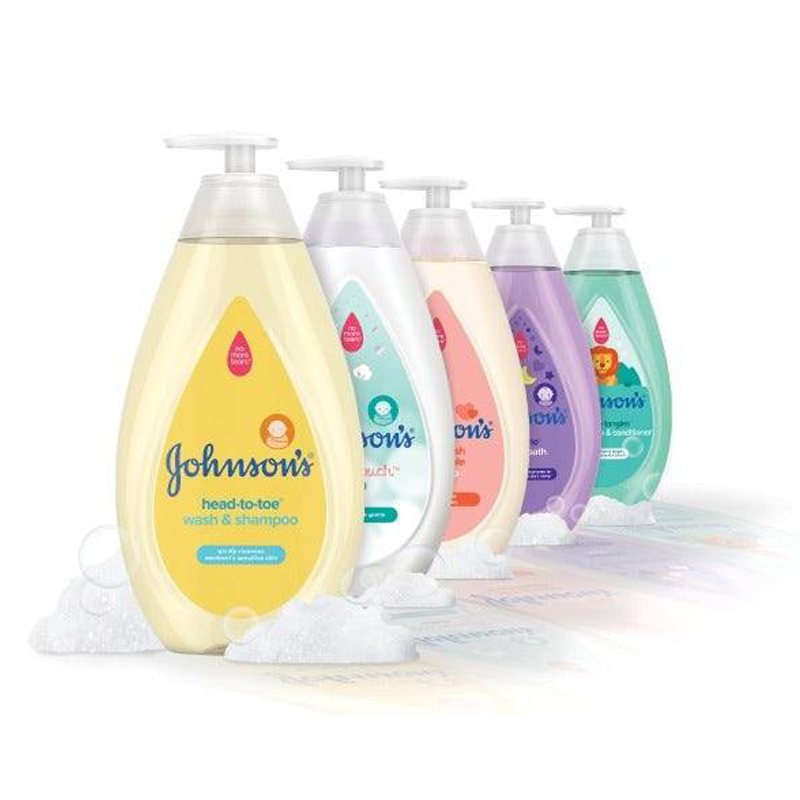
    Now, to address the rising concern of parents and consumers around the globe, Johnson & Johnson has decided to rebrand its entire baby care portfolio prioritising transparency over science as it looks to get closer to parents.

    Since the brand needed a new identity to connect with the millennial consumers/parents, it undertook an intensive research spread over 18 months with mothers and fathers. J&J discovered that the general concern among parents was about the presence of harmful dyes in products and a general need for greater transparency from the brand’s end. 

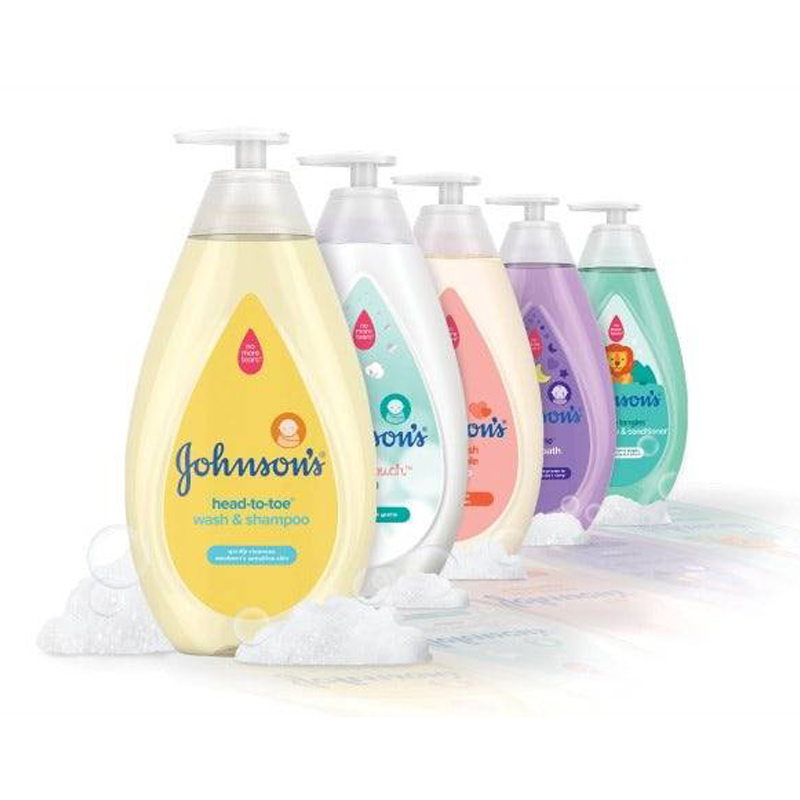
    The baby care company has completely redesigned its packaging based on the feedback from its customers and employees, with an easy-to-hold, pump action bottles that can be operated with one hand while holding a baby. The products will now display the ingredients that go into their products and fragrances for the first time, which has until now been considered a secret. 

    The global relaunch will roll out over the next 18 months, starting in the US in August, followed by China and India by the end of this year and then in the UK during quarter one of 2019.