
Connect with us

MUMBAI: Jitendra Singh has been appointed senior vice president and division head – special projects at Reliance Industries Limited, marking a key leadership addition to the...


NATIONAL: India’s startup story is entering a more demanding phase, as founders, policymakers and investors signal a shift from rapid scale to durable value creation on...
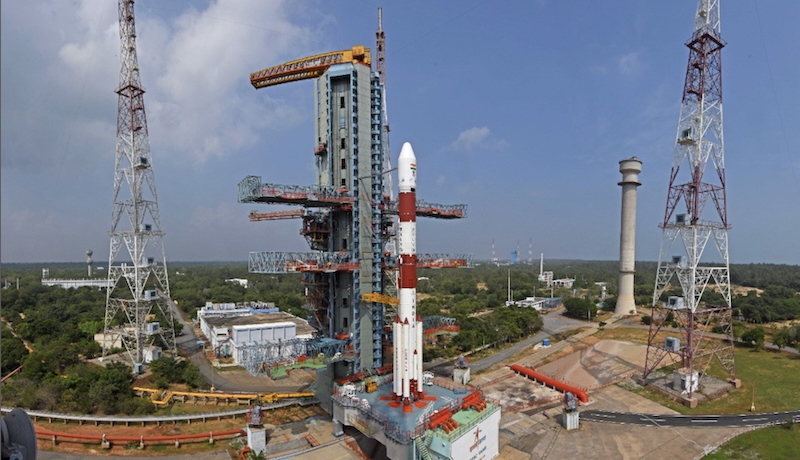
MUMBAI: India is racing to complete its second spaceport on the Tamil Nadu coast, promising to revolutionise the country’s small satellite launch capabilities. The Kulasekarapattinam facility,...

MUMBAI- India’s economic ambitions took centre stage at the ETNOW.in Business Conclave & Awards 2025, where industry stalwarts and policymakers mapped out the nation’s journey toward...

Mumbai: Tech enthusiasts and industry leaders alike are gearing up for Techlusive Summit & Awards Season 4, an event presented by IndiaDotCom Digital Private Limited, scheduled...

MUMBAI: Union Minister for Environment, Forest & Climate and Information & Broadcasting Prakash Javadekar and Minister of State (Independent Charge), Ministry of Development of North East...

MUMBAI: Despite a ban on Peace TV, the hate preacher Zakir Naik’s speeches reportedly continued to be telecast on channels in Jammu and Kashmir, and the...
NEW DELHI: Communication satellites earned revenue of Rs 7.4668 billion through leasing of INSAT/ GSAT transponders in 2016-17. Minister in the department of space Jitendra Singh...
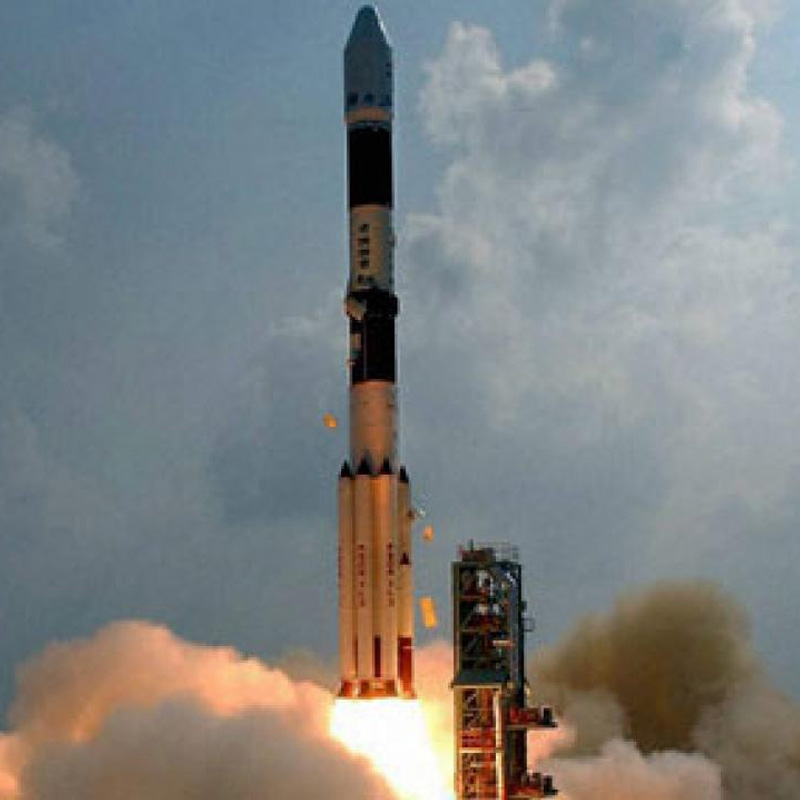
NEW DELHI: The GSAT-17 launched last month is undergoing in-orbit tests after which it will be inducted into the INSAT/GSAT system for providing various communication services...
NEW DELHI: The Indian Space Research Organisation is working towards putting into orbit an indigenous communication satellite GSAT-19, weighing 3.3 tonne and carrying Ka/Ku band payloads....
NEW DELHI: The Indian Space Research Organisation is working towards putting into orbit an indigenous communication satellite GSAT-19, weighing 3.3 tonne and carrying Ka/Ku band payloads....
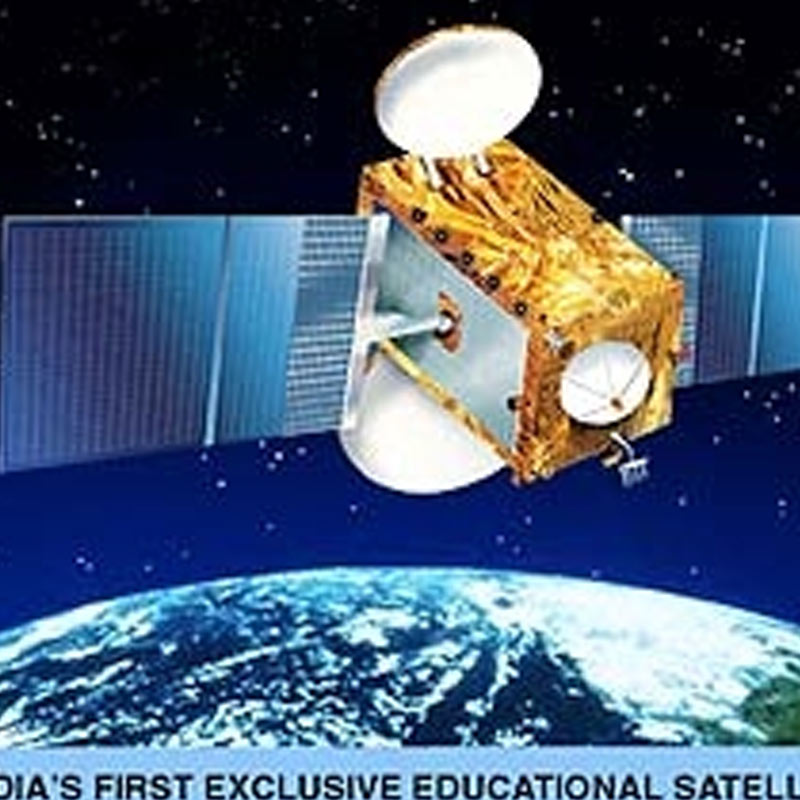
NEW DELHI: A total of 83 tele-education networks connecting about 5000 interactive and about 55000 receive only terminals were established with the help of the Edusat...
NEW DELHI: A total of 83 tele-education networks connecting about 5000 interactive and about 55000 receive only terminals were established with the help of the Edusat...
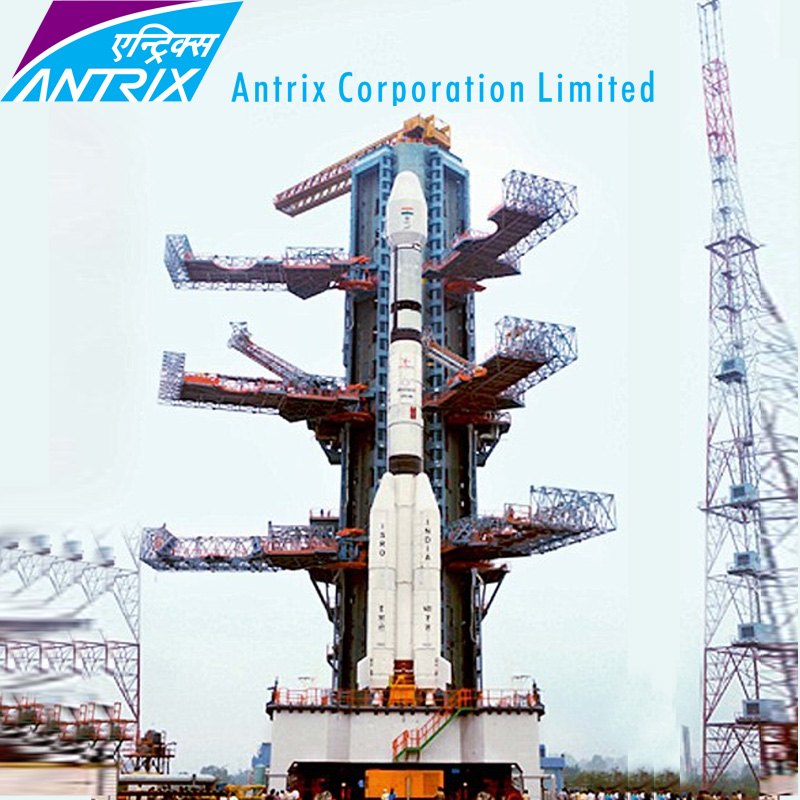
NEW DELHI: Antrix, the commercial arm of the Indian Space Research Organisation (ISRO), earned revenue of approximately Rs 230 crore during 2015-16 through commercial launch services,...
NEW DELHI: Antrix, the commercial arm of the Indian Space Research Organisation (ISRO), earned revenue of approximately Rs 230 crore during 2015-16 through commercial launch services,...
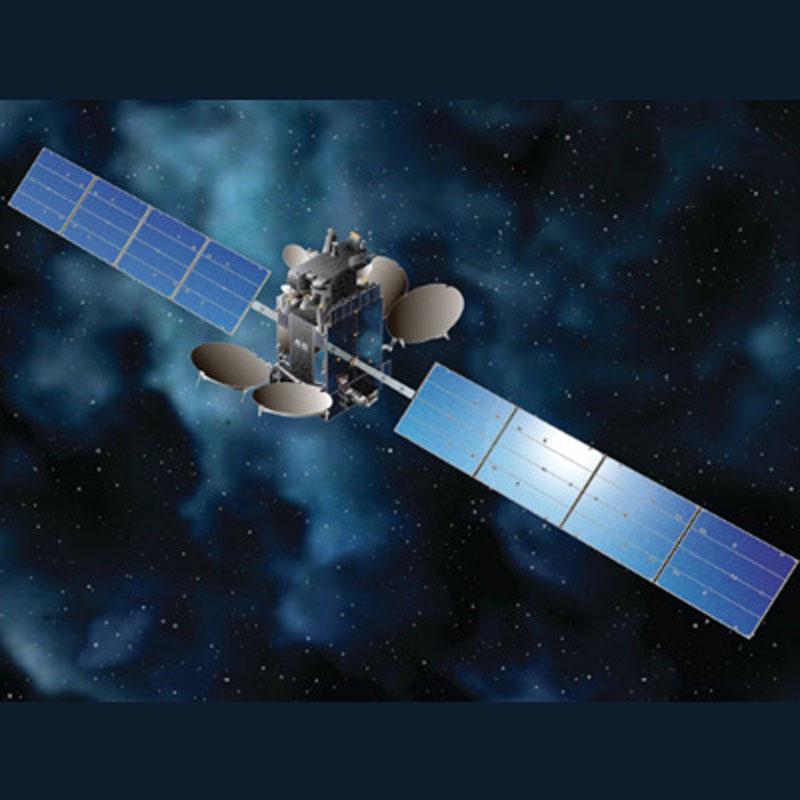
NEW DELHI: The Indian Space Research Organzation (ISRO) is considering the possibility of involving Indian industry in a greater role to meet the increased national requirements...
NEW DELHI: The Indian Space Research Organzation (ISRO) is considering the possibility of involving Indian industry in a greater role to meet the increased national requirements...
NEW DELHI: A total of sixteen vans are traveling to 34 districts of nine states to introduce one million citizens (10 lakh) to services only possible...
NEW DELHI: A total of sixteen vans are traveling to 34 districts of nine states to introduce one million citizens (10 lakh) to services only possible...

NEW DELHI: Citizens can now register their complaints and even keep track of action taken on a new mobile launched by the Personnel, Public Grievances & Pensions...

NEW DELHI: An augmented reality application – ‘Sakaar’ – which is a live direct view of a physical, real-world environment whose elements are augmented (or supplemented)...

NEW DELHI: Eleven Indian satellites including four for communications were successfully launched during the last three years between January 2012 and February 2015, apart from the...
NEW DELHI: An expert committee has been constituted by the Government to carry out detailed analysis considering the launch requirements of the Indian Space Research Organisation...
NEW DELHI: The government is processing a revised policy guideline for allocation and pricing of transponders based on the review and approval of INSAT Co-ordination Committee...
NEW DELHI: Antrix, the commercial arm of the Indian Space Research Organisation, has earned Rs 4,408.07 crore since 1992 through various satellite launch missions by providing...
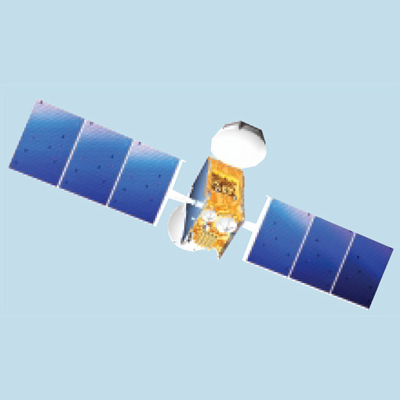
NEW DELHI: Two GSAT missions are expected to be launched by the Indian Space Research Organisation (ISRO) by mid 2015. GSAT-15 will be launched in FY...

NEW DELHI: Youth Affairs and Sports Minister Jitendra Singh has said that the government “stands committed to zero tolerance on criminality in sports and adherence to...

NEW DELHI: Youth Affairs and Sports Minister Jitendra Singh has said that the government “stands committed to zero tolerance on criminality in sports and adherence to...


